Beyond Beige: The Definitive Guide to Wall Colors for Rooms with Little Natural Light
Ever walked into a room in your home and felt like you needed a flashlight just to see? That dim, perpetually shadowed space that feels more like a cave than a cozy retreat? You’re not alone. Rooms starved of natural light can be notoriously tricky to decorate, and choosing the right wall color often feels like an impossible puzzle.
But here’s the secret: you don’t have to settle for dreary. You also don’t have to paint everything stark white and hope for a miracle. The truth is, the best wall colors for rooms with little natural light aren’t about magic; they’re about strategy, understanding light, and knowing how to make color work for you, whether you want to brighten things up or lean into a wonderfully moody vibe.
Forget the old adage that dark rooms *must be painted light. We’re going to explore how to transform those challenging spaces into areas you truly love, leveraging expert insights, color psychology, and practical design tips. Ready to shed some light on your darkest corners?
Understanding Your Low-Light Space: More Than Just a Lack of Sun
Before you even think about swatches, let’s understand the beast. A room with limited natural light isn’t just dark; it has its own unique characteristics that influence how colors appear. Ignoring these factors is the fastest way to a paint-color disaster.
The Science Behind Light and Color: LRV and Undertones Explained
This isn’t just interior design fluff; it’s fundamental. Understanding these two concepts will give you an unfair advantage in choosing the perfect paint.
- Light Reflectance Value (LRV): This is a numerical scale (0 to 100) that indicates how much light a paint color reflects. A true black has an LRV of 0, absorbing all light. A pure white has an LRV of 100, reflecting almost all light. In a low-light room, an LRV of 50 or higher is generally recommended for brightening, but as we’ll see, lower LRVs can work if your goal is mood. Always check a paint’s LRV; it’s often on the swatch or online.
- The Critical Role of Undertones: This is where many people get tripped up. A “gray” isn’t just gray. Does it have a blue undertone? Green? Purple? Beige? These subtle hints of color become amplified in low light. A cool gray (with blue or purple undertones) can feel icy and cavernous in a dark room, while a warm gray (with green or beige undertones, often called “greige”) can feel inviting and balanced. Undertones are everything when natural light isn’t there to wash them out.
Light Direction Matters: North, East, South, West in a Low-Light Context
Even with limited light, the direction your windows face profoundly impacts the quality and temperature of that meager light, and thus, how colors are perceived.
- North-Facing Rooms: These rooms get the coolest, weakest, and most consistent light throughout the day. Colors here tend to appear duller and more muted, and cool colors can feel particularly icy. Lean into warmer, lighter tones (off-whites with yellow or pink undertones, warm grays) to counteract the cool cast.
- East-Facing Rooms: Enjoy bright, warm morning light, which quickly fades to a cooler, dimmer light by afternoon. This transient light means colors might look different at various times of the day. Embrace colors that thrive in both warm and cool light, or choose warm, mid-tone colors that feel inviting even when the morning glow is gone.
- West-Facing Rooms: These rooms are dim and cool in the mornings but burst with intense, warm light in the late afternoon/evening. The challenge is choosing a color that works for both. Cooler colors (blues, greens, grays) can be balanced by the afternoon warmth, or you can opt for complex neutrals that shift beautifully.
- South-Facing Rooms: While often the brightest, if your south-facing room has small windows or obstructions, it can still be low-light. The light here is warm and consistent. You have the most flexibility; both warm and cool colors can work well, but you might still want higher LRVs if your goal is to brighten.
Strategy 1: Brightening & Expanding Your Low-Light Room
This is the most common goal for dark rooms: making them feel lighter, airier, and more spacious. It’s not just about painting it white; it’s about choosing the right light colors and understanding their nuances.
The White & Off-White Spectrum: Not All Whites Are Created Equal
White can be your best friend or your worst enemy in a dark room. The key is choosing the right undertone.
- Bright Whites (Use with Caution): Pure, crisp whites (high LRV, minimal undertone) can work in very specific scenarios, especially if you have ample artificial light and want a gallery-like feel. However, in rooms truly starved of natural light, they often fall flat, looking sterile, cold, or even dingy. They require warm artificial lighting to avoid feeling clinical.
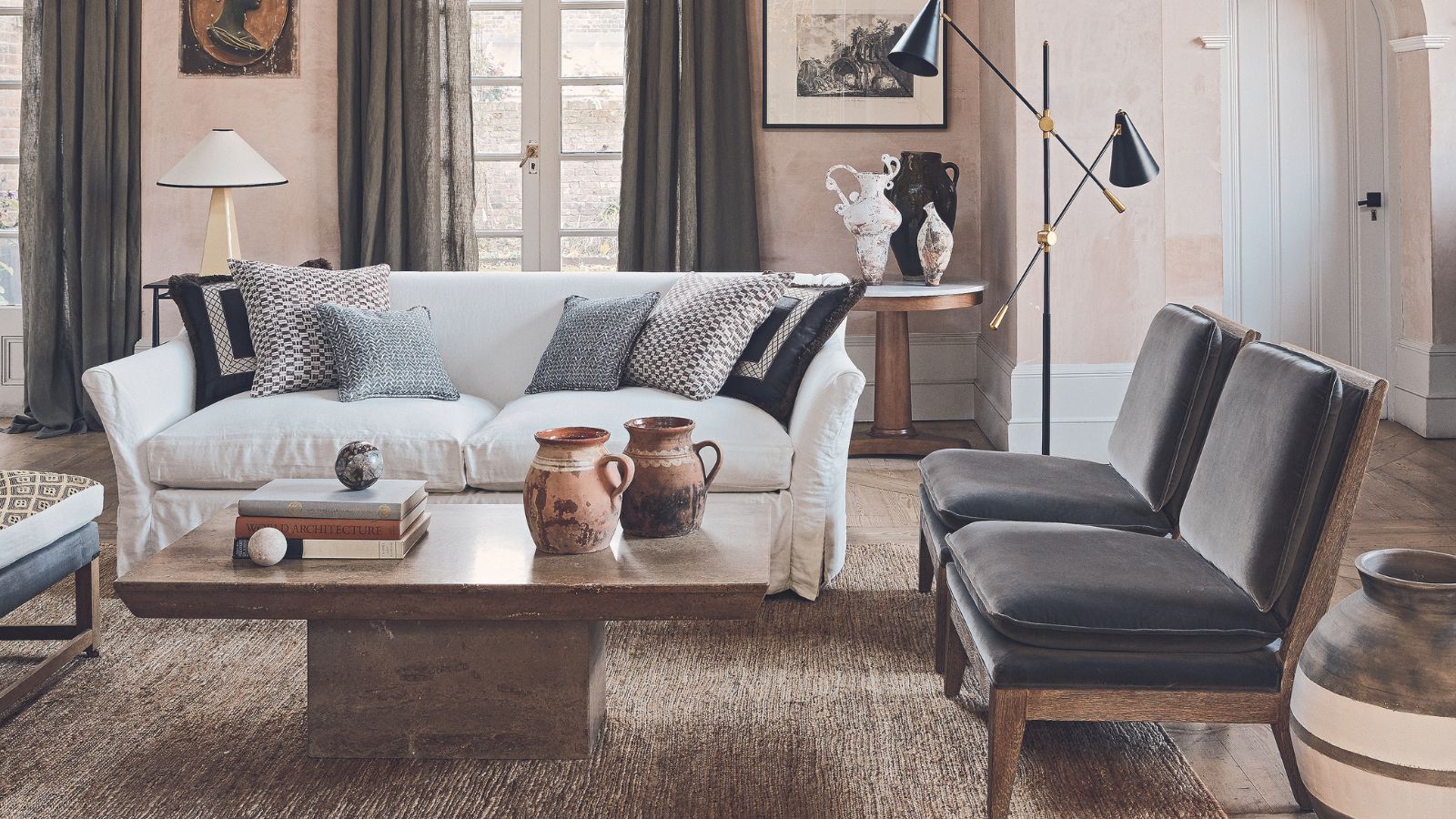
- Warm Off-Whites: These are your go-to for warmth and coziness. Think creams, ivories, and whites with subtle yellow, pink, or beige undertones. They prevent a room from feeling cold and reflect light softly, making the space feel more inviting. They’re excellent for north-facing rooms.
- Cool Off-Whites: Whites with gray or blue undertones can create an airy, modern feel. They work best in rooms with some natural light (even if limited) that has a warmer cast (south or west facing). In north-facing or deeply shadowed rooms, they can make the space feel even colder and starker.
| Color Category | Key Undertones | Typical LRV Range | Best Use for Low Light |
|---|---|---|---|
| Warm Off-Whites (e.g., Cream, Ivory, Linen White) | Yellow, Beige, Pink, Peach | 75-90 | Counteract cool light, add coziness, feel inviting. Excellent for north-facing rooms. |
| Cool Off-Whites (e.g., Gray-White, Blue-White) | Gray, Blue, Green | 70-85 | Modern, crisp feel. Best in rooms with warmer natural light (south/west) to prevent coldness. |
| Greiges (Warm Grays) | Beige, Green, Yellow | 50-70 | Sophisticated neutral, adds warmth without being yellow. Highly versatile for any light direction. |
Gentle Grays: The Modern Neutral for Subtly Luminous Spaces
Gray has reigned supreme as a neutral, but its success in a low-light room hinges entirely on its undertone. Choose wisely, and you get sophistication. Choose poorly, and you get a dungeon.
- Warm Grays (Greige): These are your superstars. Blending gray with beige or green undertones, greiges offer the best of both worlds – the modernity of gray with the warmth necessary to keep a dark room from feeling cold. They are incredibly versatile and can adapt well to various lighting conditions, making them ideal for living rooms and bedrooms.
- Cool Grays: Grays with distinct blue or purple undertones can look beautiful in bright, sun-drenched rooms. However, in low light, these undertones intensify, often making a room feel cold, stark, and unwelcoming. If you love cool gray, pair it with plenty of warm artificial lighting and vibrant, warm-toned decor.
Pale & Pastel Hues: Infusing Soft Color Without Overpowering
If you crave more color than a neutral can offer, pale and pastel shades are excellent choices. They provide a hint of personality while still reflecting light effectively.
- Soft Yellows/Golds: Like bottled sunshine, pale yellows or very light gold tones can mimic natural light, instantly brightening and warming a room. Choose soft, muted versions to avoid an overly saccharine or harsh look. Think creamy lemon or buttery gold.
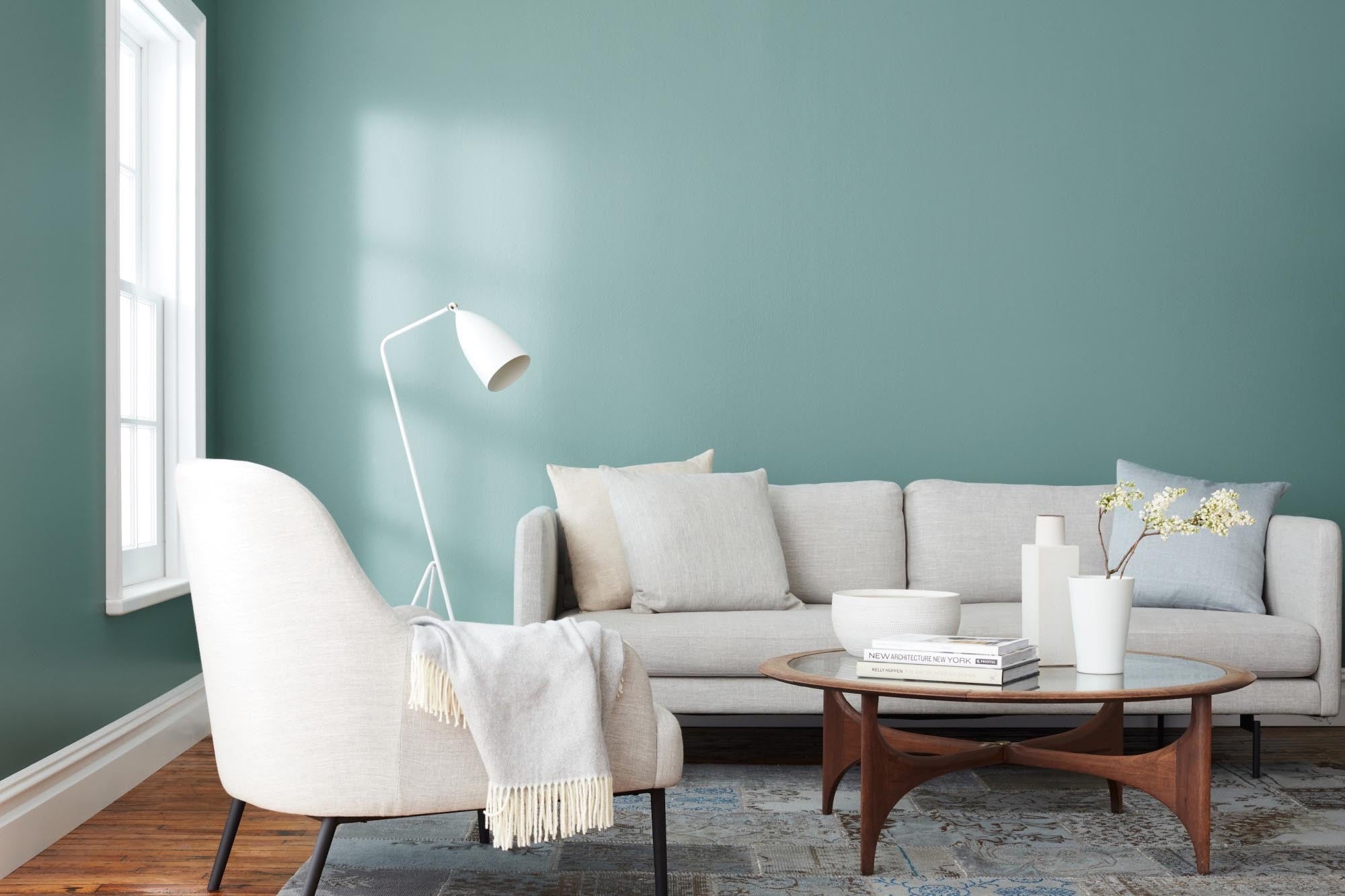
- Muted Greens: Light, desaturated greens (think sage, celadon, or a very pale moss) bring a sense of calm and nature indoors. They are surprisingly effective in low light, offering a refreshing and grounding feel without feeling dark or overwhelming.
- Light Blues (Use with Caution): While light blues can evoke serenity and airiness, they can also feel cold and depressive in a room with very little natural light, especially north-facing ones. If you go blue, choose one with a slight green or gray undertone to warm it up, or opt for a very pale sky blue.
- Pale Lavenders/Pinks: Unexpected but often delightful, very pale lavenders or soft blush pinks can introduce subtle warmth and a touch of romance or sophistication. They work by reflecting light with a soft, warm glow, making a room feel intimate and inviting.
| Color Category | Key Undertones | Vibe in Low Light | Best Use for Low Light |
|---|---|---|---|
| Soft Yellows/Golds | Cream, Beige | Sunny, uplifting, warm | Mimics natural light, great for boosting mood in any dark room. |
| Muted Greens | Gray, Blue, Earthy | Calm, refreshing, natural | Brings outdoors in, sophisticated, works well with warm accents. |
| Pale Lavenders/Pinks | Gray, Beige, Rose | Romantic, cozy, soft glow | Adds unexpected warmth and subtle color without feeling overwhelming. |
Strategy 2: Embracing the Mood: Going Dark & Dramatic
Hold on a second. Didn’t I just say to choose light colors? Yes, if your goal is to brighten. But what if you don’t want a bright room? What if you want to create a den-like, enveloping, sophisticated, or even sexy space?
This is where we challenge conventional wisdom. In rooms with very little natural light, sometimes trying to force brightness just makes the room feel dingy and sad. Instead, embracing the lack of light by going deep and dramatic can create an incredibly intentional, cozy, and luxurious atmosphere.
Deep, Saturated Hues: Creating Cozy Retreats
The trick here is to go all in. Don’t dabble; commit. And remember, dark colors with rich undertones will feel more sophisticated than flat, murky ones.
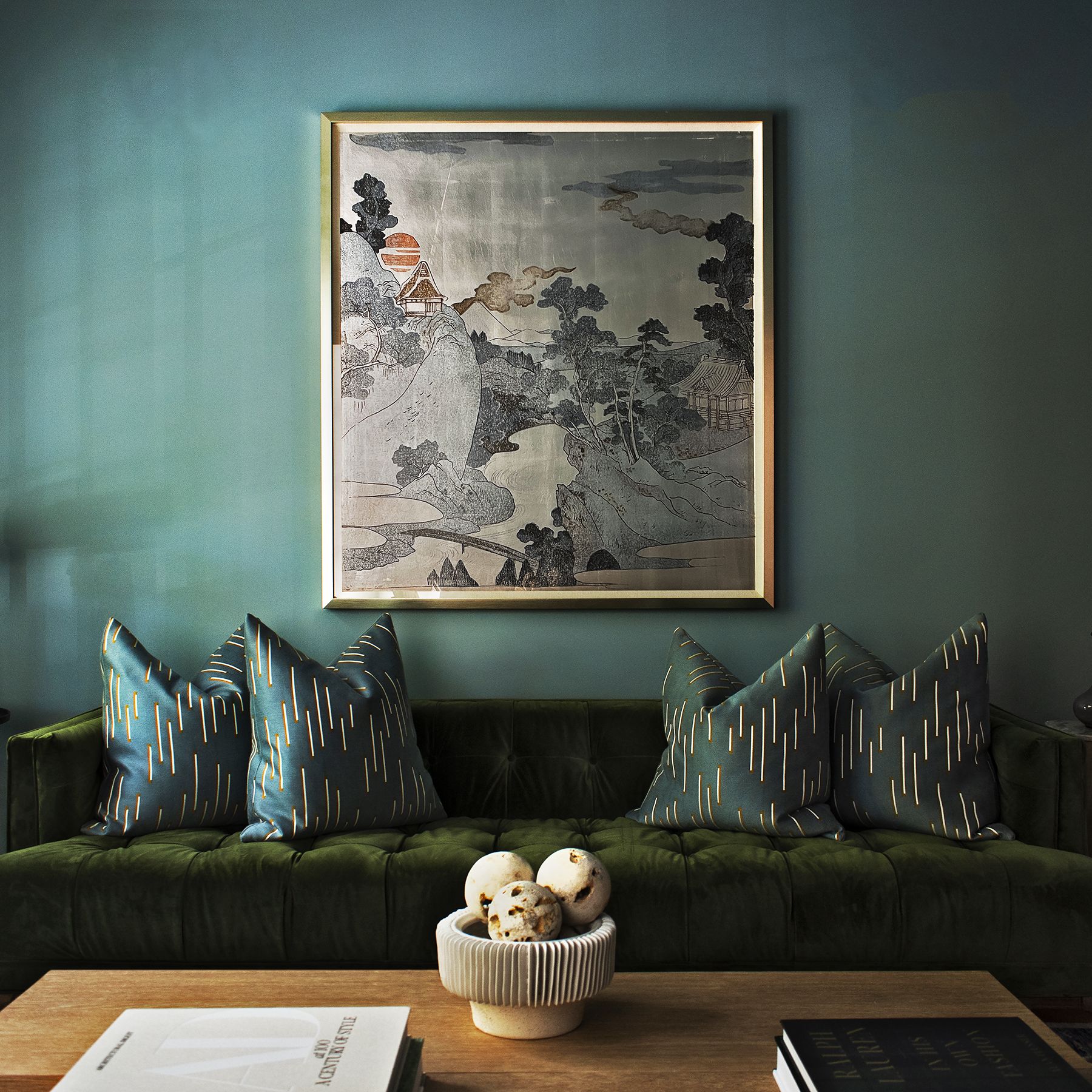
- Rich Greens: Think deep forest green, jewel-toned emerald, or a complex olive. These shades connect to nature, evoking a sense of calm and luxury. They can feel incredibly grounding and sophisticated, especially when paired with warm woods and metallic accents.
- Deep Blues: Navy, inky blue, or a midnight blue can be incredibly chic. They create a serene, enveloping feel, perfect for a bedroom, study, or cozy living room. The depth of the blue absorbs light, making the room feel like a quiet sanctuary.
- Warm Grays & Charcoal: While technically still gray, moving into the deeper, warmer charcoals or dark greiges can create a powerfully sophisticated backdrop. These shades provide drama without being as visually heavy as a pure black.
- Deep Purples/Burgundies: For a truly opulent and dramatic statement, consider rich eggplant purples or deep burgundy. These colors exude luxury and warmth, making a low-light room feel like a treasured jewel box.
| Color Category | Vibe Created | Best for (Room Type) | Styling Tips |
|---|---|---|---|
| Rich Greens (Forest, Emerald, Olive) | Sophisticated, grounding, natural | Living rooms, Dens, Libraries, Bedrooms | Pair with warm wood tones, brass accents, lush fabrics. |
| Deep Blues (Navy, Midnight, Inky) | Serene, enveloping, dramatic | Bedrooms, Media Rooms, Studies, Dining Rooms | Use contrasting lighter trim, crisp white bedding, metallic accents. |
| Charcoals & Dark Greiges | Modern, cozy, sophisticated | Any room for a contemporary, moody feel | Texture is key: layered rugs, throws, art with bright pops of color. |
| Deep Purples/Burgundies | Luxurious, opulent, intimate | Dining Rooms, Master Bedrooms, Powder Rooms | Rich fabrics like velvet, antique gold accents, statement lighting. |
The Power of Contrast: Making Dark Work
Going dark doesn’t mean forsaking light altogether. Contrast is your friend. Use lighter trim, ceiling colors (even a lighter shade of your wall color), and pops of bright artwork or decor to prevent the room from feeling monolithic. Think of a dark wall as a canvas for highlighting beautiful objects.
Beyond Paint: Maximizing Light (or Mood) in Low-Light Rooms
Paint is a huge part of the equation, but it’s not the only factor. To truly transform a low-light room, you need to think holistically.
:max_bytes(150000):strip_icc()/Normandy_Blue_for_Megan_Molten-2000-7c40fd3f24d64fa8a438c619ec493953.jpg "12 Paint Colors That Will Make Small Rooms Feel Bigger")
The Magic of Mirrors: Strategic Placement
Mirrors are the oldest trick in the book for a reason: they work. A large mirror placed strategically opposite your (small) window or adjacent to it will bounce whatever light is available deeper into the room. Even decorative mirrors can amplify light. Consider a gallery wall of mirrors for maximum impact.
Lighting Design: Layers of Illumination
Natural light might be sparse, but artificial light is entirely within your control. This is arguably more important than paint color in low-light rooms.
- Layer Your Lighting: Don’t rely on just one overhead fixture. Combine:
- Ambient Lighting: General light (recessed lights, ceiling fixtures).
- Task Lighting: For specific activities (desk lamp, reading lamp by a chair).
- Accent Lighting: To highlight features (picture lights, wall sconces, uplights for plants).
- Color Temperature of Bulbs: This is crucial. “Warm white” bulbs (2700K-3000K) create a cozy, inviting glow, mimicking late afternoon sun. “Cool white” bulbs (4000K+) can feel harsh and clinical in a dark room. Stick to warmer temperatures for low-light spaces.
- Dimmer Switches: Essential for controlling the mood and intensity of light throughout the day.
Furniture & Decor Choices: Reflective Surfaces & Textures
Your furniture and decor can also play a role in how light (or lack thereof) behaves:
- Reflective Surfaces: Choose furniture with glass tops, metallic accents (brass, chrome, silver), or lacquered finishes. These surfaces will catch and reflect light, adding sparkle and brightness.
- Light-Colored Upholstery: A lighter sofa or chairs can instantly brighten a seating area, acting as a contrast against darker walls or simply reflecting more light.
- Sheer or Light Window Treatments: If privacy allows, opt for sheer curtains or blinds that let in maximum light without compromising on style. Avoid heavy, light-blocking drapes unless you’re embracing the full moody cave effect.
Paint Finish (Sheen) Matters: How Gloss Affects Light Reflection
The finish of your paint makes a significant difference in how it interacts with light:
- Flat/Matte: Absorbs light, creating a rich, velvety depth. Excellent for dark, moody colors to enhance their intensity and hide imperfections. Less effective for brightening.
- Eggshell/Satin: Offers a soft, subtle sheen that reflects a moderate amount of light. This is a popular choice for most rooms, providing durability and a gentle luminosity without being too glossy. Great for both light and mid-tone colors.
- Semi-Gloss/High-Gloss: Highly reflective. These finishes will bounce a lot of light around a room, making them ideal for brightening. They are also very durable and easy to clean, often used on trim, doors, or even ceilings for an unexpected reflective punch. Be aware that glossier finishes highlight wall imperfections.
Common Mistakes to Avoid When Painting a Low-Light Room
Don’t fall into these common traps that can derail your low-light room transformation:
- Ignoring Undertones: We’ve said it before, and we’ll say it again: undertones are everything! A beautiful grey in one home can look baby blue in another.
- Testing Colors Only in Bright Light: Always, always, always test your paint swatches in the actual room, at different times of day. What looks good in the store under fluorescent lights will look completely different in your dim room.
- Going Too Dark Without Sufficient Accent Lighting: If you choose a deep, dramatic color, you must* compensate with layers of artificial lighting to prevent the room from feeling like a black hole.
- Painting Everything Pure White and Expecting Miracles: A cold, stark white often feels dingy and uninspired in a truly dark room. It lacks the warmth and depth needed to make the space inviting.
- Forgetting the Ceiling: A dark ceiling can make a room feel oppressive. A light ceiling (even a slightly lighter shade of your wall color) can create a sense of height and openness. Consider a very light, reflective paint for the ceiling.
Bringing It All Together: Your Personalized Low-Light Color Strategy
Transforming a room with little natural light isn’t about following a rigid rulebook; it’s about thoughtful design. Here’s your action plan:
- Define Your Goal: Do you desperately want to brighten and expand the room, or are you secretly craving a cozy, moody retreat? Be honest with yourself.
- Understand Your Light: Identify your room’s dominant light direction (if any) and assess the quality of light it receives throughout the day.
- Pick a Palette: Based on your goal and light assessment, start exploring colors. Don’t be afraid to consider both light and dark options.
- Test, Test, Test: Buy sample pots! Paint large swatches (at least 2’x2′) on different walls. Observe them at different times of day, under different artificial lighting conditions. Live with them for a few days.
- Consider the Whole Picture: Remember mirrors, layered lighting, furniture, and paint finishes. These elements are not afterthoughts; they are integral to your room’s success.
A room with little natural light doesn’t have to be a design challenge; it’s an opportunity for intentional, impactful design. Whether you choose to drench it in a luminous off-white or swathe it in a dramatic navy, you now have the tools to create a space that feels utterly captivating and perfectly you.
Frequently Asked Questions
Can I really paint a dark room a dark color?
Absolutely! Painting a low-light room a deep, saturated color (like navy, forest green, or charcoal) can create an incredibly cozy, sophisticated, and dramatic atmosphere. Instead of fighting the lack of light, you embrace it, turning a potential weakness into a design strength. The key is to balance it with layered artificial lighting and lighter accents.
What’s the best paint finish for a low-light room?
If your goal is to brighten the room, a higher sheen like eggshell, satin, or even semi-gloss will reflect more light. For darker, moodier colors, a flat or matte finish can absorb light, creating a rich, velvety depth that enhances the color’s intensity and hides imperfections.
How do I test paint colors in a low-light room effectively?
Always buy sample pots and paint large swatches (at least 2’x2′) directly on a couple of different walls in the actual room. Observe them throughout the day under both natural and artificial light. The color will change dramatically, and this is the only way to see its true behavior in your specific lighting conditions.
:max_bytes(150000):strip_icc()/paint-colors-for-dark-rooms-yellow-getty-0323-2000-4f775737f9b24feeabf06161269e2ae2.jpg "The Best Paint Colors for Dark Rooms")
Should I use warm or cool colors in a north-facing room with little light?
For north-facing rooms, which typically receive cool, indirect light, it’s generally best to lean towards warmer colors. Warm off-whites with yellow or pink undertones, or a warm greige, can help counteract the cool cast and make the room feel more inviting and less drab.
Do mirrors actually make a difference in brightening a dark room?
Yes, absolutely! Strategic placement of mirrors is one of the most effective ways to maximize whatever natural light a room receives. A large mirror placed opposite or adjacent to a window will bounce light deeper into the space, creating the illusion of more light and depth. They can also reflect artificial light.
What is LRV and why is it important for dark rooms?
LRV stands for Light Reflectance Value, a scale from 0 (pure black) to 100 (pure white) indicating how much light a color reflects. For dark rooms, an LRV of 50 or higher is generally recommended if you want to brighten the space, as these colors will actively bounce light around. However, if you’re going for a moody, dramatic look, a lower LRV is desired.
Are there any colors I should absolutely avoid in a low-light room?
While there are no absolute ‘avoid at all costs’ colors, highly saturated, cool tones (like a vivid sky blue or a stark, cool gray) can sometimes feel overwhelming, cold, or even depressive in a room lacking natural warmth. Unless paired with significant warm artificial lighting and decor, they can make a low-light room feel even more cavernous and unwelcoming.