The Definitive Guide to Choosing the Best Wall Colors for Your Small Bedroom
Ah, the small bedroom. It’s a common challenge, isn’t it? That feeling of wanting a cozy sanctuary but ending up with a space that feels more like a shoebox. You’re constantly battling to make it feel bigger, brighter, or at least, less claustrophobic. And if you’re like most people, you immediately think: “I need light colors to expand the space!”
But what if I told you that’s only half the story? What if some of the most stunning small bedrooms actually embrace deeper, more saturated hues? The truth is, choosing the best wall color for a small bedroom is less about strict rules and more about understanding perception, light, and your personal style. It’s about making your compact space work for you, whether that means creating an illusion of grandeur or a cocoon of comfort.
As an expert who’s seen countless small spaces transformed by the right paint, I’m here to cut through the noise and give you the real strategies. Forget generic advice. Let’s dive into how you can choose a wall color that doesn’t just look good, but fundamentally changes how your small bedroom feels.
Struggling with Your Small Bedroom? You’re Not Alone!
Many homeowners wrestle with small bedrooms. Maybe it’s an urban apartment, a charming older home, or a dedicated guest room. The universal desire is the same: to maximize comfort, function, and aesthetic appeal without feeling cramped. And trust me, the biggest lever you have in this battle is the color on your walls.
Why Color Matters More in Compact Spaces
In a larger room, a less-than-perfect color choice might just be a minor aesthetic faux pas. But in a small bedroom, it can be the difference between feeling rested and feeling restless. Color dictates mood, influences perceived size, and even impacts how natural and artificial light behave within the space. It sets the entire tone. Get it right, and your small bedroom becomes a haven. Get it wrong, and it can feel like the walls are closing in.
The Great Debate: Light & Bright vs. Dark & Cozy
This is where most of the confusion lies. For years, the mantra has been: light colors make rooms feel bigger. And while that’s often true, it’s not the only truth. Design trends and psychological insights have shown us that deeper, richer colors can also create incredibly successful small spaces. The key is to understand the desired effect.
Embracing the Illusion: Light, Airy Colors That Expand Space
If your goal is to make your small bedroom feel as open, expansive, and bright as possible, then light, airy colors are your best friend. They reflect light, making the room feel larger and often more inviting during the day. Think of them as your personal illusionists, pushing the walls outward.
Classic Whites & Off-Whites (The Timeless Expander)
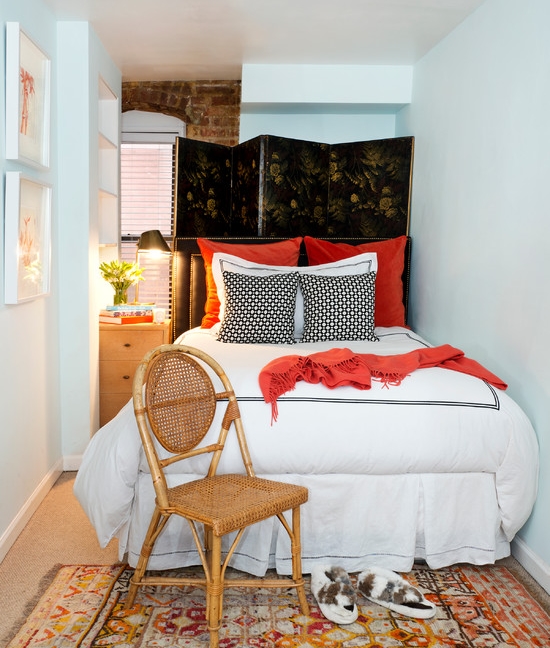
Pure white can feel stark, especially in a bedroom. But off-whites with subtle undertones (think a touch of cream, gray, or even a hint of blush) are incredibly effective. They bounce light beautifully and offer a clean, crisp backdrop that makes your decor pop. An off-white can make a small room feel fresh and perpetually clean.

- Why it works: Maximum light reflection, creates a sense of openness, versatile base.
- Pro Tip: Look for whites with warm (yellow, red) or cool (blue, gray) undertones to complement your furniture and natural light.
Gentle Grays (Modern Serenity)
Gray has been a design darling for a reason. Light grays, especially those with blue or green undertones, offer sophistication without sacrificing brightness. They create a calming, contemporary atmosphere and provide a slightly more grounded feel than pure white, while still reflecting plenty of light. It’s a perfect choice for a serene retreat.
- Why it works: Sophisticated, calming, reflects light well, modern appeal.
- Pro Tip: Be mindful of a gray’s undertones; a too-cool gray can feel sterile, while a too-warm one might lean beige.
Pale Blues & Greens (Nature’s Calm)
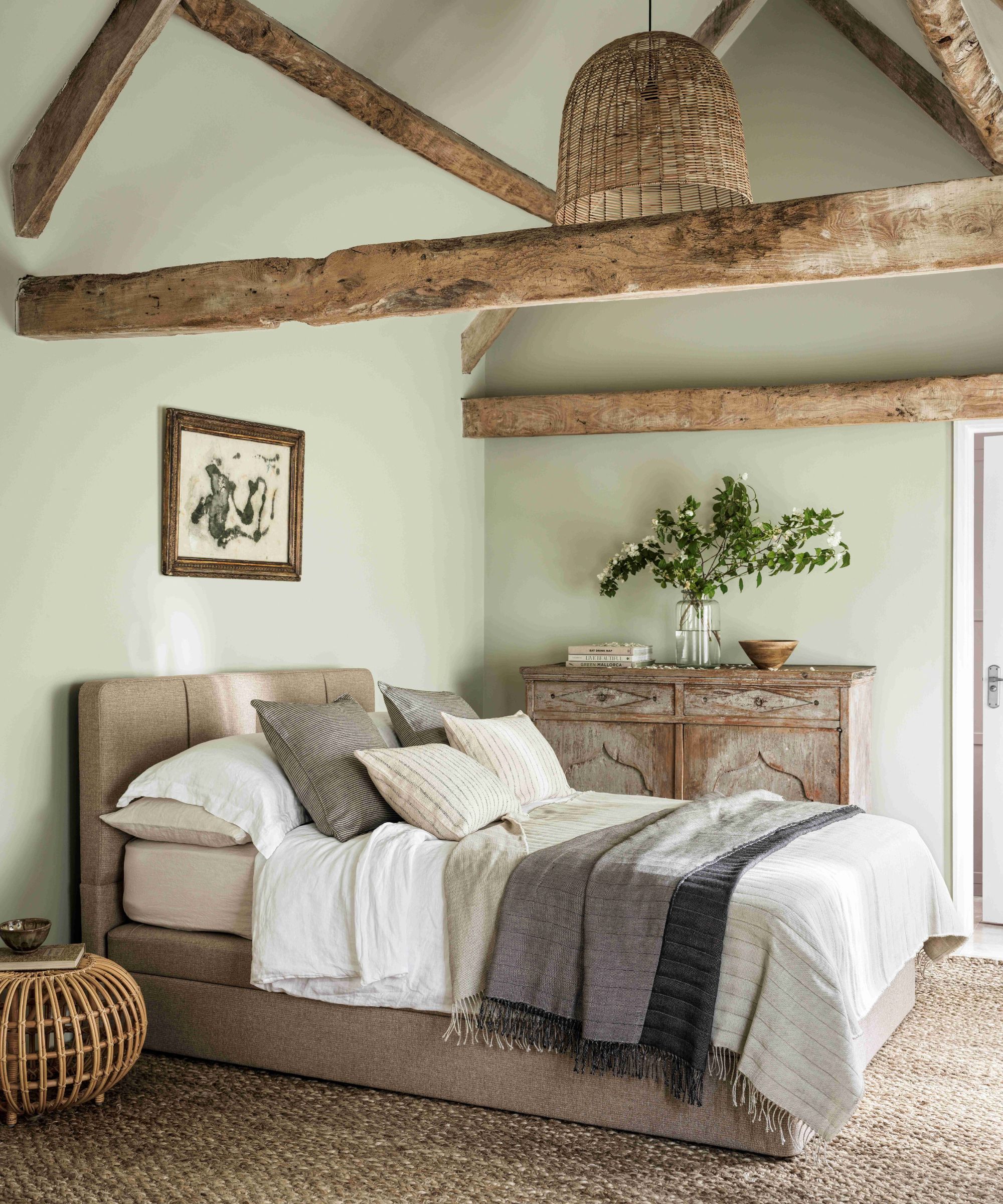
These colors are inherently calming and often associated with nature – the sky and the sea. Pale blues can make a room feel airy and expansive, invoking a sense of tranquility. Soft greens bring in a refreshing, organic feel, promoting relaxation. Both are excellent for promoting a restful sleep environment in a small space.
- Why it works: Naturally soothing, promotes relaxation, creates a fresh and airy feel.
- Pro Tip: Opt for desaturated versions; highly saturated pastels can feel childish or overwhelming in a small room.
Soft Neutrals (Warm & Welcoming)
Beyond white and gray, consider other light neutrals like taupe, beige, or greige (a blend of gray and beige). These colors bring warmth and an earthy comfort to a small bedroom. They create a soft, inviting backdrop that’s incredibly versatile and makes the room feel less stark than pure white, yet still open.
- Why it works: Adds warmth, creates a soft and inviting atmosphere, very versatile.
- Pro Tip: Ensure your chosen neutral doesn’t clash with existing wood tones or furniture.
The Unexpected Charm: Deep, Saturated Colors for a Cozy Retreat
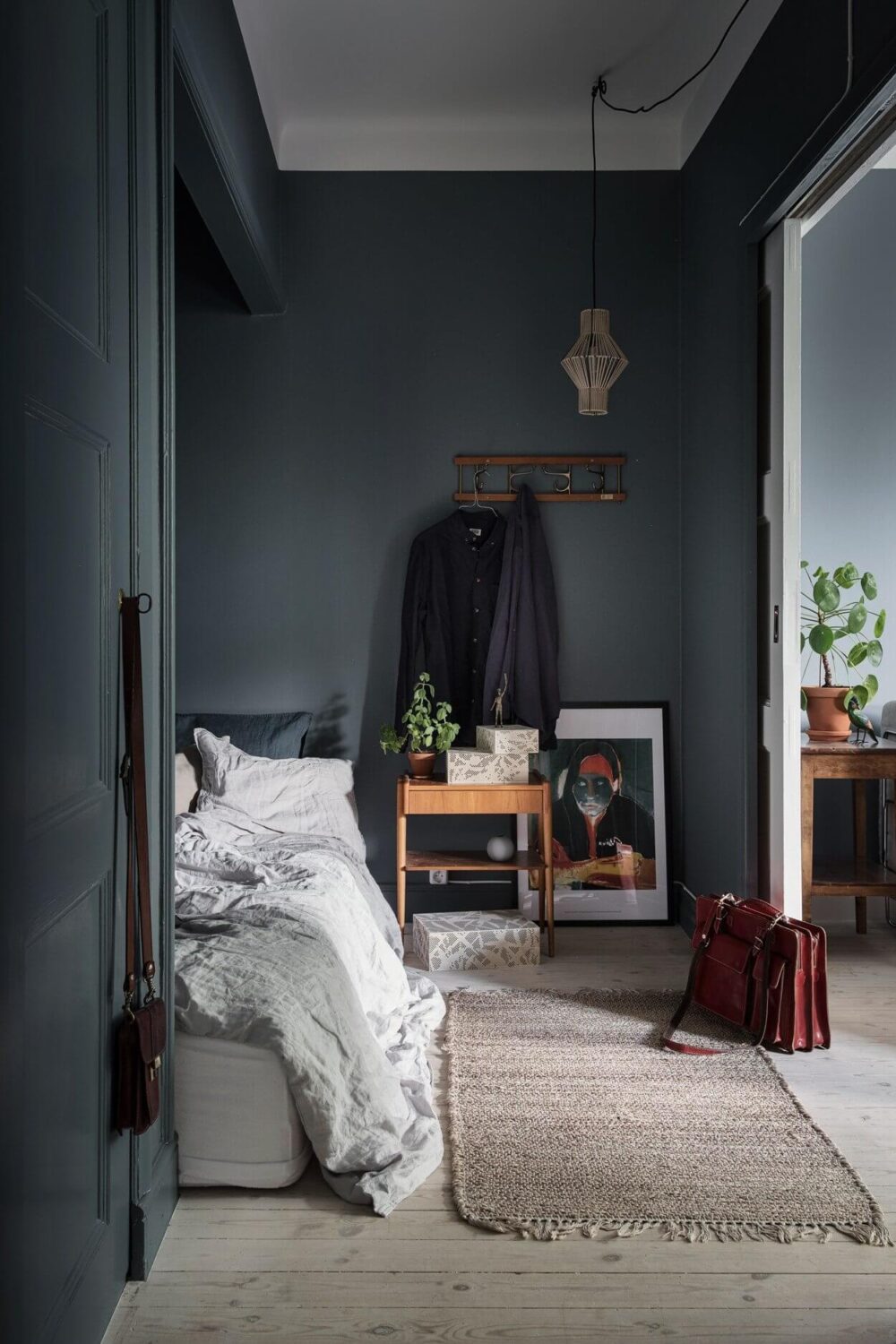
This is where we challenge conventional wisdom. While light colors push walls away, deep, saturated colors can make the walls recede. Instead of trying to make the room *feel bigger, you embrace its smallness and create an intentional, enveloping, and incredibly cozy atmosphere. Think of it as creating a luxurious jewel box or a comforting cocoon.
Deep Blues & Navies (Sophisticated Serenity)
A deep navy or a rich sapphire blue can be absolutely stunning in a small bedroom. Instead of making the room feel smaller, it creates a sense of depth and infinite space, especially when paired with crisp white trim and thoughtful lighting. It’s calming, sophisticated, and incredibly chic.
- Why it works: Creates depth, sophistication, promotes calm and focus, excellent for sleep.
- Pro Tip: Pair with light bedding and metallic accents to prevent it from feeling too heavy.
Rich Greens (Bringing Nature In)
From deep forest green to muted sage or olive, rich greens are grounding and serene. They connect us to nature, promoting a sense of calm and well-being. In a small bedroom, a deep green can feel like being enveloped in a tranquil forest, creating a wonderfully intimate and relaxing space.
- Why it works: Grounding, serene, brings a natural element, creates a unique, intimate feel.
- Pro Tip: Consider earthy accents (wood, terracotta) to enhance the natural vibe.
Charcoal Grays (Modern Drama)
A deep, moody charcoal gray is a bold choice that can pay off handsomely. It creates a dramatic, modern aesthetic and can make other colors and textures in the room truly pop. When all walls are painted in a dark gray, the corners and edges become less defined, blurring the boundaries of the room and creating a feeling of infinite space.
- Why it works: Dramatic, modern, blurs boundaries, highlights decor.
- Pro Tip: Ensure adequate lighting to brighten the space when needed and prevent it from feeling too cavernous during the day.
Earthy Tones & Terracottas (Warm Embrace)
Think warm browns, muted rusts, or deep, dusty rose shades. These colors bring a sense of warmth, earthiness, and a touch of bohemian charm. They can make a small bedroom feel incredibly inviting and cozy, like a warm hug. It’s perfect for creating a distinct, personality-filled space.
:max_bytes(150000):strip_icc()/morgan-farrow-interiors-meander-blue-3f2c2bdd650f4b48845bc1f27c8d80ce.jpg "12 Paint Colors That Will Make Small Rooms Feel Bigger")
- Why it works: Incredibly warm and inviting, adds character, promotes a feeling of comfort.
- Pro Tip: These colors pair beautifully with natural textures like linen, wool, and rattan.
Beyond the Hues: Essential Factors for Small Bedroom Paint Success
Choosing the right color is crucial, but it’s only one piece of the puzzle. How you apply that color, what finish you use, and how it interacts with other elements are equally important, especially in a compact space.
Understanding Light Reflectance Value (LRV): The Science Behind the Shade
Every paint color has an LRV, which is a number (typically from 0 to 100) that indicates how much light a color reflects. A higher LRV means more light is reflected, making a room feel brighter and potentially larger. A lower LRV means less light is reflected, absorbing light and creating a deeper, more saturated look.
- High LRV (60+): Most light and airy colors fall here. Great for maximizing perceived space.
- Low LRV (below 40): Deep, saturated colors. Excellent for creating a cozy, intimate feel.
When selecting a color, checking its LRV can give you an objective measure of how it will behave in your space, regardless of brand marketing.
The Power of Paint Finish: Sheen Matters
The finish, or sheen, of your paint plays a significant role in how a color appears and how much light it reflects. This is especially critical in small spaces.
Matte/Flat
Absorbs light and hides imperfections, giving a rich, velvety appearance. It makes colors look deeper and more saturated. Ideal for dark, cozy rooms where you want a luxurious, non-reflective finish. Can be less durable for high-traffic areas, but perfect for a bedroom.
Eggshell/Satin
Offers a slight sheen, making it more durable and washable than matte. It reflects a bit more light than flat, making colors appear slightly brighter. A great all-around choice for bedrooms, balancing durability and a soft glow.
Semi-Gloss/Gloss
Highly reflective and very durable, typically used for trim, doors, and cabinets. In a small bedroom, using a semi-gloss on walls can make the room feel larger due to its reflectivity, but it will also highlight every imperfection. Generally, it’s too much sheen for walls in a sleeping space.
For small bedroom walls, I usually recommend matte or eggshell. Matte for that deep, luxurious feel (especially with darker colors) or eggshell for a subtle lift with lighter shades and better durability.
Ceiling & Trim Strategy: Expand Up or Blend In?
Don’t underestimate the impact of your ceiling and trim color. They can either amplify your chosen wall color’s effect or detract from it.
Painting Ceilings Lighter or Same Color
Painting your ceiling a lighter color than your walls (especially white) can visually lift it, making the room feel taller. If you’re going for a light wall color, painting the ceiling the same color can create a seamless transition, blurring where the wall ends and the ceiling begins, thus making the room feel more expansive.
Painting Ceilings Darker (or same as walls for a cocoon effect)
If you’re embracing a dark, cozy scheme, painting the ceiling the same deep color as your walls can create an incredible “jewel box” effect. It blurs the lines and envelopes the room entirely, making it feel intentionally intimate rather than small. It’s a bold move, but one that often pays off beautifully.
Trim Considerations
Using crisp white trim with a darker wall color creates a beautiful contrast that defines the space and adds sophistication. With lighter walls, matching the trim to the wall color creates a seamless, modern look that further expands the perception of space.
The Role of Natural and Artificial Lighting
The light in your bedroom dramatically affects how colors appear. A north-facing room with cool natural light will make colors appear cooler and potentially duller. A south-facing room with warm, bright light will intensify colors.
- Low Natural Light: If your small bedroom gets little natural light, light colors with high LRV can help brighten it. Alternatively, embrace the lack of light with deep, moody colors to create an intentional, cozy den.
- Plenty of Natural Light: You have more freedom! Light colors will feel even brighter, while darker colors will still maintain their depth without feeling oppressive.
Always consider your artificial lighting too. Warm LED bulbs will make colors appear warmer, while cool bulbs will enhance cooler tones.
Don’t Forget the Undertones!
This is a subtle but critical detail. Every color has an undertone – a hint of another color lurking beneath the surface. Grays can have blue, green, or purple undertones. Whites can have yellow, pink, or gray undertones. These undertones interact with your lighting, flooring, and furniture, and a clash can make a room feel off.
For instance, a gray with a strong blue undertone might look beautiful in one room but clash with warm wood tones in another. Always observe how the undertone changes throughout the day in your specific room.
Pro Tips for Painting Your Small Bedroom Like a Designer
Ready to put these principles into action? Here are some insider tips to ensure your small bedroom paint project is a roaring success.
Test, Test, Test: The Importance of Swatches
I cannot stress this enough. Never choose a paint color from a tiny chip. Buy sample pots and paint large swatches (at least 2’x2′) directly onto your walls, on different walls, and in different areas of the room. Observe them throughout the day and night, in natural and artificial light. Colors change dramatically depending on the environment.
Consider Your Existing Decor & Furniture
Your wall color isn’t an isolated decision. It needs to harmonize with your existing bedding, curtains, rugs, and furniture. Take cues from these elements to find complementary or contrasting colors. If you have a beautiful wooden headboard, think about how the wall color will make it stand out (or blend in).
Embrace a Monochromatic Scheme
Using varying shades of the same color (light, medium, dark) across your walls, bedding, and accessories creates a sophisticated, cohesive look that can make a small room feel very intentional and designer-like. It reduces visual clutter, which is a huge win in a small space.
Accent Walls: Friend or Foe in Small Spaces? (Nuanced approach)
Accent walls can work in small bedrooms, but with caution. If used incorrectly, they can chop up the space and make it feel smaller. My advice:
- Choose the right wall: Pick the wall you want to highlight, usually the one with the headboard, as it’s a natural focal point.
- Go bold or go subtle: A truly dark, rich accent wall can create depth. A subtle accent (e.g., a slightly darker shade of your main wall color) adds interest without overwhelming.
- Consider texture: Instead of just a different color, consider a textured wallpaper or a tone-on-tone pattern for your accent.
Vertical Stripes or Stripes to Add Dimension
Strategic use of stripes can create optical illusions. Vertical stripes can make ceilings appear higher. Horizontal stripes can make a narrow room feel wider. Ensure the stripes are subtle, perhaps two closely related shades, to avoid a busy, overwhelming effect in a small space.
What Colors to Approach with Caution (and Why) in Small Bedrooms
While I believe any color can* work with the right strategy, some hues require extra consideration to avoid common pitfalls in small bedrooms.
Overly Bright, Saturated Hues (Unless Used Thoughtfully)
Think vibrant fuchsia, electric orange, or intense primary red. While they can be energetic, these highly saturated colors tend to bounce around aggressively in a small space, making it feel visually noisy, overwhelming, and potentially stressful. If you love bold color, use it as an accent in decor rather than on all four walls.
Too Many Contrasting Colors
A small bedroom benefits from simplicity and cohesion. Using too many different, high-contrast colors on different walls or even within your decor can make the space feel cluttered, busy, and visually fragmented, thus emphasizing its smallness.
Small Bedroom Wall Color Comparison Guide
To help you quickly summarize the effects of different color approaches, here’s a handy comparison:
| Color Family | Effect on Space | Ideal Scenario | Key Considerations |
|---|---|---|---|
| Light Neutrals (Whites, Pale Grays, Beiges, Greiges) | Expands space, brightens, airy, clean. | Maximizing perceived size, modern aesthetic, minimalist decor, limited natural light (to enhance). | Choose appropriate undertones, can feel stark if not warmed with decor, consider paint sheen. |
| Pale Blues & Greens | Calming, serene, airy, refreshing, promotes relaxation. | Creating a restful sanctuary, spa-like feel, connecting with nature. | Opt for desaturated versions, can feel cool; balance with warm textures. |
| Deep, Saturated Colors (Navy, Forest Green, Charcoal, Terracotta) | Creates cozy intimacy, sophisticated drama, blurs boundaries, acts as a ‘jewel box’. | Embracing smallness, creating a unique statement, promoting deep rest, abundant natural light (optional). | Requires thoughtful lighting, balance with lighter decor, use matte finish for depth, check LRV. |
Your Small Bedroom Color Journey Starts Here
Transforming your small bedroom with paint doesn’t have to be overwhelming. By understanding the principles of light reflection, color psychology, and strategic application, you can move beyond simply trying to “make it look bigger” and instead create a space that feels perfectly tailored to your needs.
Whether you lean towards the expansive tranquility of light neutrals or the intimate drama of a deep jewel tone, remember that the best color is one that makes you feel comfortable, relaxed, and truly at home in your compact sanctuary. So grab those paint swatches, observe them intently, and get ready to fall in love with your small bedroom all over again.
Frequently Asked Questions
How do I know if a light or dark color is better for my small bedroom?
Decide on your desired effect. If you want the room to feel more expansive, bright, and airy, opt for light colors (high LRV). If you prefer a cozy, intimate, and sophisticated retreat, embrace deeper, saturated colors (low LRV) that can blur boundaries and create a ‘cocoon’ effect. Test swatches of both to see how they feel in your specific lighting.
Should my ceiling be the same color as my walls in a small bedroom?
It depends on your goal. Painting the ceiling a lighter color (often white) than your walls can make the room feel taller. If you’re using a light wall color, painting the ceiling the same shade can create a seamless, expansive feel. For a dark, cozy scheme, painting the ceiling the same deep color as your walls creates an enveloping ‘jewel box’ effect, blurring edges and making the room feel intentionally intimate.
What’s the best paint finish for a small bedroom?
For small bedroom walls, I recommend either matte/flat or eggshell/satin. Matte absorbs light, giving deep colors a rich, velvety look and hiding imperfections. Eggshell or satin offers a slight sheen, making colors appear a touch brighter and providing better durability and washability, ideal for general use.
Can I use an accent wall in a small bedroom?
Yes, but with caution. An accent wall can work well if chosen strategically. Pick a focal wall (like behind the headboard) and either go for a subtle accent (a slightly darker shade of your main wall color) or a truly bold, dark color to create depth. Avoid too many contrasting colors, which can make the space feel chopped up.
How do I choose a wall color if my small bedroom has little natural light?
In rooms with little natural light, you have two main approaches: 1) Maximize brightness with light colors that have a high Light Reflectance Value (LRV) to help bounce any available light around. 2) Embrace the lack of light by using deep, moody colors to create an intentional, cozy, and intimate den-like atmosphere. Always test samples in your room to see how the colors behave throughout the day.
Are there any colors I should definitely avoid for small bedrooms?
While I believe any color can work with the right strategy, be cautious with overly bright, highly saturated hues (e.g., electric orange, vibrant fuchsia) on all four walls. These can make a small space feel visually overwhelming and restless. If you love bold colors, use them sparingly as accents in decor rather than on large wall surfaces.
What role does LRV play in small bedroom color choices?
LRV (Light Reflectance Value) is a crucial metric, indicating how much light a color reflects (0=black, 100=pure white). In small bedrooms, colors with a high LRV (60+) will reflect more light, making the room feel brighter and more expansive. Colors with a low LRV (below 40) will absorb more light, creating a deeper, more intimate, and cozy feel. Understanding LRV helps you predict how a color will behave in your specific lighting conditions.