The Definitive Guide to the Best Wall Colors for Bedrooms: Design Your Sanctuary
Tired of staring at blank walls, or worse, a color that just doesn’t feel right? Your bedroom isn’t just a place to sleep; it’s your personal sanctuary, your retreat from the world. The color on its walls sets the entire tone for relaxation, romance, and rejuvenation. Choosing the right hue can transform your space from merely functional to profoundly peaceful. But with endless options, where do you even begin? I’m here to guide you through the maze of swatches and trends, helping you discover the perfect palette to create the bedroom of your dreams.
This isn’t just a list of pretty colors. We’re going to dive deep into how colors influence your mood, the critical impact of natural light, the magic of paint finishes, and how to confidently test colors so you can make an informed decision you’ll love for years to come. Let’s paint the perfect picture together.
Understanding Your Bedroom’s Purpose: More Than Just Sleep
Before you even glance at a color chip, take a moment to consider what you truly want your bedroom to be. Is it a:
- Serene Escape: A calm, quiet haven for ultimate relaxation?
- Romantic Retreat: A cozy, intimate space for connection?
- Energizing Start: A bright, fresh room to wake up happy?
- Luxurious Hotel Suite: A sophisticated, elegant environment?
- Creative Haven: A vibrant, inspiring space for personal projects?
Your desired mood will be the compass guiding your color choice. Also, peek around your room. What existing furniture, bedding, or artwork do you love and want to keep? Your wall color should ideally complement these elements, creating a cohesive and harmonious design, rather than clashing with them. Think of the wall color as the foundation upon which your entire bedroom aesthetic will rest.
The Psychology of Bedroom Colors: How Hues Affect Your Mood & Sleep
Color isn’t just about aesthetics; it’s a powerful psychological tool. Different hues evoke different emotions and can profoundly impact your state of mind. For a space as intimate as the bedroom, understanding this psychology is crucial for selecting a color that supports rest and well-being.

Calming & Serene: Blues, Greens, & Soft Neutrals (The Top Choices)
These are the champions of bedroom tranquility, consistently recommended by designers and sleep experts alike.
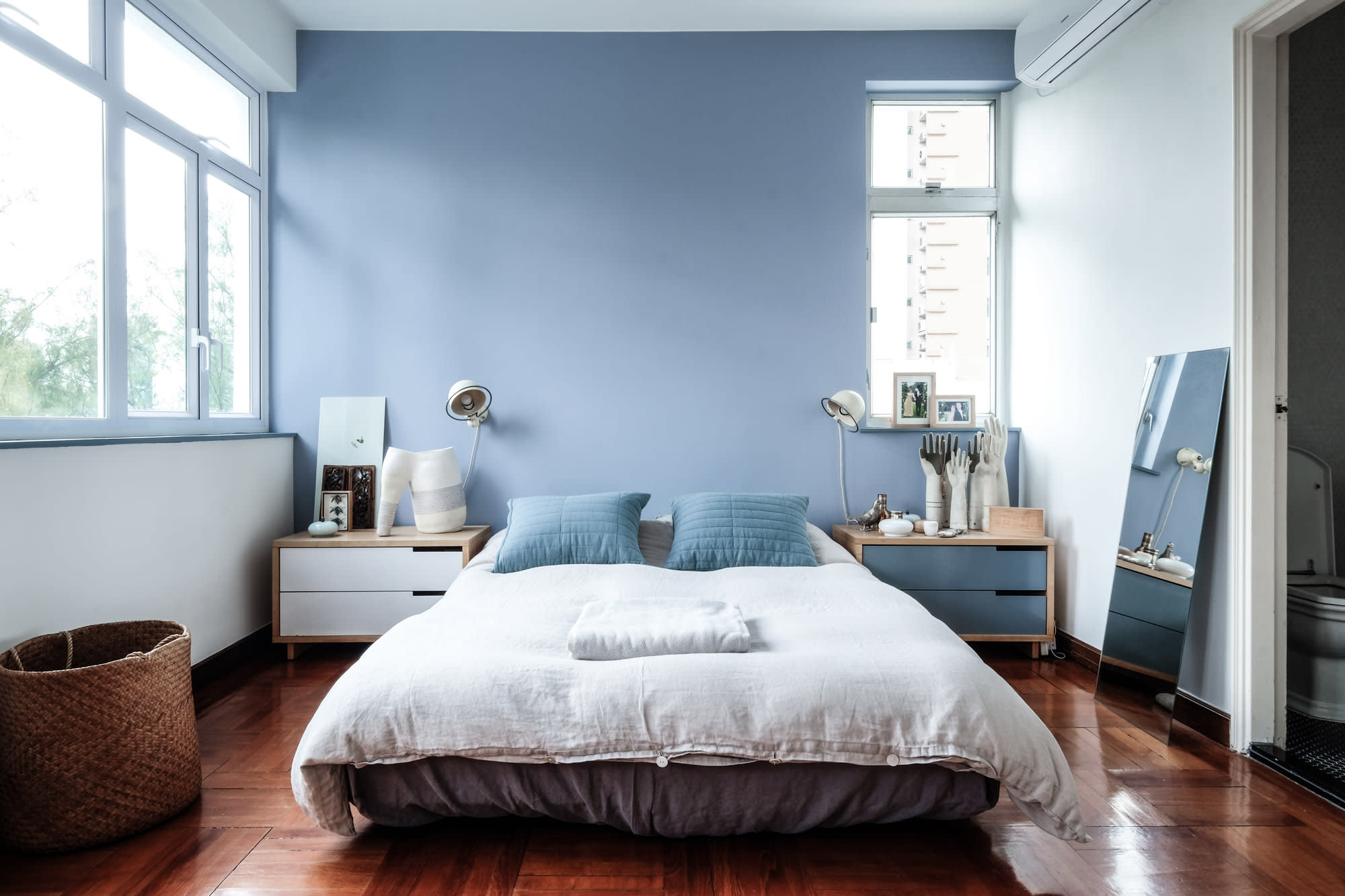
- Blues: Universally recognized for their calming effect, blues are like a dose of quiet serenity. They evoke feelings of peace, stability, and openness, reminiscent of the sky and ocean. Lighter shades can promote sleep, while deeper, muted blues can feel incredibly sophisticated and grounding.
- Greens: Bringing the restorative power of nature indoors, greens promote balance, harmony, and stress reduction. From soft sage to muted olive, green is a refreshing yet soothing choice that reconnects us to the natural world, making it perfect for unwinding.
- Soft Neutrals (Whites, Grays, Beiges, Greiges): These versatile workhorses create a sense of spaciousness, cleanliness, and understated elegance. They are excellent backdrops for any decor style and allow other elements in the room to shine. Neutrals are inherently calming and provide a blank canvas for personalization, fostering a peaceful atmosphere without distraction.
Warm & Inviting: Soft Pinks, Terracottas, & Earth Tones
If warmth and coziness are high on your list, these hues deliver.
- Soft Pinks (Blush, Rose Quartz): Far from saccharine, modern soft pinks are gentle, comforting, and nurturing. They can add a touch of romance and femininity without being overwhelming, creating a tender and inviting atmosphere.
- Terracottas & Warm Earth Tones: These rich, grounded colors, ranging from burnt orange to deep rust and clay, bring a natural, organic warmth to a room. They feel incredibly cozy, rustic, and can evoke a sense of global travel or Mediterranean charm.
Subtle Sophistication: Deep Grays & Muted Purples
For those seeking a more luxurious or contemplative vibe, these options offer depth and elegance.
- Deep Grays (Charcoal, Slate): While lighter grays are serene, deeper grays offer a modern, strong, and incredibly chic backdrop. They can be wonderfully grounding and create a cozy, cocoon-like feeling, especially in larger rooms. Pair them with warm lighting and textures to prevent them from feeling cold.
- Muted Purples (Lavender, Heather): These softer shades of purple, leaning towards gray or blue, are often associated with royalty, creativity, and spirituality. In a muted form, they can be deeply relaxing, tranquil, and add a touch of sophisticated luxury to a bedroom. Avoid overly vibrant purples, which can be stimulating.
Colors to Approach with Caution (or Use Thoughtfully)
While no color is absolutely ‘bad,’ some hues are generally less suited for a restful bedroom environment.
- Bright Reds & Oranges: These highly stimulating colors are known to increase heart rate and boost energy. While great for a dining room or gym, they can disrupt sleep and make relaxation difficult in a bedroom.
- Vibrant Yellows: Energetic and cheerful, bright yellows can be too stimulating for a bedroom, potentially leading to restlessness. Muted, buttery yellows can be an exception, offering a soft warmth.
- Very Dark or Intense Colors (without balance): While dramatic and bold, using intense colors on all four walls without ample natural light, reflective surfaces, or balancing lighter elements can make a room feel oppressive or too small. Use them wisely, perhaps on an accent wall or in a very large room.
Top Contenders: A Deep Dive into the Best Bedroom Wall Colors
Now that we’ve covered the psychology, let’s explore the most popular and effective color families for bedrooms. I’ve broken them down into a handy comparison chart to help you visualize their impact and suitability for different scenarios.
:strip_icc()/WhalesTail-3473099bd2224e18adc7553f9cd5b09d.jpg "25 Calming Bedroom Paint Colors for a Restful Retreat")
| Color Family | Mood & Effect | Ideal Room Conditions | Best For | Popular Examples (Type) |
|---|---|---|---|---|
| Soft Blues | Peaceful, serene, sleep-promoting, expansive. | Any room, especially those needing calm; often cools down south-facing rooms. | Primary bedrooms, guest rooms, nurseries. | Sky Blue, Dusty Blue, Robin’s Egg, Light Teal. |
| Pale Greens | Harmonious, refreshing, restorative, stress-reducing. | Any room, particularly good for busy minds; balances north-facing light. | Primary bedrooms, nature-inspired themes, promoting wellness. | Sage Green, Mint Green, Seafoam, Eucalyptus. |
| Warm Whites | Cozy, clean, versatile, inviting, brightens space. | Small rooms, rooms lacking natural light (especially north-facing). | Minimalist designs, Scandinavian style, cozy feel, traditional. | Cream, Ivory, Off-White, Buttery White. |
| Greige | Sophisticated, calming, modern, flexible, grounding. | Rooms needing a balanced neutral, works well with various light exposures. | Contemporary homes, transitional styles, versatile backdrop. | Taupe, Mushroom, Stone. |
| Light Gray | Modern, sophisticated, sleek, calming, airy. | Contemporary spaces, balancing warmer elements, making small rooms feel larger. | Urban lofts, minimalist designs, gender-neutral spaces. | Silver Gray, Pearl Gray, Light Pewter. |
| Soft Pink | Nurturing, comforting, romantic, gentle warmth. | Rooms needing a gentle touch, adds warmth to cooler light. | Feminine styles, nurseries, romantic bedrooms. | Blush, Rose Quartz, Powder Pink. |
| Muted Lavender | Relaxing, luxurious, creative, unique. | Rooms seeking a distinctive yet tranquil ambiance, works well with natural light. | Boutique hotel feel, creative spaces, adding depth. | Periwinkle, Lilac Gray, Heather. |
| Earthy Taupe | Grounding, sophisticated, natural, cozy. | Rooms needing warmth and depth, especially with good light. | Organic modern, bohemian, rustic chic, masculine styles. | Mushroom, Clay, Mocha. |
The Ever-Popular Neutrals: Whites, Grays, & Greiges
Neutrals are popular for a reason: their versatility and calming presence make them foolproof for bedrooms. But even within neutrals, there are nuances.
- Warm Whites: These are your creamy, buttery, off-white shades with subtle yellow or red undertones. They feel incredibly inviting, cozy, and prevent a room from feeling stark. Perfect for north-facing rooms that tend to get cooler light, as they inject much-needed warmth.
- Cool Whites: With hints of blue or gray, cool whites are crisp, modern, and clean. They make a room feel expansive and fresh, ideal for contemporary spaces or balancing out very warm, south-facing light.
- Light Grays: Sophisticated and serene, light grays can range from almost white to a medium tone. They offer a refined backdrop that works well with almost any accent color. Be mindful of undertones (blue, green, purple) to ensure it complements your existing decor.
- Greige: The genius blend of gray and beige, greige offers the best of both worlds. It provides the sophistication of gray with the warmth of beige, making it incredibly adaptable to various lighting conditions and decor styles. It’s often touted as the perfect neutral.
Soothing Blues: From Sky to Deep Teal
Blue remains a perennial favorite for bedrooms due to its innate ability to soothe and relax. The key is finding the right shade for your space.
- Light Blues: Airy, ethereal, and truly peaceful, light blues are excellent for promoting a sense of calm and expanding a small space. Think of soft sky blues or a gentle powder blue.
- Dusty Blues: These are blues with a touch of gray, making them feel more sophisticated and less overtly ‘baby blue.’ They offer an understated elegance and are incredibly calming.
- Teal/Navy Accents: While a full room in deep teal or navy might be too intense for some, these rich, dramatic blues can be stunning on an accent wall, behind the bed, or in bedding and accessories. They add depth, luxury, and a grounding presence.
Harmonious Greens: Nature’s Best for Bedrooms
Connecting us to the natural world, greens are inherently restorative and bring a sense of balance to any bedroom.
- Sage Green: Currently a designer darling, sage green is an earthy, muted green that is incredibly calming and sophisticated. It pairs beautifully with warm woods, creams, and natural textures, creating an organic modern feel.
- Mint Green: Fresh, gentle, and subtly cheerful, mint green is perfect for a light and airy bedroom, perhaps a guest room or a child’s space. It’s refreshing without being overly stimulating.
- Eucalyptus/Olive Green: These deeper, more muted greens offer a sophisticated, organic vibe. They are grounding and bring a sense of refined nature indoors, working well in both contemporary and more traditional settings.
Gentle Pinks & Lavenders: A Touch of Romance & Calm
Don’t underestimate these softer hues for creating truly unique and comforting bedroom sanctuaries.
- Blush Pink: A barely-there pink with a touch of beige or gray, blush is incredibly soft, comforting, and nurturing. It creates a warm, romantic, and gentle atmosphere without feeling overly feminine.
- Muted Lavender: A light, desaturated purple that leans towards gray or blue, muted lavender is wonderfully tranquil and luxurious. It’s known for its calming properties and can create a truly unique, serene escape.
Factors to Consider When Choosing Your Perfect Hue
Beyond personal preference and color psychology, several practical elements will heavily influence how a color appears and feels in your specific bedroom. Ignoring these can lead to disappointing results.
:max_bytes(150000):strip_icc()/Haywoodmade-7_11_23-9-9862376265fd401f87ace8fc1c5f45b0.jpg "18 Bedroom Paint Colors That Will Turn Your Space Into a Haven")
The Impact of Natural Light: North, South, East, West
This is perhaps the single most important factor. The direction your window faces dictates the quality of natural light your room receives throughout the day, and thus, how a paint color will look.
- North-facing rooms: Receive cooler, indirect, often dimmer light. Colors here tend to look darker and cooler. Combat this by choosing warmer colors (whites with yellow undertones, soft beiges, light sage greens, gentle pinks) to prevent the room from feeling cold and drab.
- South-facing rooms: Bathed in bright, warm light all day. This is the easiest room to decorate! Both warm and cool colors work well here. Cool colors (blues, grays) can help temper the intensity of the light, while warm colors will glow.
- East-facing rooms: Get lovely, bright, warm light in the morning, which quickly turns cooler and dimmer in the afternoon. Consider softer, cooler colors (light blues, greens, cool grays) to feel refreshing in the morning and prevent the room from feeling too cold later in the day.
- West-facing rooms: Receive minimal light in the morning and intense, warm, golden light in the afternoon/evening. If you primarily use your bedroom in the evening, this warm light can make colors appear more saturated. Cooler colors (blues, grays) can balance the warmth, or embrace the warmth with deeper, cozier tones.
Room Size & Ceiling Height
- Small rooms: Generally benefit from lighter, cooler colors. These hues reflect more light, making the walls recede and the room feel more expansive and airy.
- Large rooms: Can handle a wider range of colors, including deeper, richer tones. Darker colors can make a large room feel cozier and more intimate, bringing the walls in visually.
- High ceilings: Painting the ceiling a slightly darker shade than the walls, or even the same color as the walls, can visually ‘lower’ the ceiling, making the room feel more proportionate and cozy.
Existing Furniture & Decor
Your existing pieces are not just background elements; they are crucial components in your color decision. Take stock of:
- Wood Tones: Are they warm (cherry, mahogany) or cool (ash, whitewash)?
- Metal Finishes: Are they warm (brass, gold) or cool (chrome, silver)?
- Bedding & Textiles: What are their dominant colors and patterns?
- Artwork: Does any piece have a strong color palette you want to highlight or work with?
The goal is harmony. Your wall color should either complement these elements (e.g., warm white with warm woods) or provide a beautiful contrast that still feels balanced (e.g., a deep blue with white bedding).
Paint Sheen Matters: Matte, Eggshell, Satin, Semi-Gloss
The finish, or ‘sheen,’ of your paint dramatically affects how the color looks and performs.
- Matte (or Flat): This finish absorbs light, giving colors a rich, velvety depth. It hides minor wall imperfections beautifully but is generally less durable and harder to clean. Ideal for low-traffic bedrooms where a sophisticated, non-reflective look is desired.
- Eggshell & Satin: These are the most popular choices for bedrooms. They offer a slight, soft sheen (eggshell being closer to flat, satin a bit glossier) that makes them more durable and easier to clean than matte, while still providing a lovely color depth. They are a perfect balance of aesthetics and practicality.
- Semi-Gloss: Highly durable and reflective, semi-gloss is typically reserved for trim, doors, and sometimes ceilings where high durability and easy cleaning are paramount. It’s generally too shiny for entire bedroom walls, as it can highlight imperfections and feel overly reflective.
How to Confidently Choose & Test Your Bedroom Paint Color
This is where many people go wrong. Don’t fall victim to choosing a color from a tiny chip in a brightly lit store only to hate it on your walls. Testing is non-negotiable.
Don’t Skip the Swatches!
I cannot stress this enough: buy paint samples and test them in your actual bedroom!
- Paint large swatches: Don’t just dab a tiny spot. Paint at least a 2’x2′ area (or larger) of each color you’re considering on multiple walls, especially those that receive different light exposures.
- Live with it: Observe the colors over several days. See how they look in morning light, afternoon sun, and under your artificial evening lighting. Colors change dramatically with different light sources.
- Move furniture: Place existing furniture or fabric swatches near the painted areas to see how they interact.
- Don’t paint directly on the wall: If you want to be extra cautious, paint large poster boards with your sample colors. This allows you to move them around the room, hold them up to furniture, and even try them in other rooms if you’re thinking of a cohesive flow.
Understanding Undertones
Every color has an undertone – a subtle hint of another color that affects how it appears. Grays, for instance, can have blue, green, or purple undertones. Whites can have yellow, pink, or gray undertones. These undertones are crucial because they determine how your chosen paint color will harmonize with your existing furniture, flooring, and natural light.
A ‘cool’ gray with a blue undertone might clash with your ‘warm’ beige carpet, making one or both look ‘off.’ Similarly, a ‘warm’ white with a yellow undertone might look dingy in a north-facing room that already has cool light. Pay close attention to these subtle leanings in your samples, and compare them against your fixed elements.
Beyond the Walls: Considering the “Fifth Wall” (Ceiling)
The ceiling is often overlooked, but it’s a significant surface. Traditionally, ceilings are painted bright white, which can create a stark contrast with colored walls. Consider these options:
- Same as walls (or slightly lighter tint): This creates a cohesive, enveloping, and often cozier feel, making the room seem like a color ‘cocoon.’ It can also make walls appear taller by blurring the line between wall and ceiling.
- A soft, complementary color: A very pale blue, for example, can give the impression of an open sky, especially with neutral walls.
- A crisp white: Still a valid choice, especially if you want to maximize brightness or have very ornate crown molding you wish to highlight.
Designer Tips for a Harmonious Bedroom
Elevate your bedroom’s design with these insider tricks:
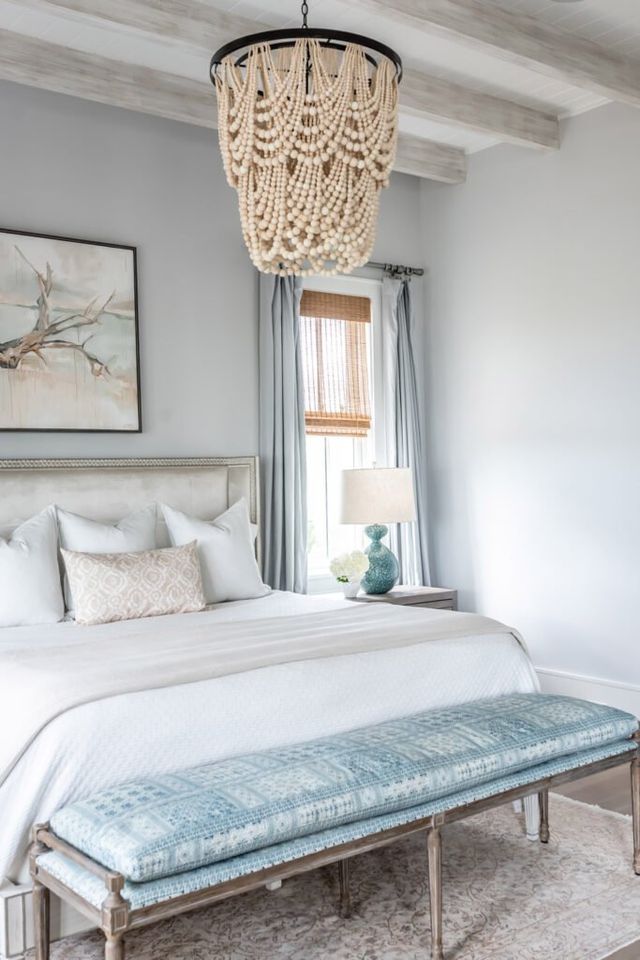
- Embrace Monochromatic Schemes: Using varying shades and tints of the same color (e.g., light blue walls with deeper blue bedding) creates a sophisticated, calming, and visually expansive effect. It’s inherently harmonious.
- Layer Textures: Even with a simple color palette, layering different textures (a chunky knit throw, linen curtains, a plush rug) adds depth, interest, and warmth, making the room feel rich and inviting.
- Introduce Accent Colors Thoughtfully: Once your main wall color is chosen, introduce 1-2 accent colors through pillows, throws, artwork, or small decorative items. Use the 60-30-10 rule: 60% dominant color (walls), 30% secondary color (furniture, large textiles), 10% accent color (small decor).
- Don’t Forget the Lighting: The right lighting can transform a color. Use warm-toned bulbs (around 2700K-3000K) in bedrooms to enhance warmth and promote relaxation. Dimmers are a godsend for mood control.
Bringing it All Together: Creating Your Dream Bedroom Sanctuary
Choosing the best wall color for your bedroom is a personal journey, not a one-size-fits-all decision. By understanding the psychology of color, evaluating your room’s unique characteristics, and diligently testing your choices, you’re not just picking paint; you’re crafting an experience.
Trust your instincts, take your time with samples, and don’t be afraid to experiment a little. The ultimate goal is to create a space where you feel genuinely comfortable, relaxed, and happy to wake up and wind down. Your perfect bedroom sanctuary awaits.
Frequently Asked Questions
What is the most popular color for a bedroom?
Soft neutrals like warm whites, light grays, and greige are consistently popular due to their versatility and calming effect. Blues and greens, especially muted shades like sage or dusty blue, are also highly favored for their serene and restorative qualities that promote relaxation and sleep.
What colors promote sleep and relaxation in a bedroom?
Colors that promote sleep and relaxation are typically cool and muted. Soft blues, pale greens (like sage or seafoam), and gentle grays are excellent choices as they evoke feelings of peace, nature, and tranquility. Muted lavenders and warm, soft whites can also contribute to a serene sleep environment.
Should I choose warm or cool colors for my my bedroom?
This depends largely on your room’s natural light and the mood you want to create. Warm colors (reds, yellows, oranges, and their muted versions like warm whites or soft pinks) make a room feel cozier and more inviting. Cool colors (blues, greens, grays) create a sense of calm, spaciousness, and serenity. Consider your room’s light exposure (e.g., warm colors for north-facing rooms) and your desired ambiance.
How does natural light affect bedroom paint colors?
Natural light significantly alters how paint colors appear. North-facing rooms have cool, indirect light, making colors look darker and cooler; warm paint colors are best here. South-facing rooms have bright, warm light, making colors appear truer. East-facing rooms get warm morning light, while west-facing rooms get intense warm afternoon light. Always test samples on multiple walls to see how they look throughout the day.
What paint finish is best for bedroom walls?
Eggshell and satin finishes are generally the best for bedroom walls. They offer a slight, soft sheen that is more durable and easier to clean than matte (flat) finishes, while still providing a beautiful depth of color. Matte paint can be used for a velvety, sophisticated look but is less resistant to scuffs and cleaning.
How can I make a small bedroom look bigger with paint?
To make a small bedroom feel larger, opt for lighter, cooler paint colors. Light blues, pale greens, crisp whites, and light grays reflect more light, making the walls recede and creating an expansive, airy feel. Consider painting the ceiling the same light color as the walls to blur the boundaries and further open up the space.
Is it okay to paint a bedroom ceiling a color other than white?
Absolutely! Painting your bedroom ceiling a color other than white can dramatically enhance the room’s atmosphere. You can paint it the same color as the walls (or a slightly lighter tint) for a cozy, cocoon-like effect, or choose a very pale, complementary color (like a soft blue with neutral walls) to add subtle interest and depth. Just ensure the chosen color doesn’t make the ceiling feel oppressive.