The Ultimate Guide to Painting a Room with Two Colors for a Stunning Makeover
Tired of bland, single-color walls? Ready to inject personality, depth, and a touch of professional flair into your space? Painting a room with two colors isn’t just a trend; it’s a powerful design choice that can transform any ordinary room into something extraordinary. But let’s be real – the thought of tackling two hues can feel daunting. What if the line isn’t straight? What if the colors clash? What if you mess it up?
I hear you. The good news is, with the right strategy, tools, and a bit of insider know-how, you can absolutely achieve those crisp, beautiful two-tone walls you’ve been dreaming of. This isn’t just a basic how-to; it’s your definitive blueprint for success, guiding you from picking the perfect palette to peeling back that tape for a flawless reveal. Get ready to elevate your home with confidence!
Why Choose Two Colors? More Than Just Aesthetics
Beyond simply looking good, incorporating two colors into a room offers a surprising array of benefits, both visual and psychological. It’s about intentional design that serves a purpose.
The Psychology of Color Blocking
Color blocking, a technique often associated with two-tone walls, is more than just a visual trick. It subtly influences how we perceive and interact with a space.
- Mood Creation: Darker colors grounding the bottom half of a wall can create a sense of stability and coziness, while lighter tones above can uplift and expand.
- Focus & Flow: Strategic use of two colors can guide the eye, highlighting architectural features or drawing attention to specific areas within the room.
- Visual Interest: It breaks the monotony of a single shade, adding dynamic energy and depth that a uniform color simply can’t achieve.
Beyond the Accent Wall: Zones and Dimensions
While an accent wall uses one different color for an entire wall, a two-color scheme on a single wall or across all walls allows for more nuanced design. Think of it as painting with dimensions:
- Defining Zones: In open-concept living, two-tone walls can subtly delineate different functional areas (e.g., a dining nook within a larger living space) without the need for physical barriers.
- Altering Perceptions: Horizontal splits can make a room feel wider or ceilings appear higher or lower, depending on where you place the line. A higher line can make ceilings feel taller; a lower line can make large rooms feel cozier.
- Adding Architectural Interest: Even in rooms without crown molding or wainscoting, two colors can mimic these features, lending a more custom, architectural feel.
Boosting Property Value with Strategic Design
A well-executed two-color paint job isn’t just for your enjoyment; it can also be a savvy investment. Thoughtful, stylish design choices resonate with potential buyers.
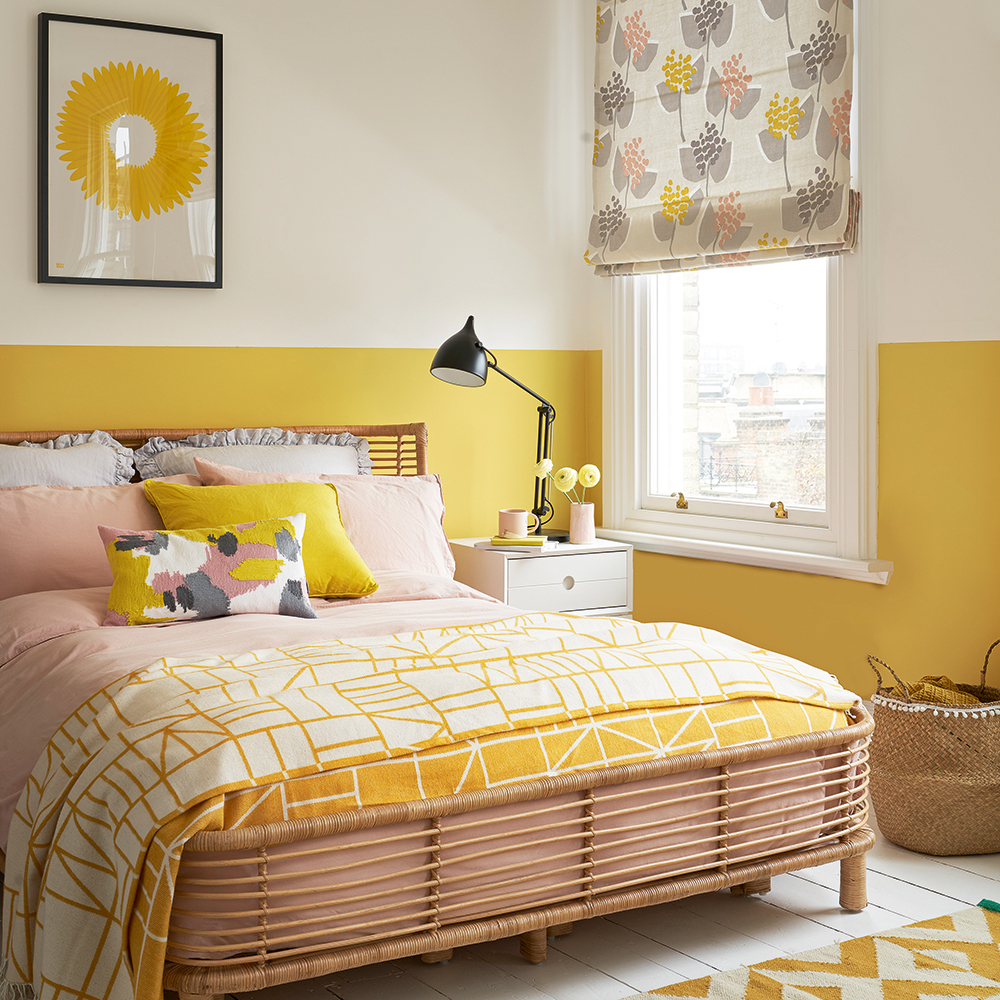
- Modern Appeal: Two-tone walls often suggest a contemporary and intentional design aesthetic, which is highly sought after.
- Perceived Value: Rooms that feel larger, more defined, and aesthetically pleasing tend to be valued higher than those with basic, uninspired paint jobs.
- Memorable Spaces: A unique, well-designed room stands out in a sea of single-color listings, creating a lasting impression.
Picking Your Perfect Pair: Mastering Color Selection
This is where the magic begins! Choosing the right two colors is crucial for a harmonious and stylish outcome. Don’t just grab two cans you like; think strategically.
Understanding Color Theory Basics
A little color theory goes a long way. It helps you understand why certain colors work together and others clash.
- Monochromatic: Different shades, tints, and tones of a single color. This creates a sophisticated, subtle, and incredibly calming effect. Think light blue above, medium blue below.
- Analogous: Colors next to each other on the color wheel (e.g., blue and green, yellow and orange). They create a harmonious, natural flow.
- Complementary: Colors opposite each other on the color wheel (e.g., blue and orange, red and green). These create high contrast and vibrant energy. Use with caution; one color often needs to be dominant, and the other an accent.
- Triadic: Three colors evenly spaced on the color wheel (e.g., red, yellow, blue). Rarely used for two-tone walls, but good to understand for overall room palettes.
Factors to Consider: Light, Room Size, and Existing Decor
Your room isn’t a blank canvas; it has its own personality. Consider these elements:
- Natural Light: North-facing rooms tend to have cooler light; south-facing rooms have warmer light. Test swatches on different walls throughout the day.
- Room Size & Ceiling Height: Lighter colors expand, darker colors recede. If you have low ceilings, consider painting the top color (and ceiling) a very light shade, or even painting the top color higher up the wall to visually stretch the space.
- Existing Decor: Furniture, flooring, artwork, and textiles are all part of your room’s story. Your paint colors should complement these elements, not compete with them.
- Proportions: A classic split is 1/3 dark, 2/3 light, or vice-versa. For a dramatic look, you might go 1/4 dark and 3/4 light, especially if the darker color is bold.
The 60-30-10 Rule in Two-Tone Application
While often applied to an entire room’s decor, this rule can be adapted for two-tone walls. Think of your dominant wall color as the 60%, the secondary wall color as 30%, and a small accent (like trim or a piece of art) as 10%. With two-tone walls, you might use a 60/40 split, or a 70/30 split, where the dominant color covers the larger portion of the wall.
Paint Sheen: The Unsung Hero of Two-Tone Walls
The finish of your paint can dramatically alter how your two chosen colors appear. Choosing the right sheen is just as important as choosing the colors themselves. Typically, for two-tone walls, you’ll want to stick with the same sheen for both colors to maintain visual harmony, but sometimes a subtle difference can add depth.
| Sheen Type | Characteristics | Best Use for Two-Tone Walls |
|---|---|---|
| Flat/Matte | Non-reflective, hides imperfections well, rich color depth. Less durable, harder to clean. | Bedrooms, low-traffic areas. Creates a soft, sophisticated look. Can make colors appear denser. |
| Eggshell | Slight sheen, more durable than flat, easier to clean. Popular choice for walls. | Living rooms, dining rooms, hallways. A versatile and forgiving finish that works well for most schemes. |
| Satin | Smooth, velvety appearance with a noticeable sheen. Highly durable, easy to clean. | Kitchens, bathrooms, high-traffic areas. Good for a subtle contrast if one color is satin and the other eggshell, adding textural depth. |
| Semi-Gloss | High reflectivity, very durable, extremely easy to clean. | Primarily for trim, doors, and cabinets. Can be used for bold, modern two-tone looks, but its reflectivity can highlight wall imperfections. |
Essential Supplies for a Flawless Two-Color Paint Job
Don’t skimp on your tools! Quality supplies make all the difference between a frustrating, messy job and a satisfying, professional-looking finish.
:max_bytes(150000):strip_icc()/two-tonebedroomclassiccoastal-3312057ef3414446aee6bd6d4d5307f8.png "31 Two-Color Combinations for Bedroom Walls That Double the ...")
Quality Paint: The Foundation of Success
- Premium Interior Paint: Invest in good quality paint. It offers better coverage, truer color, and durability, often requiring fewer coats.
- Primer: Essential if you’re painting over a dark color with a light one, or if your walls are porous/uneven. Some paints have primer built-in, but a dedicated primer offers superior adhesion and coverage.
Taping Tools: Precision is Key
- Painter’s Tape: This is your secret weapon for crisp lines. Opt for a high-quality tape like FrogTape (which reacts with water-based paint to create a micro-barrier) or a reputable blue painter’s tape designed for delicate surfaces if you’re working on newly painted walls.
- Laser Level or Long Level: A laser level projects a perfectly straight line, making marking incredibly easy. If you don’t have one, a long, sturdy carpenter’s level (at least 4-6 feet) with a pencil is a must.
- Tape Measure: For consistent height measurements around the room.
- Chalk Line (Optional): Can be useful for very long lines or guiding tape, but a laser level is often more precise for the final line.
Brushes & Rollers: Right Tool for the Job
- Angled Sash Brush (1.5-2.5 inches): Crucial for cutting in along ceilings, trim, and especially along your taped line.
- Paint Rollers & Covers: Choose the right nap (thickness) for your wall texture. A 3/8-inch nap is common for smooth to lightly textured walls. Have a few covers on hand for each color.
- Roller Extension Pole: Save your back and reach high spots easily.
- Paint Trays & Liners: For easy cleanup.
Prep & Protection Gear
- Drop Cloths/Plastic Sheeting: Protect floors, furniture, and anything you don’t want paint on. Canvas drop cloths are preferable as they absorb drips and aren’t slippery.
- Screwdrivers: For removing switch plates and outlet covers.
- Spackle & Putty Knife: For filling holes and imperfections.
- Sanding Block/Fine-Grit Sandpaper: For smoothing patched areas.
- Cleaning Supplies: Degreaser, sponges, buckets for wall washing.
- Rags/Wipes: For immediate cleanups.
- Utility Knife: For scoring tape.
Step-by-Step: Your Master Plan for Painting Two-Tone Walls
This is where precision and patience pay off. Follow these steps for a clean, professional finish.
Step 1: Prep Like a Pro – Cleaning and Patching
Never skip prep! It’s 80% of a good paint job.
- Clear the Room: Remove all furniture if possible, or move it to the center and cover it. Remove artwork, switch plates, and outlet covers.
- Clean the Walls: Wash walls with a mild detergent (like TSP substitute) and water, especially in high-traffic areas or greasy spots. Rinse thoroughly and allow to dry completely.
- Patch & Sand: Fill any nail holes or cracks with spackle. Once dry, sand smooth. Wipe away any dust.
- Tape Off Trim: Apply painter’s tape to baseboards, door frames, and window casings. Press firmly to ensure a good seal.
- Lay Drop Cloths: Cover your floors completely.
Step 2: First Color Down – The Base Coat (Lighter/Ceiling Color First)
For two-tone walls, it’s almost always easier to paint the top color (often the lighter color, or the one that will meet the ceiling) first, letting it extend down past your intended line. This gives you a cleaner slate to tape on later.
- Cut In: Using your angled brush, cut in around the ceiling line, corners, and taped trim with your first color.
- Roll Walls: Use your roller to apply two even coats of the first color to the entire wall area, extending it well below where your dividing line will be. Allow the paint to dry completely between coats (check manufacturer’s recommendations, usually 2-4 hours).
- Fully Cure: This is CRITICAL. The first color needs to be fully cured before you apply tape. This can take 24-48 hours, sometimes longer depending on humidity and paint type. Taping too soon will lead to paint peeling when you remove the tape.
Step 3: Measuring & Marking Your Line – Precision is Paramount
This is the step that will define your two-color aesthetic. Take your time!
- Determine Height: Decide where you want your dividing line. Common placements include 1/3 or 2/3 up the wall, aligned with a chair rail, window sills, or door frames. Use your tape measure to mark several points at the desired height on each wall.
- Create Your Line:
- With a Laser Level: Position your laser level to project a continuous, perfectly straight line around the room at your marked height.
- With a Long Level & Pencil: Connect your marked points by carefully drawing a faint pencil line using your long level as a guide. Double-check for levelness after each section.
Step 4: Taping It Right – The Secret to Crisp Lines
This is the moment of truth for your clean line.
- Apply Tape: Carefully apply painter’s tape *along the bottom edge of your pencil or laser line. The paint for your second color will go up to this tape. Ensure the tape is perfectly straight and flush with your marked line.
- Press Firmly: Once the tape is in place, go back and press down firmly along the entire edge that will meet the paint. Use a putty knife, a 5-in-1 tool, or even a credit card to burnish the edge. This is crucial for preventing bleed-through.
- The Painter’s Tape Seal Trick (Highly Recommended!): After applying and pressing down your tape, take a small amount of the first color (the one you already painted) and paint a very thin coat over the edge of the tape where your second color will go. This seals any tiny gaps under the tape with the existing wall color. If any bleed-through happens, it will be the same color as the wall, making it invisible. Let this thin coat dry completely (15-30 minutes).
Step 5: Second Color Application – The Feature Hue
Now for your dramatic second color!
:max_bytes(150000):strip_icc()/HAVENHOMELLC_photoby_ABIGAILJACKSON-f462614e5203404bb11e4880e5197fa7.jpg "31 Two-Color Combinations for Bedroom Walls That Double the ...")
- Cut In: With your angled brush, carefully cut in along the sealed tape line, working upwards. Also cut in along corners and the baseboards you taped off in Step 1.
- Roll Walls: Using a clean roller and tray, apply your second color to the bottom section of the walls, rolling right up to, but not over, your taped line. Don’t press too hard, as this can force paint under the tape. Apply two even coats, allowing sufficient drying time between coats.
Step 6: The Tape Peel Reveal – Timing is Everything
This is often the most satisfying part, but timing is critical for a crisp line.
- Wet Paint Peel: For the absolute cleanest lines, remove the painter’s tape while the second coat of the second color* is still wet or tacky. If you wait until it’s fully dry, the paint can dry to the tape, and removing the tape can cause the paint to peel off with it, leaving jagged edges.
- Angle & Pace: Pull the tape off slowly at a 45-degree angle, pulling it back on itself rather than straight out. This helps minimize any potential tearing.
- If Paint Has Dried: If you absolutely must remove tape after the paint has dried, use a sharp utility knife to gently score along the edge where the paint meets the tape before peeling. This breaks the paint bond and prevents peeling.
Step 7: Touch-Ups and Clean-Up
Even with the best technique, a minor touch-up might be needed.
- Inspect Lines: After removing the tape, step back and examine your lines. For any tiny bleeds, use a small artist’s brush and the original color to carefully touch them up.
- Clean Tools: Clean your brushes and rollers thoroughly with warm, soapy water.
- Replace Hardware: Reinstall switch plates, outlet covers, and move furniture back into place.
Advanced Techniques & Creative Applications
Once you’ve mastered the basic two-tone horizontal split, a world of creative possibilities opens up. Don’t be afraid to experiment!
Horizontal Split: Classic and Versatile
The most common and impactful two-tone technique. Ideal for:
- Making Ceilings Feel Taller: Paint the top section and the ceiling the same light color.
- Adding Coziness: A darker color on the bottom third creates a grounded, intimate feel.
- Defining a Space: Use it to highlight a seating area or a specific wall.
Vertical Stripes or Color Blocks
For a more dynamic and modern look, consider vertical applications.
- Single Vertical Stripe: A bold stripe on one wall can act as a modern accent, perfect behind a headboard or a console table.
- Large Color Block: Paint a large rectangular or square block of a contrasting color to highlight an architectural feature or create a ‘zone’ for artwork. This requires careful measuring and taping on all four sides of the block.
Ombre or Gradient Effect
While more challenging, an ombre effect (where two colors blend seamlessly into each other) is a stunning, high-impact option. This usually involves wet blending techniques and multiple shades, but it’s a testament to the power of multi-color painting.
:strip_icc()/black-white-wall-behind-bed-38ebe8f5-2a1117dbc7ac463ba9961e493271216a.jpg "Two-Tone Walls Are a Low-Lift, Big-Impact Paint Option")
Painting the Ceiling a Different Color
Don’t forget the ‘fifth wall’! Painting your ceiling a color other than white can dramatically change a room’s feel.
- Dark Ceiling: Can create intimacy and drama, making a large room feel cozier.
- Light/Soft Color: A very light tint of blue or green can mimic the sky, creating a calming, expansive feel.
Bringing in Trim & Molding
Your trim doesn’t have to be white. Consider painting baseboards, crown molding, or even door frames in one of your two wall colors, or a complementary third shade, to tie the whole scheme together.
Common Pitfalls and How to Avoid Them
Even experienced DIYers can make mistakes. Learn from these common blunders to ensure your project goes smoothly.
| Pitfall | Description | How to Avoid |
|---|---|---|
| Skipping Prep | Painting over dirty, dusty, or uneven walls. | Always clean, spackle, and sand thoroughly. This is non-negotiable for a professional finish. |
| Poor Color Choice | Colors clashing, not suiting the room’s light or size. | Test large swatches on your walls. Observe them at different times of day and night. Consider your existing decor. |
| Wobbly Lines | Freehanding the dividing line or using a short level. | Use a laser level or a long, sturdy carpenter’s level to mark your line. Take your time! |
| Paint Bleed Under Tape | Jagged edges where colors meet due to paint seeping under painter’s tape. | Burnish tape edges firmly. Crucially, use the ‘painter’s tape seal trick’ (paint the first color over the tape edge before applying the second color). |
| Peeling Paint with Tape | Removing tape and having sections of your first color peel off with it. | Allow the first coat to fully cure (24-48 hours) before taping. Remove tape while the second color is still wet/tacky, or score dry paint with a utility knife before peeling. |
| Insufficient Drying Time | Applying a second coat or tape too soon. | Always follow manufacturer’s drying time recommendations for both between coats and before taping. |
Maintenance and Longevity
Your beautiful two-tone walls deserve to stay fresh and vibrant. Here are some tips for maintaining their look:
- Gentle Cleaning: Use a soft cloth or sponge with mild soap and water for cleaning. Avoid abrasive cleaners or harsh scrubbing, especially on flatter sheens.
- Store Leftover Paint: Keep small amounts of both colors in clearly labeled, airtight containers for future touch-ups.
- Address Scuffs Quickly: Minor scuffs or marks can often be gently wiped away if caught early. For deeper marks, a small touch-up with your stored paint can work wonders.
Painting a room with two colors is a highly rewarding DIY project that adds immense character and sophistication to your home. It might seem like a big undertaking, but by following this detailed guide, embracing proper preparation, and committing to precision, you’ll achieve stunning results that look professionally done. So, choose your colors, gather your tools, and get ready to transform your space!
Frequently Asked Questions
Which color should I paint first when doing a two-tone wall?
It’s generally recommended to paint the lighter color (or the color that will be on the top section of the wall) first. This allows you to extend it beyond your intended dividing line. Once this base color is fully cured, you’ll tape over it to create your crisp line, and then apply the second, often darker, color.
:strip_icc()/pink-two-toned-study-0aa4cd02-8a1f4f81ae6349a089b0ce8038d1fad0.jpg "Two-Tone Walls Are a Low-Lift, Big-Impact Paint Option")
How do I get a perfectly straight line when painting two colors?
The key to a perfectly straight line is careful measurement and marking, combined with quality painter’s tape. Use a laser level or a long carpenter’s level and a pencil to mark your line. Apply high-quality painter’s tape (like FrogTape) precisely along this line, pressing firmly to seal the edge. A ‘seal trick’ – painting a thin layer of your first color over the tape edge before applying the second color – is highly effective to prevent bleed-through.
How long should I wait before removing painter’s tape?
For the crispest lines, it’s best to remove painter’s tape while the second coat of your final color is still wet or tacky. If the paint dries completely to the tape, it can peel off with it, leaving jagged edges. If you must remove it dry, carefully score the paint along the tape edge with a utility knife before peeling.
What’s a good height for a horizontal two-tone wall division?
Common and aesthetically pleasing divisions include one-third or two-thirds up the wall. You can also align the line with existing architectural features like chair rails, window sills, or door frames. Consider the room’s ceiling height and overall proportions; a higher line can make a ceiling feel taller, while a lower line can create a cozier, grounded feel.
Can I use different paint sheens for the two colors?
While it’s generally recommended to use the same sheen for both colors to maintain harmony, you can use different sheens for a subtle textural contrast. For example, an eggshell finish on the top and a satin finish on the bottom can add depth without being overtly obvious. Just be aware that differing sheens can highlight wall imperfections more prominently.
What kind of paint roller nap should I use for two-tone walls?
The ideal roller nap depends on your wall texture. For smooth to lightly textured walls, a 3/8-inch nap is usually appropriate. If your walls have more texture, you might opt for a 1/2-inch nap to ensure better coverage. Always use clean rollers for each color to prevent mixing.
How do I choose two colors that complement each other?
Start with color theory: monochromatic (different shades of the same color), analogous (colors next to each other on the color wheel), or complementary (colors opposite each other for high contrast). Consider the room’s natural light, size, and existing decor. Always test large swatches on your walls and observe them in various lighting conditions before committing.