How to Paint Interior Walls and Ceilings Like a Pro (Even if You’re a Beginner)
Dreaming of a home refresh? There’s nothing quite like a fresh coat of paint to breathe new life into a room. It’s not just about changing a color; it’s about transforming the entire feel and energy of your space. But let’s be honest, the idea of painting can feel daunting. Drips, uneven coats, messy lines… Ugh.
Good news: you absolutely can achieve professional-looking results yourself! And you don’t need years of experience. This definitive guide will walk you through every single step of painting interior walls and ceilings, ensuring you tackle your next project with confidence, save money, and create a space you’ll truly love. Let’s ditch the overwhelm and get painting!
Phase 1: The Blueprint – Planning & Preparation
Why Proper Planning Is Your Secret Weapon
Think of painting as a marathon, not a sprint. The real work isn’t just applying paint; it’s in the preparation. Skimping on this phase is the number one reason DIY painting projects go awry, leading to frustration, extra costs, and a less-than-stellar finish. Investing time here means a smoother process, a cleaner job, and a finish you’ll be proud of.
:max_bytes(150000):strip_icc()/Stocksy_txpdc39b9790by000_Medium_867684-5a958e10119fa80036fb82b6.jpg "How to Paint Interior Walls Like a Pro")
Choosing Your Palette: Paint Types & Finishes
Before you even think about color, you need to understand paint types and finishes. The right choice impacts durability, washability, and how the color appears in your room.
Paint Sheen Guide: Finding the Right Finish for Every Room
| Sheen | Appearance | Durability/Washability | Ideal Rooms/Uses |
|---|---|---|---|
| Flat/Matte | No sheen, absorbs light, hides imperfections well. | Least durable, difficult to clean, prone to scuffs. | Ceilings, low-traffic areas like formal dining rooms, bedrooms (if not prone to marks). |
| Eggshell | Very subtle, soft sheen (like an eggshell). | More durable than flat, moderately washable. | Living rooms, family rooms, bedrooms, hallways (most common wall finish). |
| Satin | Noticeable sheen, often described as a soft gloss. | Very durable, highly washable, resists moisture well. | Bathrooms, kitchens, laundry rooms, children’s rooms, high-traffic areas. |
| Semi-Gloss | High sheen, reflective, accentuates details. | Extremely durable, very easy to clean. | Trim, doors, cabinets, baseboards, areas requiring frequent cleaning. |
| High-Gloss | Mirror-like, highly reflective finish. | Maximum durability and washability, very tough. | Furniture, specific architectural features, doors where extreme durability is needed. |
Paint Type Comparison: What’s Under the Hood?
| Type | Pros | Cons | Best For |
|---|---|---|---|
| Latex/Acrylic (Water-Based) | Fast drying, easy cleanup with water, flexible (resists cracking), low odor, widely available. | Can show brush strokes if applied too thick, not ideal for high-gloss applications. | Most interior walls, ceilings, and even trim. The modern standard. |
| Oil-Based (Alkyd) | Very durable, smooth finish, excellent adhesion, good for high-traffic surfaces. | Slow drying, requires mineral spirits for cleanup, strong odor, yellows over time. | Trim, doors, cabinets, sometimes used over old oil-based paints. Less common for walls/ceilings today. |
| Primer | Prepares surface, improves adhesion, covers stains, blocks odors, provides consistent base. | Adds an extra step and drying time. | New drywall, repairing patches, dramatic color changes, stained walls, transitioning from oil to latex. |
Pro Tip: Opt for low-VOC or zero-VOC paints (Volatile Organic Compounds) for better indoor air quality. Your lungs will thank you!
Essential Tools & Materials Checklist
Having the right tools makes all the difference. Don’t skimp on quality here; good tools will make the job easier and yield better results.
- Paint: Your chosen colors and primer.
- Drop Cloths: Canvas or plastic. Canvas is more durable and less slippery.
- Painter’s Tape: High-quality tape (e.g., FrogTape, ScotchBlue) for crisp lines.
- Brushes:
- Angle Sash Brush (2-2.5 inches): Essential for “cutting in” (painting edges and corners).
- Small detail brush (optional) for intricate work.
- Rollers:
- Roller Frame: A sturdy one that fits various roller covers.
- Roller Covers: Choose the right nap (thickness) for your surface:n
- 3/8 inch nap: Smooth to lightly textured walls/ceilings. Most common.
- 1/2 inch nap: Slightly textured surfaces, popcorn ceilings (can still be challenging).
- Shorter naps (1/4 inch): Very smooth surfaces like doors and trim.
- Paint Trays & Liners: Multiple trays if using different colors. Liners make cleanup a breeze.
- Extension Pole: Crucial for ceilings and high walls, saves your back and speeds up rolling.
- Spackle/Patching Compound: For filling holes and cracks.
- Sanding Sponge/Fine-Grit Sandpaper: For smoothing patches and scuffed areas.
- Cleaning Supplies: TSP (trisodium phosphate) or sugar soap, sponges, buckets, rags.
- Caulk & Caulk Gun: For sealing gaps around trim.
- Screwdriver: For removing switch plates and outlet covers.
- Utility Knife: For cutting tape.
- Ladder/Step Stool: For reaching high spots.
- Safety Gear: Gloves, safety glasses, mask (especially when sanding or using strong cleaners).
The Golden Rule: Prep the Room Like a Pro
This is where the magic (and mess) happens *before* the paint even touches a surface. Don’t rush this!
- Empty or Cover Furniture: The easiest thing to do is remove all furniture from the room. If that’s not possible, move it to the center and cover it completely with plastic sheeting or old sheets.
- Remove Wall Decor & Fixtures: Take down all pictures, mirrors, shelving, and anything else on the walls. Remove switch plates and outlet covers (label them so you know where they go back!). Loosen light fixtures and ceiling fans, allowing them to hang just enough to paint behind them, or remove them entirely if comfortable.
- Clean Walls and Ceilings: Dust and grime are paint’s worst enemies. Use a damp sponge with a mild detergent (like TSP or sugar soap solution, following manufacturer instructions) to wipe down all surfaces. For ceilings, a clean, dry microfiber mop can work wonders. Rinse thoroughly and allow to dry completely.
- Repair Holes and Cracks: Fill any nail holes, dings, or cracks with spackle or patching compound. Apply with a putty knife, slightly overfilling the hole. Once dry, sand smooth with fine-grit sandpaper until flush with the wall. Repeat if necessary for a perfectly smooth surface.
- Caulk Gaps: Inspect around window frames, door frames, and baseboards for any gaps between the trim and the wall. Apply a thin bead of paintable caulk to seal these gaps. This creates a seamless, professional look. Smooth the caulk with a wet finger or damp sponge.
- Tape Off Trim, Windows, Doors: This is crucial for crisp lines. Apply high-quality painter’s tape along the edges of all trim, window frames, door frames, and any other areas you don’t want to paint. Press firmly with your finger or a putty knife to create a tight seal, preventing paint from bleeding underneath.
- Lay Drop Cloths Securely: Cover the entire floor area with canvas or plastic drop cloths. Overlap them slightly and secure them with painter’s tape to prevent slipping and ensure full coverage.
Phase 2: The Art of Application – Painting Step-by-Step
The Right Order: Ceilings First, Then Walls
This is a fundamental rule professional painters swear by, and for good reason. Painting the ceiling first means any drips or splatters that fall will land on the unpainted walls or taped-off trim below. It’s much easier to clean fresh paint off an unpainted surface or cover it with wall paint than to try and touch up a finished wall or ceiling.
Priming for Perfection (When & Why)
Priming isn’t always necessary, but it’s a game-changer when it is. Think of primer as the foundation for your paint.
- New Drywall or Major Patches: Primer seals the porous surface, ensuring your topcoat adheres evenly and you don’t get splotchy results.
- Dramatic Color Changes: Going from dark to light (or vice versa) often requires a coat of primer to achieve true color in fewer topcoats. Tinted primer can also help.
- Stained Walls: Smoke, water, or grease stains need a dedicated stain-blocking primer to prevent them from bleeding through your new paint.
- Sheen Change: If you’re going from a high-gloss finish to a flat or eggshell, a bonding primer will help the new paint adhere.
- Oil to Latex: Always use a bonding primer when painting a latex over an old oil-based finish.
Apply primer just like paint, working in sections and allowing it to dry completely according to manufacturer instructions before applying your first coat of paint.
Painting the Ceiling: Look Up, Paint Down
This is usually the most strenuous part, so tackle it with energy!
- Cut In Edges: Using your angled sash brush, carefully paint a 2-3 inch wide strip around the perimeter of the ceiling, where it meets the walls. Also, cut in around any light fixtures or vents. Use a steady hand and load your brush moderately to avoid drips.
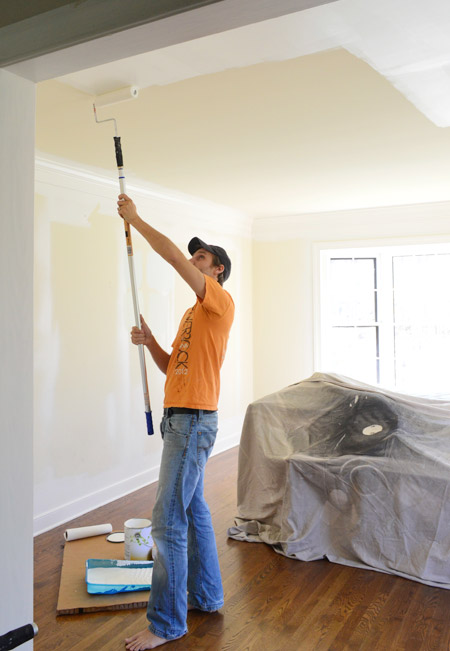
- Roll the Ceiling: Attach a roller cover to your extension pole. Pour paint into your tray. Dip the roller, then roll it on the ribbed part of the tray to evenly distribute paint and remove excess.
- Use a “W” or “M” Pattern: Start in a corner. Roll a 3-4 foot section of the ceiling using a wide “W” or “M” pattern, without lifting the roller. Then, fill in the pattern with straight, overlapping strokes. Maintain a wet edge – always roll into the previously painted, still-wet area to prevent lap marks.
- Work in Sections: Move across the ceiling, section by section, always keeping a wet edge.
- Apply Second Coat (if needed): Allow the first coat to dry completely (check paint can instructions, typically 2-4 hours). If coverage isn’t even, apply a second coat using the same technique.
Painting the Walls: From Top to Bottom
Once the ceiling is done and dry, it’s time for the walls.
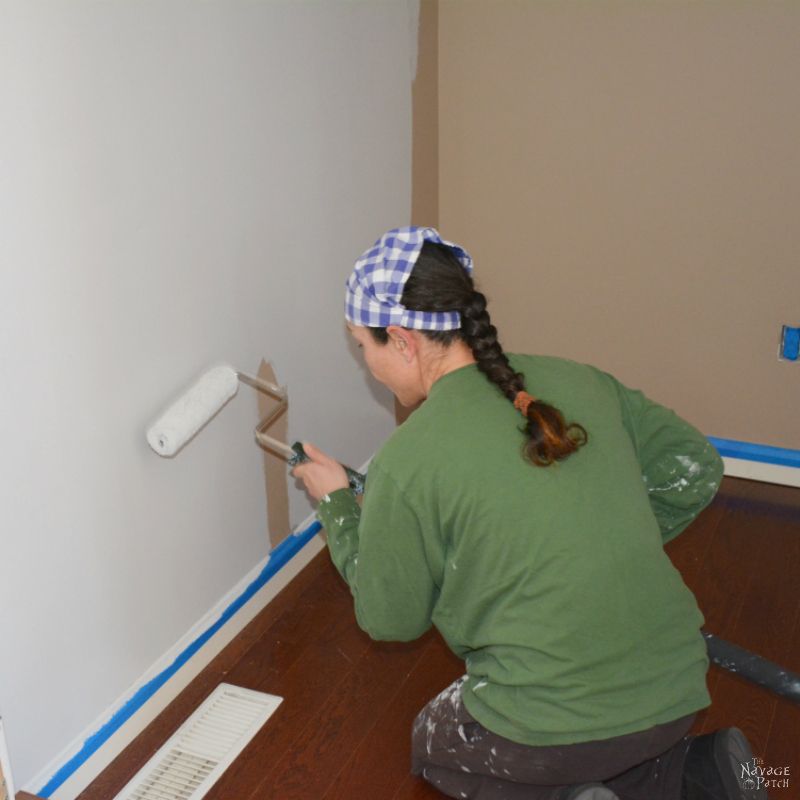
- Cut In Around Ceiling and Trim: Using your angled brush, carefully paint a 2-3 inch wide strip along the top edge of the wall (where it meets the painted ceiling). Also, cut in along the side of door frames, window frames, and baseboards (against the painter’s tape).
- Roll the Walls: Attach a clean roller cover to your extension pole. Load your roller with paint, rolling off excess.
- Use a “W” or “M” Pattern: Start near a corner. Roll a 3-4 foot section of the wall using a wide “W” or “M” pattern, then fill it in with straight, overlapping strokes. As with the ceiling, maintain a wet edge by always rolling into the still-wet paint of the previous section.
- Work in Sections: Move systematically around the room, completing wall by wall or section by section.
- Apply Second Coat (if needed): Once the first coat is completely dry, inspect the coverage. Most colors will benefit from a second coat for true color and durability. Apply using the same technique.
Pro Tips for Flawless Finish
- Maintain a Wet Edge: This is perhaps the most important tip to avoid roller marks and lap lines. Always roll into the previous section of paint while it’s still wet. Don’t let sections dry before blending them.
- Don’t Overwork the Paint: Resist the urge to keep rolling or brushing a section once it starts to dry. This will just create marks and streaks. Apply, blend, and move on.
- Box Your Paint: If you’re using multiple cans of the same color, mix them all together in a larger bucket (called “boxing”). This ensures color consistency across the entire room, as slight variations can occur between cans.
- Use an Extension Pole: For both ceilings and walls, an extension pole is your best friend. It provides better leverage, allows you to cover more area faster, and reduces back strain.
- Proper Brush and Roller Loading: Don’t overload your brush or roller, as this leads to drips and splatters. Dip only the bottom third of your brush bristles into the paint. For rollers, ensure it’s saturated but not dripping, by rolling it on the tray’s grid.
- Mind the Temperature and Humidity: Optimal conditions are generally 65-75°F (18-24°C) with moderate humidity. Extreme heat or cold, or very high humidity, can affect drying times and paint performance.
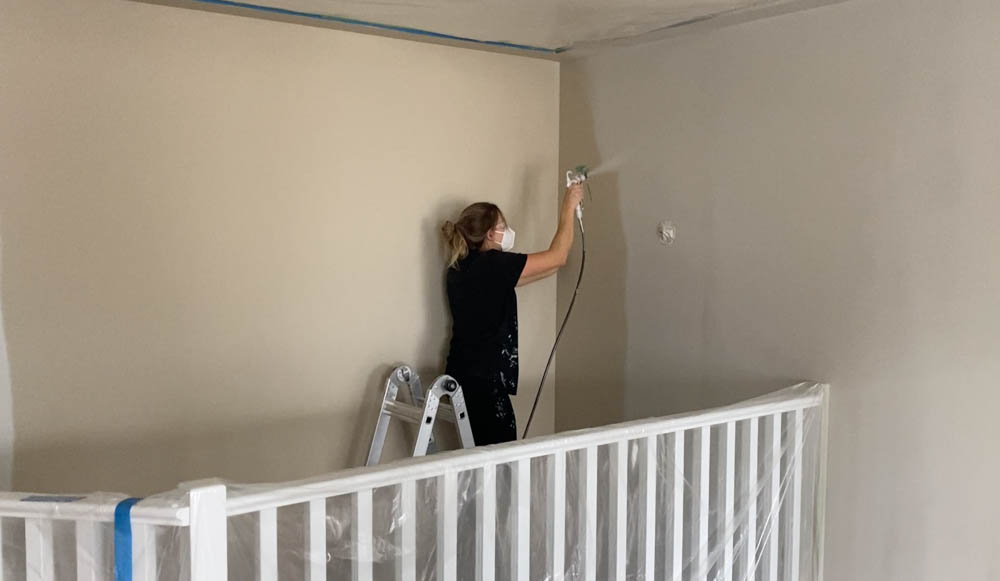
Considering a Paint Sprayer? (The Fast Lane)
Paint sprayers can indeed make application much faster, especially for large, empty rooms or detailed surfaces like trim. However, they come with trade-offs:
- Pros: Extremely fast application, very smooth finish (no brush or roller marks).
- Cons: Requires significantly more masking and prep work (covering everything, even the air), more waste from overspray, a learning curve for even application, and more intense cleanup.
For most DIY interior wall and ceiling projects, especially if furniture is present, traditional brush and roller methods are often more practical and yield excellent results with proper technique.
Phase 3: The Grand Reveal – Finishing & Cleanup
The Critical Moment: Removing Painter’s Tape
This step can make or break your crisp lines!
- When to Remove: For the sharpest lines, remove painter’s tape when the paint is dry to the touch but still slightly pliable – usually within an hour or two of the final coat. If you wait until the paint is fully cured (days later), it can peel off with the tape. If the paint is still very wet, it can bleed under the tape as you pull.
- Technique: Pull the tape off slowly, at a 45-degree angle, pulling it back onto itself. If you notice any slight bleeds, you can carefully touch them up with a small brush and the trim color. For stubborn tape where the paint wants to lift, score the edge of the tape with a utility knife before pulling.
Cleanup and Storage
Don’t let hours of hard work be undone by neglecting cleanup.
- Cleaning Brushes and Rollers: For latex/acrylic paints, rinse brushes and roller covers thoroughly under warm running water until the water runs clear. Use a wire brush or roller cleaner tool to help remove paint from bristles and naps. For oil-based paints, you’ll need mineral spirits or a paint thinner (follow product instructions and safety warnings). Shape brushes back to their original form and hang them to dry.
- Storing Leftover Paint: Seal paint cans tightly. If the lid doesn’t seal perfectly, you can place a layer of plastic wrap over the opening before sealing the lid, then tap it down with a mallet. Store cans upside down in a cool, dry place to create an airtight seal and prevent skinning.
- Disposing of Materials: Allow paint-soaked drop cloths, rags, and tape to dry completely before disposing of them according to local regulations. Never pour paint down the drain. Check with your local waste management for proper disposal of old paint or thinners.
Troubleshooting Common Painting Problems
Even pros run into issues. Here’s how to fix the most common ones:
- Drips and Runs: Usually caused by too much paint on the brush or roller, or applying too thick a coat. If wet, gently wipe with a clean brush or rag. If dry, sand smooth and repaint.
- Roller Marks/Lap Lines: Occur when you don’t maintain a wet edge or overwork drying paint. Sand lightly to smooth them out, then apply another thin, even coat, ensuring you keep a wet edge.
- Poor Coverage/Streaks: Not enough paint on the roller, skipping primer when needed, or applying paint too thinly. Allow to dry, then apply another coat with proper technique.
- Peeling Paint: Often due to improper surface prep (dirty, glossy, or loose paint underneath) or applying new paint over incompatible old paint. The only real fix is to scrape off all peeling paint, sand, clean, prime, and then repaint.
Final Thoughts: Your Transformed Space Awaits
You did it! Painting interior walls and ceilings is a rewarding DIY project that significantly impacts your home’s aesthetic and value. By following these steps – from meticulous preparation to careful application and cleanup – you’ve moved beyond just slapping on paint. You’ve embraced the process, learned the pro techniques, and created a beautifully finished space. Step back, admire your handiwork, and enjoy your stunning, freshly painted home!
”