How to Paint a Primed Interior Door: Your Ultimate Guide to a Flawless Finish
Let’s be honest: the interior doors in your home are more than just functional barriers. They’re design opportunities, often overlooked, waiting to be transformed. A fresh coat of paint on a primed interior door can breathe new life into a room, elevate your aesthetic, and even boost your home’s perceived value. If you’ve got those factory-primed doors and are ready to take them from plain to polished, you’ve landed in the perfect spot.
I’m here to walk you through every step, from deciding if you need more primer to achieving that coveted, streak-free finish that looks like it was done by a pro. Forget the guesswork and the frustration of drips and brush marks. With a little guidance and the right techniques, you’ll be amazed at the stunning results you can achieve.
First Things First: Do You REALLY Need to Prime a “Primed” Door?
This is easily one of the most common questions I hear, and it’s a good one. You bought a “primed” door, so logic suggests it’s ready for paint, right? Well, it’s not always that simple. Understanding what “primed” really means is your first step to a successful paint job.
Understanding Factory-Primed Doors
When a door is factory-primed, it typically means it’s been given a thin, basic coating designed to do a few things:
- Seal the surface: It creates a barrier that prevents the raw wood or MDF from absorbing too much of your topcoat paint, which can lead to an uneven finish.
- Provide a foundational layer: It gives the topcoat something to grip onto, promoting better adhesion than if you were painting directly onto an untreated surface.
- Offer basic protection: It protects the door during shipping and storage.
However, factory primer is rarely a high-build, super-smooth, or perfectly opaque coat. It’s often thin, sometimes a bit chalky, and primarily intended as a cost-effective, first-pass solution, not a robust primer for a flawless final finish.
When to Re-Prime (and When Not To)
Deciding whether to add another coat of primer before your finish paint depends on several factors. Here’s how I break it down:
Scenario 1: Light-Colored Topcoat Over Light Factory Primer (Often You Can Skip)
If your primed door is already a light color (white or off-white) and you’re planning to apply a similar light-colored topcoat, you often don’t *need* an additional primer coat. The factory primer will likely suffice for adhesion and basic coverage. Just ensure the factory primer is clean, dull, and smooth.
Scenario 2: Darker Topcoat or Dramatic Color Change (Consider a Tinted Primer)
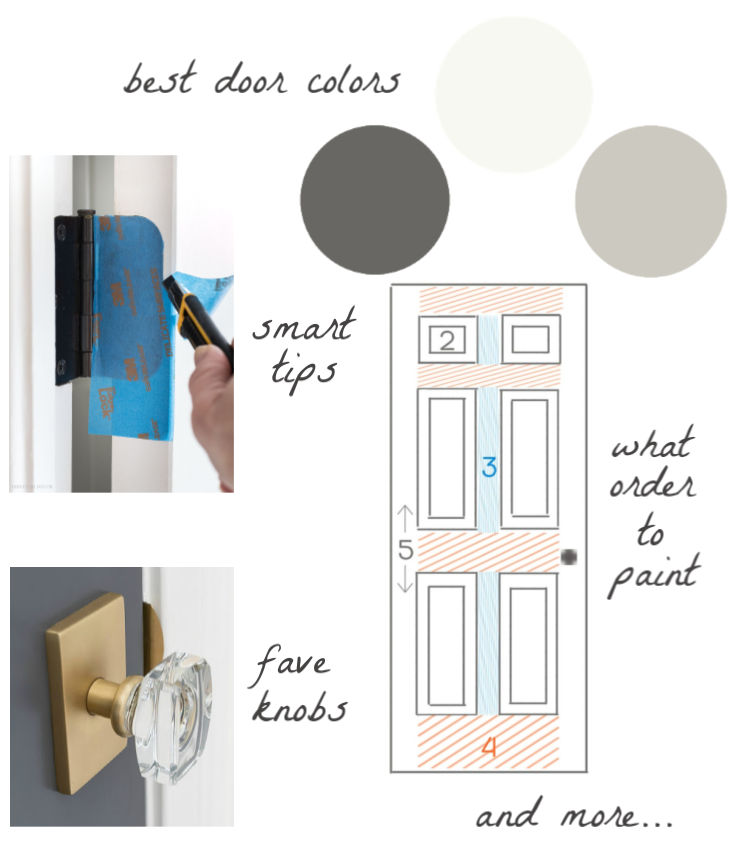
If you’re going from a light primer to a significantly darker topcoat (think deep gray, navy, or black), or if you’re trying to achieve a vibrant color, an extra coat of primer—especially a tinted primer—can be a game-changer. Tinted primer (tinted towards your final paint color) will significantly improve coverage, reduce the number of topcoats needed, and ensure your final color looks rich and true, not washed out by the underlying white primer.
Scenario 3: Imperfections, Repairs, or Glossy Factory Finish (Re-Prime Recommended)
This is where an additional primer coat becomes almost mandatory. If your factory-primed door has:
- Minor dents or scratches: After filling and sanding these, you’ll need to prime those patched areas to ensure they don’t “flash” through your topcoat (meaning they absorb paint differently and look blotchy).
- Rough or inconsistent texture: A quality sanding primer can help level the surface and provide a truly smooth canvas for your finish paint.
- A somewhat glossy or non-porous factory finish: Some factory primers, while not a true finish coat, can be a bit slick. A light sanding followed by a good bonding primer will dramatically improve adhesion.
My Best Practice: When in doubt, a light sanding (220-320 grit) and a thin coat of high-quality interior primer almost always yields a superior, more durable finish. It’s extra work, yes, but it dramatically reduces the risk of adhesion issues, uneven coverage, and a less-than-perfect final look. Think of it as insurance for your paint job. Always do a small test patch if you’re unsure!
Gearing Up: Essential Tools and Materials for Door Painting Success
Before you even think about cracking open a paint can, gathering the right tools and materials is paramount. Skimping here is a false economy. Quality tools don’t just make the job easier; they directly impact the final look and durability of your painted doors.
The Right Paint for Doors: Beyond Just Color
Choosing the right paint isn’t just about picking a pretty color. Interior doors, especially those in high-traffic areas, need durable paint that can withstand daily bumps, scuffs, and frequent cleaning. Here’s what I recommend:
- Latex/Acrylic Enamel: This is my go-to for most interior doors. It’s durable, easy to clean up with water, low in VOCs (volatile organic compounds), and generally dries faster than oil-based paints. Modern acrylic enamels offer excellent hardness and chip resistance.
- Oil-Based Paint (Alkyd): While less common today due to longer drying times, higher VOCs, and mineral spirit cleanup, oil-based paints offer an incredibly hard, super-smooth, and durable finish that is highly resistant to blocking (the paint sticking to itself when the door is closed). If you’re chasing that ultra-smooth, furniture-like finish and aren’t bothered by the fumes and cleanup, it’s still a contender.
Sheen Levels for Doors: The sheen (or gloss level) you choose impacts both aesthetics and durability.
- Semi-Gloss: This is the most popular choice for interior doors and trim. It’s highly durable, easy to clean, and the slight sheen reflects light beautifully, highlighting the door’s architectural details.
- Satin/Eggshell: If you prefer a softer, less reflective look, satin or eggshell can work. They’re still washable but slightly less durable and harder to clean than semi-gloss. They can also hide minor imperfections better than higher sheens.
- Gloss: A very high-gloss finish can be striking and incredibly durable, but it will accentuate every single imperfection on the door’s surface. Best reserved for perfectly prepped doors and experienced painters.
| Paint Type | Pros | Cons | Ideal Sheen for Doors |
|---|---|---|---|
| Latex/Acrylic Enamel | Easy cleanup (water), low VOC, fast drying, flexible, good durability. | Can be prone to “blocking” if not fully cured (doors sticking), less hard than oil-based initially. | Semi-Gloss, Satin |
| Oil-Based (Alkyd) | Extremely hard, smooth finish, excellent durability, prevents blocking. | Strong fumes (high VOC), longer drying/curing times, cleanup with mineral spirits, yellows slightly over time (especially whites). | Semi-Gloss, Gloss |
Your Arsenal of Tools: What You’ll Need
Having the right tools at hand will streamline your process and elevate your results. Don’t start without them!
- Drop Cloths/Plastic Sheeting: Absolutely essential for protecting floors and surrounding areas. Heavy-duty plastic or canvas drop cloths are best.
- Painter’s Tape (High-Quality, Low-Tack): For crisp lines if masking off hinges, floors, or door frames. FrogTape or ScotchBlue are excellent choices.
- Screwdriver: To remove door hardware (knobs, hinges). A power drill can speed this up, but be careful not to strip screws.
- Sanding Blocks/Fine-Grit Sandpaper: I recommend 220-grit for initial smoothing and 320-grit for between coats. Sanding sponges are also great for contoured areas.
- Damp Rags/Tack Cloth: For removing sanding dust and cleaning the door surface. A tack cloth picks up fine dust particles like a magnet.
- Wood Filler/Putty: For filling any minor dents, nail holes, or imperfections. Make sure it’s paintable.
- Angled Sash Brush (2-2.5 inch): Critical for cutting in, getting into recessed panels, and detailed work. A good quality synthetic brush (like Purdy or Wooster) will leave fewer brush marks.
- Small Foam or Fine-Nap Microfiber Roller (4-6 inch): For applying paint smoothly and quickly to flat surfaces, minimizing stipple (the orange peel texture). Foam rollers give the smoothest finish, while fine-nap microfiber holds more paint.
- Paint Tray: A sturdy paint tray for your roller, preferably with a liner for easy cleanup.
- Bucket/Container for Cleaning: For water (latex paint) or mineral spirits (oil-based paint).
- Gloves and Mask: Especially important when sanding to avoid inhaling dust, and when using oil-based paints or sprayers for fume protection.
- Optional: Paint Sprayer: If you have multiple doors, want a factory-smooth finish, and are comfortable with the learning curve for spraying, this can be a fantastic investment. However, it requires more setup, masking, and cleanup.
- Sawhorses or a workbench: If you choose to remove the door from its hinges, these provide a stable surface for horizontal painting.
Prep Like a Pro: The Foundation for a Flawless Finish
I cannot stress this enough: preparation is 80% of a great paint job. Skimp on prep, and you’ll see every flaw in your finished product. Dedicate time to these crucial steps.
To Hang or Not to Hang? Deciding Your Painting Method
You have two main options for painting a door, and each has its pros and cons:
Option 1: Painting the Door On-Hinges
- Pros: Less physical effort (no heavy lifting), no need to find a large workspace, vertical drying allows gravity to help minimize drips if applied thinly.
- Cons: Harder to access all edges evenly, risk of drips on the floor or frame, requires careful masking of hinges and surrounding trim, potential for paint to get into the door jamb and cause sticking.
Option 2: Painting the Door Off-Hinges (My Recommendation for Best Results)
- Pros: Best for achieving a super smooth, factory-like finish. You can lay the door flat on sawhorses, allowing for easier, more even paint application without fighting gravity. All sides and edges are easily accessible. No masking of hinges needed.
- Cons: Requires more physical effort to remove and re-hang the door, needs a dedicated, dust-free workspace, takes up more space, door will be out of commission for longer while paint dries and cures.
For a primed interior door, especially if you’re aiming for that truly professional look, I strongly recommend taking the door off its hinges and painting it horizontally. It gives you far more control.
The Critical Steps to Prepare Your Door
Whether your door is on or off its hinges, these steps are non-negotiable:
1. Remove Hardware
Using your screwdriver (or drill), carefully remove the door knob, latch mechanism, and hinges. Place all screws and hardware in a labeled plastic bag or container. Do NOT paint over hardware! Not only does it look unprofessional, but it can also interfere with the hardware’s function and make future repairs difficult.
2. Clean Thoroughly
Even if your door looks clean, it’s likely accumulated dust, grime, and oils from hands. Use a mild all-purpose cleaner or a TSP (trisodium phosphate) substitute diluted in water. Wipe the entire door surface down with a damp cloth, paying attention to edges and recessed areas. Rinse with clean water and another damp cloth to remove any cleaner residue. Let the door dry completely.
3. Inspect for Imperfections
Now’s the time to play detective. Look for any dents, nicks, or scratches. Use wood filler or spackle to fill these imperfections. Apply a small amount, slightly overfilling the area, and allow it to dry according to manufacturer instructions. If you have any old caulk or gunk, scrape it off.
4. Light Sanding – Even on Primed Doors!
This step is crucial, even for a pre-primed door. The goal here isn’t to remove the primer, but to de-gloss and create a “tooth” for your new paint to adhere to. Using a fine-grit sanding block or 220-320 grit sandpaper, lightly sand the entire door surface. Pay extra attention to the edges and any areas where you used wood filler. For paneled doors, use a sanding sponge to get into the crevices. You’re not trying to aggressively sand, just lightly scuff the surface until it feels smooth and dull.
5. Dust Removal
After sanding, you’ll have a fine layer of dust. This must be removed completely. Use a shop vac or your household vacuum with a brush attachment to vacuum the entire door. Then, wipe it down with a damp cloth. For the absolute best results, follow up with a tack cloth. These sticky cloths are amazing at picking up any remaining fine dust particles that could otherwise get trapped in your paint and ruin your smooth finish.
6. Masking (If Door is Still Hung)
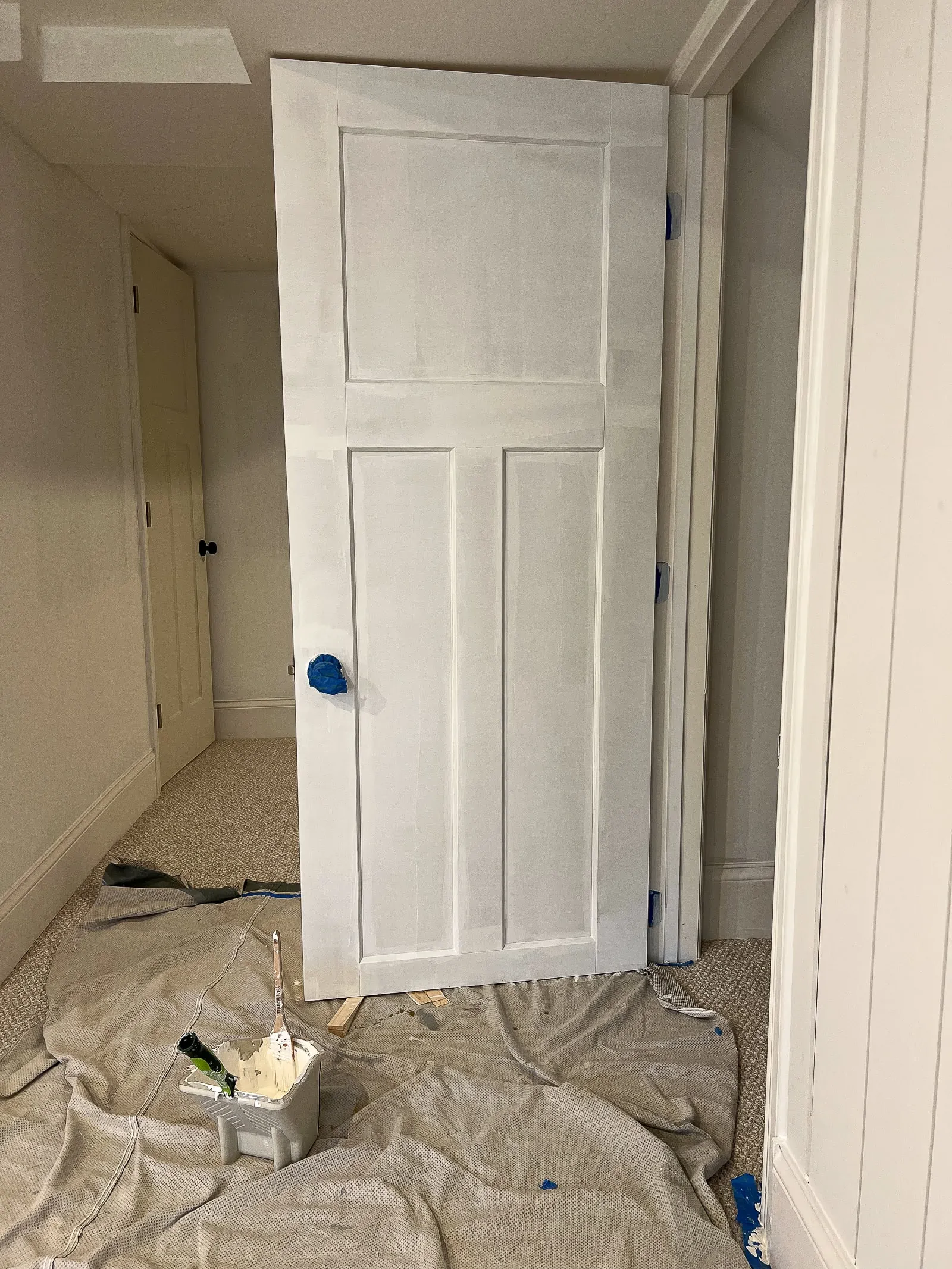
If you opted to paint the door on its hinges, carefully tape off the hinges, door frame, and any areas of the floor beneath the door that might catch drips. Use high-quality painter’s tape and press down firmly to create a crisp seal.
The Art of Application: Painting Your Primed Door Step-by-Step
With all your prep done, you’re finally ready for the fun part! This is where technique really matters for achieving a smooth, professional-looking finish. Whether you’re brushing and rolling or using a sprayer, consistent, thin coats are key.
The Best Order of Operations for Paneled Doors (Brushing/Rolling)
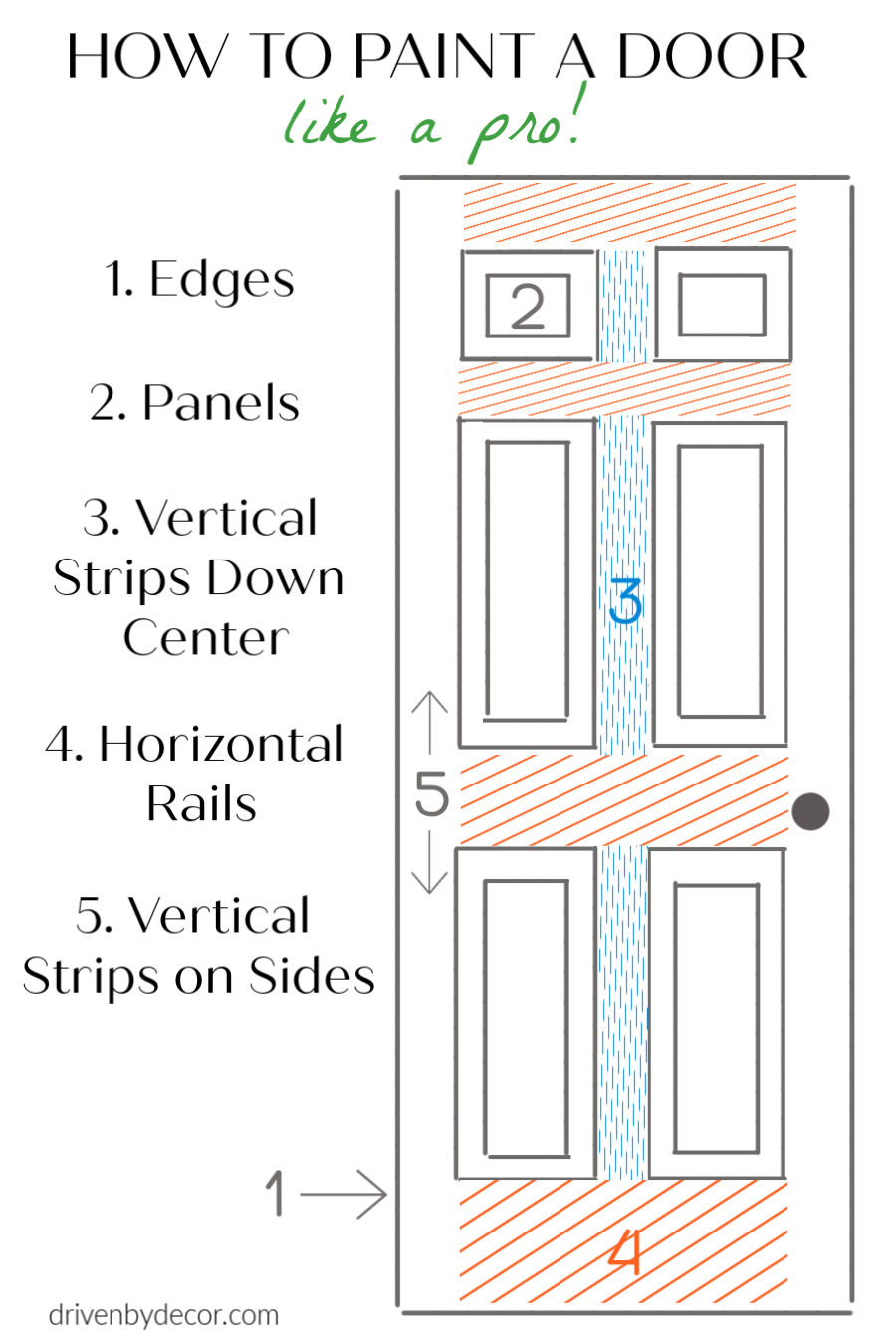
For a paneled door (the most common type), there’s a specific order that helps prevent drips and ensures full coverage. I always remember it as “inside out, top down.”
- Panels (Recessed Areas): Start with the recessed (inside) areas of any panels. Use your angled sash brush to paint all the inner edges first. Then, use your small roller to paint the flat, recessed areas within the panels.
- Rails (Horizontal Sections): Next, move to the horizontal sections of the door. Paint the top rail, then the middle rail(s), and finally the bottom rail. Use your roller for the flat surfaces and your brush for any edges.
- Stiles (Vertical Sections): Once the rails are done, paint the vertical stiles. Start with the stile furthest from you (if working left-to-right) or the one closest (if working right-to-left), and work your way across.
- Edges: Finally, paint the door’s outer edges – the top, bottom, and hinge/latch sides. If the door is off its hinges, this is easy to do by rotating it or lifting it slightly. If it’s on hinges, carefully open it and paint the exposed edges.
| Step | Area to Paint | Tool Recommendation | Why This Order? |
|---|---|---|---|
| 1 | Recessed Panels (Inner Edges, then Flat Interior) | Brush for edges, Small Roller for flats | Prevents paint build-up in corners; allows for smoothing into main frame. |
| 2 | Horizontal Rails (Top, Middle, Bottom) | Roller for main surface, Brush for details | Works from inside out, preventing drips onto already painted outer areas. |
| 3 | Vertical Stiles (Side Sections) | Roller for main surface, Brush for details | Completes the main face, allowing for consistent “wet edge.” |
| 4 | Door Edges (Top, Bottom, Hinge, Latch) | Brush (or small roller for flat edges) | Last step for completeness; prevents moisture damage and gives a finished look. |
Painting Flat Doors
For flat, slab doors, the process is simpler. You’ll primarily use your small roller. Start at one corner and work your way across the door in vertical or horizontal sections, overlapping slightly. The key is to maintain a wet edge to avoid lap marks. Use your brush for the very edges of the door.
Tips for Achieving a Smooth, Streak-Free Finish
This is where the magic happens and what separates a DIY job from a professional-looking finish:

- Use Light, Even Coats: Resist the urge to glob on thick paint. Thin, even coats are always better than one heavy coat. They dry faster, cure harder, and are less prone to drips and brush marks.
- The “Lay Off” Technique: After applying paint with your roller or brush, immediately go back over the still-wet paint with a very light, nearly dry brush or roller stroke, all in one continuous direction (e.g., top to bottom on stiles). This smooths out any texture and pulls out excess paint, minimizing brush marks and roller stipple.
- Avoid Overworking the Paint: Don’t keep brushing or rolling wet paint that has started to dry. Once it starts to set up, leave it alone. Going back over it will only create ugly marks and texture.
- Maintain a “Wet Edge”: Always work into a wet edge. This means that as you apply new paint, you’re overlapping slightly with the section you just painted while it’s still wet. This prevents lap marks where dried paint meets new paint.
- Watch for Drips and Sags: Especially when painting vertically, keep a close eye out for drips forming at the bottom of panels or along edges. Catch them quickly with your brush and smooth them out.
- Sprayer Considerations: If using a sprayer, practice on scrap material first. Maintain a consistent distance from the door (usually 10-12 inches) and use smooth, overlapping passes. Wear appropriate PPE (respirator, gloves, eye protection).
Drying and Recoating
Patience is a virtue here. Rushing the drying process is a surefire way to ruin your hard work.
- Follow Manufacturer’s Recoat Times: This is critical. Paint cans will specify a “dry to touch” time and a “recoat time.” Always adhere to the recoat time, which can range from 2-4 hours for latex to 12-24 hours for oil-based paints. Applying a second coat too soon can lead to bubbling, peeling, or a tacky, soft finish.
- Light Sanding Between Coats (Optional but Recommended): For an ultra-smooth finish, I highly recommend a very light sanding with 320-grit sandpaper or a fine sanding sponge between coats. This knocks down any tiny dust nibs or minor imperfections that may have dried in the first coat, giving you a perfectly smooth surface for your next layer. Just remember to wipe away all dust with a tack cloth afterward!
- Number of Coats: Typically, two to three thin coats of your finish paint are recommended over a properly primed door. This ensures full coverage, rich color, and maximum durability.
Finishing Touches: Reassembly and Curing
You’re almost there! Once your final coat is applied and sufficiently dry, it’s time to put everything back together.
Reattaching Hardware
Before you reattach knobs and hinges, ensure the paint is at least dry to the touch, and ideally, has had a good 24-48 hours to firm up. Rushing this can lead to marring your fresh paint with fingerprints or screwdriver slips. Carefully align the hinges and screw them back into place. Then, install your door knobs and latch mechanisms, being gentle as you tighten screws.
Rehanging the Door (If Removed)
This is where an extra set of hands comes in handy. Carefully lift the door and align the hinge pins. Slowly lower the door onto the pins, ensuring it settles properly. Test the door’s swing to make sure it opens and closes smoothly without sticking or rubbing.
Protecting Your Fresh Paint: Curing vs. Drying Time
Understanding the difference between drying and curing is vital for the longevity of your paint job:
- Drying Time: This is when the paint feels dry to the touch, and you can recoat it without issues.
- Curing Time: This is the much longer period (days to weeks, sometimes even a month for full hardness) during which the paint completely hardens and achieves its maximum durability and resistance to scuffs, chips, and blocking.
During the curing phase, treat your newly painted doors gently. Avoid slamming them, don’t hang anything over them, and be mindful when cleaning. The harder the paint cures, the better it will hold up to daily wear and tear.
Common Mistakes to Avoid (and How to Fix Them)
Even seasoned DIYers make mistakes. Knowing what to watch out for can save you a lot of headache and extra work.

- Skipping Prep: This is the cardinal sin. A poorly cleaned or unsanded surface will result in poor adhesion, peeling paint, and a rough, unprofessional finish. Fix: Go back, clean, sand, and then re-paint. It’s more work, but essential.
- Applying Too Much Paint: Heavy coats lead to drips, sags, and prolonged drying times. Fix: If caught wet, gently smooth out with a brush. If dry, you’ll need to lightly sand the drip down and apply a thin, even coat over the area.
- Not Letting Coats Dry Properly: Recoating too soon causes bubbling, lifting, and a soft, tacky finish that never fully hardens. Fix: You might be able to wait it out, but if the paint is compromised, you may need to sand it back and restart.
- Using the Wrong Tools: Cheap brushes leave bristles in your paint. Wrong nap rollers leave heavy stipple. Fix: Invest in good quality tools. Sand down imperfections and repaint.
- Painting Hardware: Looks cheap and can make hardware sticky or dysfunctional. Fix: Remove hardware, clean off paint (nail polish remover or paint stripper might work depending on paint type), and polish if needed.
- Forgetting the Top and Bottom Edges: These often overlooked areas are crucial for sealing the door against moisture, which can lead to warping or swelling. Fix: Go back and paint them!
DIY vs. Pro: When to Call in the Experts
Painting interior doors is a very achievable DIY project, especially with this guide. However, there are times when calling a professional painter makes sense:
- Many Doors: If you have a whole house full of doors, the sheer volume can be overwhelming and time-consuming.
- Complex Designs: Doors with intricate moldings or glass panels can be more challenging.
- Factory-Smooth Spray Finish: While you can achieve a great finish with brushing and rolling, a truly factory-smooth, automotive-like finish usually requires professional spraying equipment and expertise.
- Time Constraints: If you simply don’t have the time or patience to do it yourself, a pro can get it done efficiently.
Conclusion: Enjoy Your Beautifully Transformed Doors!
Painting a primed interior door is more than just a home improvement task; it’s an opportunity to inject personality and polish into your living space. By following these detailed steps, understanding the nuances of paint and technique, and committing to thorough preparation, you’ll achieve results you can be proud of. Imagine opening and closing a door that looks crisp, clean, and perfectly finished – a small detail that makes a big impact.
So, gather your tools, choose your perfect color, and get ready to transform your doors from mere passageways into stunning design statements. You’ve got this!
Frequently Asked Questions
Do I need to sand a primed door before painting?
Yes, even factory-primed doors benefit from a light sanding with 220-320 grit sandpaper. This crucial step de-glosses the surface, creates a ‘tooth’ for better paint adhesion, and ensures a smoother final finish by knocking down any minor imperfections or dust nibs.
What’s the best type of paint for interior doors?
For most interior doors, I recommend a high-quality latex/acrylic enamel paint. It offers excellent durability, is easy to clean with water, has low VOCs, and dries relatively quickly. For an incredibly hard, super-smooth finish, oil-based (alkyd) paint can be used, but be prepared for longer drying times and mineral spirit cleanup.
How many coats of paint do I need for a primed door?
Typically, two to three thin, even coats of your chosen finish paint are recommended over a properly primed door. This ensures full, opaque coverage, rich color, and maximum durability against daily wear and tear.
Should I paint interior doors with a brush or roller?
For the smoothest finish on interior doors, I recommend using a combination of both. Use a high-quality angled sash brush (2-2.5 inch) for cutting in, recessed panels, and detailed edges. For the flat surfaces of the door, use a small foam or fine-nap microfiber roller (4-6 inch) to apply paint quickly and evenly, minimizing brush marks and stipple.
How long does door paint take to dry completely?
There’s a difference between ‘dry to touch’ and ‘curing’ time. Paint can be dry to touch in a few hours (for latex) or 12-24 hours (for oil-based). However, it takes much longer to fully cure and harden – anywhere from several days to a few weeks, sometimes even a month. During the curing phase, handle your freshly painted doors gently to prevent scuffs and damage.
Can I paint interior doors while they are still hanging?
Yes, you can paint interior doors while they are still on their hinges. This saves the effort of removal and re-hanging. However, it can make it harder to achieve perfectly even coats on all edges, and you’ll need to carefully mask off hinges and surrounding trim to prevent paint transfer. For the best, most professional finish, removing the door and painting it horizontally on sawhorses is generally recommended.
How do I avoid brush marks and roller stipple on my door?
To minimize brush marks and roller stipple, use high-quality brushes and fine-nap rollers, apply thin and even coats of paint, and utilize the ‘lay off’ technique. This involves lightly brushing or rolling over wet paint in one direction to smooth out any texture. Avoid overworking the paint once it begins to set, and maintain a ‘wet edge’ to prevent lap marks.