Beyond the Darkness: Your Definitive Guide to the Best Paint Colors for Bedrooms with Dark Wood Furniture
Staring at that beautiful, rich dark wood furniture in your bedroom and wondering what on earth to paint the walls? You’re not alone. Dark wood, whether it’s a stately mahogany dresser, a rustic walnut bed frame, or a classic cherry armoire, brings a certain gravitas and elegance to a space. But it can also feel heavy, making paint color selection a crucial step in achieving the bedroom sanctuary you envision.
The good news? Far from limiting your options, dark wood furniture actually provides a fantastic anchor, allowing you to play with a stunning range of colors that can either highlight its richness, create a striking contrast, or blend seamlessly for a cozy, enveloping feel. The key isn’t to fight the darkness, but to complement it.
In this guide, we’ll dive deep into the art and science of pairing paint colors with dark wood, moving beyond generic advice to give you specific strategies and real-world examples. Get ready to transform your bedroom into a space that feels perfectly balanced, inviting, and utterly you.
Understanding Your Dark Wood: It’s More Than Just “Dark”
Before you even think about cracking open a paint can, take a moment to truly *see* your furniture. Dark wood isn’t a monolith; it has personality, and understanding that personality is your first step to a successful paint pairing.
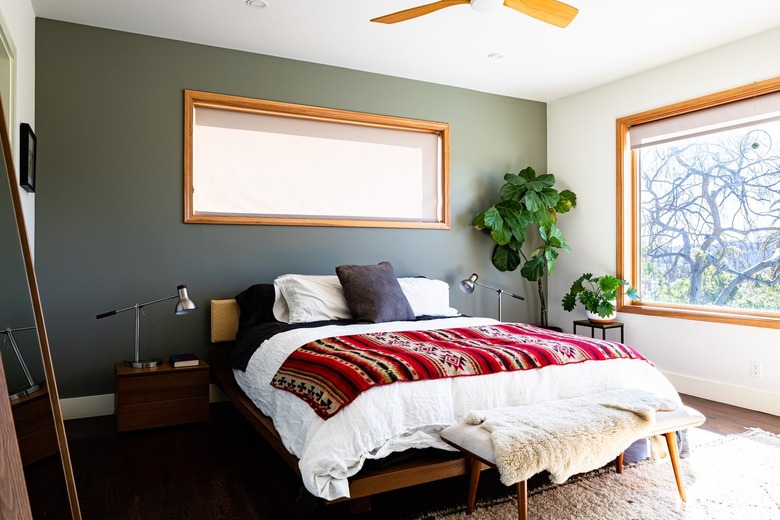
Identify the Undertones
This is arguably the most critical step. Just like skin tones, dark woods have underlying colors that peek through. Identifying these will prevent clashes and ensure harmony. Step back, look closely under natural light, and ask yourself:
- Red/Orange Undertones: Think cherry, mahogany, or some darker walnut finishes. These woods often have a warm, reddish-brown glow.
- Yellow/Golden Undertones: Some oak or aged pine can lean a bit yellow or golden, even when stained dark.
- Cool/Gray/Green Undertones: Certain espresso finishes, very dark reclaimed wood, or some contemporary dark stains can have cool, almost black-brown or gray-brown undertones.
Knowing your wood’s undertone helps you decide whether to complement (choose a color with similar undertones for a cohesive look) or contrast (select a color with opposing undertones for dynamic tension).
Consider the Wood Grain and Finish
Is your furniture smooth and glossy, reflecting light? Or is it matte, textured, and perhaps even distressed? A highly reflective, polished finish will interact differently with wall color than a rough, matte one. A strong, visible grain pattern also adds texture that needs to be considered in the overall visual weight of the room.
Setting the Mood: What Vibe Do You Want Your Bedroom to Have?
Your bedroom is your sanctuary. What feeling do you want to evoke when you walk in? Your paint color choice will be the biggest determinant of this mood.

Serene & Relaxing
If you crave a peaceful retreat, colors that promote calm are your best bet. Think soft, muted tones that recede rather than jump out. These colors often make the room feel larger and brighter, perfect for balancing the visual weight of dark furniture.
Dramatic & Sophisticated
Want a luxurious, boutique hotel feel? Embrace deeper, richer hues. These colors create an intimate, cocoon-like atmosphere that can be incredibly sophisticated when paired with dark wood. It’s about creating a mood, not just a color scheme.
Warm & Inviting
For a cozy, comforting haven, gravitate towards warm neutrals or earthy tones. These colors will enhance the warmth of many dark woods and create an embraceable, snug environment, perfect for unwinding.
Energetic & Fresh
While often challenging with dark wood, it’s not impossible to inject a fresh, energetic vibe. This usually involves brighter, clearer colors used strategically, often balanced with plenty of white or light accents to prevent the space from feeling too busy or overwhelming.
The Core Color Strategies: Blend, Contrast, or Enhance?
Now that you’ve analyzed your wood and defined your desired mood, let’s explore the three main strategies for choosing your paint color.
Strategy 1: The Lighter Touch – Creating Contrast and Brightness
This is a popular and often successful approach, especially if your dark wood furniture is substantial or your room lacks abundant natural light. Lighter colors provide a crisp backdrop, allowing the dark wood to pop without overwhelming the space.
- Warm Whites: Forget stark, institutional white. Look for whites with subtle warm undertones (yellow, pink, greige) to prevent them from looking too cold against dark wood. They offer a clean, sophisticated contrast.
- Soft Greys: From pale silver to a slightly warmer greige, soft grays are incredibly versatile. They provide a modern, elegant backdrop that makes dark wood feel grounded and intentional.
- Light Blues & Greens: These calming colors are excellent for creating a serene, spa-like atmosphere. They offer a gentle contrast, especially with red or orange-toned dark woods, and bring a refreshing feel.
- Greige: The perfect marriage of gray and beige, greige offers warmth without being too yellow and coolness without being stark. It’s a sophisticated neutral that pairs beautifully with almost any dark wood.
Strategy 2: The Deeper Dive – Embracing Drama and Sophistication
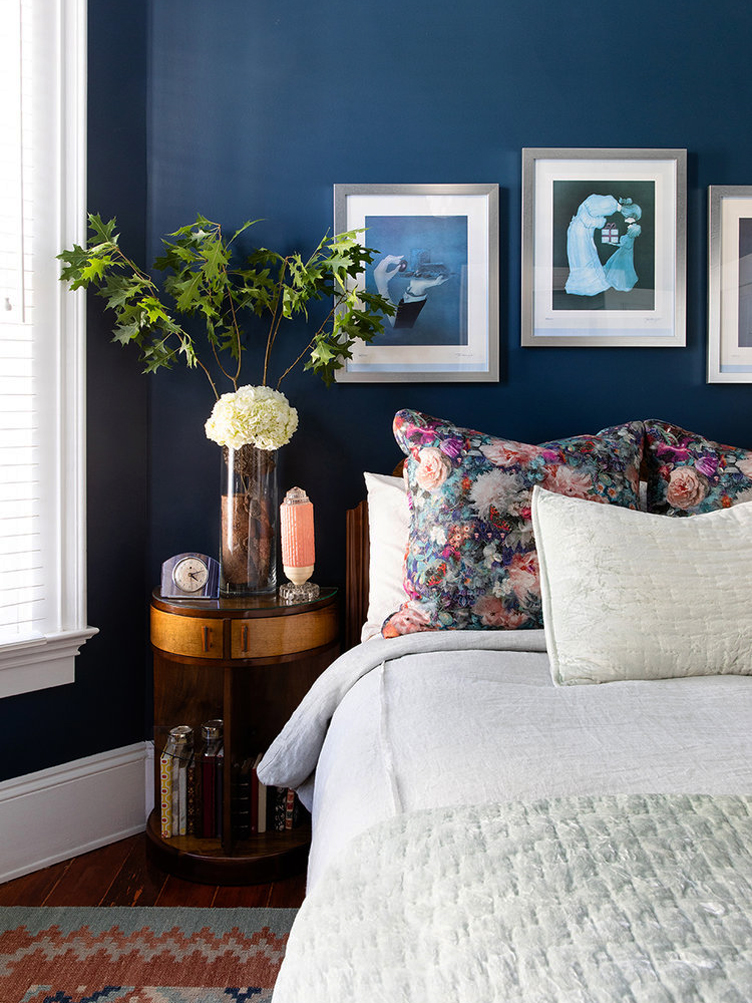
If you’re bold and aiming for a luxurious, intimate, or moody bedroom, deeper paint colors can be absolutely stunning. They minimize the contrast, allowing the dark wood to blend into a rich, enveloping ambiance. This strategy works particularly well in bedrooms with good natural light or when you deliberately want a cozy, cave-like feel.
- Deep Blues: Navy, indigo, and even darker steel blues are fantastic for creating a refined, dramatic space. They offer a cool contrast to warm dark woods and are inherently calming.
- Rich Greens: Hunter green, forest green, or deep olive greens can create an incredibly organic, sophisticated look. They evoke nature and provide a sense of grounded tranquility, especially with warm-toned dark woods.
- Charcoal/Dark Greys: These sophisticated neutrals can make a bedroom feel like a chic retreat. They bridge the gap between black and lighter grays, offering depth without being as stark as pure black.
- Muted Purples/Plums: For a truly unique and luxurious feel, consider deep, dusty purples or plums. These colors often have complex undertones that can pull out the best in red or brown dark woods.
Strategy 3: The Earthy Embrace – Warmth and Harmony
For a bedroom that feels warm, inviting, and connected to nature, consider earthy tones. These colors often share undertones with natural wood, creating a cohesive, harmonious, and very comforting environment.
![8 Colour Schemes for Dark Wood Furniture [Trending Picks]](https://kukabyarterio.com/wp-content/uploads/2024/10/dark-wood-furniture-colour-schemes.webp "8 Colour Schemes for Dark Wood Furniture [Trending Picks]")
- Warm Neutrals: Think creamy tans, soft beiges, or muted bronzes. These colors are inherently welcoming and prevent dark wood from feeling too stark or cold. They allow the wood’s warmth to shine.
- Terracottas/Muted Reds: Used sparingly or in deeper, muted forms, colors like terra cotta, burnt orange, or a dusty rose can bring incredible warmth and a touch of global sophistication, especially with very dark, rustic woods.
- Soft Golds/Mustards: A soft, muted gold or an antique mustard can infuse a room with a gentle glow and a vintage charm that complements dark wood beautifully, particularly those with yellow or orange undertones.
Expert Picks: Specific Paint Colors That Harmonize with Dark Wood Furniture
Let’s get specific! Here are some tried-and-true paint colors that interior designers often recommend for bedrooms with dark wood furniture. Remember, always test these in your own space!
| Paint Color (Brand) | Color Family & Undertone | Effect with Dark Wood | Best For… (Mood/Light) |
|---|---|---|---|
| Benjamin Moore Palladian Blue HC-144 | Soft Blue-Green (Cool, Gray) | Creates a serene, airy contrast, especially with red/orange dark woods. Lightens the space. | Serene & Relaxing; Medium to Bright Rooms. |
| Sherwin-Williams Accessible Beige SW 7036 | Warm Greige (Warm, Green-Gray) | A sophisticated neutral that provides subtle warmth and blends beautifully with most dark woods. | Warm & Inviting; Any light condition. |
| Benjamin Moore Hale Navy HC-154 | Deep Navy Blue (Cool, Gray-Blue) | Creates a dramatic, elegant, and intimate atmosphere. Complements the richness of dark wood. | Dramatic & Sophisticated; Rooms with good natural light or intentionally moody. |
| Sherwin-Williams Evergreen Fog SW 9130 | Muted Green (Warm, Gray-Green) | Organic and grounding. Offers a calming, earthy contrast or blend, enhancing natural textures. | Serene & Relaxing, Warm & Inviting; Any light condition. |
| Benjamin Moore Simply White OC-117 | Crisp, Clean White (Slightly Warm) | Brightens the room significantly, making dark furniture stand out in a fresh, clean way. | Energetic & Fresh, Serene & Relaxing; Any light condition, especially smaller rooms. |
| Farrow & Ball Down Pipe No.26 | Deep Lead Gray (Cool, Blue-Gray) | Intensely dramatic and chic. Creates a luxurious, enveloping feel, allowing dark wood to recede subtly. | Dramatic & Sophisticated; Rooms with good light or aiming for a deep, intimate mood. |
| Sherwin-Williams Kilim Beige SW 6106 | Warm Beige (Warm, Pink-Orange) | Offers a classic, cozy, and very traditional feel. Enhances the natural warmth of many dark woods. | Warm & Inviting; Any light condition. |
| Benjamin Moore Revere Pewter HC-172 | Warm Gray / Greige (Warm, Green-Gray) | A chameleon color that works with almost anything. Provides a sophisticated, soft backdrop. | Serene & Relaxing, Warm & Inviting; Any light condition. |
Beyond Color Swatches: Practical Considerations for Your Bedroom
Choosing a color is just one piece of the puzzle. How you apply it and how it interacts with other elements in your room matters immensely.
Room Size & Natural Light
This is huge! A small bedroom with limited natural light painted a deep navy will feel incredibly dramatic and cozy, but it might also feel claustrophobic to some. Conversely, a large, sun-drenched room can handle deeper hues more easily without feeling oppressive.
- Small Rooms/Low Light: Lean towards lighter, reflective colors to bounce light around and make the space feel more open. Whites, pale grays, and light blues are excellent.
- Large Rooms/Ample Light: You have more freedom! Deeper, more saturated colors can create drama and intimacy without shrinking the space.
Existing Decor & Textiles
Your paint color choice shouldn’t exist in a vacuum. Take stock of your bedding, curtains, rug, and any artwork or accessories. Do they lean warm or cool? Are they vibrant or muted? Your paint color should ideally harmonize with these elements to create a cohesive design story. For instance, if you have a vibrant rug, a more subdued wall color might be best to let the rug shine.

Paint Finish (Sheen)
The sheen of your paint affects how light reflects off the walls, which in turn impacts how the color appears and how practical it is for a bedroom:
- Matte/Flat: Absorbs light, offering a rich, sophisticated depth of color. Hides imperfections well, but less durable and harder to clean. Ideal for low-traffic adult bedrooms aiming for a velvety look.
- Eggshell/Satin: Most popular for bedrooms. Offers a soft glow, more durable and washable than flat, and still hides minor imperfections. A great balance of aesthetics and practicality.
- Semi-Gloss/Gloss: Highly reflective and very durable/washable. Usually reserved for trim, doors, or accent walls, as it can be too shiny for entire bedroom walls and highlight every imperfection.
Testing is Key: Why Swatching on Walls is Non-Negotiable
I cannot stress this enough: DO NOT choose a color from a tiny swatch! Paint colors look dramatically different in different lighting conditions, at different times of day, and next to your actual furniture. Buy several sample pots (or large peel-and-stick samples) of your top contenders.
- Paint large squares (at least 2’x2′) on at least two different walls in your bedroom, ideally next to your dark wood furniture.
- Observe them throughout the day and night, under natural light and artificial light.
- See how they look with your existing textiles and decor.
- Live with them for a few days. You’ll be amazed at how quickly you’ll narrow down your choice.
Common Pitfalls to Avoid When Pairing Paint with Dark Wood
Even with all the best intentions, it’s easy to make mistakes. Here’s what to watch out for:
- Ignoring Undertones: This is the biggest culprit for a paint color feeling “off.” A cool gray paint with red-toned dark wood can look jarring if not handled carefully.
- Making a Small Room Feel Smaller: While dark colors can be dramatic, they can also visually shrink a space. If your bedroom is already cozy, ensure a deep color choice is intentional and balanced with light accents.
- Overlooking Existing Lighting: A color that looks vibrant in the paint store’s fluorescent lighting might look dull in your low-light bedroom. Always test!
- Forgetting the ‘Fifth Wall’ (Ceiling): A crisp white ceiling can make walls feel taller and brighter. Consider a very light version of your wall color for a more cohesive, enveloped feel, but be cautious with dark ceilings in smaller spaces.
- Not Considering the Overall Flow: If your bedroom is visible from another room, think about how the colors transition. You don’t want a jarring shift.
Bringing It All Together: Your Personal Design Checklist
Ready to tackle your bedroom project? Here’s a quick recap to guide you:
- Analyze Your Wood: Identify its undertones (red, orange, yellow, gray).
- Define Your Mood: Decide if you want serene, dramatic, warm, or fresh.
- Choose Your Strategy: Will you contrast, blend, or enhance?
- Narrow Down Colors: Use the expert picks and your chosen strategy to select a few contenders.
- Test, Test, Test: Apply large swatches to your walls and observe them over several days.
- Consider Practicalities: Room size, light, existing decor, and paint sheen.
- Don’t Rush: This is your sanctuary. Take your time to get it right!
Choosing the best paint color for a bedroom with dark wood furniture doesn’t have to be intimidating. By understanding your wood, defining your desired mood, and employing smart color strategies, you can create a truly beautiful and harmonious space. Trust your instincts, but always, always test your colors. Happy painting!
n