How to Paint Walls Quickly: The Ultimate Guide to Speed and Efficiency (Without Sacrificing Quality)
Let’s be honest: painting a room can feel like a marathon. The endless prep, the meticulous cutting in, the seemingly infinite rolling… it’s enough to make anyone procrastinate. But what if I told you there’s a smarter way? A way to dramatically cut down your painting time without cutting corners on quality?
You’re not looking for shortcuts that lead to a sloppy finish; you’re looking for efficiency. You want to reclaim your weekend, not spend it staring at a wet wall. As someone who’s tackled countless painting projects, I can tell you that the secret to speed isn’t just about moving faster, but about working smarter. It’s about strategic preparation, using the right tools, and mastering techniques that keep the paint flowing and your progress soaring.
This isn’t about slapping paint on walls. This is your definitive guide to transforming your space quickly, cleanly, and with professional-looking results. Let’s dive in and learn how to paint walls quickly.
The Speed Secret: It’s All in the Prep (Phase 1: Foundation for Fast Painting)
Many people rush through preparation, thinking it’s where they can save time. Big mistake. Skimping on prep is like building a house on sand – it’ll come back to haunt you, usually by slowing you down significantly during the actual painting. Smart prep, however, lays the groundwork for a lightning-fast paint job.
Clear the Room Like a Pro
Your first step to speed is to create an unobstructed workspace. The fewer obstacles, the faster you can move.
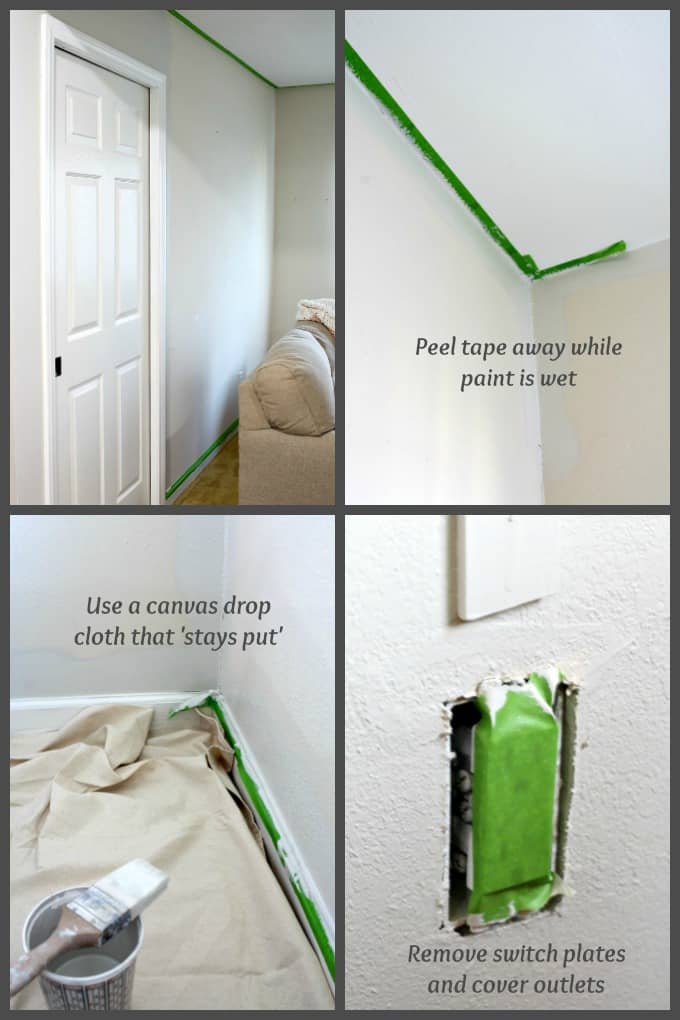
- Move Everything Out (or to the Center): If possible, remove all furniture from the room. If not, push it to the center and cover it with a lightweight plastic sheet or drop cloth. This takes minutes but saves hours of careful maneuvering later.
- Remove Wall Hangings and Fixtures: Take down curtains, blinds, wall art, switch plates, and outlet covers. Don’t tape around them; remove them! It’s always faster and gives a cleaner line.
- Protect Floors and Permanent Fixtures: Lay down drop cloths (canvas is better for grip and reusability, plastic for cost) to cover the entire floor. Use painter’s tape to secure them if needed, especially along baseboards. Cover light fixtures you can’t remove with plastic bags and tape.
Pro Tip: Use a designated ‘staging area’ outside the room for removed items. This keeps your workspace clear and makes putting things back a breeze.
Wall Prep: Don’t Skip, Streamline It
Clean, smooth walls are essential for good paint adhesion and a flawless finish. More importantly, they allow you to paint quickly without encountering unexpected bumps or dirt patches that require stopping and fixing.
- Quick Cleanse: Grab a bucket of warm water with a little mild dish soap and a sponge. Do a quick wipe-down of walls, especially in high-traffic areas or where grime might accumulate. Don’t saturate the walls; just enough to remove dust, cobwebs, and grease. Rinse with clean water. Crucially, allow walls to dry completely before moving on.
- Patching and Sanding: What’s Essential for Speed? You don’t need museum-quality perfection, but noticeable holes, cracks, and peeling paint will slow you down and look terrible under new paint.
- Fill small holes with spackle, smooth with a putty knife.
- Lightly sand any patched areas once dry. A sanding sponge works wonders for speed.
- Gently sand glossy surfaces if repainting a very shiny wall. This creates ‘tooth’ for new paint to adhere, preventing peeling later.
- Taping/Masking Smartly: Tools and Techniques for Speed: This is where many people waste time.
- Use Quality Tape: A good quality painter’s tape (like FrogTape or 3M blue tape) creates sharper lines and is easier to remove cleanly.
- Longer Strips: Apply tape in longer, continuous strips. Press down firmly with a putty knife or your finger to ensure a tight seal.
- Consider Cutting In Without Tape: For experienced DIYers or if you’re in a massive rush, practicing a steady hand can be faster than taping every edge. More on this later.
Priming for Success (and Speed)
Priming often feels like an extra, time-consuming step. But, strategically, it can actually save you time and money, especially when covering dark colors, stained walls, or new drywall.
- When to Prime:
- Color Change: Going from dark to light? Primer will help you achieve coverage in fewer coats of your new, more expensive paint.
- Stains: Water stains, smoke, or grease? A stain-blocking primer is essential. Skipping this means stains bleeding through your new paint, requiring re-work.
- New Drywall or Patched Areas: Primer seals porous surfaces, ensuring an even finish and preventing patchy absorption of your topcoat.
- When to Skip (Sometimes): If you’re painting over a clean, previously painted wall with a similar color and the paint has good adhesion, you might be able to use a high-quality paint-and-primer-in-one product directly, saving a step.
- Fast Application Techniques for Primer: Apply primer with the same efficient rolling and cutting-in techniques you’ll use for paint. It doesn’t need to be perfect, just even coverage.
Tools That Accelerate Your Painting Process (Phase 2: Gearing Up for Speed)
The right tools don’t just make the job easier; they make it significantly faster. Don’t underestimate the power of an extended pole or a high-capacity roller.
Rollers: Size, Nap, and Technique for Rapid Coverage
Your roller is your primary weapon for speed.
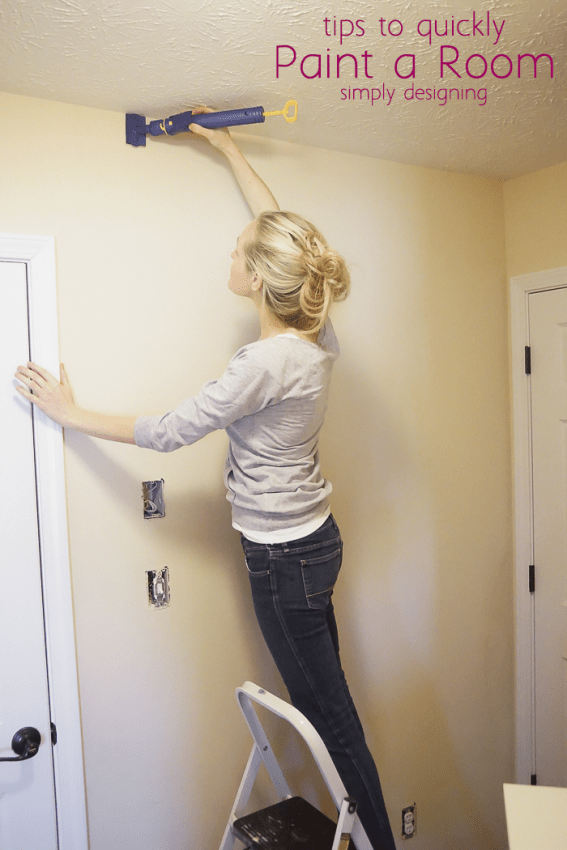
- Choose the Right Roller Size: For most interior walls, a 9-inch roller is standard. For very large, open walls, an 18-inch roller can drastically cut down rolling time, though it requires a larger paint tray and can be heavier.
- Select the Right Nap: The nap refers to the thickness of the roller cover.
- Short Nap (1/4"-3/8"): Best for smooth surfaces and delivers a fine finish. Good for speed on perfectly smooth walls.
- Medium Nap (3/8"-1/2"): Most versatile, good for slightly textured walls. This is your go-to for speed and coverage on typical drywall.
- Long Nap (3/4"+): For heavily textured surfaces like stucco. Avoid this for smooth walls, as it will hold too much paint and splatter, slowing you down.
- Extended Poles are Non-Negotiable: Seriously, if you want to paint quickly, invest in a good quality telescoping extension pole. It allows you to reach high and low without constantly moving a ladder, drastically increasing your rolling speed and reducing fatigue. Aim for a pole that extends 2-4 feet.
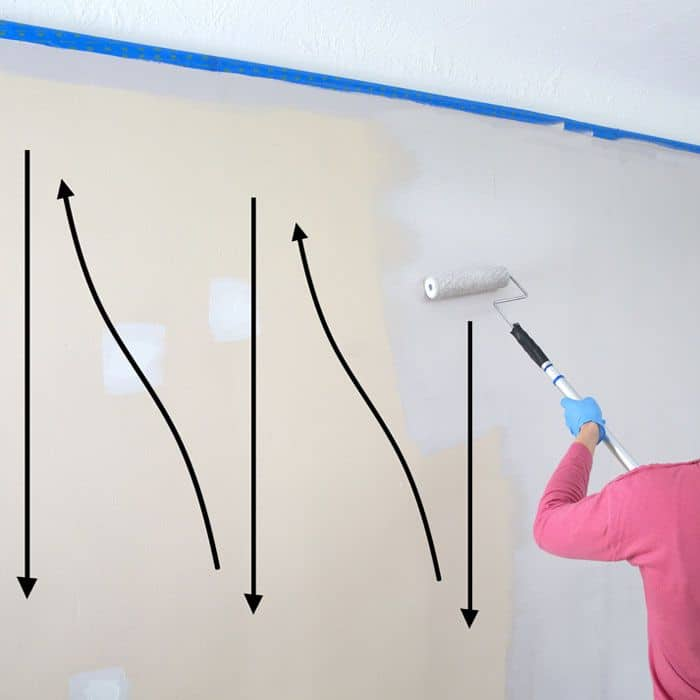
- The "W" or "M" Technique: Load your roller and apply paint in a large "W" or "M" pattern across a section of the wall (about 3×3 feet). Then, without reloading, fill in the pattern with vertical strokes, overlapping slightly. This technique ensures even coverage and minimizes drips, maximizing the paint you apply with each load.
Brushes: Precision and Speed in Cutting In
Even with rollers, you’ll need brushes for edges and corners. Speed here comes from control and minimizing re-dos.
- Angled Brushes are Your Friend: A 2.5-inch angled sash brush is ideal for cutting in. The angle allows for precise lines along ceilings, baseboards, and trim.
- Load Smartly: Don’t overload the brush. Dip about one-third of the bristles into the paint, tap off excess on the side of the can, and wipe one side clean. This gives you control.
- Cutting-In Technique for Minimal Re-do: Hold the brush like a pencil, with your forearm resting against the wall for stability. Apply paint smoothly, letting the bristles bend slightly to guide the line. Work in 2-3 foot sections.
- Paint Edgers: Are They Worth It for Speed? Paint edgers (pads with small wheels) can be tempting. For very precise, long straight lines, some people find them faster than taping. However, they can be messy, require frequent cleaning, and don’t work well on textured surfaces. For most DIYers, a quality angled brush and a steady hand are often faster in the long run.
Sprayers vs. Traditional: The Ultimate Speed Hack?
Paint sprayers are undoubtedly fast, but they come with a significant asterisk for DIY speed painters.
- Pros of Sprayers:
- Incredible speed for applying paint to large, unobstructed areas.
- Flawless, smooth finish without brush or roller marks.
- Cons of Sprayers (especially for speed):
- Intensive Masking: You *must* mask off everything you don’t want painted – windows, doors, trim, floors, furniture, light fixtures. This masking process can easily take 2-3 times longer than the spraying itself. If you’re only painting walls and not trim, a sprayer might actually be slower overall due to this extensive prep.
- Overspray: Paint travels everywhere, requiring meticulous protection.
- Cleanup: Cleaning a sprayer thoroughly is time-consuming and critical for its longevity.
- Learning Curve: Requires practice to avoid drips and uneven coverage.
- When a Sprayer is Genuinely Faster:
- Painting an empty, new construction room where only the walls and ceiling need paint, and minimal masking is required.
- Painting siding, fences, or large, unmasked surfaces.
- If you’re painting multiple rooms and have the setup down to a science.
For most DIY interior wall painting projects, high-quality rollers and brushes with efficient techniques will be faster overall than dealing with the extensive setup and cleanup of a sprayer.
| Painting Method | Prep Time Estimate (Masking) | Application Time Estimate (Per Coat) | Cleanup Time Estimate | Total Time (Approx.) | Best For… |
|---|---|---|---|---|---|
| Brush & Roller (Standard) | 1-2 hours | 1-1.5 hours | 20-30 minutes | ~2.5-4 hours | Most DIY projects, occupied rooms, precision work. |
| Brush & Roller (w/ Paintstick) | 1-2 hours | 45 min-1 hour | 25-35 minutes | ~2.25-3.5 hours | Faster rolling, fewer refills, good for larger areas. |
| Airless Paint Sprayer | 3-6 hours (extensive) | 15-30 minutes | 30-60 minutes | ~4-7.5 hours | Empty homes, new construction, large exterior projects. |
Paintstick and Other Roller Innovations
Tools like the HomeRight Paintstick EZ Twist or similar roller systems with an internal paint reservoir can significantly speed up the rolling process by eliminating the need to constantly dip into a paint tray.
- How They Save Time: You fill the handle with paint, and it feeds directly to the roller cover. This means fewer trips to the tray, less bending, and continuous rolling.
- Considerations: They are heavier when full, and cleaning can be a bit more involved than a standard roller, but the application speed often outweighs this for larger areas.
The Painting Process: Techniques for Lightning-Fast Application (Phase 3: The Paint on the Wall)
Once your prep is perfect and your tools are ready, it’s time to get paint on the walls. Here’s how to do it with maximum speed and minimum fuss.
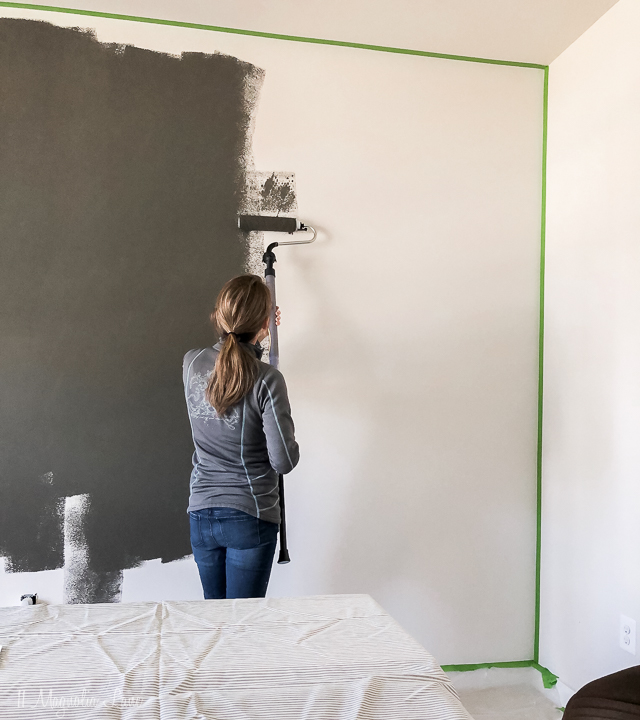
The Cutting-In Conundrum: Speed Without Splatter
Cutting in (painting edges where two surfaces meet) is often the slowest part. Here’s how to make it efficient.
- The "Wet Edge" Principle: The key to seamless paint is to always paint into a "wet edge." This means finishing your cutting in just before your roller reaches that section. If your cut-in paint dries before the roller paint meets it, you risk visible lap marks.
- Cutting-In Strategy: All at Once, or Section by Section?
- Small Rooms: For a small room, you might cut in all edges around the ceiling, corners, and baseboards, then immediately start rolling.
- Large Rooms: For bigger spaces, it’s more efficient to cut in one wall or a section of a wall, then roll that section, and repeat. This ensures you maintain a wet edge.
- Load the Brush Properly: Don’t overload. Dip about 1/3 of the bristles, tap gently, and wipe one side against the can. Use the "clean" side against your trim/ceiling for a sharper line.
- Steady Hand, Fluid Motion: Use long, controlled strokes. Don’t press too hard. Let the bristles do the work.
Rolling Techniques for Maximum Efficiency
This is where you’ll cover the most ground quickly.
- Load the Roller Properly: Use a generously sized paint tray. Roll your roller back and forth in the paint until it’s evenly saturated, but not dripping. Use the ribbed section of the tray to remove excess.
- Work in Sections: Mentally divide your wall into 3×3 or 4×4 foot sections. Start at one end of the wall.
- The "W" or "M" Method: As mentioned earlier, apply paint in a large "W" or "M" pattern. Then, fill in that section with even, vertical strokes, overlapping each pass by about 50%. This distributes the paint evenly and avoids missed spots.
- Maintain a Wet Edge: Always work from unpainted areas into freshly painted, still-wet areas. This prevents harsh lines and ensures a smooth, uniform finish.
- Consistent Pressure: Apply moderate, consistent pressure. Too little, and you get thin coverage; too much, and you squeeze paint out the sides, causing drips.
- Corners and Edges: After cutting in, bring your roller as close as possible to the cut-in lines without touching the adjacent surface. This blends the brushwork and roller work seamlessly.
Two Coats, One Vision: Drying Times and Recoating Quickly
Most walls require two coats for optimal color depth and durability. Don’t let waiting for paint to dry derail your speed.
- Understand Paint Dry Times: Most latex (water-based) paints are ‘tack-free’ (dry to the touch) in 1-2 hours and ready for a second coat in 2-4 hours. Oil-based paints take much longer. Always check the paint can for specific instructions.
- Optimize Conditions: Good ventilation (open windows, fans) and moderate temperatures (65-75°F) will help paint dry faster. Avoid high humidity.
- Strategic Recoating: If you’re doing multiple rooms or walls, start your second coat on the first wall you painted. By the time you’ve finished the first coat on the last wall, your starting wall might be ready for its second coat. This creates a continuous flow, minimizing downtime.
- Don’t Rush the Recoat: Applying a second coat too soon can lead to the paint dragging, peeling, or an uneven finish, forcing you to repaint – which is the opposite of quick!
Don’t Let Cleanup Slow You Down (Phase 4: Finishing Strong, Fast)
A quick paint job isn’t truly quick if you spend hours on cleanup. Efficient cleanup is part of the speed strategy.
Quick Clean-Up Strategies
- Minimize Mess from the Start: Good prep (drop cloths, removed fixtures) is your best defense against cleanup woes.
- Storing Brushes/Rollers Temporarily: If you’re taking a break or waiting for a second coat (within a few hours), don’t wash tools yet.
- Brushes: Wrap tightly in plastic wrap or a plastic bag, squeezing out all air.
- Rollers: Slip the roller cover into a plastic grocery bag, seal it tightly, or use an airtight roller cover storage container.
- Efficient End-of-Day Cleanup:
- Scrape Rollers: Use a 5-in-1 tool or roller scraper to remove excess paint from roller covers before washing. This significantly reduces water usage and washing time.
- Wash in a Utility Sink: Use a utility sink or an outdoor hose. Keep your kitchen/bathroom sink clean.
- Clean Brushes First: Work warm water through the bristles until the water runs clear. Use a wire brush or paint comb to remove dried paint.
- Roller Covers: Rinse thoroughly until water runs clear. Squeeze out excess water.
- Dry Thoroughly: Store brushes flat or hang them to dry. Ensure rollers are fully dry before storing to prevent mildew.
- Dispose of Paint Properly: Seal cans tightly. Check local regulations for disposing of leftover paint.
Removing Tape Like a Pro
This final step can make or break your crisp lines.
:max_bytes(150000):strip_icc()/Stocksy_txpdc39b9790by000_Medium_867684-5a958e10119fa80036fb82b6.jpg "How to Paint Interior Walls Like a Pro")
- When to Remove Tape for Clean Lines and Speed: Remove painter’s tape when the paint is dry to the touch but still slightly flexible – usually within an hour or two of applying the last coat. Waiting too long (e.g., overnight) can cause the paint to fully cure and bond to the tape, leading to tearing, chipping, and jagged lines when you pull it off.
- Pull at a 45-Degree Angle: Pull the tape slowly and steadily at a 45-degree angle away from the wall. This minimizes tearing. If paint is already dry and pulling, score the edge of the tape with a utility knife before pulling to prevent paint from lifting.
Common Mistakes That Kill Your Speed (and How to Avoid Them)
Want to paint quickly? Avoid these pitfalls:
- Not Prepping Thoroughly: Thinking you’re saving time by skipping cleaning, patching, or taping is a false economy. It leads to more issues and re-work.
- Using the Wrong Tools: A cheap roller cover, a tiny brush for a large wall, or no extension pole will make the job longer and more frustrating. Invest in quality tools.
- Overloading/Underloading Brushes/Rollers: Too much paint causes drips and messes; too little means poor coverage and more coats. Find that sweet spot.
- Rushing the Paint, Not the Process: Trying to paint too fast (e.g., not letting coats dry) will lead to mistakes that require more time to fix. Focus on efficient movements, not frantic ones.
- Ignoring Drying Times: Impatience is your enemy. Respect the recoat times to ensure a durable, beautiful finish.
- Painting Out of Order: Starting with rolling before cutting in, or not maintaining a wet edge, will create visible seams and slow down your overall progress as you try to fix them.
The Ultimate Speed Painting Checklist
To recap, here’s your quick guide to painting walls quickly:
- Clear & Protect: Empty the room, remove fixtures, lay drop cloths.
- Clean Walls: Wipe down walls for dust/grime.
- Patch & Sand: Address imperfections; spot prime if needed.
- Tape Smartly: Use quality tape; press firmly, or master cutting in.
- Prime Strategically: Only when necessary, but use efficient methods.
- Gather Tools: Quality rollers (9" or 18"), medium nap, 2.5" angled brush, extension pole, large paint tray.
- Load Efficiently: Don’t overload brushes/rollers.
- Cut In Smart: Use an angled brush, maintain a wet edge with rolling.
- Roll Strategically: "W" or "M" technique, work in sections, consistent pressure.
- Respect Dry Times: Allow adequate time between coats.
- Clean Up Quickly: Scrape rollers, wash immediately, remove tape at the right time.
Final Thoughts: Paint Smarter, Not Just Faster
Painting walls doesn’t have to consume your entire weekend. By embracing smart planning, investing in the right tools, and applying proven, efficient techniques, you can drastically reduce the time and effort involved. Remember, speed in painting comes not from rushing, but from a streamlined process that minimizes errors and maximizes coverage. Now go forth, paint with confidence, and enjoy your beautifully transformed space in record time!
Frequently Asked Questions
What’s the absolute fastest way to paint a room?
The absolute fastest way to paint a room is through a combination of meticulous, efficient preparation (clearing, cleaning, basic patching, smart masking), using the right tools (quality rollers with extension poles, angled brushes, potentially a paintstick), and applying paint with efficient techniques (like the “W” or “M” rolling method) while maintaining a wet edge. For very large, empty spaces, an airless paint sprayer can be fastest for application, but only if the extensive masking and cleanup time doesn’t negate the speed benefit.
How can I paint without taping?
To paint without taping, you need to master the technique of “cutting in” freehand. This involves using a high-quality 2.5-inch angled sash brush, loading it properly (not overloaded), and having a steady hand. Rest your forearm against the wall for stability, and use the angled bristles to guide a precise line along ceilings, trim, and corners. With practice, this can often be faster than the time it takes to meticulously apply and remove painter’s tape.
Is it faster to cut in all at once or as I go?
For most rooms, it’s faster to cut in one wall or a section of a wall, then immediately roll that section, and repeat the process around the room. This approach ensures you’re always painting into a “wet edge,” which prevents visible lap marks and creates a seamless finish. Cutting in an entire large room and then rolling risks the cut-in paint drying before the roller reaches it, leading to more work to blend.
How do professional painters paint so fast?
Professional painters achieve speed through a combination of extensive experience, highly efficient workflows, and specialized tools. They master advanced cutting-in techniques, use larger roller sizes (like 18-inch) with extension poles, employ paint sprayer systems for large areas (when appropriate), and understand how to minimize setup and cleanup time. Their speed is a result of precision, repetition, and a deep understanding of paint properties and surface conditions.
What roller size is best for painting walls quickly?
For most interior walls, a 9-inch roller with a medium nap (3/8″ or 1/2″) is the best balance of speed and control. For very large, open walls or high ceilings, an 18-inch roller can significantly speed up application time by covering more surface area with each pass, though it requires a larger paint tray and can be heavier to wield.
Can I skip primer to save time?
You can sometimes skip primer to save time, but it depends on the situation. If you are painting over a clean, previously painted wall with a similar color, and the new paint is a good quality ‘paint-and-primer-in-one’ product, you might be able to skip a dedicated primer coat. However, you should *never* skip primer when going from a dark to a light color, covering stains, or painting new drywall or heavily patched areas. Skipping it in these scenarios will lead to more coats of paint, visible stains, or an uneven finish, ultimately costing you more time and money.
How soon can I apply a second coat of paint?
Most latex (water-based) paints are ready for a second coat within 2-4 hours, though drying times can vary based on humidity, temperature, and paint thickness. Always check the specific instructions on your paint can. Applying a second coat too soon can cause the first coat to drag, peel, or result in an uneven finish, requiring you to go back and fix it, which defeats the purpose of trying to paint quickly.