Mastering the Art: Your Step-by-Step Guide to Painting a Room with a Tray Ceiling
So, you’re looking up at that beautiful architectural feature in your room – the tray ceiling. It adds so much character, depth, and a touch of elegance, doesn’t it? But then the thought hits you: how on earth do I paint that thing?
You’re not alone. Painting a room with a tray ceiling isn’t quite like tackling a standard flat ceiling. It presents unique challenges with its multiple planes, varying heights, and distinct angles. But don’t let that intimidate you! With the right strategy, tools, and a clear step-by-step approach, you can transform your tray ceiling from a painting puzzle into a stunning focal point.
As a seasoned painter, I’ve seen my fair share of tray ceilings – from the subtly recessed to the dramatic multi-tiered. And I’m here to tell you that painting one isn’t just doable; it’s an opportunity to really elevate your space. This guide will walk you through everything, from choosing the perfect colors to mastering the tricky angles, ensuring a professional-grade finish you’ll be proud of.
Why a Tray Ceiling Deserves Special Attention (And How We’ll Tackle It)
A tray ceiling, sometimes called a recessed or inverted ceiling, is a fantastic architectural detail where the central portion of the ceiling is higher than the perimeter. This creates a “tray” effect, adding visual interest and making a room feel more expansive. However, this very feature introduces complexity:

- Multiple Surfaces: You’re dealing with not just a flat ceiling, but also sloped sides, vertical returns, and often crown molding.
- Varying Heights: Reaching the highest point of the tray, especially in a tall room, requires proper equipment.
- Distinct Angles & Lines: Maintaining crisp, clean lines where different colors meet (or even where the same color transitions across planes) is crucial for a professional look.
Our strategy is to break down this seemingly complex task into manageable, logical phases. We’ll approach it section by section, ensuring precision at every turn.
Phase 1: Planning Your Tray Ceiling Transformation
Preparation is not just half the battle; it’s often more like 70%. Before you even open a can of paint, thoughtful planning will save you headaches and ensure a beautiful result.
Choosing Your Palette: Unlocking the Power of Color
This is where the magic truly begins! The way you choose to color your tray ceiling can dramatically alter the feel and perception of your room. Don’t just default to white – explore the possibilities!
- The Classic Approach: White and Walls
This is the most common and safest option. You paint the top flat recessed section a bright white (often the same as your trim), and the sloped/vertical sides of the tray match your wall color. This creates a subtle illusion of height and keeps things clean and airy. It also simplifies the painting process by reducing the number of precise cut-ins needed between colors. - The Bold Statement: Contrasting Colors
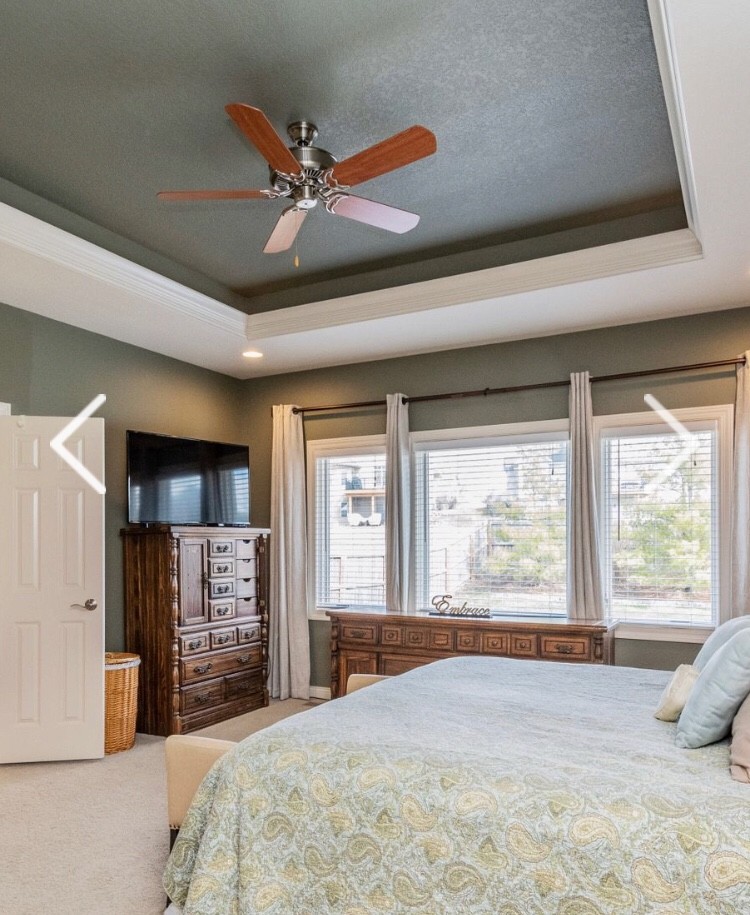
Feeling adventurous? Consider painting the top flat section a darker or contrasting color to your walls. This can create incredible drama, draw the eye upward, and make the tray truly pop. Imagine a deep navy blue or a charcoal gray recessed within a lighter room – stunning! The sloped sides can match the wall color or be a third, complementary shade. - The Seamless Flow: Monochromatic Tones
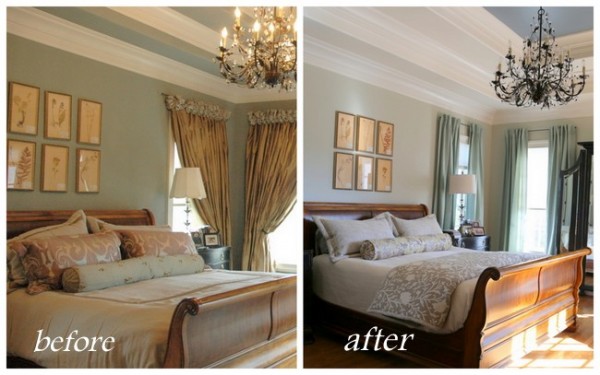
For a sophisticated, enveloped feel, you can paint all sections of the tray ceiling the same color as your walls. This creates a cohesive, uninterrupted flow that can make the room feel larger and more serene. Alternatively, you could use varying shades of the same color – a lighter tint on the walls, a medium shade on the tray sides, and the deepest shade on the recessed flat top. This adds depth without stark contrast.
Expert Insight: What a Professional Painter Considers
Beyond color, paint sheen is paramount for ceilings. A flat finish is almost always recommended for ceilings, especially the large, flat top section of a tray. Why? Flat paint hides imperfections incredibly well. Any gloss or sheen will reflect light and highlight every little bump, roller mark, or drywall flaw. For the sloped or vertical sides of the tray, especially if they are part of the main wall, an eggshell or matte finish can work, but keep reflectivity in mind.
:max_bytes(150000):strip_icc()/1-9f53e72a6d234a0ba940a4672b5b471f.jpeg "15 Tray Ceiling Paint Ideas That Really Shine")
Here’s a quick guide to help you visualize color strategies:
| Strategy | Recessed Flat Top | Sloped/Vertical Sides | Main Walls | Visual Effect |
|---|---|---|---|---|
| Classic & Airy | White/Light Neutral | Match Wall Color | Your Chosen Color | Subtle height, clean, elegant. |
| Dramatic Contrast | Dark/Bold Color | Match Wall Color or Complementary | Lighter Color | Draws eye up, adds depth, luxurious feel. |
| Seamless & Enveloping | Match Wall Color | Match Wall Color | Your Chosen Color | Cohesive, spacious, modern, inviting. |
| Subtle Depth (Monochromatic) | Deepest Shade | Medium Shade | Lightest Tint | Elegant progression, sophisticated, architectural accent. |
Selecting the Right Paint and Finish
I cannot stress this enough: invest in quality paint. It covers better, lasts longer, and provides a smoother finish, saving you time and frustration in the long run. For the ceiling, a high-quality flat latex paint is your best friend. If you opt for an eggshell or matte on the tray sides that continue from the wall, ensure it’s a premium product designed for excellent coverage.
Essential Tools and Materials Checklist
Having everything on hand before you start means fewer trips to the store and a smoother process. Here’s what you’ll need:
- Paints: Your chosen ceiling and wall colors, plus primer if needed.
- Brushes: An angled sash brush (2-2.5 inches) for cutting in is non-negotiable for those crisp lines. A smaller detail brush might also be handy.
- Rollers: A standard 9-inch roller with a medium nap (3/8-inch to 1/2-inch) for flat ceilings and walls. For the sloped or vertical tray sides, a 4-inch mini roller or a hot dog roller can be a game-changer for tight spaces.
- Roller Covers: Get several. They wear out, and it’s good to have fresh ones for each coat.
- Extension Pole: Absolutely critical for reaching the high parts of your tray ceiling safely and efficiently.
- Painter’s Tape: High-quality painter’s tape (like FrogTape or a delicate surface tape if painting over fresh paint) for sharp lines. Get plenty.
- Drop Cloths: Canvas or plastic to protect your floors and furniture.
- Paint Trays & Liners: For easy cleanup.
- Ladder/Scaffolding: A sturdy step ladder or even a small scaffolding unit will make reaching high areas much safer and more comfortable than constantly repositioning a tall ladder.
- Cleaning Supplies: Sponges, mild detergent, buckets for cleaning walls, and rags.
- Sanding Tools: Sanding pole or block with fine-grit sandpaper (180-220 grit) for smoothing walls.
- Spackle/Joint Compound & Putty Knife: For any repairs.
- Safety Gear: Safety glasses, gloves, and a mask (especially when sanding or using low-VOC paints).
Phase 2: Preparing Your Room for a Flawless Finish
Don’t skip these steps. They are foundational to a professional-looking paint job.

Clearing the Deck: Furniture and Fixtures
Move all furniture out of the room if possible. If not, push it to the center and cover it completely with plastic sheeting or drop cloths. Remove all wall hangings, outlet covers, light switch plates, and, if your tray ceiling has a central light fixture, carefully disconnect and remove it (or mask it thoroughly). Take down any ceiling fans or chandeliers, if you’re comfortable and knowledgeable about electrical safety. If not, mask them meticulously.
Cleaning and Repairing Surfaces: The Foundation of Perfection
Clean all surfaces thoroughly. Use a mild detergent solution (like a mix of TSP substitute and water) to wipe down the walls and ceiling. This removes dust, grease, and grime that can prevent paint from adhering properly. Rinse with clean water and allow to dry completely.
Now inspect for imperfections. Fill any nail holes, cracks, or dents with spackle or joint compound. Sand smooth once dry. For older homes, check for any peeling paint and scrape it away, then sand the edges smooth. A smooth surface is essential, especially with a tray ceiling where varying light will hit it from different angles, highlighting every flaw.
Masking Like a Pro: Precision is Key
This is arguably the most critical step for achieving those sharp lines on a tray ceiling. Good masking makes painting easier and the results cleaner.
- Crown Molding: If your tray ceiling has crown molding (either at the top where it meets the main ceiling or around the inner perimeter of the tray), tape along the edge of the molding where it meets the surface you don’t want to paint.
- Wall-to-Ceiling Line: Tape along the top edge of your walls where they meet the main (lower) ceiling, if you’re painting the main ceiling a different color than the walls.
- Internal Tray Angles: This is the trickiest part. You’ll likely have multiple distinct lines where the flat top meets the sloped sides, and where the sloped sides meet the vertical returns. Precisely tape these internal angles if you’re using different colors for each section. Press the tape down firmly with a putty knife to ensure a tight seal and prevent bleed-through.
- Protecting Floors & Fixtures: Lay down your drop cloths. Tape them to the baseboards to prevent slippage. Mask any remaining light fixtures, smoke detectors, or other ceiling-mounted items you couldn’t remove.
Priming for Adhesion and Even Color
Don’t skip primer, especially if you’re:
- Making a significant color change (e.g., dark to light, or vice-versa).
- Painting over new drywall or patched areas.
- Dealing with stains (use a stain-blocking primer).
Primer ensures better paint adhesion, a more uniform finish, and often saves you a coat of your more expensive topcoat paint. Apply an even coat of a high-quality primer to all surfaces you intend to paint, allowing adequate drying time as per manufacturer instructions.
Phase 3: The Painting Process – Tackling the Tray Ceiling Section by Section
Here’s the moment of truth. Breaking the tray ceiling down into distinct sections is crucial for a clean, professional finish.
Strategy First: Which Section to Paint When?
I recommend working from the inside out, or top down. This minimizes drips onto already-painted surfaces and allows for cleaner transitions.
- Top Flat Recessed Ceiling (the ‘island’)
- Sloped Sides / Vertical Returns of the tray
- Crown Molding (if applicable, and if a different color)
- Main Walls of the room (last)
Step-by-Step: Painting the Top Flat Recessed Ceiling (The “Island”)
This is typically the highest, flat, innermost part of the tray. This is usually painted a light color, often white, to make the room feel taller.
- Cut In: Using your angled sash brush, carefully cut in along all edges where the flat top meets the sloped sides. Take your time to create a perfectly straight line against your painter’s tape.
- Roll: Using your 9-inch roller on an extension pole, apply paint to the remaining flat surface. Work in a W-pattern, overlapping each stroke slightly. Maintain a wet edge to avoid lap marks. Work quickly but carefully.
- Second Coat: Allow the first coat to dry completely (check paint can instructions, usually 2-4 hours) before applying a second coat using the same technique. Two thin coats are always better than one thick coat for durability and finish.
Step-by-Step: Painting the Sloped or Vertical Tray Sides
These are the areas that connect the top flat section to the main ceiling or walls. They can be tricky due to their angle and often narrower width.
- Cut In: With your angled brush, cut in along the top edge (where it meets the already-painted flat top, against tape) and the bottom edge (where it meets the next section or crown molding, against tape).
- Roll: For wider sloped sections, you might still use a standard 9-inch roller. For narrower or tighter sloped/vertical sections, the 4-inch mini roller is your secret weapon. It allows for more control and less chance of bumping into adjacent painted surfaces. Again, work in a W-pattern, ensuring even coverage.
- Second Coat: Apply a second coat after the first has dried, following the same cutting-in and rolling steps.
Step-by-Step: Painting the Crown Molding (If Applicable)
If your tray ceiling includes crown molding as part of its structure, and you’re painting it a different color (e.g., white if the tray sides are colored), this step comes next.
- Preparation: Ensure the molding is perfectly taped off from the adjacent sections you’ve just painted.
- Brush Only: Crown molding is almost always brushed. Use your angled sash brush and apply paint carefully, following the contours of the molding.
- Multiple Coats: Depending on the color change, you might need two or even three thin coats for solid coverage.
Step-by-Step: Painting the Main Walls of the Room
Once your tray ceiling is complete and dry, you can move on to the main walls. This is generally the most straightforward part of the room.
- Cut In: Cut in along the top edge of the walls where they meet the main ceiling (or the lowest part of the tray). Also, cut in along baseboards, door frames, and window frames.
- Roll: Using your 9-inch roller, apply paint to the main wall surfaces. Work in sections, maintaining a wet edge, and using that familiar W-pattern for even coverage.
- Second Coat: Apply a second coat after the first has dried.
Phase 4: The Finishing Touches and Beyond
You’re almost there! These final steps ensure your hard work looks its absolute best.
Removing Painter’s Tape: The Reveal
Timing is everything here! For the cleanest lines, remove painter’s tape while the paint is still slightly wet, but not dripping. This prevents the paint from curing to the tape and potentially peeling off with it. Pull the tape at a 45-degree angle slowly and steadily. If you waited too long and the paint is dry, you can try scoring the edge of the tape with a utility knife before removing it to prevent tearing.
Cleanup and Curing
Clean your brushes and rollers thoroughly with water (for latex paints). Dispose of paint can liners. Let your room ventilate well to help the paint cure. While paint might feel dry to the touch in a few hours, it takes several days, or even weeks, to fully cure and harden. Be gentle with your newly painted surfaces during this time.
Troubleshooting Common Tray Ceiling Painting Issues
- Bleed-through under tape: This happens if the tape wasn’t pressed down firmly enough, or if it was low quality. A small detail brush and a steady hand can touch up these areas.
- Uneven lines: If a line isn’t perfectly straight, use a straightedge and a pencil to mark a new, clean line, then carefully touch up with a small brush.
- Roller marks/texture differences: Usually due to applying paint too thickly, not maintaining a wet edge, or using a worn-out roller. Sand lightly with very fine-grit sandpaper (220+) and apply another thin coat.
Pro Tips for a Professional-Grade Tray Ceiling
- Two-Coat Minimum: Always plan for two coats of paint, even if the label claims one-coat coverage. It provides better depth of color and durability.
- Good Lighting: Work in a well-lit room. Natural light is best, but supplemental work lights will help you spot missed spots and ensure even coverage.
- Ventilation: Open windows and use fans to ensure good air circulation. This helps paint dry faster and reduces fumes.
- Don’t Overload: Don’t overload your brush or roller. Too much paint leads to drips, runs, and uneven application. Load it enough to cover, but not so much it’s dripping.
- Test Colors: Before committing, paint large swatches of your chosen colors on cardboard or directly on a less conspicuous area of the wall/ceiling. Observe them at different times of day to see how the light affects them.
- Practice Your Cut-In: If you’re new to cutting in, practice on a piece of cardboard or an inconspicuous wall first. A steady hand makes all the difference.
Your Tray Ceiling: A Masterpiece in the Making
Painting a room with a tray ceiling is undoubtedly a more involved process than a standard room. But the payoff is immense. By carefully planning your colors, gathering the right tools, meticulously preparing your surfaces, and following these section-by-section painting techniques, you’ll achieve a stunning, professional finish that highlights this unique architectural feature. Take your time, be patient with yourself, and enjoy the transformation!
nn