Unlocking the Perfect Palette: The Ultimate Guide to Paint Colors for Cherry Furniture
You’ve got beautiful cherry furniture. Maybe it’s a treasured family heirloom, a sleek dining set, or a cozy bedroom suite. You love its rich, warm glow, but now you’re staring at your walls, wondering: “What paint color will truly make this furniture sing, not sink?”
It’s a fantastic question, and one many homeowners grapple with. Cherry wood, with its distinctive red, orange, and sometimes purple undertones, is both elegant and assertive. Choosing the wrong paint color can make it look dated, clash horribly, or simply diminish its inherent beauty. But get it right, and your cherry furniture becomes the star of a perfectly harmonious room.
I’m here to tell you that finding that perfect shade isn’t about guesswork; it’s about understanding a few key principles and trusting your gut. Let’s dive in and unlock the palette that will transform your space.
Understanding Cherry Wood: More Than Just "Red"
Before we grab a paint swatch, let’s get to know cherry wood a little better. It’s not a single, monolithic color. It exists on a spectrum:
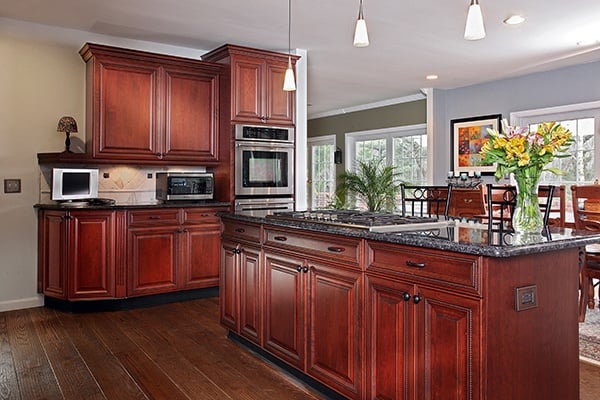
- Light Cherry: Often a warm, golden-red or orangey-brown, sometimes with hints of pink.
- Medium Cherry: The classic deep reddish-brown, often with visible grain patterns. This is what most people picture.
- Dark Cherry: Can be a rich, almost mahogany-like dark red-brown, sometimes verging on a deep plum as it ages.
What unites them all are those inherent warm undertones. Over time, cherry wood naturally darkens and deepens in color, developing a beautiful patina. This aging process enhances its red and orange hues. Our goal is to choose paint colors that either *complement these undertones, making them appear richer, or contrast* them to create balance and a more contemporary feel.
The Core Principle: Complement or Contrast?
This is the fundamental decision that will guide your paint choice. Do you want to lean into the warmth of cherry, or do you want to provide a cool, calming counterpoint?
Complementary Colors: Enhancing Cherry’s Warmth
Think of colors that sit near red and orange on the color wheel – yellows, oranges, and some warm browns. When you choose a complementary color, you’re looking to enhance, not compete with, the cherry’s warmth. This often creates a cozy, inviting, and traditionally elegant atmosphere. It’s about building a harmonious, tonal palette.
Contrasting Colors: Balancing Cherry’s Intensity
To create balance and a more modern, crisp look, you’ll want to look for colors opposite cherry’s warm undertones on the color wheel. This means greens, blues, and cooler grays. These colors will “cool down” the visual temperature of the room, allowing the cherry to stand out beautifully without overwhelming the space. It’s about intentional opposition, where each color makes the other look better.
:max_bytes(150000):strip_icc()/24Dining-c5f53fc7a5be48cc963f618a367f6ad2.jpg "What Color Paint Goes With Cherry Wood?")
Top Paint Color Families for Cherry Furniture (and Why They Work)
Let’s break down the best options into clear categories. Remember, the ‘best’ color is always the one that makes you feel good in your home.
| Paint Color Family | Effect on Cherry Furniture | Ideal Room Mood | Best For |
|---|---|---|---|
| Warm Grays / Greige | Neutralizes red tones, offers sophisticated warmth without competing. Cherry feels grounded. | Elegant, Modern, Calm, Balanced | Living Rooms, Bedrooms, Dining Rooms – highly versatile. |
| Creams / Beiges | Softens and brightens the room, allowing cherry to be the focal point with classic elegance. | Classic, Serene, Inviting, Traditional | Bedrooms, Dining Rooms, traditional living spaces. |
| Sage & Olive Greens | Directly complements red undertones, creating a rich, earthy, and sophisticated contrast. Cherry pops. | Calming, Organic, Luxurious, Balanced | Bedrooms, Dining Rooms, Studies, creating a focal wall. |
| Dusty Blues / Teals | Provides a refreshing, cool contrast. Modernizes cherry and makes it feel less heavy. | Serene, Modern, Crisp, Sophisticated | Bedrooms, Coastal-inspired rooms, contemporary living spaces. |
| Soft Whites (Warm Undertones) | Creates a clean, crisp backdrop, allowing cherry’s warmth to be highlighted without feeling stark. | Bright, Airy, Modern, Fresh | Any room for a modern, minimalist aesthetic. |
| Deep Gold / Mustard | Enhances cherry’s warmth, creating a rich, opulent, and inviting atmosphere. Very traditional. | Luxurious, Cozy, Grand, Traditional | Dining Rooms, Libraries, formal living rooms. |
| Charcoal Gray / Deep Navy | High contrast, dramatic, and grounding. Makes cherry feel sophisticated and modern. | Dramatic, Modern, Bold, Anchoring | Accent walls, contemporary living spaces, bedrooms seeking drama. |
The Sophisticated Neutrals: Creating a Timeless Backdrop
Neutrals are your safest, most versatile bet. They provide a calm foundation that lets your cherry furniture shine without competition.
- Warm Grays (Greige): This is arguably the most popular and effective choice. Greige, a blend of gray and beige, has just enough warmth to harmonize with cherry, while its gray undertones temper the red. It prevents the room from feeling too stark or too warm, making your cherry furniture feel sophisticated and modern. Look for grays with a hint of purple or brown undertone.
- Cream & Beige: These classic neutrals offer a soft, inviting backdrop. Cream, with its subtle yellow undertones, enhances cherry’s warmth beautifully without being overwhelming. Beige, especially those with green or yellow undertones, creates a grounded, traditional look. They make a room feel cozy and elegant, perfect for traditional or transitional styles.
- Taupe: A chameleon color, taupe blends gray and brown. It offers an earthy, sophisticated feel that grounds cherry furniture. It’s richer than beige but softer than gray, providing a wonderful balance.
- Soft Whites (with Warm Undertones): If you love a bright, airy space, a soft white can be stunning. Crucially, avoid stark, cool whites that can make cherry feel cold or too stark. Opt for whites with subtle yellow, beige, or even greige undertones. These whites brighten the room while still nodding to the cherry’s warmth, creating a fresh, contemporary look.
The Serene Cool Tones: Balancing Cherry’s Heat
To truly balance the warmth of cherry, turn to the cool side of the color wheel. These colors create a refreshing contrast that feels both intentional and sophisticated.
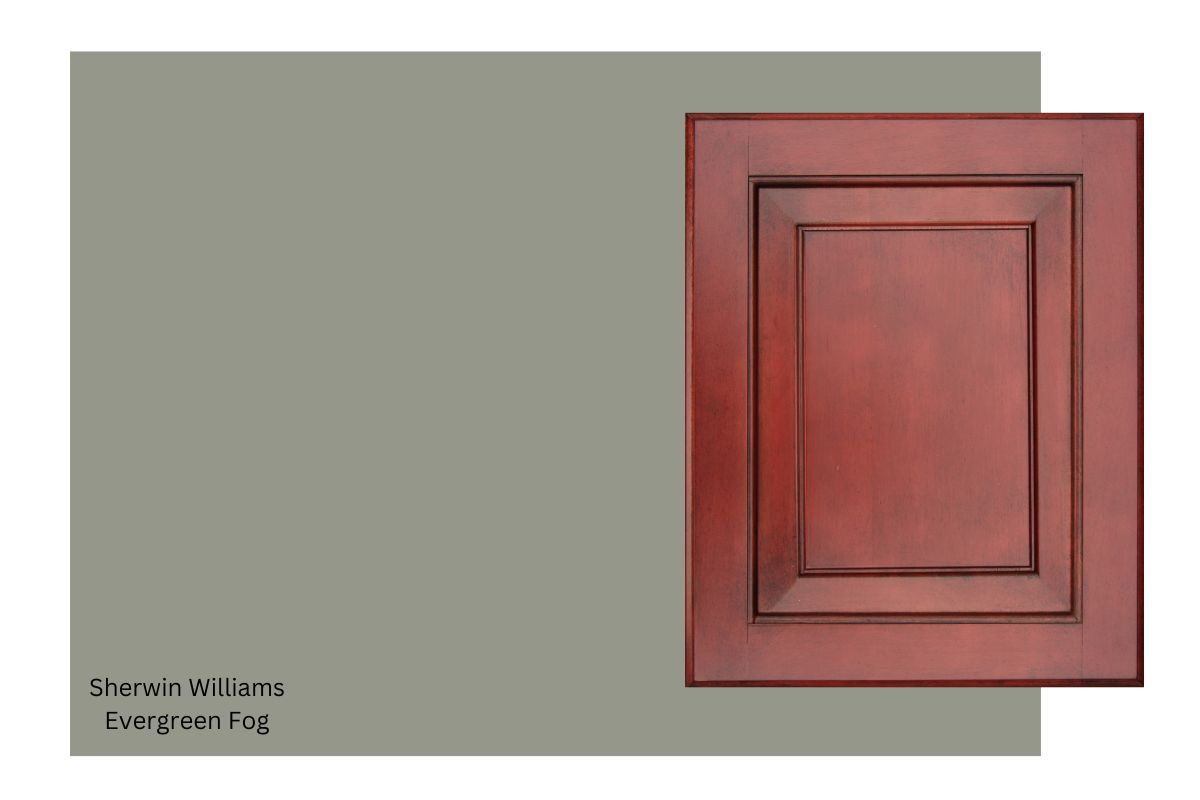
- Sage Green & Olive Green: These muted greens are absolute magic with cherry wood. Why? Green is directly opposite red on the color wheel, making them complementary. Sage and olive provide an earthy, natural contrast that makes the cherry wood’s richness pop without clashing. They evoke a sense of calm and nature, perfect for a serene bedroom or an elegant living space.
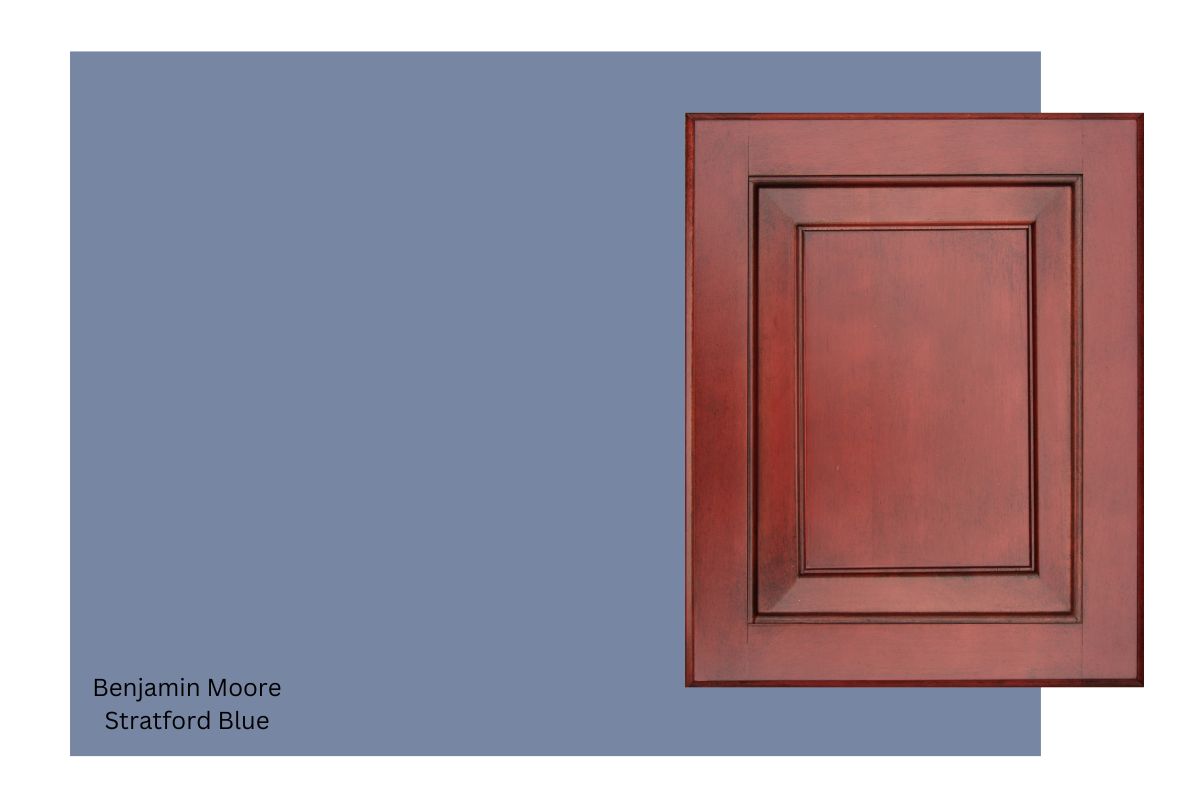
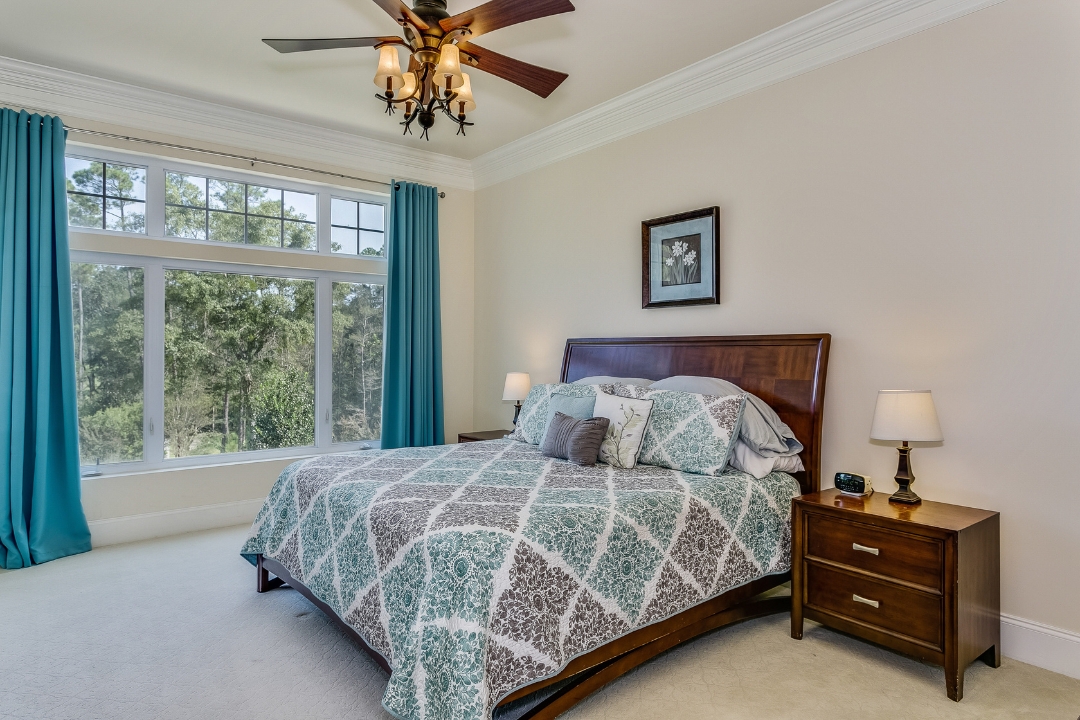
- Dusty Blue & Teal: If you want to introduce a calm, sophisticated coolness, dusty blues and muted teals are excellent. They offer a refreshing counterpoint to cherry’s warmth. Dusty blue brings a tranquil, spa-like quality, while teal adds a bit more depth and vibrancy. Both prevent the cherry from feeling too heavy and introduce a touch of modern elegance.
- Cool Grays (with Subtle Blue/Green Undertones): While warm grays are versatile, certain cool grays can also work. Look for grays with a hint of blue or green to create a crisp, contemporary backdrop that allows the cherry to stand out beautifully. Just be careful not to pick one that’s too icy, or it can make your cherry feel out of place.
The Unexpected Warm Tones: Leaning into Luxury
Sometimes, the best approach is to embrace the warmth and go for a rich, enveloping feel. These choices create a harmonious, luxurious, and often traditional aesthetic.
- Deep Gold/Mustard: For a truly opulent and traditional feel, deep gold or a muted mustard can be stunning. These colors enhance the existing warmth of cherry, creating a cohesive, grand statement. This pairing works beautifully in a formal dining room or a study.
- Terracotta/Soft Peach: These earthy, sun-baked tones can create an incredibly inviting and cohesive environment. Soft peach, especially, can soften the intensity of cherry while maintaining a warm, welcoming vibe. This is a bolder choice but can be incredibly rewarding for a unique, curated look.
- Warm Browns: While some might fear too much brown, a well-chosen warm brown can create a monochromatic, sophisticated scheme. Think deep, chocolatey browns or rich, caramel tones that have a similar depth to the cherry. This creates a cozy, library-like atmosphere, often perfect for dens or studies.
Bold & Dramatic Choices: For the Adventurous Designer
Ready to make a statement? These colors provide a striking contrast that can modernize or add serious drama to your cherry furniture.
- Charcoal Gray / Deep Navy: If you want to make your cherry furniture pop with a modern edge, a dark, moody charcoal gray or a deep, inky navy is a fantastic choice. These colors provide a high-contrast backdrop that makes the cherry wood look incredibly rich and sophisticated. They work especially well in spaces seeking a dramatic, contemporary, or even masculine aesthetic.
- Forest Green / Emerald: For a truly luxurious and vibrant contrast, especially with darker cherry, deep forest green or rich emerald can be breathtaking. These jewel tones complement the red undertones of cherry beautifully, creating a lavish, high-end feel. Use this in a dining room or as an accent wall in a bedroom for a dose of drama.
Choosing the Right Hue: Factors Beyond Color Theory
Color theory gives us a great starting point, but your home is unique. Here’s what else you need to consider:
Consider the Room’s Purpose:
- Bedroom: Aim for calming, serene colors like sage green, dusty blue, soft greige, or warm whites. The goal is relaxation.
- Living Room: This is often a social space. Balance is key. Greiges, creams, or a muted teal can create an inviting atmosphere.
- Dining Room: You can go bolder here. Deep golds, rich greens, or even a sophisticated charcoal can elevate the dining experience and highlight your cherry dining set.
- Home Office/Study: Colors that promote focus and calm, like deep greens, blues, or warm grays, are ideal.
Lighting Matters: Natural vs. Artificial
Light changes everything! A color that looks fantastic in bright, south-facing light might appear dull or stark in a north-facing room with cooler light. Always consider:
- Natural Light: Does the room get abundant light? Is it warm (south/west-facing) or cool (north/east-facing)?
- Artificial Light: What kind of light bulbs do you use? Warm white (2700K-3000K) bulbs will enhance warm colors, while cool white (3500K-4100K) can make them appear more muted.
Existing Decor & Textiles: The Unifying Elements
Your paint color isn’t in a vacuum. Think about:
- Rugs & Curtains: Do they have a dominant color or pattern? The paint should harmonize.
- Artwork & Accessories: Are there accent colors you want to pull out or complement?
- Other Wood Tones: Do you have other wood elements (flooring, trim, accent pieces) that need to be considered?
The Overall Aesthetic: Your Personal Style
Are you going for a:
- Traditional/Classic: Creams, beiges, deep greens, warm golds.
- Modern/Contemporary: Greiges, soft whites, dusty blues, charcoal grays.
- Farmhouse/Rustic: Muted greens, warm grays, off-whites.
- Bohemian/Eclectic: Terracotta, deep teals, bold greens.
Your personal style should always be the ultimate guide. After all, you live here!
The "Finish" Line: Paint Sheen & Its Impact
Don’t overlook paint sheen! It affects how light reflects and how the color appears.
- Matte/Flat: Absorbs light, hides imperfections, creates a soft, sophisticated look. Best for low-traffic areas like bedrooms.
- Eggshell/Satin: Most popular for walls. Offers a subtle sheen, more durable and washable than flat. Great for living rooms and dining rooms.
- Semi-Gloss/Gloss: Reflects the most light, very durable and easy to clean. Best for trim, doors, and high-moisture areas, but can be too shiny for entire walls, especially with cherry furniture.
Common Pitfalls: What Paint Colors to Avoid (or Use with Caution)
While personal preference is paramount, there are some colors that often create challenges with cherry furniture:
- Overly Bright Reds/Oranges: While some warm tones work, picking a paint color too close to the cherry’s dominant red can make the room feel overwhelming, clash, or cause the cherry to blend into the wall, losing its distinct beauty.
- Harsh, Icy Whites: A pure, stark white with blue undertones can make cherry wood look cold, out of place, or even bring out unwanted orange tones in the wood. Always opt for whites with a creamy or warm undertone.
- Certain Bright Yellows: Some vibrant yellows can clash with cherry’s red tones, making both colors feel unbalanced or overly energetic in a negative way. Muted, mustard, or gold tones are generally safer.
- Colors That Don’t Harmonize: Simply put, avoid colors that have no relationship to cherry’s undertones or don’t offer a pleasant contrast. A garish purple or a very specific bright primary color might be too jarring unless expertly integrated.
The Confidence Test: Sampling is Non-Negotiable
I cannot stress this enough: DO NOT buy gallons of paint before testing samples in your actual home.
Here’s how to do it right:
- Get Samples: Purchase small sample pots of your top 2-3 choices.
- Paint Swatches: Apply large swatches (at least 2×2 feet) directly onto your walls. If you’re nervous about painting the wall, use large poster boards or foam core, paint them, and tape them to the wall.
- Observe Throughout the Day: Watch how the colors change in different lighting conditions – morning, midday, evening, and with artificial lights on.
- Check Against Furniture: Place the cherry furniture in front of or next to the swatches. See how the colors interact.
- Sleep on It: Give yourself a day or two to live with the samples before making a final decision.
This small step will save you potential headaches, wasted money, and the disappointment of a paint color that just doesn’t feel right.
Ready to Paint Your Perfect Room?
Cherry furniture is a beautiful, enduring choice, rich with character and warmth. Far from limiting your paint options, it opens up a world of possibilities – from serene and traditional to bold and modern. By understanding its unique undertones and applying the principles of complement and contrast, you can confidently select a paint color that not only harmonizes with your furniture but also creates the exact mood you desire for your home.
So go ahead, grab those swatches, trust your instincts, and prepare to fall in love with your newly transformed space!