The Definitive Guide to Choosing the Best Paint Color for Your Inside Garage
Let’s be real: your garage often feels like the forgotten room. It’s where the car sleeps, the tools gather dust, and yesterday’s DIY project sits half-finished. But what if I told you your garage could be an extension of your home, a functional, bright, and even inspiring space? It all starts with one fundamental decision: the paint color.
For too long, the default has been stark white or that infamous “builder beige” – colors that quickly show every scuff, stain, and smudge. You deserve better. Choosing the right paint color for your inside garage isn’t just about aesthetics; it’s about creating a space that’s easier to maintain, brighter to work in, and ultimately, more valuable to your home.
So, what’s the best paint color for an inside garage? There’s no single “right” answer, but if you’re looking for a practical, widely recommended solution, you can’t go wrong with a light to medium gray. It’s versatile, hides dirt surprisingly well, and offers a clean, modern look. But hold on, we’re not just picking gray and calling it a day. Let’s dive into *why certain colors work, and how to pick the absolute best one for your garage.
I’m here to guide you beyond the obvious, helping you select a hue that not only looks great but also enhances the functionality and longevity of your garage walls. Get ready to transform that overlooked space into an asset!
Understanding Your Garage’s Purpose: Form Follows Function
Before you even think about swatches, ask yourself: What do you really use your garage for? The answer profoundly impacts the best color choice.
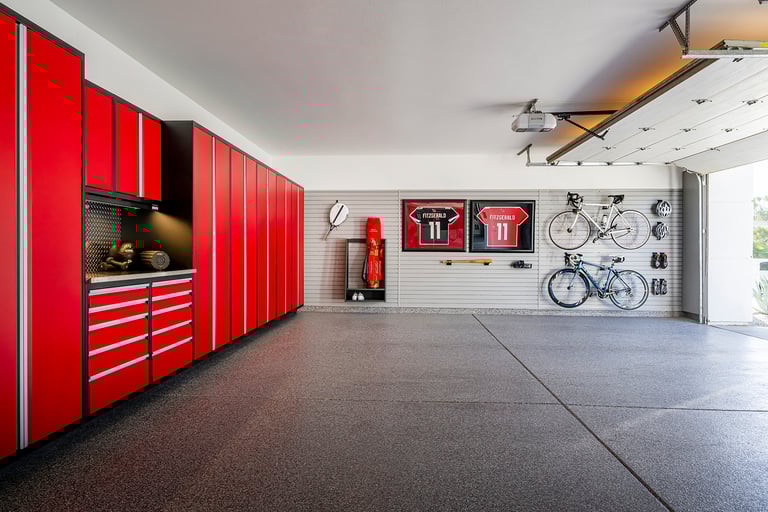
Storage & Utility: Brightness and Ease of Cleaning
If your garage is primarily a parking spot and storage zone, you’ll want colors that maximize light reflection and are a breeze to clean. Think bright, expansive spaces where you can easily find that rogue screwdriver or spot a spill. Durability and stain resistance are paramount here.
Workshop/Hobby Space: Focus and Illumination
For the DIY enthusiast, crafter, or mechanic, your garage is a creative hub. Here, paint colors should aid visibility, reduce eye strain, and create an environment that feels productive, not oppressive. Colors that reflect light well are crucial for detailed tasks.
Home Gym/Flex Space: Atmosphere and Energy
Converting your garage into a gym, a band practice area, or a kids’ play zone? The vibe matters! You might lean towards colors that feel energetic, calming, or simply less industrial. While still needing to be durable, aesthetics play a larger role in these multi-functional spaces.
Showroom/Car Enthusiast: Presentation and Contrast
If your prize possession is your vehicle, and your garage doubles as a mini showroom, the paint color should enhance your car’s features. This often means providing a sophisticated backdrop that allows your vehicle to shine, rather than competing with it.
The Top Contenders: Best Paint Colors for Inside Garages (and Why)
Alright, let’s get to the fun part – specific colors! Here’s a breakdown of the most popular and effective choices for garage interiors, complete with their unique advantages and considerations.
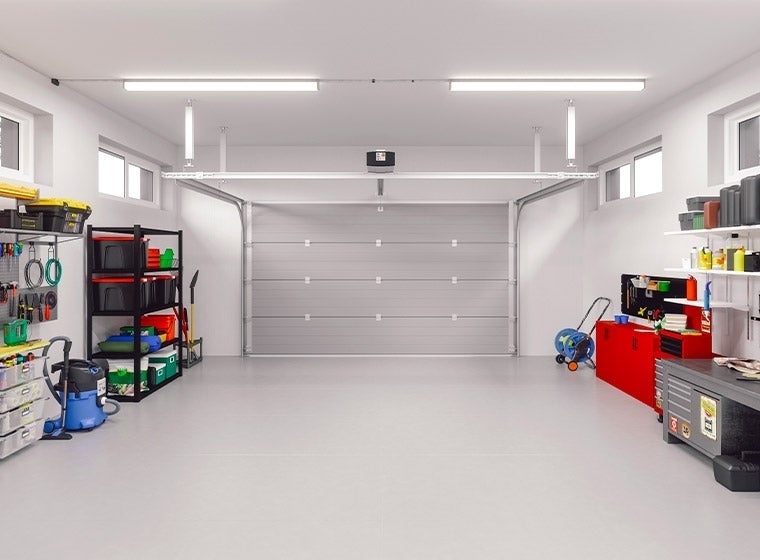
Light Grays: The Unsung Hero of Garage Walls
If there’s one color family that consistently wins the “best garage paint” award, it’s light gray. It’s the perfect sweet spot between practicality and style.
- Benefits: Light gray offers incredible versatility. It hides dust, dirt, and minor scuffs far better than pure white, yet still reflects a significant amount of light, making your garage feel brighter and more spacious. It’s a modern, clean choice that complements virtually any tool chest, storage system, or vehicle color. Touch-ups blend seamlessly.
- Specific Shades to Consider: Think “greige” (gray-beige blend) for warmth, or a cool light gray with subtle blue undertones for a crisper, more industrial feel. Popular choices often include shades like Sherwin-Williams ‘Agreeable Gray’ or Benjamin Moore ‘Revere Pewter’ (greige), or Sherwin-Williams ‘Light French Gray’ for a truer, light gray.
Off-Whites & Creams: Classic Brightness, Elevated
Pure white can be too stark and unforgiving in a garage. Off-whites and creams, however, offer much of white’s light-reflecting benefits without its clinical feel.
- Benefits: These colors maximize natural and artificial light, making any garage feel larger and incredibly clean. They provide a crisp backdrop and are excellent for workshops where high visibility is key.
- Considerations: While better than pure white, they will still show dirt, oil, and scuffs more readily than grays. You’ll need a durable, washable finish.
- Specific Shades to Consider: Look for off-whites with subtle warm (yellow/beige) or cool (gray/blue) undertones to add character. Think Benjamin Moore ‘Cloud White’ or Sherwin-Williams ‘Alabaster’ for a soft, warm white.
Neutrals (Beige, Tan): Warm & Welcoming
Beyond gray and off-white, the broader neutral spectrum of beige and tan offers a warmer alternative.
- Benefits: These earthy tones are excellent at hiding imperfections and a variety of stains. They create a less industrial, more welcoming feel, which can be great if your garage transitions into a living space.
- Considerations: Can sometimes feel a bit dated or dull if the wrong shade is chosen. Ensure good lighting to prevent them from looking too dark or dingy.
- Specific Shades to Consider: Explore deeper tans or sand tones that have a modern edge. Think Sherwin-Williams ‘Accessible Beige’ or Benjamin Moore ‘Manchester Tan.’
Blues & Green-Grays: Adding a Touch of Serenity or Sophistication
Don’t be afraid to introduce a bit of color, especially if your garage is more than just storage.
- Benefits: Light blues can be calming and visually expand a space. Green-grays (like a muted sage or olive) offer a sophisticated, natural feel that’s excellent at camouflaging certain types of grime while still feeling fresh. Darker blues can hide oil stains remarkably well.
- Considerations: Too dark a shade can make the garage feel smaller and require more artificial lighting. Ensure the color isn’t so vibrant that it’s distracting.
- Specific Shades to Consider: Benjamin Moore ‘Palladian Blue’ (a light, airy blue-green), Sherwin-Williams ‘Sea Salt’ (a very popular calming green-gray), or for something a bit darker, Benjamin Moore ‘Wythe Blue.’
Darker Hues (Charcoal, Black): Bold & Dramatic
For the truly adventurous or those with specific aesthetic goals, dark colors can make a powerful statement.
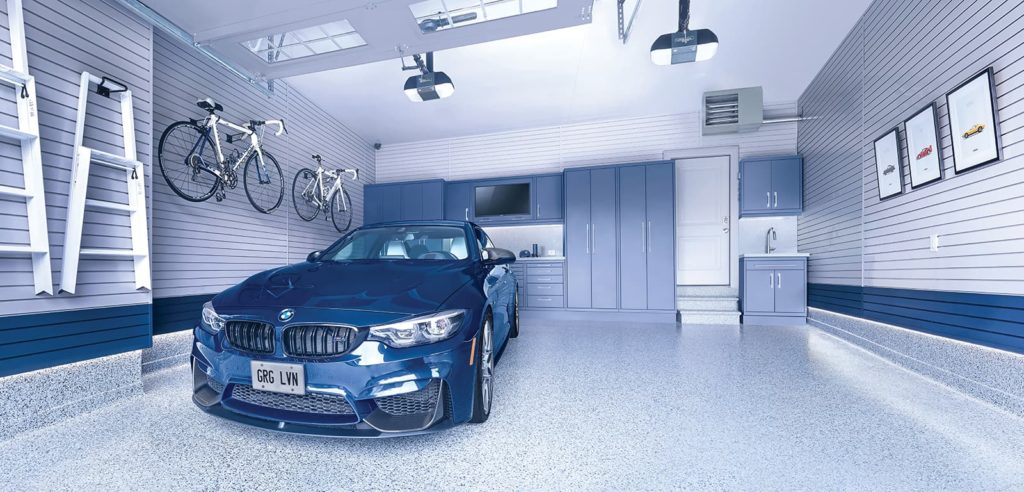
- Benefits: These colors are incredibly sophisticated and hide everything. They create a dramatic backdrop for showcased vehicles, tools, or industrial shelving. Ideal for a dedicated workshop where you want a clean, minimalist, and tough look.
- Considerations: Dark colors absorb light, making the space feel smaller and requiring significantly more artificial lighting. This isn’t a choice for dimly lit garages. They can also show dust more readily than mid-tones.
- Specific Shades to Consider: Sherwin-Williams ‘Tricorn Black’ or Benjamin Moore ‘Wrought Iron’ (a very dark charcoal).
Winning Strategy Table: Popular Garage Paint Colors: Pros & Cons
| Color Family | Pros | Cons | Best For |
|---|---|---|---|
| Light Grays / Greiges | Versatile, hides dirt/scuffs, reflects light well, modern, easy to touch up. | Can look bland if not chosen carefully, may feel cool in some settings. | General utility, workshops, high-traffic garages. |
| Off-Whites / Creams | Maximum light reflection, clean, spacious feel, classic. | Shows dirt/stains more easily, can feel stark if too pure. | Workshops, car detailing, small garages needing brightness. |
| Beige / Tan | Warm & welcoming, hides imperfections, less industrial feel. | Can look dull or dated if too dark/muddy, requires good lighting. | Garages transitioning to living spaces, warmer climates. |
| Light Blues / Green-Grays | Calming, unique, can camouflage certain stains, sophisticated. | Requires careful color selection to avoid looking too childish or dark. | Home gyms, hobby rooms, personalized spaces. |
| Charcoal / Black | Sophisticated, hides everything, dramatic backdrop. | Absorbs light (requires excellent lighting), can feel oppressive, shows dust. | Car showrooms, modern workshops, garages with ample lighting. |
Beyond Color: Critical Factors for Garage Paint Success
Choosing the hue is only half the battle. To truly get the best paint for your inside garage, you need to consider the finish and overall environment.
Paint Finish (Sheen): The Unsung Game Changer
This is where many people go wrong. The sheen of your paint impacts durability, cleanability, and how light interacts with the color. For a garage, I cannot stress this enough: go for a higher sheen!
- Why it matters: Garages are high-traffic, high-abuse areas. They endure moisture, temperature swings, impacts from tools, and vehicle exhaust. A higher sheen means a harder, more washable, and more durable surface.
Winning Strategy Table: Paint Sheen Levels for Garage Walls: A Quick Guide
| Sheen Level | Characteristics | Durability & Cleanability | Garage Suitability |
|---|---|---|---|
| Flat/Matte | No shine, hides imperfections well. | Least durable, very difficult to clean without damaging. | AVOID. Not suitable for garage walls. |
| Eggshell | Low luster, subtle sheen. | Moderately durable, somewhat washable. | OK for very low-traffic/light-duty garages, but not ideal. |
| Satin | Smooth, velvety appearance with a noticeable sheen. | Good durability, very washable, resists moisture. | Highly Recommended. Excellent balance of appearance and function. |
| Semi-Gloss | Higher shine, very reflective. | Highest durability, easiest to clean, very moisture resistant. | Excellent Choice. Ideal for workshops, heavy-duty garages, and trim. |
| Gloss | Very high, mirror-like shine. | Extremely durable and washable. | Can be too reflective, shows imperfections. Best for specific accents. |
Lighting: Your Garage’s Best Friend or Worst Enemy
Paint color doesn’t exist in a vacuum. It interacts with light, and your garage’s lighting situation will dramatically alter how any color appears.
- Natural Light: Do you have windows or skylights? How much natural light comes in, and at what time of day? A color that looks bright and airy in sunlight might look dull and muted on a cloudy day.
- Artificial Light: Most garages rely heavily on artificial lighting. The type of bulbs (warm LED, cool fluorescent, daylight balanced) will impact color perception. “Warm” lights enhance yellows and reds, while “cool” lights emphasize blues and greens. Ensure your lighting is adequate before committing to a color. Inadequate lighting will make even a light gray feel dingy.
Durability & Maintenance: Choose Paint That Works as Hard as You Do
Garages are tough environments. You need paint that can stand up to the challenge.
- Temperature Swings & Moisture: Garage walls often experience more extreme temperature fluctuations and higher humidity than interior rooms. Look for paints formulated for durability and moisture resistance, typically 100% acrylic latex paints.
- Impact & Scuffs: A semi-gloss or satin finish provides a harder surface that’s more resistant to impacts and less likely to scuff or scratch deeply.
- Ease of Cleaning: Spills, greasy fingerprints, and tire marks are inevitable. A washable paint (again, high sheen helps here) means you can easily wipe down your walls without damaging the finish.
Harmonizing with Your Home’s Exterior and Interior
While your garage doesn’t need to perfectly match your home’s interior decor, it’s wise to consider its relationship to your home’s exterior and the overall aesthetic.

- Complement, Don’t Compete: If your home’s exterior is a warm brick, a cool, stark gray inside your garage might feel disconnected. A warmer greige or off-white could be a better complement.
- Resale Value: Neutral, clean colors are always a safe bet for resale, as they appeal to the broadest audience.
Winning Strategy Table: Matching Your Garage Color to Your Home’s Exterior (Simplified Guide)
| Exterior Home Color | Recommended Interior Garage Colors | Why it Works |
|---|---|---|
| Cool Tones (Grays, Blues, Whites) | Cool Grays, Off-Whites with cool undertones, Light Blues. | Maintains a consistent, crisp, and modern aesthetic. |
| Warm Tones (Beiges, Browns, Reds, Earthy Greens) | Warm Grays (Greiges), Creams, Beiges, Tans. | Creates a cohesive flow, prevents a jarring transition. |
| Neutral (White, Light Gray) | Almost anything! Light Grays, Off-Whites, or even a soft color like a muted blue. | Offers maximum flexibility to match or create contrast. |
Practical Painting Tips for Your Garage
Once you’ve nailed down your color and sheen, it’s time for the actual painting. Don’t underestimate the garage painting process!
Preparation is Key: A Clean Slate for a Perfect Finish
- Clean Thoroughly: Garage walls can be incredibly dusty, greasy, and dirty. Wash them down with a heavy-duty cleaner (like TSP substitute), rinse well, and allow to dry completely.
- Patch & Repair: Fill any holes or cracks with spackle or joint compound. Sand smooth once dry.
- Prime, Prime, Prime: Especially if you’re painting over bare drywall, concrete, or a drastically different color, a good quality primer is essential. It ensures better adhesion, truer color, and a more uniform finish. Look for a stain-blocking primer if you have any grease spots.
- Tape Off: Protect trim, doors, and anything you don’t want painted with painter’s tape. Don’t forget drop cloths for the floor!
Ventilation Matters: Safety First
Painting in a garage often means working with limited airflow. Always ensure adequate ventilation by opening garage doors and windows. Use fans to circulate air, and consider wearing a respirator, especially with oil-based paints.
Test Swatches: Don’t Skip This Crucial Step
I can’t emphasize this enough. Buy small sample pots of your top 2-3 color choices. Paint large swatches (at least 2’x2′) directly onto different walls in your garage. Observe them at various times of day and under both natural and artificial lighting. This will give you the most accurate representation of how the color will truly look in your* space. What looks great online or in a store might be a total miss in your garage.
Conclusion: Your Garage, Your Canvas
Choosing the best paint color for your inside garage is a decision that blends aesthetics with hardcore practicality. It’s about more than just a pretty shade; it’s about creating a functional, bright, and durable space that serves your needs and stands the test of time.
Remember to consider your garage’s primary use, the existing lighting, and the crucial role of paint sheen. While light grays and off-whites are perennial favorites for their versatility and easy maintenance, don’t be afraid to explore other neutrals or even subtle color if it aligns with your vision and purpose.

Armed with this guide, you’re ready to transform that overlooked, utilitarian space into an organized, illuminated, and even inspiring part of your home. Your garage isn’t just a place to park; it’s an extension of your lifestyle. Make it count!
Frequently Asked Questions
What is the single best paint color for an inside garage?
While there’s no single ‘best’ for everyone, light to medium gray is widely considered the most versatile and practical choice for an inside garage. It brightens the space, hides dirt and scuffs well, and offers a clean, modern aesthetic. Off-whites and creams are also excellent for maximizing light.
What paint sheen should I use for garage walls?
For garage walls, a satin or semi-gloss finish is highly recommended. These higher sheens are significantly more durable, resistant to moisture, and easiest to clean, standing up much better to the demands of a garage environment than flatter finishes.
Should my garage walls be the same color as my house interior or exterior?
Not necessarily. Your garage walls should complement, rather than perfectly match, your home’s exterior or interior. A neutral color in the garage (like a greige or light gray) often works best, creating a cohesive flow without requiring an exact match. Focus on colors that enhance the garage’s function.
How do I make my garage look bigger and brighter with paint?
To make your garage look bigger and brighter, choose light-colored paints such as off-whites, creams, or very light grays. Pair these with a satin or semi-gloss finish to maximize light reflection. Crucially, ensure you have ample artificial lighting, as even the lightest paint won’t compensate for poor illumination.
What type of paint is best for garage walls?
High-quality, 100% acrylic latex paint is generally best for garage walls. It offers excellent durability, flexibility, and resistance to moisture and temperature fluctuations common in garages. Combined with a satin or semi-gloss finish, it provides a washable and long-lasting surface.
How important is priming garage walls before painting?
Priming garage walls is very important, especially if you’re painting over bare drywall, concrete, or a heavily stained surface. Primer ensures better adhesion of the topcoat, provides a uniform base for the color, and can help block stains and improve the overall durability and finish of your paint job.
Can I use dark paint colors in my garage?
Yes, you can use dark paint colors like charcoal or black, especially if you’re aiming for a sophisticated, dramatic look or a showroom feel for your vehicles. However, be aware that dark colors absorb light, making the space feel smaller and requiring significantly more artificial lighting to maintain visibility.