Mastering the Palette: The Best Interior Paint Colors for Your Colonial Home
Your Colonial home isn’t just a house; it’s a living piece of history, brimming with character, sturdy craftsmanship, and a timeless elegance that few architectural styles can match. But when it comes to painting its interior, you might feel a unique pressure. How do you honor its heritage while infusing it with your personal style and modern comfort? How do you pick colors that feel authentic, yet fresh and inviting?
I get it. Choosing paint colors for a Colonial home is a special undertaking. It’s about more than just picking a pretty shade; it’s about understanding the architectural bones, the play of light through classic windows, and the story your home wants to tell. That’s precisely why I’ve put together this definitive guide. We’re going to dive deep into the best interior paint colors for Colonial homes, moving beyond simple lists to give you the context, the combinations, and the confidence to transform your space beautifully.
Understanding the Colonial Aesthetic: More Than Just Four Walls
Before we grab a paint swatch, let’s briefly touch on what makes Colonial homes so distinctive. This understanding will be your compass in navigating color choices.
The Heart of Colonial Design: Simplicity and Symmetry
Colonial architecture, particularly the American Colonial and Colonial Revival styles, is characterized by its balanced proportions, straightforward layouts, and often, a stately grandeur. Think robust woodwork, elegant trim, multiple fireplaces, and often, a symmetrical center-hall layout. The original color palettes were typically dictated by available pigments – think natural, earthy tones, muted blues and greens, and of course, plenty of white and off-white.
These homes exude a sense of permanence and tradition. Your interior colors should echo this, providing a sophisticated backdrop that complements rather than competes with the inherent architectural features.
A Nod to History: Authenticity vs. Modern Living
While strict historical accuracy might appeal to some, most homeowners want a balance. You want colors that feel ‘right’ for a Colonial home – perhaps inspired by historical palettes – but also suit contemporary living, current furniture, and your lifestyle. The good news? Many traditional Colonial colors are inherently timeless and incredibly versatile, lending themselves beautifully to both classic and updated interiors.
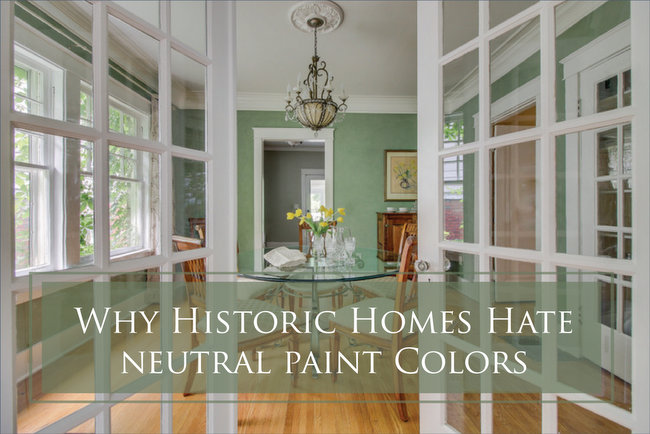
The Foundation: Timeless Neutrals for Colonial Interiors
Neutrals are the backbone of any Colonial interior. They provide a sophisticated, serene canvas that allows architectural details to shine and gives you immense flexibility with furnishings and decor. These aren’t just ‘safe’ choices; they are essential ones.
Classic Warm Whites & Creams
A pristine, creamy white is arguably the most authentic and versatile choice for Colonial walls and especially for trim. It reflects light beautifully, creates a sense of spaciousness, and offers a crisp contrast to rich wood tones often found in these homes.
- Benjamin Moore Simply White OC-117: A perennial favorite. It’s a crisp, clean white with just a hint of warmth, preventing it from feeling stark. Perfect for walls, trim, and ceilings.
- Sherwin-Williams Alabaster SW 7008: A softer, warmer white with a subtle creaminess. It feels incredibly inviting and looks gorgeous in natural light, creating a gentle glow.
- Farrow & Ball Wimborne White No.239: A traditional off-white without any cool undertones, offering a wonderfully sympathetic feel in period homes.
Sophisticated Greiges & Tans
For those seeking a bit more depth than white, but still craving the versatility of a neutral, greiges (gray-beige) and classic tans are excellent choices. They bridge the gap between warm and cool, creating a sophisticated and grounded atmosphere.
- Benjamin Moore Revere Pewter HC-172: Perhaps the most iconic greige. It’s a beautifully balanced color that shifts between warm gray and light beige depending on the light, making it incredibly adaptable.
- Sherwin-Williams Accessible Beige SW 7036: A warm, welcoming beige that leans slightly gray, offering a refined neutral that pairs well with almost anything.
- Benjamin Moore Edgecomb Gray HC-173: A soft, muted greige that’s lighter than Revere Pewter, offering a more ethereal yet still grounded feel.
Deep & Rich Browns (Accents)
While not for entire rooms, rich, deep browns or charcoal grays with brown undertones can create incredibly cozy and sophisticated spaces, especially in a library, study, or as an accent in a formal dining room.
- Benjamin Moore Kendall Charcoal HC-166: A deep, true charcoal gray with subtle warm undertones, perfect for creating a dramatic and enveloping feel in a study or library.
- Sherwin-Williams Urbane Bronze SW 7048: A rich, warm bronze that feels both grounding and luxurious, excellent for feature walls or a cozy den.
Here’s a quick overview of some timeless Colonial neutrals to consider:
| Color Name & Brand | Undertone | Ideal Use | Why It Works for Colonial |
|---|---|---|---|
| Benjamin Moore Simply White OC-117 | Subtle yellow | Walls, Trim, Ceilings | Clean, bright, timeless; historic choice for contrast. |
| Sherwin-Williams Alabaster SW 7008 | Warm beige/yellow | Walls, Ceilings | Soft, inviting, perfect for creating a gentle glow. |
| Benjamin Moore Revere Pewter HC-172 | Warm gray/green-beige | Living Rooms, Dining Rooms, Hallways | Sophisticated greige, highly adaptable, complements traditional furnishings. |
| Sherwin-Williams Accessible Beige SW 7036 | Warm greige/taupe | Family Rooms, Bedrooms, Open Concepts | Cozy neutral, universally appealing, anchors a space without overpowering. |
| Benjamin Moore Edgecomb Gray HC-173 | Warm greige/cream | Bedrooms, Living Spaces, Hallways | Lighter, airy greige; offers subtle warmth and refinement. |
| Benjamin Moore Kendall Charcoal HC-166 | Warm gray/brown | Studies, Libraries, Accent Walls | Creates depth and drama, balances lighter elements, very sophisticated. |
Infusing Color: Traditional & Modern Hues for Colonial Homes
While neutrals provide the foundation, introducing carefully selected colors can add depth, personality, and a layer of historical richness or modern flair to your Colonial home. The key is balance and intentionality.

Serene Blues & Greens: Nature’s Embrace
Historically, blues and greens were derived from natural pigments and were commonly used. Today, they still evoke a sense of calm, connection to nature, and understated elegance, making them perfect for bedrooms, bathrooms, and even living areas.
- Benjamin Moore Wythe Blue HC-143: A stunning blend of blue, green, and gray. It’s incredibly sophisticated and versatile, creating a tranquil yet stimulating atmosphere.
- Sherwin-Williams Sea Salt SW 6204: A light, airy green-blue-gray that feels incredibly spa-like and relaxing. It’s perfect for creating a serene retreat.
- Farrow & Ball Green Smoke No.47: A deep, smoky blue-green that feels wonderfully traditional yet strikingly modern. Ideal for a cozy study or a dramatic dining room.
- Benjamin Moore Palladian Blue HC-144: A lighter, softer version of Wythe Blue, offering a delicate sky-like hue that brightens any room.
Subtle Yellows & Golds: Warmth and Welcome
Historically accurate and incredibly uplifting, muted yellows and soft golds can infuse a Colonial home with warmth and an inviting glow, especially in rooms that benefit from a burst of sunshine.
- Benjamin Moore Hawthorne Yellow HC-4: A beautiful, authentic historic yellow that’s bright without being overwhelming. It has a slight ochre quality, making it feel very traditional.
- Sherwin-Williams Ivoire SW 6127: A soft, creamy yellow that feels delicate and sophisticated, perfect for a sunny kitchen or a welcoming foyer.
Rich Reds & Terracottas: Bold Statements
These colors are not for the faint of heart, but when used judiciously, they can create incredibly impactful and historically resonant spaces. Often reserved for dining rooms, studies, or libraries, they evoke a sense of grandeur and warmth.
- Benjamin Moore Georgian Brick HC-50: A deep, earthy red with brown undertones. It’s rich and sophisticated, perfect for creating a dramatic and intimate dining experience.
- Farrow & Ball Rectory Red No.217: A classic, strong red that brings a sense of traditional opulence and warmth to a room.
Here’s how you might combine colors for different rooms in your Colonial home:
| Room | Primary Wall Color | Trim Color | Ceiling Color | Mood/Style |
|---|---|---|---|---|
| Living Room | BM Revere Pewter HC-172 | BM Simply White OC-117 | BM Simply White OC-117 | Elegant, versatile, inviting |
| Dining Room | F&B Green Smoke No.47 | BM White Dove OC-17 | SW Alabaster SW 7008 | Dramatic, sophisticated, intimate |
| Bedroom | SW Sea Salt SW 6204 | BM Simply White OC-117 | Lighter version of Sea Salt (tinted) | Serene, relaxing, airy |
| Hallway/Entry | BM Edgecomb Gray HC-173 | BM Chantilly Lace OC-65 | BM Chantilly Lace OC-65 | Bright, welcoming, flowing |
| Study/Library | BM Kendall Charcoal HC-166 | BM Classic Gray OC-23 | BM Classic Gray OC-23 | Cozy, intellectual, dramatic |
The Unsung Hero: Paint Finishes & Their Impact
Choosing the right paint color is only half the battle. The finish, or sheen, you select will dramatically affect how the color appears and how well it stands up to daily life in your Colonial home. Don’t overlook this critical decision!
Flat/Matte: The Historic Look
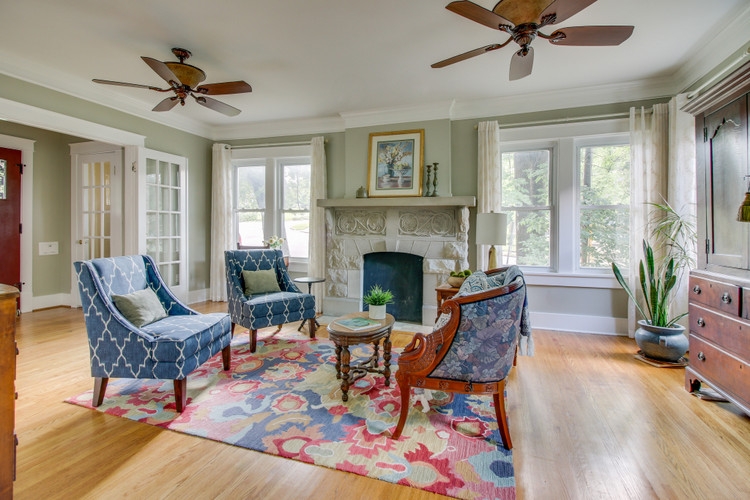
A flat or matte finish absorbs light rather than reflecting it, giving colors a rich, velvety, and deep appearance. This low-sheen look is historically authentic and can hide wall imperfections beautifully.
- When to Use: Low-traffic areas like formal living rooms, dining rooms, or master bedrooms where durability isn’t the primary concern. Ideal for creating a soft, traditional aesthetic.
- Considerations: Less durable and harder to clean than higher sheens, so avoid in kitchens, bathrooms, or kids’ rooms.
Eggshell/Satin: Versatile & Durable
These are the workhorses of interior paint finishes. Eggshell has a slight, soft sheen, while satin is a bit more luminous, reminiscent of an eggshell or silk fabric. Both are more durable and washable than flat finishes.
- When to Use: Most interior walls in moderate to high-traffic areas, including family rooms, hallways, children’s bedrooms, and even kitchens (satin often preferred for kitchens).
- Considerations: Offers a good balance of appearance and practicality. Satin’s slightly higher sheen can highlight imperfections a bit more than eggshell.
Semi-Gloss/High-Gloss: For Trim & Doors
These finishes are highly reflective and durable, making them perfect for emphasizing architectural details and standing up to frequent touching and cleaning.
- When to Use: Trim, baseboards, crown molding, doors, window frames, and cabinets. The sheen highlights the intricate woodwork often found in Colonial homes.
- Considerations: Their high reflectivity means they will show every imperfection on the surface, so meticulous prep work is essential.
Here’s a guide to help you choose the right finish:
| Finish Type | Sheen Level | Ideal Application | Pros for Colonial | Cons |
|---|---|---|---|---|
| Flat/Matte | Very low | Walls in low-traffic areas (formal living, dining, master bedroom) | Historic appearance, hides imperfections, deep color saturation | Less durable, difficult to clean |
| Eggshell | Low to moderate | General walls (living, family rooms, bedrooms, hallways) | Versatile, durable, washable, slight luster, good balance | Can show minor imperfections |
| Satin | Moderate | Walls in high-traffic areas (kitchens, bathrooms, kids’ rooms), sometimes trim | More durable and washable than eggshell, soft pearl-like sheen | Highlights imperfections more than eggshell |
| Semi-Gloss | High | Trim, doors, cabinets, baseboards, crown molding | Highlights architectural details, very durable, easy to clean | Shows all imperfections, can look overly shiny on walls |
| High-Gloss | Very high | Furniture, accent doors, specific architectural features | Extremely durable, mirror-like finish, creates drama | Requires flawless surface, can be overwhelming |
Crafting Your Colonial Color Story: Practical Tips for Homeowners
Ready to bring your Colonial vision to life? Here are some crucial steps to ensure your paint choices are perfect for your home.
Consider Your Home’s Natural Light
Light changes everything. A color that looks fantastic in a well-lit showroom might fall flat or look entirely different in your home’s unique lighting conditions.
- North-facing rooms: Receive cooler, indirect light. Warm colors (creamy whites, soft yellows, reds) can counteract the coolness.
- South-facing rooms: Bathed in warm, bright light all day. Most colors look great here, but cool colors (blues, greens) can feel refreshing.
- East-facing rooms: Get bright, warm morning light, then cooler light in the afternoon. Consider colors that respond well to both, or lean into morning vibrancy with softer hues.
- West-facing rooms: Receive intense, warm light in the afternoon/evening. Embrace this warmth with deeper shades, or cool it down with blues and greens.
Respect Existing Elements (Woodwork, Floors, Furniture)
Your Colonial home likely has beautiful existing features: original hardwood floors, a grand staircase, a brick fireplace, built-in cabinetry, or antique furniture. Your paint colors should harmonize with these elements, not clash.

- Warm wood tones: Pair beautifully with warm whites, greiges, and muted greens or blues.
- Cooler wood tones: Can be complemented by warmer neutrals or deep, rich colors.
- Existing fabrics/art: Pull inspiration from the colors already present in your beloved pieces.
Test, Test, Test: The Power of Swatches
This is arguably the most important step. Paint swatches are deceiving. Always buy sample pots of your top 2-3 choices and paint large (at least 2’x2′) swatches on multiple walls in the room you plan to paint. Observe them at different times of day, in varying light conditions, and next to your existing furnishings. Live with them for a few days before making a final decision.
Don’t Forget the Fifth Wall: Ceiling Colors
Traditionally, ceilings in Colonial homes were often painted a soft white. This remains a classic choice. However, a slight tint – perhaps a very diluted version of the wall color, or a soft blue-gray (historically called ‘haint blue‘ in some Southern Colonial traditions) – can add a subtle layer of sophistication without overpowering the space. It can also make a room feel taller or more expansive.
Coordinating Trim and Doors
For Colonial homes, white or off-white trim (like Benjamin Moore Simply White or Sherwin-Williams Alabaster) is the quintessential choice. It provides crisp contrast to wall colors and accentuates the often-detailed moldings. However, don’t be afraid to consider:
- Matching walls and trim: Painting trim the same color as the walls (but often in a higher sheen) creates a sophisticated, enveloping look.
- Historic contrasting trim: In some very traditional Colonial interiors, dark trim was used to frame lighter walls. This is a bolder choice but can be incredibly striking in the right space.
Modernizing Your Colonial: Blending Old and New
Living in a Colonial home doesn’t mean you’re condemned to a museum-like existence. Modernizing your interior while respecting its roots is entirely possible and highly rewarding.
Contemporary Touches with Timeless Hues
Many of the timeless colors we’ve discussed – sophisticated greiges, muted blues, warm whites – are inherently modern in their simplicity and versatility. You can use these classic hues as a backdrop for contemporary furniture, minimalist decor, or abstract art, creating a fresh, eclectic vibe that honors the past while living firmly in the present.
Strategic Pops of Modern Color
If you love a vibrant, on-trend color, consider introducing it through removable elements: throw pillows, a statement rug, a piece of artwork, or even a strategically placed accent chair. This allows you to embrace contemporary trends without committing to a full room repaint, keeping your Colonial walls timelessly elegant.

Final Thoughts: Your Colonial Home, Your Masterpiece
Choosing interior paint colors for your Colonial home is a journey of discovery and personal expression. It’s about understanding the whispers of its history, listening to the light in each room, and ultimately, making choices that resonate with your own sense of beauty and comfort. Whether you lean into deep historical accuracy or infuse your space with modern sensibilities, the right colors will enhance your home’s inherent charm and create a welcoming sanctuary for years to come.
Don’t rush the process. Take your time, test your samples, and trust your instincts. Your Colonial home is a canvas, and you are its master painter. Go create something truly special!
Frequently Asked Questions
What is the most historically accurate interior paint color for a Colonial home?
Historically, interior Colonial paint colors were derived from natural pigments, resulting in muted, earthy tones. Warm whites, soft creams, ochre yellows, muted blues (often a dull blue-gray), and greens were common. Pristine white trim was also very prevalent, providing a clean contrast to wall colors.
Can I use modern paint colors in my Colonial home without losing its charm?
Absolutely! The key is to select modern colors that complement the Colonial aesthetic rather than clashing with it. Opt for sophisticated neutrals, muted versions of contemporary blues, greens, or grays, and use bold or trendy colors sparingly, perhaps as accents in decor rather than on large wall expanses. Focus on colors that provide a serene, timeless backdrop.
What are the best neutral paint colors for Colonial home interiors?
Top neutral choices include warm whites like Benjamin Moore Simply White or Sherwin-Williams Alabaster for a crisp, bright feel. For more depth, consider greiges such as Benjamin Moore Revere Pewter or Edgecomb Gray, and Sherwin-Williams Accessible Beige, which offer versatile sophistication and bridge warm and cool tones beautifully.
Should trim be painted white in a Colonial home?
White or off-white trim is the classic and most popular choice for Colonial homes. It highlights the often detailed woodwork and provides a crisp contrast to wall colors, enhancing the architectural features. However, for a more dramatic or modern look, some homeowners choose to paint trim the same color as the walls (in a higher sheen) or even a historically inspired dark contrasting color.
How do I choose paint colors based on the light in my Colonial home?
Natural light dramatically impacts how a color appears. North-facing rooms receive cooler light, so warm colors (creamy whites, soft yellows) work well. South-facing rooms get warm, bright light, making most colors vibrant. East-facing rooms benefit from warm morning light, while West-facing rooms have intense, warm afternoon light, suggesting options from cooling blues to embracing deep, rich tones respectively. Always test large swatches on multiple walls.
What paint finish is best for walls in a Colonial house?
For a truly authentic and soft look, flat or matte finishes are excellent in low-traffic areas. However, for most interior walls, an eggshell or satin finish is ideal. These provide a subtle sheen, are more durable, and easier to clean than flat, offering a perfect balance of aesthetics and practicality for daily living.