Unlocking Your Style: The Definitive Guide to Bedroom Paint Color Ideas for Men
Let’s be real. Walking into a paint store can feel like navigating a maze blindfolded. You’re trying to find the color – the one that screams “this is my space,” makes you feel at home, and avoids looking like a forgotten child’s room or, worse, a sterile hotel. You want a bedroom that reflects your personality, provides a sanctuary, and carries an unmistakable air of masculine sophistication, comfort, or rugged charm.
If you’re tired of bland walls or simply overwhelmed by endless swatches, you’re in the right place. This guide isn’t about fleeting trends or generic advice; it’s about cutting through the noise to deliver actionable insights and curated color palettes designed specifically for men who want a bedroom that’s both stylish and functional. We’re going to dive deep, from the psychology behind the hues to the practicalities of lighting and existing decor, ensuring you choose a paint color you’ll love for years to come.
Beyond the Basics: Understanding Masculine Color Psychology
When we talk about “masculine” colors, we’re not just defaulting to blue. It’s about a feeling, an atmosphere. Colors perceived as masculine often evoke a sense of strength, stability, groundedness, sophistication, or a connection to nature and industry. They tend to be deeper, muted, or strategically used to create impact without fussiness. Let’s explore how different hues achieve this.
The Power of Neutrals: Sophistication and Versatility
Neutrals are the backbone of many successful masculine spaces. They’re not boring; they’re the canvas upon which you build your personal style. They offer timeless elegance and incredible versatility.
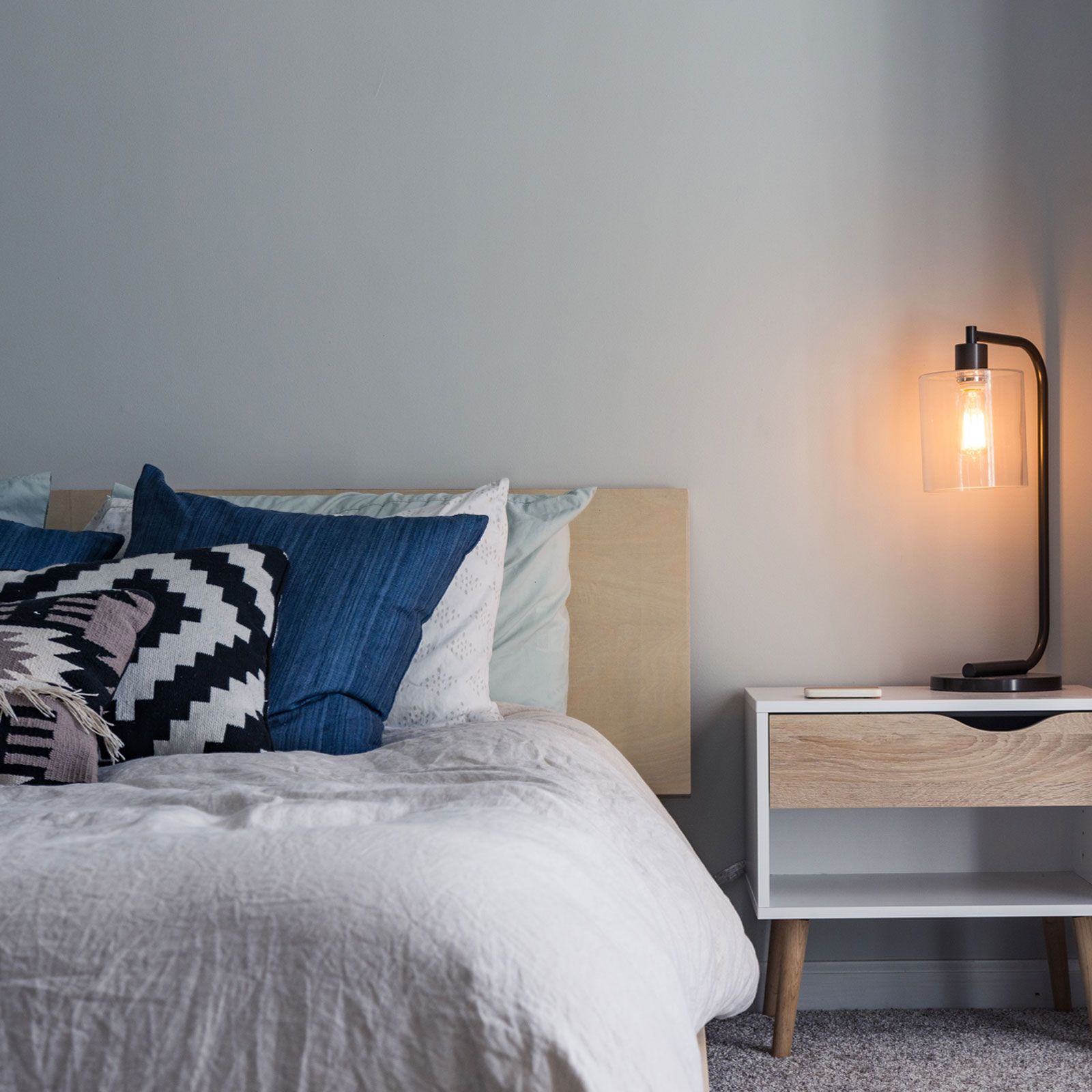
- Gray: The Modern Man’s Staple. Gray is perhaps the most popular neutral for men’s bedrooms, and for good reason. It’s sophisticated, versatile, and provides a perfect backdrop for almost any accent color or material.
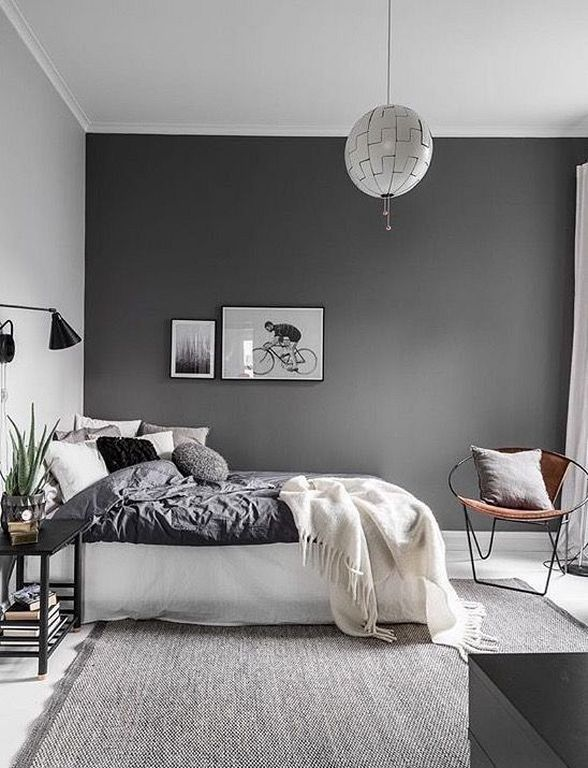
- Cool Grays (with blue or green undertones): These create a calm, sleek, and often more contemporary feel. Think slate or charcoal grays. They pair beautifully with chrome, glass, and minimalist furniture.
- Warm Grays (with brown or beige undertones, often called “greige”): These add a cozy, inviting warmth without sacrificing sophistication. They work well with natural wood tones, leather, and softer textiles, making a room feel grounded and comfortable.
- Cream & Off-Whites: Not Just for Bathrooms. Forget sterile, pure white. Cream and off-whites (with subtle yellow, beige, or even soft gray undertones) can make a room feel expansive, clean, and surprisingly warm. They’re excellent for smaller rooms or for those who prefer a brighter, airier feel while still maintaining a masculine edge, especially when paired with dark wood furniture, black accents, or deep-colored bedding.
- Taupe & Greige: Bridging the Gap. These chameleon colors blend the best of gray and beige. Taupe (more brown) and Greige (more gray) offer earthy sophistication. They provide more warmth than a cool gray but more depth than a pure beige, creating a wonderfully grounded and inviting atmosphere that feels both modern and timeless.
Deep & Moody: The Allure of Dark Hues
If you crave drama, coziness, or a truly intimate space, dark colors can be incredibly impactful. They absorb light, creating a sense of enclosure and calm, perfect for a bedroom sanctuary.
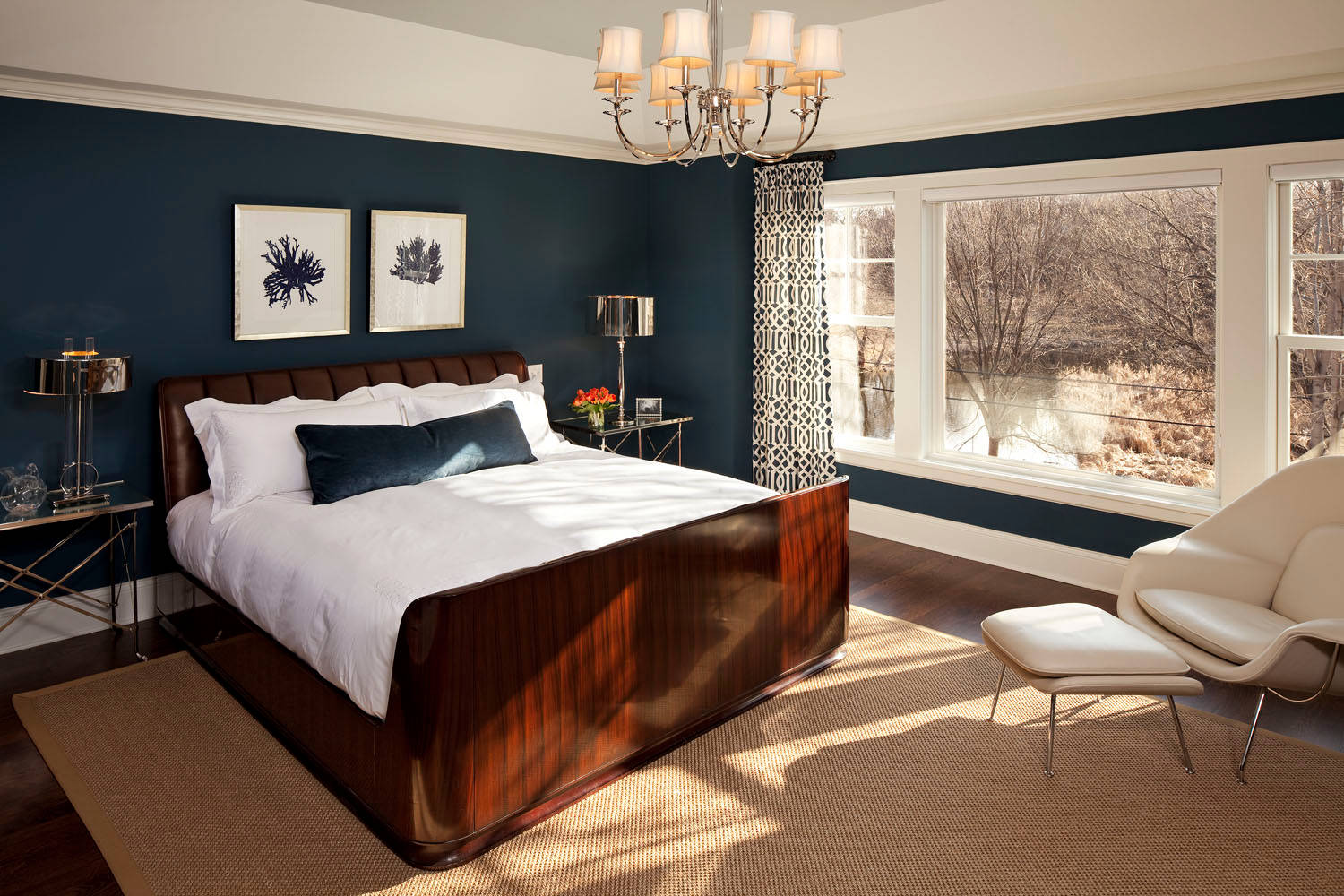
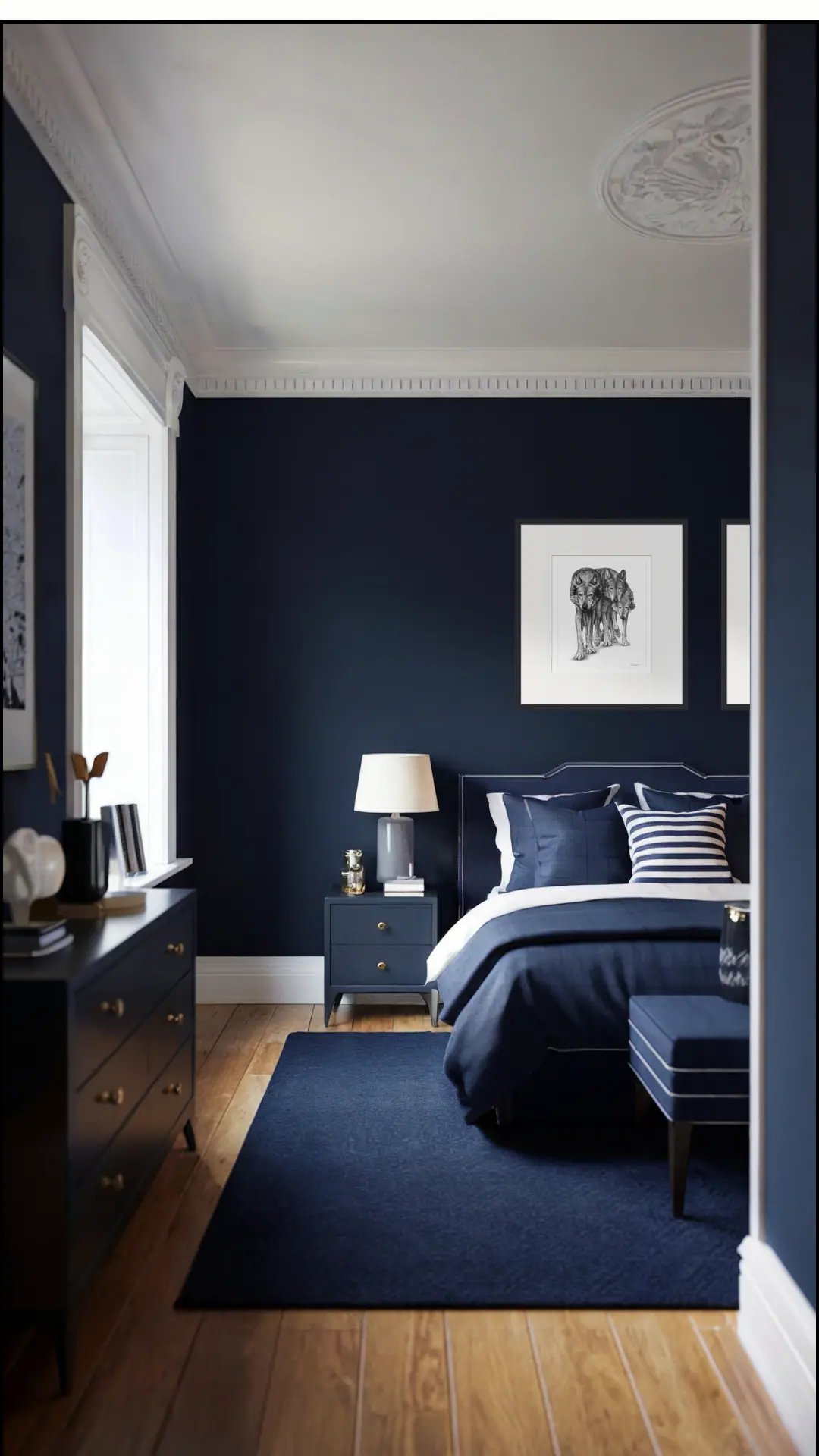
- Navy & Deep Blues: Classic and Calming. A perennial favorite, deep blues like navy or indigo are inherently calming and associated with stability and intelligence. They offer a sophisticated depth that pairs well with almost anything – crisp whites, rich browns, metallics, or even vibrant oranges for a bold contrast. They create a den-like feel, perfect for unwinding.
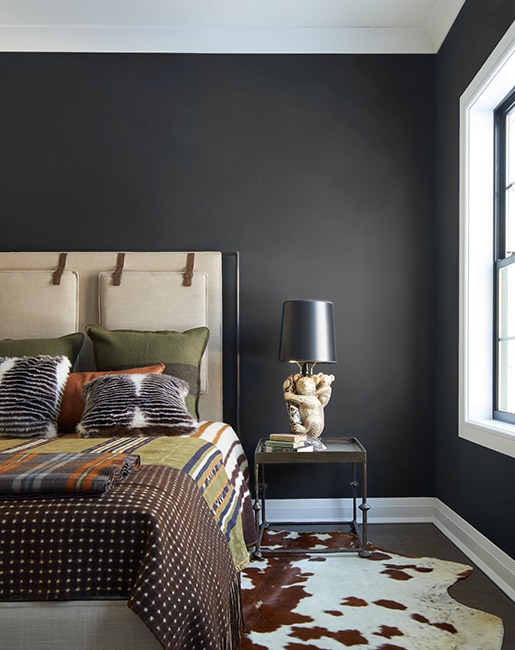
- Charcoal & Black: Bold Statements, But with Caution. For the truly daring, charcoal or even black walls can create an incredibly luxurious, moody, and powerful statement. Charcoal offers the depth of black but feels slightly softer and more forgiving. Black walls, when done right, create an enveloping, sophisticated cave-like retreat. The key is to balance them with lighter elements – furniture, bedding, or even a lighter ceiling – to prevent the room from feeling oppressive.
- Dark Greens (Forest, Hunter, Olive): Connecting with Nature, Serenity. Deep greens evoke the tranquility of a forest, bringing a sense of calm and connection to nature indoors. Hunter green, forest green, or even a deep, muted olive can create a rich, sophisticated backdrop that feels both serene and distinctly masculine. They pair wonderfully with natural wood, leather, and warm metals.
Earthy & Warm: Grounded and Inviting
If your style leans towards natural textures, a rustic aesthetic, or simply a cozy, grounded feel, earthy and warm tones are your allies.
- Terracotta & Rust: Unexpected Warmth. Moving beyond traditional neutrals, terracotta and rust colors offer an intriguing warmth and organic feel. Inspired by natural clays and desert landscapes, these hues bring a unique character that is both inviting and unexpectedly sophisticated. They shine when paired with natural wood, concrete, or even deep greens.
- Browns (Chocolate, Walnut, Espresso): Rich, Stable, and Cozy. Browns are the ultimate grounding colors. From deep chocolate to rich walnut, they exude stability, comfort, and an undeniable coziness. They create a sophisticated, masculine library or study feel, particularly when combined with dark wood furniture, leather, and textured fabrics.
- Mustard Yellow/Ochre: Strategic Pops of Energy. While not typically a full-room color for men, strategic use of a deep mustard yellow or ochre can add incredible warmth, character, and a sophisticated pop of color. Consider it for an accent wall or through decor if you’re looking to introduce a vibrant, earthy energy without overwhelming the space.
Curated Palettes for Every Man’s Vibe
Forget generic lists. Your bedroom should be an extension of who you are. Here are distinct styles and the paint colors that embody them, complete with pairing suggestions to spark your imagination.
The Modern Minimalist
You value clean lines, functionality, and uncluttered spaces. Your aesthetic is sleek, understated, and emphasizes quality over quantity.
- Colors: Cool Grays (e.g., a light slate or concrete gray), Crisp Off-Whites, Soft Greiges.
- Why it works: These colors provide a serene, expansive backdrop that highlights geometric furniture, subtle textures, and controlled pops of accent color (think a single deep green plant or a minimalist black frame). The focus is on simplicity and sophisticated calm.
- Example Pairings: Gray walls with white trim, a black metal bed frame, concrete nightstands, and crisp white or light gray linen bedding.
The Urban Explorer / Industrialist
You appreciate raw materials, metropolitan vibes, and a blend of ruggedness with contemporary edge. Think exposed brick, metal, and concrete.
- Colors: Charcoal, Deep Slate Blue, Dark Forest Green, Concrete Gray, or even a deep, muted Teal.
- Why it works: These rich, often moody colors provide the perfect foundation for an industrial aesthetic. They complement exposed pipes (if you’re lucky enough to have them!), metal shelving, distressed leather, and reclaimed wood. The depth of color adds a sense of urban grit and sophistication.
- Example Pairings: Charcoal walls, a platform bed with a metal headboard, dark wood or metal industrial-style furniture, and textiles in grays, blacks, and deep browns.
The Rugged Outdoorsman / Rustic Retreat
You feel at home amidst nature, preferring natural textures, warm tones, and a grounded, cozy atmosphere that evokes a cabin or lodge.
- Colors: Forest Green, Deep Browns (like chocolate or walnut), Warm Taupes, Rust Red, Earthy Greys (with brown undertones).
- Why it works: These colors directly pull inspiration from natural landscapes, creating a sense of warmth, stability, and rugged comfort. They are ideal for showcasing wooden furniture, leather accents, woven textiles, and nature-inspired art.
- Example Pairings: Forest green walls, a substantial wooden bed frame, a leather armchair, chunky knit blankets, and perhaps an antler-inspired lamp or woven rug.
The Serene Sanctuary / Calm & Collected
Your bedroom is a haven for rest, relaxation, and mindfulness. You seek peace, tranquility, and a space that helps you unwind from the day.
- Colors: Muted Blues (like dusty blue or sky blue), Soft Greens (sage, seafoam), Warm Whites, Light Greige.
- Why it works: These lighter, softer hues are inherently calming and promote a sense of peace. Blues are known for their tranquil qualities, while soft greens connect us to nature’s serenity. Warm whites and light greiges keep the space bright and airy without feeling cold.
- Example Pairings: Light blue walls, natural wood furniture with soft curves, crisp white bedding, and perhaps a few minimalist framed prints or a subtle texture on the walls.
The Bold & Contemporary
You’re not afraid to make a statement, embracing strong colors and modern design. Your space is confident, expressive, and often has a hint of the unexpected.
- Colors: Deep Navy, Rich Emerald Green, a striking Black accent wall, or a vibrant, deep Teal.
- Why it works: These intense colors create high impact and define a strong aesthetic. They work best in rooms with good natural light or when balanced with lighter elements and strategic lighting. An accent wall is a fantastic way to introduce a bold color without overwhelming the entire space.
- Example Pairings: A deep emerald accent wall against three charcoal walls, a sleek black leather bed, geometric lighting fixtures, and a touch of metallic decor.
Making the Right Choice: Key Considerations for Your Bedroom
Picking a color is more than just liking a swatch. It’s about understanding how that color interacts with your unique space. Don’t overlook these crucial factors.
Lighting is Everything (Natural vs. Artificial)
The biggest chameleon for paint color is light. A color you love in the store can look drastically different in your bedroom.
- Natural Light:
- North-facing rooms: Receive cooler, dimmer light. Warm colors (beiges, yellows, warm grays) can help make the room feel cozier. Cool colors might appear even colder.
- South-facing rooms: Bathed in warm, bright light throughout the day. Almost any color works here, but cool colors (blues, greens, cool grays) can feel especially refreshing.
- East-facing rooms: Get bright, warm morning light, which turns cooler in the afternoon. Choose colors that look good in both warm and cool light, or embrace the morning warmth.
- West-facing rooms: Receive warm, intense afternoon light. Colors will appear vibrant in the evening. Consider how the color will feel during the golden hour.
- Artificial Light: Different light bulb temperatures (warm white, cool white, daylight) will also impact how your paint color appears. Always check your sample colors under your room’s actual lighting conditions.
Room Size & Ceiling Height
Color can dramatically alter the perceived dimensions of a room.
- Small Rooms: While light colors are often recommended to make a small room feel larger, don’t shy away from deeper hues if you want a cozy, intimate den. Dark colors can actually blur the edges of a room, creating a sophisticated, enveloping effect rather than making it feel cramped. The trick is to ensure good lighting and balance with lighter elements.
- Large Rooms: You have more freedom! Deeper, richer colors can add warmth and intimacy to a vast space, preventing it from feeling cavernous.
- Low Ceilings: Painting the ceiling a lighter color than the walls, or even a very light version of the wall color, can make it appear higher.
Existing Furniture & Decor
Your paint color needs to live harmoniously with what you already own or plan to acquire. Take stock of your bed frame, dresser, nightstands, and any dominant artwork or textiles.
- Are your furniture pieces light or dark wood? Metal? Upholstered?
- What are the primary colors in your bedding, rug, or curtains?
- Use these elements as a guide. If your furniture is dark, a lighter wall color can provide contrast. If your furniture is light, a darker wall can add depth. Aim for a cohesive palette.
Paint Finish (Sheen Matters)
The finish (or sheen) of your paint significantly impacts how the color looks and performs.
- Matte/Flat: Absorbs light, creating a rich, velvety, sophisticated look. It hides imperfections well but is less durable and harder to clean. Ideal for low-traffic areas like bedrooms.
- Eggshell/Satin: Offers a slight sheen, making it more durable and easier to clean than matte. It’s a popular choice for bedrooms, balancing aesthetics with practicality.
- Semi-Gloss/Gloss: Highly reflective and very durable, but highlights every imperfection. Best for trim, doors, and high-moisture areas, not typically entire bedroom walls.
The Power of the Accent Wall
If you’re hesitant to commit to a bold color for the entire room, an accent wall is your best friend. Choose the wall your bed is against, or the first wall you see when you enter.
- It allows you to introduce a dramatic color without overwhelming the space.
- It creates a focal point, drawing the eye and adding architectural interest.
- Balance it with lighter, complementary colors on the other walls to maintain harmony.
Top Masculine Bedroom Paint Colors: A Comparative Look
Let’s consolidate some of the most impactful choices into a clear, comparative guide to help you narrow down your decision.
| Color | Vibe/Psychological Effect | Best Paired With | Ideal Room Style | Pro Tip |
|---|---|---|---|---|
| Navy Blue | Calm, sophisticated, stable, deep, cozy. | Crisp whites, warm woods, gray, brass, tan leather, silver. | Traditional, Coastal, Modern Classic, Serene Sanctuary. | Use with plenty of natural light or bright accents to avoid feeling too dark. |
| Charcoal Gray | Modern, sophisticated, industrial, moody, grounding. | Black, white, light wood, concrete, chrome, deep greens, brick. | Modern Minimalist, Industrial, Urban Explorer, Contemporary. | Layer with various textures (wood, metal, fabric) to add warmth and depth. |
| Forest Green | Earthy, calming, organic, luxurious, natural, cozy. | Warm woods, tan leather, brass, cream, rust, deep gold. | Rustic Retreat, Traditional, Eclectic, Serene Sanctuary. | Pairs beautifully with natural light and plants for an outdoor feel. |
| Warm Greige | Versatile, soft, inviting, sophisticated, timeless. | Dark wood, black, white, natural fibers, almost any accent color. | Modern Minimalist, Transitional, Rustic Chic, Serene Sanctuary. | An excellent choice if you want flexibility to change decor frequently. |
| Terracotta/Rust | Earthy, warm, vibrant, organic, unexpected, grounding. | Deep greens, dark wood, cream, black, concrete, mustard yellow. | Bohemian, Southwestern, Modern Rustic, Bold & Contemporary. | Consider as an accent wall or with natural materials to enhance its character. |
| Deep Slate Blue | Cool, refined, strong, calm, mysterious. | Light grays, crisp whites, dark wood, silver, deep orange for contrast. | Urban Explorer, Contemporary, Modern Minimalist. | Excellent for creating a sleek, almost monochromatic scheme with various shades of gray. |
| Off-White (Warm Tones) | Bright, clean, airy, expansive, subtle warmth, sophisticated. | Black, dark wood, all metals, vibrant accent colors, natural textures. | Modern Minimalist, Scandinavian, Transitional, Serene Sanctuary. | Choose a warm undertone (yellow/beige) to avoid a stark, sterile look. |
Testing Your Colors: The Essential Step
I cannot stress this enough: do not skip the samples! The paint chip you see in the store is rarely how the color will look on your walls. Here’s how to test effectively:
- Buy Sample Pots: Invest in sample sizes of your top 2-3 choices.
- Paint Large Swatches: Apply two coats of each color to a large area (at least 2’x2′) on at least two different walls in your bedroom. Alternatively, paint large poster boards, which allows you to move them around.
- Observe Throughout the Day: Watch how the colors change under natural light in the morning, afternoon, and evening. Pay attention to how they look under your artificial lighting at night. This is crucial for understanding the true undertones and vibrancy.
- Compare to Your Decor: Hold samples up against your existing furniture, bedding, and flooring to ensure they complement each other.
Beyond the Paint: Bringing it All Together
While paint is transformative, remember it’s just one piece of the puzzle. The most stylish men’s bedrooms are a cohesive blend of color, texture, and personal touches.
- Furniture: Choose pieces that are sturdy, functional, and reflective of your chosen style. Dark woods, black metals, and leather can amplify a masculine palette.
- Textiles: Layering different textures – a chunky knit throw, linen sheets, a wool rug – adds depth and coziness, preventing dark colors from feeling flat.
- Art & Decor: Personalize your space with artwork, photographs, or objects that tell your story. Simple, impactful pieces often work best in a masculine setting.
- Lighting: Beyond general illumination, incorporate task lighting (bedside lamps) and accent lighting to highlight features and create ambiance.
Your Bedroom, Your Sanctuary: Final Thoughts
Choosing the right paint color for your bedroom is a powerful step in creating a space that truly feels like your own. It’s about more than just aesthetics; it’s about crafting an environment that supports your lifestyle, encourages relaxation, and reflects your unique personality.
By understanding the psychology of color, considering the practicalities of your room, and bravely experimenting with samples, you’re well-equipped to ditch the guesswork. Go beyond the bland, embrace the bold or the serene, and build the bedroom sanctuary you deserve.
Frequently Asked Questions
What are the most popular bedroom paint colors for men?
The most popular paint colors for men’s bedrooms often revolve around sophisticated neutrals like cool grays, warm greiges, and deep charcoals. Beyond neutrals, classic choices include navy blue, deep forest green, and rich browns, which evoke a sense of stability, calm, and masculinity.
How do I choose a masculine paint color without making the room feel too dark?
To prevent a dark color from feeling oppressive, balance it with lighter elements. Use crisp white or light-colored trim, ceilings, and bedding. Incorporate lighter furniture, reflective surfaces (like mirrors or metallic accents), and ensure adequate lighting, both natural and artificial. An accent wall in a dark color with lighter surrounding walls is also a great solution.
Are bright colors suitable for a man’s bedroom?
While often favoring muted or deep tones, bright colors can certainly work in a man’s bedroom when used strategically. Instead of painting the entire room a vibrant hue, consider using a bold color for an accent wall or incorporating it through accessories like artwork, pillows, or a rug. Earthy brights like mustard yellow or rust can add character without being overwhelming.
What paint finish is best for a bedroom?
For bedrooms, a matte or eggshell finish is generally recommended. Matte paint absorbs light, giving colors a rich, velvety depth and hiding wall imperfections well. Eggshell offers a slight sheen, is more durable, and easier to clean than matte, making it a practical and aesthetically pleasing choice for walls. Avoid high-gloss finishes on walls as they highlight every flaw.
Should my bedroom paint color match my furniture?
Your bedroom paint color doesn’t need to perfectly match your furniture, but it should complement it. Consider the undertones and general style of your existing pieces. If your furniture is dark, lighter walls can create contrast, and vice-versa. Aim for a cohesive color palette where the paint enhances, rather than clashes with, your furniture and decor.
How important is natural light when choosing a paint color?
Natural light is extremely important. The direction your window faces (north, south, east, west) will determine the quality and warmth of light throughout the day, drastically altering how a paint color appears. Always test paint samples on your walls and observe them at different times of day to see how they truly look under your room’s specific lighting conditions before committing.