Beyond White: How to Choose the Perfect Ceiling Paint Color Design for Your Bedroom
Let’s be honest: when was the last time you truly thought about your bedroom ceiling? For most of us, it’s just… there. A vast, white expanse overhead, often overlooked and underutilized. But what if I told you that this “fifth wall” is one of the most powerful, yet often ignored, design opportunities in your entire home?
You’re probably thinking, “Paint my ceiling? With color? Isn’t that a bit much?” And that’s exactly the mindset we’re here to challenge. The right ceiling paint color design can transform your bedroom from a functional space into a personal sanctuary – a cozy retreat, an expansive sky, or a dramatic, enveloping haven for rest and rejuvenation.
If you’re tired of the expected and ready to unlock the full potential of your sleep space, keep reading. We’re diving deep into how to choose a ceiling color that doesn’t just look good, but actively enhances your mood, improves your sleep environment, and truly elevates your bedroom’s style.
Why Your Bedroom Ceiling Deserves More Than Just White
Think about it: you spend a significant portion of your life looking up at your bedroom ceiling. Whether you’re drifting off to sleep, waking up, or just lounging with a good book, that overhead plane is a constant in your visual field. To leave it as a blank canvas is to miss a huge opportunity to impact your daily experience.
The “Fifth Wall” Opportunity: A Design Element, Not Just a Lid
Interior designers have long considered the ceiling the “fifth wall.” It’s an extension of your design narrative, not just a structural necessity. When treated with intention, it can define the room’s character, introduce texture, or draw the eye upward to create a sense of grandeur or intimacy. In a bedroom, this is particularly potent because the ceiling dominates your view when you’re lying down.
Psychological Impact: How Ceiling Color Influences Mood, Perception of Space, and Sleep Quality
Colors aren’t just pretty; they have a profound psychological effect. This is even more true in the bedroom, where we seek calm, comfort, and a sense of escape. A ceiling painted in a thoughtful color can:
:max_bytes(150000):strip_icc()/painted-ceilings-4165829-hero-8e0053e08cb442438466ac168c169c2c.jpg "22 Painted Ceiling Ideas to Elevate the Whole Room")
- Influence your mood: A soothing blue can promote tranquility, while a deep gray might evoke a sense of grounding and sophistication.
- Alter perception of space: Darker colors can make a high ceiling feel cozier and more intimate, while lighter colors can visually lift a low ceiling.
- Impact sleep quality: Colors associated with relaxation and nature, like soft blues and greens, can contribute to a more restful sleep environment.
Elevating Ambiance: From Cozy Retreats to Expansive Sanctuaries
The right ceiling color helps you dictate the overall ambiance. Do you dream of a snug, cocoon-like bedroom that feels like a warm embrace? A darker, rich ceiling color can achieve this. Or perhaps you prefer an airy, open space that feels expansive and serene? Lighter, ethereal tones are your friend. The ceiling is a powerful tool in crafting that perfect feeling.
Understanding the Core Principles of Ceiling Color Design
Before you pick up a swatch, let’s establish some foundational principles. These will guide your choices and ensure your painted ceiling isn’t just a trend, but a thoughtful design element.
The Ceiling-to-Wall Relationship: Harmony vs. Contrast
The most crucial decision is how your ceiling color relates to your walls. There are four main approaches:
- Matching Walls & Ceiling: The Cocoon Effect. Painting your ceiling the exact same color as your walls (or a very similar shade) creates a seamless, enveloping effect. This is fantastic for creating a cozy, intimate, and modern look, especially in bedrooms where you want to feel tucked away. It blurs the lines and can make a room feel larger horizontally, even if it brings the ceiling down visually.
- Lighter Than Walls: Visually Lifts the Ceiling. This is a classic approach where the ceiling is a lighter shade (often a lighter tint of the wall color) than the walls. It creates a subtle contrast that draws the eye up, making the ceiling appear higher and the room feel more expansive and airy. It’s a safe and elegant choice for almost any bedroom.
- Darker Than Walls: Adds Drama, Coziness, Intimacy. For the bold and adventurous, a ceiling darker than the walls (or even a dark, dramatic color with light walls) makes a powerful statement. It instantly adds depth and a sense of intimacy, drawing the room in. In a bedroom, this can feel incredibly luxurious and sophisticated, mimicking the feeling of sleeping under a vast night sky.
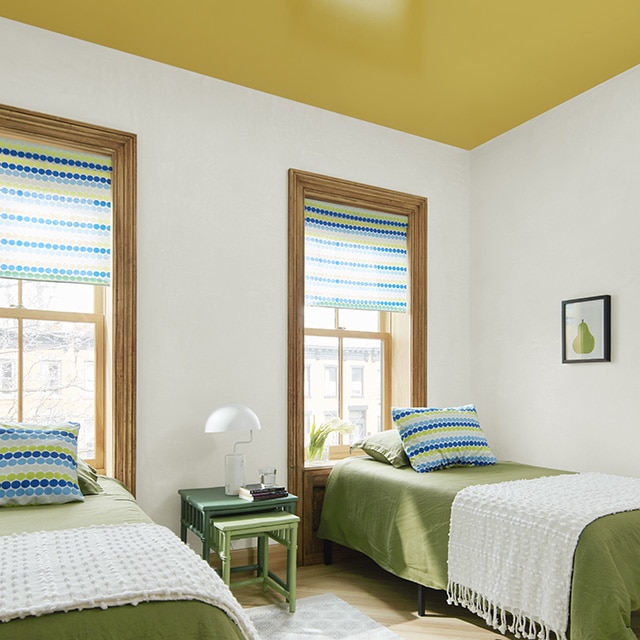
- Accent Ceiling (Completely Different): Bold Statement, Design Focal Point. This involves choosing a ceiling color that’s entirely different from your wall color, making the ceiling a distinct design feature. Think a pale blue ceiling with neutral walls, or a vibrant pop of color. This approach requires careful consideration to ensure harmony with the rest of your decor, but it can create a truly unique and memorable space.
Impact of Room Size and Ceiling Height
Your room’s dimensions play a significant role in how a ceiling color will be perceived.
- Small Bedrooms: Generally, lighter ceiling colors are preferred to avoid making the room feel claustrophobic. However, a strategically chosen dark, enveloping color can create a “jewel box” effect that feels intentional and cozy rather than cramped.
- Low Ceilings: To create an illusion of height, opt for lighter, cooler colors or a color that is a lighter tint of your wall color. A high-gloss finish can also reflect light and make the ceiling feel taller.
- High Ceilings: If your bedroom feels too vast or cavernous, a darker ceiling color can visually lower it, bringing down the scale and creating a more intimate, comforting atmosphere.
The Role of Lighting (Natural & Artificial)
Light is a magician when it comes to paint colors. It changes everything.
- Natural Light: A room with abundant natural light can handle darker or more saturated ceiling colors. Rooms with limited natural light often benefit from lighter, brighter ceiling colors to maximize reflectivity. Observe how natural light changes in your bedroom throughout the day – a color might look different at dawn, midday, and dusk.
- Artificial Light: The temperature of your light bulbs matters. Warm bulbs (2700K-3000K) can make colors appear cozier and more yellow, while cool bulbs (4000K+) can make colors appear crisper and bluer. Test your ceiling color samples under both natural and artificial light conditions that mimic your everyday use.
Exploring Popular Bedroom Ceiling Paint Color Designs (and Their Moods)
Ready to get inspired? Here’s a breakdown of popular color families and the moods they evoke in a bedroom.
The Timeless & Bright: White and Off-White Ceilings
Despite the recent trend challenging its dominance, white remains a valid and powerful choice.
- Pros: White reflects light, making a room feel larger and brighter. It’s versatile, providing a clean backdrop for any decor style. It’s a classic choice that feels fresh and airy.
- Cons: Can feel sterile, uninspired, or expected if not chosen carefully. A stark, cool white can sometimes feel unwelcoming in a bedroom.
- Variations: Don’t just pick “white.” Explore warm whites (creamy, ivory, with yellow or pink undertones) for a softer, cozier feel, or cool whites (with blue or gray undertones) for a crisp, modern look.
The Serene & Calming: Blues and Greens
These colors are nature’s lullaby, perfect for a restful sleep space.
- Light Blue: Evokes a clear sky, promoting tranquility and relaxation. It’s known to lower heart rate and create a peaceful atmosphere – ideal for bedrooms.
- Soft Green: Reminiscent of nature and foliage, soft greens are refreshing and tranquil. They bring a sense of balance and calm, making the bedroom feel like a peaceful retreat.
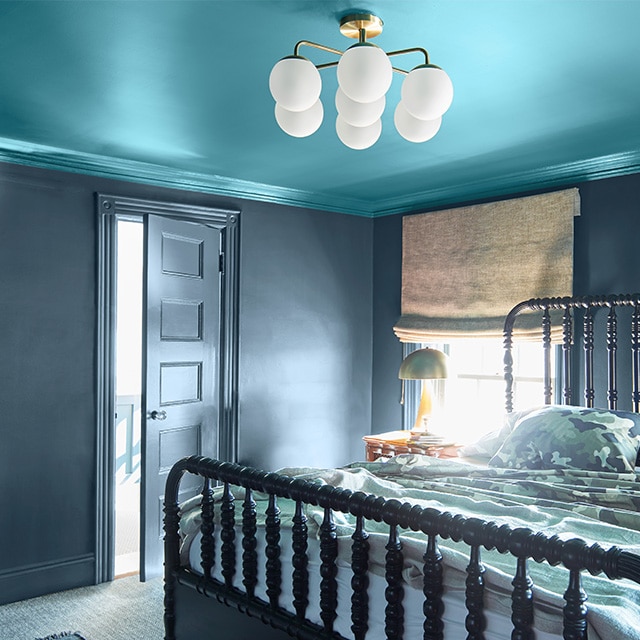
- Deep Teal/Navy: For a more dramatic but still calming effect, deep blues and teals create a sophisticated, enveloping atmosphere. They can feel luxurious and incredibly cozy, especially in a well-lit room.
The Cozy & Enveloping: Dark and Rich Hues
Embrace the drama and intimacy that darker colors bring.
- Charcoal Gray/Black: The ultimate in drama and sophistication. A dark ceiling creates an incredibly intimate, luxurious feel, reminiscent of a starry night sky. It visually lowers the ceiling, making large rooms feel cozier and can create a stunning backdrop for lighter walls or decor.
- Deep Plum/Burgundy: These rich, jewel-toned colors exude luxury and romance. They create a warm, opulent ambiance, perfect for a sophisticated and sensual bedroom retreat.
- Forest Green/Midnight Blue: Intense and grounding, these deep nature-inspired hues offer sophisticated calm. They wrap the room in a rich, comforting embrace, fostering deep relaxation.
The Subtle & Sophisticated: Grays and Neutrals
For understated elegance and versatility, look no further than grays and other muted neutrals.
- Light Gray: A modern, versatile alternative to white. Light gray ceilings offer a soft, sophisticated backdrop that pairs well with almost any color scheme, adding depth without heaviness.
- Greige/Taupe: These warm neutrals blend gray and beige, offering a grounding, inviting feel. They are perfect for creating a cozy yet elegant bedroom that feels both current and timeless.
- Muted Earth Tones: Think soft terracotta, dusty rose, or pale olive. These organic hues bring a sense of natural serenity and grounding to the bedroom, creating a calming and earthy escape.
The Playful & Creative: Pastels and Unexpected Pops
Don’t be afraid to experiment with softer, more unique expressions.
- Pale Pink/Peach: Soft and gentle, these colors cast a warm, flattering glow on everything in the room, including your skin. They create a romantic, comforting, and subtly playful atmosphere.
- Muted Yellow: A very pale, muted yellow can bring a subtle touch of warmth and cheer without being overpowering. It can feel like a gentle sunbeam, a soft wake-up call in the morning.
- Metallics/Gloss: While less common for entire ceilings in bedrooms, a metallic accent in a tray ceiling or a high-gloss finish can add reflective luxury and a contemporary edge. Use sparingly to avoid overstimulation.
Beyond Solid Color: Creative Ceiling Paint Techniques
A single color is powerful, but you can go further to make your ceiling a true work of art.
:strip_icc()/160356249_506603264066606_8162470665199427677_n-6cd8ab496bb346f1b124cd66a84e9b24.jpg "How to Choose a Ceiling Paint Color")
Tray Ceilings and Architectural Features
If your bedroom has a tray ceiling, coffered ceiling, or other architectural details, these are begging for special treatment. You can:
- Highlight Recessed Areas: Paint the recessed part of a tray ceiling a deeper or contrasting shade to draw the eye up and emphasize the architectural detail.
- Contrasting with the Main Ceiling: The flat part of the ceiling might be one color, while the trim of the tray or the recessed area is another, creating visual interest and depth.
Stripes, Stencils, and Patterns
For the truly creative, your ceiling can become a canvas:
- Subtle Stripes: Vertical stripes on a ceiling can subtly elongate a room, or horizontal stripes can make it feel wider.
- Stenciled Patterns: From geometric designs to intricate florals, stenciling can create a bespoke wallpaper-like effect without the hassle of hanging wallpaper.
- Hand-Painted Murals: For a truly unique statement, consider a hand-painted mural – a night sky, a leafy canopy, or an abstract design.
Faux Finishes and Textures
Add depth and character with textural paint techniques:
- Limewash Effect: Creates a soft, mottled, velvety appearance that adds incredible depth and organic texture to a ceiling.
- Subtle Textures: Using special paint additives or techniques can create a subtle plaster-like or Venetian stucco texture, adding an old-world charm and warmth.
Choosing the Right Paint Finish for Your Bedroom Ceiling
The sheen of your paint affects how light reflects off the surface, impacting both the visual appeal and practicality.
| Finish Type | Sheen Level | Pros for Bedroom Ceiling | Cons for Bedroom Ceiling | Best Use in Bedroom |
|---|---|---|---|---|
| Flat/Matte | No sheen, absorbs light | Hides imperfections; creates a soft, rich, velvety look; minimal glare; ideal for creating a cozy, intimate feel. | Less durable; harder to clean; can make colors appear slightly deeper. | Most common and recommended for bedrooms; universally flattering for any ceiling color. |
| Eggshell/Satin | Slight, subtle sheen | More durable than flat; easier to clean; offers a subtle luminosity that can brighten a room without excessive glare. | Can highlight imperfections more than flat; might be too reflective for some who prefer a truly matte look. | Bedrooms where a slight sheen is desired to reflect a bit more light, or for a touch of modern sophistication. |
| Low Sheen/Pearl | Noticeable, soft luster | Adds a touch of elegance and reflects light more actively; very durable and washable. | Can show more imperfections than flat; might feel too shiny for a relaxing bedroom. | Luxurious bedrooms with smooth ceilings; great for enhancing tray ceilings or architectural details. |
| Semi-Gloss | High reflectivity, noticeable shine | Very durable and easy to clean; creates a dramatic, high-fashion look; excellent for reflecting light to make a room feel larger. | Highlights every imperfection; can create significant glare, which may be disruptive in a bedroom. | Limited use; best for small accent areas like tray ceiling trim, or for a highly contemporary, daring design statement on a perfectly smooth ceiling. |
Practical Tips for Selecting and Applying Your Ceiling Color
Choosing is one thing, executing is another. Here’s how to ensure your ceiling paint project is a success.
Testing is Non-Negotiable: Large Swatches, Observe in Different Lights
Please, I beg you: do NOT choose a color from a tiny paint chip. Buy several sample pots of your top contenders. Paint large swatches (at least 2’x2′) directly on your ceiling, or on large foam boards you can tape up. Crucially, observe these samples at different times of day – morning, afternoon, evening – and under both natural and artificial light. Colors change dramatically with light, and what looks perfect in the store might be jarring in your bedroom.

Consider Your Existing Decor: Furniture, Bedding, Flooring – Harmony is Key
Your ceiling color shouldn’t exist in a vacuum. It needs to harmonize with your existing furniture, bedding, area rugs, and flooring. Take cues from these elements. Do you have warm wood tones? A cool gray ceiling might clash. Does your bedding feature a subtle pattern? Perhaps pull a complementary color from that pattern for the ceiling. Think of the room as a complete picture.
Don’t Forget the Trim: Match, Contrast, or Seamless Integration
The trim where the wall meets the ceiling (crown molding) is another important detail:
- Match Walls: Painting the trim the same color as the walls creates a visual extension, making the walls appear taller.
- Match Ceiling: Painting the trim the same color as the ceiling makes the ceiling appear more substantial and defined.
- Traditional White: White trim provides a crisp visual break between a colored wall and a colored ceiling, a classic approach.
- Seamless Integration: For the ultimate modern, immersive look, paint the walls, trim, and ceiling all the same color.
Preparation is Key: Clean, Prime, Tape
A beautiful paint job is 90% preparation. Before you even think about applying color:
- Clean: Wash your ceiling thoroughly to remove dust, cobwebs, and any grime.
- Repair: Fill any cracks or holes, and sand smooth.
- Prime: Especially if you’re going from dark to light or light to dark, or if your ceiling hasn’t been painted in a long time, a good quality primer will ensure even coverage and true color.
- Tape: Use high-quality painter’s tape to protect your walls and ensure crisp, clean lines.
Conclusion
Your bedroom ceiling is far more than just a surface above your head; it’s a canvas with immense potential to shape the mood, feel, and overall design of your most personal space. By moving beyond the default white, you open up a world of possibilities to create a bedroom that is truly unique, deeply comforting, and perfectly tailored to your vision of rest and relaxation.
Whether you opt for a serene sky blue, a dramatic charcoal, or a soft, enveloping neutral, remember that the best design is the one that brings you joy and comfort. So, go ahead – look up, get inspired, and give your bedroom ceiling the attention it truly deserves. You might just find that this one design decision makes all the difference.
Frequently Asked Questions
Should I paint my bedroom ceiling the same color as my walls?
Painting your bedroom ceiling the same color as your walls creates a seamless, enveloping ‘cocoon effect,’ which is fantastic for making the room feel cozy, intimate, and modern. It blurs the lines between walls and ceiling, making the space feel more intentional and cohesive. However, for a high ceiling you want to bring down visually, or a low ceiling you want to make feel taller, you might consider a slightly darker or lighter shade, respectively.
What colors are best for a bedroom ceiling to promote sleep?
Colors known to promote relaxation and tranquility are best for a bedroom ceiling. Soft, muted blues (like a sky blue) and gentle greens (like a sage or soft olive) are excellent choices as they evoke feelings of nature and calm. Lighter, warm grays and off-whites can also create a serene environment without being too stimulating.
Can a dark ceiling make a bedroom feel smaller or claustrophobic?
A dark ceiling can indeed make a bedroom feel more intimate and cozy, rather than necessarily smaller or claustrophobic, especially if paired with lighter walls and good lighting. In rooms with very high ceilings, a dark color can actually bring the ceiling down visually, making the space feel more proportional and comforting. In a small room, a dark ceiling can create a ‘jewel box’ effect, making the space feel luxurious and intentional, but careful consideration of wall color and lighting is key.
What paint finish is best for a bedroom ceiling?
For most bedroom ceilings, a flat or matte finish is highly recommended. It absorbs light, minimizes glare, and is excellent at hiding imperfections, creating a soft, velvety, and cozy look. While less durable and harder to clean than higher sheens, these qualities are less critical on a ceiling than on walls. Eggshell or satin can be used for a subtle sheen and slightly more durability, but may show imperfections more.
How do I test ceiling paint colors effectively?
To test ceiling paint colors effectively, purchase several sample pots of your preferred shades. Paint large swatches (at least 2’x2′) directly on your ceiling or on large foam boards you can move around. Observe these samples at different times throughout the day and under both natural and artificial bedroom lighting. This will give you the most accurate representation of how the color will appear in your specific space.
Should I match my ceiling color to my bedroom furniture or bedding?
While you don’t need an exact match, your ceiling color should definitely harmonize with your bedroom furniture, bedding, and other decor elements. Take cues from the undertones in your existing pieces – warm vs. cool. If your furniture is dark wood, a dark ceiling might feel too heavy, but a lighter, complementary shade could work well. The goal is a cohesive and balanced design that flows together.