Mastering Your Mood: The Ultimate Guide to Wall Colors for Living Rooms with Dark Furniture
Got a living room filled with beautiful, deep-toned furniture? Think rich espresso leather, elegant walnut wood, or a striking charcoal sectional. Dark furniture adds an undeniable sense of sophistication, grounding, and luxury to any space. It makes a statement. But let’s be honest, it also presents a design challenge:
How do you prevent your sophisticated sanctuary from feeling like a dark, heavy cave? How do you ensure your room feels expansive and inviting, not overwhelming or small?
That’s where your wall color comes in. Choosing the right shade isn’t just about aesthetics; it’s about creating balance, enhancing natural light, and setting the perfect mood. I’m here to guide you through unlocking your living room’s full potential, transforming it from potentially dim to dynamically delightful.
The Core Challenge: Balancing Dark Furniture’s Depth
Dark furniture, whether it’s a grand mahogany bookcase, a sleek black leather sofa, or a cozy, deep-grey fabric armchair, brings significant visual weight into a room. This weight can be a design asset, providing a strong anchor and a sense of permanence. It evokes a feeling of intimacy and coziness, making a room feel established and luxurious. However, without thoughtful consideration of your wall color, this depth can quickly become a detriment.
The primary pitfall is allowing the dark elements to absorb too much light, making the room feel smaller, dingier, and less inviting. It can create a sense of compression, where the walls seem to close in. The goal isn’t to erase the richness of your dark pieces but to create a harmonious backdrop that allows them to shine without overpowering the space. We want to lift the room, introduce contrast, and expand the perceived size and brightness, all while maintaining that sophisticated allure. It’s about intentional design, making every element work together to craft an atmosphere that truly speaks to you.
Your Foundation First: Understanding Dark Furniture’s Undertones
Before you even think about paint swatches, you need to become a detective. Not just any detective, but an undertone detective. This is, hands down, the most critical step in pairing wall colors with dark furniture. Why? Because selecting a wall color with the wrong undertone can lead to your room feeling ‘off,’ disjointed, or even sickly, no matter how beautiful the individual colors are.
What are undertones? Think of them as the subtle, underlying colors that peek through the main color. A dark brown sofa isn’t just ‘brown’; it might have hints of red, yellow, orange, green, or even purple when viewed in different lights. Similarly, a dark gray can lean blue, green, or even a subtle violet.
How to Identify Your Furniture’s Undertones:
- Observe in Natural Light: Drag a piece of your furniture (or a cushion/drawer) near a window during different times of day. Natural light is the most revealing.
- Compare to Neutrals: Hold a pure white sheet or a true gray swatch next to your furniture. Does the brown suddenly look reddish? Or greenish? Does the dark gray seem blueish next to pure white?
- Look for the ‘Bias’:
- Warm Undertones (Red, Orange, Yellow): Common in cherry, mahogany, oak, teak, or certain types of leather. These darks feel rich and inviting.
- Cool Undertones (Blue, Green, Purple): Less common in woods but can be found in certain stained finishes, many dark gray fabrics, or black pieces (which often have a blue or purple undertone). These feel more contemporary and serene.
Once you’ve identified your furniture’s undertone, you have two primary strategies for your wall color:
- Harmonize: Choose a wall color that shares a similar undertone. For example, a warm red-brown wood pairs beautifully with a greige wall color that has a subtle red or yellow undertone. This creates a cohesive, enveloping feel.
- Contrast: Choose a wall color that complements or opposes the undertone on the color wheel. A dark furniture piece with a strong red undertone might pop beautifully against a wall color with a subtle green or blue undertone. This creates visual interest and dynamism.
Knowing this foundational principle will save you from costly paint mistakes and ensure your chosen wall color truly elevates your living room.
The Winning Wall Color Families for Dark Furniture
The Bright & Airy Neutrals: Your Go-To for Expansion
Neutrals are the undisputed champions for creating contrast and lightness against dark furniture. They provide a clean canvas that allows your sophisticated pieces to stand out without making the room feel heavy. They’re also incredibly versatile, adapting to various decor styles from minimalist to traditional.
- Crisp Whites: When I say ‘white,’ I don’t mean stark, sterile hospital white (unless that’s your vibe!). Think about whites with subtle undertones: a touch of warmth (yellow/cream) to soften dark woods, or a hint of coolness (blue/grey) to complement modern dark grays or blacks. Whites offer maximum contrast, making a room feel incredibly expansive and modern. They bounce light beautifully, instantly brightening even the darkest corners. The key is to avoid a stark feel by layering textures and adding warmth through accessories.
- Soft Greys: Grey is the chameleon of neutrals. It’s sophisticated, calming, and can lean warm or cool. A light, warm grey (often called ‘greige’ when it has beige undertones) can be incredibly inviting and pair beautifully with warm-toned dark woods. Cooler greys, with blue or green undertones, are fantastic with modern dark furniture like charcoal or black, adding a serene, contemporary edge. Greys offer less harsh contrast than pure white but provide a similar sense of spaciousness and modern elegance.
- Warm Beiges & Greiges: These are your classic, cozy neutrals. Beige brings warmth and an inviting feel, perfect for traditional or transitional spaces with rich, warm dark woods. Greige, a blend of grey and beige, offers the best of both worlds – the warmth of beige with the sophistication of grey. It’s incredibly adaptable and forgiving, often making dark furniture feel more ‘at home’ and less isolated. These colors prevent the room from feeling cold and create a seamless flow.
| Wall Color Family | Common Examples / Description | Ideal Mood | Dark Furniture Undertone Match | Best For (Room Type/Light) |
|---|---|---|---|---|
| Crisp Whites | Off-whites with subtle warm (yellow/cream) or cool (blue/grey) tints. | Modern, airy, expansive, fresh. | Versatile; warm whites with warm darks, cool whites with cool darks. | Rooms needing maximum brightening, contemporary spaces, small rooms. |
| Soft Greys | Light to medium greys, ranging from warm (greige) to cool (blue/green undertones). | Sophisticated, calming, contemporary. | Warm greys with red/orange darks; cool greys with blue/purple darks. | Modern homes, spaces seeking a serene backdrop, rooms with ample natural light. |
| Warm Beiges & Greiges | Creamy, sandy tones; greys with strong beige/brown undertones. | Inviting, cozy, classic, transitional. | Excellent with warm dark woods (mahogany, cherry, walnut). | Traditional/transitional spaces, rooms desiring warmth and softness. |
The Soothing Cool Tones: Serenity and Sophistication
Cool colors, even light ones, can provide a beautiful contrast to dark, warm-toned furniture, creating a balanced and often sophisticated atmosphere. They evoke a sense of calm and openness, making a room feel more serene and expansive.
- Muted Blues: A soft, muted blue or a pale sky blue can be absolutely breathtaking with dark wood furniture, especially those with reddish or orange undertones (think mahogany or cherry). Blue is opposite orange/red on the color wheel, so it creates a lovely complementary contrast. It brings a sense of tranquility and depth without making the room feel cold. Avoid overly saturated or bright blues, which can be jarring. Look for dusty, desaturated blues.
- Soft Greens: From pale sage to a barely-there mint, soft greens are incredibly versatile. They pair beautifully with both warm dark woods (drawing out their natural organic feel) and cooler dark grays/blacks (adding a fresh, natural element). Green is the color of nature, bringing a sense of calm, balance, and renewal. It’s particularly effective in creating an organic oasis feel, making your dark furniture feel less formal and more integrated with its surroundings.
- Greens with Grey Undertones (Sage, Olive): These sophisticated greens are slightly more complex than pure soft greens. Sage green, with its dusty, greyish undertone, is a timeless choice that works wonderfully with almost any dark furniture, adding an earthy, refined touch. Pale olive greens can also be stunning, bringing a hint of nature’s depth without overwhelming the space. They offer a muted elegance that is both calming and chic, making your dark furniture feel incredibly intentional and stylish.
| Wall Color Family | Common Examples / Description | Ideal Mood | Dark Furniture Undertone Match | Best For (Room Type/Light) |
|---|---|---|---|---|
| Muted Blues | Dusty sky blue, pale robin’s egg, desaturated denim. | Calm, serene, traditional, sophisticated. | Excellent with warm (red/orange) dark woods; also with cool dark grays. | Spaces seeking tranquility, rooms with ample natural light to prevent chilliness. |
| Soft Greens | Pale sage, soft mint, barely-there celadon. | Organic, refreshing, balanced, natural. | Works with most darks; especially enhances natural wood tones. | Nature-inspired aesthetics, creating a fresh environment, spaces desiring calm. |
| Greens with Grey Undertones (Sage, Olive) | Dusty sage, muted olive, understated moss green. | Earthy, refined, sophisticated, grounded. | Highly versatile; complements both warm and cool darks beautifully. | Transitional to modern spaces, rooms needing understated elegance. |
The Embracing Warm Tones: Coziness and Vibrancy
While often used with lighter furniture, certain subtle warm tones can absolutely work with dark furniture, especially if your goal is to create a deeply cozy, intimate, or even slightly bohemian feel. The trick is to keep them light and desaturated to avoid overwhelming the space.
- Pale Terracottas/Warm Pinks: This might sound daring, but a very soft, dusty terracotta or a barely-there blush pink can be stunning. These colors bring an unexpected warmth and a touch of sun-baked earthiness. They pair particularly well with dark woods that have strong red or orange undertones, creating a rich, enveloping harmony. They’re excellent for a maximalist or eclectic style, adding a unique personality to your living room.
- Soft Golds/Muted Yellows: Imagine the warm glow of candlelight or a gentle sunset. That’s the feeling a soft, muted gold or a pale butter-yellow can bring. These colors instantly infuse a room with cheerfulness and a sense of light, even when it’s partnered with heavy dark furniture. They work best with dark woods that have yellow or orange undertones (like oak or teak), enhancing their natural warmth. Avoid anything too bright or acidic, as it can clash or feel dated quickly.
| Wall Color Family | Common Examples / Description | Ideal Mood | Dark Furniture Undertone Match | Best For (Room Type/Light) |
|---|---|---|---|---|
| Pale Terracottas / Warm Pinks | Dusty rose, blush, muted peach, soft adobe. | Cozy, inviting, artistic, earthy, unique. | Complements red/orange dark woods beautifully. | Eclectic, bohemian, or deeply traditional spaces; rooms desiring a warm, enveloping feel. |
| Soft Golds / Muted Yellows | Creamy yellow, pale butter, harvest gold (desaturated). | Cheerful, light-infused, cozy, traditional. | Enhances dark woods with yellow/orange undertones (e.g., oak, teak). | Rooms needing a boost of warmth and light, traditional settings. |
The Unexpected Deep Tones: Bold Statements & Dramatic Flair
While often counter-intuitive, painting with a dark color can actually work with dark furniture if you’re going for a specific mood: dramatic, luxurious, and enveloping. This isn’t about lightening the room, but about embracing its depth and creating a cocoon-like atmosphere. This approach is best reserved for accent walls or in rooms with abundant natural light.
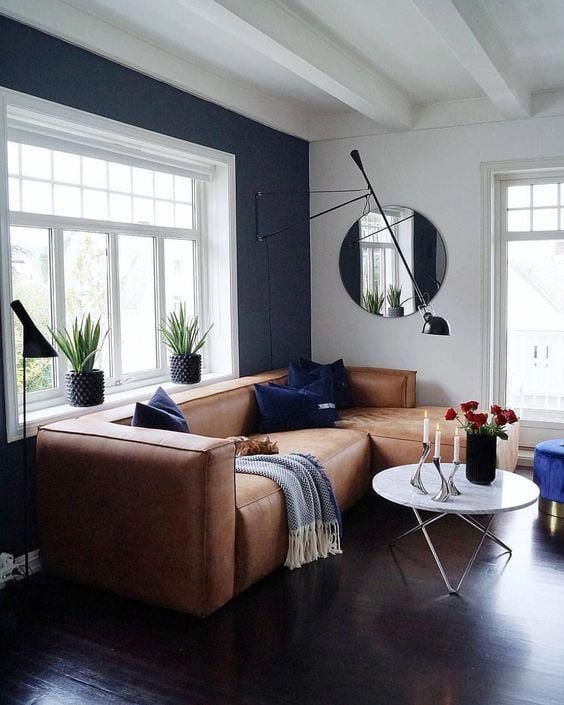
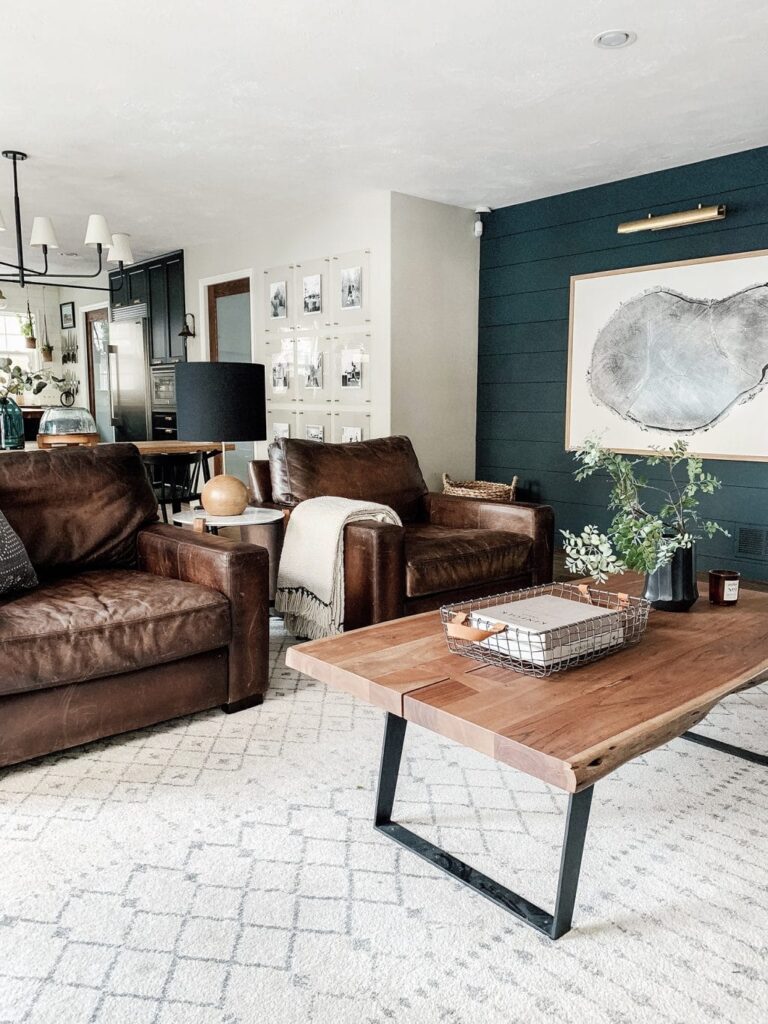
- Deep Teal/Navy (Accent Wall): These rich, jewel-toned blues and greens are incredibly sophisticated. A deep teal, for instance, can make a living room feel like an opulent library, especially with dark wood bookcases and leather armchairs. Navy offers a classic, masculine elegance. They create a moody backdrop that allows lighter elements (artwork, metallic accents) to truly pop.
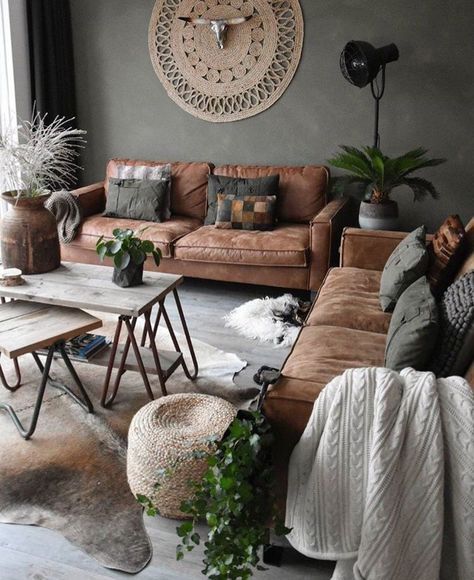
- Charcoal/Deep Grey (Accent Wall): If your dark furniture is black or a very cool dark grey, a charcoal accent wall can create a seamless, minimalist, and very modern aesthetic. This tone-on-tone approach, when done right, is incredibly chic. It creates a seamless flow that can actually make the room feel larger because there are no harsh breaks in color. However, this relies heavily on abundant natural light and layered artificial lighting to prevent it from feeling like a black hole.
A Note on Accent Walls: If you’re drawn to deeper, more saturated colors but are afraid of overwhelming the room, an accent wall is your best friend. Choose the wall that your dark furniture sits against, or the focal point of the room (e.g., fireplace wall). This allows you to introduce drama without sacrificing the overall lightness of the space, especially if the other walls are painted in a complementary light neutral.
Beyond Color: Factors Influencing Your Choice
The perfect wall color isn’t just about matching furniture; it’s about matching your unique space. Several crucial factors play a significant role in how a paint color will actually appear and feel in your living room.
Natural Light: The Ultimate Color Shifter
This is paramount. Light radically changes how colors are perceived. A color that looks bright and airy in a south-facing room (which receives warm, consistent light) might appear dull and gray in a north-facing room (which receives cooler, indirect light). East-facing rooms get bright morning light, becoming cooler in the afternoon, while west-facing rooms get warm, intense afternoon sun.
- North-Facing Rooms: Often feel cooler and darker. Warmer whites, soft beiges, or blues with green undertones can help counteract the cool light.
- South-Facing Rooms: Bathed in bright, warm light. Almost any color works here, but cooler tones can help balance the intensity.
- East-Facing Rooms: Bright and warm in the morning, cooler in the afternoon. Consider colors that look good in both warm and cool light, like versatile greiges or muted greens.
- West-Facing Rooms: Cooler in the morning, intense and warm in the afternoon. Embrace colors that thrive in dramatic light shifts, like soft grays or even pale purples.
Artificial Lighting: Layering for Impact
Beyond natural light, your artificial lighting scheme is critical, especially in a living room with dark furniture. A single overhead light will create harsh shadows and make the room feel flat. Instead, embrace a layered lighting approach:
- Ambient Lighting: General illumination (recessed lights, ceiling fixtures).
- Task Lighting: For specific activities (reading lamps next to your sofa).
- Accent Lighting: To highlight features (picture lights, uplights on plants).
Also, consider the color temperature of your bulbs. Warm white bulbs (2700K-3000K) enhance warm wall colors and create a cozy atmosphere. Cool white bulbs (4000K+) can make warm colors appear dull but can make cool tones pop and are great for a more modern, crisp feel.
Room Size & Layout: Maximizing Space or Coziness
- Small Rooms: Lighter, reflective wall colors (crisp whites, pale cool tones) are your best friends. They help expand the perceived size of the room, counteracting the space-shrinking effect of dark furniture. Keep the ceiling color light to draw the eye up.
- Large Rooms: You have more flexibility. You can introduce mid-tone colors, or even consider a dark accent wall, to create intimacy and prevent the room from feeling cavernous. Warmer, slightly deeper neutrals or even muted jewel tones can make a large space feel cozier and more inviting.
Flooring & Trim: The Unsung Heroes
Don’t forget the fixed elements of your room! If you have dark wood floors, you’ll want to ensure your wall color creates enough contrast to avoid a continuous ‘dark box’ effect. Lighter walls are usually the answer here. Similarly, consider your trim color. White trim offers a crisp break, while matching the trim to the wall color can create a more expansive, seamless look. If your trim is dark wood, you’ll need to decide if you want to highlight it with a contrasting light wall or blend it with a darker, complementary tone.
Desired Mood/Aesthetic: What’s Your Vibe?
Finally, what feeling do you want your living room to evoke? Are you aiming for a:
- Modern/Minimalist: Crisp whites, cool greys, charcoals.
- Traditional/Classic: Warm beiges, muted blues, sage greens.
- Bohemian/Eclectic: Pale terracottas, soft golds, deep teals (accent).
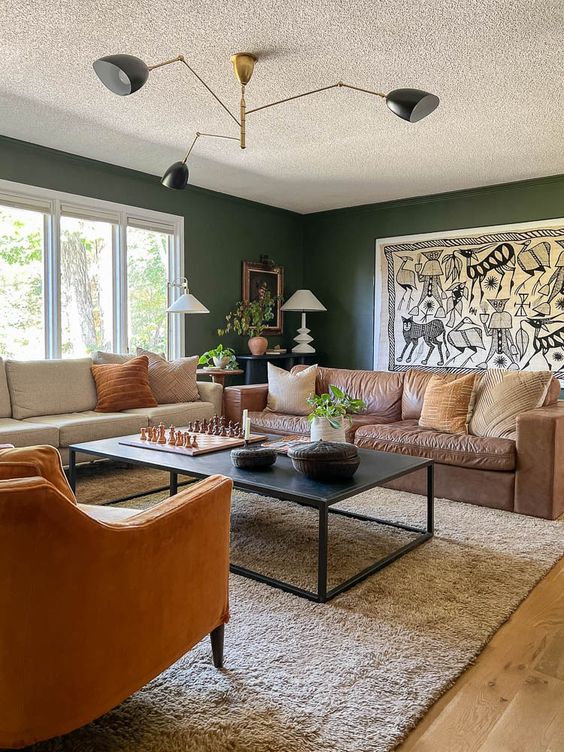
- Dramatic/Luxurious: Deep blues, charcoal accent walls with ample light.
Your wall color is a powerful tool to reinforce your chosen aesthetic. It’s the backdrop against which all your other decor elements will play.
Expert Tips for Nailing Your Wall Color with Dark Furniture
You’ve done the analysis, understood the undertones, and narrowed down your color families. Now, let’s talk about the practical steps to ensure you love your final choice.
- Sample, Sample, Sample (Seriously!): I cannot stress this enough. Paint swatches are a lie. They are too small and don’t accurately reflect how a color will look in your actual room. Buy sample pots of your top 2-3 choices. Paint large (at least 2’x2′) swatches on different walls in your living room. Observe them at different times of day – morning, noon, evening, with natural light, and with artificial light. How do they look with your dark furniture? This step is non-negotiable and will save you from expensive mistakes.
- Consider Sheen: The finish of your paint significantly impacts how the color appears and how light is reflected. This is especially true when working with dark furniture.
- Flat/Matte: Absorbs light, creating a rich, sophisticated, and velvety look. Great for hiding imperfections. Can make colors appear deeper.
- Eggshell/Satin: Most popular for living rooms. Offers a soft glow, good durability, and slight light reflection. A safe bet.
- Semi-Gloss/Gloss: Highly reflective, durable, and easy to clean. Best for trim and doors, but a high-gloss wall in a lighter color could create dramatic reflections against dark furniture. Generally too shiny for entire walls in a living room.
For dark furniture, an eggshell or satin finish on a lighter wall color usually provides the best balance of reflection and softness.
- Accessorize Smart: Your accessories are vital for tying the room together and further balancing the depth of dark furniture. Introduce light-colored textiles (throw pillows, blankets, rugs in creams, whites, or pale blues/greens). Add reflective surfaces like mirrors, glass coffee tables, and metallic accents (gold, silver, brass) to bounce light around. Incorporate vibrant artwork or plants to add pops of color and life. These elements will help break up any visual heaviness and add personality.
- Balance with Light Wood Accents: If your dark furniture is primarily wood, consider introducing lighter wood tones elsewhere in the room. A light oak coffee table, a natural rattan chair, or light wood picture frames can provide visual relief and connect the dark pieces to a broader, lighter palette.
- Trust Your Gut (and the Light): Ultimately, this is your living room. Live with your samples for a few days. How do they make you feel? Do they spark joy or cause unease? Your emotional response is just as important as the technical considerations. And remember that colors will always look different from the store to your home – and even change throughout the day in your home!
Choosing the best wall color for a living room with dark furniture isn’t about following strict rules; it’s about understanding principles and applying them thoughtfully to your unique space. By paying attention to undertones, natural light, desired mood, and incorporating smart design choices, you can create a living room that is both dramatically chic and wonderfully inviting. Go forth and transform your space with confidence!
Frequently Asked Questions
What is the best wall color to brighten a living room with dark furniture?
The best wall colors to brighten a living room with dark furniture are typically light neutrals like crisp whites (with subtle warm or cool undertones), soft greys, or warm beiges and greiges. These colors create maximum contrast, reflect light effectively, and make the room feel more expansive and airy, preventing it from feeling heavy or cave-like.
How do I choose a wall color that complements dark brown wood furniture?
To complement dark brown wood furniture, first identify its undertones (red, orange, yellow). For warm-toned dark woods, consider light, warm neutrals like creamy whites or greiges, or complementary cool tones like muted blues and sage greens. For cooler dark woods, soft greys or greens with a grey undertone work beautifully. Harmonize similar undertones or contrast with complementary ones for visual interest.
Can I use dark wall colors with dark furniture?
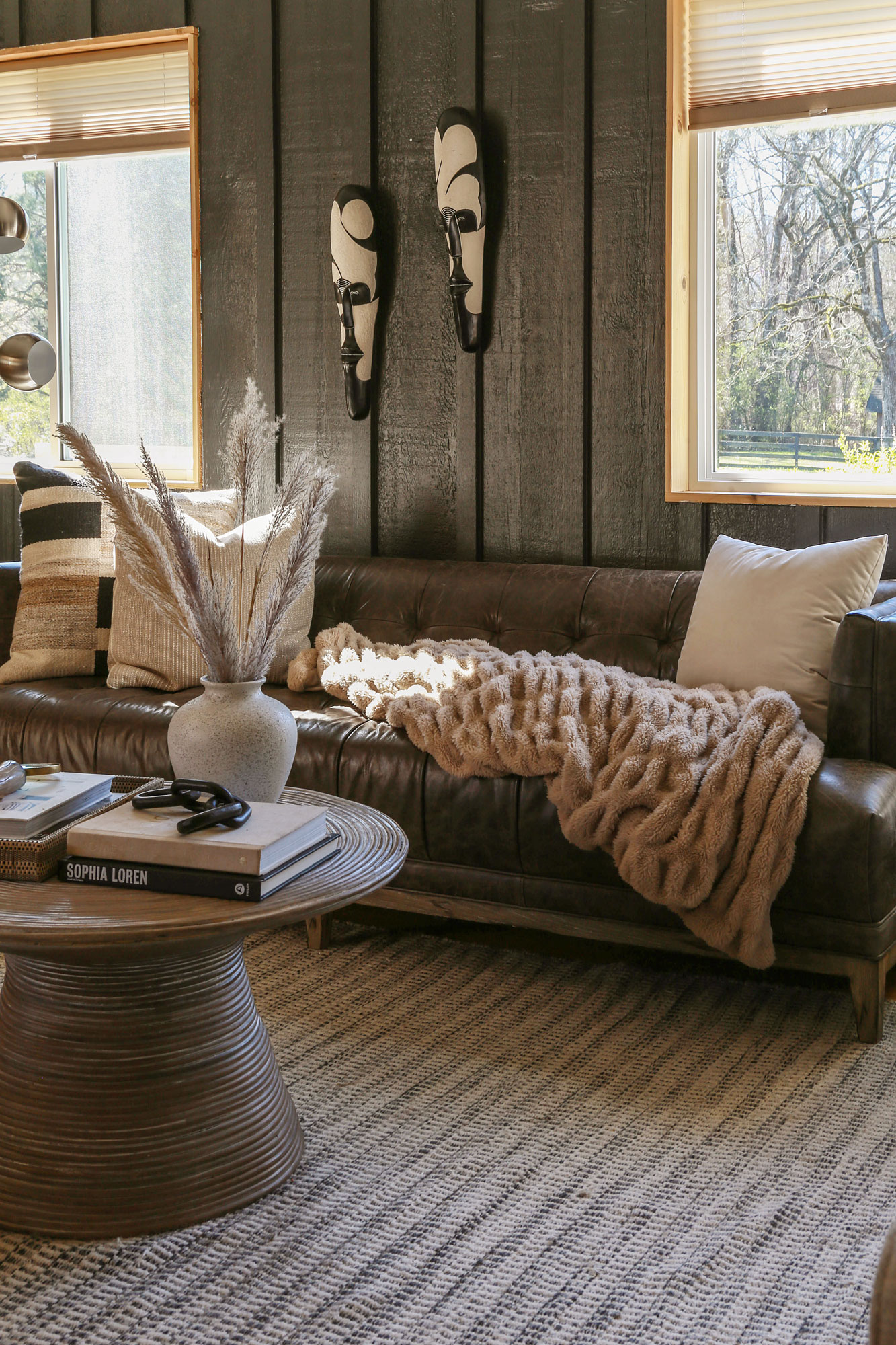
Yes, you can! This approach creates a dramatic, luxurious, and cocoon-like atmosphere. However, it’s best reserved for accent walls or rooms with abundant natural and artificial light. Deep teals, navies, or charcoals can create a sophisticated, moody backdrop that allows lighter accessories to pop. It’s a bold choice that requires careful planning to avoid feeling overwhelmingly dark.
Why are undertones important when choosing a wall color for dark furniture?
Undertones are crucial because they are the subtle, underlying colors in your furniture (e.g., a dark brown wood might have red or yellow undertones). If your wall color clashes with these undertones, the room can feel ‘off,’ disjointed, or visually unappealing. Matching or harmonizing undertones ensures a cohesive and balanced look, while complementary undertones create dynamic contrast.
What paint finish (sheen) works best with dark furniture and light walls?
For living rooms with dark furniture and light walls, an eggshell or satin finish is generally recommended. These finishes offer a subtle sheen that reflects light without being overly glossy, providing durability and a sophisticated look. Flat/matte finishes can make colors appear richer but are less durable, while semi-gloss/gloss are typically too shiny for entire walls.
How does natural light affect wall color choice in a room with dark furniture?
Natural light dramatically alters how wall colors appear. North-facing rooms (cool, indirect light) benefit from warmer wall colors (creamy whites, warm greys) to prevent feeling sterile. South-facing rooms (bright, warm light) can handle almost any color, including cooler tones to balance intensity. East-facing rooms (morning sun, afternoon cool) and West-facing rooms (afternoon sun, morning cool) require colors that look good in shifting light conditions.
What accessories should I use to balance a living room with dark furniture and light walls?
To balance a room with dark furniture and light walls, introduce light-colored textiles (throw pillows, rugs, blankets in creams, whites, or pale accents), reflective surfaces (mirrors, glass, metallics like gold or silver) to bounce light, and vibrant artwork or plants for pops of color and life. These elements add visual interest and help prevent the room from feeling too stark or heavy.