Beyond the Brown: Finding the Perfect Paint Color for Your Dark Brown Furniture
Staring at that magnificent, dark brown furniture piece – maybe it’s a robust espresso dining table, a grand walnut dresser, or that deep mahogany entertainment center – and wondering how to make your room feel anything but heavy? You’re not alone. Dark brown furniture is beautiful, durable, and often a significant investment. But let’s be honest, it can sometimes feel like an anchor, pulling your room into a sea of seriousness.
The good news? It’s also an incredibly versatile foundation! The right paint color won’t just complement it; it will transform your entire space. It can make your dark furniture pop, recede, feel cozy, or light and airy. The trick isn’t finding a good color, but finding the best paint color for your dark brown furniture, in your specific room, with your unique style.
Forget the guesswork and mismatched undertones. I’m here to arm you with the principles, the specific color families, and even some actual paint names to confidently choose a wall color that makes your dark brown furniture, and your entire room, sing.
Decoding Your Dark Brown: More Than Just “Brown”
Before you even think about paint swatches, you need to truly see your brown furniture. Brown isn’t just brown. It’s a spectrum of complex, rich hues, each with its own personality.
Espresso, Walnut, Mahogany: Understanding Different Dark Browns
Let’s break down some common dark brown finishes:
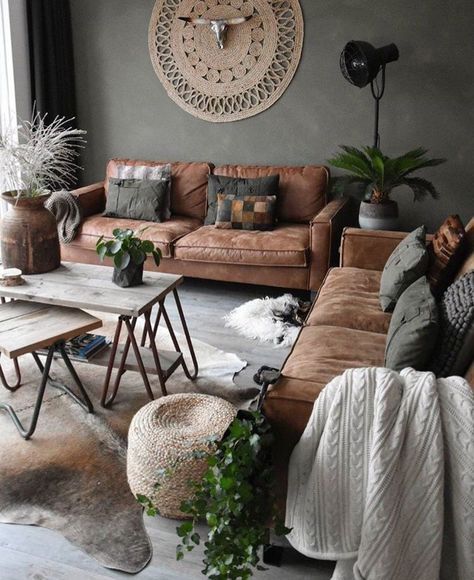
- Espresso: Often the darkest, nearly black-brown. It’s sleek, modern, and can feel quite formal. It tends to have cooler, almost black undertones.
- Walnut: A mid-to-dark brown with a rich, warm, often slightly reddish or grayish undertone. It’s classic and versatile.
- Mahogany: A deep, reddish-brown. This is a very warm brown, often associated with traditional or antique pieces.
- Dark Oak/Cherry: Can range from a medium to dark brown, often with visible grain and distinctly warm (reddish-orange) undertones.
Why does this matter? Because the undertones in your furniture are the secret handshake for choosing a harmonious paint color.
The Undertone Secret: Warm, Cool, or Neutral?
This is arguably the most crucial step. Every color, including brown, has an underlying hint of another color. These are its undertones. If you get these wrong, even a beautiful paint color can clash horribly with your furniture.
How to Identify Your Furniture’s Undertones:
- Grab a White Piece of Paper: Hold a plain white sheet of paper next to your furniture. This helps neutralize your perception and makes the undertones more obvious.
- Look for Hints of Color:
- Red/Orange Undertones: Does your brown look reddish (like mahogany, cherry, or some walnuts)? These are warm undertones.
- Yellow/Green Undertones: Does it have a golden hue, or a slightly greenish cast? These are also warm, earthy undertones (think olive browns).
- Gray/Black Undertones: Does it look muted, smoky, or almost black (like espresso)? These are cooler undertones.
- Natural Light is Key: Observe your furniture in different lighting conditions throughout the day. What looks cool in morning light might reveal warmth under evening lamps.
Once you’ve identified your furniture’s dominant undertone, you’re ready to strategically pick your paint.
The Foundation: Principles for Pairing Paint with Dark Brown
Think of paint color selection as a dance. Your dark brown furniture is leading, and the walls are its partner. You need a partner that either harmonizes beautifully or provides a stunning counterpoint.

Contrast is King (But Not Always!): Light vs. Dark Walls
- Light Walls (High Contrast): This is often the go-to strategy for dark brown furniture, and for good reason. Light walls (whites, creams, pale grays, light pastels) create a crisp, refreshing contrast. They make your dark furniture pop and stand out as a feature. This is excellent for making a room feel larger, brighter, and more modern.
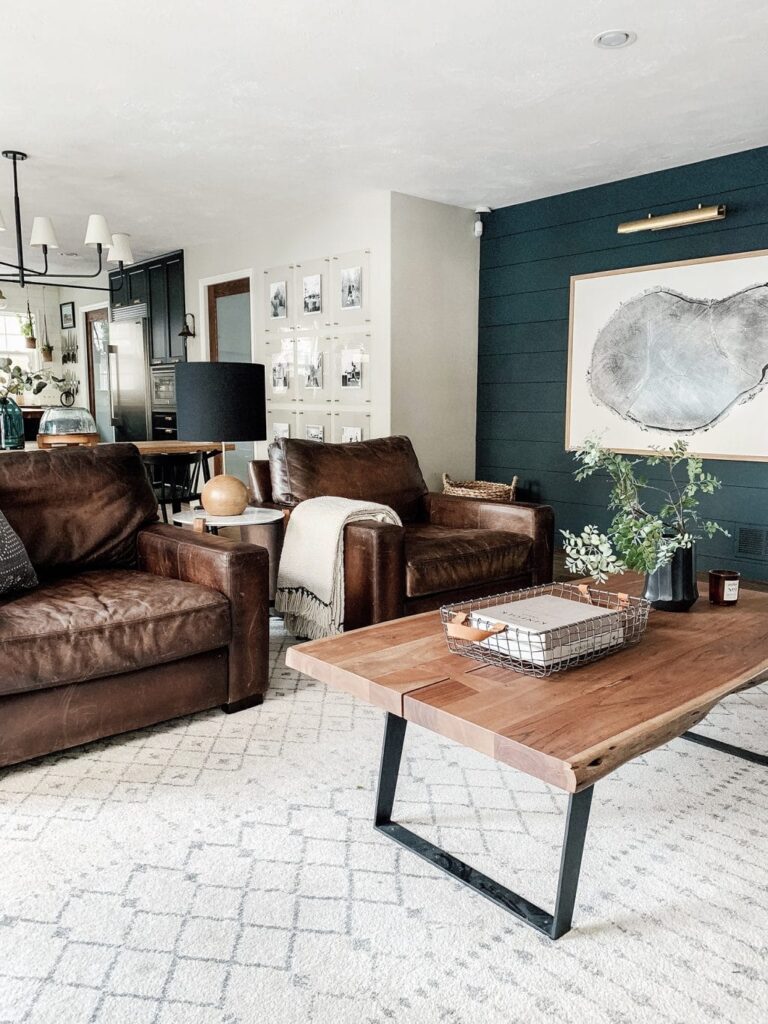
- Dark Walls (Low Contrast/Monochromatic): Don’t shy away from darker walls! Deep blues, charcoal grays, or even rich greens can create an incredibly sophisticated, cozy, and enveloping feel. When paired with dark brown furniture, it’s about creating depth and moodiness. This works wonderfully in bedrooms or studies where a luxurious, intimate atmosphere is desired. Just ensure there’s enough lighting to prevent the room from feeling like a cave.
The Power of Undertones: Harmony vs. Deliberate Clash
Now, let’s bring those undertones into play:
- Harmonizing Undertones: This is the safest and often most elegant approach. If your dark brown furniture has warm (red, yellow) undertones, lean into warm paint colors. If it has cool (gray, black) undertones, opt for cool paint colors. This creates a cohesive, flowing feel where everything feels intentional.
- Deliberate Clash (Controlled Contrast): Sometimes, a subtle clash can be dynamic and interesting. For example, a warm-toned brown furniture piece might look striking against a cool-toned gray wall, as long as both colors have a similar level of saturation. The key here is *deliberate* – you know why you’re doing it, and it feels balanced, not accidental. Avoid clashing strong primary undertones without purpose (e.g., a very orange-brown with a very purple-blue).
Lighting, Room Size, and Mood: Your Design GPS
Your paint choice isn’t just about the furniture; it’s about the entire environment.
- Natural Lighting: Rooms with abundant natural light can handle darker, more saturated wall colors without feeling gloomy. Rooms with less natural light benefit greatly from lighter, brighter paint colors to maximize what little light they have.
- Room Size: Lighter colors tend to make a room feel larger and more open. Darker colors can make a large room feel cozier and more intimate, or make a small room feel even smaller if not balanced with light accents and good lighting.
- Desired Mood: What feeling do you want to evoke? Calm and serene? Energetic and vibrant? Elegant and sophisticated? Each color family has a psychological impact.
Top Paint Color Families for Dark Brown Furniture (and Why They Work)
Alright, let’s get into the specifics. Here are the paint color families that consistently prove to be excellent partners for dark brown furniture, with specific examples to get you started.
The Trusty Neutrals: Whites, Creams, and Greiges
Neutrals are never boring when chosen correctly. They provide a sophisticated backdrop that allows your dark brown furniture to truly shine without competition. They’re ideal for creating a timeless, elegant, or modern aesthetic.
- Crisp Whites: Think gallery-white. These create the most dramatic contrast, making dark brown furniture incredibly striking and modern. Best for contemporary, minimalist, or high-contrast styles. They reflect light beautifully, making rooms feel expansive.
- Examples: Benjamin Moore Chantilly Lace, Sherwin Williams High Reflective White, Farrow & Ball All White.
- Warm Whites & Creams: These are softer, more inviting alternatives to stark white. They carry subtle yellow, beige, or sometimes pink undertones that beautifully complement warm-toned dark brown furniture, creating a classic, cozy, and elegant feel. For cooler brown furniture, a warm white can soften its edges.
- Examples: Benjamin Moore Swiss Coffee, Sherwin Williams Alabaster, Benjamin Moore Pale Oak.
- Greiges: The magical blend of gray and beige. Greiges are incredibly versatile, balancing warm and cool elements. They’re sophisticated and can work with both warm and cool dark brown furniture, depending on their dominant undertone (some greiges lean warmer, some cooler). They offer a refined, muted contrast.
- Examples: Benjamin Moore Revere Pewter, Sherwin Williams Agreeable Gray, Benjamin Moore Edgecomb Gray.
| Paint Color Family | Key Characteristics/Undertones | Effect with Dark Brown Furniture | Best For… |
|---|---|---|---|
| Crisp Whites | Clean, minimal, often cool (blue/gray) undertones. | High contrast, sharp, modern, makes furniture pop. | Modern, minimalist, high-contrast, bright spaces. |
| Warm Whites & Creams | Soft, inviting, yellow/beige/pink undertones. | Softer contrast, cozy, elegant, classic, inviting. | Traditional, transitional, cozy, balanced warmth. |
| Greiges (Gray-Beige) | Versatile, balanced warm/cool, sophisticated. | Refined, muted contrast, bridge between warm & cool. | Contemporary, sophisticated, versatile for various brown undertones. |
Serene Blues & Greens: Nature’s Embrace
Bringing nature indoors is always a winning strategy. Blues and greens, especially muted or deep shades, create a calming, refreshing, or even dramatic atmosphere that complements the earthiness of dark brown wood.
- Soft Sage & Olive Greens: These dusty, grayish-greens are incredibly popular for their organic, soothing quality. They pair beautifully with warm brown furniture, creating a harmonious, natural, and grounded look. They’re excellent for bedrooms or living rooms where tranquility is key.
- Examples: Sherwin Williams Sage Green, Benjamin Moore Sea Salt, Farrow & Ball Pigeon.
- Muted Blues: From dusty light blues to deeper, grayed-down tones, muted blues offer a sense of calm and sophistication. They provide a cool contrast to warm brown furniture, making the brown feel richer, while still maintaining a serene atmosphere. Perfect for creating a coastal, relaxed, or timeless feel.
- Examples: Benjamin Moore Palladian Blue, Sherwin Williams Atmospheric, Benjamin Moore Van Courtland Blue.
- Navy & Deep Teal: For a bolder, more luxurious statement, consider navy or deep teal. These dark, saturated colors create a wonderfully moody and cozy ambiance, especially striking with espresso or walnut furniture. They add depth and drama, making the room feel intimate and chic. Ensure ample lighting to balance the darkness.
- Examples: Benjamin Moore Hale Navy, Sherwin Williams Tempered Teal, Farrow & Ball Hague Blue.
Earthy & Warm Tones: Cozy and Inviting
If your goal is ultimate warmth, coziness, and a sense of grounding, lean into other earthy tones. This creates a cohesive, rich, and inviting environment, especially powerful with traditional or rustic dark brown furniture.
- Warm Tans & Beiges: These go hand-in-hand with dark brown for a reason – they’re a classic, harmonious pairing. Look for tans and beiges with slight golden, red, or orange undertones that mirror or complement your furniture’s warmth. They create a sophisticated, comfortable, and timeless space.
- Examples: Sherwin Williams Balanced Beige, Benjamin Moore Manchester Tan, Sherwin Williams Kilim Beige.
- Terra Cottas & Rusts: These are bold, spirited choices that bring Mediterranean or desert vibes. They are intensely warm and pair exquisitely with mahogany or reddish-brown furniture. Use them to create a vibrant, rustic, or bohemian aesthetic. Best in spaces where you want energy and character.
- Examples: Sherwin Williams Canyon Clay, Benjamin Moore Spiced Wine, Farrow & Ball Faded Terracotta.
- Deep Golds & Mustards: For a touch of opulence and energy, deep golds and mustards can be stunning accent walls or in rooms with plenty of natural light. They highlight the richness of dark brown furniture and create a luxurious, dramatic feel. Use sparingly, perhaps on an accent wall or within a specific zone.
- Examples: Benjamin Moore Montgomery White (a muted gold), Sherwin Williams Golden Straw, Farrow & Ball India Yellow.
| Paint Color Family | Key Characteristics/Undertones | Effect with Dark Brown Furniture | Best For… |
|---|---|---|---|
| Soft Sage & Olive Greens | Earthy, muted, gray-green, calming. | Organic, serene, natural harmony, soothing contrast. | Bedrooms, living rooms, nature-inspired, tranquil spaces. |
| Muted Blues | Calm, sophisticated, often grayed-down. | Cool contrast, elegant, relaxing, makes brown feel richer. | Living rooms, bedrooms, coastal, classic, serene. |
| Navy & Deep Teal | Dramatic, luxurious, intense, jewel-toned. | Moody, sophisticated, intimate, high-impact elegance. | Studies, dining rooms, bedrooms, creating drama and depth. |
| Warm Tans & Beiges | Classic, grounding, subtle golden/red/orange undertones. | Harmonious, cozy, timeless, comfortable, soft blend. | Living rooms, traditional settings, creating a cohesive, warm feel. |
| Terra Cottas & Rusts | Earthy, vibrant, strong orange/red undertones. | Bold, energetic, rustic, bohemian, high warmth. | Accent walls, eclectic spaces, dining rooms, for strong character. |
| Deep Golds & Mustards | Rich, energetic, luxurious, yellow/orange undertones. | Opulent, dramatic, warm, visually stimulating. | Accent walls, formal living rooms, spaces needing an energetic pop. |
Unexpected Delights: Grays, Pinks, and Beyond
Sometimes, stepping a little outside the box yields the most rewarding results.
- Charcoal & Deep Grays: While often associated with modern, cool aesthetics, a deep charcoal can be incredibly elegant and grounding with dark brown furniture. It creates a rich, moody, and very sophisticated backdrop. Look for grays with warm (taupe) undertones to avoid a cold feel, or embrace a blue-gray for a contemporary contrast.
- Examples: Benjamin Moore Chelsea Gray, Sherwin Williams Kendall Charcoal, Farrow & Ball Down Pipe.
- Blush Pinks & Mauves: Surprisingly charming! A soft, muted blush pink or a dusky mauve can add a delicate, feminine touch that beautifully complements the strength of dark brown furniture. It’s a softer alternative to white for adding lightness and warmth, creating a romantic or sophisticated vibe without being overly sweet. Great for bedrooms.
- Examples: Farrow & Ball Pink Ground, Sherwin Williams Rosy Outlook, Benjamin Moore Dusty Mauve.
- Black: Yes, black! Often overlooked for walls, a black accent wall can be utterly dramatic and chic when paired with dark brown furniture. It creates a deep, luxurious, and highly sophisticated space. Best used as an accent or in a large room with plenty of natural light and lighter accessories to break it up.
Room by Room: Tailoring Your Choice
The ideal paint color also depends on the function and feel of each room.
Living Room: Balancing Comfort and Style
Your living room is where you relax and entertain. For dark brown sofas or coffee tables:
- Airing it Out: Light neutrals (creams, warm whites, light greiges) are excellent for making the space feel open, welcoming, and casual while allowing your furniture to anchor the room.
- Cozy & Chic: Muted blues, sage greens, or even a warm tan can create a harmonious, inviting atmosphere without making the room feel heavy.
- Dramatic Statement: Navy or charcoal accent walls can add depth and sophistication, especially if your living room receives good natural light.
Bedroom: Creating a Serene Sanctuary
Bedrooms demand calm and relaxation. Dark brown beds, dressers, and nightstands are common here.

- Restful Retreat: Soft, muted blues, gentle greens (like sage or olive), or serene warm grays are perfect for promoting sleep and tranquility.
- Romantic Elegance: Blush pinks or deeper mauves can create a sophisticated, romantic feel, especially when paired with antique-style dark brown furniture.
- Luxurious Comfort: Deep, saturated colors like navy or dark teal can envelop the room in a cozy, intimate luxury. Just ensure you have soft lighting to complete the mood.
Dining Room: Inviting Elegance
Dark brown dining tables are a classic. The paint color here can set the tone for dinner parties and family meals.
- Classic Sophistication: Warm whites, creams, or even a rich, buttery tan can create a timeless and elegant backdrop for your dining set.
- Grand Statement: Deep jewel tones like emerald green, ruby red (if your brown has strong red undertones), or navy blue can make the dining room feel opulent and memorable. This works beautifully with more formal dark wood furniture.
- Earthy & Grounded: Rich terra cottas or deep olives can make the dining room feel warm, inviting, and perfect for long, leisurely meals.
Your Paint Selection Toolkit: From Swatches to Success
You’ve got the knowledge, now for the practical application. Don’t rush this final stage!
Don’t Skip the Swatch: The Golden Rule of Painting
This cannot be stressed enough: never pick a paint color from a tiny chip or a screen. Always buy sample pots and paint large swatches (at least 2×2 feet) directly on your walls, next to your dark brown furniture.
- Paint two coats of each sample.
- Observe them at different times of day – morning, afternoon, evening.
- Watch how they react to natural light and your artificial lighting (warm vs. cool bulbs).
- Colors change dramatically depending on these factors!
Consider Your Lighting: Day vs. Night, Natural vs. Artificial
As mentioned, lighting is a game-changer. A color that looks vibrant and airy in bright daylight might appear dull or gloomy under warm artificial light. Conversely, a deep, moody color might look too harsh in daylight but perfectly cozy at night. Pay attention to:
- Natural Light Direction: North-facing rooms often have cooler light, while south-facing rooms have warmer light. East is cool in the morning, west is warm in the afternoon.
- Bulb Temperature: LED bulbs come in various color temperatures (kelvins). “Warm white” (2700K-3000K) can enhance warm paint colors, while “daylight” (5000K-6500K) can make colors appear cooler and brighter.
Accessorize Wisely: Bringing It All Together
Paint is just one layer. Use accessories to bridge your paint color and dark brown furniture:
:max_bytes(150000):strip_icc()/GettyImages-2162174315-fe693d41cb4d44148a6754a70e78e447.jpg "How to Pick Paint Colors That Go With Brown Furniture ...")
- Rugs: A rug with a blend of your wall color and a lighter tone can anchor the room.
- Textiles: Throw pillows, blankets, and curtains in complementary colors can soften the look and add texture.
- Art & Decor: Artwork and decorative objects featuring colors from your chosen palette will tie the room together seamlessly.
- Metallic Accents: Gold, brass, or copper can add warmth and luxury, while silver or chrome can introduce a cool, modern touch.
Common Pitfalls to Avoid
- Ignoring Undertones: The biggest mistake! A beautiful gray paint can look jarring if it clashes with your brown furniture’s undertones.
- Too Much Contrast: While contrast is good, going too stark (e.g., pure white with almost-black brown furniture in a small, poorly lit room) can feel cold or clinical.
- Not Testing Samples: Seriously, don’t skip this. That small chip is a liar.
- Over-Theming: Don’t feel you have to match everything perfectly. A room with different textures, shades, and even deliberate, subtle contrasts feels more lived-in and interesting.
- Forgetting the Ceiling: A crisp white ceiling is standard, but a very light tint of your wall color can create a more enveloping feel, especially in a bedroom.
Your dark brown furniture is a statement, a testament to timeless style and sturdy craftsmanship. With the right paint color, it won’t just sit in your room; it will elevate it, becoming the star of a beautifully curated space that reflects your taste and personality.
So, take a deep breath, analyze those undertones, grab some swatches, and embark on your color journey. The perfect backdrop for your beloved dark brown pieces is waiting!
Frequently Asked Questions
What are the best general paint colors to pair with dark brown furniture?
Generally, the best paint colors fall into three categories: Light Neutrals (crisp whites, warm creams, greiges) for high contrast and brightness; Muted Blues and Greens (sage, olive, muted sky blue, navy) for serene, organic, or sophisticated moods; and Warm Earthy Tones (tans, beiges, terra cottas) for a cozy, harmonious, and grounded feel. The ultimate choice depends on your furniture’s undertones and the desired room mood.
How do I choose between a light or dark paint color for walls with dark brown furniture?
Choosing between light and dark depends on the effect you want. Light walls create high contrast, making dark furniture stand out, brightening the room, and making it feel larger—ideal for modern or airy aesthetics. Dark walls (like navy or charcoal) create lower contrast, leading to a moody, cozy, and sophisticated atmosphere—best for intimate spaces like bedrooms or studies, provided there’s adequate lighting to prevent it from feeling too enclosed.
Why are undertones so important when picking a paint color for dark brown furniture?
Undertones are crucial because they dictate whether colors will harmonize or clash. Dark brown furniture often has warm (red, yellow, orange) or cool (gray, black) undertones. By identifying these, you can choose paint colors with similar undertones for a cohesive, elegant look, or deliberately contrasting undertones for a dynamic, balanced tension. Ignoring undertones can lead to a beautiful paint color looking ‘off’ or jarring against your furniture.
Can I use gray paint with dark brown furniture, and if so, what kind?
Yes, gray paint can work wonderfully with dark brown furniture! The key is selecting the right gray. For warm-toned dark brown furniture, look for greiges (grays with beige undertones) or grays with subtle warm (taupe, brown) undertones to maintain harmony. For cooler dark brown furniture (like espresso), cooler grays (with blue or silver undertones) can create a sleek, modern look. Always test swatches, as gray can shift dramatically in different lighting.
What’s a good paint color for a bedroom with dark brown furniture to make it feel serene?
For a serene bedroom with dark brown furniture, consider soft, muted colors. Sage greens and dusty blues are excellent for their calming, organic qualities. Warm, light grays or creamy off-whites can also create a tranquil, airy feel, allowing the dark furniture to act as a grounding element without overpowering the space. Blush pinks or mauves can introduce a soft, romantic serenity.
Should I consider the room’s lighting when choosing paint for dark brown furniture?
Absolutely! Lighting is a critical factor. Rooms with abundant natural light can handle darker, more saturated paint colors, which will appear richer. Rooms with less natural light benefit from lighter, reflective colors to maximize brightness. Also, consider your artificial lighting: warm-toned bulbs can enhance warm paint colors, while cooler bulbs can make colors appear more crisp or even reveal unexpected undertones. Always test paint swatches on your walls and observe them throughout the day and night.