Transform Your Bedroom: The Definitive Guide to Painting a Bedroom Set
Feeling tired of that drab, outdated bedroom set? You know, the one that’s seen better days, or maybe it’s just not your style anymore? I get it. Replacing an entire bedroom set can be a massive expense, often running into thousands of dollars. But what if I told you there’s a way to completely rejuvenate your space, add a custom touch, and save a significant chunk of change?
Painting your bedroom furniture isn’t just a budget-friendly alternative; it’s a creative journey that lets you inject personality and fresh energy into your most personal space. Whether you’re inheriting a family heirloom, scored a deal on a secondhand piece, or simply want to update what you already own, this guide will walk you through every step. Forget those intimidating DIY myths – I’m here to show you how to paint your bedroom set like a pro, even if you’ve never picked up a paintbrush before.
Is Painting Your Bedroom Set Worth It? The Pros & Cons
Before you dive headfirst into paint cans and sandpaper, let’s address the elephant in the room: Is this project truly worth your time and effort? In most cases, absolutely! But it’s good to go in with open eyes.
Pros: More Than Just a New Look
- Cost-Effective Makeover: This is usually the number one driver. A new bedroom set can cost anywhere from $1,000 to $5,000+. Painting an existing set can be done for a fraction of that, often under $100-$300 for supplies, depending on the paint and tools you choose.
- Complete Customization: You’re not limited to what’s in stores. Want a bold teal dresser? A sophisticated matte black nightstand? A two-tone headboard? The possibilities are endless. You get to choose the exact color, finish, and hardware to match your unique vision.
- Sustainable & Eco-Friendly: Giving old furniture new life keeps it out of landfills. It’s a fantastic way to be more sustainable in your home decor choices.
- Preserve Sentimental Value: Don’t part with that dresser your grandparents gave you just because it doesn’t match your aesthetic. Painting allows you to honor its history while updating it for your modern home.
- Quality Over Quantity: Older furniture often boasts superior craftsmanship and solid wood construction that’s hard to find in affordable new pieces today. Painting enhances these quality foundations.
Cons: What to Consider Before Starting
- Time Commitment: This isn’t a one-afternoon job. While active painting time might be a few hours, drying and curing times for multiple coats of primer, paint, and topcoat can stretch the project over several days or even a week. Patience is key!
- Effort & Mess: Prep work (cleaning, sanding, repairing) is crucial and can be labor-intensive and messy. You’ll need a dedicated workspace, preferably outdoors or in a well-ventilated area protected from dust and debris.
- Potential for Mistakes: While most painting errors are fixable, rushing or skipping steps can lead to undesirable results like drips, uneven coverage, or poor adhesion. But don’t worry, I’ll help you avoid these!
- Ventilation Needs: Paints and primers can emit fumes (VOCs), so good ventilation is essential for your health and to ensure proper drying.
Planning Your Project: Vision, Inspection & Paint Selection
Every great project starts with solid planning. Don’t skip this part – it sets the stage for success and minimizes surprises down the road.
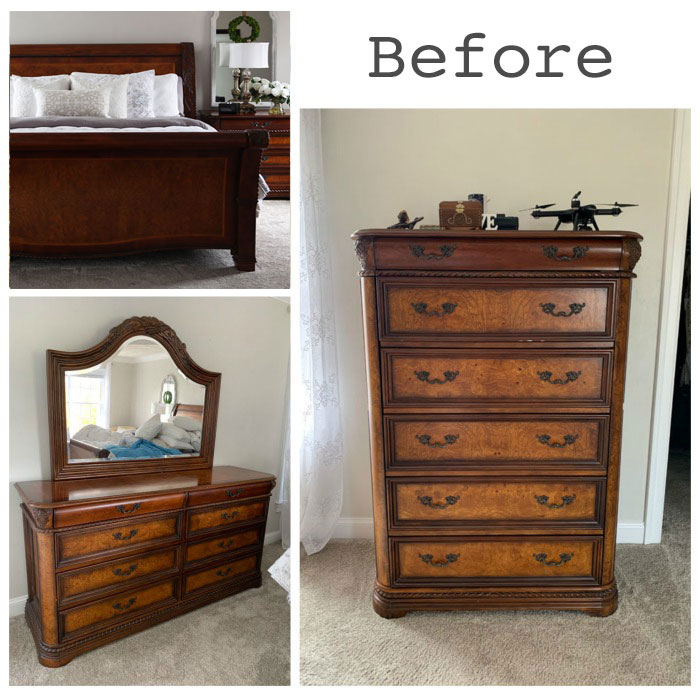
Defining Your Vision: Style & Color Palette
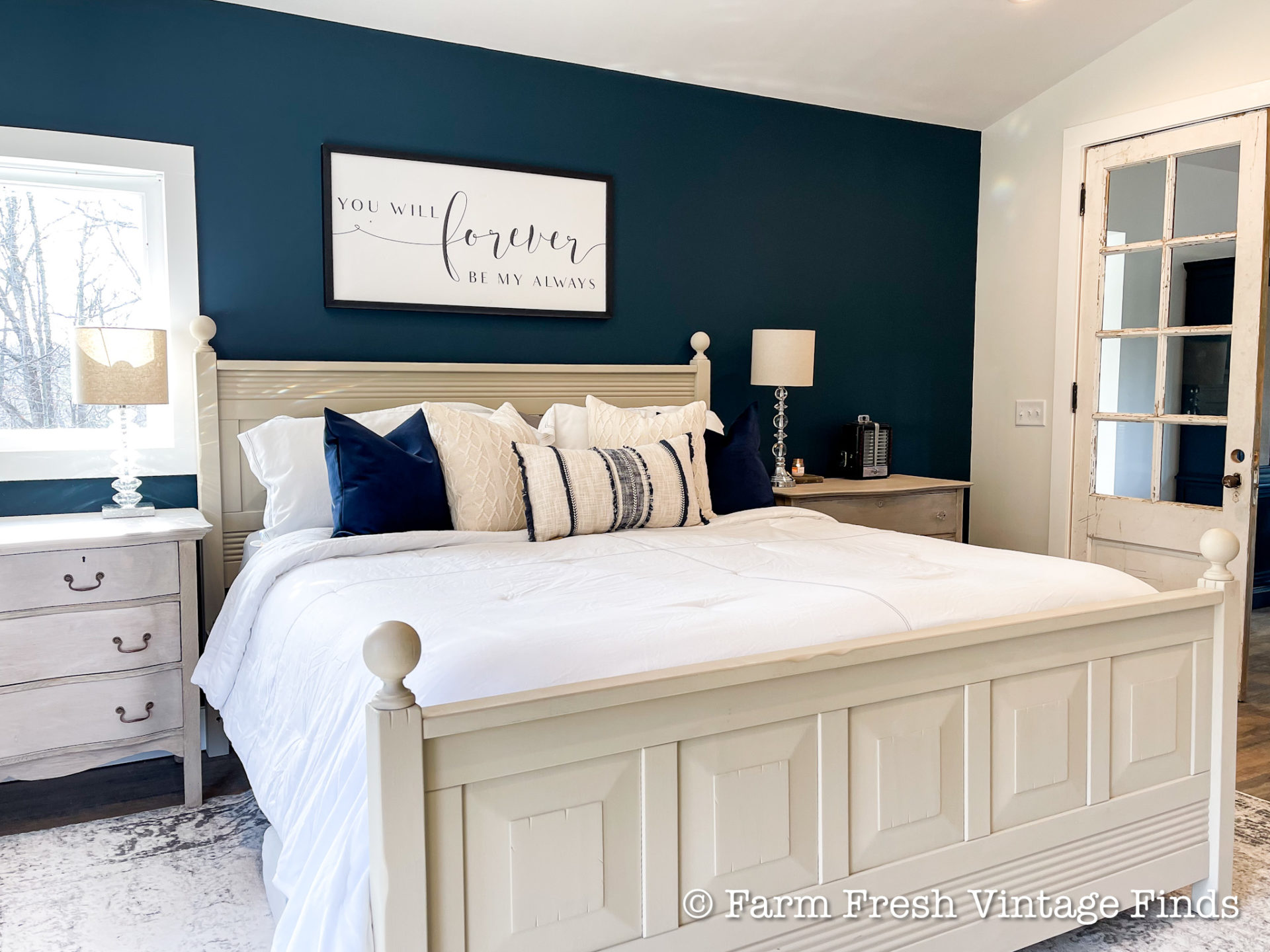
Before you even think about buying paint, close your eyes and imagine your ideal bedroom. What mood do you want to create? What colors complement your existing decor, wall color, or bedding? Do you envision a sleek modern look, a distressed farmhouse vibe, or a classic, elegant finish?
- Gather Inspiration: Look at Pinterest, Instagram, home decor magazines, or even furniture stores. Save images of painted furniture that speak to you.
- Consider Your Bedroom’s Aesthetic: Is it minimalist, bohemian, traditional, or something in between? Your painted set should integrate seamlessly.
- Color Theory Basics: Think about how your chosen color will interact with other elements in your room. Warm tones (reds, yellows, oranges) create a cozy feel, while cool tones (blues, greens, purples) offer a serene atmosphere. Neutrals (grays, whites, blacks) are versatile and timeless.
Inspecting Your Furniture: What Can (and Can’t) Be Painted?
Not all furniture is created equal, and some pieces are better candidates for painting than others. A thorough inspection will save you headaches.
- Material Matters:
- Solid Wood: Ideal for painting. It holds paint well, is durable, and can be sanded easily.
- Veneer: Thin layer of real wood over particleboard. Can be painted, but be gentle with sanding to avoid sanding through the veneer.
- Laminate/Melamine: A synthetic, plastic-like surface. These can be painted, but require specific primers (like a shellac-based primer or high-adhesion primer) to ensure the paint sticks. Light sanding is still beneficial, but don’t try to strip it.
- Metal: Less common for bedroom sets, but can be painted with the right metal-specific primer and paint.
- Assess Condition:
- Dents & Scratches: Minor imperfections are easily filled with wood filler.
- Deep Gouges/Missing Chunks: More extensive repairs might be too time-consuming or complex for a beginner.
- Loose Joints: Wobbly legs or drawers should be repaired and reinforced before painting.
- Peeling Veneer: If the veneer is significantly peeling, you might need to remove it or use strong adhesive to reattach it before painting.
- Drawers & Functionality: Ensure drawers slide smoothly. If they stick, painting might exacerbate the problem, so address it beforehand (e.g., sanding drawer runners, applying wax).
Choosing the Right Paint for Your Bedroom Furniture
This is where things can get a little overwhelming with all the options out there. I’m going to break down the most popular types for furniture painting.
| Paint Type | Pros | Cons | Best Use Case | Price Range (per quart) |
|---|---|---|---|---|
| Latex/Acrylic Latex | Widely available, easy cleanup (water), durable with topcoat, wide color range, low VOC options. | Requires thorough prep (sanding/priming) for best adhesion, can show brush strokes if applied improperly. | General-purpose, high-traffic pieces needing durability and custom color. | $20 – $50 |
| Chalk Paint | Minimal prep (often no sanding/priming needed), matte finish, easy to distress, great for vintage/shabby chic look. | Less durable without a wax or poly topcoat, limited color range in some brands, can be pricey. | Achieving a distressed or matte, soft finish. | $30 – $60 |
| Mineral Paint | Built-in topcoat, excellent durability, smooth finish, self-leveling, good adhesion without heavy prep. | Can be more expensive, less ideal for distressing, slower drying/curing times than chalk paint. | Modern, durable, smooth finishes where minimal prep is desired. | $40 – $70 |
| Milk Paint (with bonding agent) | Creates authentic antique/chippy look (without bonding agent), vibrant colors, non-toxic, eco-friendly. | Requires mixing powder, without bonding agent chips easily (can be a pro or con depending on desired look), needs topcoat. | Achieving a true vintage or chippy look, or a smooth finish with bonding agent. | $25 – $45 |
| All-in-One Paints (e.g., Beyond Paint) | Minimal prep, built-in primer/topcoat, designed for ease of use, good adhesion to various surfaces. | Limited color selection, can be thick to work with, typically more expensive upfront. | Quick makeovers, laminate/tricky surfaces, for beginners wanting simplicity. | $50 – $80 |
Understanding Paint Finishes (Sheens): The sheen level affects both the look and durability.

- Matte/Flat: Non-reflective, hides imperfections well. Least durable, hardest to clean. Best for decorative, low-touch pieces.
- Eggshell/Satin: Low-sheen, soft luster. More durable than matte, easier to clean. Excellent choice for bedroom furniture – offers a refined look without being too shiny. My personal favorite!
- Semi-Gloss: Noticeable shine, very durable, easy to clean. Great for high-traffic areas or children’s furniture. Can highlight imperfections.
- High-Gloss: Mirror-like shine, most durable and easiest to clean. Very modern look, but unforgiving of surface imperfections.
Essential Supplies & Tools You’ll Need
Having everything on hand before you start will make the process much smoother.
Cleaning & Prep:
- Degreaser/Cleaner: TSP (Trisodium Phosphate) substitute, Dawn dish soap, or a dedicated furniture cleaner.
- Rags/Sponges: For cleaning and wiping.
- Sanding Blocks/Sandpaper: Various grits (150, 220, 320).
- Wood Filler: For dents and scratches.
- Putty Knife: For applying wood filler.
- Screwdriver/Drill: To remove hardware.
- Painter’s Tape: High-quality tape for crisp lines.
- Drop Cloths/Plastic Sheeting: To protect your workspace.
- Tack Cloths or Microfiber: Essential for removing dust after sanding.
Painting & Finishing:
- Primer: Appropriate for your furniture type (e.g., Zinsser B-I-N Shellac-Based for tricky surfaces, KILZ 2 ALL-PURPOSE for general use).
- Paint: Your chosen color and type.
- Brushes: High-quality synthetic brushes for smooth finishes (e.g., angled sash brushes for details).
- Rollers: Small foam rollers or micro-fiber rollers for smooth surfaces.
- Paint Tray/Liner: For easy paint loading.
- Topcoat/Sealer: Polycrylic (water-based) or a clear wax (for chalk paint).
- Stir Sticks: To mix paint thoroughly.
- Paint Sprayer (Optional): If you want an ultra-smooth, factory-like finish.
Safety Gear:
- Gloves: Protect your hands from paint and chemicals.
- Safety Glasses: Protect your eyes from splashes or dust.
- Respirator/Mask: Crucial for protecting your lungs from fumes and sanding dust, especially when using oil-based products or spray paint.
| Tool | Pros | Cons | Best For |
|---|---|---|---|
| Brush | Excellent for detail, corners, carved areas. Good control. Affordable. | Can leave brush strokes, slower for large flat surfaces. | Intricate designs, edges, small pieces, final smoothing. |
| Roller (Foam/Micro-fiber) | Fastest for large, flat surfaces. Minimizes brush strokes. Even application. | Poor for details/corners, can leave a slight texture (stipple). | Dresser tops, cabinet doors, large flat panels. |
| Paint Sprayer | Achieves a flawless, factory-smooth finish with no brush/roller marks. Very fast application. | Requires practice, significant setup/cleanup time, more expensive, needs good ventilation, overspray can be an issue. | High-end finish, multiple pieces, complex shapes. |
The Step-by-Step Process: How to Paint Your Bedroom Set Like a Pro
Alright, let’s get down to business! Follow these steps carefully for a durable, beautiful finish.
Step 1: Prep Like a Pro (This is CRUCIAL!)
I cannot stress this enough: 90% of a great paint job is in the prep work. Skimp here, and you’ll regret it later with peeling paint or an uneven finish.
- Disassemble & Remove Hardware: Take off all drawers, pull out any removable shelves, and remove all hardware (knobs, pulls, hinges). Label everything if it’s complex! Store hardware in labeled bags or containers.
- Clean Thoroughly: This is non-negotiable. Grease, grime, dirt, and old polish prevent paint from adhering. Use a degreaser (like a TSP substitute or a strong detergent solution) and a damp rag. Wipe down every surface, inside and out. Follow with a clean water rinse and let it dry completely.
- Repair Imperfections: Now’s the time to fix those dings and scratches. Apply wood filler with a putty knife to any holes, gouges, or deep scratches. Overfill slightly, then let it dry completely (check product instructions).
- Sand for Adhesion: This creates a “tooth” for the primer and paint to grip. Even if your paint says “no sanding required,” a light scuff sand is always a good idea for durability. Use 150-grit sandpaper if there are significant imperfections or an existing gloss finish, then move to 220-grit for a smoother finish. For previously painted or lacquered pieces, aim to de-gloss the surface, not necessarily remove all the old finish. For laminate, a light scuff is all you need.
- Dust Removal: After sanding, there will be a fine layer of dust everywhere. Vacuum or wipe down the piece with a dry cloth first. Then, use a tack cloth (a slightly sticky cloth) or a microfiber cloth to meticulously remove all remaining dust. This step is critical; any dust left behind will be trapped under your paint.
- Tape Off Areas: Use high-quality painter’s tape to protect any areas you don’t want painted, such as drawer interiors, specific trim, or parts of a headboard you want to keep natural. Press the tape down firmly to prevent bleed-through.
Step 2: Priming for Perfection
Primer creates a uniform base for your paint, enhancing adhesion, blocking stains, and ensuring your topcoat color looks true.
- Choose the Right Primer:
- Water-based (Latex) Primer: Good for most general projects, easy cleanup, low odor.
- Oil-based Primer: Excellent for blocking stains (knots, watermarks), strong adhesion, good for slick surfaces. Strong fumes, requires mineral spirits for cleanup.
- Shellac-based Primer (e.g., Zinsser B-I-N): The ultimate stain blocker, ideal for bleed-through issues (like old dark wood or glossy laminate), dries very fast. Strong fumes, requires denatured alcohol for cleanup.
- Apply Thin Coats: Stir your primer well. Using a high-quality brush or small foam roller, apply a thin, even coat of primer. Avoid overloading your brush/roller to prevent drips. Work in one direction.
- Allow Adequate Drying Time: Check the primer can for recommended drying times between coats. Don’t rush this! Often 1-2 hours for water-based, longer for oil-based.
- Light Sanding (Optional, but Recommended): After the first coat of primer is dry, a very light sand with 320-grit sandpaper (or a fine sanding sponge) will smooth out any minor imperfections or texture. Wipe clean with a tack cloth. Apply a second thin coat of primer if the original surface was very dark, stained, or if you’re painting a light color over a dark one.
Step 3: Painting Your Furniture (The Fun Part!)
This is where your vision truly comes to life!

- Stir Your Paint: Always stir your paint thoroughly before and during use to ensure pigments are evenly distributed.
- First Coat: Thin & Even: Your first coat might look patchy or uneven – don’t panic! It’s just creating a base. Apply a thin, even layer using your chosen tool (brush, roller, or sprayer). If using a brush and roller, use the brush for corners and details, then immediately follow with the roller for flat surfaces to minimize marks.
- Dry & Lightly Sand Between Coats: Let the first coat dry completely (again, consult the can – typically 2-4 hours for latex). Then, very lightly sand with 320-grit sandpaper. This removes any dust nibs or slight texture, making the next coat smoother. Clean with a tack cloth.
- Subsequent Coats: Apply 2-3 more thin coats, following the drying and light sanding/dusting process between each. Most furniture projects require at least two coats of paint, and often three, especially if you’re going from dark to light. Resist the urge to apply one thick coat – it leads to drips and a longer drying time.
- Handling Tricky Areas: For intricate details or carved areas, a small artist’s brush can be helpful. For drawer fronts, paint the edges first, then the flat surface.
Step 4: Sealing & Protecting Your Masterpiece
A topcoat is your furniture’s protective shield, guarding against chips, scratches, and everyday wear and tear. It’s absolutely essential for bedroom furniture.
- Why Topcoat? It significantly increases the durability and longevity of your painted finish, especially for high-use items like dressers and nightstands.
- Types of Topcoats:
- Polycrylic (Water-based Polyurethane): My go-to for latex paint. Dries clear, non-yellowing, easy cleanup. Available in various sheens.
- Polyurethane (Oil-based): Very durable, but can amber (yellow) over light paint colors over time. Strong fumes, harder cleanup.
- Clear Wax: Often used with chalk paint for a soft, protective finish. Needs reapplication periodically.
- Clear Coat (Spray): Convenient for small items, but can be hard to get an even finish on large pieces.
- Application: Ensure your final paint coat is completely dry (24 hours is a good rule of thumb). Apply 2-3 thin, even coats of your chosen topcoat using a clean brush or foam applicator. Lightly sand with 400-grit sandpaper between coats for an ultra-smooth finish, wiping clean with a tack cloth each time.
- Curing vs. Drying Time: This is important! The topcoat will be dry to the touch in a few hours, but it takes time to fully harden or “cure.” This can be anywhere from 7 to 30 days, depending on the product and humidity. Be gentle with your furniture during this curing period – avoid heavy objects, dragging items, or aggressive cleaning.
Step 5: Reassembly & Finishing Touches
You’re almost there! The final steps bring your vision to life.
- Install Hardware: Once everything is completely dry to the touch, reattach your old hardware or install new knobs and pulls. New hardware can dramatically change the look of a piece.
- Add Accessories: Consider adding new feet or legs to elevate the furniture (literally and aesthetically).
- Place with Care: Gently move your newly transformed bedroom set back into its spot. Remember the curing time – treat it with kid gloves for the next few weeks!
Expert Tips & Troubleshooting Common Painting Problems
Even pros run into hiccups. Here’s how to navigate common issues like a seasoned painter.
Avoiding Brush Strokes & Roller Marks
- Use High-Quality Tools: Cheap brushes shed bristles and leave streaks. Good quality synthetic brushes (for water-based paints) and fine-finish foam rollers make a huge difference.
- Don’t Overload: Apply thin coats. Too much paint at once creates drips and heavy brush marks.
- Work Quickly & Evenly: Paint in long, consistent strokes. Don’t go back over areas that are already starting to dry.
- Add a Paint Conditioner: For latex paints, adding a small amount of Floetrol (or similar product) can help the paint self-level, reducing brush and roller marks.
- Light Sanding: Lightly sanding between coats (with 220-320 grit sandpaper for paint, 400 grit for topcoat) is the secret weapon for a smooth finish.
Dealing with Bleed-Through
This is when natural tannins from wood (especially oak, mahogany, cherry, or redwood) or old stains/markers leach through your primer and paint, creating yellow or reddish spots.

- The Solution: Immediately apply a coat of shellac-based primer (like Zinsser B-I-N). It’s the best product for blocking bleed-through. You might need 1-2 coats. Let it dry thoroughly before continuing with your paint.
Fixing Drips & Sags
Drips happen when too much paint is applied in one area. Sags are similar but usually occur on vertical surfaces.
- Wet Drips: If you catch a drip while the paint is still wet, gently smooth it out with your brush or roller.
- Dry Drips: If the paint is dry, carefully sand down the drip with 220-grit sandpaper until it’s smooth and flush with the rest of the surface. Then, clean the dust and reapply a thin coat of paint.
When to Sand Again?
The general rule of thumb:
- After initial prep: Before primer, use 150-220 grit.
- Between primer coats: Lightly with 320 grit to smooth.
- Between paint coats: Lightly with 220-320 grit to remove dust nibs and smooth texture.
- Between topcoat layers: Very lightly with 400 grit for an ultra-smooth, professional feel.
- To fix imperfections: Anytime you have a drip, rough spot, or trapped dust, sand it smooth and reapply paint/topcoat.
Caring for Your Newly Painted Furniture
Now that you’ve invested your time and effort, you want your beautiful new bedroom set to last!
- Gentle Cleaning: For routine cleaning, a damp, soft cloth is usually all you need. For tougher spots, use a mild soap (like dish soap) diluted in water. Avoid harsh chemical cleaners, abrasive scrubbers, or anything containing alcohol or ammonia, as these can damage the paint and topcoat.
- Protect from Scratches: Use coasters under drinks, felt pads under lamps or decor, and avoid dragging items across the surface.
- Avoid Direct Sunlight: Prolonged exposure to direct sunlight can cause paint colors to fade or the topcoat to degrade over time.
- Humidity Control: Extreme changes in humidity can cause wood to expand and contract, potentially leading to cracks in the paint. Maintain a stable indoor environment if possible.
Painting your bedroom set is more than just a DIY project; it’s an opportunity to refresh your space, express your style, and create something truly unique with your own hands. Yes, it requires patience and a bit of elbow grease, but the satisfaction of seeing your vision come to life is incredibly rewarding. So grab your sandpaper, pick out that perfect shade, and get ready to transform your bedroom into a sanctuary you absolutely adore. You’ve got this!