Unlocking the Magic: The Ultimate Guide to Green Paint for Dark Rooms
Ever walked into a room with low natural light and thought, “This space needs a refresh, but how do I make it feel vibrant, not dingy?” If you’ve been eyeing green paint, but worried it would turn your dark room into a shadowy cave, you’re not alone. It’s a common misconception that dark rooms demand only light, bright colors to appear larger or less oppressive. But here’s the truth: embracing depth and strategically chosen hues can create an incredibly rich, sophisticated, and yes, even cozy ambiance. And few colors do this better than green.
Forget the notion that green is only for sun-drenched conservatories. When wielded correctly, green paint can transform a dark room from forgotten to fabulous. We’re not just talking about any green; we’re diving into the specific greens, the crucial considerations, and the designer secrets that make green paint a surprising ally for those challenging, low-light spaces. Get ready to turn your dim room into a design statement.
Can Green Paint Really Work in a Dark Room? (Spoiler: Yes, and Beautifully!)
Let’s address the elephant in the room: the fear that green paint, especially a deeper shade, will make an already dark room feel even smaller and gloomier. This couldn’t be further from the truth if you understand a few key principles. Instead of fighting the lack of light, green paint allows you to lean into the moodiness, create intimacy, or introduce a natural, grounding feel that brighter colors simply can’t achieve.
Think about it: Nature’s most serene and inspiring places – a dense forest, a mossy riverbank – are often bathed in varying degrees of shade, yet they exude a profound sense of calm and beauty. Green, particularly those with earthy or jewel tones, inherently connects us to this natural world. In a dark room, this connection deepens, creating a tranquil, cocoon-like retreat. It’s about leveraging the existing conditions to your advantage, rather than trying to force a bright, airy aesthetic where it simply won’t thrive.
The trick isn’t to make the room seem brighter (often a futile battle in low-light conditions), but to make it feel intentional, inviting, and wonderfully atmospheric. Whether you’re aiming for a dramatic study, a serene bedroom, or a cozy living space, green offers a spectrum of possibilities.
The Non-Negotiable Factor: Understanding Light Reflectance Value (LRV)
When selecting paint for *any room, but especially a dark one, you absolutely need to understand Light Reflectance Value (LRV). This isn’t just a fancy paint term; it’s a critical number that tells you how much visible and usable light a color reflects or absorbs. LRV is measured on a scale from 0 (absolute black, absorbing all light) to 100 (pure white, reflecting all light).

Why is LRV CRITICAL for dark rooms? Because in spaces with limited natural light, every bit of reflected light matters. A paint color with a higher LRV will bounce more light back into the room, making it feel lighter and more open. Conversely, a lower LRV color will absorb more light, creating a deeper, more saturated, and often more intimate feel.
The key isn’t necessarily to pick the highest LRV green, but to choose one that aligns with your desired mood and how you want the room to feel rather than just look*. Understanding LRV empowers you to make an informed choice that works with your room’s unique lighting conditions.
High LRV Greens: When You Need to Lift the Mood
If your dark room feels oppressive and you want to introduce a sense of openness without resorting to plain white, greens with a higher LRV (typically above 50) are your best friend. These greens often have more white or gray mixed in, making them softer, airier, and more reflective. They won’t make a dark room sunny, but they will prevent it from feeling like a cave.
- Sage Greens: Think soft, muted green-grays. They offer a sophisticated neutral backdrop that feels fresh and calm. Their higher LRV helps them reflect what little light there is, preventing them from feeling flat.
- Celadon: A pale, grayish-green with a hint of blue. Celadon is incredibly serene and has enough reflectivity to feel airy even in low light. It’s often used in bathrooms and bedrooms for its spa-like qualities.
- Muted Olives: While some olives can be deep, lighter, desaturated olive tones offer warmth and a connection to nature without being heavy. Their subtle earthiness feels grounded and inviting.
These greens are ideal for rooms where you want a gentle lift, a connection to nature, and a calming atmosphere without sacrificing depth. They work beautifully with natural wood tones, crisp whites, and warm metals.
Low LRV Greens: Embracing Drama and Cocooning Comfort
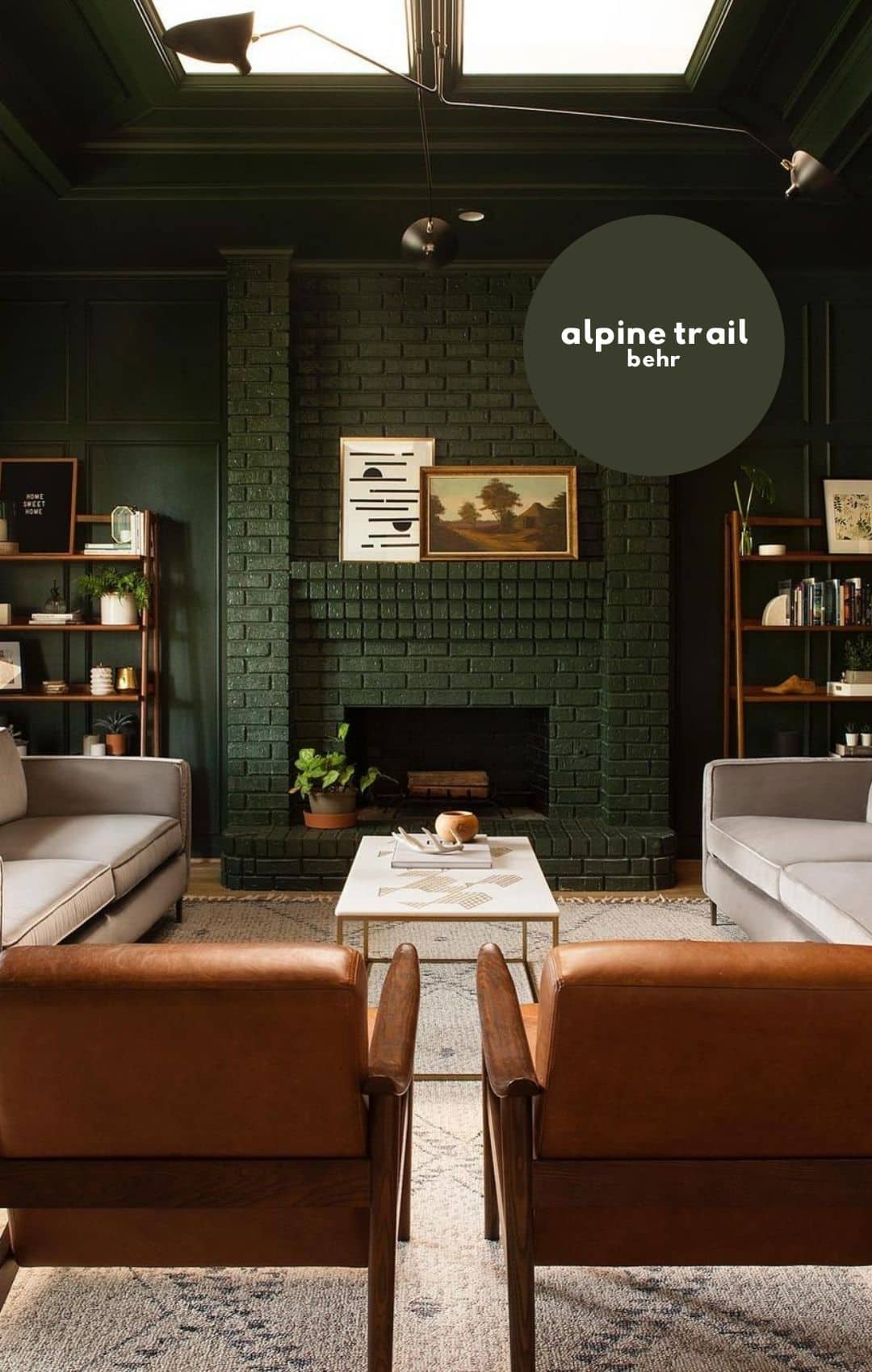
Now, if your goal is to create a truly atmospheric, sophisticated, or wonderfully cozy retreat – the kind of room that begs you to curl up with a book – then greens with a low LRV (typically below 30) are calling your name. These are the deep, rich, saturated greens that absorb light, creating a sense of drama and envelopment. Don’t shy away from them just because your room is dark; lean into it!
- Deep Forest Greens: These are the quintessential “dark greens.” Rich, organic, and often with subtle blue or black undertones, they create a dramatic backdrop. Think Farrow & Ball’s Studio Green or Benjamin Moore‘s Essex Green. They feel incredibly luxurious and sophisticated in a low-light space.
- Emerald Greens: Vibrant and jewel-toned, emerald greens can surprisingly thrive in dark rooms, especially when paired with luxurious textures. They offer a bolder statement than forest green, bringing a touch of opulence.
- Hunter Green: A classic, deep, true green. Hunter green is timeless and provides a strong, grounding presence. It evokes tradition and comfort, perfect for a library or a moody bedroom.
These low LRV greens work best when you commit to the mood. They are not trying to lighten the room, but rather to transform it into a sophisticated, intimate sanctuary. Pair them with thoughtful lighting, warm woods, and metallic accents to enhance their richness.
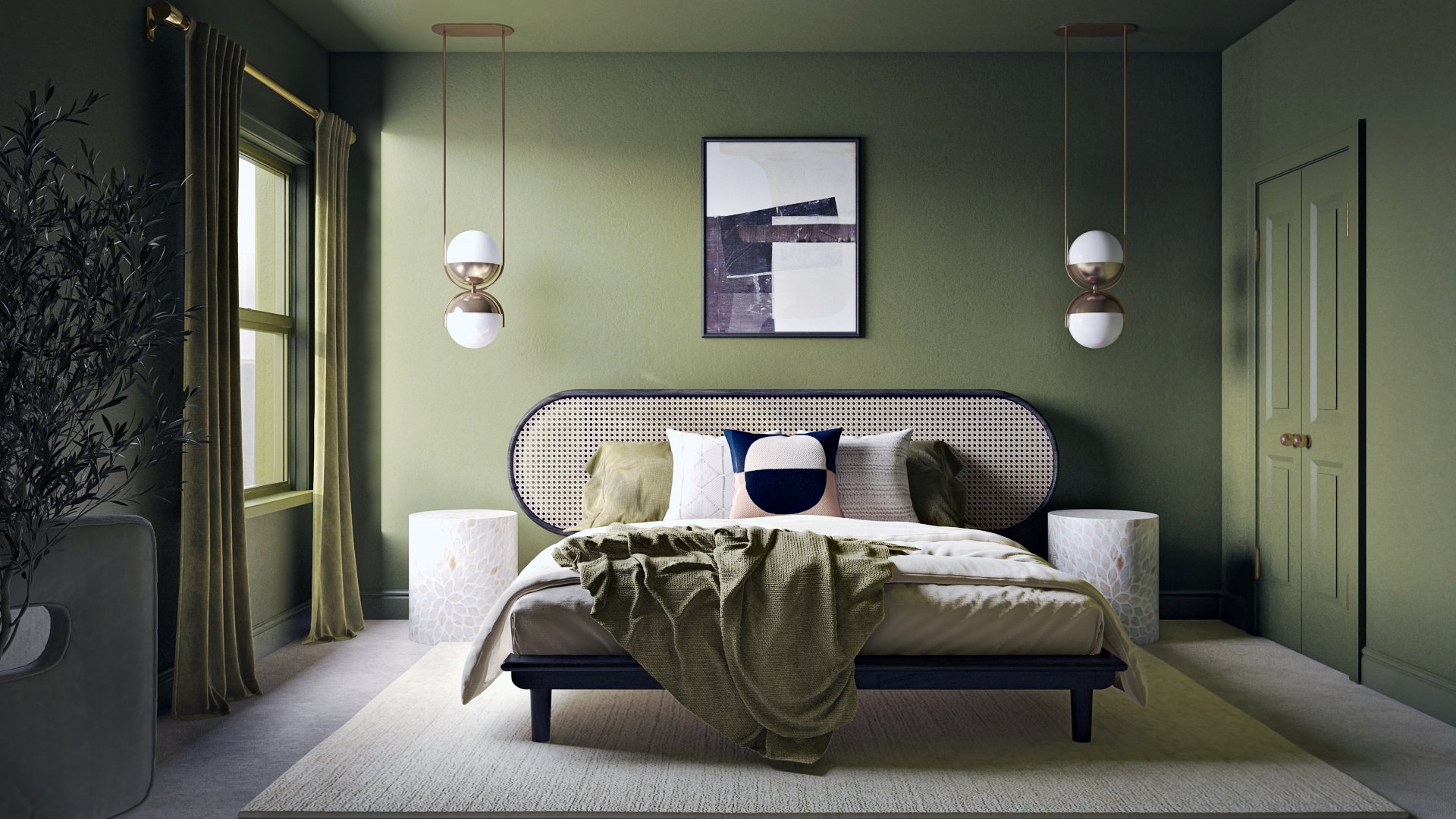
Mastering Undertones: How Green Behaves in Low Light
Beyond LRV, undertones are the silent architects of color perception, especially in low light. Green is a versatile color, a mix of blue and yellow, which means its undertones can lean cool (blue), warm (yellow), or neutral (gray). Understanding how these undertones interact with your room’s natural and artificial light sources is crucial.
In a dark room, undertones can become more pronounced or even shift, so testing samples in your actual space is non-negotiable. What looks like a perfect sage in the paint store might appear unexpectedly blue or muddy in your dimly lit living room.
Blue Undertones: Cool, Serene, and Expansive
Greens with blue undertones tend to be cooler, more crisp, and can evoke a sense of calm and tranquility. Think of deep teals, blue-greens, or some darker forest greens that lean towards a pine shade. In a dark room, blue undertones can help a space feel:
- More expansive: Cooler colors tend to recede, giving the illusion of more space.
- Serene and formal: Ideal for bedrooms, studies, or more formal living areas where relaxation and sophistication are key.
- Crisp and clean: They pair beautifully with white trim, silver metallics, and cool-toned fabrics.
Best for: North-facing rooms (which already have cooler light), spaces where you desire a calming, meditative atmosphere, or rooms with minimalist design. Be cautious in very cold, dark rooms, as they might feel too chilly if not balanced with warm textures and lighting.
Yellow Undertones: Warmth, Vitality, and Natural Feel
Greens with yellow undertones are warmer, more inviting, and often feel more organic and earthy. Think of olive greens, moss greens, or some richer lime greens. In a dark room, yellow undertones can:
- Introduce warmth: They can counteract the coolness of low natural light, making the room feel more inviting and cozy.
- Create an organic feel: Perfect for bringing a touch of the outdoors in, even when the view isn’t spectacular.
- Feel vibrant: Even in deeper shades, the yellow can give a subtle vibrancy that prevents the color from feeling flat.
Best for: Rooms needing a boost of coziness, spaces where you want to evoke a natural, earthy ambiance, or rooms with south-facing windows (which receive warmer light) where you want to enhance that warmth. They pair beautifully with natural woods, gold accents, and creamy whites.
Gray Undertones: Sophistication, Subtlety, and Versatility
Greens with gray undertones are often muted, sophisticated, and incredibly versatile. These are the chameleon greens – sage, eucalyptus, or some desaturated forest greens. In a dark room, gray undertones can:
- Add sophistication: They lend an air of understated elegance and modernity.
- Be incredibly flexible: They work well with a wide range of other colors and design styles.
- Feel balanced: They often strike a perfect balance between warm and cool, making them adaptable to different lighting conditions.
Best for: Contemporary or transitional spaces, rooms where you want a neutral yet interesting backdrop, or for those who want to dip their toes into green without going too bold. Gray-greens are often forgiving in varying light and can feel serene without being dull.
The Best Green Paint Colors for Dark Rooms: Curated Selections
Let’s get specific! While the exact shade will depend on your room’s unique light and your personal preference, here are some top contenders for green paint in dark rooms, broken down by their ideal application. Remember to always sample first!
| Color Name & Brand (Example) | LRV (Approx.) | Primary Undertone | Ideal Dark Room Application | Mood Created |
|---|---|---|---|---|
| Benjamin Moore October Mist 1495 | 46.33 | Gray/Yellow | Living rooms, bedrooms, offices needing a calming, earthy feel without being too dark. | Calm, grounding, sophisticated, slightly uplifted. |
| Sherwin-Williams Evergreen Fog SW 9130 | 30 | Gray/Blue | Bedrooms, dining rooms, creating a serene, sophisticated retreat. | Serene, sophisticated, tranquil, modern. |
| Farrow & Ball Studio Green No. 93 | 10 | Black/Blue | Dramatic accent walls, luxurious bedrooms, formal dining rooms, libraries. | Dramatic, luxurious, cocooning, sophisticated. |
| Benjamin Moore Hunter Green 2041-10 | 6.39 | Black/Blue | Deep, traditional libraries, cozy dens, masculine studies, statement rooms. | Classic, cozy, traditional, intimate. |
| Clare Current Mood | 14 | Black/Blue | Modern bedrooms, dining rooms, dramatic hallways for a bold, trendy look. | Moody, contemporary, dramatic, chic. |
| Sherwin-Williams Basil SW 6194 | 20 | Brown/Gray | Kitchens, mudrooms, living spaces for an earthy, inviting, sophisticated feel. | Earthy, inviting, grounded, rich. |
Light & Lively Greens for a Dark Space
These greens aim to lighten the overall feel while still providing color and depth. They often have a higher LRV and more significant gray or white undertones.
- Benjamin Moore October Mist 1495 (LRV 46.33): A gentle, subtly muted sage that feels fresh yet grounded. It’s light enough to prevent a room from feeling heavy but rich enough to have personality. It pairs beautifully with natural wood tones and off-whites.
- Sherwin-Williams Evergreen Fog SW 9130 (LRV 30): While its LRV is lower, its prominent gray-blue undertone keeps it from feeling overwhelmingly dark. It’s calming, sophisticated, and reflects enough light to be a wonderful choice for a bedroom or living area in a low-light setting.
- Benjamin Moore Seafoam Green 2123-60 (LRV 67.9): If you want to lean much lighter, this soft, almost pastel green-blue is incredibly airy. It will definitely brighten a dark room without resorting to pure white, offering a whisper of color.
Deep & Dramatic Greens for a Dark Space
These are the greens for embracing the mood, creating intimacy, and making a bold statement. Their low LRV means they absorb light, deepening the room’s atmosphere.
- Farrow & Ball Studio Green No. 93 (LRV 10): A truly deep, almost black-green that is incredibly sophisticated. It transforms a dark room into a luxurious jewel box, especially when paired with warm lighting and rich textures. It’s for the brave and the bold.
- Benjamin Moore Hunter Green 2041-10 (LRV 6.39): A classic, rich green that evokes tradition and comfort. It’s ideal for creating a cozy, cocoon-like library, den, or a dramatic bedroom. Its depth makes it feel grand and established.
- Clare Current Mood (LRV 14): A modern take on a deep forest green, with subtle blue-black undertones. It’s moody without being oppressive, perfect for creating a chic, contemporary vibe in a low-light space.
Earthy & Grounded Greens for a Dark Space
These greens bring the outdoors in, offering a sense of connection to nature, even in a room with limited views. They often have noticeable brown or yellow undertones.

- Sherwin-Williams Basil SW 6194 (LRV 20): A wonderfully rich, earthy green with brown and gray undertones. It feels organic and inviting, perfect for a kitchen, dining room, or a living space where you want a grounded, sophisticated atmosphere.
- Benjamin Moore Backwoods 2149-10 (LRV 10.39): A deep, mossy green that truly feels like a walk in a dense forest. It’s incredibly grounding and brings a serene, natural depth to a dark room, especially when complemented by wood and stone elements.
- Behr Secret Meadow S380-6 (LRV ~15): A deep, muted olive-green that offers an organic warmth. It avoids the starkness of some deeper greens while still providing significant depth and a soothing, natural presence.
Beyond the Walls: Complementary Elements for Your Green Dark Room
Choosing the perfect green is just the beginning. To truly make your green-painted dark room sing, you need to think holistically. The surrounding elements – lighting, trim, furniture, and decor – play an enormous role in defining the final look and feel.
Lighting is King: Brightening and Highlighting
In a dark room, artificial lighting isn’t just functional; it’s a design tool. You’re not fighting the darkness; you’re orchestrating the light to create atmosphere and highlight your chosen green.
- Layered Lighting: Don’t rely on a single overhead fixture. Combine ambient lighting (general illumination from flush mounts, recessed lights), task lighting (lamps for reading or working), and accent lighting (spotlights on art, uplights to wash walls). This creates depth and allows you to control the mood.
- Warm vs. Cool Bulbs: Opt for warm white bulbs (2700K-3000K). Cooler, bluer lights (above 4000K) can make green walls feel stark or sickly in a dark room. Warm light will enhance the richness of your green.
- Reflective Surfaces: Incorporate mirrors, metallic accents (brass, gold, polished chrome), and glossy finishes (like a lacquered coffee table) to bounce light around the room.
Trim, Ceiling, and Doors: Strategic Contrast
The colors you choose for your trim, ceiling, and doors can drastically alter how your green walls are perceived.
- Crisp White Trim: A classic choice that creates a stark, clean contrast. This can make deep greens pop and provide visual relief, especially if you’re using a very dark shade.
- Soft Off-White/Cream Trim: For a warmer, less stark look, an off-white or cream trim will soften the transition and enhance the cozy feel, particularly with earthy or yellow-undertoned greens.
- Matching Trim (Monochromatic): Painting the trim the same green as the walls can create a seamless, enveloping effect, making the room feel larger and more intentional. This is a bold, modern choice.
- Ceiling Color: Generally, a lighter ceiling (white or a very pale off-white) will prevent a dark room from feeling too enclosed. However, in a truly dramatic space, you could consider painting the ceiling a slightly lighter shade of your wall green, or even a deep, contrasting hue for a truly maximalist approach.
Furniture and Decor: Adding Depth and Interest
Your furnishings and accessories are crucial for completing the look and preventing a green-painted dark room from feeling one-dimensional.
- Materials & Textures: Embrace rich textures. Velvets, wools, chunky knits, natural wood, leather, and woven materials add visual and tactile warmth. These textures absorb and reflect light differently, adding layers of interest.
- Accent Colors: Consider colors that complement green beautifully. Blush pinks, deep corals, warm creams, camel tones, rich browns, and golds create sophisticated pairings. For a bolder look, consider mustard yellow or deep plum.
- Metallic Accents: Gold, brass, or copper fixtures, frames, and decorative objects will shimmer against green walls, adding warmth and luxury.
- Art and Mirrors: Large-scale art with light backgrounds or vibrant colors can break up expansive green walls. Strategically placed mirrors will reflect light and views, expanding the perceived space.
- Indoor Plants: Yes, more green! Plants bring life and additional texture, reinforcing the natural connection of your green walls. Choose plants that tolerate low light.
Essential Tips Before You Commit to Green Paint in a Dark Room
This isn’t a decision to be made on a whim. Take your time, test your choices, and trust your gut.
- Sample, Sample, Sample: This is non-negotiable. Paint large swatches (at least 2’x2′) on different walls of your room. Better yet, use peel-and-stick samples from companies like Samplize – they provide true color representation without the mess.
- Observe Throughout the Day: The light in your room changes dramatically from morning to evening. What looks stunning at noon might feel flat by twilight. Observe your samples in natural light, artificial light, and at different times to see how the color shifts.
- Consider the Room’s Purpose: A dramatic, deep green might be perfect for a cozy den or a formal dining room, but perhaps too intense for a bright kitchen or a child’s playroom. Align the mood with the function.
- Don’t Fear the Dark: Resist the urge to lighten every dark room. Sometimes, embracing the darkness with a rich, enveloping color like green can create the most impactful and inviting spaces. Trust the process and lean into the mood.
- Consult a Designer (if unsure): If you’re overwhelmed, a color consultant or interior designer can provide personalized advice based on your room’s specific conditions and your aesthetic goals.
Green paint in a dark room isn’t just a trend; it’s a timeless strategy for creating spaces that feel intentional, luxurious, and deeply inviting. By understanding LRV, mastering undertones, and thoughtfully integrating complementary elements, you can transform your low-light room into a verdant sanctuary you’ll love for years to come. So, go ahead – embrace the green, embrace the mood, and create something truly spectacular.

Frequently Asked Questions
Is green paint a good choice for a dark room?
Yes, absolutely! While counter-intuitive, green paint can transform a dark room into a sophisticated, cozy, or dramatic space. It’s about choosing the right shade of green, understanding its Light Reflectance Value (LRV), and using complementary design elements to enhance the room’s unique mood rather than fighting the lack of light.
What is LRV and why is it important for dark rooms?
LRV stands for Light Reflectance Value, a scale from 0 (pure black) to 100 (pure white) that indicates how much light a paint color reflects. For dark rooms, LRV is crucial: higher LRV greens reflect more light, making a room feel slightly brighter and more open, while lower LRV greens absorb light, creating a deep, moody, and intimate atmosphere. Your choice depends on the desired mood.
Which green undertones work best in low light?
Green paint can have blue, yellow, or gray undertones, and each behaves differently in low light. Blue undertones create a cooler, more serene feel; yellow undertones add warmth and an organic touch; and gray undertones offer sophistication and versatility. Always test samples in your room to see how the undertone shifts with the specific lighting conditions throughout the day.
How can I prevent a dark green room from feeling too small or oppressive?
To prevent a dark green room from feeling oppressive, focus on layering. Use thoughtful lighting (ambient, task, accent) with warm bulbs to create depth. Incorporate reflective surfaces like mirrors and metallics. Use strategic trim colors (crisp white for contrast, or matching for an enveloping feel). And don’t forget rich textures in furniture and decor to add visual interest.
Should I use light or dark green in a dark room?
Both can work beautifully, depending on your goal. Light, high LRV greens (like sage or celadon) can lift the mood and make a room feel a bit fresher. Deep, low LRV greens (like forest or hunter green) create drama, intimacy, and a luxurious, cocoon-like atmosphere. It’s less about ‘lightening’ the room and more about defining its character.
What colors pair well with green walls in a dark room?
Complementary colors can significantly enhance your green room. Warm accents like blush pinks, corals, creams, camel tones, and golds create sophisticated pairings. Natural wood tones, rich browns, and textured fabrics (velvet, wool) also add warmth and depth. For a bolder statement, consider mustard yellow or deep plum accents.