The Definitive Guide: Best Paint Colors for a Bedroom with Oak Furniture
Staring at your beautiful oak bedroom furniture, you might feel a mix of appreciation and perplexity. Oak, with its undeniable warmth, robust grain, and sturdy charm, is a timeless choice. But let’s be honest: pairing it with the perfect wall color can feel like a high-stakes design challenge. Those golden, honey, or even slightly orange undertones of oak can be notoriously tricky, making some paint colors sing and others clash.
I get it. You want your bedroom to be a sanctuary, a place of peace and style, not a museum of mismatched shades. The good news? You absolutely can create a stunning, harmonious bedroom that celebrates your oak furniture. The secret lies in understanding oak’s unique personality and knowing which colors are its best dance partners.
This isn’t just a list of colors; it’s a deep dive into the why behind the choices, offering practical advice, specific paint recommendations, and a framework to confidently transform your bedroom. Let’s get started on creating a space you’ll genuinely love waking up in.
Decoding Oak’s Undertones: Your First Step to Color Confidence
Before we even think about paint swatches, we need to talk about your oak. Not all oak is created equal. Understanding its specific undertones is the single most important step in choosing a complementary paint color.
Think of oak furniture, especially older pieces or those with ‘golden’ or ‘honey’ stains, as having inherent warmth. This warmth usually comes from yellow and orange undertones. Sometimes, you might even see hints of red in darker or more aged oak. These undertones are what can make pairing challenging, as an incorrect paint choice can either exaggerate them (making the room feel dated or too ‘loud’) or completely ignore them (resulting in a cold, disjointed space).

- Golden or Honey Oak: This is the most common type people struggle with. It’s characterized by strong yellow and orange hues. The goal here is often to neutralize, complement, or subtly enhance this warmth without letting it overpower the room.
- Light or Natural Oak: Often has softer, less intense yellow or creamy undertones. It’s more versatile but still benefits from careful color selection to maintain its fresh, airy feel.
- Medium or Dark Oak: Can lean more into brown, sometimes with reddish or deeper orange hints. These pieces offer a grounding presence, and the right paint can highlight their richness.
Take a moment to truly look at your oak furniture in different lights throughout the day. Does it glow yellow? Does it lean more orange? What about red? This observation will be your compass.
Top Paint Colors for Bedrooms with Oak Furniture: Our Expert Picks
Now that you’re an expert on your oak’s unique character, let’s explore the paint colors that truly shine in a bedroom setting. I’ve categorized these into families to help you achieve the mood you desire, from serene and spacious to cozy and sophisticated.
Here’s a quick overview of our top recommendations, followed by a deeper dive into each:
| Color Family | Specific Paint Examples (Brand + Name) | Why It Works with Oak | Best For (Mood/Style) | Considerations (Light, Room Size) |
|---|---|---|---|---|
| Soft Whites & Off-Whites | Benjamin Moore White Dove OC-17, Sherwin-Williams Alabaster SW 7008, Farrow & Ball Wimborne White | Creates a fresh, bright contrast. Its creamy undertones prevent harshness, allowing oak’s warmth to be the star. | Minimalist, Scandinavian, Bright & Airy, Classic, Tranquil | Works well in any light. Excellent for small rooms to maximize space. Avoid stark, cold whites which can clash. |
| Greiges & Warm Grays | Sherwin-Williams Accessible Beige SW 7036, Benjamin Moore Revere Pewter HC-172, Sherwin-Williams Agreeable Gray SW 7029 | Neutralizes oak’s yellow/orange without being cold. The subtle warmth in these grays connects beautifully with wood tones. | Modern Farmhouse, Transitional, Contemporary, Sophisticated Neutral | Accessible Beige shines in varied light. Revere Pewter can lean green/taupe in different lighting. Great for medium to large rooms. |
| Earthy Greens | Sherwin-Williams Evergreen Fog SW 9130, Benjamin Moore Sage Mountain 1526, Farrow & Ball Lichen No.19 | Green is opposite red/orange on the color wheel, making it a natural balancer. It beautifully mutes the intensity of golden oak. | Nature-Inspired, Biophilic, Relaxing, Traditional, Cozy | Works well in natural light. Deeper greens add drama to larger rooms; lighter sages keep smaller spaces airy. |
| Muted Blue-Greens | Sherwin-Williams Sea Salt SW 6204, Sherwin-Williams Comfort Gray SW 6205, Benjamin Moore Palladian Blue HC-144 | Offers a soothing, tranquil contrast to oak’s warmth. The hint of green keeps it from feeling too cold against the wood. | Coastal, Spa-like, Serene, Calm, Transitional | Excellent in bedrooms with good natural light. Can appear more blue or green depending on the light and surrounding elements. |
| Deep, Rich Blues | Benjamin Moore Hale Navy HC-154, Sherwin-Williams Naval SW 6244, Farrow & Ball Hague Blue No.30 | Creates a sophisticated, luxurious backdrop. The depth of blue allows oak to pop with rich contrast. | Classic, Masculine, Elegant, Dramatic, Cozy Den | Best in rooms with ample natural light or paired with light bedding to prevent feeling too cave-like. Ideal for larger bedrooms. |
| Warm Creams & Taupes | Benjamin Moore Manchester Tan HC-81, Sherwin-Williams Kilim Beige SW 6106, Benjamin Moore Edgecomb Gray HC-173 (leans beige) | Embraces and enhances oak’s warmth without clashing. Creates a soft, cohesive, and inviting atmosphere. | Traditional, Cozy, Rustic Chic, Inviting, Timeless | Perfect for creating a warm, enveloping feel. Can make smaller rooms feel cozier rather than larger. Great for North-facing rooms. |
The Calming Neutrals: Harmony and Serenity
Neutrals are never boring when chosen correctly. They offer a sophisticated backdrop that allows your oak furniture to truly shine without competing.
Soft Whites & Off-Whites
Forget stark, cold whites that can make oak look yellow and dated. I’m talking about creamy whites with subtle warm undertones. These aren’t just a blank canvas; they’re an intentional design choice that brings an airy, fresh feel to your bedroom.

- Why it works: A soft white provides a clean, crisp contrast that brightens the room and makes the oak feel intentional and grounded. The subtle warmth in the white prevents it from clashing with oak’s natural hues. It creates a breathable, open atmosphere, perfect for a peaceful sleep environment.
- Specific picks: Benjamin Moore White Dove OC-17 (a perennial favorite with a touch of gray), Sherwin-Williams Alabaster SW 7008 (a soft, warm white), or Farrow & Ball Wimborne White (a classic, creamy white).
- Ideal for: Creating a Scandinavian, minimalist, or bright farmhouse aesthetic. Excellent for smaller rooms that you want to feel larger and more open.
Greiges & Warm Grays
The magic of greige (a blend of gray and beige) and warm grays is their ability to both neutralize and complement. They bridge the gap between cool and warm, making them incredibly versatile with oak.
- Why it works: These colors have just enough warmth to harmonize with oak’s undertones, preventing the room from feeling cold, but also enough gray to temper the yellow or orange in the wood. They create a sophisticated, balanced look that’s neither too traditional nor too starkly modern.
- Specific picks: Sherwin-Williams Accessible Beige SW 7036 (a true warm greige), Benjamin Moore Revere Pewter HC-172 (a classic greige that can lean slightly green), or Sherwin-Williams Agreeable Gray SW 7029 (a very popular, balanced greige).
- Ideal for: A contemporary, transitional, or modern farmhouse style. They provide a calm, grounded feeling, perfect for relaxation.
Warm Creams & Taupes
If your goal is to enhance the inherent coziness of oak, these colors are your go-to. They lean into the warmth, creating an inviting, enveloping space.
- Why it works: Creams and taupes, particularly those with yellow or subtle pink undertones, are like a warm hug for your oak furniture. They don’t fight the wood; they embrace it, creating a cohesive, comforting palette. This approach is fantastic for making a bedroom feel intimate and restful.
- Specific picks: Benjamin Moore Manchester Tan HC-81 (a rich, earthy tan), Sherwin-Williams Kilim Beige SW 6106 (a popular, slightly golden beige), or Benjamin Moore Edgecomb Gray HC-173 (a light, warm greige that often reads as a soft taupe).
- Ideal for: Traditional, rustic, or very cozy aesthetics. Perfect for creating a warm, inviting retreat, especially in north-facing rooms that tend to feel cooler.
Earthy & Grounding Tones: Nature’s Embrace
Bring the tranquility of the outdoors in. Greens and blues are natural companions to wood, creating a refreshing yet grounded feel in your bedroom.
Sage Greens & Olive Greens
This is often the first recommendation from designers, and for good reason! Green is a superstar when it comes to oak.
- Why it works: On the color wheel, green sits opposite red and orange. This means that earthy greens naturally neutralize and balance the warm, often golden or orange undertones of oak. The result is a sophisticated, harmonious pairing that feels both fresh and established. It’s like bringing a forest into your bedroom – serene and organic.
- Specific picks: Sherwin-Williams Evergreen Fog SW 9130 (a beautiful, muted green-gray), Benjamin Moore Sage Mountain 1526 (a true, earthy sage), or Farrow & Ball Lichen No.19 (a soft, nature-inspired green).
- Ideal for: Creating a calming, nature-inspired, or slightly rustic ambiance. These colors contribute to a relaxed, grounding atmosphere, perfect for sleep.
Muted Blue-Greens
For those who love cool tones but worry about clashing with oak, blue-greens are your answer. They offer the best of both worlds.

- Why it works: The blue brings a refreshing coolness, while the green undertones ensure it still harmonizes with the wood, preventing the space from feeling stark or cold. These colors evoke a spa-like tranquility, providing a serene escape. They offer a gentle contrast that enhances the oak without overpowering it.
- Specific picks: Sherwin-Williams Sea Salt SW 6204 (a chameleon color that reads blue, green, or gray depending on light), Sherwin-Williams Comfort Gray SW 6205 (slightly darker than Sea Salt, very soothing), or Benjamin Moore Palladian Blue HC-144 (a classic spa blue-green).
- Ideal for: Creating a coastal, spa-like, or serene and airy bedroom. These shades are incredibly relaxing and work well in rooms that receive plenty of natural light.
Deep, Rich Blues
Don’t shy away from darker shades. A deep blue can be incredibly impactful and surprisingly cohesive with oak.
- Why it works: A rich, saturated blue creates a sophisticated and dramatic contrast with oak. The deepness of the blue allows the oak to truly pop, creating a sense of luxury and depth. It’s a bold choice that pays off, making the room feel grounded and opulent simultaneously. It’s the visual equivalent of a strong, calming presence.
- Specific picks: Benjamin Moore Hale Navy HC-154 (a hugely popular, true navy), Sherwin-Williams Naval SW 6244 (a very deep, confident navy), or Farrow & Ball Hague Blue No.30 (a dark, charismatic blue with green undertones).
- Ideal for: Creating a luxurious, masculine, traditional, or elegant bedroom. Best for larger rooms or rooms with plenty of natural light to prevent feeling too enclosed. Pair with lighter bedding and decor to maintain balance.
Beyond Color: Essential Factors When Choosing Bedroom Paint
Choosing a paint color isn’t just about what looks good on a swatch. Your bedroom is a dynamic space, and several factors will influence how any color truly appears and feels.
The Power of Light: Natural & Artificial
Light is the ultimate dictator of color. A paint color can look completely different from morning to night, and from one room to another.
- Natural Light Direction:
- North-facing rooms: Receive cooler, indirect light. Warm colors (creams, warm grays, earthy greens) can help make these rooms feel cozier.
- South-facing rooms: Bathed in bright, warm light all day. Can handle both cool tones (blues, blue-greens) to temper the warmth or embrace it with richer, deeper hues.
- East-facing rooms: Get bright morning light, then cooler light in the afternoon. Colors will appear truer in the morning; consider how they shift later.
- West-facing rooms: Receive warm, intense afternoon light. Colors can appear very saturated.
- Artificial Lighting: The temperature of your light bulbs (measured in Kelvin) makes a huge difference. Warm white bulbs (2700K-3000K) enhance warm tones, while cool white/daylight bulbs (3500K-5000K+) can make colors appear cooler or sometimes washed out. Always test your paint with your typical bedroom lighting.
Room Size & Ceiling Height
Paint color can trick the eye, making a room feel larger, cozier, or taller.
- Small Rooms: Generally, lighter colors (soft whites, light greiges, pale blue-greens) will make a small bedroom feel more expansive and open. They reflect more light, preventing a cramped feeling.
- Large Rooms: Can handle deeper, more saturated colors (deep greens, rich blues) without feeling overwhelming. These colors can make a large space feel more intimate and inviting.
- Low Ceilings: Painting the ceiling a lighter color than the walls (or even a crisp white) can make it appear taller. Consider painting walls a slightly darker shade to draw the eye up.
Existing Decor & Textiles
Your paint color needs to live in harmony with everything else in the room. Don’t think of it in isolation.
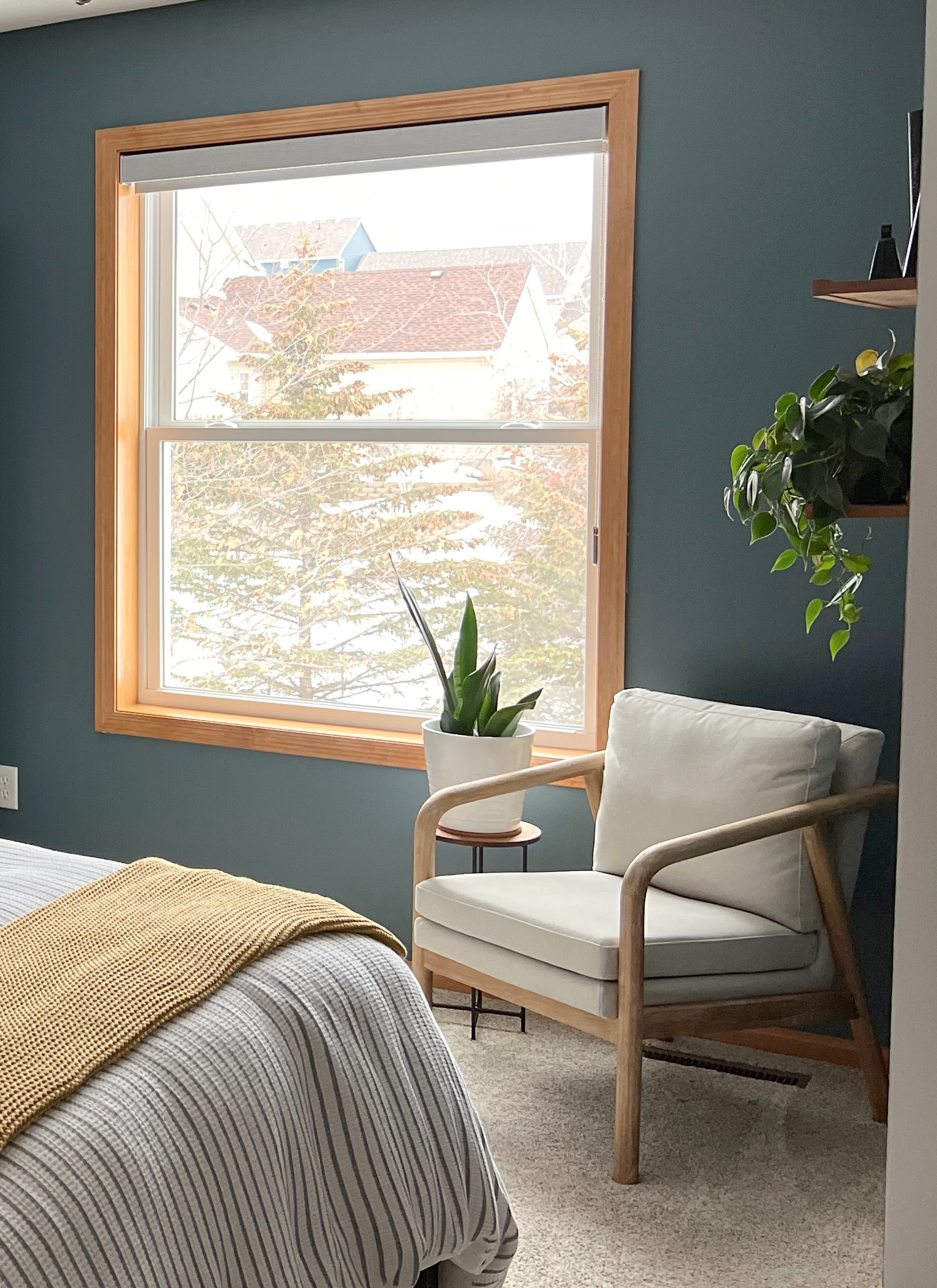
- Bedding: This is a major visual element. Do you have crisp white linens? A textured gray duvet? A patterned quilt? Your wall color should complement or provide a stunning backdrop to your bedding.
- Curtains & Rugs: These large fabric pieces contribute significantly to the room’s overall palette and texture. If your rug has a strong pattern or color, choose a wall color that pulls from it or provides a solid contrast.
- Art & Accessories: Consider how your chosen paint color will make your existing artwork or decorative items pop (or recede).
Your Personal Style & Mood
Ultimately, this is your bedroom. How do you want it to feel? What emotions do you want to evoke?
- Serene & Calm: Soft whites, light greiges, muted blue-greens, sage greens.
- Cozy & Inviting: Warm creams, taupes, deep greens, rich blues.
- Modern & Fresh: Soft whites, balanced greiges, crisp blue-greens.
- Classic & Elegant: Deep blues, sophisticated grays, creamy whites.
Don’t be afraid to trust your gut feeling. This is a personal space, and your comfort and joy are paramount.
Mastering the Test Patch: Don’t Skip This Step!
I cannot stress this enough: DO NOT choose a color based on a tiny paint chip or an online image alone. Paint colors are chameleons, transforming with light, surrounding colors, and even the texture of your wall.
Here’s how to do it right:
- Buy Sample Pots: Invest in sample pots of your top 2-3 choices.
- Paint Large Swatches: Paint generous 2×2 foot (or larger) swatches directly on your wall in a few different areas of the room, especially where light hits differently and next to your oak furniture. If you’re hesitant to paint directly on the wall, use large poster boards and tape them up.
- Observe Throughout the Day: Live with the samples for at least 24-48 hours. See how they look in morning light, afternoon sun, and evening artificial light.
- Consider Sheen: Most bedrooms benefit from an eggshell or satin finish for durability and a subtle luster, but matte can provide a more velvety, sophisticated feel. The sheen also affects how light is reflected and how the color appears.
This step will save you from costly repainting and ensures you’ll be genuinely happy with your final decision.

Bringing It All Together: Finishing Touches for Your Oak Bedroom
Once you’ve chosen the perfect paint color, it’s time to tie the room together. The paint is the backdrop, but decor, textiles, and lighting are the elements that create a cohesive and inviting bedroom.
Complementary Decor Elements
Think of your accessories as conversation starters that bridge the gap between your oak furniture and your new wall color.
- Accent Colors: Introduce pops of color in throw pillows, blankets, or artwork that either echo your wall color’s undertones or provide a pleasing contrast. For example, if you chose a sage green, consider incorporating deeper forest greens or muted browns. With a soft white, you could bring in rich navies or even a subtle terracotta.
- Metals: Metals can dramatically change the feel. Brass and gold tones enhance the warmth of oak and can look luxurious, especially against blues or greens. Black metals (like wrought iron or matte black) provide a modern, grounding contrast. Silver and chrome can work with cooler grays or blues, but be mindful they don’t make the oak feel too yellow.
- Textures: Incorporate a variety of textures to add depth and warmth. Think plush rugs, linen bedding, chunky knit throws, woven baskets, or even live plants. These natural elements always pair beautifully with wood.
Lighting Solutions
Layered lighting is crucial in a bedroom, allowing you to control the mood and highlight different areas.
- Ambient Lighting: A central ceiling fixture (with a dimmer!) provides overall illumination.
- Task Lighting: Bedside lamps for reading, often with warm-toned bulbs to enhance the cozy atmosphere.
- Accent Lighting: Wall sconces or up-lighting can draw attention to artwork or create soft pools of light.
Remember that the light emitted from your fixtures impacts how your wall color and oak furniture appear. Aim for a warm, inviting glow (around 2700K-3000K) to enhance the bedroom’s comfort.
Balancing Act: Making Oak Feel Integrated
The goal isn’t to hide your oak furniture but to make it feel like an intentional, cherished part of your design. The right paint color, combined with thoughtful decor, achieves this by creating visual balance.
If your oak is very prominent, lighter walls and softer textiles can help it recede slightly, allowing its beautiful grain to be appreciated without dominating. If your oak pieces are more understated, deeper wall colors can provide a rich backdrop that highlights their warmth and character.
Conclusion
Choosing the best paint color for your bedroom with oak furniture doesn’t have to be a guessing game. By understanding your oak’s unique undertones, exploring proven color palettes, and considering the practicalities of light and room size, you’re well on your way to creating a truly harmonious and inviting sanctuary.
Whether you gravitate towards the crisp purity of a soft white, the grounding serenity of sage green, or the sophisticated drama of a deep navy, remember that the best color is ultimately the one that makes you feel happiest and most at peace in your own space. Don’t be afraid to experiment with samples, trust your intuition, and enjoy the process of transforming your bedroom into the beautiful retreat you deserve.