How to Paint Bedroom Furniture Without Sanding: Your Ultimate No-Stress Guide
Dreaming of a bedroom refresh? You’re not alone. That tired dresser or dated nightstand has so much potential, but the thought of sanding it down? Ugh. The dust, the effort, the sheer mess of it all can stop a project dead in its tracks.
But what if I told you there’s a better way? A way to transform your bedroom furniture with a fresh coat of paint, achieve a durable, professional finish, and skip the sanding entirely? It’s not a myth, it’s a game-changer. I’m here to show you exactly how to do it.
No more excuses, no more dust masks for days. Let’s dive into the world of no-sanding furniture painting and unlock the secrets to a beautiful, stress-free bedroom makeover.
Why Skip Sanding? Embrace the Efficiency!
Let’s be real: sanding is the most dreaded step in almost any furniture painting project. It’s time-consuming, physically demanding, and creates a fine dust that seems to permeate every corner of your home. Beyond the sheer hassle, there are compelling reasons why finding an alternative is a smart move:
- Time Savings: Eliminating sanding can drastically cut down your project timeline, often by hours, sometimes days.
- Mess Reduction: No sanding means no fine wood dust coating your workspace, your lungs, and everything you own. It’s a cleaner, healthier process.
- Less Effort: Your arms and back will thank you. Skip the strenuous grinding and move straight to the fun part – painting!
- Preserving Patina: Sometimes, the original finish has character you want to respect, even if it’s covered. Skipping aggressive sanding can help maintain the integrity of the piece.
The key to success without sanding lies in one critical factor: adhesion. Traditionally, sanding creates a ‘tooth’ or rough surface for paint to grip. Without it, we need to employ other smart strategies to ensure your new paint job sticks beautifully and lasts for years. We’ll explore these ‘secret sauces’ in detail.
Method 1: The Power of Liquid Deglossers & Cleaners (Chemical Adhesion)
Think of liquid deglossers as your chemical shortcut to paint adhesion. These powerful cleaners prepare the surface by cutting through grime, grease, and old finishes, creating an ideal base for your primer or paint.
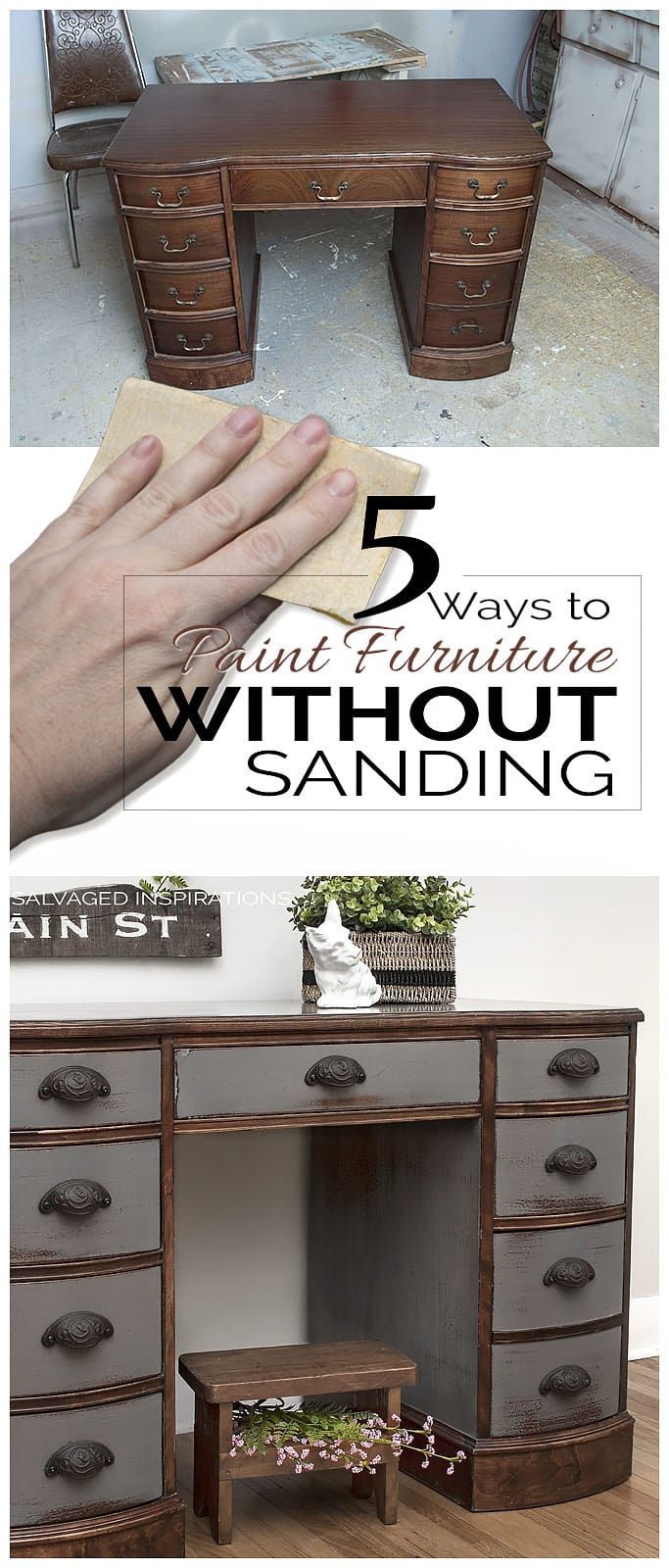
What is Liquid Deglosser (aka Liquid Sandpaper)?
Liquid deglosser is a solvent-based chemical solution designed to dull the glossy finish of old paint, varnish, or lacquer. It doesn’t actually remove material like sandpaper; instead, it chemically etches the surface, creating microscopic pores that paint can bond to. It’s an excellent way to ensure your new paint adheres without the mess and muscle of traditional sanding.
Some formulations, like TSP (Trisodium Phosphate) substitutes, focus more on heavy-duty cleaning and degreasing, which is equally crucial for adhesion.
Step-by-Step: Using Deglosser for a Flawless Finish
- Gather Your Supplies: You’ll need rubber gloves, safety glasses, a good quality deglosser (follow manufacturer instructions), clean rags, and a bucket of clean water. Ensure your workspace is well-ventilated.
- Clean Your Furniture Thoroughly: This step is non-negotiable. Use a strong degreaser (like a TSP substitute or a dedicated furniture cleaner) to remove all dirt, oil, and grime. A clean surface is paramount for any no-sanding method. Rinse with clean water and allow to dry completely.
- Apply the Liquid Deglosser: Following the product’s instructions, apply the deglosser with a clean cloth, working in small sections. Wipe it on, let it sit for the recommended time (usually just a few minutes), then wipe it off with a fresh, clean cloth. You might notice some color coming off the furniture – that’s the old finish being prepped! Repeat until the entire piece is treated. Allow ample drying time, typically 30-60 minutes.
- Prime (Crucial for Durability): While some deglossers claim to eliminate priming, I strongly recommend a good quality bonding or stain-blocking primer after deglossing. This acts as an insurance policy, ensuring maximum adhesion, blocking any bleed-through from old stains, and providing a uniform base for your topcoat. Apply 1-2 thin coats, allowing proper drying time between each.
- Paint (Thin Coats Are Key): Once the primer is dry, apply your chosen paint in thin, even coats. Multiple thin coats are always better than one thick coat, as thick coats are prone to chipping and don’t cure properly.
- Seal (Topcoat is a Must): After your paint has fully dried and cured (check paint can for times, usually several days to a week for full cure), apply 1-3 coats of a protective topcoat. A water-based polycrylic or polyurethane is excellent for bedroom furniture, offering durable protection against everyday wear and tear.
Best Furniture Types for this Method
This method works particularly well on:
- Varnished or Lacquered Wood: The deglosser effectively breaks down these glossy finishes.
- Previously Painted Furniture: If the old paint is still adhered well, deglossing can prep it for a new coat.
- Laminate or Melamine Surfaces: Some specific deglossers are formulated for these slick surfaces, but always test in an inconspicuous area first.
Method 2: Specialty Paints Designed for No-Sanding (Built-in Adhesion)
The world of paint has evolved! Many modern paints are specifically formulated with built-in bonding agents, allowing them to adhere to a variety of surfaces without the need for extensive sanding or even a separate primer in many cases.
Chalk Paint: The Go-To for Distressed & Matte Looks
Chalk paint is famous for its ability to stick to almost anything with minimal prep. It offers a soft, matte, velvety finish that’s perfect for a vintage, farmhouse, or shabby chic aesthetic.
- Pros: Excellent adhesion, very forgiving, easy to distress, quick drying, low VOC options.
- Cons: Requires a wax or poly topcoat for durability (unless it’s an all-in-one chalk paint), can chip if not properly sealed or cured, matte finish may not be for everyone.
- Application Tips: Apply thin coats. You’ll likely need 2-3 coats for full coverage. For a distressed look, lightly sand edges or raised details after painting, then seal.
- Waxing/Sealing: Always seal chalk paint with furniture wax or a water-based polycrylic to protect it. Wax provides a soft luster and deepens the color, while polycrylic offers stronger scratch resistance.
Mineral Paint: Durable, Built-in Topcoat
Mineral paints are often considered a more modern alternative to chalk paint, offering a smoother, self-leveling finish with superior durability. Many formulations contain a built-in topcoat, making the sealing step optional or less intensive.
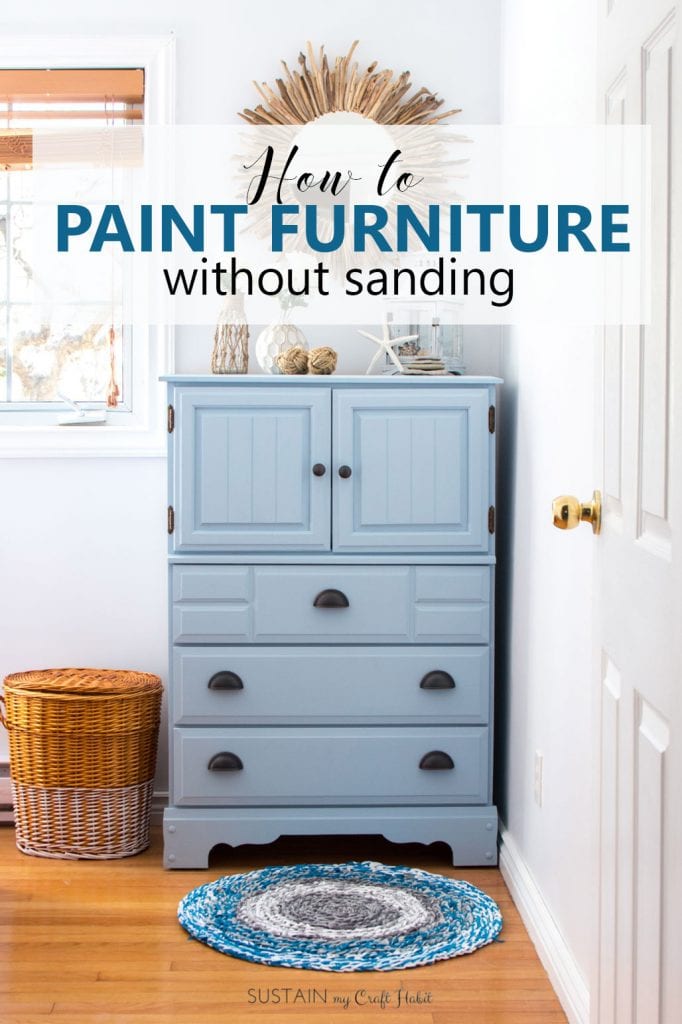
- Pros: Exceptional adhesion, very durable, often requires no topcoat, smooth finish, low VOC.
- Cons: Generally more expensive than chalk paint, can be less forgiving if you want a distressed look.
- Application Tips: Clean thoroughly. Apply thin, even coats. Allow proper drying and cure times, as specified by the manufacturer, before heavy use.
All-in-One Paints (e.g., “Furniture Paint,” “Cabinet Paint”)
These paints are formulated for convenience, often combining paint, primer, and sometimes even a topcoat into a single product. They are designed for strong adhesion to challenging surfaces.
- What to Look For: Read labels carefully. Look for phrases like “paint & primer in one,” “excellent adhesion to difficult surfaces,” or “no sanding required.”
- Application Tips: While these are designed for ease, a super clean surface is still paramount. Apply thin, even coats and respect recommended drying and curing times.
Step-by-Step: Painting with Specialty Paints
- Thorough Cleaning: Regardless of the paint type, your furniture must be impeccably clean. Use a good degreaser to remove all dirt, grease, and grime. Rinse well and let dry completely.
- Repair & Prep: Fill any holes or gouges with wood filler and allow to dry. Lightly sand the filler smooth, then clean the dust. Remove all hardware.
- Apply Paint: Using a high-quality brush or roller, apply your chosen specialty paint in thin, even coats. Follow the manufacturer’s recommendations for the number of coats and drying time between each.
- Cure/Seal (if required): For chalk paint, apply wax or polycrylic after the paint has dried. For mineral or all-in-one paints, follow their specific instructions regarding topcoats or full cure times.
When to Choose Specialty Paints
These paints are ideal when you want:
- Minimal Prep: You want to spend less time on surface preparation.
- Specific Aesthetic: You love the matte look of chalk paint or the smooth finish of mineral paint.
- Versatility: You’re painting a variety of surfaces (wood, laminate, metal).
Method 3: The Magic of Bonding Primers (Primer-First Approach)
A high-quality bonding primer is your ultimate secret weapon for painting furniture without sanding. It creates an incredibly strong adhesive layer that your topcoat paint can cling to, even on the slickest surfaces.
How Bonding Primers Work
Bonding primers are specially formulated with advanced resins that create a superior mechanical grip on non-porous surfaces. Unlike regular primers that just offer a uniform base, bonding primers are engineered for maximum adhesion. Many are also stain-blocking, preventing tannins or old finishes from bleeding through your new paint color.
Step-by-Step: Priming First for Superior Adhesion
- Clean and Repair: As always, start with a pristine surface. Clean your bedroom furniture thoroughly with a degreaser, rinse, and let dry. Make any necessary repairs (wood filler, etc.). Remove all hardware.
- Apply Bonding Primer: Using a good quality brush or roller, apply a thin, even coat of bonding primer. Don’t go too thick; aim for even coverage. Pay attention to corners and detailed areas. Allow the first coat to dry completely according to the manufacturer’s instructions (often 1-2 hours). If the surface is very slick or dark, a second thin coat might be beneficial.
- Lightly Scuff (Optional, but Recommended for Extra Assurance): Once the primer is fully dry, you *can very lightly scuff the primed surface with a fine-grit sanding sponge (220-grit or higher). This is a quick, minimal effort step that provides an even better “tooth” for the topcoat, but it’s not traditional sanding down to bare wood. Wipe away any dust.
- Paint with Your Chosen Topcoat: Once the primer is dry (and scuffed, if you opted for it), you can apply any latex, acrylic, or even oil-based topcoat paint you like. Apply in thin, even layers, allowing adequate drying time between coats.
- Seal for Protection: After your final coat of paint has dried for at least 24-48 hours, apply 1-3 coats of a durable topcoat (like polycrylic) to protect your beautiful new finish, especially for high-traffic bedroom pieces.
Ideal Scenarios for Bonding Primers
Bonding primers are your best friend when:
- Painting Laminate or Melamine: These slick surfaces are notoriously hard for paint to stick to.
- Painting Glass or Metal Accents: Great for integrated glass panels or metal hardware that you want to paint.
- Painting Dark Woods or Stained Pieces: They block bleed-through effectively.
- You Want to Use Regular Paint: If you prefer a standard latex or acrylic paint, a bonding primer makes it possible without sanding.
Essential Preparation Steps (No Matter What Method You Choose)
I can’t stress this enough: preparation is the bedrock of a successful no-sanding paint job. Skimping here will lead to peeling, chipping, and frustration, regardless of the fancy paint or primer you use.
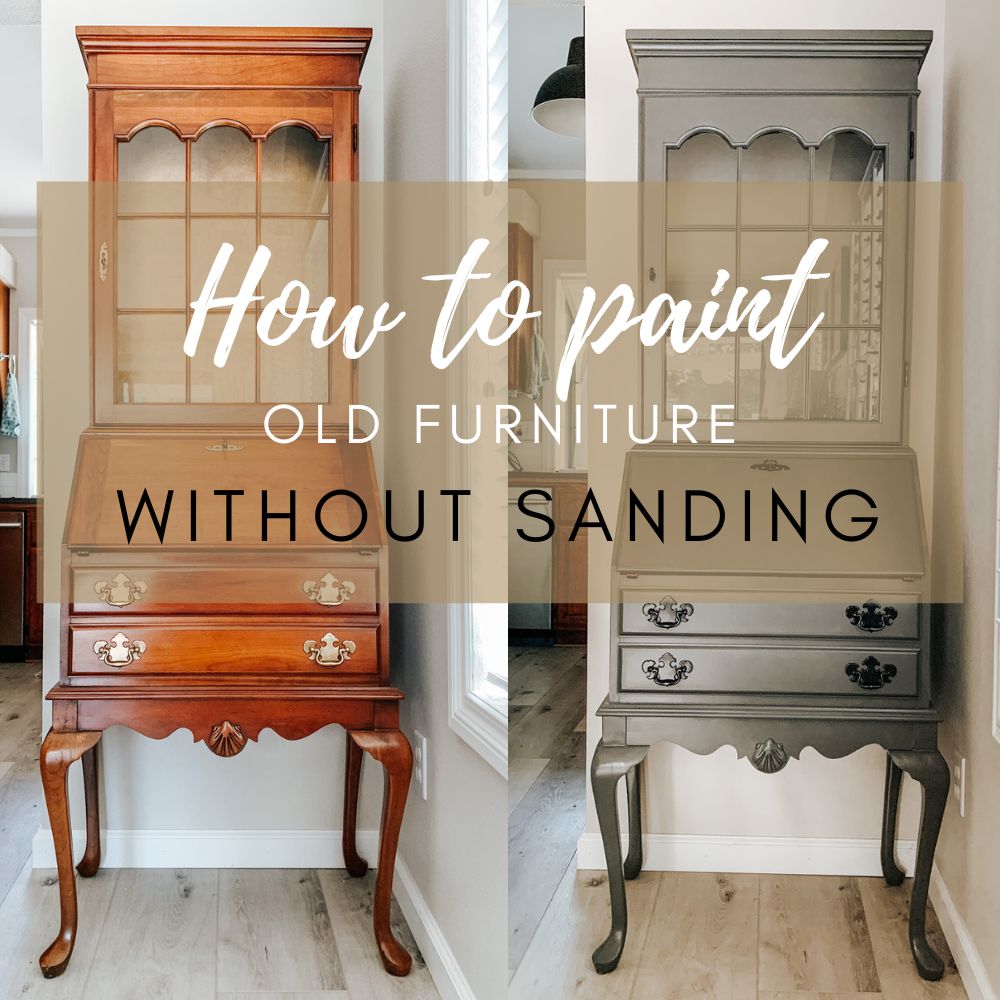
Deep Cleaning is Non-Negotiable
Your furniture accumulates dust, skin oils, hair products, and general grime over time. These contaminants create a barrier that even the best primers and paints can’t penetrate. Use a strong degreaser (like a TSP alternative or concentrated household cleaner) mixed with warm water. Scrub all surfaces, paying extra attention to areas touched frequently, like drawer pulls or tabletops. Rinse thoroughly with clean water and allow the piece to dry completely before moving on.
Repairs and Filling
Now is the time to address any imperfections. Fill dents, gouges, or deep scratches with a good quality wood filler. Once dry, lightly sand the filled areas smooth with fine-grit sandpaper (220-grit). Wipe away all dust before proceeding. This mini-sanding is only for filler, not the entire piece.
Protecting Your Workspace
Even without sanding, painting can be messy. Lay down drop cloths or old sheets to protect your floors. Use painter’s tape to mask off any areas you don’t want painted, such as drawer interiors, hardware, or glass panels.
Removing Hardware
Take off all knobs, pulls, hinges, and any other hardware. This allows for a cleaner paint job and prevents paint from getting on the hardware. It also makes painting easier and faster. Store them safely!
Choosing the Right Paint & Finish for Bedroom Furniture
The type of paint and finish you select significantly impacts both the look and durability of your transformed bedroom furniture.
Paint Type Considerations
- Latex/Acrylic Paints: These are water-based, easy to clean up, low in odor, and widely available. When paired with a good bonding primer, they offer excellent results.
- Oil-Based Paints: While very durable and offering a hard finish, they have strong fumes, are harder to clean up, and can yellow over time. Generally not recommended for bedroom furniture due to VOCs and drying time unless specific adhesion properties are needed and ventilation is ample.
- Specialty Furniture Paints: As discussed, chalk paint and mineral paints are excellent choices for specific aesthetics and their no-sanding properties.
Sheen Matters: Flat, Eggshell, Satin, Semi-Gloss
The paint’s sheen affects durability, cleanability, and overall aesthetic:

| Sheen | Characteristics | Best For Bedroom Furniture |
|---|---|---|
| Flat/Matte | No shine, hides imperfections, least durable, harder to clean. | Chalk paint aesthetic, low-traffic decorative pieces. Requires good topcoat. |
| Eggshell | Subtle sheen, more durable than flat, easier to clean. | Good for dressers, nightstands if durability isn’t primary concern. |
| Satin | Moderate sheen, very durable, easy to clean, popular choice. | Highly Recommended for most bedroom furniture – good balance of aesthetics and durability. |
| Semi-Gloss | High sheen, most durable, easiest to clean, highlights imperfections. | Excellent for high-traffic pieces, like kids’ bedroom furniture, or a very modern, sleek look. |
Topcoats & Sealers: Your Durability Insurance
A topcoat is the protective layer that seals your paint, protecting it from scratches, chips, and moisture. For bedroom furniture, especially pieces that see daily use (dressers, nightstands), a topcoat is non-negotiable for longevity.
- Polycrylic: Water-based, low odor, non-yellowing, and dries quickly. Excellent for light-colored furniture. Available in various sheens.
- Polyurethane: Oil-based versions offer superior durability but can amber (yellow) over time and have strong fumes. Water-based polyurethanes are a good middle ground.
- Furniture Wax: Primarily used over chalk paint for a soft, rich finish. Offers moderate protection and requires reapplication over time. Not as durable as polycrylic for high-traffic surfaces.
Low VOC Options for Bedrooms
Since this is for a bedroom, consider using low or zero VOC (Volatile Organic Compounds) paints, primers, and topcoats. These products release fewer harmful fumes, contributing to better indoor air quality – essential for a sleeping space.
Comparative Overview: No-Sanding Methods at a Glance
Here’s a quick comparison to help you decide which no-sanding approach is best for your bedroom furniture project:
| Method | Key Product(s) | Best For | Durability | Skill Level | Cost Implication |
|---|---|---|---|---|---|
| 1. Liquid Deglosser | Deglosser, Bonding Primer, Topcoat | Varnished wood, previously painted items needing a refresh | Excellent with proper priming/sealing | Beginner to Intermediate | Medium (multiple products) |
| 2. Specialty Paints (Chalk, Mineral, All-in-One) | Specialty Paint, (Optional) Wax/Polycrylic | Most surfaces, specific aesthetic desires (e.g., matte, distressed) | Good to Excellent (depending on paint/sealer) | Beginner | Medium to High (paints can be pricier) |
| 3. Bonding Primer First | Bonding Primer, Regular Paint, Topcoat | Laminate, metal, glass, slick plastics, dark bleed-through prone wood | Superior (very strong adhesion) | Intermediate | Medium (multiple products) |
Common Mistakes to Avoid When Painting Without Sanding
Even with the best products and intentions, it’s easy to make rookie mistakes that can compromise your no-sanding project. Beware of these pitfalls:
- Skipping Cleaning (Or Not Cleaning Thoroughly Enough): I’ve said it before, I’ll say it again. This is the number one reason paint fails. Any dirt, grease, or residue will prevent proper adhesion.
- Not Using a Primer/Degreaser (When Needed): Don’t rely solely on an “all-in-one” paint if the surface is particularly challenging (e.g., super slick laminate, heavily stained wood). A dedicated bonding primer or deglosser is often worth the extra step.
- Applying Thick Coats: It’s tempting to try and get full coverage in one go. Resist! Thick coats take forever to dry, cure improperly, and are far more prone to chipping and brush marks. Thin coats are king.
- Not Allowing Proper Cure Time: Paint dries to the touch quickly, but it takes much longer to fully cure and harden. Check product labels for cure times (often 7-30 days) and treat your furniture gently during this period to prevent damage.
- Ignoring the Topcoat (Especially for Chalk Paint): Chalk paint requires* a sealer. Even durable mineral paints benefit from a topcoat for high-traffic pieces. Skipping this step leaves your beautiful finish vulnerable.
- Using the Wrong Paint for the Surface: Not all paints are created equal. Ensure your chosen paint (or primer/paint combination) is suitable for the material of your furniture.
Pro Tips for a Flawless, Professional Finish
Want your no-sanding project to look like you hired a pro? Incorporate these insider tips:
- Invest in High-Quality Tools: Good brushes (synthetic for water-based paints, natural bristles for oil-based) and foam rollers make a huge difference in achieving a smooth, streak-free finish.
- Work in Good Lighting: Natural light is best for spotting drips, streaks, and areas needing more coverage.
- Paint in the Right Environment: Avoid painting in extreme temperatures or high humidity, as this can affect paint drying and curing. Aim for moderate temperatures and good ventilation.
- Patience is Key: Don’t rush drying times between coats or curing times before using the furniture. This patience will be rewarded with a durable, beautiful finish.
- Remove Tape Promptly: Once the paint is dry to the touch, remove painter’s tape slowly at a 45-degree angle to get clean lines and prevent paint from pulling up.
- Store Hardware Carefully: Use labeled bags to keep screws and hardware organized so reassembly is a breeze.
Painting bedroom furniture without sanding is not just possible; it’s a smart, efficient way to update your space. By understanding the principles of adhesion and choosing the right method and products, you can achieve stunning, long-lasting results without the dust and struggle. Go forth, transform that furniture, and enjoy your refreshed bedroom!
Frequently Asked Questions
Can I paint laminate furniture without sanding?
Yes, absolutely! Laminate and melamine surfaces are notoriously slick, making adhesion tricky. However, they are perfect candidates for the no-sanding approach. You’ll achieve the best results by thoroughly cleaning the surface with a strong degreaser and then applying a high-quality bonding primer specifically designed for difficult-to-adhere surfaces. After priming, you can use almost any topcoat paint.
What’s the best paint for furniture that won’t chip without sanding?
For optimal durability without sanding, consider specialty paints like mineral paint or all-in-one furniture paints that have built-in primers and topcoats. Chalk paint also adheres exceptionally well but *must* be sealed with wax or polycrylic for durability. If using standard latex or acrylic paint, always pair it with a strong bonding primer and a protective topcoat to prevent chipping.
Do I really need to use a primer if I’m not sanding?
In most no-sanding scenarios, a primer is highly recommended, if not essential. It’s your insurance policy for proper adhesion, preventing old stains from bleeding through, and providing a uniform base for your chosen topcoat. While some specialty paints are marketed as ‘all-in-one’ (paint and primer), a dedicated bonding primer offers superior grip, especially on slick or challenging surfaces.
How long does furniture paint take to cure after painting without sanding?
Paint dries to the touch within hours, but the full curing process, where the paint hardens and reaches its maximum durability, can take significantly longer. For most paints, this is typically 7 to 30 days, sometimes even longer for oil-based products. Always check the manufacturer’s instructions. During the curing period, treat your freshly painted furniture gently to avoid scratches or damage.
Is liquid sandpaper as effective as actual sanding?
Liquid sandpaper (deglosser) is an excellent alternative for preparing a surface without the dust and effort of traditional sanding. It works by chemically etching the surface, creating microscopic pores for paint adhesion, rather than mechanically roughing it up. While it effectively promotes adhesion for many surfaces, it won’t smooth out imperfections or remove deep scratches like abrasive sanding. For a truly flawless finish on heavily damaged pieces, some light manual sanding might still be necessary for repair areas.
Can I paint over previously painted or varnished furniture without sanding?
Yes, absolutely! This is one of the primary benefits of the no-sanding methods. As long as the existing paint or varnish is still adhered well (not peeling or flaking), you can clean it thoroughly, degloss it, or apply a bonding primer before painting. If the old finish is chipping, you’ll need to scrape off the loose bits and perhaps do some spot-sanding to smooth those areas before proceeding with cleaning and priming.
What tools do I need for painting furniture without sanding?
Essential tools include: a good quality degreaser/cleaner, clean rags, rubber gloves, safety glasses, painter’s tape, drop cloths, high-quality paint brushes (synthetic for water-based paint), foam rollers (for smooth surfaces), and the paint/primer/topcoat products specific to your chosen method. Wood filler for repairs is also handy. Quality tools make a big difference in the final finish.