The Definitive Guide: Best Paint Colors for a Bedroom with Dark Brown Furniture
Staring at your dark brown bedroom furniture, a classic choice known for its warmth and grounding presence, but feeling stumped on wall color? You’re not alone. The challenge isn’t just picking a color; it’s selecting the right color that harmonizes with your substantial pieces without making the room feel heavy, dated, or like a cave. You want a sanctuary, a stylish retreat, not a design dilemma.
Good news: your dark brown furniture is actually a versatile anchor, ready to pair with an incredible array of wall colors. From serene neutrals that brighten and expand, to soothing cool tones that create a spa-like calm, and even rich, unexpected hues for a touch of drama – we’re going to unlock the perfect palette for your bedroom. Let’s transform that design challenge into your dream space.
The Core Challenge: Why Dark Brown Furniture Needs Thoughtful Paint Pairings
Dark brown furniture, whether it’s a stately mahogany dresser, a rustic walnut bed frame, or a sleek espresso nightstand, commands attention. Its inherent richness and visual weight mean that your wall color isn’t just a backdrop; it’s a critical partner in the design conversation. Get it right, and your room feels balanced and inviting. Get it wrong, and it can feel oppressive or mismatched.
Understanding Visual Weight and Dominance
Think of dark brown as a strong, anchoring element in your room. If you pair it with an equally dark or overpowering wall color without proper balance, the room can shrink and feel heavy. The goal is to create contrast and relief, allowing the furniture to shine without dominating the entire space. This often means opting for colors that provide a visual ‘lift,’ drawing the eye upward and outward.
The Impact of Undertones (Warm vs. Cool Brown Furniture)
This is where many people go wrong. Not all dark brown furniture is created equal. Your seemingly ‘plain’ brown pieces have subtle undertones – whispers of red, orange, yellow, or even gray – that drastically influence which paint colors will truly sing alongside them. Ignoring these undertones is like trying to force puzzle pieces that don’t quite fit. We’ll delve into this more, but always observe your furniture closely under natural light to identify its hidden hues.
Setting the Mood: From Cozy to Contemporary
Your bedroom’s paint color is a powerful mood-setter. Do you envision a serene, spa-like escape? A cozy, cocooning haven? A sophisticated, modern statement? Dark brown furniture can adapt to all these styles, but the wall color is the key influencer. For instance, a cool blue-gray will lean modern and calm, while a creamy off-white with warm undertones will evoke a more traditional, cozy feel.
The Best Paint Color Categories for Dark Brown Furniture (And Why They Work)
Here’s where we get into the specifics. While personal preference always reigns, these categories consistently deliver stunning results when paired with dark brown furniture. We’ll explore why they work and provide some popular paint examples to get you started.
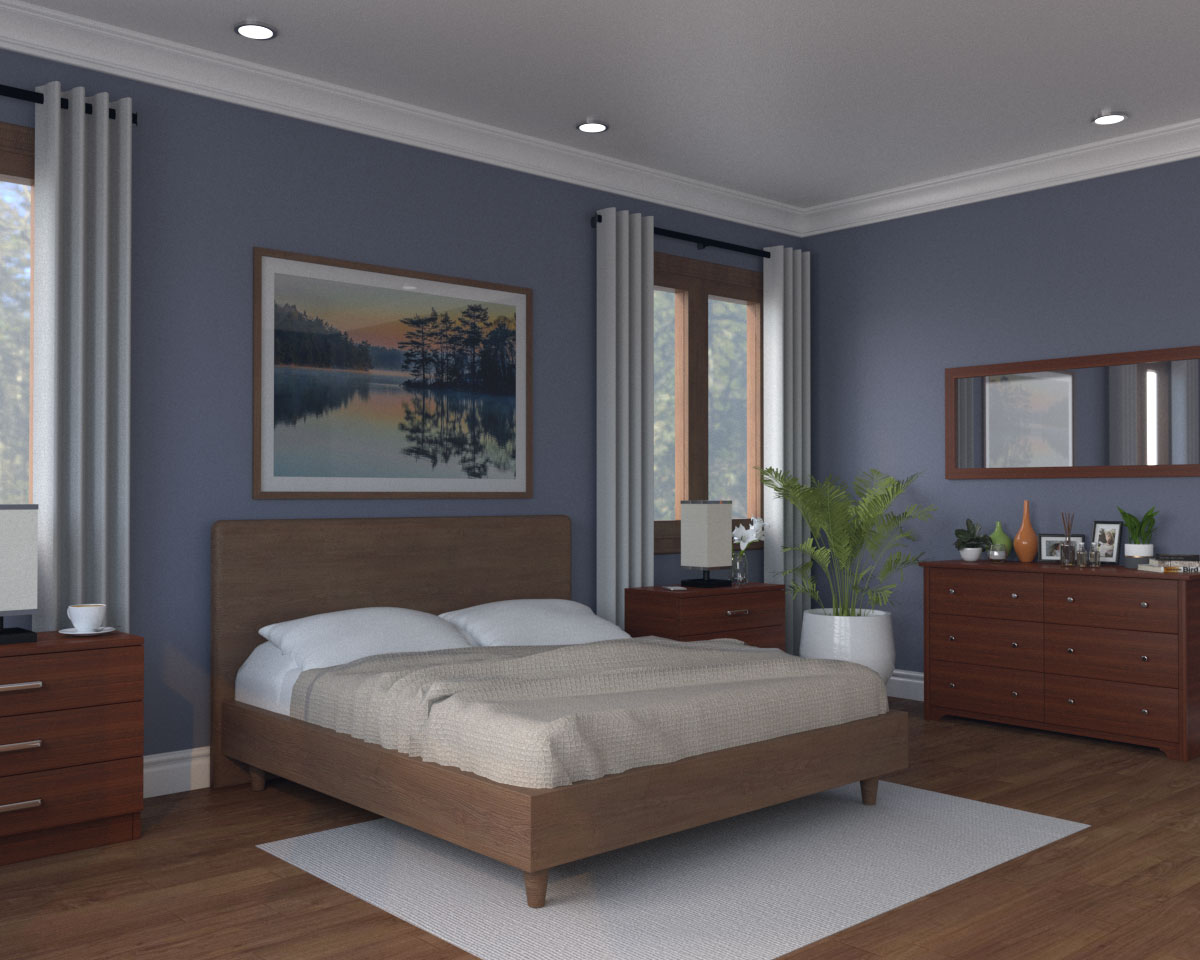
| Color Category | Why It Works with Dark Brown | Best For Mood/Style | Popular Paint Examples |
|---|---|---|---|
| Light Neutrals (Whites, Greiges, Tans) | Provides crucial contrast, brightens the space, and creates an airy, expansive feel. Allows dark furniture to pop without being overwhelming. | Serene, Modern Farmhouse, Minimalist, Classic, Bright & Airy | Sherwin-Williams Alabaster (warm white), Benjamin Moore White Dove (soft white), Sherwin-Williams Agreeable Gray (warm greige), Benjamin Moore Revere Pewter (classic greige), Benjamin Moore Manchester Tan (pale beige). |
| Soothing Cool Tones (Blues, Greens, Cool Grays) | Offers a beautiful counterpoint to the warmth of dark brown. Creates a calm, restful atmosphere. Can feel sophisticated and fresh. | Tranquil, Coastal, Modern, Spa-like, Sophisticated | Benjamin Moore Palladian Blue (blue-green), Sherwin-Williams Sea Salt (gray-green-blue), Farrow & Ball Sage Green (muted green), Sherwin-Williams Evergreen Fog (deep sage), Benjamin Moore Stonington Gray (cool gray). |
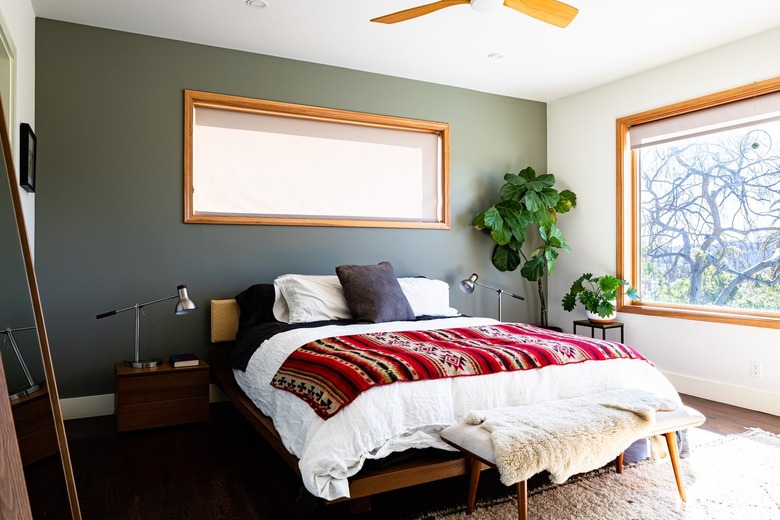
| Earthy & Warm Tones (Deep Sages, Warm Taupes) | Enhances the natural richness of brown furniture, creating a deeply comforting and grounding feel. More saturated than light neutrals but still harmonious. | Cozy, Rustic, Traditional, Organic, Grounded | Benjamin Moore October Mist (muted green), Farrow & Ball Pigeon (gray-green), Benjamin Moore Stone Hearth (warm taupe), Sherwin-Williams Accessible Beige (warm, light beige). |
| Dramatic Hues (Deep Blues, Teals, Plums) | Creates a bold, luxurious, and highly sophisticated statement. Works best in well-lit rooms or for accent walls. Less contrast, more mood. | Dramatic, Glamorous, Luxurious, Boutique Hotel, Bold Modern | Sherwin-Williams Naval (deep navy), Benjamin Moore Hale Navy (classic navy), Farrow & Ball Hague Blue (inky blue), Benjamin Moore Dark Purple (rich plum), Sherwin-Williams Bosc Pear (deep teal). |
Light Neutrals: The Timeless Canvas
This is your safest and often most stunning bet. Light neutrals—think creamy whites, soft greiges (gray-beiges), and pale tans—are the workhorses of interior design. They provide a beautiful, crisp contrast to dark brown furniture, preventing the room from feeling heavy or cramped. They reflect light, making your bedroom feel larger and brighter, which is particularly beneficial in smaller spaces or rooms with limited natural light.
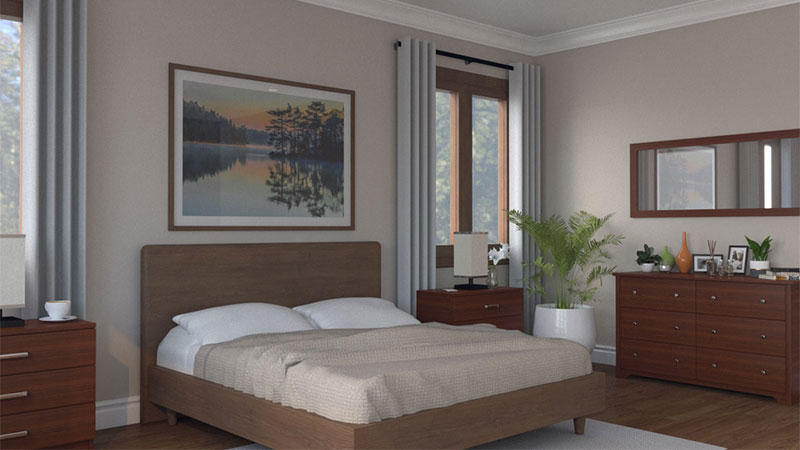
- Creamy Whites & Off-Whites: These aren’t stark, clinical whites. Instead, they have subtle warm undertones that soften the contrast with brown, making the pairing feel organic and inviting. Consider colors like Sherwin-Williams Alabaster or Benjamin Moore White Dove. They offer a sophisticated softness.
- Soft Greiges & Tans: If pure white feels too bright, a greige or pale tan offers a gentle warmth. Greiges, being a blend of gray and beige, can lean warm or cool, so choose one that complements your furniture’s undertones. Sherwin-Williams Agreeable Gray is a popular choice for its balanced nature, while Benjamin Moore Revere Pewter offers a classic, slightly richer greige.
- Pale Beiges: For a truly warm, cozy feel, pale beiges can be wonderful. Look for those without strong yellow or pink undertones unless that’s your specific intent. Benjamin Moore Manchester Tan is a beautiful, sophisticated beige that works well.
Why they work: They provide a crucial visual break, allowing the dark brown furniture to stand out as a focal point without overwhelming the senses. They create an airy, expansive feeling, perfect for a restful bedroom.
Soothing Cool Tones: Serenity & Sophistication
If your goal is a tranquil, spa-like retreat, look no further than muted blues, soft greens, and cool grays. These colors offer a refreshing counterpoint to the warmth of dark brown, creating a balanced and serene environment.
- Muted Blues: From dusty blues to pale aquas, these colors evoke calm. They work beautifully with brown, echoing natural elements like earth and sky. Try Benjamin Moore Palladian Blue for a soft, airy blue-green, or Sherwin-Williams Sea Salt for a chameleon color that shifts between gray, green, and blue depending on the light.
- Soft Greens: Greens, particularly those with gray undertones like sage or moss, are inherently calming and connect us to nature. They pair wonderfully with brown, creating an organic, earthy feel. Consider Farrow & Ball Sage Green or Sherwin-Williams Evergreen Fog for a slightly deeper, sophisticated green.
- Cool Grays: While warm greiges are excellent, cool grays can also work, especially if your brown furniture has slightly cooler undertones (like a weathered gray-brown). A crisp, clean gray can provide a modern, minimalist backdrop. Benjamin Moore Stonington Gray is a fantastic true gray that avoids feeling cold.
Why they work: They introduce a sense of calm and coolness, balancing the inherent warmth and visual weight of dark brown. This creates a sophisticated, balanced palette perfect for unwinding.
Earthy & Warm Tones: Richness & Comfort
For those who love a cozy, enveloping feel, embracing deeper, warmer earth tones can be incredibly effective. This approach requires careful selection to avoid making the room feel too dark or heavy, but when done right, it’s exquisitely rich.
- Deep Sage Greens: A slightly more saturated sage green can deepen the natural connection with brown. It’s sophisticated and calming. Benjamin Moore October Mist, for example, is a beautiful, muted green that feels both fresh and grounded.
- Warm Taupes: Taupe, a mix of brown and gray, with a lean towards brown, can create a monochromatic, enveloping effect. It’s less stark than a light neutral but still offers a gentle contrast. Benjamin Moore Stone Hearth is a rich, complex taupe.
Why they work: They create a harmonious, organic palette that feels deeply comforting and grounded. This option is about embracing richness and warmth rather than seeking high contrast.
Unexpected Pops & Deep Hues (Strategic Use)
Feeling bold? Don’t shy away from rich, saturated colors. When used thoughtfully, deep blues, teals, or even plums can create incredibly dramatic and luxurious bedrooms with dark brown furniture. The key here is balance and often, accent walls.
- Deep Teal/Navy: A deep navy or rich teal creates a sophisticated, almost glamorous backdrop for dark brown. The jewel-toned depth pairs beautifully with the wood’s richness. Consider Sherwin-Williams Naval or Benjamin Moore Hale Navy for a classic, sophisticated navy.
- Rich Plums/Berries: For a truly unique and luxurious feel, a deep, muted plum or berry can be stunning. This is definitely a less common choice, but it can create a ’boutique hotel’ vibe. Look at shades like Farrow & Ball Brinjal for inspiration.
Why they work: These colors create high impact and sophistication. They absorb light, creating an intimate, cozy atmosphere, and allow the dark brown furniture to blend in for a monochromatic, luxurious look, or provide a striking, jewel-toned contrast.
Matching Paint Colors to Your Dark Brown Furniture’s Undertone
This is a crucial step that many overlook. Your dark brown furniture isn’t just ‘brown’; it has an underlying color bias that will either harmonize or clash with your wall paint. Identifying this undertone will guide you to the perfect complementary shades.
| Furniture Undertone | How to Spot It (Common Woods) | Best Paint Color Undertone Pairings | Avoid These Paint Undertones |
|---|---|---|---|
| Red/Orange Undertones | Cherry, Mahogany, some Walnut. Looks rich, warm, sometimes reddish or reddish-orange in certain lights. |
|
Strong yellows, bright oranges, or reds (can clash or make room feel too ‘hot’). |
| Yellow Undertones | Some Oaks, Pecan, lighter Walnuts, older finishes. Looks golden-brown, sometimes a little ‘honey’ colored. |
|
Strong, clear yellows (can make the room feel overwhelming or sickly). |
| Gray/Neutral Undertones | Ash, some weathered browns, espresso finishes. Looks less warm, more muted, sometimes with a subtle gray cast. |
|
Pure cool whites (can make the room feel too cold) unless accented with warm textures. |
Red/Orange Undertones in Brown Furniture (Mahogany, Cherry)
If your dark brown furniture has a noticeable reddish or orange tint (common in mahogany, cherry, or older walnut pieces), you have two primary options:
- Neutralize: Opt for cool, desaturated colors like muted blues, soft sage greens, or cool-leaning grays. These colors will balance the warmth of the wood, creating a sophisticated and harmonious contrast. Think of how a cool evening sky balances a warm sunset.
- Amplify (Carefully): If you want to lean into the warmth, choose creamy whites or off-whites with very subtle yellow or greige undertones. Avoid anything too overtly warm (like strong yellows or bright oranges) unless you want an incredibly vibrant, specific look, as it can quickly become overwhelming.
Yellow Undertones in Brown Furniture (Oak, Walnut)
Some dark brown furniture, especially certain oaks or walnuts, can have a noticeable golden or yellowish undertone. These pieces often feel inherently sunny and inviting.
- Balance: Cool grays, soft blues, or green-grays will help to neutralize the yellow, creating a fresh, balanced look.
- Complement: Creamy off-whites or very light, muted greens can complement the yellow undertone without making the room feel overly yellow.
Gray/Neutral Undertones in Brown Furniture (Ash, Weathered Brown)
If your dark brown furniture appears more muted, almost with a hint of gray, or is an espresso finish, it likely has a neutral or cool undertone. These pieces are highly versatile.
- Warm It Up: Introduce warmth with creamy off-whites, warm greiges, or soft tans. This adds coziness without clashing.
- Lean Into Cool: Enhance its modern appeal with true cool grays or deep blues. This creates a sleek, contemporary aesthetic.
Design Strategies: Elevating Your Bedroom’s Aesthetic with Dark Brown Furniture
Beyond just color, how you apply that color and consider your room’s unique characteristics makes all the difference.
Small Bedrooms: Expanding Space with Light Colors
For smaller bedrooms, the goal is always to maximize the feeling of space. Dark brown furniture, by its nature, can feel substantial. Pairing it with light, airy wall colors is crucial. Think creamy whites, pale greiges, or very light blues/greens. These colors reflect light, pushing the walls visually outward and making the room feel larger and more open. Consider painting the trim and ceiling a slightly lighter shade of the wall color to further enhance this expansive effect.
Large Bedrooms: Embracing Depth and Coziness
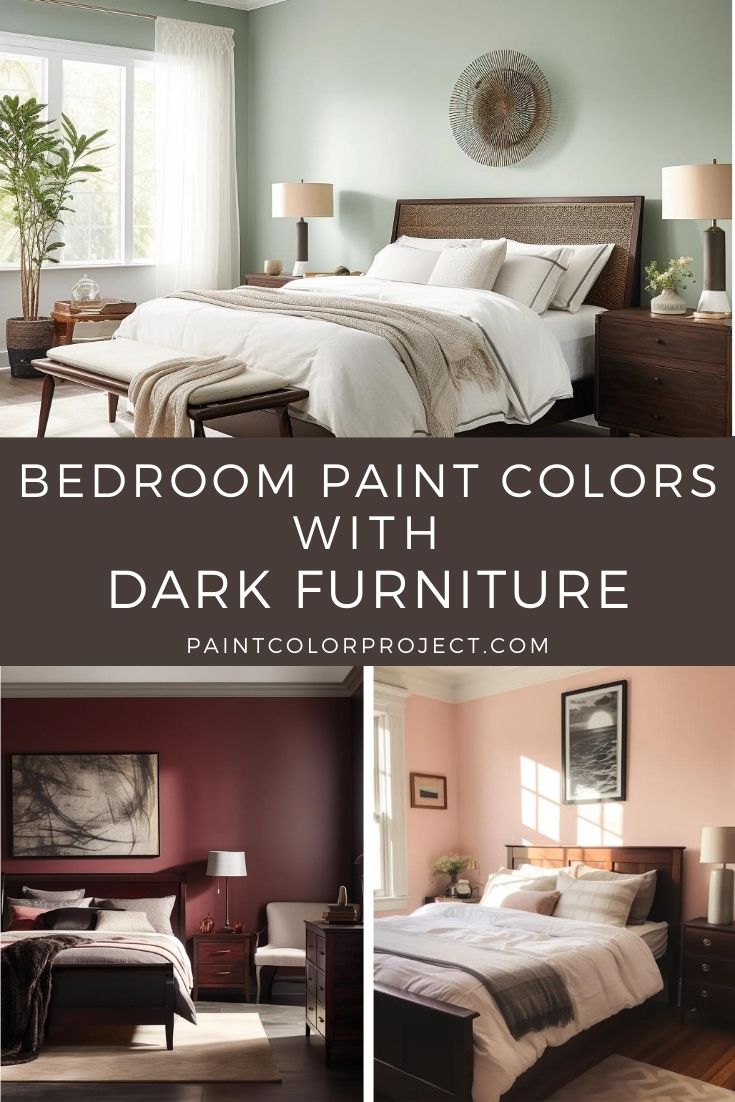
Larger bedrooms can handle more saturated colors without feeling overwhelmed. This is where you can truly embrace richer hues like deep sages, warm taupes, or even the dramatic blues and teals we discussed. These colors can create a sense of intimacy and coziness, making a large space feel more inviting and less cavernous. Darker colors on the walls can also make your dark brown furniture feel more integrated, rather than standing out starkly.
Natural Light: How Window Direction Influences Color Perception
Natural light is a powerful, often overlooked, element in color selection. The direction your windows face dramatically alters how a paint color appears throughout the day:
- North-Facing Rooms: Receive cooler, indirect light. Colors here can appear muted or even a bit gray. To counteract this, opt for warmer paint colors (creamy whites, warm greiges) to add coziness, or embrace the cool light with true blues or cool greens for a crisp, fresh feel.
- South-Facing Rooms: Bathed in warm, intense light all day. These rooms can handle cooler colors beautifully, as the strong light prevents them from feeling cold. Warm colors here will feel even more vibrant.
- East-Facing Rooms: Get bright, warm light in the morning, then cooler light in the afternoon. Choose colors that look good in both warm and cool light, or pick a color you want to enjoy most in the morning.
- West-Facing Rooms: Receive cooler morning light, then intense, warm light in the afternoon/evening. Warm colors will glow dramatically in the evening. Cooler colors can provide a nice balance to the afternoon warmth.
This is precisely why sampling colors on your actual walls is non-negotiable!
Artificial Lighting: The Role of Bulb Temperature (Warm vs. Cool LED)
Just like natural light, your artificial lighting can drastically alter paint color. LED bulbs come in various ‘color temperatures’ measured in Kelvin (K):
- Warm White (2700K-3000K): Emits a soft, yellowish glow, similar to incandescent bulbs. This enhances warm paint colors and can make cool colors appear softer. Great for creating a cozy, inviting atmosphere.
- Cool White/Daylight (4000K-5000K+): Emits a bluer, brighter light. This can make cool colors pop and warm colors appear less saturated or even slightly gray. Often used for tasks but can feel stark in a bedroom if not balanced.
Consider the color temperature of your light bulbs when viewing paint samples, especially if you spend a lot of time in your bedroom in the evenings.
Layering Textures & Accents: Textiles, Rugs, Art to Tie it All Together
Paint is just one layer! To truly create a cohesive bedroom with dark brown furniture, think about the other elements. Textiles like bedding, curtains, and throw pillows can introduce additional colors, patterns, and textures that soften the furniture’s visual weight and tie the whole scheme together. A light-colored rug can visually expand the floor space, contrasting with dark brown legs. Artwork and decorative accessories can repeat your wall color, furniture color, or introduce accent colors that make the room feel complete and curated.
Step-by-Step: Your Foolproof Guide to Choosing the Perfect Paint Color
Ready to pick your perfect shade? Follow these steps to ensure you make a confident, informed decision.

Step 1: Assess Your Furniture & Room
- Identify Furniture Undertones: Spend time examining your dark brown furniture in natural light. Does it lean red, orange, yellow, or gray? This is your foundation.
- Consider Room Size: Is it small and needs to feel expansive, or large and needs coziness?
- Observe Natural Light: Which direction do your windows face? How does the light change throughout the day?
- Note Existing Elements: What color are your floors, trim, and any permanent fixtures?
Step 2: Define Your Desired Mood & Style
- Mood: Do you want serene, cozy, modern, dramatic, airy?
- Style: Does your furniture lean traditional, contemporary, rustic, glam? Your paint choice should complement this.
Step 3: Curate a Palette of Contenders
Based on the color categories and undertone guidance, select 3-5 paint colors that seem promising. Don’t be afraid to pull chips from different brands – focus on the color itself. Look for colors that align with your desired mood and complement your furniture’s undertones.
Step 4: The Sample Test – Your Non-Negotiable Step
Seriously, do not skip this. Buy sample pots of your chosen colors. Paint large swatches (at least 2’x2′) directly onto your walls in several spots around the room. If you can, paint swatches on large pieces of poster board that you can move around. Observe these samples over several days:
- Morning, Midday, Evening: How does the color look in different natural light conditions?
- Artificial Light: How does it look with your bedroom’s lamps and overhead lighting switched on?
- Against Furniture: Place the swatches directly next to your dark brown furniture.
This process will reveal how the colors truly interact with your unique environment, helping you eliminate options that look good on a chip but fall flat in your space.
Step 5: Accessorize & Refine
Once you’ve chosen your paint color, consider how your accessories will play a role. A beautiful light rug, crisp white bedding, metallic accents, or vibrant throw pillows can all work to amplify your chosen paint color and ensure your dark brown furniture feels perfectly at home.
Common Pitfalls to Avoid When Pairing Paint with Dark Brown Furniture
Even with all this guidance, it’s easy to stumble. Here are the most common mistakes and how to steer clear of them:
Going Too Dark or Too Monochromatic Without Balance
Unless you’re intentionally creating a very specific, dark, moody cocoon (which can be stunning in the right hands and with ample lighting), pairing dark brown furniture with very dark wall colors without any lighter elements can make a room feel oppressive and small. If you go dark, ensure there’s plenty of contrast elsewhere – light bedding, a bright rug, shiny metallics, or reflective surfaces.
Ignoring Undertones
This is perhaps the biggest culprit for a ‘just off’ feeling in a room. A warm-toned brown paired with a cool-toned gray that clashes, or a red-undertoned brown fighting with a yellow-undertoned paint. Always identify those subtle hues in your furniture first.
Skipping the Sample Phase
It sounds like an extra step, but skipping paint samples is the most common and costly mistake. What looks perfect on a tiny chip in a brightly lit store can be drastically different on a large wall in your home’s unique lighting conditions. Invest in samples; it saves headaches and potential repaint jobs.
Underestimating Lighting
Natural light changes throughout the day, and artificial lighting casts its own spell. A color that’s beautiful at noon might look muddy or washed out under your evening lamps. Always test colors in both natural and artificial light conditions.
Picking the perfect paint color for a bedroom with dark brown furniture is less about following rigid rules and more about understanding balance, mood, and those subtle undertones. Your dark brown pieces are a strong foundation, offering a rich canvas for a multitude of beautiful wall colors. By considering your furniture’s specific characteristics, the room’s lighting, and your desired aesthetic, you’re now equipped to create a bedroom that feels perfectly harmonious and uniquely you. So go ahead, trust your eye, grab those samples, and transform your space into the sanctuary you deserve!
Frequently Asked Questions
What colors make dark brown furniture look less heavy?
To make dark brown furniture feel less heavy, opt for light, bright wall colors. Creamy whites, soft greiges, pale blues, and light greens are excellent choices as they provide a crisp contrast, reflect light, and create an airy, expansive feel in the room.
Can I use dark paint colors with dark brown furniture?
Yes, but with careful consideration. Dark paint colors like deep navy, rich teal, or charcoal can create a dramatic, luxurious, and cozy atmosphere. This works best in well-lit rooms or if you’re aiming for a sophisticated, enveloping ‘cocoon’ effect. Ensure you introduce lighter textures (bedding, rugs) and ample lighting to prevent the room from feeling too dark or oppressive.
How do I test paint colors with my dark brown furniture?
Always buy sample pots! Paint large swatches (at least 2’x2′) directly onto your walls in several areas, especially near your furniture. Observe these samples over a few days, noting how they look in morning, midday, and evening light, as well as under artificial lighting. This is crucial for seeing how the color truly interacts with your specific room and furniture undertones.
Should my trim color match or contrast with dark brown furniture?
Typically, trim color should complement your wall color, and by extension, your furniture. Crisp white trim provides a classic, clean contrast that brightens the room and highlights both the wall color and dark furniture. You can also match your trim to a very light wall color for a seamless, expansive look, or choose a slightly deeper shade for architectural interest. Rarely would you match trim directly to dark brown furniture unless aiming for a very specific, bold, high-contrast effect.
What rug colors best complement a bedroom with dark brown furniture and light walls?
With light walls and dark brown furniture, a rug is a great opportunity to add warmth, texture, and visual interest. Consider rugs in natural fibers like jute or sisal for an organic feel, or lighter neutral rugs (creams, light grays, subtle patterns) to continue the bright and airy theme. You could also introduce a muted pattern with colors found in your bedding or accent decor, such as a soft blue, sage green, or a warm taupe to tie the room together.
Does room size affect paint color choice with dark brown furniture?
Absolutely. In small bedrooms, light and airy paint colors (creamy whites, pale greiges, soft blues/greens) are best to make the space feel larger and prevent the dark furniture from overwhelming the room. In larger bedrooms, you have more freedom to use deeper, richer colors (like deep sage, warm taupe, or even dramatic blues) to create a cozier, more intimate, and sophisticated atmosphere.
How does lighting impact how paint colors look with dark brown furniture?
Lighting significantly alters how paint colors appear. Natural light from different directions (north, south, east, west) casts different hues (cool vs. warm). Artificial lighting, especially the color temperature of your bulbs (warm white vs. cool white), can also dramatically change a paint color’s perceived warmth or coolness. Always test paint samples under all lighting conditions, both natural and artificial, to see its true effect in your unique bedroom.