Bedroom Wall Colour Ideas for Couples: Crafting Your Shared Sanctuary
Ah, the bedroom. It’s more than just a place to sleep; it’s your shared sanctuary, a canvas for your love story, and often, the first major decorating challenge for any couple. Choosing the perfect wall colour can feel like navigating a minefield of differing opinions, personal preferences, and Pinterest-perfect expectations. You want it to be relaxing, romantic, and uniquely ‘you’ as a couple – but what happens when ‘your’ perfect colour is vibrant orange and ‘their’ perfect colour is serene grey?
Don’t fret. As an expert in crafting harmonious living spaces, I’m here to tell you it’s not just possible but incredibly rewarding to find a bedroom wall colour that both of you will absolutely adore. Forget those generic lists; we’re going to dive deep into the psychology, practicalities, and creative compromises that make a couple’s bedroom truly special. Let’s make this process a joyful journey, not a marital debate.
Why Your Bedroom Colour Matters More Than You Think (Especially for Couples)
The colours surrounding you in your most intimate space have a profound impact. It’s not just about what looks good; it’s about how it feels, how it influences your mood, and how it fosters connection.
The Psychology of Shared Space: Setting the Mood
Think about it: your bedroom is where you unwind after a long day, where you connect, and where you start your mornings. The wall colour acts as the foundational mood-setter for all these moments. A vibrant, energetic hue might be great for a gym, but in a bedroom, it could hinder relaxation. Conversely, a dull, uninspired shade could dampen intimacy and joy.
For couples, this is amplified. One person might find a dark, moody colour deeply romantic, while the other might perceive it as suffocating or depressing. Understanding the basic psychological impact of colours is your first step towards agreement and a harmonious space.
Beyond Aesthetics: Impact on Sleep, Intimacy, and Communication
Beyond the immediate mood, certain colours can scientifically affect your sleep quality, energy levels, and even your subconscious interactions:
- Blues and Greens: Often associated with nature, these hues are known to promote calmness, reduce stress, and even lower heart rate, making them excellent for sleep and relaxation.
- Reds and Deep Pinks: While often linked to passion, too much pure red can be overstimulating and increase heart rate. However, muted or deeper versions (like burgundy or dusty rose) can evoke warmth and romance without disrupting sleep.
- Neutrals (Grays, Whites, Beiges): These provide a serene backdrop, promoting a sense of peace and clarity. They’re versatile and allow other elements (like artwork or bedding) to bring in personality.
- Yellows and Oranges: Can be uplifting and energetic, but in large doses in a bedroom, they might be too stimulating for rest. Muted, earthy versions (like terracotta or ochre) can bring warmth.
The goal is to create an environment that supports rest, fosters intimacy, and encourages positive communication – not an argument over paint chips!
Navigating Different Tastes: A Couple’s Colour Selection Playbook
This is where the rubber meets the road. You both have ideas, and sometimes those ideas are polar opposites. Instead of seeing this as a problem, view it as an opportunity to create something truly unique that represents both of you. Here’s my proven playbook:
Step 1: Honest Hues – Understanding Your Individual Preferences
Before you even look at paint swatches, sit down and have an open conversation. Each of you should answer these questions:
- What three colours do I absolutely love for a bedroom, and why?
- What three colours do I absolutely despise for a bedroom, and why?
- What kind of mood do I want our bedroom to evoke (e.g., cozy, luxurious, calm, vibrant, romantic)?
- What furniture and bedding do we already have or plan to keep?
- What colours make me feel relaxed? What colours make me feel energized?
Often, you’ll find common ground in the ‘mood’ even if the specific colours differ. For example, one might want a ‘calm’ blue, while the other wants a ‘calm’ grey. Both are aiming for serenity.
Step 2: The Mood Board Method – Visualizing Together
Pinterest (despite its current SERP ranking) is your friend here! Create a shared digital (or physical) mood board. Each of you should pin or cut out images of bedrooms, fabrics, artwork, and yes, paint colours that you’re drawn to. Don’t censor yourselves initially. The goal is to see patterns emerge.
Look for:

- Common Colour Families: Do you both lean towards cooler tones (blues, greens, grays) or warmer ones (creams, reds, yellows, browns)?
- Shared Aesthetic: Is there a common thread – modern, rustic, minimalist, bohemian, traditional?
- Recurring Textures or Materials: Do you both love wood, metallics, soft fabrics? These can inform the overall feel.
This visual exercise helps you move beyond just “I like blue” to “I like the feeling of this tranquil blue bedroom with natural wood accents.”
Step 3: Compromise & Complement – Finding Common Ground
Now, synthesize. You’ll likely see overlap and points of contention. Here’s how to bridge the gap:
- The Primary Colour Compromise: If one loves blue and the other loves grey, what about a blue-grey? Or a neutral grey with significant blue accents?
- The Accent Wall Solution: Agree on a neutral or universally pleasing main colour, and then one person’s preferred bolder choice can become an accent wall.
- Layering and Texture: If a colour feels too bold for walls, incorporate it in bedding, throw pillows, rugs, or artwork. This adds personality without commitment.
- Consider Undertones: Even seemingly neutral colours have undertones (warm, cool). Agreeing on these can make a big difference.
Remember, the goal isn’t to perfectly replicate one person’s vision, but to create a shared space that feels like a loving embrace of both your styles.
Top Wall Colour Ideas for Couples: Hues That Harmonize & Ignite
Now for the fun part! Based on psychology, design trends, and countless successful couple consultations, here are some top colour families and specific shades that consistently create beautiful, balanced bedrooms for two.
The Calming Neutrals: Peaceful Retreats
Neutrals are never boring when chosen correctly. They provide a serene backdrop that allows intimacy and personal connection to flourish without distraction. They are also incredibly forgiving when it comes to merging different furniture styles.
| Colour | Mood for Couples | Best For… | Tips for Couples |
|---|---|---|---|
| Soft Grays (e.g., dove gray, light charcoal) | Sophisticated, tranquil, stable, modern | Modern, minimalist, or industrial aesthetics; partners with differing bold preferences. | Add warmth with wood tones, soft textures, and pops of colour in bedding. Choose grays with warm undertones to avoid coldness. |
| Warm Whites/Off-Whites (e.g., creamy ivory, antique white) | Clean, airy, cozy, spacious, timeless | Small rooms, traditional or coastal styles; couples desiring a fresh, bright feel. | Layer with various white and cream textures (linens, knits) for depth. Incorporate natural light and plants for vibrancy. |
| Greige (Gray + Beige) | Balanced, grounding, versatile, sophisticated | Almost any style; excellent compromise when one partner likes gray and the other likes beige/brown. | It’s the ultimate chameleon. Accessorize with either warm or cool tones to push the room’s mood in your desired direction. |
| Taupes & Warm Browns (e.g., mushroom, latte) | Earthy, comforting, stable, inviting | Natural, rustic, or cozy traditional aesthetics; creating a snug, womb-like feel. | Pair with deep greens, blues, or even a hint of blush for sophisticated contrast. Ensure good lighting to prevent feeling too dark. |
Romantic & Intimate Shades: Deepening Connection
If you’re looking to dial up the romance and intimacy, these colours are your allies. They create a cocooning, luxurious feel that encourages closeness and relaxation.

| Colour | Mood for Couples | Best For… | Tips for Couples |
|---|---|---|---|
| Dusty Rose / Muted Pink | Soft, gentle, affectionate, subtle romance | Couples who want a tender, sophisticated romantic feel without being overly feminine. | Pair with warm grays, deep greens, or gold accents. Avoid harsh, bubblegum pinks for a more mature vibe. |
| Deep Teal / Emerald Green | Luxurious, sophisticated, calming, slightly mysterious | Bold couples, art deco or eclectic styles; creating a jewel-toned, intimate atmosphere. | Balance with metallics (gold, brass), rich wood tones, and plush fabrics. Use ample lighting to avoid making the room too dark. |
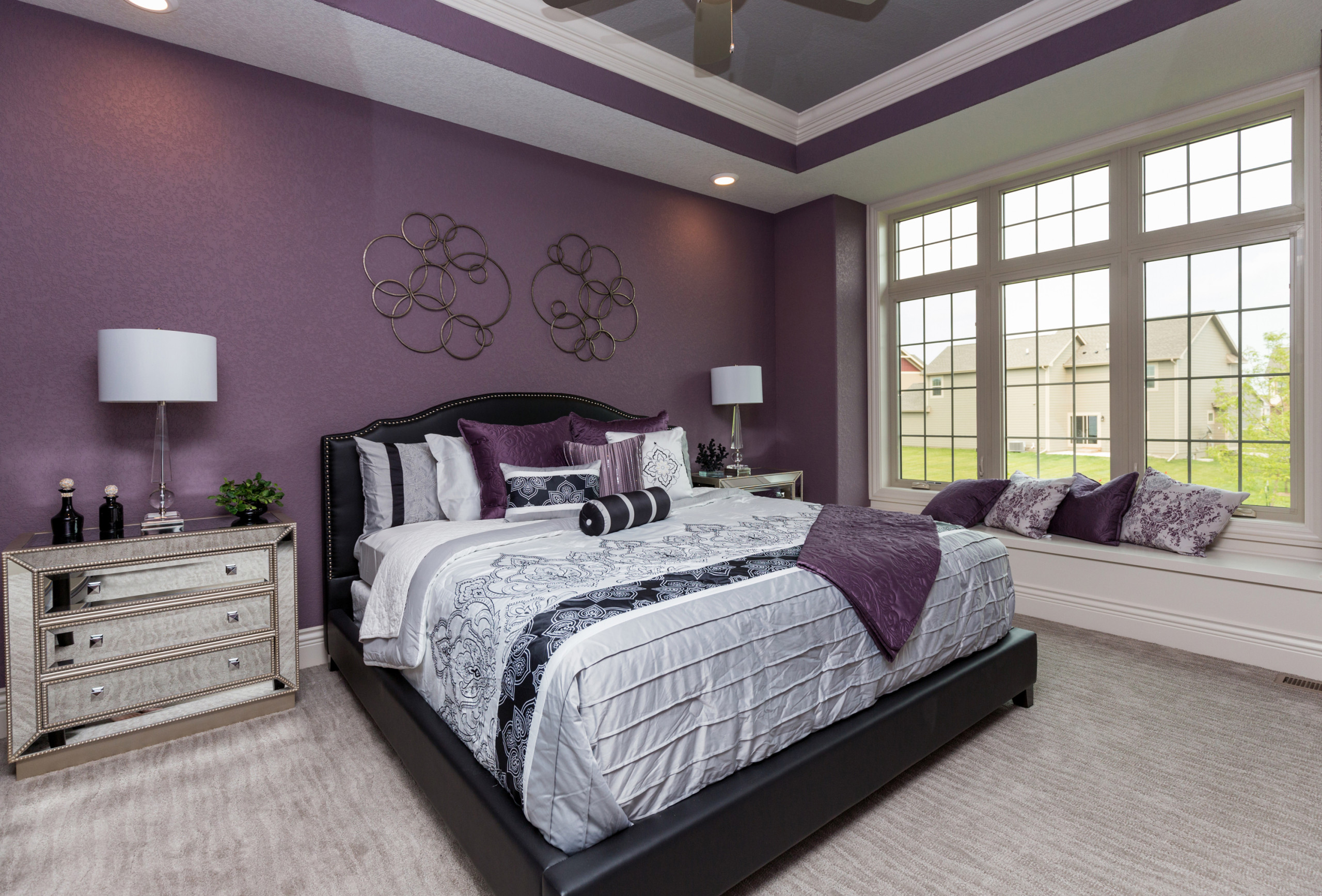
| Rich Burgundy / Deep Plum | Passionate, regal, warm, deeply intimate | Couples seeking a dramatic, romantic, and luxurious boudoir feel. | Often best as an accent wall or paired with lighter, complementary neutrals. Incorporate natural textures and soft lighting to soften intensity. |
| Warm Terracotta / Muted Rust | Earthy, inviting, passionate, exotic | Bohemian, Mediterranean, or rustic styles; couples craving warmth and a touch of the exotic. | Complements natural materials like wood, rattan, and linen. Pair with creams, greens, or even deep blues for a balanced palette. |
Serene & Refreshing Greens/Blues: Natural Harmony
These nature-inspired colours are almost universally loved for their calming properties. They create a peaceful escape, perfect for shared relaxation and rejuvenation.
| Colour | Mood for Couples | Best For… | Tips for Couples |
|---|---|---|---|
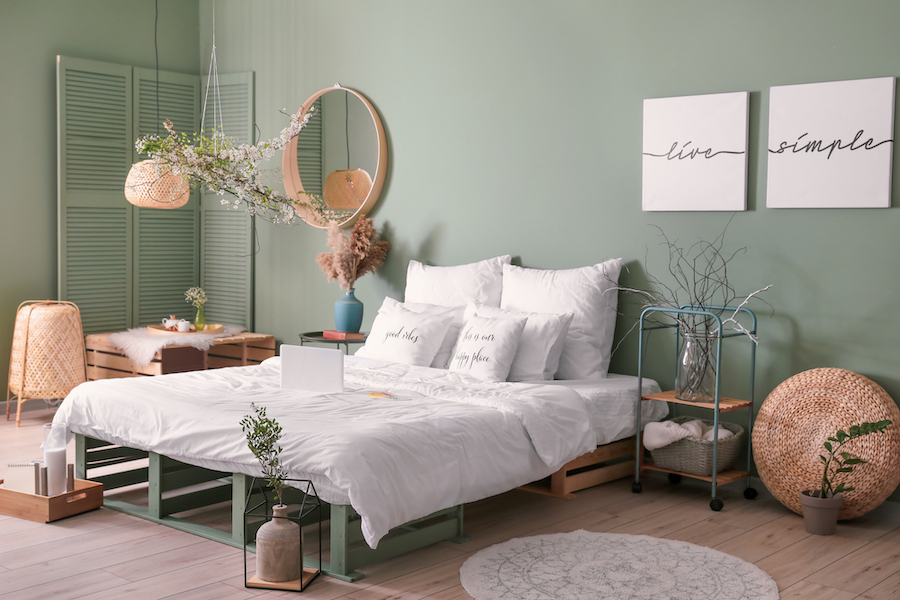
| Sage Green / Olive Green | Calming, restorative, natural, balanced | Almost any couple; especially those seeking a connection to nature or a spa-like retreat. | Pairs beautifully with wood, rattan, and other natural textures. Adds sophisticated colour without being overwhelming. |
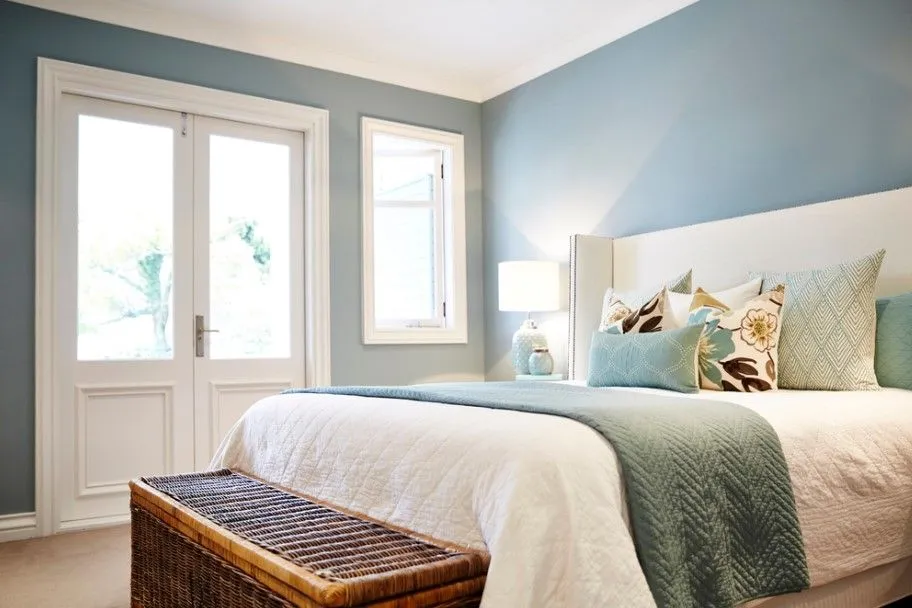
| Dusty Blue / Grey-Blue | Peaceful, serene, clear-headed, classic | Couples desiring a tranquil, timeless, and slightly airy atmosphere. | Combine with warm whites or light grays to keep it feeling inviting. Avoid icy blues, which can feel cold. |
| Navy Blue / Midnight Blue | Anchoring, sophisticated, cozy, deep intimacy | Bold, elegant couples; large rooms; creating a luxurious, cocooning effect. | Requires good lighting. Pair with crisp whites, creams, or gold accents to prevent it from feeling too heavy. Excellent for an accent wall. |
| Seafoam Green / Aqua | Refreshing, tranquil, uplifting, playful yet calm | Coastal, cheerful, or modern aesthetics; couples who want a light, airy, and rejuvenating space. | Perfect with white trim and light wood furniture. Can be accented with corals, yellows, or deeper blues for contrast. |
Bold & Energetic Accents (With Caution): Sparking Joy
While an entire room drenched in a super-saturated colour might be overwhelming, selective use of bolder shades can add personality and energy. This is often where one partner’s more adventurous taste can shine without dominating the entire space.
- Mustard Yellow or Ochre: Can be surprisingly cozy and artistic when used on an accent wall or through textiles. Adds warmth and a touch of vintage charm. Pair with deep blues or charcoal grays.
- Deep Teal or Emerald Green: As mentioned, these can be full-room colours, but as an accent, they bring drama and sophistication to a neutral scheme, especially behind the bed.
- Terracotta or Muted Rust: Fantastic for an accent wall to inject warmth and an earthy, bohemian vibe, particularly when paired with crisp whites or creams.
- Rich Berry or Jewel Tones (e.g., amethyst, sapphire): Use these for high-impact accent walls. They create a luxurious, intimate feel, but ensure the rest of the room is kept relatively neutral to maintain balance.
The key here is moderation and agreement. An accent wall is a wonderful compromise for couples with very different colour preferences.
Beyond the Brush: Enhancing Your Chosen Wall Colour
Choosing the paint is just the beginning. The surrounding elements play a crucial role in how that colour reads and how the room feels for both of you.
Lighting is Everything: Warm vs. Cool Tones
This is a big one that many people overlook. The colour temperature of your lighting (measured in Kelvins) dramatically impacts how your wall colour appears:
- Warm Light (2700K-3000K): Has a yellowish, orange glow, like incandescent bulbs. It enhances warm wall colours (creams, yellows, reds, warm grays) and can make cool colours appear slightly warmer. Ideal for creating a cozy, intimate, and romantic atmosphere.
- Cool Light (3500K-5000K+): Has a bluer, whiter appearance, like daylight or fluorescent bulbs. It enhances cool wall colours (blues, greens, cool grays) and can make warm colours look dull or washed out. Generally not recommended for bedrooms where relaxation and intimacy are key.
For a couple’s bedroom, layering lighting is best: soft, dimmable lamps (warm light) for evening ambiance, and perhaps brighter, slightly cooler lights for getting ready (but with an option to turn off or dim). Always test paint samples under your room’s actual lighting conditions – both natural daylight and artificial evening light.
Furniture & Decor Harmony: Tying It All Together
Your wall colour is the foundation, but your furniture and decor are the personality. Ensure they complement your chosen hue:
- Wood Tones: Light woods (maple, birch) pair well with cool colours for an airy feel; dark woods (walnut, mahogany) complement warmer tones and rich, moody hues for a luxurious look.
- Metals: Gold and brass add warmth and elegance, perfect with dusty pinks, deep greens, or navy. Silver and chrome offer a sleek, modern touch, ideal for grays and cool blues.
- Textiles: Don’t underestimate the power of bedding, curtains, and rugs. They introduce texture and can carry accent colours. If your walls are neutral, your textiles can bring in the ‘pop’ that one partner might crave.
- Artwork: Choose pieces that either feature your wall colour or introduce harmonious contrasting colours.
This is another area for compromise. If one person loves minimalist furniture and the other prefers ornate pieces, a neutral wall colour can help bridge that aesthetic gap, allowing individual pieces to shine without clashing.
The Power of the Accent Wall: Compromise & Creativity
I cannot stress this enough: the accent wall is a couple’s secret weapon. It allows you to introduce a bolder colour or a striking pattern that one partner loves, without committing to it on all four walls. This means:
- One partner gets their vibrant teal on the wall behind the bed.
- The other gets their calming greige on the remaining three walls.
Voila! Harmony achieved. It provides a focal point, adds depth, and satisfies different colour desires. Just ensure the accent colour is still complementary to the main wall colour, not jarring.
Paint Finishes: From Matte to Glossy, What Works Best?
The sheen of your paint affects durability, light reflection, and overall feel:
- Matte/Flat: Absorbs light, creating a soft, velvety, and sophisticated look. Excellent for camouflaging imperfections. Less durable, but perfect for low-traffic bedroom walls.
- Eggshell/Satin: Offers a subtle sheen, making it more durable and washable than matte. A popular choice for bedrooms as it’s still relatively soft but more practical.
- Semi-Gloss/Gloss: Highly reflective and very durable. Great for trim, doors, or high-traffic areas, but generally too shiny and stimulating for entire bedroom walls.
For a couple’s bedroom, I almost always recommend matte or eggshell. They create a soft, inviting atmosphere that is conducive to relaxation and intimacy. High-gloss can feel sterile or harsh in a space meant for comfort.
Practical Considerations for Painting Your Shared Space
Once you’ve agreed on the perfect hue and finish, there are a few practical steps to ensure the process goes smoothly and the result is truly satisfying.
Sample, Sample, Sample: Don’t Skip This Step!
You wouldn’t buy a car without a test drive, right? The same applies to paint. Get sample pots (not just tiny swatches) of your top 2-3 choices. Paint large squares (at least 2×2 feet) directly on your bedroom walls in different spots. Observe them at different times of day – morning, noon, and especially evening – and under both natural and artificial light.
This is crucial because paint colours look dramatically different on a small chip versus a large wall, and in varying lighting conditions. What looks perfect in the store might feel completely off in your actual bedroom. This step is a small investment that prevents big regrets (and repainting efforts).
Low VOC Paints: A Healthier Choice for Your Relationship (and Home)
Volatile Organic Compounds (VOCs) are chemicals released into the air from many paints, and they can impact indoor air quality. In an intimate space like a bedroom, it’s wise to choose paints labeled “low VOC” or “zero VOC.”
These paints significantly reduce the amount of harmful chemicals emitted, leading to:
- Better air quality for you and your partner.
- Less lingering paint smell.
- A healthier overall sleep environment.
Many major paint brands now offer excellent low-VOC options without compromising on colour or durability. It’s a small choice that makes a big difference to your shared well-being.
Budgeting for Your Dream Bedroom
Painting a room doesn’t have to break the bank, but it’s good to have a realistic budget. Consider:
- Paint Cost: Quality paints (especially low-VOC ones) can vary. Don’t always go for the cheapest; a good paint will cover better and last longer.
- Supplies: Brushes, rollers, painter’s tape, drop cloths, primer.
- Labour: Will you DIY, or hire a professional? Factor in the cost of hiring if you’re not comfortable or don’t have the time.
Remember, the colour you choose can significantly impact the perceived value and aesthetic appeal of your home, making it a worthwhile investment in your shared space and future.
Final Thoughts: Your Bedroom, Your Love Story
Choosing bedroom wall colours for couples is a journey of discovery – not just of paint chips, but of each other’s preferences, comfort zones, and shared vision. It’s about creating a space that nurtures your relationship, promotes rest, and feels like a true reflection of your unique bond.
By approaching it with communication, compromise, and a little design savvy, you’ll end up with a bedroom that’s not just beautiful, but deeply meaningful. So, grab those paint samples, talk it out, and start painting the beautiful backdrop to your love story. Happy decorating!
n