Unlocking Your Dream Bedroom: Best Wall Colors for Dark Brown Furniture
So, you’ve got that gorgeous, grounding dark brown furniture in your bedroom. Maybe it’s a robust sleigh bed, a stately dresser, or a full bedroom suite. It’s classic, elegant, and timeless. But now comes the million-dollar question: what wall color will truly make it sing?
Choosing the right paint color for a room with dark furniture can feel like a high-stakes decision. Go too dark, and your room feels like a cave. Go too bright without thought, and it can feel disjointed. But don’t you worry. I’m here to tell you that with a little insight, you can transform your bedroom into a sanctuary that feels balanced, stylish, and utterly you. Let’s dive in and unlock those perfect pairings.
The Immediate Answer: Top Wall Colors for Dark Brown Furniture
If you’re looking for the quick hit, here are the absolute best wall colors that consistently pair beautifully with dark brown furniture. We’ll get into the why and how in a moment, but this gives you a starting point:
- Warm Neutrals: Cream, Off-White, Greige, Light Tan, Soft Beige.
- Calming Cool Tones: Light Blue, Soft Sage Green, Dusty Lavender.
- Subtle Warm Tones: Pale Gold, Muted Terracotta, Light Peach.
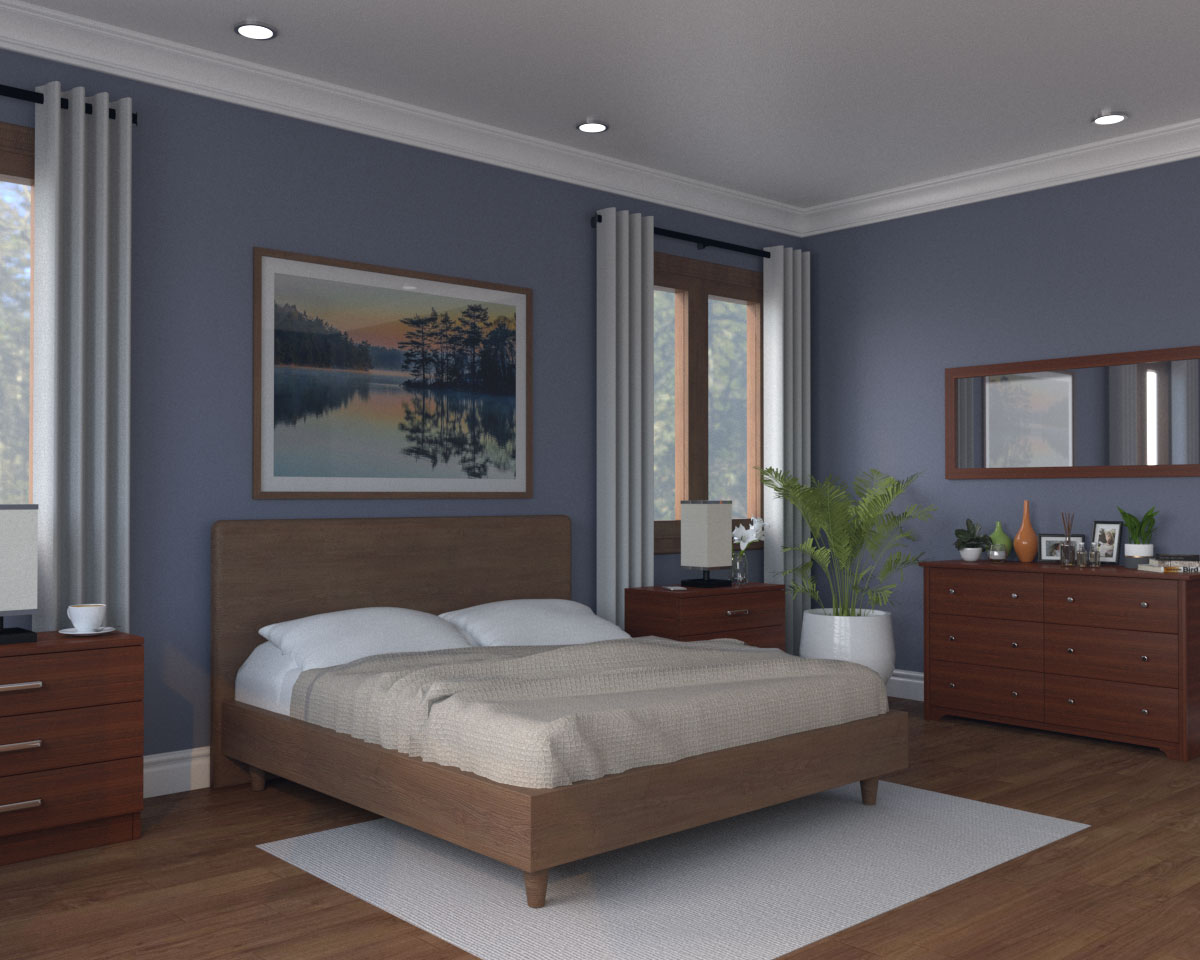
- Strategic Darks (for accent or large rooms): Deep Teal, Navy Blue, Forest Green, Charcoal Gray.
Each of these categories offers a unique vibe, allowing you to tailor your bedroom to your personal style and desired mood. Let’s explore why these work and how to pick your perfect shade.
Understanding Your Dark Brown Furniture: More Than Just “Brown”
Dark brown furniture isn’t just a color; it’s a statement. It brings a sense of stability, luxury, and warmth. But it also carries significant visual weight. This weight is both its strength and its challenge when it comes to color pairing.
Why Dark Brown Furniture is So Popular
Historically, dark wood furniture (think mahogany, walnut, espresso finishes) has been associated with quality, craftsmanship, and enduring style. It grounds a room, provides a rich focal point, and can feel incredibly comforting. It’s also incredibly versatile, adapting to everything from traditional to modern aesthetics.
The “Visual Weight” Challenge
The richness of dark brown can absorb light, making a room feel smaller or heavier if not balanced correctly. Your goal isn’t to fight this weight, but to harmonize with it. This means strategically using wall colors, lighting, and accessories to create an airy, inviting atmosphere that still celebrates the depth of your furniture.
Unmasking Undertones: Your Furniture’s Hidden Hue
Just like paint colors, dark brown furniture often has subtle undertones that influence how it interacts with other colors. Recognizing these can be a game-changer:

- Reddish Brown: Think cherry, mahogany, or some darker walnut finishes. These have warm, reddish undertones that pair beautifully with creams, soft greens, and certain blues.
- Yellowish/Orange Brown: Some oak or lighter walnut can lean this way. These warm tones work well with cooler neutrals or blues that provide a counterpoint.
- Cool/Ashy Brown: Espresso or very dark, almost black-browns can have cooler, sometimes gray, undertones. These are incredibly versatile and can handle both warm and cool wall colors.
A simple trick? Hold a white piece of paper up to your furniture in natural light. Do you see a hint of red, gold, or gray peeking through? That’s your undertone!
Mastering the Basics: Color Psychology & Principles for Bedrooms
Before we dive into specific shades, let’s briefly touch on how color works in a bedroom. This isn’t just about aesthetics; it’s about creating a functional, restful space.
How Color Affects Mood and Sleep
Your bedroom is your sanctuary, and color plays a huge role in how you feel there. Different colors evoke different emotions:
- Blues & Greens: Generally calming, peaceful, and promote relaxation. Ideal for sleep.
- Yellows & Oranges: Can be uplifting and warm, but too vibrant can be stimulating. Soft, muted versions work best.
- Neutrals (Grays, Creams, Whites): Create a serene backdrop, versatile, and minimize distractions.
- Pinks & Purples: Soft pinks can be comforting; muted purples (lavender) are relaxing.
The Importance of Light: Natural vs. Artificial
Light changes everything. A color that looks stunning in a brightly lit showroom might look entirely different in your north-facing bedroom with limited natural light.
- Natural Light: Consider the direction of your windows. North-facing rooms get cooler, softer light; south-facing rooms get brighter, warmer light. East gets morning sun; west gets afternoon/evening sun.
- Artificial Light: LED bulbs come in different color temperatures (warm white, cool white, daylight). Test your paint swatches with the actual lighting you’ll use in the room.
Balancing Dark with Light: Contrast and Harmony
With dark brown furniture, your wall color becomes a critical player in establishing balance. You’re aiming for either:
- Contrast: Using lighter wall colors to make the dark furniture stand out dramatically and lift the overall feel of the room. This is often the most popular choice for bedrooms.
- Harmony: Using deeper, complementary wall colors that create a sophisticated, cocoon-like atmosphere. This requires careful consideration of light and room size.
The Definitive Color Palette: Wall Colors That Shine with Dark Brown Furniture
Now, let’s get into the specific colors that will transform your bedroom.
Serene Neutrals: The Timeless Choice
Neutrals are never boring, especially when paired with rich dark brown. They provide a clean, elegant backdrop, allowing the furniture to be the star without overwhelming the space. They are particularly effective at making dark furniture feel less heavy and more integrated.
- Cream & Off-White: Soften stark white. They add warmth without adding color, creating a sophisticated, airy feel. Look for creams with subtle yellow or peach undertones.
- Greige: A beautiful blend of gray and beige. Greige offers the modernity of gray with the warmth of beige, making it incredibly adaptable to various dark brown undertones. It creates a tranquil, contemporary vibe.
- Light Tan & Soft Beige: These colors lean into the warmth of brown, creating a cohesive, cozy atmosphere. They are comforting and inviting, perfect for a restful space.
| Neutral Wall Color | Effect & Mood | Best For… | Considerations |
|---|---|---|---|
| Cream / Off-White | Fresh, airy, sophisticated, classic. Creates high contrast. | Small rooms, modern aesthetics, maximizing natural light. | Choose one with warm undertones to avoid starkness. |
| Greige | Modern, tranquil, balanced. A sophisticated neutral. | Contemporary or minimalist styles, rooms with mixed warm/cool elements. | Ensure the greige isn’t too cool; test with your furniture’s undertone. |
| Light Tan / Soft Beige | Cozy, warm, inviting, harmonious. Lower contrast. | Traditional, rustic, or bohemian styles. Larger rooms. | Can make small rooms feel smaller if too dark. Use lighter shades. |
Calming Cool Tones: Creating a Relaxing Retreat
Cool colors are your go-to for creating a truly tranquil and serene bedroom. They provide a beautiful contrast to the warmth of dark brown, creating a balanced and refreshing atmosphere. Plus, many cool tones are scientifically proven to promote relaxation.

- Light Blue: From sky blue to a muted robin’s egg, light blue is universally loved for its calming properties. It creates a sense of openness and freshness, making dark furniture feel lighter.
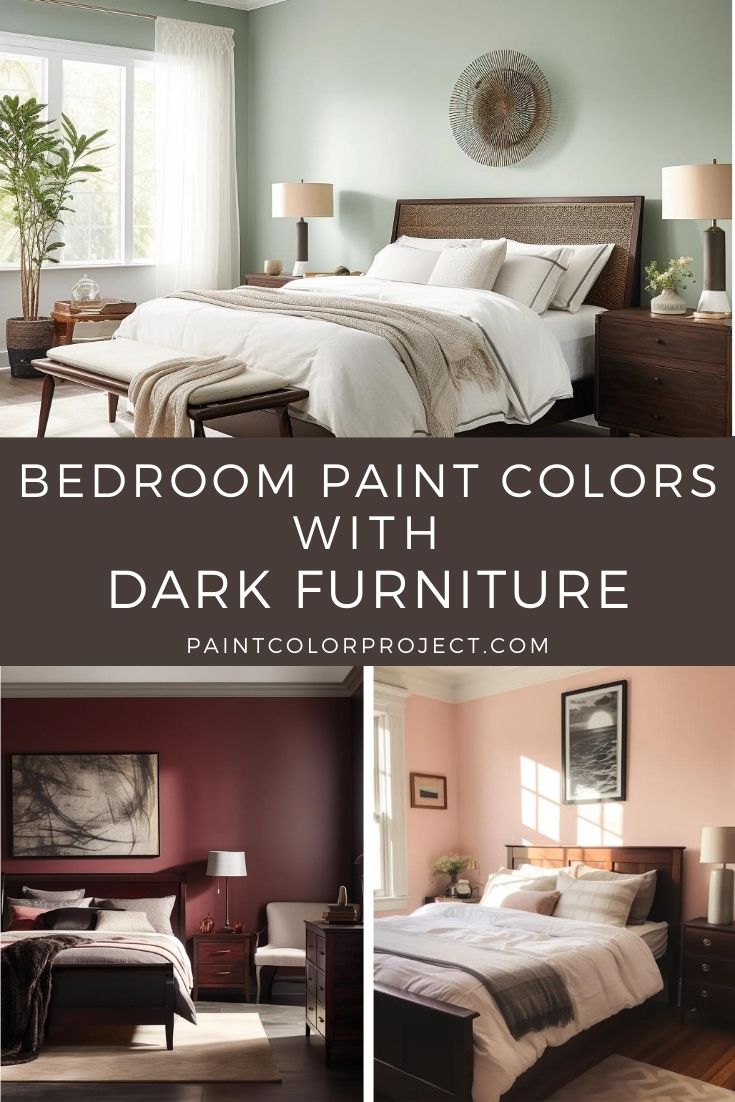
- Soft Sage Green: Evokes nature and tranquility. Sage green is a sophisticated, understated choice that pairs beautifully with the earthiness of dark brown, especially those with reddish undertones.
- Dusty Lavender: A gentle, ethereal option that brings a touch of romance and calm. It’s less common but incredibly effective at creating a peaceful, almost dreamlike bedroom, especially with cool-toned dark brown furniture.
| Cool Wall Color | Effect & Mood | Best For… | Considerations |
|---|---|---|---|
| Light Blue | Calm, peaceful, expansive, airy. | Any bedroom wanting a serene, refreshing vibe. Excellent for small rooms. | Avoid overly bright or icy blues; lean towards muted, soft shades. |
| Soft Sage Green | Natural, calming, sophisticated, grounded. | Bohemian, rustic, or modern organic styles. Pairs well with reddish browns. | Ensure it doesn’t lean too yellow or too gray; seek a true muted sage. |
| Dusty Lavender | Romantic, soothing, unique, ethereal. | Bedrooms aiming for a feminine, luxurious, or creative ambiance. | Test carefully as purple can be tricky; muted, gray-infused shades are best. |
Inviting Warm Tones: Cozy & Luxurious Vibes
If you want your bedroom to feel like a warm hug, lean into warm wall colors. These shades complement the richness of dark brown, creating an enveloping, luxurious, and incredibly inviting atmosphere. The trick is to keep them muted and soft to avoid overwhelming the space.
- Pale Gold / Muted Yellow: A soft, buttery yellow or a subtle pale gold can add incredible warmth and light without being too stimulating. It’s elegant and surprisingly sophisticated with dark brown.
- Terracotta (Light Shades): While often associated with vibrant reds, very pale, dusty terracotta or a light, warm peach can bring an earthy, organic warmth that beautifully complements dark brown, especially those with warmer undertones.
- Warm Beige / Light Mocha: These are slightly deeper than typical light tans, offering a rich warmth that blends seamlessly with dark brown furniture. They create a monochromatic, sophisticated palette.
| Warm Wall Color | Effect & Mood | Best For… | Considerations |
|---|---|---|---|
| Pale Gold / Muted Yellow | Uplifting, luxurious, warm, sophisticated. | Bedrooms needing a boost of warmth, traditional or opulent styles. | Choose soft, muted versions to avoid ‘baby room’ yellow or overly bright. |
| Light Terracotta / Peach | Earthy, organic, comforting, warm. | Bohemian, Mediterranean, or rustic styles. Great with reddish browns. | Keep it pale and muted; strong terracotta can overwhelm. |
| Warm Beige / Light Mocha | Cozy, elegant, monochromatic, rich. | Creating a seamlessly warm, enveloping space. Classic styles. | Can make small rooms feel darker if not paired with ample light. |
Bold & Dramatic Accents: For the Fearless Decorator
Ready to make a statement? Dark brown furniture can absolutely shine against a rich, bold wall color. This approach is about creating depth, drama, and a highly personalized space. It works especially well in larger bedrooms or when used strategically on an accent wall.
- Deep Teal: A magnificent blend of blue and green, deep teal is luxurious, sophisticated, and incredibly calming. It provides a striking contrast to dark brown, creating a jewel-toned effect.
- Navy Blue: Classic, sophisticated, and surprisingly neutral in its depth. Navy creates a strong, grounding backdrop that makes dark brown furniture pop. It’s perfect for a nautical, traditional, or even modern aesthetic.
- Forest Green: Evokes nature, luxury, and serenity. A deep, rich forest green creates a cocooning effect that is both cozy and elegant, especially beautiful with reddish-brown furniture.
- Charcoal Gray: A deep, sophisticated gray can create a powerful, modern backdrop. It’s less harsh than black but offers similar dramatic contrast, perfect for a sleek, contemporary bedroom.
| Bold Wall Color | Effect & Mood | Best For… | Considerations |
|---|---|---|---|
| Deep Teal | Luxurious, sophisticated, calming, dramatic. | Accent walls, larger bedrooms, creating a rich, jewel-box effect. | Requires good lighting to prevent feeling too dark. |
| Navy Blue | Classic, elegant, grounding, strong. | Traditional, coastal, or modern bedrooms seeking depth. | Balance with plenty of lighter textiles and lighting. |
| Forest Green | Earthy, luxurious, serene, enveloping. | Creating a moody, sophisticated retreat, especially with natural elements. | Can make rooms feel smaller; best in rooms with good natural light. |
| Charcoal Gray | Modern, dramatic, sophisticated, sleek. | Contemporary or industrial styles, creating a powerful contrast. | Needs warm accents and lighting to avoid feeling cold or stark. |
Beyond the Walls: Harmonizing Your Bedroom Space
Choosing the wall color is a huge step, but a cohesive bedroom design involves more than just paint. Here’s how to pull the whole look together.
Lighting is Key: Brightening Your Dark Furniture Bedroom
With dark furniture, lighting becomes your best friend. It can make a dark room feel airy or a bright room feel cozy.

- Maximize Natural Light: Keep windows clear. Use sheer curtains or blinds that can be fully opened during the day.
- Layered Artificial Lighting: Don’t rely on a single overhead light. Incorporate ambient lighting (ceiling fixture), task lighting (bedside lamps for reading), and accent lighting (table lamps, wall sconces, or even picture lights) to create warmth and depth.
- Fixture Choice: Opt for lamps with light-colored shades or metallic finishes (brass, chrome) to reflect light.
Textiles & Accessories: The Art of Layering
This is where you inject personality and soften the visual weight of dark furniture.
- Bedding: Choose lighter colors for duvet covers, sheets, and pillows. Think crisp whites, soft creams, pale blues, or muted greens. Introduce texture with knitted throws or linen duvets.
- Rugs: A large, light-colored rug can define the space, add softness underfoot, and visually lighten the floor area. Consider natural fibers like jute or sisal for warmth and texture.
- Curtains: Light-colored, flowy curtains (sheers, linen, or light cotton) will allow light in and soften windows. If you need blackout, layer with a darker, textured drape in a complementary color.
- Art & Decor: Incorporate artwork with lighter backgrounds or vibrant colors that complement your wall paint. Add decorative objects in ceramic, glass, or light wood to break up the dark furniture surfaces. Mirrors are excellent for reflecting light and making a room feel larger.
Floor It: Choosing the Right Flooring
Your floor is the foundation of your room. With dark brown furniture, lighter flooring is generally preferred to prevent the room from feeling too heavy or dark.
- Light Wood or Laminate: A beautiful, classic choice that provides warmth and contrast.
- Light-Colored Carpet: Adds softness, sound absorption, and warmth. Choose a neutral shade like cream, light gray, or beige.
- Area Rugs: If you have dark flooring you can’t change, a large, light area rug is crucial for breaking up the dark expanse and grounding your furniture.
The Undertone Tango: Matching or Contrasting
Remember those furniture undertones? Here’s how to use them:
- For Reddish-Brown Furniture: Soft greens, creams, and cool blues provide a beautiful contrast. Warm beiges can also create a rich, cohesive look.
- For Yellowish-Brown Furniture: Cooler neutrals like greige, or soft blues and greens will balance the warmth.
- For Cool/Ashy Brown Furniture: This is your most versatile. It can handle both warm colors (creams, pale gold) to add warmth, or cool colors (blues, grays) for a more modern, serene feel.
Practical Tips for Choosing Your Perfect Shade
You’ve got the knowledge; now let’s talk execution.
Test, Test, Test: The Swatch Method
This is non-negotiable! Paint chips are misleading. You absolutely *must* paint large swatches (at least 2’x2′) of your top 2-3 choices on different walls in your bedroom. Observe them at different times of day—morning, afternoon, evening, and with both natural and artificial light. How does the color shift? How does it look next to your dark brown furniture? This step prevents costly mistakes.
Consider Your Room’s Size & Light
- Small Rooms: Lighter wall colors (creams, pale blues, light greige) will make the room feel more expansive and airy, counteracting the visual weight of dark furniture.
- Large Rooms: Can handle slightly deeper or bolder colors (like deep teal or navy) without feeling overwhelmed. These can create a luxurious, enveloping feel.
- North-Facing Rooms: Tend to have cooler, duller light. Warm up the space with creams, soft yellows, or warm beiges.
- South-Facing Rooms: Bathed in warm, bright light. You can lean into cooler tones like blues or greens to balance the warmth, or embrace it with richer neutrals.
Don’t Forget the Ceiling!
The ceiling is often called the “fifth wall.” Painting it the same color as your walls (especially if it’s a lighter shade) can make the room feel taller and more cohesive. Alternatively, a crisp white ceiling can provide a clean break and bounce light around.
You are now equipped with the ultimate guide to choosing the perfect wall color for your dark brown furniture. This isn’t just about paint; it’s about creating a mood, a feeling, and a personal haven. Trust your instincts, embrace the process of testing, and get ready to fall in love with your bedroom all over again. Happy painting!