How to Paint Walls Properly: Your Definitive Guide to a Flawless Finish
Ever gazed at a newly painted wall, only to spot streaks, drips, or uneven patches that scream “DIY Gone Wrong”? You’re not alone. Painting seems simple enough: dip a brush, roll some paint. But achieving that smooth, professional finish that makes a room pop? That’s where “properly” comes into play, and it’s a game-changer.
This isn’t just a guide on how to apply paint; it’s your blueprint for transforming your walls with confidence and precision. We’ll walk you through every critical step, from choosing the right paint and tools to mastering advanced techniques and troubleshooting common blunders. Say goodbye to frustration and hello to walls that look like a pro did them – because after this, you practically will be one.
Beyond the Brushstroke: Why “Properly” Makes All the Difference
You might be tempted to rush through a painting project. Who wouldn’t want to get to the ‘finished’ part quicker? But cutting corners, especially during preparation and application, doesn’t save time or money. It almost always costs more in the long run.
The True Cost of a Hasty Job
Imagine this: you’ve spent hours painting, only to discover ugly roller marks, peeling paint, or a patchy finish a few weeks later. Now you have to buy more paint, more supplies, and dedicate more time to fixing the mistakes. That’s the real cost of skipping crucial steps – not just financial, but also in wasted effort and emotional drain. A poorly painted room can even decrease your home’s aesthetic appeal and, ultimately, its value.
The Professional Edge: Durability, Aesthetics, and Value
Painting properly means understanding the ‘why’ behind each step. It’s about:
- Durability: A well-prepped and painted wall adheres better, resisting chips, peels, and fading for years.
- Aesthetics: Smooth, even coats with crisp lines make a room look clean, polished, and intentionally designed.
- Value: Whether you’re staying or selling, a professionally painted interior significantly enhances your home’s appeal and market value.
Phase 1: Assembling Your A-Team – Paint & Tools Selection
Before any paint touches your walls, you need to make some smart choices. The right paint and tools are half the battle won.
Choosing Your Paint: The Heart of Your Project
It’s not just about picking a color you like. The type and sheen of paint dramatically affect its performance and appearance.
Latex vs. Oil-Based: What’s the Real Scoop?
- Latex (Water-Based) Paint: This is your go-to for most interior walls. It’s easy to clean up with water, dries quickly, is flexible (less prone to cracking), and typically has lower VOCs (Volatile Organic Compounds), making it a healthier choice for indoor air quality. Modern latex paints offer excellent durability.
- Oil-Based (Alkyd) Paint: Known for its incredibly hard, durable finish, oil-based paint is often used for trim, doors, and cabinets, or in high-moisture areas where superior toughness is needed. However, it dries slowly, requires mineral spirits for cleanup, and emits stronger fumes, meaning higher VOCs. For general walls, latex is almost always preferred.
Decoding Paint Sheen: From Flat to High-Gloss
The sheen refers to how reflective the paint finish is. This choice impacts durability, cleanability, and the overall look of your room.
| Sheen Type | Reflectivity | Durability/Cleanability | Best Use Areas | Notes |
|---|---|---|---|---|
| Flat/Matte | Very Low | Least durable, difficult to clean | Ceilings, low-traffic areas, hides imperfections well | Sophisticated, non-reflective finish. Can mark easily. |
| Eggshell/Matte Enamel | Low | Good durability, somewhat washable | Living rooms, dining rooms, bedrooms | Soft, subtle sheen, popular all-around choice. |
| Satin | Medium | Very durable, easy to clean | Kitchens, bathrooms, hallways, kids’ rooms, trim | Slightly more reflective, stands up well to scrubbing. |
| Semi-Gloss | High | Extremely durable, very easy to clean | Trim, doors, cabinets, high-moisture bathrooms | Bright, reflective finish. Highlights imperfections. |
| High-Gloss | Very High | Most durable, super easy to clean | Furniture, specialty accents, very high-traffic areas | Mirror-like finish. Requires near-perfect surface prep. |
Beyond the Basic Can: VOCs and Specialty Paints
- Low/Zero VOCs: These paints are better for your health and the environment, emitting fewer harmful chemicals into the air. Many premium brands offer excellent low-VOC options.
- Paint + Primer in One: While convenient, these are best for walls in good condition or for minor color changes. For significant color changes or problematic surfaces, a dedicated primer is always recommended.
- Specialty Paints: Think mildew-resistant for bathrooms, stain-blocking for specific issues, or textured paints for unique finishes.
Essential Tools: Investing in Success
Good tools make a huge difference in the quality of your finish and the ease of your work. Don’t cheap out here!
Brushes: The Cut-In Kings
Your brushes are for precision work – cutting in along trim, ceilings, and corners.
- Angled Sash Brush (2-2.5 inches): This is your workhorse for cutting in. The angled bristles allow for a sharp, clean line.
- Straight Edge Brush (1-1.5 inches): Useful for smaller details or spreading paint on narrower surfaces.
- Natural Bristle: Best for oil-based paints.
- Synthetic Bristle (Nylon/Polyester): Ideal for latex (water-based) paints, as they don’t absorb water and lose their shape.
Rollers: Your Coverage Champions
Rollers cover large areas quickly and efficiently.
- Roller Frame: A sturdy, comfortable frame is essential. Consider an extendable pole for ceilings and high walls to save your back.
- Roller Covers (Naps): The nap refers to the thickness of the roller cover’s fibers.
- 1/4″ – 3/8″ Nap: Smooth surfaces (new drywall, plaster, smooth existing walls).
- 1/2″ Nap: Semi-smooth to light-textured surfaces (lightly textured drywall, previously painted walls). This is a good all-around choice.
- 3/4″ – 1″ Nap: Textured surfaces (stucco, popcorn ceilings, very rough walls).
- Cover Material: Microfiber or woven polyester are excellent for smooth, even finishes with latex paint.
The Unsung Heroes: Essential Supporting Cast
- Painter’s Tape: High-quality blue painter’s tape for crisp lines.
- Drop Cloths: Canvas or plastic to protect floors and furniture.
- Paint Trays & Liners: Make cleanup a breeze.
- Stir Sticks: For thoroughly mixing paint.
- Sanding Sponge/Paper: Medium and fine grit (120-220 grit).
- Patching Compound/Spackle: For filling holes and cracks.
- Putty Knife: For applying patching compound.
- Utility Knife & Screwdriver: For removing outlet covers and fixtures.
- Bucket & Sponge: For cleaning walls.
- Safety Gear: Gloves, safety glasses, mask (especially for sanding or oil-based paints).
Phase 2: The Art of Preparation – Laying the Groundwork for Perfection
This phase is often rushed or overlooked, but it’s the absolute secret to a professional-looking paint job. Seriously, don’t skip these steps.
Emptying the Canvas: Clearing the Room
Before anything else, remove all furniture, decor, and wall hangings from the room. If large furniture can’t be removed, gather it in the center of the room and cover it completely with plastic sheeting or drop cloths. Take down outlet and switch plates, light fixtures, and window coverings. Store them safely.
Wall Wellness Check: Inspection, Cleaning, and Repair
Your walls are your canvas. Make sure they’re ready to accept paint beautifully.
Cleanliness is Next to Paint-liness: Washing Walls Properly
Dust, grime, and grease prevent paint from adhering properly. Wash walls with a mild detergent (like sugar soap or a dilute solution of TSP substitute) and warm water. Rinse thoroughly with clean water to remove any residue. Let the walls dry completely, which can take several hours depending on humidity.
Patchwork Perfection: Filling Holes, Cracks, and Smoothing Surfaces
- Small Holes (nails, screws): Use lightweight spackle and a putty knife to fill. Apply slightly proud, then sand flush when dry.
- Cracks & Larger Holes: For bigger damage, use patching compound. Apply in thin layers, allowing each to dry before adding the next, until the repair is flush with the wall.
- Uneven Surfaces: If you have texture you want to minimize, or old repairs that weren’t smoothed well, skim-coating with joint compound might be necessary. This is more advanced, but crucial for a truly smooth finish.
Sanding Sensibility: Achieving a Smooth, Adhesion-Ready Surface
After patching, sanding is critical. Use a medium-grit (120-150) sanding sponge or sandpaper to smooth all patched areas until they are perfectly flush with the wall. Then, lightly sand the entire wall surface with a fine-grit (180-220) sanding sponge. This creates a slightly abraded surface that helps new paint adhere better. Don’t forget to wipe down the walls again with a damp cloth after sanding to remove all dust, then let dry.
Masking Mastery: Taping Off and Protecting Surfaces
Precision taping ensures crisp lines and protects areas you don’t want to paint.
- Baseboards & Trim: Apply painter’s tape along the top edge of your baseboards and any trim you don’t intend to paint. Press firmly to create a seal.
- Ceilings: If you’re not painting the ceiling, apply tape where the wall meets the ceiling.
- Windows & Doors: Tape off window frames, door frames, and any glass you want to keep paint-free.
- Outlets & Switches: After removing covers, tape around the electrical boxes.
- Floors: Lay down drop cloths or plastic sheeting, extending them right to the edge of the baseboards.
The Power of Primer: When and What Kind to Use
Primer is a foundational coat that prepares the surface for paint. It’s often the unsung hero of a flawless finish.
Why Prime?
- Enhanced Adhesion: Helps paint stick better, especially on slick or glossy surfaces.
- Uniform Finish: Provides a consistent base color, preventing flashing (uneven sheen) and ensuring true color representation, especially when painting over a darker color with a lighter one.
- Stain Blocking: Essential for covering water stains, smoke damage, or other discoloration that might bleed through paint.
- Sealing: Seals porous surfaces like new drywall, preventing the topcoat from soaking in unevenly.
Primer Types: Choose Wisely
- Water-Based (Latex) Primer: Best for new drywall, existing painted walls, and wood. Dries fast, easy cleanup.
- Oil-Based (Alkyd) Primer: Excellent for stain blocking (water, smoke, tannin bleed from wood) and for priming over oil-based paints. Stronger fumes, longer dry time.
- Shellac-Based Primer: The ultimate stain blocker, effective on severe water damage, smoke, and odors. Dries incredibly fast, but high VOCs and alcohol cleanup.
Pro Tip: Even with “paint and primer in one” products, if you’re making a dramatic color change, painting over heavily patched areas, or dealing with stains, use a dedicated primer. It’s worth the extra step.
Phase 3: The Painting Playbook – Step-by-Step to a Flawless Finish
With your prep complete, it’s time for the main event. Patience and technique are your allies here.
Step 1: The First Pour & Stir: Getting Your Paint Ready
Thoroughly stir your paint. If you’re using multiple cans of the same color, especially if they are slightly different batches, “box” them together by pouring them all into a larger bucket and mixing them. This ensures a perfectly consistent color across your entire project.
Step 2: Mastering the Cut-In: Precision Edges and Corners
Cutting in means painting the edges where the roller can’t reach. Do this before rolling the main walls.
- Loading the Brush: Dip about one-third to half of the bristles into the paint. Tap off excess on the side of the can, don’t wipe it against the rim, as this can overload the brush.
- The Technique: Hold the brush like a pencil. Starting about 1/2 inch away from the edge you’re cutting, apply paint in a straight line, then gently push the bristles into the edge, allowing them to fan out slightly to create a clean line. Use long, smooth strokes.
- Areas: Cut in along the ceiling, baseboards, door frames, window frames, and in corners where walls meet. Aim for a 2-3 inch wide band of paint.
- Work in Sections: Cut in one wall at a time, then roll that wall before the cut-in paint dries completely. This helps blend the edges and prevents ‘flashing.’
Step 3: Rolling with Confidence: Achieving Uniform Coverage
This is where you cover the large areas.
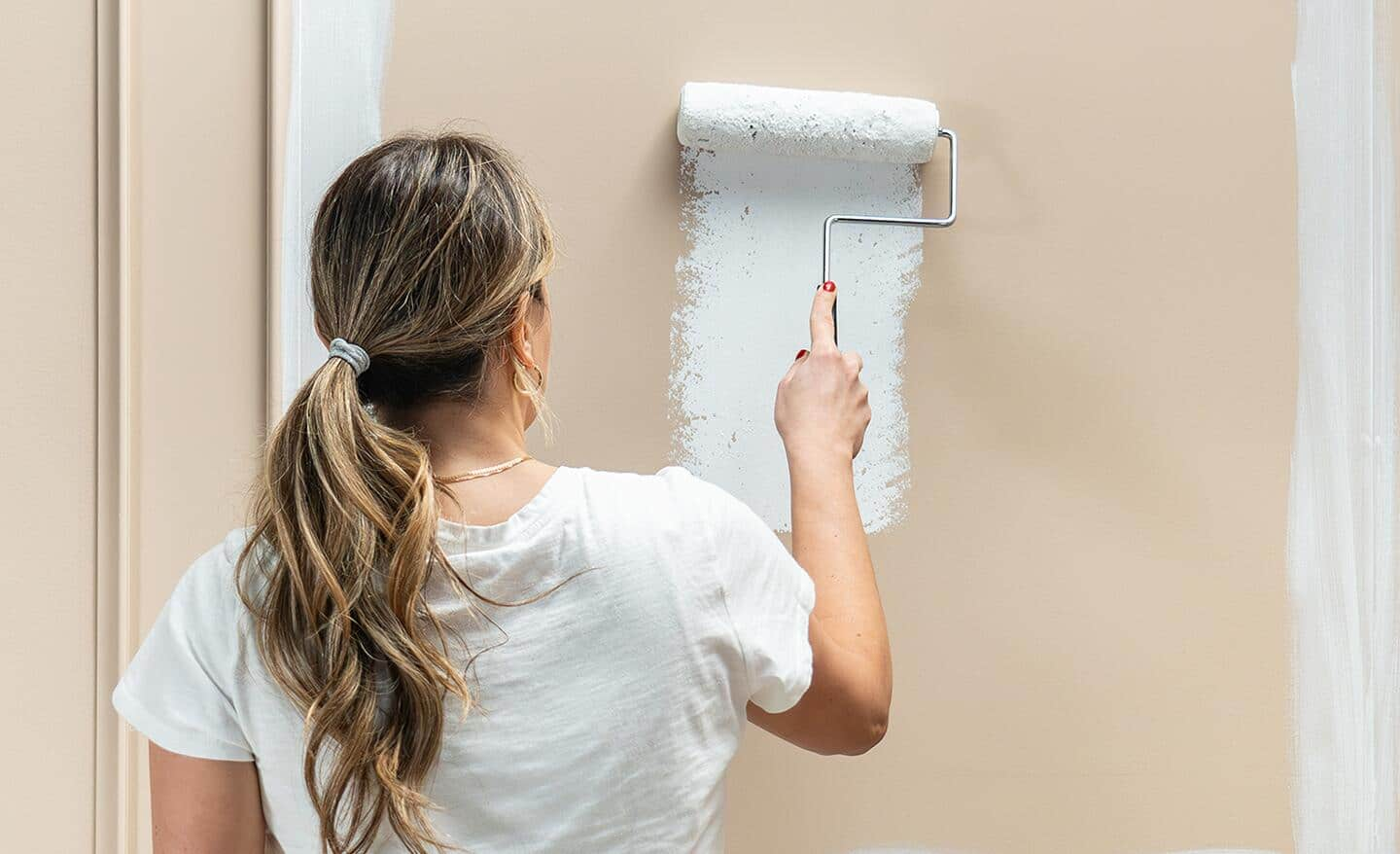
- Load the Roller: Pour paint into your paint tray. Roll the roller cover into the paint, then roll it up and down the textured ramp of the tray to evenly distribute paint and remove excess. Don’t let the roller get saturated to the point of dripping.
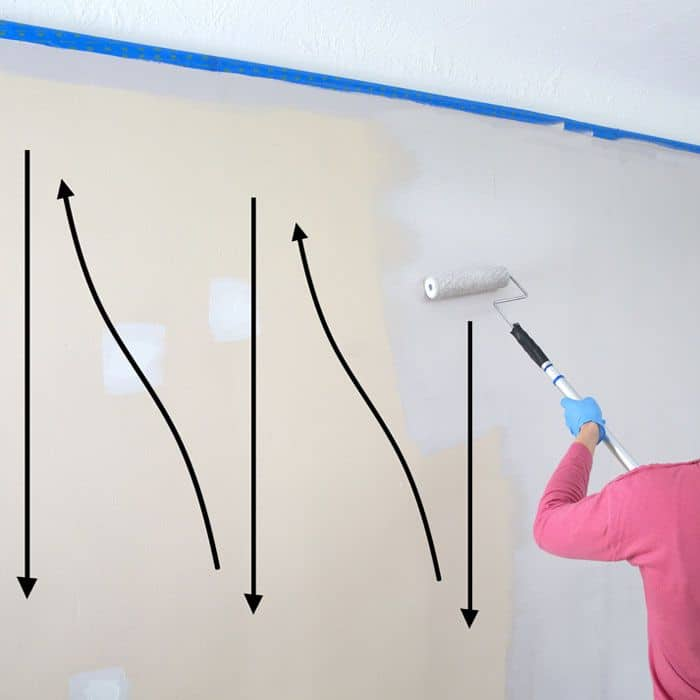
- The “W” Technique: Start in a corner of your wall. Roll a “W” or “M” shape without lifting the roller. Then, fill in that shape with vertical strokes, working from top to bottom. This technique helps ensure even coverage and minimizes roller marks.
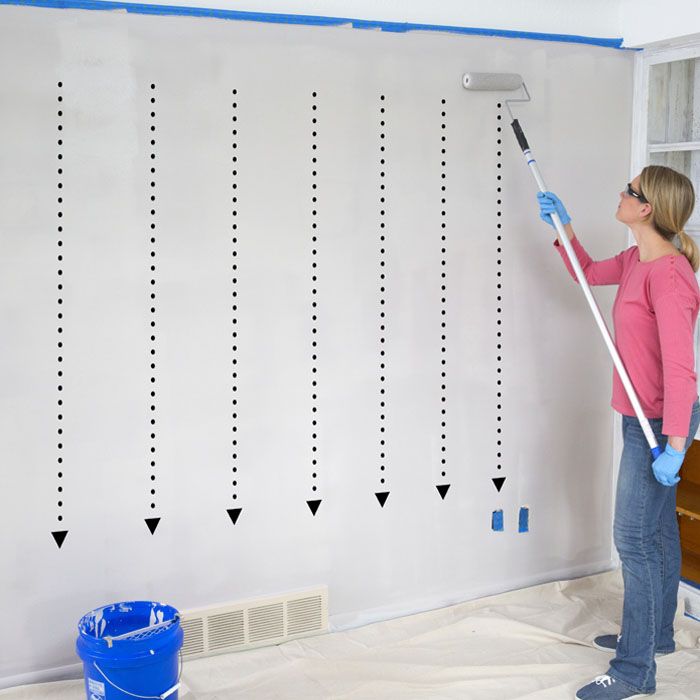
- Consistent Pressure & Overlaps: Apply consistent, moderate pressure. Overlap each stroke slightly (about 50%) with the previous one. Always roll from wet edge to wet edge to avoid lines.
- Work in Sections: Work on one wall section (e.g., a 3×3 foot area) at a time, moving quickly enough to maintain a wet edge.
- Top to Bottom: Always finish a section with light, even strokes from top to bottom.
Step 4: The Art of the Second Coat: Timing is Everything
Most walls require two coats for optimal color, durability, and a flawless finish. Check your paint can for recommended re-coat times (usually 2-4 hours). Applying a second coat too soon can cause dragging or poor adhesion.
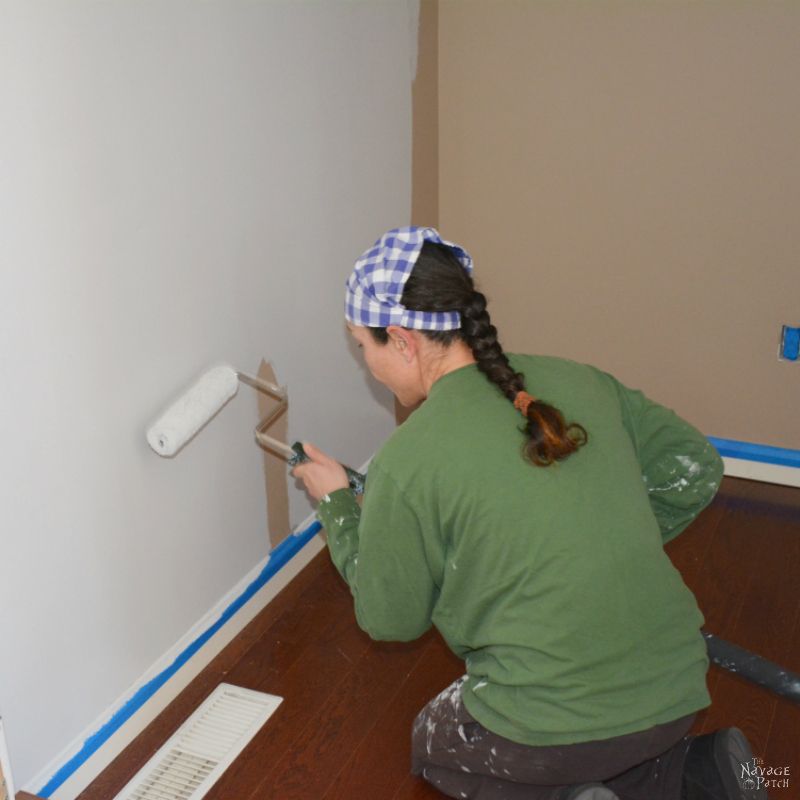
- Apply the second coat with the same care and technique as the first.
- Ensure the first coat is completely dry to the touch before starting.
Step 5: The Finishing Touch: Inspecting and Addressing Minor Flaws
While the second coat is still wet, take a moment to scan for any drips or sags. Lightly roll over them to smooth them out. Once dry, don’t fret over tiny imperfections – often, they’re only visible to your critical eye.
Phase 4: Post-Painting Perfection – Clean-Up and Troubleshooting
You’re almost there! Proper cleanup and knowing how to fix issues are the final steps to painting like a pro.
The Grand Reveal: Removing Painter’s Tape
This is a critical step for crisp lines. For the cleanest lines, remove painter’s tape while the paint is still slightly wet. If it’s completely dry, you risk peeling off chunks of your new paint. If you must wait until dry, score along the tape edge with a utility knife first to break the seal.
Tool Care: Cleaning Your Brushes and Rollers for Longevity
Investing in good tools means taking care of them.
- Brushes (Latex Paint): Rinse thoroughly with warm water and mild soap until all paint is gone. Squeeze out excess water and reshape the bristles. Hang or lay flat to dry.
- Roller Covers (Latex Paint): Scrape off excess paint. Rinse under warm water, squeezing repeatedly, until water runs clear. Hang to dry.
- Oil-Based Paint: Clean brushes and rollers with mineral spirits or paint thinner according to product instructions.
Storing Leftover Paint: Keep it Fresh
Seal paint cans tightly. If the lid is bent, hammer it flat. Store cans upside down or with plastic wrap under the lid to create a better seal and prevent air from getting in. Store in a cool, dry place, away from extreme temperatures.
Common Painting Problems Solved:
Even the pros encounter issues. Here’s how to tackle the most common ones.
:max_bytes(150000):strip_icc()/paint-wall-home-depot-roller-brush-0518-7c0d161c28f8458f988b3f86406c5506.jpg "How to Paint Walls, a Step-by-Step Guide")
| Problem | Cause | Solution |
|---|---|---|
| Roller Marks/Streaks | Uneven pressure, not maintaining a wet edge, insufficient paint on roller, wrong nap size. | Apply consistent pressure. Work quickly, maintain a wet edge. Use enough paint. Ensure proper nap for surface. Sand lightly and re-paint if dry. |
| Bubbling/Peeling | Poor surface prep (dirt, grease, moisture), painting over incompatible finishes, trapped moisture. | Scrape off loose paint, sand smooth. Clean thoroughly, let dry. Prime with appropriate primer (e.g., oil-based for stain blocking). Re-paint. Ensure no moisture issues behind wall. |
| Poor Coverage/Flashing | Inadequate primer, too thin paint, insufficient coats, uneven application. | Ensure proper priming, especially for color changes or patched areas. Apply adequate, but not excessive, paint per coat. Apply a second (or third) coat as needed. Ensure even application. |
| Drips/Sags | Too much paint on brush/roller, applying paint too thickly. | Wipe off excess paint from tools. Apply thinner coats. If wet, gently re-roll/brush to spread. If dry, sand smooth and touch up. |
| Brush Marks | Overworking the paint, using a cheap brush, paint drying too fast. | Use a high-quality brush. Apply paint smoothly without overworking. Consider adding a paint conditioner for slower drying, especially in hot, dry conditions. Sand lightly and re-paint. |
Pro Insights & Advanced Tips
- Lighting’s Role: Always check your work under different lighting conditions (natural, artificial) throughout the day. Imperfections often appear differently.
- Temperature & Humidity: Optimal painting conditions are moderate temperatures (65-75°F / 18-24°C) and average humidity (around 50%). Extreme heat or cold, or very high/low humidity, can affect paint drying and adhesion.
- Practicing Patience: Painting isn’t a race. Take your time with prep, allow proper drying between coats, and you’ll be rewarded with a superior finish.
- Test Swatches: Before committing to a color for the whole room, paint a small test swatch on your wall or a large piece of cardboard. Observe it throughout the day in different lighting.
- Keep a Wet Edge: This is crucial for avoiding lap marks (streaks where wet and dry paint meet). Always roll into the wet paint you just applied.
Conclusion: Your Masterpiece Awaits
Painting your walls properly isn’t just about applying a new color; it’s about craftsmanship, attention to detail, and creating a space you’ll love for years to come. By following these comprehensive steps – from meticulous preparation to precise application and smart troubleshooting – you’re no longer just painting; you’re transforming. You’ve now got the knowledge, the techniques, and the confidence to achieve that coveted flawless finish. Go forth and create your masterpiece!
Frequently Asked Questions
What’s the most common mistake people make when painting walls?
The most common mistake by far is inadequate preparation. Skipping steps like cleaning, patching holes, sanding, and priming leads to a poor finish, peeling paint, or uneven color. Proper prep is the foundation of a durable, professional-looking paint job.
How do I choose the right paint sheen for my walls?
The right sheen depends on the room’s function and desired look. Flat/matte hides imperfections but is hard to clean. Eggshell/satin offer a subtle glow and good cleanability, making them popular for living areas and bedrooms. Semi-gloss/high-gloss are highly durable and easy to clean, ideal for trim, doors, kitchens, and bathrooms, but they highlight surface flaws.
Is it always necessary to prime walls before painting?
While not always mandatory, priming is highly recommended for best results. You absolutely need to prime if you’re painting new drywall, making a dramatic color change (especially from dark to light), covering stains, or painting over glossy surfaces. Primer improves adhesion, ensures even color, and prevents flashing.
What is ‘cutting in’ and why is it important?
‘Cutting in’ refers to painting the edges of a wall (corners, along trim, ceilings) with a brush before rolling. It’s crucial because rollers can’t get into these tight spots cleanly. Doing it properly creates crisp, straight lines and helps blend the brushwork with the rolled paint for a seamless finish.
How can I avoid roller marks and streaks on my walls?
To avoid roller marks, ensure your roller is adequately but not excessively loaded with paint. Use consistent, moderate pressure and the ‘W’ or ‘M’ pattern to spread paint evenly. Most importantly, always maintain a ‘wet edge,’ meaning you overlap each new roller stroke with the paint you just applied before it dries. Using the correct nap size for your wall texture also helps.
Should I remove painter’s tape while the paint is wet or dry?
For the cleanest, sharpest lines, it’s generally best to remove painter’s tape while the paint is still slightly wet. If the paint dries completely, it can form a seal over the tape, causing paint to peel away with the tape. If you must wait until it’s dry, score along the tape’s edge with a utility knife before pulling to break the seal.
How many coats of paint do I usually need?
Most interior painting projects require two coats of paint for optimal color depth, uniformity, and durability. Sometimes, especially when covering a very dark color with a much lighter one, a third coat might be necessary after proper priming. Always allow the recommended drying time between coats.