How Long To Paint A Bedroom Ceiling? Your Definitive Time Guide
nnLet’s get straight to it: painting a bedroom ceiling can take anywhere from 2 hours to a full day of active work for a DIYer, not including crucial drying times between coats. Professional painters, with their specialized tools and experience, can often complete the active painting phase in 1 to 4 hours for an average-sized bedroom, plus drying.nnBut that’s just the quick answer. The real duration of your ceiling painting project is influenced by a surprisingly wide array of factors, from the size of your bedroom to the condition of your existing ceiling, and even your personal painting prowess. If you’re looking for a realistic timeline, including all the prep and drying you absolutely shouldn’t skip, you’ve come to the right place.nn
The Quick Answer: What to Expect for Your Bedroom Ceiling
nnThink of your ceiling painting project in terms of total project time, not just roller time. Here’s a quick overview to set your expectations for a typical bedroom ceiling (approx. 12×14 feet):nn
| Scenario |
DIYer Time Estimate (Active Hours) |
Professional Time Estimate (Active Hours) |
Total Project Days (Including Drying) |
| Small Room (10×10 ft), 1 Coat, Good Condition |
1.5 – 2.5 hours |
0.5 – 1 hour |
1 day |
| Medium Room (12×14 ft), 2 Coats, Good Condition |
4 – 6 hours |
1.5 – 2.5 hours |
1-2 days |
| Large Room (15×20 ft+), 2 Coats, Good Condition |
5 – 8 hours |
2.5 – 4 hours |
2 days |
| Any Size, Textured/Repairs/Major Color Change |
Add 20-50% to active hours |
Add 10-30% to active hours |
Potentially 3+ days |
Beyond the Roller: Breaking Down the Ceiling Painting Process & Time
nnPainting a ceiling isn’t just about applying paint. It’s a multi-stage process, and each stage demands its own chunk of time. Understanding this breakdown is key to setting realistic expectations and avoiding mid-project frustration.nn
Phase 1: Preparation (The Foundation of Efficiency)
nnTrust me,
skipping prep is the biggest rookie mistake. Good preparation can cut down on actual painting time and ensure a professional-looking finish. Bad prep will haunt you with drips, uneven lines, and potential redo work.nn
- Clearing the Room & Protecting Furniture (15-60 minutes): Move all furniture out of the room if possible. If not, consolidate it in the center and cover everything meticulously with drop cloths. Don’t forget light fixtures!
- Cleaning & Repairs (30-120 minutes): Your ceiling needs to be clean, dry, and smooth. Wipe down dusty or greasy ceilings with a damp cloth or a degreaser. Fill any cracks or nail holes with spackle, sand smooth once dry, and wipe away dust. This is also the time to address any mold or water stains.
- Taping & Masking (30-90 minutes): This is where you protect your walls from ceiling paint. Use high-quality painter’s tape along the top edge of your walls where they meet the ceiling. Mask off any light fixtures or vents you can’t remove.
- Priming (if needed) (30-60 minutes + drying): If you’re painting over a dark color, covering stains, or painting bare drywall, primer is non-negotiable. Applying a coat of primer takes about as long as a coat of paint, but then you’ll need to factor in its drying time (usually 1-2 hours).
Phase 2: The Actual Painting (Brushes & Rollers)
nnThis is the part everyone thinks of when they imagine painting. It’s the most satisfying, but still requires care.nn
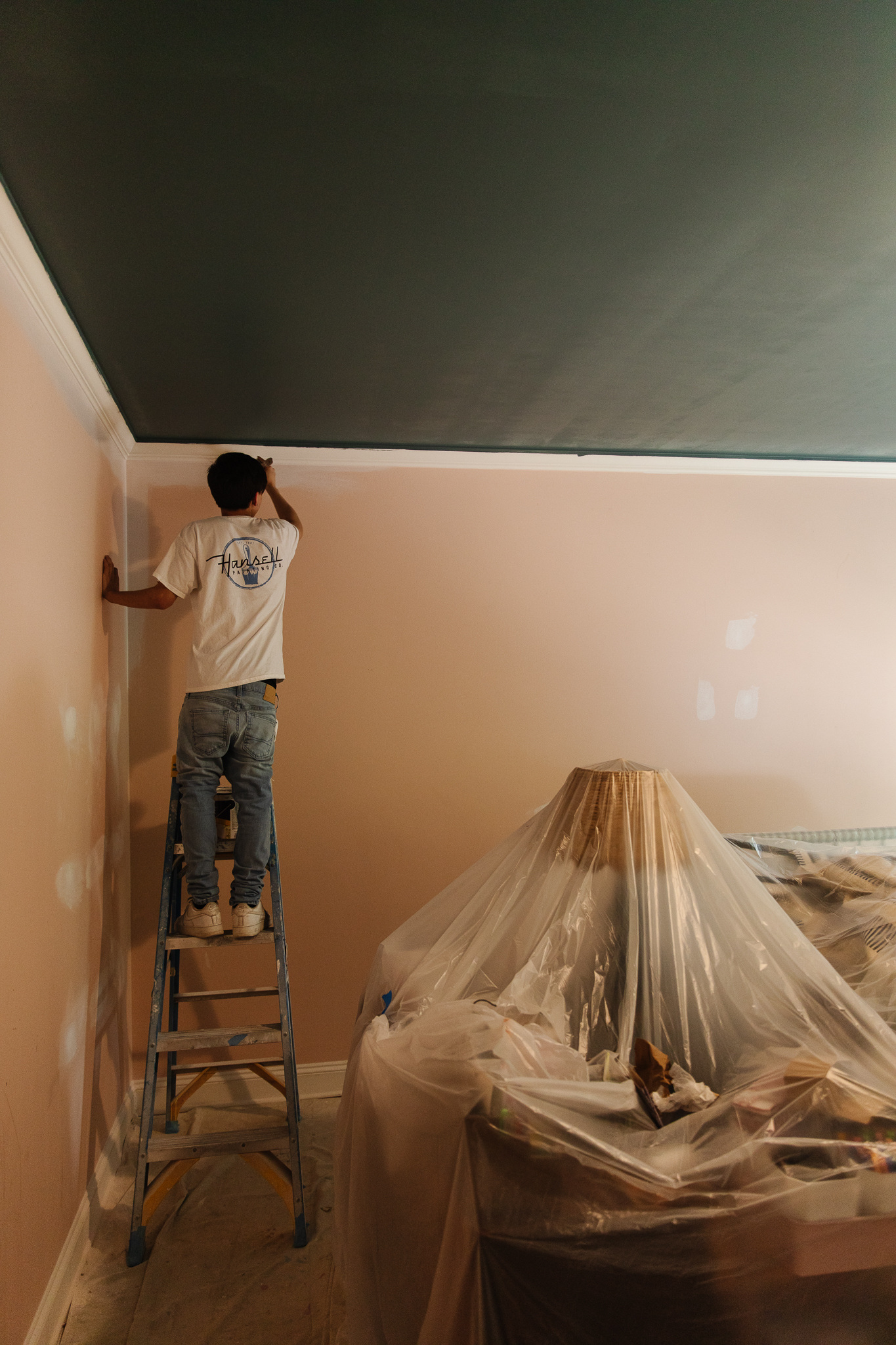
- Cutting In (15-45 minutes per coat): This involves using a brush to paint a 2-3 inch wide strip around the perimeter of the ceiling, where it meets the wall. It’s tedious but crucial for clean lines. The better you cut in, the less likely you are to get ceiling paint on your walls.
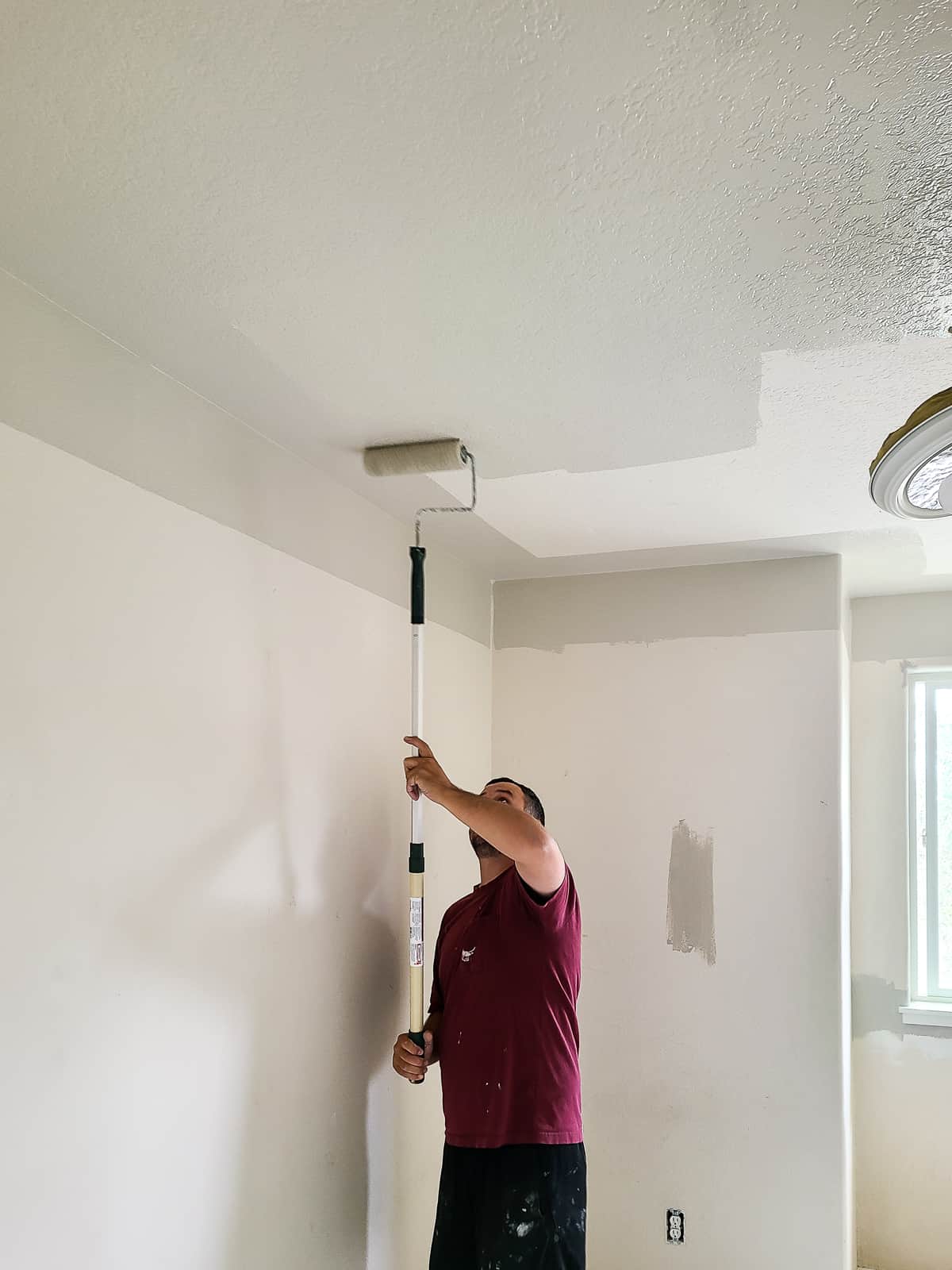
- Rolling the Main Ceiling (20-60 minutes per coat): With an extension pole and a roller, you’ll apply paint to the large, flat surface. Work in small sections, overlapping your strokes slightly to ensure even coverage.
- First Coat vs. Second Coat Time: The first coat usually takes longer because you’re covering the original color. The second coat often goes on faster as you’re refining the finish and covering any missed spots.
Phase 3: Drying Time (The Unseen Delay)
nnAh, patience, my friend. Drying time is non-negotiable and often overlooked when people estimate project length. You cannot rush this.nn
- Between Coats (2-4 hours): Most paints require at least 2 hours, and sometimes up to 4 hours, to dry sufficiently before a second coat can be applied. Check your paint can for specific recommendations. Painting over wet paint will lead to peeling, cracking, and a generally terrible finish.
- Full Curing (24-72 hours): While paint may be dry to the touch in a few hours, it takes days, or even weeks, for paint to fully cure and reach its maximum durability. Avoid bumping or heavily cleaning the ceiling for at least 24-72 hours after the final coat.
Phase 4: Cleanup (The Grand Finale)
nnYou’re almost there! Don’t let your guard down yet.nn
- Removing Tape, Cleaning Tools (15-45 minutes): Carefully peel off painter’s tape while the paint is still slightly tacky (but not wet). Clean your brushes, rollers, and trays thoroughly with soap and water (for latex paint) or mineral spirits (for oil-based).
Key Factors That Skyrocket or Shrink Your Ceiling Painting Time
nnSo why the wide range in time estimates? These variables play a huge role in how long your specific bedroom ceiling project will take.nn
Bedroom Size & Ceiling Height
nnThis one is obvious, right? A sprawling
master bedroom with
vaulted ceilings will naturally take much longer than a cozy guest room with standard 8-foot ceilings. More surface area means more cutting in, more rolling, and more potential for fatigue.nn
- Small (10×10 ft): Generally the quickest.
- Medium (12×14 ft): The average.
- Large (15×20 ft+): Requires more effort and time.
- High Ceilings: Add significant time for ladder repositioning and increased strain.
Number of Coats Required
nnMost ceiling paint jobs require at least two coats for a uniform, durable finish. However, some situations demand more:nn
- Color Change (Light to Dark or Dark to Light): Expect at least two, possibly three coats, especially if you’re going from a vibrant color to a neutral white. Primer helps here.
- Stain Coverage: Water stains, smoke damage, or stubborn discolorations will almost always require a stain-blocking primer followed by two coats of ceiling paint.
- Finish Type: Flat finishes are common for ceilings and tend to offer good coverage with fewer coats than eggshell or satin, which are typically reserved for walls.
Ceiling Condition & Type
nnThe state of your ceiling can dramatically impact prep time and painting ease.nn
- Smooth vs. Textured: A smooth ceiling is the easiest to paint. Textured ceilings (like popcorn or stippled) are notorious time-sinks. They require more paint, special rollers, and extreme care to avoid dislodging texture. They can easily double your painting time.
- Repairs Needed: Cracks, holes, or peeling paint require patching and sanding before you even open a paint can.
- Water Stains/Smoke Damage: These necessitate thorough cleaning, potentially a mildew treatment, and a specialized stain-blocking primer before painting.
Paint Quality & Type
nnGood quality paint isn’t just about durability; it’s about efficiency.nn
- Coverage: Premium paints often have better hiding power, meaning you might get away with fewer coats, saving you time and effort.
- Paint-and-Primer-in-One: While convenient, these are best for minor color changes or already primed surfaces. For significant changes or stains, a dedicated primer followed by quality paint is usually more effective and might actually save you time on extra coats.
Your Skill Level & Experience
nnLet’s be honest: a seasoned DIYer will be much faster and more efficient than a first-timer.nn
- Beginner: Expect to take your time, make mistakes, and learn as you go. Add extra buffer time.
- Experienced DIYer: You’ll likely have your system down, know how to cut in efficiently, and use your tools effectively.
Tools & Equipment
nnThe right tools make a world of difference.nn
- Rollers & Extenders: An extension pole is a game-changer for ceilings, saving your back and speeding up the rolling process. Good quality roller covers hold more paint and apply it more evenly.
- Brushes: A comfortable, high-quality angled brush is essential for cutting in clean lines.
- Sprayers: For experienced users, a paint sprayer can drastically cut down on application time, especially for large, empty rooms or textured ceilings. However, masking and cleanup time increases significantly with a sprayer.
Room Obstacles & Furniture
nnThe more stuff you have in the room, the more time you’ll spend moving, covering, and navigating around it.nn
- Empty Room: The dream scenario. Maximum efficiency.
- Partially Furnished: Requires careful moving and covering.
- Full Room: Can add significant time to prep and maneuvering.
Realistic Time Estimates: DIY vs. Professional Painters
nnThere’s a reason professionals charge what they do. They bring speed, experience, and specialized equipment to the table. Let’s look at the differences.nn
DIYer Timeframe: Expect to Invest Your Weekend (or More)
nnFor most DIYers, painting a bedroom ceiling is a weekend project, especially when you factor in prep and drying times. Don’t rush it; quality takes time.nn
| Room Size |
Ceiling Condition |
Number of Coats |
DIY Active Painting Time (Hours) |
Total Project Days (Incl. Drying & Prep) |
| Small (10×10 ft) |
Smooth, Good |
1 |
1.5 – 2.5 |
1 |
| Small (10×10 ft) |
Smooth, Good |
2 |
3 – 5 |
1-2 |
| Medium (12×14 ft) |
Smooth, Good |
1 |
2 – 3.5 |
1 |
| Medium (12×14 ft) |
Smooth, Good |
2 |
4 – 6 |
1-2 |
| Large (15×20 ft+) |
Smooth, Good |
1 |
3 – 5 |
1-2 |
| Large (15×20 ft+) |
Smooth, Good |
2 |
5 – 8 |
2-3 |
| Any Size |
Textured/Repairs/Major Color Change |
+1 Coat / Primer |
Add 20-50% to active hours |
Add 1-2 days |
Professional Painter Timeframe: Speed & Efficiency
nnPros are just faster. They do this every day. They have a system, professional-grade tools, and often work in teams. They can often finish the active painting of a bedroom ceiling in a fraction of the time a DIYer would take.nn
| Room Size |
Ceiling Condition |
Number of Coats |
Pro Active Painting Time (Hours) |
Total Project Days (Incl. Drying & Prep) |
| Small (10×10 ft) |
Smooth, Good |
1 |
0.5 – 1 |
1 |
| Small (10×10 ft) |
Smooth, Good |
2 |
1 – 2 |
1 |
| Medium (12×14 ft) |
Smooth, Good |
1 |
1 – 1.5 |
1 |
| Medium (12×14 ft) |
Smooth, Good |
2 |
1.5 – 2.5 |
1 |
| Large (15×20 ft+) |
Smooth, Good |
1 |
1.5 – 2 |
1 |
| Large (15×20 ft+) |
Smooth, Good |
2 |
2.5 – 4 |
1-2 |
| Any Size |
Textured/Repairs/Major Color Change |
+1 Coat / Primer |
Add 10-30% to active hours |
Add 1 day |
Pro Tips to Speed Up Your Ceiling Painting Project
nnWant to shave some time off your project without sacrificing quality? Here are some expert strategies:nn
- Prep Smart, Not Hard: Clear the room completely if possible. The less furniture to cover, the faster you’ll be. Use good quality tape; cheap tape often bleeds or rips, forcing you to redo work.
- Invest in Good Tools: A sturdy extension pole for your roller is non-negotiable. It saves your neck and back, and allows for more efficient, consistent strokes. Use a high-quality roller cover (e.g., lambskin or microfiber for smooth surfaces, thicker nap for textured) that holds more paint and releases it evenly.
- Use a Paint Sprayer (If Experienced): For large, empty rooms or textured ceilings, a paint sprayer can cut application time drastically. However, the masking required to prevent overspray is extensive, and cleanup is more involved. It’s not usually worth it for a single bedroom ceiling unless you’re already proficient.
- Choose the Right Paint: A premium ceiling paint (usually a flat finish) offers better hiding power and spatter resistance, meaning fewer coats and less cleanup.
- Don’t Skimp on Primer: If you need it (for stains, dramatic color changes, or bare drywall), use a dedicated primer. It creates a uniform base and prevents bleed-through, potentially saving you a whole extra coat of paint.
- Team Up!: If you have a helper, one person can cut in while the other rolls. This can significantly reduce active painting time.
- Good Lighting: Work with ample light (even a portable work light) to identify missed spots and ensure even coverage.
Common Mistakes That Waste Time (And How to Avoid Them)
nnPainting is a skill, and like any skill, it comes with potential pitfalls. Avoid these common blunders to keep your project on track:nn
- Inadequate Prep: Not cleaning the ceiling, skipping repairs, or poor taping will lead to splotchy paint, visible defects, and messy lines that will take longer to fix later.
- Using Cheap Paint: It might seem like a money-saver upfront, but cheap paint often requires more coats, spatters more, and provides inferior coverage, ultimately costing you more time and frustration.
- Not Enough Drying Time Between Coats: Impatience here is a recipe for disaster. Applying a second coat too soon leads to bubbling, peeling, and a compromised finish. Always follow the manufacturer’s recommendations.
- Overloading the Roller: Dipping your roller too deep can cause drips, heavy coats that take longer to dry, and splatters. Load it just enough to cover the nap without paint dripping off.
- Poor Lighting: Painting in dimly lit conditions almost guarantees missed spots or uneven application, requiring touch-ups or even another coat once you notice them.
- Ignoring Safety: Working on a wobbly ladder or without eye protection isn’t just dangerous; a fall or an eye injury will definitely extend your project time (and potentially land you in the ER).
When to Call a Pro for Your Ceiling Painting Project
nnWhile painting a bedroom ceiling can be a rewarding DIY project, there are times when it makes more sense to call in the experts. Consider hiring a professional painter if:nn
- You have very high or vaulted ceilings: Maneuvering ladders safely and effectively at extreme heights requires experience and specialized equipment.
- Your ceiling has significant damage or complex textures: Extensive repairs, mold remediation, or dealing with difficult textures like popcorn ceilings are best left to those with the right tools and expertise.
- You’re short on time: If your schedule is packed, a pro can get the job done quickly and efficiently, minimizing disruption to your life.
- You lack confidence or experience: If the idea of painting overhead fills you with dread, or you’re worried about the quality of your work, a professional guarantees a clean, even finish.
- You need a perfect finish: For showpiece rooms or those where perfection is paramount, a pro’s eye for detail and flawless application is hard to beat.
nnUltimately, painting a bedroom ceiling is a manageable project for most DIYers, but it’s important to respect the process. Give yourself enough time for thorough preparation, careful application, and adequate drying. A little patience goes a long way in achieving a beautiful, lasting finish that will elevate your entire bedroom.”}