How Much Does It Really Cost to Paint an Interior Door? Your Definitive 2024 Guide
Staring at a tired, scuffed interior door? You’re not alone. A fresh coat of paint can dramatically transform a room, adding a touch of elegance or a pop of personality. But before you grab that brush, one burning question usually comes to mind: “How much will this cost me?”
The truth is, there’s no single magic number. Painting an interior door isn’t a one-size-fits-all project, and costs can swing wildly from as low as $40 if you DIY a simple door to upwards of $500+ for a complex door professionally painted. The average homeowner can expect to pay anywhere from $75 to $200 per door for professional painting, or significantly less if they tackle it themselves.
Why such a wide range? It all boils down to factors like the type of door, its current condition, the paint you choose, who does the work, and even where you live. In this definitive guide, we’ll break down every element that impacts the price, helping you budget accurately and achieve that perfect finish.
The Quick Answer: What You Can Expect to Pay for Interior Door Painting
Let’s get straight to the numbers. While exact figures depend on your specific situation, here’s a general overview to set your expectations:

| Project Type | Estimated Cost Per Door (USD) | Key Factors |
|---|---|---|
| DIY (Simple Flat Door) | $25 – $75 | Basic supplies, standard paint. Your labor is free! |
| DIY (Complex Door, e.g., 6-panel) | $50 – $120 | More paint, more specialized brushes/rollers, more time. |
| Professional (Simple Flat Door) | $75 – $150 | Labor, basic materials, experience, efficiency. |
| Professional (Standard Panel Door) | $100 – $250 | Increased labor for detailing, potentially higher quality paint. |
| Professional (Complex Doors, e.g., Louvered, French) | $250 – $500+ | Significant labor for intricate details, masking, multiple panes/slats. |
This table gives you a rough idea. Now, let’s peel back the layers and understand *why* these numbers fluctuate.
Diving Deeper: Key Factors That Drive the Cost of Painting an Interior Door
When you’re trying to figure out your painting budget, consider these critical elements:
1. Door Type and Design: Flat, Panel, Louvered, or French?
The complexity of your door’s design is arguably the biggest cost differentiator. More nooks, crannies, and panes mean more time, more precision, and often, more specialized tools.
- Flat Slab Doors: These are the simplest. A smooth, flat surface on both sides means quick painting, whether you’re brushing or rolling. Minimal prep, minimal fuss.
- Panel Doors (e.g., 6-panel): The most common interior door, featuring recessed panels. Each panel requires careful brushing and cutting-in, significantly increasing labor time compared to a flat door.
- Louvered Doors: With their angled slats, louvered doors are notoriously difficult and time-consuming to paint. Every slat needs individual attention, often requiring spraying for a truly even finish, or meticulous brushwork. This can easily double or triple the cost of a flat door.
- French Doors (with glass panes): These beauties require extensive masking of each glass pane to prevent paint bleed. If the panes have grids, it’s even more intricate. Labor costs skyrocket here due to the precision and time involved in taping.
- Bi-Fold/Accordion Doors: Often found on closets, these doors have multiple panels and hinges. While not as intricate as louvered or French doors, their larger surface area and need to paint edges and multiple faces can increase costs.
| Door Type | Complexity Rating (1-5) | Pro Painting Cost Range (per door) | DIY Time Estimate (hours, 2 coats) |
|---|---|---|---|
| Flat Slab Door | 1 | $75 – $150 | 1-2 hours |
| Standard Panel Door (e.g., 6-panel) | 2-3 | $100 – $250 | 2-4 hours |
| Bi-Fold/Accordion Door | 3 | $120 – $280 | 3-5 hours |
| French Door (with glass panes) | 4 | $250 – $450 | 4-8 hours (heavy prep) |
| Louvered Door | 5 | $300 – $500+ | 6-10+ hours (very tedious) |
2. Labor: The Time Investment of a Skilled Hand
Labor is often the largest component of professional painting costs. Here’s what goes into it:

- Hourly vs. Per-Door Rates: Many painters charge per door, factoring in their estimated time. Hourly rates typically range from $40 to $80 per hour, depending on location and experience.
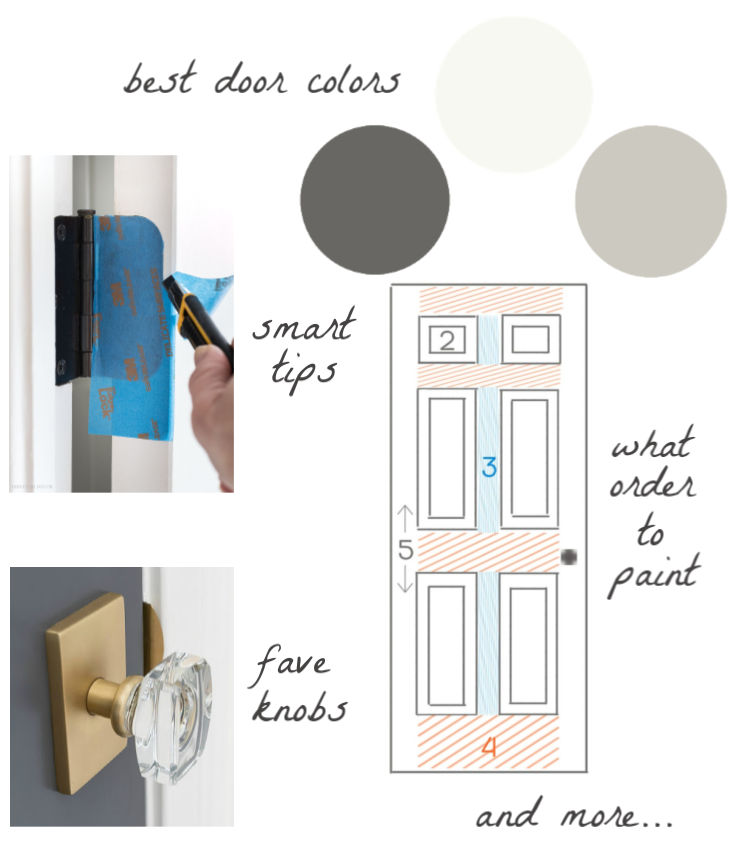
- Prep Work: This is crucial and often underestimated. It includes cleaning, sanding, filling dents, taping off hinges and hardware, and removing the door from its frame (if necessary). A professional takes pride in thorough prep, which ensures a smooth, lasting finish.
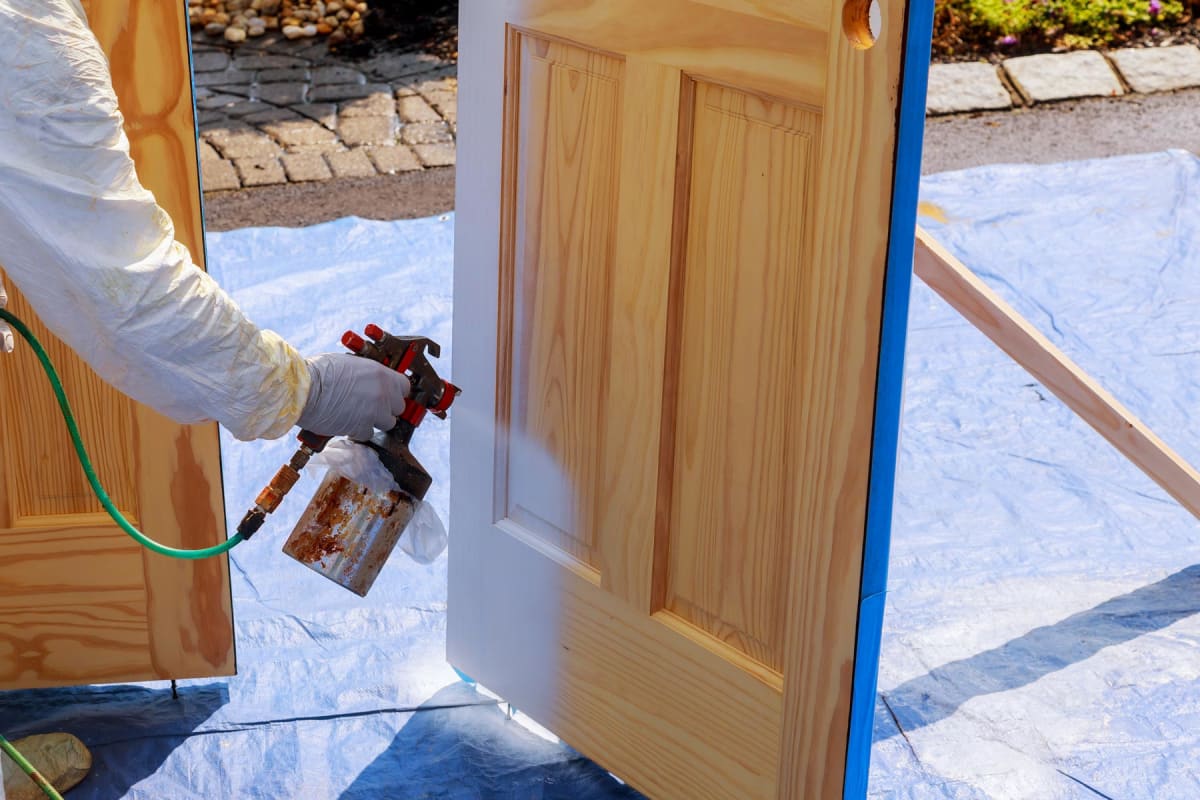
- Painting Method: Spraying can be faster for flat doors or large batches, but requires more setup and masking. Brushing and rolling are more common for interior doors and provide excellent control, though they are more time-intensive.
- Number of Coats: Most projects require a primer coat (if changing color significantly or painting raw wood) plus two finish coats for optimal coverage and durability. Each coat adds labor time, especially with drying times in between.
- Detail Work: Painting around intricate trim, door frames (jambs), and removing/reinstalling hardware all add to the labor cost. If you want the door frame painted too, expect an additional $25-$75 per side.
3. Materials: More Than Just a Can of Paint
While paint might seem like a small percentage of the total cost, the type and quality you choose significantly impact both the finish and the overall project budget.
- Paint Type:
- Latex (Acrylic): Most common for interior doors. Dries quickly, easy cleanup with water, less odor. Good for general use.
- Oil-Based (Alkyd): More durable, provides a harder finish, excellent adhesion. However, it dries slowly, has strong fumes, and requires mineral spirits for cleanup. Often preferred for high-traffic doors or specific aesthetic needs.
- Primer: Essential for raw wood, changing drastically dark colors, or ensuring adhesion on tricky surfaces. A good primer can save you a coat or two of finish paint.
- Paint Finish (Sheen): This affects durability and appearance.
- Matte/Flat: Hides imperfections well but is less durable and harder to clean. Not ideal for high-touch doors.
- Eggshell/Satin: A slight sheen, more durable than flat, and easier to clean. A popular choice for interior doors.
- Semi-Gloss: Higher sheen, very durable, and highly washable. Excellent for doors and trim, resisting scuffs and fingerprints.
- High-Gloss: The most durable and reflective finish, but shows every imperfection. Best for a dramatic, modern look or very high-traffic areas.
- Quality of Paint: Premium paints offer better coverage, durability, and a smoother finish, often requiring fewer coats. While more expensive per can ($40-$80+ per gallon), they can save on labor and deliver superior results. Budget paints ($25-$40 per gallon) might require more coats.
- Supplies: Don’t forget the essentials for DIY or what a pro factors in: brushes, rollers, roller covers, paint trays, painter’s tape, drop cloths, sandpaper, cleaning supplies, putty knives, caulk. These can add $20-$100+ to your DIY material cost.
| Paint Type/Finish | Key Characteristic for Doors | Typical Cost Per Gallon (USD) |
|---|---|---|
| Latex/Acrylic Primer | Seals, promotes adhesion, blocks stains. Fast drying. | $25 – $50 |
| Oil-Based/Alkyd Primer | Superior adhesion for challenging surfaces, blocks knots. Strong odor. | $30 – $60 |
| Latex/Acrylic Paint (Satin/Semi-Gloss) | Good durability, washable, easy to work with. Most common. | $40 – $70 |
| Premium Latex/Acrylic Paint (Semi-Gloss/High-Gloss) | Enhanced durability, superior finish, often better coverage. | $60 – $90+ |
| Oil-Based/Alkyd Paint (Semi-Gloss/High-Gloss) | Hardest, most durable finish. Ideal for high-traffic or glossy look. Slow drying, strong fumes. | $50 – $85 |
4. Door Condition & Prep Work: The Hidden Time Sink
A door in poor condition requires more time and materials for preparation, which directly impacts labor costs. If your door has:
- Dents, dings, or holes: These need to be filled with wood putty or spackle, sanded smooth, and potentially re-primed.
- Peeling or flaking paint: Old paint must be scraped and sanded down to a stable surface. This can be very time-consuming.
- Grease or grime: Thorough cleaning is a must for paint to adhere properly.
- Bare wood: Unfinished wood will always need a good primer.
A pristine door might only need a light scuff sand and cleaning, whereas a heavily damaged door could add an hour or more of prep time per side for a professional.
5. Location, Location, Location: Regional Price Differences
Just like real estate, painting costs vary by region. Painters in areas with a higher cost of living (e.g., major metropolitan areas like New York City, San Francisco, or Boston) will typically charge more than those in rural areas or regions with lower living expenses. This is due to differing overheads, labor wages, and local market demand.

6. Who’s Doing the Work? Professional vs. DIY
This is the fundamental choice that dictates much of your budget. Your time versus your money.
| Category | DIY Painting | Professional Painting |
|---|---|---|
| Average Cost Per Door | $25 – $120 (materials only) | $75 – $500+ (labor + materials) |
| Time Investment | Significant (2-10+ hours per door, incl. drying) | Minimal for you (but paid for by you!) |
| Skill Required | Moderate to High (patience & technique) | High (professional finish, efficiency) |
| Tools/Equipment | You buy them (brushes, rollers, sandpaper, etc.) | Included in service (often professional-grade) |
| Finish Quality | Variable (good for patient DIYers, can be imperfect) | Consistent, high-quality, professional standard |
| Convenience | Low (mess, multiple steps, disruption) | High (they handle everything, minimal disruption) |
DIY Door Painting: Is It Worth the Sweat Equity?
For many homeowners, the thought of saving money by painting doors themselves is appealing. And for simpler doors, it’s totally achievable! But it’s crucial to understand the commitment.
Pros of DIY:
- Significant Cost Savings: You’re only paying for materials.
- Flexibility: Work on your own schedule.
- Satisfaction: The pride of a job well done.
Cons of DIY:
- Time-Consuming: Especially for multiple doors or complex designs.
- Learning Curve: Achieving a smooth, streak-free finish takes practice.
- Required Tools & Supplies: Initial investment in brushes, rollers, tape, drop cloths, etc.
- Potential for Mistakes: Drips, uneven coats, missed spots, or poor prep can lead to an unsatisfactory finish.
- Disruption: Doors might be off their hinges, creating temporary inconveniences.
What You’ll Need for DIY (and their approximate costs):
- Paint: 1 quart for 1-2 doors, 1 gallon for 4-8 doors ($25-$80)
- Primer: If needed ($20-$40)
- Painter’s Tape: High-quality tape prevents bleed ($5-$15)
- Brushes: Angled sash brush for details ($8-$20 each)
- Rollers & Covers: Small foam or low-nap roller for smooth surfaces ($10-$25)
- Paint Tray/Liner: ($5-$10)
- Drop Cloths: To protect floors ($5-$20)
- Sandpaper/Sanding Sponges: Fine-grit for smoothing ($5-$10)
- Wood Putty/Spackle: For minor repairs ($5-$10)
- Cleaning Supplies: Degreaser/TSP substitute, rags ($5-$15)
- Screwdriver: For removing hardware
Total DIY material cost per door can be as low as $25-$50 if you already have some supplies or are doing multiple doors, spreading the cost of shared items.
Hiring a Pro: When to Call in the Experts
For many, the peace of mind, quality finish, and time saved by hiring a professional painter are well worth the investment.
Benefits of Professional Painters:
- Superior Finish: Experienced painters achieve smooth, even, drip-free results.
- Efficiency: They can complete projects much faster, especially for multiple doors.
- Expertise: Knowledge of best paints, techniques, and proper prep.
- Convenience: No heavy lifting, no messy cleanup, no disruption to your daily life (beyond the actual painting time).
- Warranty/Guarantee: Many pros offer a warranty on their work.
What to Look for in a Professional:
- Experience: Look for painters with a track record of interior door work.
- References/Reviews: Check online reviews (Google, Yelp, Angi) and ask for local references.
- Insurance & Licensing: Ensure they are properly insured and licensed to protect yourself from liability.
- Detailed Quote: A good quote breaks down labor, materials, and specific tasks (e.g., prep, number of coats, hardware removal).
- Communication: Choose someone responsive and clear in their communication.
Smart Strategies to Save Money on Interior Door Painting
Whether you go DIY or hire a pro, there are ways to keep costs in check without sacrificing quality:
- Batch Painting: If you have multiple doors to paint, doing them all at once (or in batches) is almost always more cost-effective. Painters can set up once, buy materials in bulk, and work more efficiently. This often leads to a lower per-door rate.
- Do Your Own Prep Work (for Pros): If you’re hiring a professional, ask if you can handle some of the prep like cleaning the doors thoroughly, light sanding, or removing door hardware. This can reduce the painter’s labor time.
- Choose Wisely on Paint: While quality paint is good, don’t overspend on a high-gloss, ultra-durable paint if it’s for a closet door that rarely gets touched. Balance cost with the door’s function and traffic.
- Get Multiple Quotes: Always get at least three detailed quotes from different reputable painters. This helps you compare prices and understand what’s included.
- Remove Hardware Yourself: Taking off door knobs, hinges, and strike plates before a painter arrives can save them time and you money. Just be sure to label everything and store it safely!
- Paint the Door Only: If your door frames (jambs) and trim are in good shape and don’t need repainting, specify that you only want the door painted. Painting trim adds to the cost.
- Consider the Same Color: Painting over the same or a very similar color usually requires less paint and fewer coats (potentially even skipping primer), saving on material and labor.
The Final Brushstroke: Making Your Decision
Painting an interior door, whether one or many, is a relatively small home improvement project that can yield big results. The cost to paint an interior door truly depends on your priorities: your budget, your desired level of finish, and how much time and effort you’re willing to invest.
For a single, simple door, DIY is a very cost-effective option. If you have several doors, complex designs, or simply value your time and a flawless finish, investing in a professional painter will likely be the more satisfying choice.
Take the time to assess your doors’ condition, understand the different cost factors, and weigh the pros and cons of DIY versus professional help. With a clear plan, you’ll soon have beautifully refreshed doors that enhance your home’s aesthetic for years to come.
Frequently Asked Questions
What is the average cost to professionally paint one interior door?
The average cost to professionally paint a standard interior door ranges from $75 to $200. This price can increase significantly for complex doors like louvered or French doors, potentially reaching $500 or more due to increased labor for detailing and prep work.
How much can I save by painting an interior door myself?
By painting an interior door yourself, you primarily save on labor costs. While a professional might charge $75-$500+ per door, your DIY material costs for a single door typically range from $25 to $120, depending on the paint quality and if you need to buy all new supplies (brushes, rollers, tape, etc.).
Does the type of door affect the painting cost?
Absolutely. The door’s design is one of the biggest cost factors. Flat slab doors are the cheapest to paint, while panel doors (e.g., 6-panel) are moderately more expensive due to detailing. Louvered and French doors are the most expensive, requiring extensive time for intricate brushwork, masking, or spraying.
Is it cheaper to paint doors when they are removed or left on their hinges?
Generally, it’s more efficient and can result in a better finish if doors are removed and painted horizontally on sawhorses. This allows for even paint application without drips and easy access to all edges. While removing them adds a small amount of labor, it often saves time in the long run and improves quality, potentially making the overall job more cost-effective for a professional.
What kind of paint finish is best for interior doors?
For interior doors, semi-gloss or high-gloss finishes are typically recommended. They are more durable, resist scuffs and fingerprints better than flat or eggshell paints, and are much easier to clean. Satin is also a popular choice, offering a slightly less reflective look with good durability.
How long does it take a professional to paint an interior door?
For a professional, painting a simple flat interior door (including prep and two coats with drying time) can take anywhere from 1.5 to 3 hours of active work. More complex doors like panel or French doors can take 3-8 hours or even longer per door due to intricate detailing and extensive masking requirements.
Should I paint the door frame (jamb) along with the door?
It’s highly recommended to paint the door frame (jamb) and trim along with the door for a cohesive and finished look. While this will add to the overall cost (typically an additional $25-$75 per side for the frame), it ensures a seamless transition and elevates the entire aesthetic.