Your Ultimate Guide to the Best Interior Paint Colours for 2026: Trends, Tips, & Top Picks
Staring at a blank wall can be both exciting and paralyzing when it comes to choosing new paint colours. The promise of 2026 is no different – it’s a canvas waiting for a fresh coat, a new mood, and a reflection of where we’re heading in our homes. But with countless shades and endless possibilities, how do you cut through the noise and find the best interior paint colours for 2026 that truly resonate with your style and elevate your space?
Forget the endless scrolling and the fear of making the ‘wrong’ choice. I’m here to be your guide. We’re going to dive deep into the dominant trends, dissect the highly anticipated ‘Colours of the Year’ from the biggest brands, and give you the actionable insights you need to confidently select shades that will make your home feel fresh, current, and deeply personal. Let’s make your 2026 interior refresh a resounding success.
The Big Picture: Unpacking the Dominant Colour Trends of 2026
Every year, paint colours reflect broader societal shifts. In 2026, we’re seeing a powerful collective desire for spaces that offer comfort, connection to nature, and a sense of well-being. This isn’t just about pretty colours; it’s about creating environments that support our lives. Here’s what’s driving the palettes you’ll see everywhere:
Warm Neutrals Reimagined: Beyond Cool Grays
If you’ve been living in a world of cool grays and stark whites, prepare for a gentle shift. 2026 embraces warmer neutrals – think creamy off-whites, soft beiges, greiges with a touch of warmth, and even mushroom tones. These shades offer versatility and sophistication without feeling cold or clinical. They create a welcoming, grounding foundation for any decor style, acting as the perfect backdrop for bolder accents or serene monochrome schemes.
Nature’s Embrace: Greens, Earthy Tones, and Blues
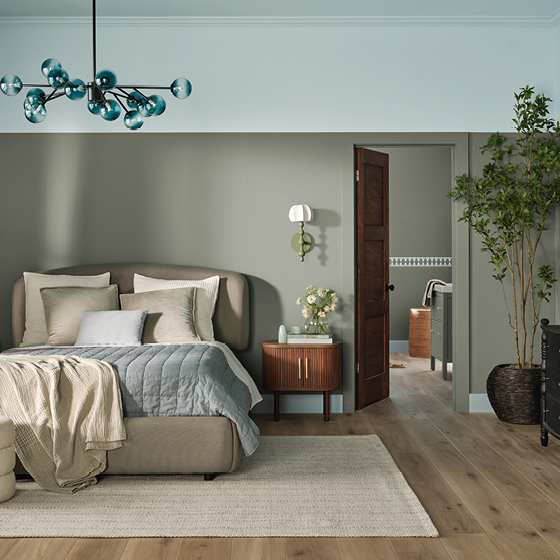
Biophilic design continues its strong influence, bringing the calming and restorative power of the outdoors inside. Expect to see an abundance of sage greens, olive greens, mossy tones, and deep forest greens. These are often paired with rich, grounding earth tones like terracotta, soft clay, and sand-washed beiges. Blues, too, lean towards natural inspirations – from serene sky blues to deep, inky midnight blues reminiscent of still water or twilight.
:max_bytes(150000):strip_icc()/CourtesyofValspar_2026ColoroftheYear_kitchen-468dd2192ba04486880142b17da8965e.jpg "Every 2026 Color of the Year We Know So Far")
Deep, Mood-Boosting Hues: Rich Reds, Plums, and Jewel Tones
While comfort and nature are key, 2026 isn’t shying away from depth. We’re seeing a resurgence of bolder, richer colours that evoke a sense of luxury, drama, and personal expression. Think deep plums like Graham & Brown’s Divine Damson, sophisticated cordovans, rich reds, and even moody jewel tones. These colours are perfect for creating intimate, cozy spaces or making a powerful statement in a larger room. They’re about embracing colour with confidence and allowing your personality to shine through.
Playful Pastels & Soft Brights: As Thoughtful Accents
Lighter, more optimistic shades aren’t disappearing entirely but are evolving. Soft, dusty pastels – think muted lavenders, delicate pinks, and subtle lemon chiffons – will appear as playful accents, bringing a touch of whimsy and lightness. They work beautifully as complementary colours or in spaces where you want a gentle, uplifting vibe without overwhelming the senses.
2026 Colours of the Year: A Head-to-Head Comparison
This is where the major players make their statements. Each brand selects a Colour of the Year (or a curated collection) that they believe encapsulates the mood and design direction for the coming year. Let’s break down some of the most anticipated announcements:
| Brand | Colour Name | Shade Description | Mood/Vibe | Best Use Cases |
|---|---|---|---|---|
| Benjamin Moore | Silhouette AF-655 | Refined, deep black-brown with subtle purple undertones, reminiscent of tailored fabrics. | Sophisticated, elegant, grounding, strong, intimate. | Accent walls, dining rooms, studies, powder rooms, bedrooms (for a dramatic feel). |
| Behr | Hidden Gem | Smoky jade, a muted green-blue with depth and calming undertones. | Serene, elegant, calming, restorative, natural. | Bedrooms, bathrooms, living rooms, meditation spaces, home offices. |
| Valspar | Sage Slate | Naturally restorative, serene gray-green with earthy undertones. | Grounding, tranquil, inviting, warm, natural. | Kitchens, living rooms, entryways, bedrooms, offices. |
| HGTV Home® by Sherwin-Williams | 2026 Colour Collection (e.g., Neutral Ground, Cordovan, Still Water, Lemon Chiffon) | A cohesive palette featuring warm neutrals, deep browns, serene blues, and soft yellow accents. | Balanced, versatile, comforting, sophisticated, integrated. | Whole home palettes, creating flow between spaces, versatile for various rooms. |
| Graham & Brown | Divine Damson | Deep plum with rich dark cherry tones. | Luxurious, opulent, comforting, bold, intimate. | Bedrooms, dining rooms, living room accent walls, libraries/studies. |
What’s clear from this snapshot is a collective lean towards colours that offer depth, comfort, and a connection to either nature or refined elegance. While some are bold, even the boldest choices like Benjamin Moore‘s Silhouette or Graham & Brown’s Divine Damson carry a sense of grounding and sophistication rather than fleeting trendiness.
Beyond the Hype: How to Choose YOUR Perfect 2026 Paint Colours
Knowing the trends is one thing; applying them to your unique home is another. Don’t just pick a Colour of the Year because it’s popular. Here’s how to truly make these trends work for you:
:max_bytes(150000):strip_icc()/RojoMarronSW9182-f7bbca38b9f64b64a233574ba2384150.jpg "These Will Be the Most Popular Paint Colors of 2026")
Consider Your Home’s Unique Personality
Your home isn’t a showroom; it’s a reflection of you. Before grabbing swatches, take stock:
- Existing Furnishings & Art: Do you have a beloved sofa, rug, or piece of art that dictates a colour story? Use it as your starting point.
- Architectural Style: A modern farmhouse might lean into warm neutrals and earthy greens, while a mid-century modern home could embrace deeper blues or even a thoughtful pop of soft yellow.
- Natural Light: This is crucial! A north-facing room with cool light will make colours appear darker and cooler. A south-facing room bathed in warm light will amplify warm tones. Test colours on all walls, at different times of day.
- Flow: How do your rooms connect? Consider a cohesive palette that allows for variation while maintaining a sense of harmony as you move through your home.
Master the Mood: Colour Psychology for Every Room
Every room serves a different purpose, and colour can dramatically influence how you feel in that space:
- Living Room (Inviting, Social): Warm neutrals like Sherwin-Williams’ Neutral Ground, or a grounding sage green like Valspar’s Sage Slate, foster conversation and comfort. If you’re bolder, a deep blue or even a rich red can create an engaging atmosphere.
- Bedroom (Serene, Personal): This is your sanctuary. Behr’s Hidden Gem, with its smoky jade tranquility, is perfect. Soft blues, muted lavenders, or even a sophisticated deep plum like Divine Damson can create a cozy, intimate retreat.
- Kitchen (Energizing, Clean): Crisp, warm whites, light greiges, or even a cheerful soft lemon chiffon can keep a kitchen feeling bright and clean. Earthy greens can bring an organic, fresh feel.
- Bathroom (Refreshing, Spa-Like): Light blues, soft greens, or serene aquamarines are classic choices that evoke cleanliness and calm. Don’t be afraid of a dramatic deep hue in a powder room for an unexpected touch of luxury.
- Home Office (Focused, Calm): Greens and blues are excellent for concentration and reducing stress. Consider a sophisticated deep neutral like Benjamin Moore’s Silhouette on an accent wall to define your workspace.
The Power of Undertones: Why Your Paint Looks Different
You know that feeling when a colour looks perfect in the store, but awful on your wall? Blame the undertones! Every colour has a subtle underlying hue – often red, yellow, blue, or green – that becomes more apparent when placed next to other colours or in different lighting. A seemingly ‘gray’ paint might have a subtle blue (cool) or beige (warm) undertone. Always, always, sample your paint colours directly on your walls and observe them throughout the day. It’s the only way to truly see how they interact with your light and existing decor.
Don’t Forget the Finish: Sheen Matters!
The paint’s sheen affects its durability, cleanability, and how light reflects off the surface:
- Flat/Matte: Velvety, absorbs light, hides imperfections well. Ideal for low-traffic areas like dining rooms or ceilings. Not very washable.
- Eggshell/Satin: Most popular choice for interiors. Low-sheen, durable, easy to clean. Great for living rooms, bedrooms, and hallways.
- Semi-Gloss: Durable, highly washable, reflective. Perfect for kitchens, bathrooms, trim, doors, and cabinets.
- High-Gloss: Very reflective, incredibly durable. Best for furniture, doors, or a dramatic, modern accent wall.
Paint Colours to Use Wisely (Or Avoid Altogether) in 2026
While I advocate for personal expression, it’s also smart to be aware of trends that are on their way out or colors that require a very specific setting to shine. My advice isn’t to *never* use these, but to use them with intention and caution.
:max_bytes(150000):strip_icc()/DE-2026_Trends_DABS-1570c75723aa48e380e60b2de7a96935.jpg "17 Paint Colors That You'll See Everywhere in 2026 ...")
The Fading Grays and Stark Whites (Unless Carefully Balanced)
The era of wall-to-wall cool gray is largely behind us. While gray isn’t gone entirely, the trend is shifting towards warmer grays, greiges, and more saturated tones. Similarly, stark, cold whites are being replaced by creamy, inviting off-whites and warm whites that provide softness. If you love gray or white, opt for shades with discernible warm undertones or balance them with rich textures and natural materials to prevent your space from feeling sterile.
Overly Saturated ‘Statement’ Walls (If Not Done with Intention)
Remember when every living room had one bright, bold accent wall? While accent walls are still very much in vogue, the trend is moving towards more sophisticated, deeper hues (like Benjamin Moore’s Silhouette or Graham & Brown’s Divine Damson) or softer, mood-setting tones (like Behr’s Hidden Gem). Avoid jarring, overly saturated primary colours on a single wall unless it’s a very specific, deliberate design choice for a playful or highly modern space. Think about how the accent colour integrates with the rest of your palette, rather than standing out entirely.
Trends That Don’t Suit Your Home’s Style (Don’t Force It)
The biggest ‘colour to avoid’ is one that simply doesn’t make sense for your home’s architecture, lighting, or your personal taste. Just because a colour is trending doesn’t mean it belongs in your house. If an olive green feels out of place in your minimalist condo, or a deep plum clashes with your coastal-inspired decor, listen to your gut. Authenticity always trumps fleeting trends.
Maximizing Your Investment: Beyond Just Colour
Painting is more than just aesthetics; it’s an investment in your home and your well-being.
Healthy Home, Healthy Paint: Prioritizing Low-VOC Options
Volatile Organic Compounds (VOCs) are chemicals released into the air from many paints, often contributing to that ‘new paint smell’ and potentially impacting indoor air quality. In 2026, the emphasis on healthy living extends to our paint choices. Opt for low-VOC or zero-VOC paints. Many major brands now offer excellent performance and durability in these healthier formulations, ensuring your beautiful new walls don’t come at the cost of your family’s health. It’s a non-negotiable for a truly modern home.
:strip_icc()/BEHR_25.03_COLORTRENDS_TC_LIV_101c-38834c32890e4cae975ce7030623f632.jpg "2026 Color of the Year Picks Are Already Here—See Every Hue ...")
The Resale Value Angle: Timeless vs. Trendy
Are you planning to sell your home in the next few years? Your paint choices can impact buyer appeal. While a bold Colour of the Year might be stunning for you, it could be a turn-off for a potential buyer. For high-traffic areas and common spaces, consider leaning towards the warmer neutrals, soft greiges, and muted greens that dominate the 2026 palette. These offer a broad appeal, feel fresh and modern, yet won’t alienate buyers with a very specific taste. Save the more adventurous choices for personal spaces like a guest bedroom or home office, which are easier and less costly to repaint if needed.
Your 2026 Painting Project Checklist
Ready to transform your space? Here’s a quick checklist to ensure a smooth painting project:
- Gather Samples: Buy small sample pots of your top 2-3 choices.
- Test on Walls: Paint large swatches on several walls in the room. Observe them in natural and artificial light, throughout the day.
- Prep Work is Key: Clean walls, fill holes, sand rough spots, tape edges. Don’t skip this step – it makes all the difference!
- Invest in Good Tools: Quality brushes, rollers, and painter’s tape will yield professional-looking results.
- Hire a Pro vs. DIY: Be honest about your time, skill, and patience. A professional painter can save you stress and deliver a flawless finish, especially for large or complex jobs.
The best interior paint colours for 2026 are all about creating spaces that are both beautiful and deeply functional. They speak to a desire for warmth, comfort, nature, and personal expression. By understanding the overarching trends and considering your unique home and lifestyle, you can confidently choose colours that will not only be stylish but will truly make your home feel like your sanctuary. So, grab those swatches, trust your instincts, and get ready to love your home’s new look!
Frequently Asked Questions
What is the overall trend for interior paint colours in 2026?
The overarching trend for 2026 interior paint colours leans towards warmth, comfort, and a strong connection to nature and well-being. This includes a shift from cool grays to richer, reimagined warm neutrals, an abundance of earthy greens and blues, and the confident use of deep, mood-boosting hues like plums, cordovans, and rich jewel tones for a sense of sophistication and personal expression.
Which paint brands have announced their 2026 Colour of the Year?
As of the latest announcements, key brands like Benjamin Moore have revealed Silhouette AF-655, Behr selected Hidden Gem, Valspar chose Sage Slate, and Graham & Brown announced Divine Damson. HGTV Home® by Sherwin-Williams also presented a comprehensive 2026 Colour Collection featuring complementary shades.
Are cool grays still in style for 2026?
While gray isn’t entirely ‘out,’ the trend is moving away from stark, cool grays. Instead, 2026 favors warmer grays, greiges (gray-beige blends), and more saturated, earthy tones. If you love gray, opt for shades with discernible warm undertones or balance them with warm textures and natural materials to keep your space feeling current and inviting.
How do I choose the right paint colour for a small room?
For small rooms, lighter, warm neutrals can make the space feel more expansive and open. Soft greens or blues can also create a serene, airy feel. However, a bold, deep colour like Benjamin Moore’s Silhouette or Graham & Brown’s Divine Damson can also work effectively in a small room, creating an incredibly cozy, intimate, and sophisticated ‘jewel box’ effect. Always test large swatches in the room to see how the colour interacts with the natural and artificial light.
What paint finishes are best for high-traffic areas?
For high-traffic areas like hallways, kitchens, bathrooms, and kids’ rooms, finishes with higher sheen are recommended due to their increased durability and washability. Eggshell or Satin are popular choices for most walls, while Semi-Gloss or even High-Gloss are ideal for trim, doors, and cabinets where maximum durability and ease of cleaning are paramount.
Do low-VOC paints perform as well as regular paints?
Yes, absolutely! Advancements in paint technology mean that many low-VOC and zero-VOC paints now offer comparable, if not superior, performance to traditional paints. Major brands have invested heavily in creating healthier formulations that provide excellent coverage, durability, and a beautiful finish, without the high levels of volatile organic compounds that can impact indoor air quality.
How can I test paint colours effectively before committing?
The most effective way to test paint colours is to purchase small sample pots of your top choices and paint large swatches (at least 2×2 feet) directly onto different walls in the room. Observe these swatches at various times of day, under both natural and artificial light, and next to your existing furnishings. This allows you to see how the colour’s undertones and intensity shift in your specific environment before making a final decision.