The Definitive Guide to Choosing Bedroom Paint Colors for Dark Furniture
Staring at your beautiful dark bedroom furniture, wondering what wall color will truly make it sing? You’re not alone. Dark pieces – be it a stately mahogany bed, a sleek espresso dresser, or a contemporary charcoal nightstand – bring undeniable elegance and grounding to a space. But choose the wrong paint color, and your room can feel small, heavy, or even a bit gloomy. The good news? Pairing paint colors with dark furniture isn’t a design mystery; it’s an art, and I’m here to show you how to master it.
This isn’t just about picking a pretty shade. This guide is about understanding the subtle nuances of color, light, and mood to transform your bedroom into a balanced, inviting, and utterly stunning sanctuary. Forget the guesswork – let’s create a space that feels uniquely yours, where your dark furniture becomes the star, perfectly complemented by the walls around it.
Understanding Your Dark Furniture: More Than Just “Dark”
Before we even think about a paint swatch, let’s take a closer look at your furniture. “Dark” isn’t just one color; it encompasses a spectrum of deep tones, each with its own inherent undertone. Identifying this undertone is your secret weapon to choosing a paint color that harmonizes beautifully, rather than clashing or looking dull.
Identifying Undertones: The Secret Weapon for Color Harmony
Think of undertones as the subtle colors peeking through the dominant shade. Here’s how to spot them and why they matter:
-
Red/Orange Undertones: If your furniture leans towards rich mahogany, cherry, walnut, or certain teak finishes, it likely has warm, reddish, or orangish undertones. These woods often have a natural glow. When pairing, you can either lean into this warmth or create a striking contrast.
-
Cool Brown/Black Undertones: Espresso, wenge, very dark oak, or ebony pieces often have cooler, sometimes almost purplish or greenish-grey undertones. They can appear starker and more modern. These call for colors that soften their intensity or amplify their contemporary vibe.
-
Neutral Dark: Some modern dark furniture, especially painted pieces in charcoal or very deep grey, might have less defined warm or cool undertones. This gives you a bit more flexibility, but it’s still important to consider whether you want to warm up or cool down the overall feel of the room.
Spend a moment examining your furniture in different lights – natural daylight and your bedroom’s artificial lighting. This can reveal hidden undertones that will be crucial for your color selection.
The Psychology of Color in Your Sleep Sanctuary
Your bedroom isn’t just any room; it’s your personal retreat, a place for rest, relaxation, and rejuvenation. The colors you choose profoundly impact your mood and sleep quality. With dark furniture anchoring the space, your wall color becomes even more influential in setting the atmosphere.

Creating Calm: Colors for Rest & Relaxation
For a serene sleep sanctuary, prioritize colors known for their calming effects. Soft, muted tones are your allies here. Think blues, greens, gentle purples, and certain neutrals. These colors reduce visual stimulation, helping your mind unwind. Paired with dark furniture, they create a sense of grounded tranquility without feeling heavy.
Injecting Energy: Colors for a Dynamic Feel
While a bedroom’s primary role is rest, some prefer a space with a bit more vibrancy or sophistication. Deeper, richer tones can achieve this – a deep teal, a muted charcoal, or even a sophisticated navy. These colors, especially when used thoughtfully, can create a dramatic, luxurious feel that still promotes comfort, albeit with a bolder edge. The trick is to ensure they don’t overwhelm the space, especially with dark furniture.
Light & Bright: Opening Up Your Space with Dark Furniture
The most common and often most effective strategy for dark furniture is to pair it with lighter wall colors. This creates a beautiful contrast, prevents the room from feeling too small or heavy, and allows the furniture to stand out as a sophisticated anchor.
Classic Whites & Off-Whites: More Than Just Vanilla
Don’t dismiss whites as boring. The right white can be incredibly sophisticated and provide the perfect canvas for dark furniture.
-
Creamy Warm Whites: These whites have subtle yellow, beige, or pink undertones. They are excellent for softening the intensity of very dark or cool-toned furniture (like ebony or espresso). A creamy off-white creates an inviting, cozy atmosphere, making your dark pieces feel less stark and more integrated into a warm design. Imagine a soft ivory or a linen white – it feels like a comforting hug for your furniture.
-
Crisp Cool Whites: With grey or blue undertones, these whites offer a clean, contemporary contrast. They work wonderfully with modern, sleek dark furniture, creating a gallery-like backdrop that highlights the furniture’s lines and forms. Think of a bright, pure white that makes your dark pieces pop with graphic precision. Just ensure your room gets enough natural light, or it might feel too sterile.
Gentle Greys: The Versatile Neutral
Greys are the chameleon of the design world, and they shine when paired with dark furniture. They offer more depth than white but retain a sense of calm.
-
Warm Greys (Greige): A beautiful blend of grey and beige, greige is incredibly versatile. It provides a soft, earthy balance to dark furniture with either warm or cool undertones. It creates a tranquil, sophisticated look that feels grounded and welcoming. Greige prevents the room from feeling too stark, adding a touch of understated warmth.
-
Cool Greys (Slate, Mist): These greys have blue, green, or purple undertones. A light slate grey or a misty grey can create a serene, modern, and slightly moody atmosphere. They work exceptionally well with dark furniture that has cool undertones, enhancing its sophisticated edge. Be mindful of natural light – in dimmer rooms, opt for lighter shades of cool grey to avoid a cave-like feel.
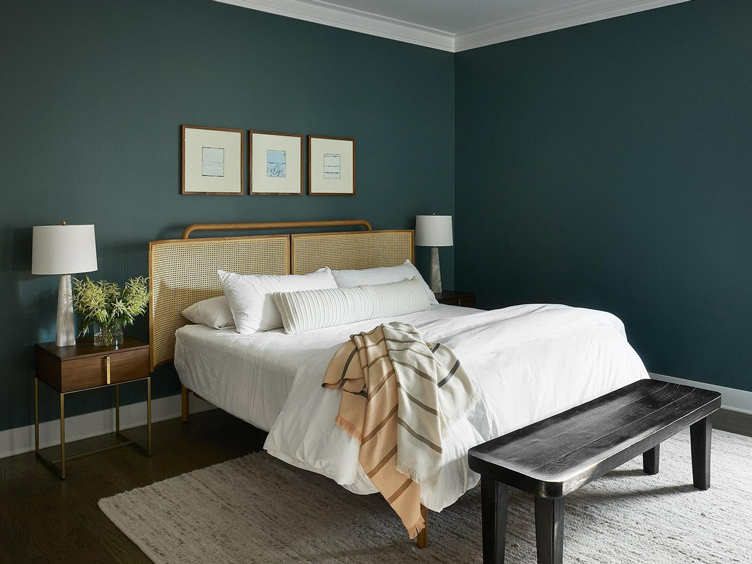 Image Source: chairish.com
Barely-There Blues & Greens: Nature’s Soothing Palette
If you crave a touch of color, look to the calming hues of nature. These soft, ethereal shades are perfect for a bedroom.
-
Pale Sky Blue: A delicate, airy blue can instantly bring a sense of tranquility and openness. It beautifully contrasts with warm-toned dark furniture (like cherry or mahogany), creating a refreshing visual break. With cool-toned dark furniture, it enhances the serene atmosphere.
-
Soft Sage Green: This muted, earthy green is incredibly soothing. Sage green offers a subtle warmth and connection to nature that pairs wonderfully with both warm and cool dark furniture undertones. It creates a balanced, organic feel – think of a peaceful forest retreat.
-
Whisper of Mint: Lighter than sage, a whisper of mint green offers a refreshing, almost spa-like ambiance. It’s particularly lovely for lightening up a room with heavy dark furniture, adding a crisp, clean feel without being overwhelming.
Deep & Dramatic: Embracing Sophistication and Moodiness
If your style leans towards the bold and luxurious, don’t shy away from deeper wall colors. When chosen carefully, they can create a stunning, enveloping effect that highlights your dark furniture in a profoundly sophisticated way.
Rich Blues: From Navy to Teal
Deep blues are known for their calming properties, making them surprisingly suitable for bedrooms despite their intensity.
-
Classic Navy: A timeless choice, navy blue creates a sophisticated and luxurious backdrop. It pairs brilliantly with dark furniture (especially warm-toned woods like mahogany or walnut), creating a classic, refined contrast. It can make a room feel cozy and intimate, perfect for a sleep space.
-
Muted Teal: A blend of blue and green, a deep, muted teal offers a touch of drama and jewel-toned richness. It complements both warm and cool dark furniture, adding an artistic, opulent feel. Teal is sophisticated without being overwhelming, and its green undertones connect with nature.
Deep Greens: Forest, Emerald, Olive
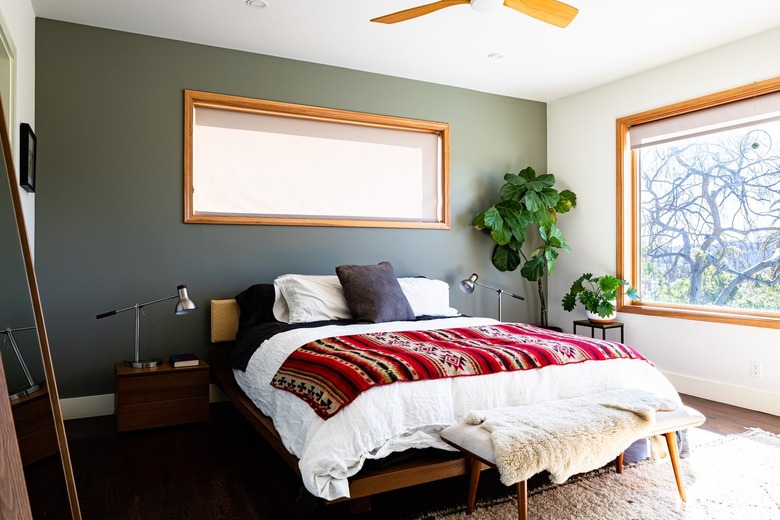
Greens are inherently calming, and their deeper versions bring a sense of grounding and natural luxury.
-
Forest Green: A deep, true green evokes the feeling of a lush, serene woodland. It creates an incredibly grounding and sophisticated bedroom, particularly with dark, warm-toned furniture. It’s a bold choice that feels immensely comforting and private.
-
Muted Emerald: A sophisticated emerald, leaning more towards a deep jade, offers a touch of glamour without being garish. It pairs beautifully with dark furniture, creating a jewel-box effect that feels both luxurious and inviting. This works well for a bedroom where you want a sense of drama and richness.
-
Deep Olive Green: With its grey or brown undertones, deep olive green is an earthy, sophisticated choice. It harmonizes wonderfully with dark wood furniture, particularly those with warm undertones, creating a rich, organic, and truly restful environment.
Elegant Charcoal & Greys: Modern Edge
For a sleek, contemporary, and incredibly chic bedroom, consider going dark with your greys.
-
Deep Charcoal Grey: This is the epitome of modern sophistication. A rich charcoal creates an enveloping, sophisticated space, allowing your dark furniture to almost blend in seamlessly, creating a sleek, monochromatic effect. It works best in rooms with ample natural light to prevent it from feeling too oppressive, or by using strategic lighting.
-
Warm Dark Grey: If charcoal feels too stark, a warm dark grey (one with brown or purple undertones) offers a similar dramatic effect but with a softer, more inviting touch. It pairs wonderfully with dark brown furniture, creating a cohesive, cozy, and highly sophisticated retreat.
Unexpected Darks: Plum, Deep Berry (Used Sparingly as Accent)
For the truly adventurous, deep, rich jewel tones can make a stunning statement, though they are often best used as an accent wall or in very large rooms to avoid overwhelming the space.
-
Muted Plum: A deep, velvety plum can create a luxurious, romantic atmosphere. It pairs beautifully with dark furniture, particularly those with red or brown undertones, enhancing their richness. Use it sparingly, perhaps on the wall behind your bed, to create a dramatic focal point.
-
Deep Berry: A sophisticated, muted berry tone (think a dark raspberry or burgundy) can add warmth and passion to a bedroom. It’s a bold choice that can work wonderfully with dark furniture in a larger space, offering a unique and elegant vibe.
 Image Source: pinterest.com
The Ultimate Pairing Chart: Dark Furniture & Paint Color Combinations
Here’s a quick-reference guide to help you narrow down your choices, bringing together undertones, desired mood, and specific color recommendations.
| Furniture Undertone | Desired Mood/Effect | Recommended Paint Colors (Type) | Why it Works | Key Considerations |
|---|---|---|---|---|
| Warm (Red/Orange) (Mahogany, Cherry, Walnut) |
Serene & Light (Open, Airy, Relaxing) |
Creamy Warm White, Pale Sky Blue, Soft Sage Green, Greige | Creates inviting contrast, softens intensity, enhances natural wood glow. | Ensures room feels expansive, not heavy. Use cool undertones to balance warmth. |
| Warm (Red/Orange) (Mahogany, Cherry, Walnut) |
Rich & Dramatic (Luxurious, Cozy, Intimate) |
Navy Blue, Forest Green, Deep Olive, Muted Teal | Provides deep, sophisticated contrast; highlights richness of wood tones. | Best for rooms with good natural light; use lighter textiles to lift the space. |
| Cool (Brown/Black) (Espresso, Ebony, Wenge) |
Modern & Crisp (Sleek, Contemporary, Clean) |
Crisp Cool White, Light Slate Grey, Whisper of Mint, Pale Grey-Blue | Amplifies modern aesthetic, offers sharp contrast, creates airy feel. | Avoid too much blue in a cool room; add warm textures for balance. |
| Cool (Brown/Black) (Espresso, Ebony, Wenge) |
Sophisticated & Moody (Chic, Enveloping, Gallery-like) |
Deep Charcoal Grey, Rich Navy, Muted Emerald, Warm Dark Grey | Creates cohesive, high-design look; allows dark furniture to recede elegantly. | Requires careful lighting design; use varying textures to add interest. |
| Neutral Dark (Charcoal, Deep Grey Painted) |
Versatile & Balanced (Adaptable, Cozy, Refined) |
Greige, Dusty Pink, Soft Gold, Muted Blue, Warm Beige | Offers flexibility to lean warm or cool; creates depth without starkness. | Easier to layer with accent colors and different metallic finishes. |
Beyond Paint: Bringing Your Bedroom Together
Paint is a powerful tool, but it’s just one piece of the puzzle. To truly complete your bedroom with dark furniture, consider these other design elements:
The Role of Lighting: Ambient, Task, Accent
Lighting is paramount in a room with dark furniture, especially if you opt for darker walls. Dark elements absorb light, so thoughtful lighting can make all the difference:
-
Ambient Lighting: A good overhead fixture (with a dimmer!) provides general illumination. Choose a warmer bulb temperature to counteract any coolness from dark furniture or paint.
-
Task Lighting: Bedside lamps are essential. They provide focused light for reading without flooding the room, creating cozy pools of light that soften the overall effect of dark pieces.
-
Accent Lighting: Use wall sconces, picture lights, or even strategically placed floor lamps to highlight architectural features, artwork, or simply to add depth and visual interest. This prevents corners from feeling too dark and heavy.
Textiles & Textures: Balancing the Heaviness
Dark furniture can sometimes feel heavy. Lightening the load with textiles and varying textures is key:
-
Soft Layers: Introduce plush rugs, luxurious throw blankets, and decorative pillows in lighter colors or with interesting patterns. These add softness and break up the visual weight.
-
Curtains: Opt for curtains in lighter fabrics – sheers, linen, or cotton – that allow natural light to filter through, especially if your walls are darker. This keeps the room feeling bright and airy during the day.
![8 Colour Schemes for Dark Wood Furniture [Trending Picks]](https://kukabyarterio.com/wp-content/uploads/2024/10/dark-wood-furniture-colour-schemes.webp "8 Colour Schemes for Dark Wood Furniture [Trending Picks]") Image Source: kukabyarterio.com
Image Source: kukabyarterio.com -
Natural Materials: Woven baskets, rattan elements, or a chunky knit throw can add organic texture and warmth, creating a lovely contrast with the sleekness of dark furniture.
Decor & Art: Personalizing Your Space
Your accessories are where your personality truly shines. With dark furniture as a backdrop, you have a fantastic opportunity to make a statement:
-
Metallic Accents: Gold, brass, silver, or bronze frames, mirrors, and decorative objects can add sparkle and sophistication. They catch the light, drawing the eye and adding a touch of glamour.
-
Greenery: Plants, whether real or high-quality faux, bring life and freshness. Their vibrant green provides a natural contrast to dark furniture and can soften any harsh lines.
-
Artwork: Choose art that complements your chosen paint color and furniture. Lighter-toned pieces can brighten a darker wall, while bold, colorful art can add a striking focal point against a neutral backdrop.
Common Pitfalls to Avoid When Painting with Dark Furniture
Even with the best intentions, it’s easy to stumble. Here are a few common mistakes to sidestep:
Overwhelming the Room
The biggest mistake is choosing a dark, intense wall color without considering the room’s size, ceiling height, and natural light. This can make the room feel like a cave, not a sanctuary. If you love dark walls, balance them with plenty of light elements elsewhere (bedding, curtains, rug, lighting) and consider using the deep color on an accent wall rather than all four.
Ignoring Natural Light
A color that looks stunning in a brightly lit showroom might appear entirely different in your north-facing bedroom with limited sunlight. Always observe your paint samples in your actual room, at different times of day, to see how natural light (or lack thereof) affects the shade.
Forgetting Test Swatches
Never, ever commit to a gallon of paint without testing it first. Paint large swatches (at least 2’x2′) on a few different walls in your bedroom. Live with them for a few days. See how they interact with your dark furniture, your existing lighting, and even your mood. This step is non-negotiable for a successful paint job.
Final Touches: Making Your Bedroom Truly Yours
Choosing the best bedroom paint color for dark furniture is about more than just aesthetics; it’s about creating a personal retreat that supports your well-being. By understanding your furniture’s undertones, considering the psychological impact of color, and thoughtfully layering in lighting and textures, you can design a space that feels both luxurious and incredibly comfortable.
Don’t be afraid to experiment with test swatches, trust your instincts, and remember that your bedroom should reflect you. Whether you crave a bright, airy oasis or a moody, sophisticated haven, the perfect paint color is waiting to transform your dark furniture into the star of a truly unforgettable space. Happy painting!