The Definitive Guide to the Best Interior White Paint Colors for 2026
Choosing the right white paint for your interiors? It’s far more complex than picking “just white.” Trust me, I’ve been there – standing in the paint aisle, overwhelmed by hundreds of seemingly identical swatches, each with a cryptic name like ‘Whisper White’ or ‘Cloud Cover.’ You’re not alone if you’ve felt the dread of making the wrong choice, leading to a room that feels sterile, dingy, or just… off.
As we look to 2026, interior design continues its subtle evolution, and white remains the undeniable cornerstone of sophisticated, versatile, and enduring spaces. But what whites will truly shine? Which undertones will dominate? And how do you ensure you pick a white that makes your home feel like a sanctuary, not a laboratory?
This isn’t just another list of paint colors. This is your comprehensive guide to understanding, selecting, and falling in love with the best interior white paint colors that will define 2026. We’re going beyond the surface to arm you with the knowledge to make an informed, confident decision.
Why White? The Enduring Appeal of a Timeless Interior Choice
White paint isn’t a trend; it’s a constant. It’s the little black dress of interior design – always in style, always appropriate, and always elegant. But its enduring popularity isn’t just about aesthetics; it’s deeply rooted in its unparalleled versatility and psychological impact.
White as a Foundation for Future Trends
Think of white as the ultimate blank canvas. As new design trends emerge – from bold accent colors to intricate textures, from biophilic elements to minimalist aesthetics – white provides the perfect, non-competing backdrop. It allows architectural details to shine, artwork to pop, and furniture to stand out without visual clutter. For 2026, as we see a continued lean towards personalization and curated spaces, white will empower homeowners to layer trends without fear of clashing.
The Psychology of White: Serenity, Space, and Versatility
There’s a reason doctors’ offices and spas often lean on white. It evokes feelings of cleanliness, purity, and simplicity. In your home, white can transform a small, cramped room into an expansive, airy retreat. It maximizes natural light, making spaces feel brighter and more uplifting. Moreover, white offers an incredible spectrum of moods, from crisp and modern to warm and inviting, simply by adjusting its undertones.
Decoding White: Understanding Undertones and LRV
Here’s the secret: no white is just “white.” Every single white paint color carries a subtle undertone that dictates how it will appear in your home. Ignoring these undertones is the quickest way to end up with a white that feels wrong.
The Subtle Science of Undertones (Warm, Cool, Neutral)
Undertones are the hidden colors lurking beneath the surface of white. They determine whether a white paint feels warm, cool, or truly neutral. Think of them as whispers of color:
:max_bytes(150000):strip_icc()/GettyImages-1202269257-f1283f5c4a5a4a359bcc97c47257292b.jpg "6 Paint Colors Designers Don't Want to See in 2026")
- Warm Whites: These have yellow, pink, brown, or orange undertones. They create a cozy, inviting, and often classic feel. Think of a creamy vanilla or a soft linen.
- Cool Whites: These carry blue, gray, green, or violet undertones. They evoke a crisp, clean, and modern ambiance. Imagine freshly fallen snow or a brilliant arctic sky.
- Neutral Whites: These are the trickiest to find, often having very subtle gray or greige (gray + beige) undertones that prevent them from leaning too warm or too cool. They are incredibly versatile but require careful consideration.
Understanding these undertones is paramount. A warm white might clash with cool-toned flooring, while a cool white could feel stark in a south-facing room bathed in warm light.
Light Reflectance Value (LRV): Your Guide to Brightness and Depth
LRV, or Light Reflectance Value, is a critical number to pay attention to. It measures the percentage of visible and usable light that a paint color reflects. The scale runs from 0 (absolute black, absorbing all light) to 100 (pure white, reflecting all light). Most white paints have an LRV between 70 and 90.
- Higher LRV (closer to 100): The paint will reflect more light, making your room feel brighter, larger, and airier. These are your crisp, almost stark whites.
- Lower LRV (closer to 70): The paint will absorb more light, creating a softer, cozier, and sometimes moodier feel. These are your off-whites or creamy whites.
For 2026, we’re seeing a shift towards whites with slightly lower LRVs, leaning into that “not-quite-white” territory that feels more grounding and organic.
The Impact of Natural and Artificial Lighting
Light is a magical, transformative element that can make or break your white paint choice. The same white will look dramatically different in various lighting conditions:
- North-Facing Rooms: Receive cooler, bluer light. A warm white can help balance this out, preventing the room from feeling too cold.
- South-Facing Rooms: Bathed in warm, yellow light. A cool white can temper this warmth, keeping the room fresh, but sometimes a warm white can amplify the coziness.
- East-Facing Rooms: Get bright, warm light in the morning, then cooler light in the afternoon.
- West-Facing Rooms: Enjoy warm, golden light in the afternoon and evening.
- Artificial Lighting: Incandescent bulbs cast a warm, yellow glow, while LED lights can range from warm to cool, and fluorescents are typically cool and harsh. Always consider your light bulbs!
This is why testing swatches in your actual space is non-negotiable.
Our Top Picks: Best Interior White Paint Colors for 2026
Based on emerging trends, designer recommendations, and an eye for enduring style, these are the white paint colors poised to dominate interiors in 2026. I’ve focused on versatility, undertone balance, and a proven track record of creating beautiful spaces.
| Paint Color | Brand | LRV | Primary Undertone | Best Use Cases |
|---|---|---|---|---|
| Pure White (SW 7005) | Sherwin-Williams | 84 | Slightly Warm (Hint of Yellow/Greige) | Walls, Trim, Ceilings; Versatile for almost any room, especially where a soft, clean white is desired. |
| Chantilly Lace (OC-65) | Benjamin Moore | 92.2 | Neutral/Slightly Cool (Very Minimal Blue/Gray) | Modern spaces, trim, ceilings, kitchens, bathrooms, or rooms needing a crisp, gallery-like feel. |
| Wimborne White (No. 239) | Farrow & Ball | 89 | Soft Warm (Subtle Yellow) | Traditional, historic, or farmhouse styles; creating a gentle, luminous backdrop, living rooms, bedrooms. |
| Aesthetic White (SW 7005) | Sherwin-Williams | 73 | Warm Off-White (Greige/Brown) | Cozy living rooms, bedrooms, all-over color for a cohesive look, especially effective in bright rooms to add softness. |
| Simply White (OC-117) | Benjamin Moore | 91.7 | Warm (Hint of Yellow) | Trim, cabinets, modern farmhouse, transitional styles, excellent for brightening without being stark. |
| Blank Canvas (DC-003) | Behr | 84 | Neutral Warm (Hint of Greige/Brown) | Versatile for walls, open-concept homes, kitchens, a soothing backdrop for any decor style. |
Sherwin-Williams Pure White (SW 7005): The Universal Favorite
Why it’s trending in 2026: Pure White holds its ground as a perennial favorite because it’s almost universally flattering. It’s a balanced, clean white that avoids being overly stark or too creamy. It has just enough warmth to feel inviting without ever leaning yellow. This neutrality makes it a go-to for designers and homeowners alike who want a reliable, crisp foundation.
Undertones and LRV: With an LRV of 84, it’s bright but not blinding. Its undertones are ever-so-slightly warm, with a touch of yellow and a whisper of greige that prevent it from feeling cold. It adapts beautifully to various lighting conditions.
Best applications: This white is a superstar for ceilings and trim, providing a perfect complement to almost any wall color. It’s also fantastic for walls in open-concept spaces, bedrooms, bathrooms, and even kitchen cabinets when you want a clean, fresh look that doesn’t feel sterile.
Benjamin Moore Chantilly Lace (OC-65): The Crisp & Clean Classic
Why it’s trending in 2026: Chantilly Lace continues to reign supreme for those seeking a true, unadulterated white. As design trends flirt with bolder colors and richer textures, the demand for a crisp, clean white to act as a pure palette will remain strong. It’s the epitome of freshness and modernity.
Undertones and LRV: With one of the highest LRVs at 92.2, Chantilly Lace is exceptionally bright. It’s often considered Benjamin Moore’s purest white, with minimal discernible undertones, though some might detect the slightest hint of cool gray or blue in certain lights, preventing any yellowing.
Best applications: Ideal for contemporary homes, art galleries, trim, and ceilings. It truly shines in kitchens and bathrooms where a bright, sanitary feel is desired. If you want your walls to truly disappear and let your decor speak, Chantilly Lace is your answer.
Farrow & Ball Wimborne White (No. 239): The Soft, Inviting Glow
Why it’s trending in 2026: Farrow & Ball has a knack for creating whites with incredible depth and character. Wimborne White, with its gentle warmth, resonates with the growing desire for homes that feel calm, sophisticated, and deeply personal. It’s a softer alternative to stark whites, perfectly suited for those embracing a ‘quiet luxury‘ aesthetic.
Undertones and LRV: Its LRV of 89 indicates a lovely brightness. Wimborne White features noticeable but soft yellow undertones, giving it a beautifully warm and creamy quality without ever looking yellow on the wall. It’s comforting and luminous.
Best applications: Excellent for living rooms, bedrooms, and dining areas where you want an inviting, cocooning feel. It complements traditional, transitional, and even modern farmhouse styles beautifully. This is a white that glows, making it perfect for spaces that need a gentle uplift.
Sherwin-Williams Aesthetic White (SW 7005): The Warm, Organic Embrace
Why it’s trending in 2026: As designers move towards more organic, earthy palettes, Aesthetic White is emerging as a top contender. It’s a “not-quite-white” that offers significant warmth and depth, providing a soft contrast to crisp white trims without feeling too dark. This is a white for creating comfortable, grounded interiors.

Undertones and LRV: With an LRV of 73, Aesthetic White is firmly in the off-white category. Its undertones are primarily greige, meaning a blend of gray and beige, sometimes picking up subtle brown or taupe notes. This gives it a sophisticated, muted warmth.
Best applications: Fantastic as an all-over wall color for creating a cohesive, warm envelope in a home. Perfect for bedrooms, cozy living rooms, and even home offices where a sense of calm and focus is desired. It pairs beautifully with natural wood tones and earthy greens.
Benjamin Moore Simply White (OC-117): The Balanced Brightness
Why it’s trending in 2026: Simply White earned Benjamin Moore’s Color of the Year title previously and continues to be a favorite due to its radiant, yet gentle quality. It strikes a remarkable balance between warmth and crispness, making it incredibly adaptable. Its ability to brighten a space without feeling sterile will keep it highly relevant.
Undertones and LRV: With an LRV of 91.7, it’s very bright, but unlike Chantilly Lace, it carries a very slight yellow undertone. This touch of warmth prevents it from leaning cool and gives it a sunnier disposition.
Best applications: A fantastic choice for trim and doors where you want a clean white that doesn’t conflict with warmer wall colors. It’s also excellent for brightening up modern farmhouse or transitional interiors, especially for cabinets, walls, and built-ins. It feels fresh and inviting without being overwhelming.
Behr Blank Canvas (DC-003): The Accessible & Versatile Choice
Why it’s trending in 2026: Named Behr’s Color of the Year for 2023, Blank Canvas continues its reign as a highly versatile and comforting neutral, perfect for the “back to basics” and wellness-focused design movements of 2026. It’s a crowd-pleaser that works in virtually any setting, making it accessible for DIYers and designers alike.
Undertones and LRV: With an LRV of 84, it’s a wonderfully reflective white. Blank Canvas features subtle warm greige and beige undertones, which give it a soft, inviting quality. It’s a creamy white that feels light and airy without feeling cold or stark.
Best applications: This is an exceptional choice for open-concept living spaces, kitchens, and bedrooms. It provides a clean, breathable backdrop that allows you to introduce color and texture through furniture and accessories. It’s a true workhorse white.

2026 White Paint Trends: What’s Hot and Why
Beyond specific color names, certain overarching themes will influence the popularity of white paints in 2026.
The Rise of Warm, Creamy Whites
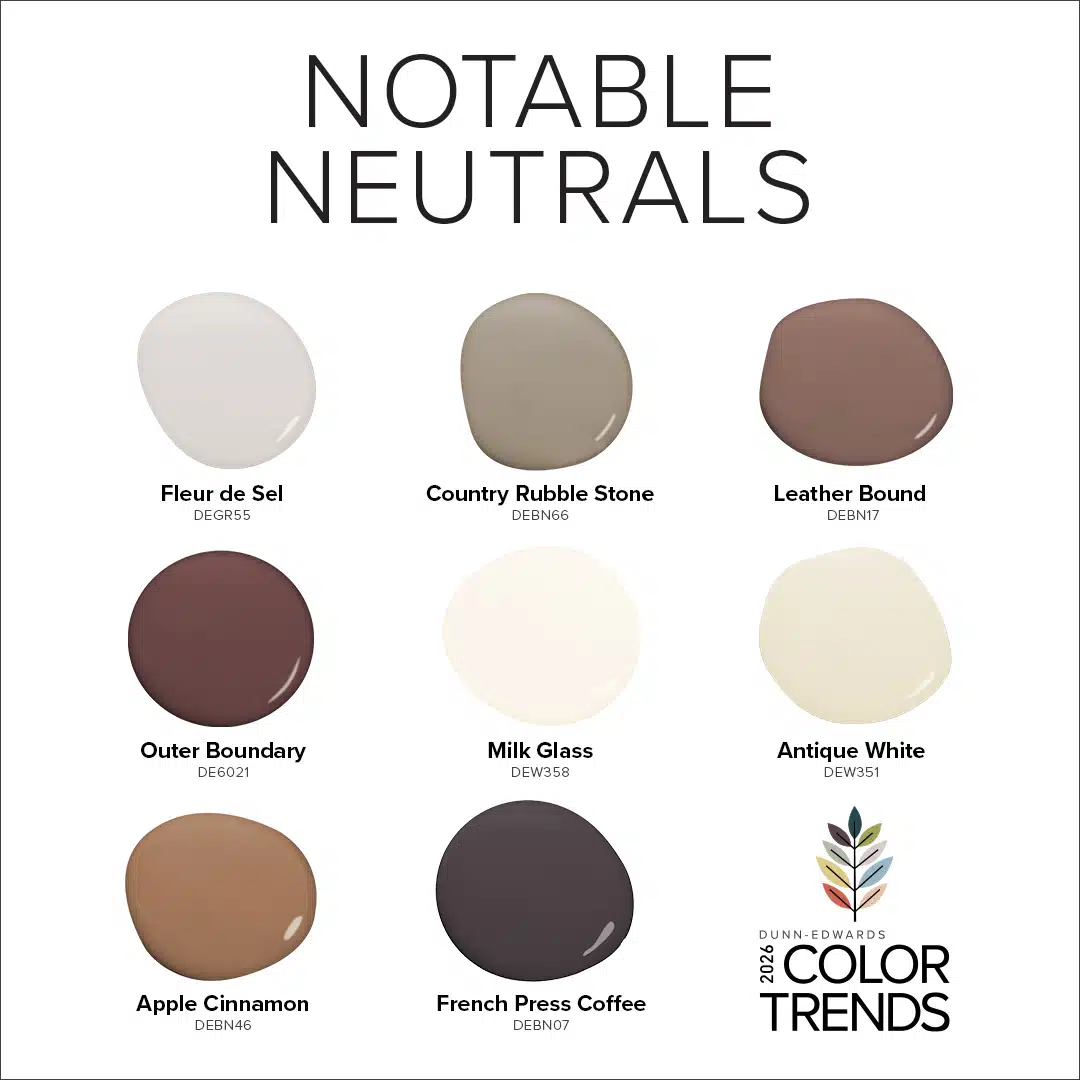
While crisp whites will always have their place, 2026 sees a stronger lean into warmer, creamier whites. These aren’t the yellow-y whites of the past, but sophisticated shades with subtle beige, greige, or even soft peach undertones. They create a sense of comfort and coziness, aligning with the desire for homes that feel like true retreats from the outside world. Think ‘oatmeal’ or ‘unbleached linen’ over ‘stark white paper.’
Embracing “Not-Quite-White” (Soft Off-Whites)
The term “not-quite-white” (as mentioned by some trend forecasters) perfectly captures another prevailing preference. These are whites with a bit more depth, an LRV typically in the low to mid-70s. They provide a softer contrast against white trim, offering a more nuanced and organic feel. They blur the line between white and a very pale neutral, adding a subtle dimension to walls.
The Enduring Allure of True, Crisp Whites
Don’t count out the brilliant whites just yet! For trim, ceilings, and in minimalist, contemporary, or maximalist spaces where furniture and art are the stars, a true crisp white (like Chantilly Lace) will continue to be essential. It provides that sharp contrast and pure backdrop that allows other elements to truly shine.
White as a Backdrop for Biophilic and Textured Design
As biophilic design (bringing nature indoors) and a focus on natural textures (wood, linen, rattan, plaster) continue to trend, white paint serves as the ultimate facilitator. It allows the organic shapes of plants and the tactile quality of materials to take center stage without competing. A soft, warm white, in particular, enhances the earthy tones of these elements.
Choosing Your Perfect White: A Step-by-Step Guide
Don’t rush this decision. A thoughtful approach will save you time, money, and regret.
Consider Your Home’s Natural Light
As we discussed, light is everything. Observe how natural light enters your room throughout the day. Is it warm, cool, bright, or dim? This understanding is your first step in narrowing down warm or cool white options.
Evaluate Existing Finishes and Fixed Elements
Look at your flooring, countertops, cabinetry, and any other fixed elements that won’t be changing. Do they have warm undertones (yellow, orange, red) or cool undertones (blue, gray, green)? Your white paint should ideally complement these existing elements, creating harmony rather than discord. For example, a warm white often pairs beautifully with oak floors, while a cooler white might enhance gray marble.

Test, Test, Test: The Power of Swatches
This is the single most important piece of advice. Buy sample pots of your top 2-3 white contenders. Paint large swatches (at least 2’x2′) on different walls in the room you intend to paint. Observe them at different times of day – morning, noon, evening – and under both natural and artificial light. See how they interact with your furniture and decor. Live with them for a few days. You’ll be amazed at how different they look from the tiny chip.
Don’t Forget the Finish: Sheen Matters
The sheen, or finish, of your paint plays a huge role in how white appears:
- Matte/Flat: Absorbs light, creating a softer, richer look. Great for walls in low-traffic areas. Can be harder to clean.
- Eggshell/Satin: Offers a subtle sheen, more durable and easier to clean than flat. A popular choice for walls in most rooms.
- Semi-Gloss/High-Gloss: Reflects more light, making colors appear brighter and emphasizing architectural details. Excellent for trim, doors, and cabinets, where durability and easy cleaning are paramount.
Professional Consultation: When to Call in an Expert
If you’re still feeling overwhelmed, don’t hesitate to consult an interior designer or a color expert. Many paint stores offer color consultation services. A professional eye can quickly identify your room’s unique challenges and recommend the perfect white for your space and style.
Common White Paint Pitfalls to Avoid
Steer clear of these common mistakes to ensure your white paint project is a success.
The “Too Stark” Mistake
Choosing a white with too high an LRV or too cool an undertone for a room that doesn’t receive much natural light can make it feel cold, unwelcoming, and sterile – like a hospital. Balance is key.
Ignoring Undertones
As discussed, skipping the undertone analysis is a recipe for disaster. A beautiful white on a paint chip can reveal unexpected green or pink undertones on your wall if not carefully considered against your existing furnishings and lighting.
Underestimating the Power of Light
The biggest mistake is assuming a white will look the same in your home as it does online or in a friend’s house. Light changes everything. Always, always test your chosen whites in your own space.
Final Thoughts: Your Canvas Awaits
Selecting the best interior white paint color for 2026 isn’t about following a rigid trend; it’s about finding the white that feels most authentic and beautiful in your own home. The beauty of white lies in its subtle nuances and its ability to transform a space into whatever you envision.
Whether you’re drawn to the crisp clarity of a pure white, the warm embrace of a creamy off-white, or the balanced sophistication of a greige-infused shade, the perfect white is waiting to become the backdrop to your life. Take your time, trust your instincts, and enjoy the process of creating a home that feels uniquely yours. Your canvas awaits – go ahead and paint your masterpiece.