Are you feeling that irresistible pull towards a bolder, more sophisticated aesthetic for your home? You’re not alone. The quiet power of dark green paint colors for walls has captured the hearts of designers and homeowners alike, transforming ordinary rooms into extraordinary sanctuaries. Forget those fleeting trends; dark green offers a timeless elegance, a deep connection to nature, and an undeniable sense of calm luxury.
But let’s be real: staring at an array of ‘forest green,’ ‘hunter green,’ or ’emerald green’ swatches can feel overwhelming. Choosing such a dramatic hue isn’t just about picking a pretty shade; it’s about understanding its nuances, its impact on light, and how it plays with everything else in your space. That’s exactly why I’m here. Consider this your definitive guide – your trusted companion – as we dive deep into the world of dark green walls, ensuring you pick the perfect shade and style it flawlessly.
We’ll uncover the psychology behind its appeal, explore popular shades and their undertones, navigate the crucial role of paint finishes, and equip you with practical tips for every room in your home. By the end, you’ll be confident in transforming your walls with this magnificent color.
Dive Deep into Dark Green: Your Ultimate Guide to Choosing and Styling This Timeless Wall Color
The Allure of Dark Green: Why It Works (and When It Doesn’t)
Before we even get to swatches, let’s talk about the magic of dark green. It’s more than just a color; it’s an experience. It’s the deep shade of an ancient forest, the rich patina of aged bronze, the luxurious velvet of an heirloom armchair.
Psychological Impact and Mood Creation
Humans are inherently drawn to nature, and green is its ultimate representation. Dark green, in particular, offers a profound sense of grounding and tranquility. It’s a color that encourages relaxation and focus simultaneously. Imagine sinking into a sofa surrounded by deep green walls – doesn’t that just feel instantly calming and secure? It can make a room feel incredibly cozy and cocoon-like, perfect for intimate conversations or quiet reflection.
This hue is also synonymous with sophistication and wealth, harking back to grand libraries and opulent drawing rooms. It exudes an understated luxury that’s both inviting and impressive. Unlike some dark colors that can feel heavy or oppressive, green’s natural association keeps it feeling fresh and alive.
The Versatility Factor
One of dark green’s most appealing qualities is its chameleon-like versatility. It truly transcends design styles:
- Traditional & Classic: Paired with dark wood, leather, and brass, it creates a timeless, heritage look.
- Modern & Minimalist: With clean lines, white accents, and metallic touches, it adds depth without clutter.
- Biophilic & Organic: Combined with natural wood, rattan, and abundant houseplants, it enhances a connection to the outdoors.
- Eclectic & Bohemian: It provides a rich backdrop for global textiles, unique art, and mixed patterns.
It can be both a powerful statement and a grounding neutral, depending on the surrounding elements. That’s a rare feat for any color, let alone a dark one!
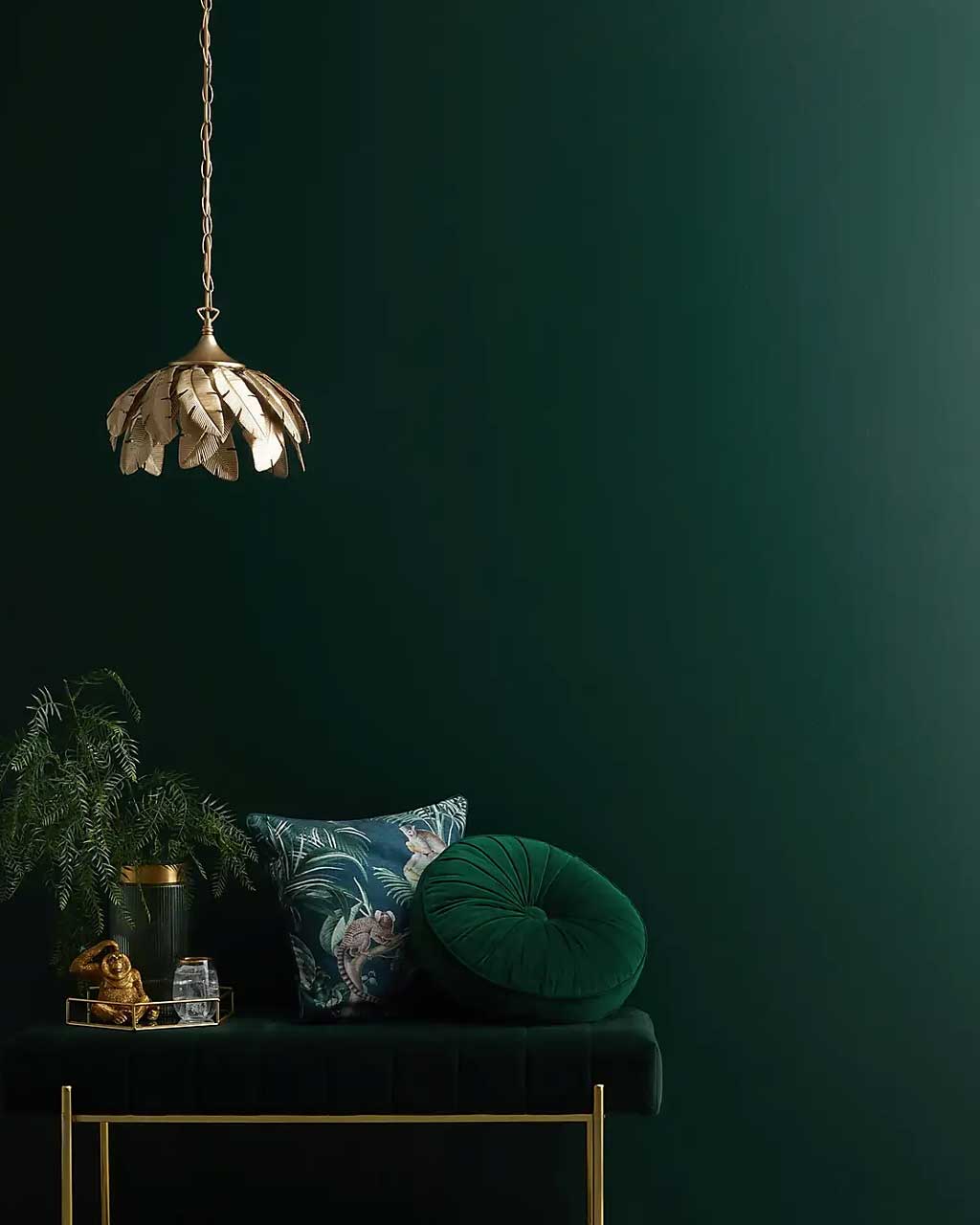
Potential Pitfalls (and How to Avoid Them)
While dark green is glorious, it’s not without its considerations. The main concern for many is the fear of making a room feel too small or too dark. And yes, if not approached thoughtfully, this can happen.
- Small Rooms: In a small, dimly lit room, all four walls in a dark green might feel overwhelming. However, using it on an accent wall or with plenty of reflective surfaces (mirrors, glossy finishes) can mitigate this.
- Lack of Light: Rooms with minimal natural light can indeed feel cave-like if not compensated for with adequate artificial lighting and lighter-colored furnishings.
- Clashing Decor: If your existing furniture or textiles already lean heavily into warm, bright tones that compete with the green, you might end up with a chaotic rather than cohesive look.
The key is balance. Think of dark green as a foundational layer. What you layer on top (lighting, furniture, art, trim color) is just as important as the green itself.
Decoding the Shades: Popular Dark Green Paint Colors to Consider
This is where the fun (and sometimes the headache!) begins. Dark greens aren’t just ‘dark green.’ They come with a fascinating array of undertones that dramatically change their character. Do you want something cool and sophisticated? Warm and earthy? Or a dramatic, nearly-black green? Let’s break down some common categories and popular examples (with fictional names, but true-to-life descriptions).
| Shade Category | Common Undertones | Typical Mood Evoked | Best Use Cases | Complementary Colors |
|---|---|---|---|---|
| Classic Forest Green | Neutral green, subtle yellow/brown | Grounding, cozy, traditional, secure | Living rooms, studies, dining rooms, accent walls | Cream, rust, gold, warm grey, natural wood |
| Deep Teal / Blue-Green | Blue, grey-blue | Sophisticated, tranquil, luxurious, dramatic | Bedrooms, bathrooms, formal living spaces, media rooms | White, silver, navy, deep purple, coral, black |
| Earthy Olive / Moss Green | Yellow, brown, grey | Organic, calming, natural, understated | Kitchens, casual living areas, entryways, nurseries | Terra cotta, cream, linen, mustard, rich browns |
| Nearly Black / Midnight Green | Black, deep blue | Bold, dramatic, intimate, elegant, moody | Powder rooms, accent walls, bedrooms, home theaters | Bright white, gold, blush pink, rich jewel tones, chrome |
Classic Deep Forest Greens
These are your quintessential dark greens – think of pine needles or deep emeralds. They often have a balanced green base, sometimes leaning slightly yellow or brown, but without strong blue or grey influences. They are incredibly grounding and create an enveloping, cozy atmosphere. Perfect if you’re aiming for a library feel or a snug living room.
Blue-Undertone Greens (Teal, Hunter)
When dark green mixes with a significant amount of blue, you get sophisticated teals or deep hunter greens. These shades often feel cooler, more serene, and undeniably luxurious. They can evoke images of deep ocean waters or precious gemstones. They pair beautifully with cooler neutrals and metallics like silver or chrome, offering a crisp yet rich aesthetic. Think of these for bedrooms or more formal spaces where you want a calming, elegant vibe.
Yellow/Brown-Undertone Greens (Olive, Moss)
These greens carry a strong connection to the earth. With hints of yellow or brown, they feel organic, warm, and inviting. Imagine sun-drenched olive groves or moss-covered stones. They work wonderfully in spaces where you want a natural, understated feel – perhaps a kitchen, a casual living area, or a nursery. They harmonize effortlessly with natural wood tones, terracotta, and linen fabrics.
Nearly Black Greens (Deep Emerald, Midnight Forest)
For the truly daring, these greens are so dark they almost appear black in certain lights. They offer ultimate drama and sophistication. These are the showstoppers, creating intimate, moody spaces that feel incredibly chic and expensive. Powder rooms, accent walls, or even an entire bedroom can be transformed into a luxurious jewel box with these bold hues. Pair them with crisp white trim or metallic accents to prevent them from feeling too heavy.
Beyond the Hue: Choosing the Right Paint Finish for Dark Green
The color itself is only half the story. The paint finish (or sheen) you choose for your dark green walls will drastically alter its appearance, durability, and how light interacts with it. This is a critical decision that often gets overlooked.

| Finish Type | Sheen Level | Pros for Dark Green | Cons for Dark Green | Ideal Applications |
|---|---|---|---|---|
| Flat/Matte | 0-5% (No reflectivity) | Absorbs light, creates a velvety, luxurious look; hides imperfections; deepens color perception. | Least durable; difficult to clean; prone to scuffs/marks; can make walls look chalky if not high quality. | Low-traffic areas like bedrooms, formal dining rooms, ceilings where a soft, rich aesthetic is desired. |
| Eggshell/Satin | 10-25% (Slight sheen) | Most versatile; provides subtle luster; more durable than flat; easier to clean; good balance of depth and practicality. | May show minor wall imperfections more than flat; still susceptible to scratching in high-traffic zones. | Living rooms, family rooms, hallways, bedrooms, dining rooms – excellent all-rounder. |
| Semi-Gloss | 35-50% (Noticeable shine) | Highly durable and washable; reflects light, making dark green feel more vibrant and dramatic; good for trim. | Highlights every wall imperfection; can look too stark or plastic-like on entire walls; very reflective. | Trim, doors, cabinetry, bathrooms, kitchens – best for areas needing extreme durability or a high-drama accent. |
| High-Gloss | 70-90% (Mirror-like) | Incredibly dramatic and luxurious; maximizes light reflection, turning walls into reflective surfaces; extremely durable. | Requires perfectly smooth walls (prep is key!); shows every imperfection, dust speck, and fingerprint; very difficult to apply flawlessly. | Accent walls, entryways, powder rooms, bespoke furniture – for a truly bold, statement-making effect. |
Flat/Matte: The Velvety Embrace
For a truly luxurious, sophisticated feel, nothing beats a flat or matte finish. It absorbs light rather than reflecting it, giving dark green an incredibly rich, velvety depth. This finish is superb for hiding minor wall imperfections. However, it’s the least durable and most difficult to clean, making it best for low-traffic areas like bedrooms or formal dining rooms where scuffs are less likely.
Eggshell/Satin: Everyday Elegance
These are the workhorses of interior paint, offering a subtle sheen that’s more durable and easier to clean than flat, while still delivering significant color depth. Eggshell (slightly less sheen) and satin (a bit more sheen, often described as a ‘lustrous pearl’) are excellent choices for living rooms, hallways, and family rooms. They strike a beautiful balance, giving dark green a soft glow without being overly reflective or highlighting every imperfection.
Semi-Gloss/High-Gloss: Drama and Durability
If you want your dark green walls to make a bold statement, these are your finishes. Semi-gloss is highly durable and very washable, making it ideal for high-traffic areas, kitchens, bathrooms, or even just trim work. It reflects light noticeably, making the dark green feel more vibrant. High-gloss takes this to the extreme, creating a mirror-like finish that is incredibly dramatic and luxurious, but demands perfectly smooth walls and meticulous application. Use high-gloss on an accent wall or in a small powder room for maximum impact and a jewel-box effect.
Lighting is Everything: How Light Affects Dark Green Walls
This is arguably the most crucial factor when choosing any paint color, but especially a dark one. The light in your room will dramatically change how your chosen dark green appears throughout the day and night.
Natural Light: North, South, East, West Facing Rooms
- North-Facing Rooms: These receive cool, indirect light throughout the day. A dark green with warm (yellow/brown) undertones can help balance this coolness. Blue-greens might appear even cooler or potentially flat.
- South-Facing Rooms: Flooded with bright, warm light. Almost any dark green will sing here. Cool-toned greens will feel vibrant, while warm-toned greens will feel even richer.
- East-Facing Rooms: Get bright, warm morning light, then cooler light in the afternoon. Consider how you use the room most. A balanced green works well.
- West-Facing Rooms: Receive warm, intense afternoon light. This can make greens with yellow undertones truly glow. Blue-greens might appear more vibrant and less muted than in north-facing rooms.
Artificial Light: Warm vs. Cool Bulbs
Don’t forget your lightbulbs! LED lights come in various color temperatures, measured in Kelvin (K):
- Warm White (2700K-3000K): These yellow-toned lights will enhance the warmth in your dark green, making olive and moss greens feel incredibly cozy. They can sometimes mute cooler blues in blue-greens.
- Cool White (3500K-4000K): These bluer-toned lights will bring out the crispness and blue undertones in your dark green, making teal or hunter greens pop. They might make warm greens feel a little flatter.
- Daylight (5000K-6500K): Mimicking natural daylight, these are very bright and cool. They will show your dark green in its truest form, but can sometimes feel too stark for a cozy living space.
Experiment with different bulb types to see how they interact with your paint samples.
The Magic of Sampling: Why You MUST Test
I cannot stress this enough: never skip the paint sample stage. A tiny chip in a store will look completely different on your wall. Grab several peel-and-stick samples or paint large swatches (at least 2×2 feet) on white poster board. Place them on different walls in the room, observe them at various times of day and night, and see how they look with your existing furniture and flooring. This small step will save you from costly painting mistakes.
Pairing Perfection: What Colors and Materials Complement Dark Green?
Once your dark green walls are chosen, the real fun of styling begins. Dark green provides an incredible canvas for a wide range of complementary colors and textures.
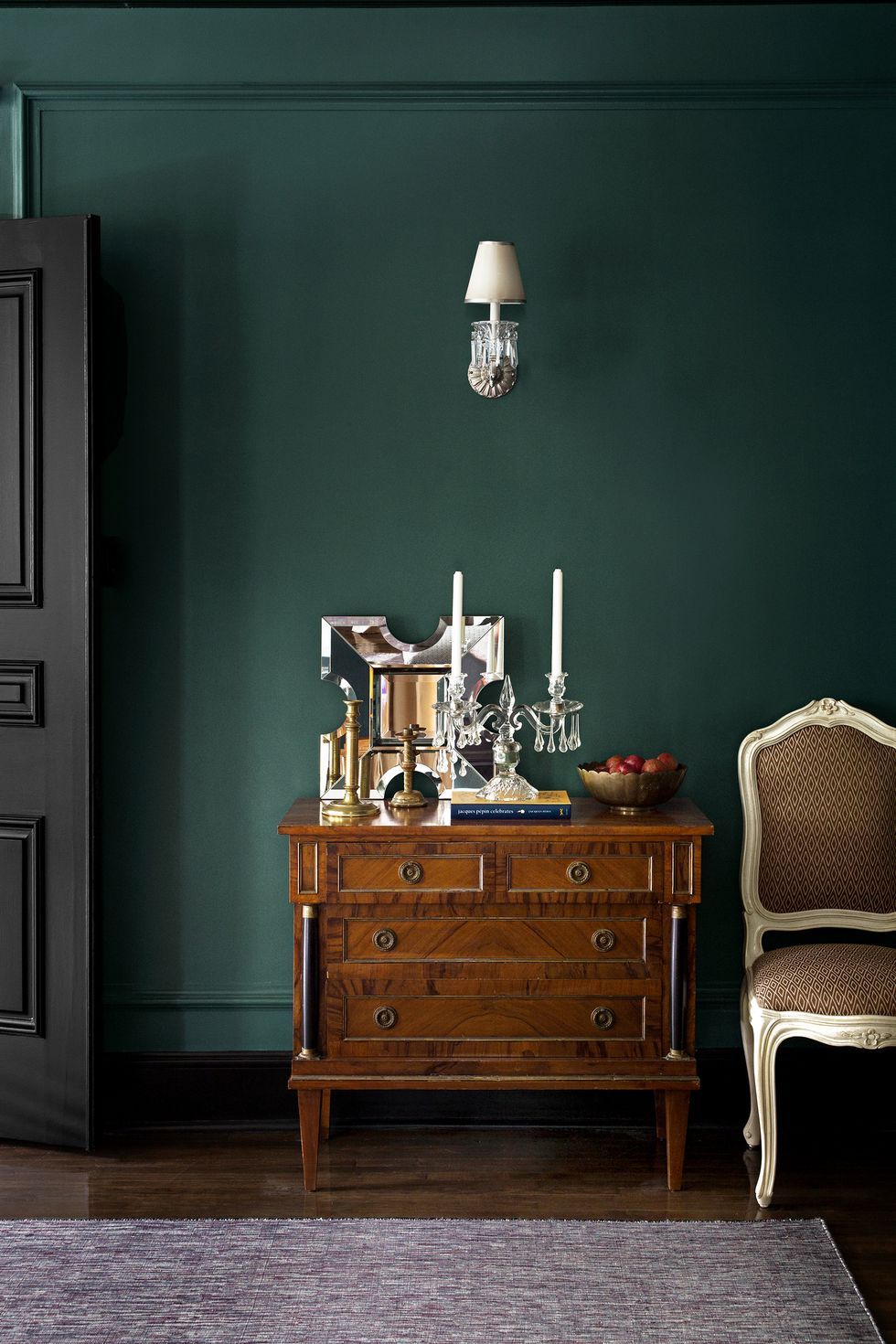
Neutral Companions: Whites, Creams, Greys, and Tans
These are your steadfast allies. Crisp whites (for trim, ceilings, or contrasting furniture) provide a clean, fresh contrast that makes the green pop. Creams and off-whites soften the look, adding warmth and traditional elegance. Light greys and tans can act as calming intermediaries, creating a sophisticated layered neutral palette that allows the dark green to be the star without feeling isolated.
Bold Accents: Golds, Coppers, Pinks, Oranges, Blues
- Golds & Coppers: These metallics are a match made in heaven for dark green. They add instant glamour, warmth, and a touch of art deco sophistication. Think gold picture frames, brass light fixtures, or a copper planter.
- Blush Pink & Terracotta/Rust: Unexpected yet stunning. A soft blush pink can add a feminine, playful touch that beautifully contrasts the deep green. Terracotta or rust hues bring out the earthy warmth in greens with yellow or brown undertones, creating a rich, organic feel.
- Deep Blues: Navy or sapphire blue can create a dramatic, moody, and deeply sophisticated palette, especially with blue-undertone greens.
- Mustard Yellow & Burnt Orange: These warm, vibrant colors provide a fantastic pop against dark green, creating an energetic and cozy space.
Natural Textures: Wood, Leather, Rattan, Velvet, Brass
Textures are crucial for adding depth and interest to a dark green room. Natural materials are particularly effective:
- Rich Woods: Dark green and natural wood (walnut, oak, teak) are a classic, harmonious pairing that grounds the space.
- Leather: A deep brown or camel leather sofa against dark green walls creates an instantly sophisticated and inviting feel.
- Rattan & Woven Textures: These add a light, organic, and slightly bohemian contrast.
- Velvet: For ultimate luxury, velvet upholstery (in jewel tones or even a lighter green) amplifies the richness of dark green walls.
- Brass & Bronze: As mentioned, these metallics are fantastic for adding warmth and vintage appeal.
Room by Room: Best Applications for Dark Green Walls
Where should you unleash the power of dark green? Almost anywhere! Here’s a breakdown by room:
Living Rooms: Creating an Inviting Sanctuary
Dark green walls in a living room can create a deeply inviting and sophisticated space. It feels intimate without being claustrophobic, especially when paired with natural light, a mix of textures (velvet sofa, wooden coffee table, wool rug), and metallic accents. It’s perfect for fostering conversation and relaxation.
Bedrooms: The Ultimate Sleep Retreat
Given its calming psychological effects, dark green is an exceptional choice for bedrooms. It promotes a sense of peace and security, helping you unwind. Pair it with crisp white bedding, soft lighting, and perhaps some light wood furniture for a truly serene sleep environment. A blue-undertone green can feel particularly tranquil here.
Dining Rooms: Dramatic Dinner Parties
For a formal dining room, dark green can be incredibly dramatic and elegant. It sets a sophisticated mood for entertaining, especially when combined with a striking chandelier, a large mirror, and a beautiful wooden dining table. The color enhances the richness of food and wine, making every meal feel special.
Home Offices: Focused Productivity
The grounding and focusing qualities of dark green make it an unexpected but brilliant choice for a home office or study. It provides a sense of calm and concentration, reducing visual distractions. Pair it with a sturdy desk, comfortable chair, and task lighting for a productive retreat.
Bathrooms: Spa-like Sophistication
A dark green powder room is a showstopper, feeling like a luxurious jewel box. In a larger bathroom, it can create a spa-like oasis, especially with natural wood elements, white fixtures, and perhaps some leafy plants. Opt for a semi-gloss or satin finish for durability and moisture resistance.

Entryways & Hallways: A Grand Welcome
Make a lasting first impression with dark green in your entryway. It offers a warm, grand welcome and can visually connect guests to other spaces in your home. In a hallway, it can create a sense of procession, guiding the eye and adding architectural interest, especially with contrasting trim.
Practicalities: Preparing and Painting Dark Green Walls
Dark colors are less forgiving of poor prep work. To ensure your dark green walls look their absolute best, follow these crucial steps:
Surface Prep: The Foundation of Flawless
Before you even open a paint can, your walls need to be pristine. Clean them thoroughly to remove dirt, grease, and dust. Fill any holes or cracks with spackle, sand them smooth, and wipe away sanding dust. A smooth, clean surface is non-negotiable for a dark, rich color.
Primer: Is it Essential for Dark Hues?
Yes, absolutely. For dark green, a tinted primer is your secret weapon. Instead of using white primer (which would require more coats of dark green to cover), ask your paint store to tint your primer a dark grey or a similar shade to your chosen green. This dramatically reduces the number of topcoats needed, ensures a deeper, truer color, and improves adhesion. It’s a game-changer for dark colors.
Application Tips: Achieving a Streak-Free Finish
Dark paints are notorious for showing brush strokes and roller marks if not applied correctly. Here are some tips:
- Use High-Quality Tools: Invest in good brushes (for cutting in) and a high-quality roller cover (typically a 3/8-inch nap for smooth walls).
- Work in Sections: Paint one wall at a time, completing it before moving on.
- Maintain a Wet Edge: This is crucial. When rolling, slightly overlap your previous section while it’s still wet to prevent lap marks.
- Two Coats (at least!): Even with tinted primer, plan for two full coats of dark green paint for optimal depth and evenness. Sometimes three, depending on the paint’s quality and base color you’re covering.
- Allow Adequate Drying Time: Rushing the recoat process will lead to uneven color and potential peeling. Follow the manufacturer’s recommendations.
Elevate Your Space: Styling Tips for Dark Green Rooms
The walls are painted, and they look stunning! Now, how do you furnish and decorate to truly make the space sing?
Art and Decor: Making Elements Pop
Dark green walls create an incredible backdrop for art. Light-colored frames (white, natural wood) will pop beautifully. Artwork with vibrant colors, particularly yellows, oranges, or metallics, will stand out dramatically. Mirrors with ornate gold or brass frames are also fantastic, reflecting light and adding a touch of glamour while breaking up the expanse of green.
Furniture Choices: Balance and Contrast
Consider the scale of your furniture. In a dark room, lighter, airier pieces can prevent the space from feeling too heavy. A light sofa, glass coffee table, or furniture with exposed legs can create a sense of openness. For a cozier look, embrace deeper tones like a caramel leather armchair or dark wood cabinetry.
:strip_icc()/bhg-dark-green-paint-colors-1f80273ae46349cea10264bad769d808.png "12 Dark Green Paint Colors Designers Always Recommend")
Textiles: Adding Warmth and Texture
Layering textiles is key to adding warmth and softness. Think plush rugs in creams or muted patterns, velvet curtains, knitted throws, and decorative pillows in complementary colors like blush pink, mustard, or even other shades of green. These layers soften the impact of the dark walls and invite you to relax.
Indoor Plants: Embracing Biophilia
What better way to complement dark green walls than with more green? Lush indoor plants (fiddle leaf figs, monsteras, snake plants) enhance the biophilic connection, bringing a vibrant, living contrast to the painted walls. Their natural textures and varied greens add incredible depth and freshness.
Embrace the Depth of Dark Green
There you have it – the full spectrum of dark green paint for walls. From its profound psychological impact to the nitty-gritty of undertones, finishes, and flawless application, you’re now equipped to make an informed, confident decision.
Dark green is more than just a paint color; it’s a statement, a mood, a timeless embrace of nature and sophistication. Don’t shy away from its depth. Instead, embrace it, experiment with samples, and prepare to transform your home into a truly captivating sanctuary. Your bold choice will be rewarded with a space that feels both profoundly grounding and effortlessly elegant.
Frequently Asked Questions
Is dark green paint a good choice for small rooms?
Yes, it can be! While some fear dark colors shrink a room, dark green can actually create a cozy, intimate ‘jewel box’ effect. To prevent it from feeling too heavy, use it on an accent wall, pair it with light-colored trim and furnishings, and ensure ample lighting (both natural and artificial) to keep the space feeling balanced and sophisticated.
What colors go well with dark green walls?
Dark green is incredibly versatile! It pairs beautifully with classic neutrals like crisp white, cream, and light grey. For bolder accents, consider warm metallics like gold or brass, soft blush pinks, rich terracotta, mustard yellow, or deep navy blue. Natural wood tones, leather, and woven textures also create a harmonious and grounded look.
Which paint finish is best for dark green walls?
The best finish depends on the desired look and room function. Flat or matte finishes offer a velvety, luxurious depth ideal for low-traffic areas like bedrooms. Eggshell or satin are excellent all-rounders, providing a subtle sheen, good durability, and easier cleaning for living rooms and hallways. Semi-gloss or high-gloss create dramatic, reflective surfaces and are best for high-traffic areas, bathrooms, kitchens, or striking accent walls.
Does dark green paint make a room feel darker?
Yes, dark green paint will absorb more light than lighter colors, making a room feel visually darker. However, this isn’t necessarily a negative; it can create a rich, cozy, and sophisticated atmosphere. To counteract excessive darkness, ensure adequate lighting (layering ambient, task, and accent lighting), incorporate reflective surfaces like mirrors, and balance with lighter furniture or textiles.
How many coats of dark green paint do I need?
For dark green paint, it’s highly recommended to apply at least two coats for optimal depth, coverage, and evenness. Using a primer tinted to a dark grey or a similar shade to your chosen green will significantly help reduce the number of topcoats needed, often allowing for full coverage in two coats of the actual paint.
Can I use dark green paint in a north-facing room?
Absolutely! North-facing rooms receive cooler, indirect light, which can sometimes make colors appear muted. To counteract this, consider a dark green with warm (yellow or brown) undertones, as these will feel cozier and more vibrant under the cool light. Pairing it with warm artificial lighting can also help create a more inviting atmosphere.
What kind of lighting works best with dark green?
Layered lighting is key. Combine ambient lighting (ceiling fixtures, recessed lights) with task lighting (table lamps, floor lamps) and accent lighting (picture lights, wall sconces). For bulb color temperature, warm white (2700K-3000K) LEDs enhance the coziness and richness of dark green. Experiment with different bulb types and placements to see how they impact your specific shade throughout the day and night.