The Definitive Guide to Choosing the Best Light Blue Paint for Your Bedroom
Feeling restless? Dreaming of a bedroom that feels like a tranquil escape, a true sanctuary where you can unwind and recharge? You’re not alone. Many of us crave a space that promotes peace and relaxation, especially after a long day.
That’s where the magic of light blue paint comes in. More than just a color, the right shade of light blue can transform your bedroom into a haven of calm, gently ushering in serenity and promoting better sleep. But with an overwhelming array of options out there – from barely-there whispers of blue to more saturated, coastal vibes – how do you pinpoint the absolute best light blue for *your* bedroom?
This isn’t just another list of pretty paint names. As an expert who lives and breathes color, I’m here to equip you with the insights and actionable advice you need. We’ll dive deep into undertones, light, and decor, ensuring you choose a shade that resonates with your personal style and creates the restful retreat you deserve. Let’s make your bedroom dreams a reality.
Why Light Blue Is Your Bedroom’s Secret Weapon for Serenity
There’s a reason why light blue consistently ranks as a top choice for bedrooms. It’s more than just aesthetic appeal; it’s rooted in psychology and our innate connection to nature.
The Psychology of Blue: Calm, Sleep, and Stress Reduction
Blue is universally associated with the sky and ocean, evoking feelings of peace, tranquility, and stability. Studies have shown that exposure to blue light, particularly cooler shades, can actually help lower heart rate and blood pressure, creating a calming effect. In a bedroom, this translates to:
- Enhanced Relaxation: A light blue environment signals to your brain that it’s time to unwind, making it easier to de-stress.
- Improved Sleep Quality: By fostering a peaceful atmosphere, light blue can contribute to a more restful night’s sleep. It’s not just about looking good; it’s about feeling good.
- Reduced Anxiety: The gentle, expansive quality of light blue can help alleviate feelings of confinement or anxiety, making your bedroom feel more open and comforting.
Light Blue’s Versatility: A Timeless and Adaptable Choice
Unlike some trend-driven colors, light blue possesses an enduring elegance. It’s not just for coastal homes or nurseries. Its versatility allows it to adapt to a myriad of styles:
- Modern & Minimalist: A pale blue-gray can provide a clean, crisp backdrop.
- Farmhouse & Traditional: A softer, slightly muted blue can feel welcoming and classic.
- Bohemian & Eclectic: Layered with natural textures, light blue can offer a serene anchor.
It acts as a neutral with personality, capable of feeling both fresh and familiar. This adaptability ensures your light blue bedroom won’t feel dated in a few years.
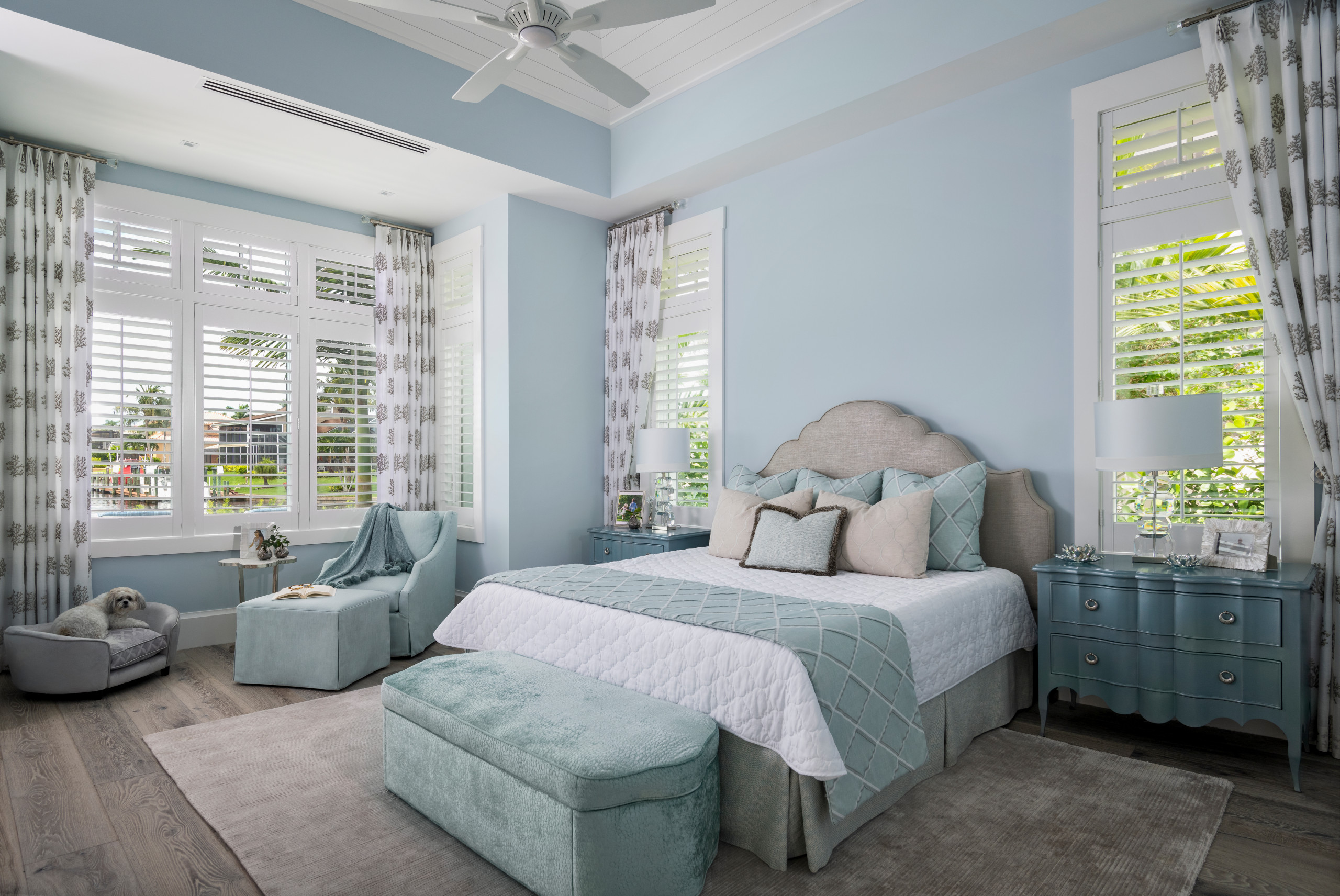
Decoding the Hues: Understanding Light Blue Undertones
Here’s where many people stumble. A light blue isn’t just “blue.” Every shade carries subtle undertones that profoundly impact how it looks in your unique space. Ignoring these undertones is like trying to bake without knowing your oven temperature – you might get something, but it won’t be quite right. Let’s break them down.
Blue-Grays: Sophisticated Tranquility
These are the chameleons of the light blue world. With a strong gray influence, these shades feel sophisticated, muted, and incredibly versatile. They often read as a soft neutral, bringing just a hint of cool color without feeling overtly blue. They are fantastic for creating a calm, adult-feeling bedroom.
- Look for: Colors that appear subtly cool and subdued, sometimes shifting between blue and gray depending on the light.
- Vibe: Modern, serene, understated elegance.
Blue-Greens: Nature’s Calming Embrace
If you love the calming colors of the sea or a clear sky after a rain shower, blue-greens are for you. The touch of green adds warmth and an organic quality, preventing the blue from feeling too cold. These shades are often described as spa-like, tranquil, and refreshing.
- Look for: Shades that have a noticeable minty or teal hint when compared side-by-side with a true blue.
- Vibe: Relaxing, refreshing, natural, spa-like.
True Blues: Crisp, Classic, and Refreshing
These are your straightforward, no-nonsense light blues. They lean neither heavily green nor gray, presenting as a clean, clear blue. Think of a bright summer sky or classic porcelain. These can be wonderfully refreshing and airy, but you need to be mindful they don’t lean too cool or childish.
- Look for: Colors that are clearly blue, with minimal discernible secondary colors.
- Vibe: Crisp, airy, refreshing, classic, sometimes coastal.
Subtle Blue-Purples: A Hint of Whimsy and Warmth
Less common in the “light blue” category, but worth mentioning are blues with a very subtle violet or purple undertone. This often softens the blue, making it feel a touch warmer and more whimsical. It can be incredibly charming and unique, providing a sophisticated twist on a classic color.
- Look for: Blues that might appear slightly lavender or periwinkle in certain lights.
- Vibe: Dreamy, soft, unique, comforting.
Our Curated Picks: The Best Light Blue Paint Colors for Bedrooms
After countless consultations and deep dives into color science, I’ve gathered a selection of light blue paints that consistently perform beautifully in bedrooms. These aren’t just pretty colors; they’re shades celebrated for their versatility, calming properties, and ability to create a truly special atmosphere. Before we deep dive into each, here’s a comparative glance:
| Brand | Paint Name | Primary Undertone | LRV (Light Reflectance Value) | Ideal Vibe / Best For |
|---|---|---|---|---|
| Benjamin Moore | Palladian Blue HC-144 | Blue-Green-Gray | 60.35 | Spa-like, tranquil, airy, versatile for various light conditions. |
| Sherwin-Williams | Sea Salt SW 6204 | Green-Gray-Blue | 63 | Coastal, organic, extremely soothing, a true chameleon. |
| Farrow & Ball | Skylight No. 205 | Blue-Gray | 66 | Ethereal, atmospheric, soft, clean and crisp backdrop. |
| Clare Paint | Headspace | Muted Blue-Gray | 65 | Modern, sophisticated, calming without feeling cold. |
| Benjamin Moore | Ocean Air 2123-50 | Clean, Soft Blue | 64.49 | Refreshing, airy, classic light blue, great for bright rooms. |
| Sherwin-Williams | Hinting Blue SW 6519 | Barely Blue-Green | 70 | Subtle, softest whisper of color, excellent for small spaces. |
| Benjamin Moore | Woodlawn Blue HC-147 | Slightly Grayed Blue-Green | 60.55 | Historic charm, welcoming, a richer light blue with depth. |
| Sherwin-Williams | Tradewind SW 6218 | Vibrant Blue-Green | 61 | Coastal, energetic yet calming, perfect for a beachy feel. |
Benjamin Moore Palladian Blue HC-144: The Beloved Blue-Green Chameleon
If there’s one light blue that consistently wins hearts, it’s Palladian Blue. It’s a gorgeous, complex blend of blue, green, and gray. In some lights, it leans more blue, in others, more green. This variability is its strength, allowing it to adapt beautifully to different light exposures without ever feeling dull. It creates a serene, spa-like atmosphere that’s incredibly soothing for a bedroom.
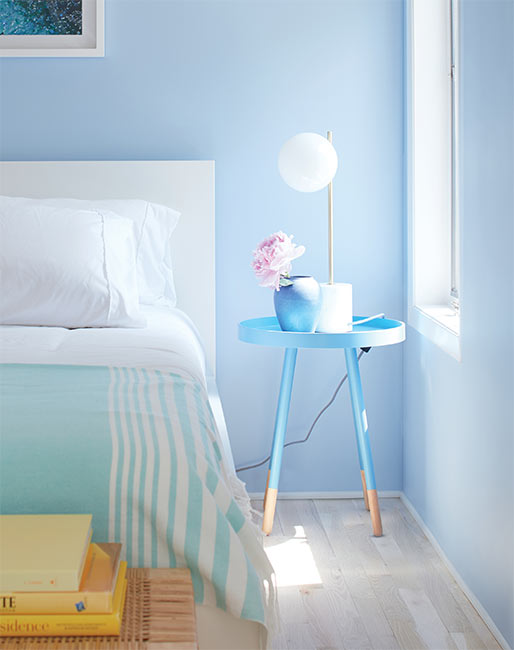
Sherwin-Williams Sea Salt SW 6204: The Spa-Like Sanctuary
Sea Salt is another iconic blue-green that has a cult following for a reason. It’s truly a neutral chameleon, leaning heavily into green-gray but always retaining a hint of soft blue. It evokes a feeling of calm and freshness, like a gentle ocean breeze. Its slight grayness ensures it never feels overly saturated or childish, making it perfect for an adult bedroom seeking a coastal, organic feel.
Farrow & Ball Skylight No. 205: Ethereal and Atmospheric
Farrow & Ball is renowned for its nuanced colors, and Skylight is no exception. This is a very pale, atmospheric blue-gray that feels incredibly soft and sophisticated. It has an almost ethereal quality, making a room feel expansive and incredibly tranquil. If you’re looking for a blue that’s barely there but still makes an impact, offering a clean and crisp backdrop, Skylight is a superb choice.
Clare Paint Headspace: Modern Muted Magic
Clare Paint is known for its curated, modern palette, and Headspace lives up to its name. It’s a gorgeous, muted blue-gray that feels incredibly calm and contemporary. It lacks any strong green or purple undertones, presenting as a very clean, sophisticated blue that won’t feel cold. It’s perfect for a minimalist or modern aesthetic, creating a serene environment that encourages mental quiet.
Benjamin Moore Ocean Air 2123-50: A Breath of Freshness
Ocean Air is a wonderfully clean, soft light blue without strong distracting undertones. It feels pure, refreshing, and incredibly airy, much like a clear summer sky. It’s a fantastic option if you want a classic, crisp light blue that brightens a room without feeling icy. It works beautifully in bedrooms that receive plenty of natural light, truly enhancing their spaciousness.
Sherwin-Williams Hinting Blue SW 6519: Soft and Barely There
For those who want just a whisper of color, Hinting Blue is your answer. This is an extremely pale, almost off-white blue-green that offers softness and subtlety. It’s ideal for smaller bedrooms or spaces where you want to maintain a very light and bright feel but desire more depth than a pure white. It provides a gentle background, allowing your decor to truly shine.
Benjamin Moore Woodlawn Blue HC-147: Historic Charm Meets Modern Calm
Part of Benjamin Moore’s Historical Collection, Woodlawn Blue is a richer light blue-green with a hint of gray, giving it a timeless, comforting feel. It’s slightly more saturated than Palladian Blue but maintains its tranquil essence. It brings depth and character, making a room feel both established and incredibly welcoming. A fantastic choice if you want a light blue with a bit more presence.
Sherwin-Williams Tradewind SW 6218: A Coastal Dream
Tradewind is a vibrant, clear light blue with noticeable green undertones, reminiscent of clear tropical waters. It’s energetic yet undeniably calming, perfect for creating a relaxed, coastal-inspired bedroom. While it has more color saturation than some of the other picks, its inherent freshness keeps it from feeling overwhelming, making it a wonderful choice for bringing a piece of the beach indoors.
:max_bytes(150000):strip_icc()/AJ_1150_0298copy-91ea6327686844c0a0261f46697d42e5.jpg "30 Light Blue Paint Colors")
Beyond the Swatch: How to Choose YOUR Perfect Light Blue
Knowing the top contenders is a great start, but the real magic happens when you understand how to match a color to your specific space. Your bedroom isn’t a showroom; it’s unique, and its conditions will dramatically alter how any paint color appears.
Assess Your Room’s Natural Light: The Ultimate Game Changer
Light is the most critical factor. It dictates how a color truly behaves.
- North-Facing Rooms: Countering the Coolness: These rooms receive cool, indirect light throughout the day, which can make colors appear duller or more blue/gray. To prevent your light blue from feeling too icy, opt for shades with green or subtle warm (violet) undertones. Colors like Benjamin Moore Palladian Blue or Sherwin-Williams Sea Salt can bring needed warmth.
- South-Facing Rooms: Embracing the Brightness: Blessed with abundant warm, bright light, south-facing rooms can handle cooler light blues beautifully. A crisp, true light blue like Benjamin Moore Ocean Air will shine here, feeling airy and refreshing. You can also embrace blue-grays without fear of them appearing too cold.
- East & West-Facing Rooms: Dynamic Shifts: East-facing rooms get bright, warm morning light, which fades to cooler light by afternoon. West-facing rooms are the opposite, starting cool and becoming bathed in warm, intense light in the afternoon and evening. For these dynamic rooms, a balanced blue-gray or a blue-green that adapts well (like Palladian Blue or Sea Salt) is often ideal, as they can flex with the changing light.
Room Size and Ceiling Height: Expanding or Cozying Up?
Light colors, especially light blues, generally make spaces feel larger and more open. This is particularly beneficial for smaller bedrooms or rooms with lower ceilings.
- Small Bedrooms: Opt for the palest, softest light blues with a higher LRV (Light Reflectance Value, generally above 60). This will maximize light reflection and create an illusion of spaciousness. Sherwin-Williams Hinting Blue is perfect here.
- Large Bedrooms: You have more freedom! You can lean into slightly deeper light blues or those with more discernible undertones (like Benjamin Moore Woodlawn Blue) without the room feeling confined.
- Ceiling Height: Painting the ceiling a lighter shade of your wall color (or even a very pale blue-gray) can make the room feel taller and more cohesive.
Existing Decor and Furnishings: Harmony is Key
Your paint color doesn’t exist in a vacuum. It needs to harmonize with your existing furniture, flooring, and textiles. Are your furnishings warm (wood tones, creams, browns) or cool (grays, whites, metals)?
- Warm Furnishings: A light blue with green undertones (like Sea Salt) can bridge the gap beautifully, connecting warm and cool elements.
- Cool Furnishings: Almost any light blue will work, but consider a blue-gray for a sophisticated, monochromatic cool palette.
- Flooring: The color of your carpet or hardwood can cast a subtle hue onto the walls. Always test your swatch near your flooring.
The Unsung Hero: Paint Sheen in a Bedroom
The finish you choose is just as important as the color. It affects durability, cleanability, and how light interacts with the color.
- Flat/Matte: Sophisticated and forgiving: This finish absorbs light, giving colors a rich, velvety appearance. It’s excellent for hiding wall imperfections and creating a soft, sophisticated look ideal for bedrooms. However, it’s less durable and harder to clean.
- Eggshell/Satin: Durable and subtle sheen: These finishes offer a slight sheen, making them more durable and easier to wipe clean than flat. Eggshell is a popular choice for bedrooms as it offers a gentle glow without being too reflective, striking a good balance between aesthetics and practicality.
- Semi-Gloss: Generally too shiny for bedroom walls, but great for trim, doors, and baseboards to provide contrast and durability.
The Non-Negotiable Step: Testing Your Light Blue Properly
This is where I implore you: Do NOT skip this step! Looking at tiny chips in a store under fluorescent lights is a recipe for disappointment. Paint colors shift dramatically from screen to swatch to your actual wall. Testing is your safeguard against costly mistakes.
Large Swatches vs. Tiny Chips: Go Big or Go Home
Forget the tiny paint chips. Invest in large peel-and-stick samples (available from brands like Samplize or directly from paint companies) or paint substantial swatches (at least 2’x2′) directly onto your walls. Paint at least two coats. Why large? A small chip won’t accurately reflect how the color will look spread across an entire wall.
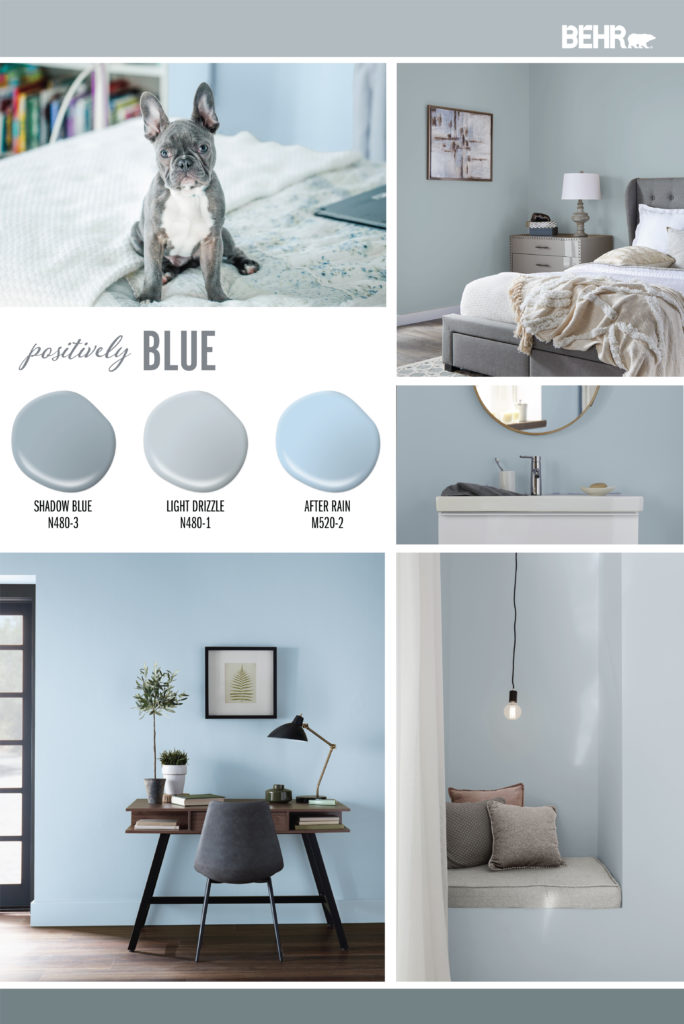
Observe Throughout the Day: Morning, Noon, and Night
The light in your bedroom changes constantly, and so will your paint color. Observe your swatches at different times:
- Morning: How does it look in the soft, early light?
- Midday: How does it react to bright, direct light? Does it wash out or become too intense?
- Evening: How does it appear under artificial lighting (lamps, overheads)? This is crucial, as you’ll spend many evenings in your bedroom. Does it still feel calming, or does it shift unpleasantly?
Test with Existing Materials: See the Whole Picture
Place your swatches next to your bedding, curtains, rug, and any other dominant decor elements. The goal is harmony. A light blue might look perfect on its own, but clash with your beloved upholstered headboard. You need to see the complete picture before making a commitment.
Elevating Your Space: Complementary Colors and Decor for a Light Blue Bedroom
Once your beautiful light blue is on the walls, it’s time to complete the look. Light blue is a fantastic base, providing a soothing canvas for a variety of complementary elements.
Whites and Neutrals: Crisp Foundations
For a clean, classic, and serene look, pair light blue with crisp whites, soft off-whites, and creamy neutrals. Use white for trim, bedding, and window treatments to enhance the freshness of the blue. Light grays can also work beautifully, especially with blue-gray paint shades, for a sophisticated, modern feel.
Warm Accents: Balancing the Cool
To prevent a light blue room from feeling too cold, introduce warm accents. Think:
- Wood Tones: Natural wood furniture (light oak, walnut, bamboo) brings warmth and organic texture.
- Metallics: Gold, brass, or copper lighting fixtures and decorative objects add a touch of glamour and warmth.
- Textiles: Cream, beige, or even soft coral throw pillows, blankets, or rugs can inject coziness and visual interest.
Contrasting Hues: A Pop of Personality
If you crave a bit more vibrancy, light blue pairs surprisingly well with certain contrasting colors in small doses:
- Soft Yellows or Corals: A few accents in these warm, cheerful colors can create a delightful pop against a cool blue background.
- Deep Greens or Navy: For a more grounded, sophisticated look, consider incorporating darker greens (like an emerald cushion) or even a deep navy in artwork or a single furniture piece.
- Dusty Pinks: A soft, dusty rose or blush pink can create a surprisingly elegant and romantic pairing with light blue, especially those with gray undertones.
Common Pitfalls to Avoid When Painting Your Bedroom Blue
Even with all this knowledge, it’s easy to make a misstep. Here are some common mistakes I see and how to sidestep them.
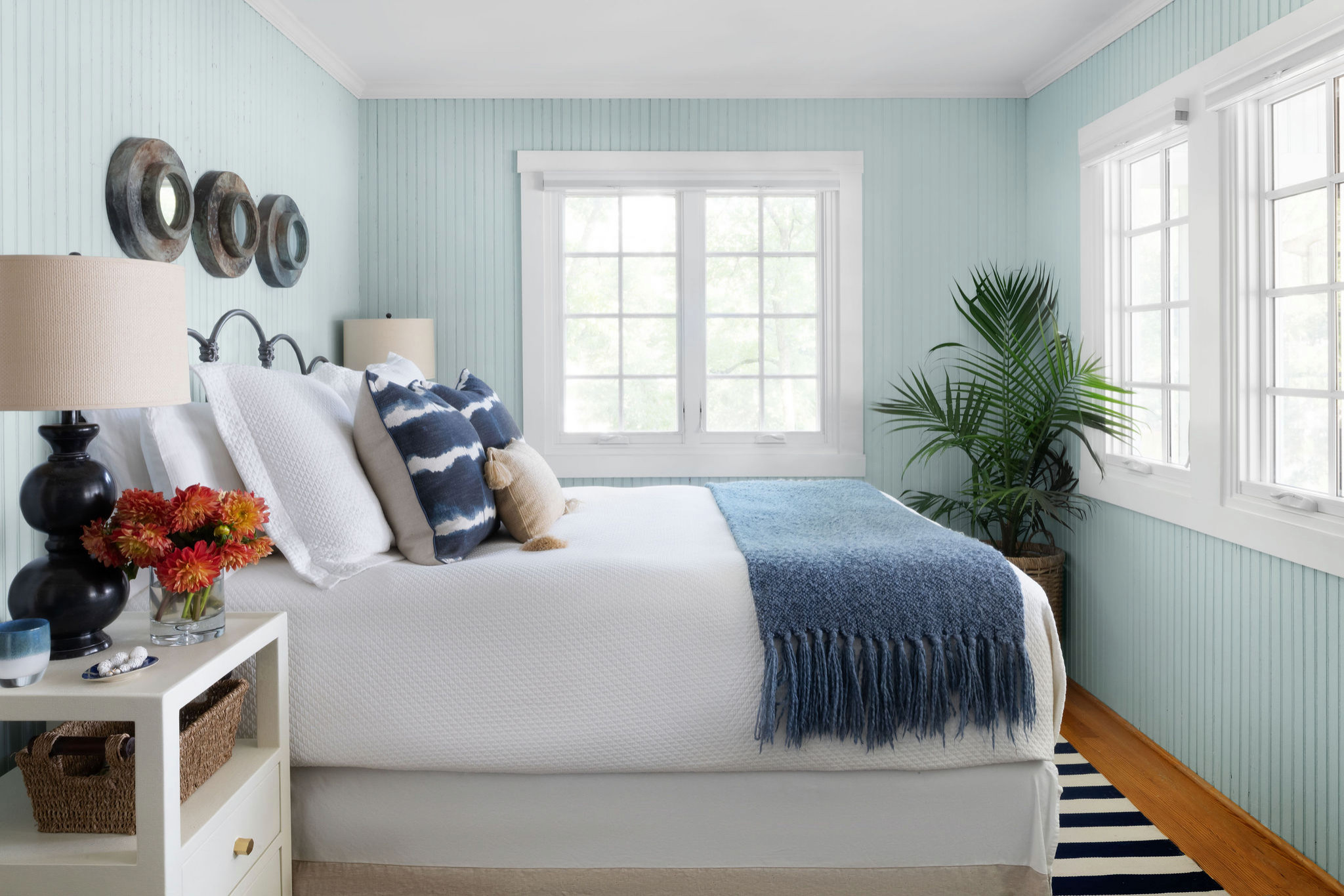
Choosing a Shade That Feels Too Cold or Childish
The biggest fear with light blue is that it will make the room feel sterile or like a nursery. This often happens when you choose a true, clear light blue with strong cool undertones for a north-facing room, or a shade that’s too bright without enough complexity. Always refer to your undertone knowledge and room lighting to find a sophisticated balance.
Underestimating the Power of Undertones
We’ve talked about them at length, but it bears repeating: undertones are everything. A blue that looks pure on the swatch might lean strongly green or gray on your wall. Always look for the subtle hints of other colors within the blue, and know how they will react with your room’s light.
Skipping the Crucial Testing Phase
Again, I can’t stress this enough. Testing large swatches on multiple walls is the only way to truly see how a color will behave in your specific environment. It’s worth the extra time and small investment to ensure you love the final result.
Forgetting the Fifth Wall: Your Ceiling
The ceiling is often overlooked but can greatly impact the overall feel of a room. Painting it a stark white can sometimes create a harsh contrast with a light blue wall. Consider painting it a very pale version of your wall color (often 50% lighter), or a soft off-white, for a more cohesive and enveloping feel.
Your Serene Bedroom Awaits
Choosing the best light blue paint for your bedroom is a journey, not a sprint. But by understanding the nuances of undertones, the impact of natural light, and the importance of thorough testing, you’re now equipped to make an informed decision with confidence.
Imagine waking up in a room that feels like a continuous breath of fresh air, a space that supports your well-being and invites profound rest. That’s the power of the right light blue. Take your time, trust your instincts, and prepare to fall in love with your newly transformed, tranquil sanctuary.