Serenity & Style: The Definitive Guide to Light Blue Paint Colors for Your Bedroom
Staring at paint swatches, feeling overwhelmed by a sea of similar-looking blues? You’re not alone. Choosing the perfect light blue for your bedroom can feel like finding a needle in a haystack. You want that calm, serene escape, but you also want a color that feels sophisticated, not childish; refreshing, not sterile.
Your bedroom is your sanctuary, and the right light blue can transform it into a haven of tranquility, a space where stress melts away and peaceful sleep comes naturally. But how do you navigate the subtle differences between a ‘sky blue’ and a ‘dusty blue,’ or a ‘blue-gray’ and a ‘blue-green’? It all comes down to understanding the magic of undertones, the influence of light, and how to pair your chosen shade with your existing decor.
Forget the guesswork. This guide will cut through the noise, offering you expert insights, top color recommendations, and actionable advice to confidently select a light blue paint color that makes your bedroom not just beautiful, but truly yours. Let’s create that dreamy retreat together.
Why Light Blue is the Ultimate Bedroom Hue
There’s a reason light blue consistently ranks as a favorite for bedrooms. It’s not just a pretty color; it’s a strategic choice for creating an environment conducive to rest and rejuvenation.
The Psychology of Blue: Calm, Focus, and Rest
Science backs it up: blue light, particularly cooler shades, has been shown to slow heart rate, lower blood pressure, and even reduce anxiety. It’s inherently calming, reminding us of clear skies and tranquil waters. In a bedroom, this translates to a palpable sense of peace, making it easier to unwind after a long day and drift off to sleep. Light blues, specifically, offer this benefit without feeling dark or overwhelming, keeping the space airy and bright.
Versatility: From Coastal Retreats to Modern Sanctuaries
What makes light blue so beloved is its incredible adaptability. It’s not a one-note wonder. Depending on its undertones and how you style it, a light blue can evoke:
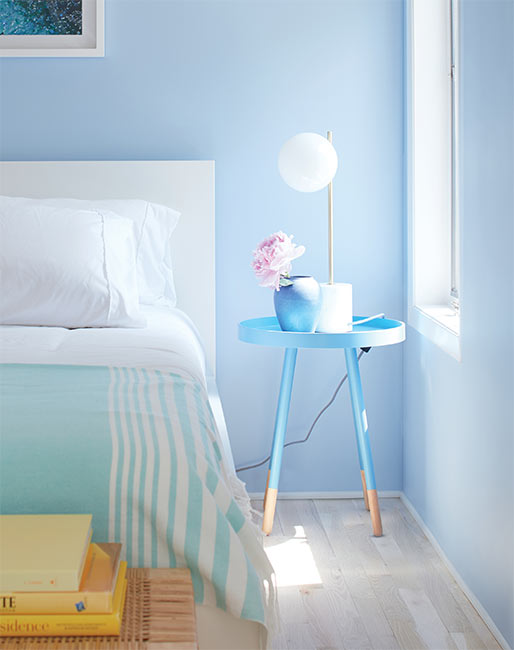
- Coastal Charm: Think breezy beach houses with crisp whites and natural textures.
- Modern Minimalism: Paired with clean lines, grays, and metallics for a sophisticated, uncluttered look.
- Farmhouse Fresh: Blended with warm woods, rustic elements, and cozy textiles.
- Classic Elegance: Accented with creams, traditional furniture, and soft patterns.
This chameleon-like quality means that no matter your personal style, there’s a light blue waiting to elevate your bedroom design.
Decoding Light Blue Undertones: Your Secret Weapon for Perfect Color
Here’s where many people stumble. A blue is rarely just blue. It carries subtle hints of other colors – its undertones – which dramatically influence how it looks on your wall and how it interacts with the rest of your room. Understanding these undertones is the key to selecting a light blue that truly sings in your space.
Light Blue with Gray Undertones: Sophisticated Serenity
These blues are your go-to for a refined, understated elegance. The gray mutes the blue, preventing it from feeling too saccharine or vibrant. They often read as cool, muted, and sophisticated. They pair beautifully with other grays, crisp whites, natural wood tones, and even black accents for a contemporary edge.
- Examples: Benjamin Moore‘s Gray Cashmere (a delicate blue-gray-green), Sherwin-Williams’ Niebla Azul (a serene dusty blue).
- Vibe: Urban chic, calming, grown-up.
Light Blue with Green Undertones: Refreshing and Nature-Inspired
If you love the calming energy of nature, look for light blues with a hint of green. These shades feel fresh, organic, and inviting, reminiscent of sea glass or a clear spring sky. They’re particularly popular for creating coastal or spa-like atmospheres. They harmonize wonderfully with natural textures like linen, rattan, and light woods, as well as soft greens and creams.
- Examples: Benjamin Moore’s Palladian Blue (a classic blue-green-gray), Sherwin-Williams’ Sea Salt (a very popular muted blue-green that shifts with light).
- Vibe: Relaxing, coastal, spa-like, tranquil.
Pure or Icy Light Blue: Crisp, Clean, and Expansive
These are the closest you’ll get to a ‘true’ light blue, often with a slightly icy or crisp quality. They are bright, clean, and can make a room feel larger and more open. Without strong gray or green undertones, they can lean very cool. Pair them with bright whites, chrome, silver, or cool-toned accents for a modern, minimalist look.
- Examples: Benjamin Moore’s Ocean Air (a soft, clean, true light blue), Sherwin-Williams’ Tradewind (a popular pure, airy blue).
- Vibe: Airy, crisp, modern, expansive.
Soft Light Blue with Hint of Purple: Dreamy and Inviting
A touch of purple adds a subtle warmth and a dreamy, whimsical quality to light blue. These shades are soft, welcoming, and can feel a bit more romantic or sophisticated than pure blues. They work beautifully with creams, dusty roses, soft lavenders, and white-washed woods, creating a cozy and intimate atmosphere.
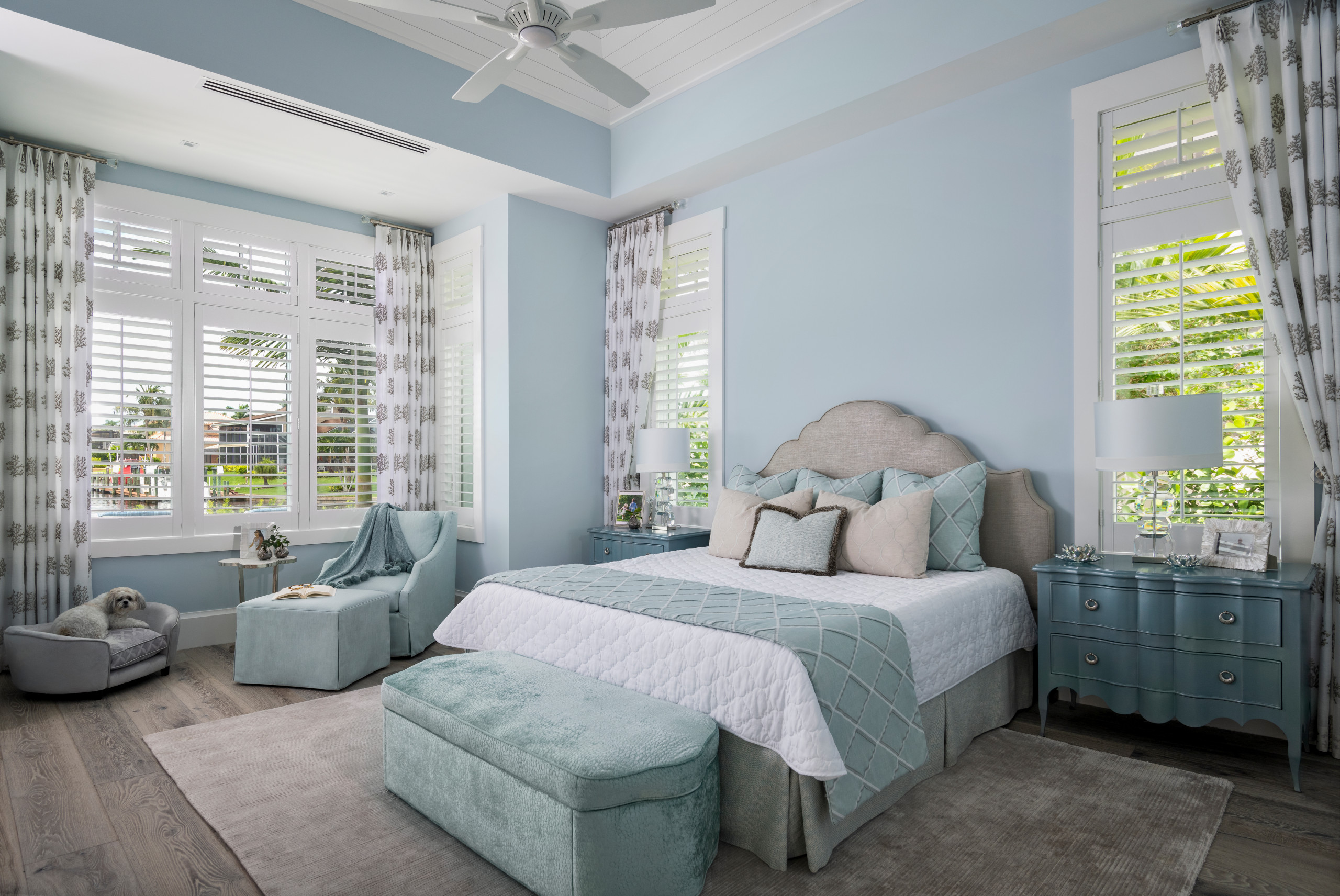
- Examples: Benjamin Moore’s Whispering Spring (a muted blue with a soft violet hint), Sherwin-Williams’ Lullaby (a gentle, soft blue with a touch of violet).
- Vibe: Dreamy, romantic, calming, inviting.
Top Picks: Popular Light Blue Paint Colors for Bedrooms (Brand Comparison Table)
To help you narrow down your choices, I’ve compiled a list of highly-rated and popular light blue paint colors that consistently perform beautifully in bedrooms. This isn’t just a list; it’s a comparative tool to understand their nuances.
| Paint Color | Brand | Dominant Undertone | Mood/Vibe | Best For… | Complementary Colors |
|---|---|---|---|---|---|
| Palladian Blue HC-144 | Benjamin Moore | Green-Gray | Spa-like, Coastal, Tranquil | Relaxing master bedrooms, guest rooms, rooms with natural light. | Crisp White, Cream, Warm Woods, Soft Greens |
| Quiet Moments 1563 | Benjamin Moore | Green-Gray | Serene, Muted, Earthy | Modern farmhouses, understated elegance, north-facing rooms. | Off-Whites, Grays, Dark Woods, Terra Cotta |
| Ocean Air 2123-50 | Benjamin Moore | Pure Blue, Icy | Clean, Bright, Expansive | Small bedrooms, contemporary spaces, east or west-facing rooms. | Bright White, Silver, Chrome, Navy Blue |
| Woodlawn Blue HC-147 | Benjamin Moore | Green-Gray | Historic, Inviting, Soft | Traditional homes, bedrooms needing a touch of warmth. | Linen, Antique White, Espresso Woods, Pale Yellow |
| Sea Salt SW 6204 | Sherwin-Williams | Green-Gray | Calming, Coastal, Versatile | Almost any bedroom, particularly good in brightly lit spaces. | Pure White, Cream, Teak, Coral, Tan |
| Tradewind SW 6218 | Sherwin-Williams | Pure Blue, Slightly Green | Airy, Bright, Beachy | Rooms desiring a fresh, invigorating yet soft blue. | White, Beige, Light Gray, Natural Fibers |
| Rainwashed SW 6211 | Sherwin-Williams | Green-Gray | Soothing, Muted, Relaxing | Bedrooms needing a serene backdrop, great for a spa feel. | Cream, Dark Wood, Sage Green, Griege |
| Niebla Azul SW 9137 | Sherwin-Williams | Gray | Dusty, Serene, Sophisticated | Bedrooms aiming for a modern, calm, and slightly moody aesthetic. | Charcoal Gray, Black, Light Wood, White |
Mastering Your Bedroom’s Light: How to Choose the Right Light Blue
Light is a powerful, yet often overlooked, decorator. The same light blue paint can look dramatically different depending on the amount and direction of natural light, as well as your artificial lighting choices. Don’t let your perfect shade be a victim of poor lighting analysis!
Natural Light: North, South, East, West Facing Rooms
- North-Facing Rooms: These rooms tend to receive cooler, indirect light throughout the day. Light blues here can sometimes look grayer or even a bit stark. Counteract this by choosing light blues with warm undertones, like green or even a touch of purple, to prevent the room from feeling too chilly.
- South-Facing Rooms: Blessed with abundant bright, warm light all day, south-facing rooms can handle cooler, purer light blues beautifully. If you choose a blue with strong green or gray undertones, the warm light will make those undertones sing. Almost any light blue will look good here, but crisp, clean blues often shine brightest.
- East-Facing Rooms: These rooms get beautiful, warm morning light, which then fades to a cooler, more subdued light in the afternoon. Consider light blues that can handle both. A balanced blue-green-gray can look cheerful in the morning and calm in the afternoon.
- West-Facing Rooms: They receive cooler morning light and then burst into strong, warm, golden light in the afternoon and evening. A light blue here can be tricky; it might look pale in the morning and then glow intensely in the evening. Muted blues with gray undertones can help temper the intense evening light.
Artificial Lighting: Warm vs. Cool Bulbs
Your light bulbs also play a crucial role. Warm white bulbs (2700K-3000K) will enhance any yellow or green undertones in your blue, making it feel cozier. Cool white bulbs (3500K-4500K) will emphasize blue and gray undertones, making the color appear crisper, and sometimes icier. Experiment with different bulbs to see how they impact your chosen paint swatch.
Room Size and Ceiling Height
Light blue, especially lighter, purer shades, has an amazing ability to make a room feel larger and ceilings higher. If you have a small bedroom, embrace a bright, airy light blue to expand the space visually. For rooms with low ceilings, painting the ceiling a slightly lighter shade of your wall color (or even a crisp white) can lift the perception of height.
Designing Your Dream Light Blue Bedroom: Complementary Colors & Decor
Your light blue walls are the canvas; now it’s time to paint the rest of the picture. The beauty of light blue is its incredible ability to pair with a wide range of colors and textures, allowing you to craft a bedroom that feels both cohesive and uniquely you.
Perfect Pairings: Accent Colors that Sing
- Crisp Whites & Creams: The ultimate pairing. Crisp white trim and bedding provide a clean contrast, while creamy off-whites introduce softness and warmth.
- Soft Grays: Whether a cool dove gray or a warm greige, gray accents (think rugs, throws, or decorative pillows) create a sophisticated, layered look.
- Natural Neutrals: Think linen, beige, and taupe. These colors add an organic, earthy feel, perfect for a relaxed or coastal vibe.
- Warm Metallics (Brass, Gold): To add a touch of glamour and warmth, incorporate brass or gold accents through lighting fixtures, mirror frames, or decorative objects.
- Cool Metallics (Silver, Chrome): For a more modern or icy look, silver or chrome hardware and decor can complement the cool tones of light blue.
- Pops of Color: Don’t shy away from strategic bursts of color. Coral, soft blush pink, pale yellow, or even a deep forest green can add personality and vibrancy without overwhelming the serene blue.
Furniture & Textiles: Creating Cohesion
- Wood Tones: Light blues are incredibly versatile with wood. Light woods like maple, birch, or white oak enhance a light, airy, modern feel. Darker woods like walnut or espresso provide a grounding contrast and a sense of richness.
- Upholstery: Consider headboards or accent chairs in linen, velvet, or a textured fabric in a complementary neutral or accent color.
- Bedding: Crisp white bedding is a classic choice for a reason – it allows the blue walls to truly shine. Layer with throws and decorative pillows in varying textures and shades of white, cream, gray, or even a subtle pattern.
- Window Treatments: Sheer white curtains will maintain the airy feel, while heavier linen or cotton drapes in a soft neutral can add texture and sophistication.
Flooring and Wall Art
Hardwood floors (especially in lighter tones) complement light blue beautifully, adding warmth and natural texture. For carpet, consider a soft gray, cream, or a very light taupe. A strategically placed area rug can tie the room together, adding color, pattern, or texture.
:max_bytes(150000):strip_icc()/BondegatanSodermalmStockholmBedroomlampchairblueFantasticFrank-d4153e01738845caaaab184e2eecf7a7-33429fc42bfa411d988f8233f04fdfde.jpg "30 Light Blue Paint Colors")
For wall art, think about pieces that either echo the calming blue tones (e.g., abstract art with blue and green hues, tranquil landscapes) or provide a gentle contrast (e.g., botanical prints, black and white photography, art with soft yellows or corals).
Expert Tips for Painting Your Light Blue Bedroom
You’ve picked your perfect shade, now it’s time to get it on the walls. A little planning and a few expert tips can make all the difference in achieving that professional, long-lasting finish.
Don’t Skip the Samples!
I cannot stress this enough: Always, always sample your paint colors directly on your bedroom walls. Paint large swatches (at least 2’x2′) on different walls, observing them at various times of day and under different lighting conditions. Seeing how the color interacts with your room’s unique light and existing furnishings is critical. Peel-and-stick samples are also a fantastic, mess-free alternative.
Prep Work is Key: Clean Walls, Smooth Finish
The final paint job is only as good as your preparation.
- Clean Your Walls: Dust, dirt, and grime can prevent paint from adhering properly. Wash your walls with a mild detergent solution, rinse thoroughly, and let them dry completely.
- Repair Imperfections: Fill any nail holes or cracks with spackle, sand smooth, and prime.
- Tape Off: Use painter’s tape to protect trim, ceilings, and baseboards.
- Prime (If Necessary): If you’re painting over a dark color, or if your walls are particularly porous or patched, a coat of primer will ensure better color true-ness and adhesion.
Consider Paint Sheen
The finish of your paint impacts how light reflects off your walls and influences the durability of the surface. For bedrooms, these are typically the best choices:
- Matte/Flat: Offers a soft, velvety look that hides imperfections well. Ideal for ceilings and walls where durability isn’t the primary concern, creating a rich, deep color.
- Eggshell: The most popular choice for bedrooms. It has a slight sheen, is more durable and washable than flat, and still offers a soft, inviting finish.
- Satin: A bit more lustrous than eggshell, satin is very durable and easy to clean, making it suitable for high-traffic areas or kids’ bedrooms, though it might be too shiny for some in a master bedroom.
Avoiding Common Light Blue Paint Pitfalls
Even with the best intentions, a few missteps can derail your light blue bedroom vision. Be mindful of these common pitfalls:
The “Baby Blue” Trap
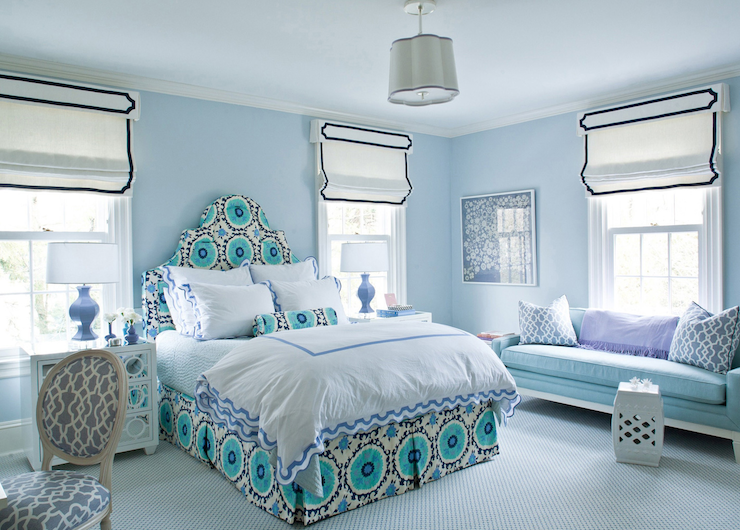
The biggest fear with light blue is often ending up with a room that feels childish. To avoid this, steer clear of overly saturated or purely primary light blues. Instead, opt for shades with those sophisticated gray, green, or even subtle purple undertones. These nuances add depth and maturity to the color, making it feel more intentional and calming, rather than juvenile.
Forgetting About Undertones
I’ve harped on this, but it’s worth repeating: Undertones are everything. A blue that looks perfect online might have a surprising green tint in your south-facing room, or a hidden purple hue in a north-facing space. Always go back to sampling and observing in your specific environment.
Ignoring Your Existing Decor
Your new light blue walls need to play nicely with your existing furniture, flooring, and bedding (unless you’re replacing everything, which isn’t always realistic!). Hold your chosen paint swatches up against your current headboard, curtains, or rug. Do they harmonize or clash? The goal is a cohesive space, not just pretty walls.
Ready to Transform Your Sanctuary?
Choosing a light blue paint color for your bedroom is more than just picking a shade; it’s about crafting an atmosphere, a feeling, a daily invitation to unwind. By understanding the psychology of blue, decoding its subtle undertones, accounting for your unique lighting, and thoughtfully pairing it with complementary decor, you’re not just painting a room – you’re designing a healthier, happier you.
Take your time, trust your instincts, and most importantly, enjoy the process. Your serene, stylish, light blue bedroom awaits!
Frequently Asked Questions
What is the best light blue paint color for a bedroom?
There’s no single ‘best’ color, as it depends on your room’s light and desired mood. However, popular and versatile choices include Benjamin Moore’s Palladian Blue (blue-green-gray, spa-like), Sherwin-Williams’ Sea Salt (muted blue-green, coastal), and Benjamin Moore’s Ocean Air (clean, pure blue, expansive). Consider colors with gray or green undertones for sophistication over overly bright primary blues.
How do undertones affect light blue paint in a bedroom?
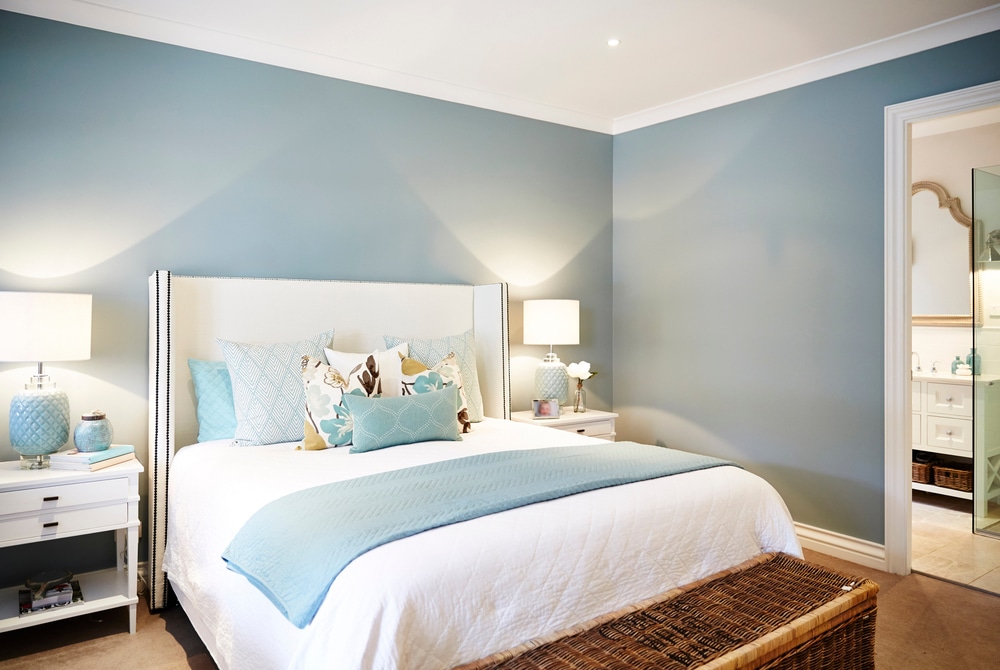
Undertones significantly impact the perceived color. Blue with gray undertones (like BM Gray Cashmere) appears sophisticated and muted. Green undertones (like SW Sea Salt) create a fresh, natural, spa-like feel. Pure or icy blues (like BM Ocean Air) are crisp and expansive. A hint of purple (like SW Lullaby) adds a dreamy, inviting warmth. Always consider these subtle hues to match your desired aesthetic and avoid unexpected shifts in your room.
Does light blue paint make a bedroom feel bigger?
Yes, light blue paint can absolutely make a bedroom feel larger and more open. Lighter, cooler colors tend to recede, creating an illusion of expanded space. This effect is particularly noticeable with pure or icy light blues and can be enhanced by choosing a slightly lighter shade for the ceiling.
What colors pair well with light blue bedroom walls?
Light blue pairs beautifully with a variety of colors. Classic pairings include crisp whites and creamy off-whites for trim and bedding. Soft grays, natural neutrals like linen and beige, and warm woods create a harmonious and sophisticated look. For accent colors, consider metallics (brass, silver), soft blush pinks, coral, or even deep greens to add interest and depth without overwhelming the calming blue.
How does natural light (north, south, east, west) affect light blue paint colors?
Natural light dramatically alters how light blue appears. North-facing rooms receive cool light, making blues appear grayer; choose blues with warm undertones. South-facing rooms get bright, warm light, allowing most blues to shine, especially crisp ones. East-facing rooms have warm morning light and cool afternoon light; opt for balanced blue-green-grays. West-facing rooms have cool mornings and intense warm evenings; muted blues with gray undertones can temper the strong afternoon sun.
Should I use a matte or eggshell finish for my bedroom paint?
For bedrooms, eggshell is generally the most popular and recommended finish. It offers a slight sheen, is more durable and washable than a matte (flat) finish, and provides a soft, inviting look. Matte finishes can hide wall imperfections better and offer a rich, velvety depth of color, but are less durable. Satin finishes, while very durable, might be too shiny for a serene bedroom.
How can I avoid my light blue bedroom looking too ‘baby blue’ or childish?
To avoid a childish ‘baby blue’ look, choose light blue shades that have noticeable undertones of gray, green, or even a subtle hint of purple. These undertones add sophistication and depth, preventing the color from appearing too primary or saccharine. Also, pair your light blue with mature decor elements like rich wood furniture, textured fabrics, and sophisticated accent colors rather than overly pastel accessories.