The Definitive Guide to Choosing the Best Paint Color for Your Living Room with Brown Furniture
Got brown furniture in your living room? You’re in good company. Brown, in all its rich, earthy glory, is a timeless choice – a symbol of comfort, stability, and classic elegance. But let’s be honest: while brown furniture is incredibly versatile, it can sometimes feel a bit… heavy. Or maybe a little too traditional. If you’re staring at your beloved brown sofa, coffee table, or entertainment unit and wondering how to make your living room feel fresh, modern, and perfectly cohesive, you’ve landed in the right spot.
Choosing the right paint color to complement brown furniture isn’t just about picking a shade you like. It’s about creating balance, enhancing the room’s natural light, and setting a mood that makes you feel utterly at home. This isn’t just a list of colors; it’s your comprehensive roadmap to transforming your living room from ‘fine’ to ‘absolutely fabulous’ with a few brushstrokes. Ready to unlock the full potential of your brown beauties?
Why Brown Furniture is Both a Blessing and a Challenge
The Enduring Appeal of Brown
Brown furniture, whether it’s a plush leather sectional, a rustic wooden console, or a cozy fabric armchair, brings an instant sense of warmth and grounding to any space. It’s naturally inviting, pairs well with a multitude of textures, and holds up beautifully to everyday life. It’s the chameleon of furniture colors, capable of looking both traditional and contemporary depending on its surroundings.
The Common Pitfalls
However, brown can be a double-edged sword. Without the right wall color, brown furniture can sometimes:
- Feel too dark or oppressive, especially in rooms with limited natural light.
- Make a room seem dated or drab, reminiscent of past decades.
- Struggle to define a clear style, leading to a sense of uninspired neutrality.
- Absorb light, making the entire space feel smaller and less vibrant.
But fear not! These pitfalls are easily avoidable with strategic paint choices.
Your Blueprint for Success: How to Choose the PERFECT Paint Color
Forget guessing games. This isn’t about throwing paint at the wall until something sticks. We’re going to approach this like a pro, systematically analyzing your space and furniture to make an informed, confident decision.
Step 1: Understand Your Brown – Undertones Are Key
Just like skin tones, brown furniture isn’t just ‘brown.’ It has subtle undertones that will dictate which paint colors sing and which fall flat. Identifying these is your first and most crucial step.
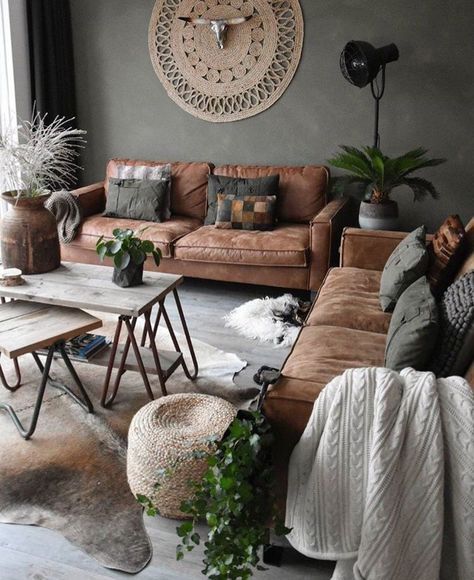
- Warm Browns: These browns have noticeable red, orange, or yellow undertones. Think cherry wood, reddish leather, golden oak, or chocolate brown fabrics. These browns feel rich, inviting, and inherently cozy.
- Cool Browns: These browns lean towards gray, green, or even purple undertones. Imagine espresso wood, grayish-brown fabrics, or distressed leathers with a muted finish. These browns often feel more contemporary, sophisticated, or rustic.
Pro Tip: Place a white piece of paper next to your brown furniture. The subtle color cast you see will help reveal its undertone. Does it look more reddish next to the white? Warm. More grayish? Cool.
Step 2: Assess Your Living Room’s Natural Light
Light changes everything. The same paint color will look drastically different in rooms with varying natural light exposures. Consider:
- North-Facing Rooms: These rooms typically receive cooler, indirect light throughout the day. To counteract the coolness and prevent your brown furniture from feeling heavy, lean towards warmer paint colors or lighter, brighter hues.
- South-Facing Rooms: Blessed with abundant, warm, bright light all day. You have more flexibility here. Cool tones can help balance the warmth, while warmer tones will simply amplify it for a truly cozy feel.
- East-Facing Rooms: Get bright, warm morning light, which turns cooler and dimmer in the afternoon. Consider paint colors that look good in both warm and cool light, or opt for something that will glow in the morning and still feel inviting later.
- West-Facing Rooms: Experience cooler morning light, then intense, warm afternoon and evening light. Stronger, richer colors can stand up to the intense afternoon sun, while lighter colors can help bounce the light around.
Step 3: Define Your Desired Mood & Style
What feeling do you want your living room to evoke? This is where your personal style comes into play.
- Cozy & Traditional: Think rich, warm tones that embrace the classic nature of brown.
- Modern & Minimalist: Opt for clean, crisp, and often cooler shades that provide a stark contrast or a sophisticated backdrop.
- Bright & Airy: Prioritize light, reflective colors that open up the space and keep things fresh.
- Sophisticated & Elegant: Consider deeper, more saturated hues or refined neutrals that elevate the brown.
- Earthy & Organic: Draw inspiration from nature with muted greens, blues, and sandy tones.
The Best Paint Colors for Living Rooms with Brown Furniture: A Curated Palette
Now that you’ve done your homework, let’s dive into the specific colors that will make your brown furniture shine. We’ll break them down by category, explaining why each works and for what kind of brown furniture.
The Unbeatable Neutrals: Creating a Timeless Foundation
Neutrals are never boring when done right. They provide a calm, sophisticated backdrop that allows your brown furniture to be the star without overwhelming the space.
- Warm Whites & Creams: (e.g., Benjamin Moore “White Dove,” Sherwin-Williams “Dover White,” Farrow & Ball “Wimborne White”)
Why it works: These aren’t stark, sterile whites. They carry subtle yellow or beige undertones that perfectly complement the warmth of brown furniture, creating a soft, inviting contrast. They reflect light beautifully, making rooms feel larger and brighter.
Ideal for: Making any brown furniture feel fresh and contemporary. Excellent for smaller rooms or those with limited natural light. Pairs beautifully with both warm and cool browns, softening harsher tones.
- Soft Greiges & Tans: (e.g., Benjamin Moore “Revere Pewter,” Sherwin-Williams “Accessible Beige,” Farrow & Ball “Elephant’s Breath”)
Why it works: Greige (gray + beige) and true tan shades are the ultimate bridge colors. They offer the coolness of gray with the warmth of beige, making them incredibly adaptable. They provide a subtle depth without being too dark.
Ideal for: Achieving a sophisticated, transitional, or farmhouse look. Fantastic with mid-tone to dark brown furniture. Works well in various lighting conditions, often revealing different nuances throughout the day.
 Image Source: elledecor.com
 - Muted Grays: (e.g., Benjamin Moore “Classic Gray,” Sherwin-Williams “Light French Gray,” Farrow & Ball “Skimming Stone”)
Why it works: When chosen carefully (avoiding overly stark or blue-grays), muted grays provide a sleek, modern contrast to brown. They can make brown furniture feel more contemporary and less traditional. Look for grays with a touch of warmth or green undertone.
Ideal for: Creating a modern or minimalist aesthetic. Best with cool-toned brown furniture or to balance out very warm browns. Great in rooms with ample natural light.
Calming Blues: Serenity Meets Sophistication
Blue and brown are a classic, nature-inspired pairing (think sky and earth, or denim and leather). Blues offer a refreshing contrast, bringing a sense of calm and coolness to the warmth of brown.
- Dusty Blues & Sky Blues: (e.g., Sherwin-Williams “Sea Salt” (leans green-blue), Benjamin Moore “Palladian Blue,” Farrow & Ball “Light Blue”)
Why it works: These soft, muted blues provide a gentle, airy contrast without feeling cold. They evoke peace and tranquility, making a living room feel like a serene oasis.
Ideal for: Creating a coastal, tranquil, or shabby chic vibe. Excellent for balancing darker, heavier brown furniture, making the room feel lighter. Works well in south-facing rooms to cool the intense light.
- Navy & Deep Blues: (e.g., Benjamin Moore “Hale Navy,” Sherwin-Williams “Naval,” Farrow & Ball “Hague Blue”)
Why it works: For a bold, sophisticated statement, deep blues are a fantastic choice. They provide a rich, dramatic backdrop that makes brown furniture pop with elegance. The warmth of the brown prevents the deep blue from feeling too cold.
Ideal for: Achieving a luxurious, library-like, or traditional-with-a-twist aesthetic. Best with mid-to-light brown furniture to create contrast, but can also work with dark brown for a moody, enveloping feel. Great in rooms meant for evening coziness.
Earthy Greens: Bringing Nature Indoors
Green, being a direct complement to red (often an undertone in brown), naturally harmonizes with brown furniture. It’s grounding, refreshing, and incredibly versatile.
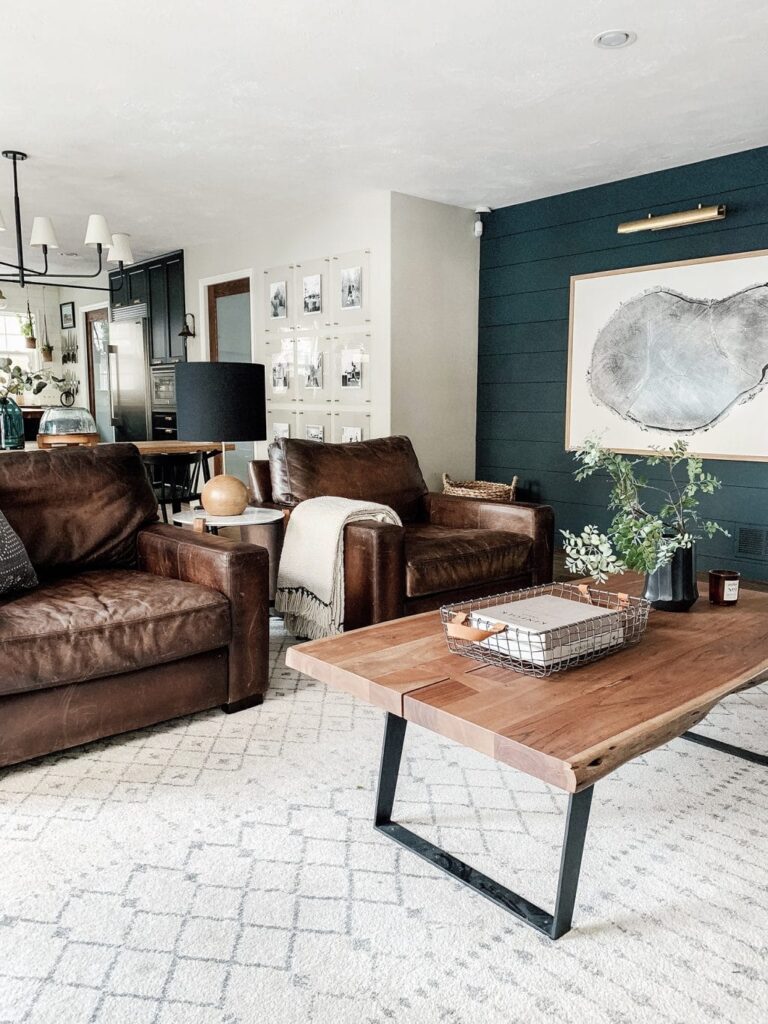
- Sage & Olive Greens: (e.g., Sherwin-Williams “Evergreen Fog,” Benjamin Moore “Sage Mountain,” Behr “Back to Nature”)
Why it works: These muted, grayish-greens are incredibly soothing and organic. They mimic colors found in nature, creating a calm, restorative environment. They provide a gentle, sophisticated contrast to brown.
Ideal for: Crafting an earthy, organic modern, or relaxed traditional feel. Pairs beautifully with all shades of brown, especially warm, reddish browns. Excellent for creating a calming sanctuary.
- Deep Forest & Emerald Greens: (e.g., Benjamin Moore “Hunter Green,” Sherwin-Williams “Shade Grown,” Farrow & Ball “Studio Green”)
Why it works: Bold, luxurious, and dramatic, these deep greens create an opulent, rich backdrop. They enhance the natural richness of brown, making the room feel grand and elegant. Think a stately study or a glamorous lounge.
Ideal for: Achieving a maximalist, art deco, or opulent traditional look. Works stunningly with warm brown leathers and dark wood furniture. Best in rooms with good natural light or when you want to create a moody, intimate atmosphere.
Unexpected Delights: Bold Choices That Work
Don’t be afraid to venture beyond the usual suspects. Some less obvious choices can create truly stunning and unique spaces with brown furniture.
- Blush Pinks & Terracottas: (e.g., Benjamin Moore “First Light,” Sherwin-Williams “Faint Coral,” Farrow & Ball “Pink Ground”)
Why it works: Soft, muted pinks (not bubblegum!) introduce a surprising warmth and subtle playfulness. Terracottas, with their earthy red-orange notes, are a natural extension of warm browns, creating a cohesive, Mediterranean-inspired feel. They add a touch of romance and comfort.
Ideal for: Creating a cozy, inviting, and slightly feminine or bohemian aesthetic. Especially lovely with medium to dark warm brown furniture. Works well in east or west-facing rooms to capture beautiful light.
- Deep Charcoal & Black Accents: (e.g., Benjamin Moore “Wrought Iron,” Sherwin-Williams “Tricorn Black”)
Why it works: While a full black room might be too much for some, strategic charcoal or black walls (or even a single accent wall) can create incredible drama and sophistication. Black makes brown furniture feel incredibly chic and modern, providing a powerful contrast.
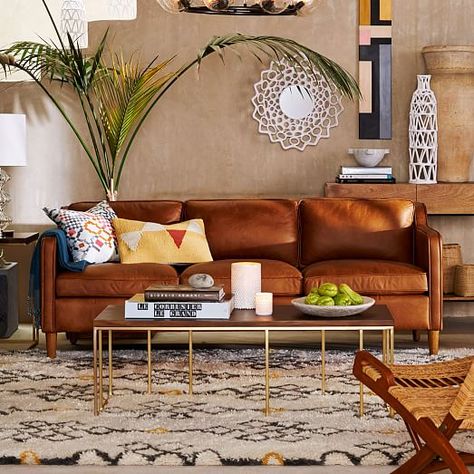 Image Source: theinside.com
Ideal for: Achieving a bold, contemporary, or industrial-chic look. Best with light-to-medium brown furniture to create a striking contrast. Use sparingly in smaller rooms; perfect for adding depth in larger, well-lit spaces.
- Warm Golden Yellows (Muted): (e.g., Benjamin Moore “Hawthorne Yellow,” Sherwin-Williams “Lemon Verbena”)
Why it works: A muted, buttery yellow (not primary school yellow!) can bring immense joy and brightness to a room with brown furniture. It’s like sunshine on your walls, enhancing the warmth of brown without competing. It creates a cheerful, traditional feel.
Ideal for: Evoking a traditional, country, or cheerful aesthetic. Fantastic for north-facing rooms to inject warmth. Pairs wonderfully with all warm brown furniture, from oak to mahogany.
Paint Color Pairing Guide: Brown Furniture & Moods
To help you visualize and narrow down your choices, here’s a quick reference table summarizing how different paint colors interact with brown furniture and various room characteristics.
| Paint Color Family | Best for Brown Furniture Undertones | Desired Room Mood/Style | Ideal Lighting Conditions | Notes & Key Effects |
|---|---|---|---|---|
| Warm Whites & Creams | All browns (especially dark/cool to soften) | Bright, Airy, Modern, Timeless | North-facing, Small rooms, Any | Creates crisp contrast, reflects light, feels clean and fresh. |
| Soft Greiges & Tans | All browns (excellent with mid-tones) | Sophisticated, Transitional, Calm, Earthy | Any, adapts well to changing light | Bridge color, provides subtle depth, very versatile. |
| Muted Grays | Cool browns (to enhance), Warm browns (for contrast) | Modern, Minimalist, Sleek, Urban | South-facing, Well-lit rooms | Adds contemporary edge, can be cool; choose with warm undertones. |
| Dusty & Sky Blues | All browns (especially dark to lighten) | Serene, Coastal, Tranquil, Airy | South-facing, Any | Refreshing contrast, calming effect, makes dark furniture feel lighter. |
| Navy & Deep Blues | Warm browns (for dramatic contrast), Dark browns (for moody feel) | Sophisticated, Dramatic, Luxurious, Cozy | Larger rooms, Evening spaces, Well-lit rooms | Creates depth and richness, elegant, bold statement. |
| Sage & Olive Greens | All browns (harmonious with warm browns) | Earthy, Organic, Restorative, Calm | Any, especially good for creating a sanctuary | Nature-inspired, soothing, excellent complementary color. |
| Deep Forest & Emerald Greens | Warm browns (for opulence), Dark woods | Grand, Luxurious, Dramatic, Intimate | Well-lit rooms, Rooms for atmosphere | Rich and enveloping, makes a powerful statement. |
| Blush Pinks & Terracottas | Warm browns (for harmony), Medium browns | Cozy, Romantic, Bohemian, Warm | East/West-facing, Any | Unexpected warmth, adds softness and charm. |
| Deep Charcoal & Black Accents | Light to medium browns (for strong contrast) | Bold, Sophisticated, Modern, Industrial | Well-lit rooms, Accent walls | Dramatic and chic, grounds the space, high contrast. |
| Muted Golden Yellows | Warm browns (for amplified warmth), Medium browns | Cheerful, Traditional, Inviting, Sunny | North-facing, Any | Adds brightness and coziness, classic pairing. |
Beyond the Walls: Integrating Other Design Elements
Remember, paint is just one piece of the puzzle. A truly cohesive living room integrates all its elements seamlessly.
Flooring and Rugs
Your flooring color plays a huge role. If you have dark wood floors, lighter walls can provide balance. If your floors are lighter, you have more freedom with wall colors. A rug can act as a bridge between your furniture and wall color, introducing complementary shades and textures. Consider a rug with a pattern that incorporates both your brown and your chosen wall color to tie everything together.
Trim and Accent Colors
Don’t overlook your trim! Crisp white trim can make any wall color pop and instantly freshen a room, especially when paired with brown furniture. For a more sophisticated or traditional look, you might consider painting trim a slightly darker shade of your wall color or even a deep complementary hue for a dramatic effect.
Textiles and Accessories (Pillows, Throws, Curtains)
This is where you bring in layers of texture and additional pops of color. Think about accent colors that align with your desired mood. For example, if you chose sage green walls, add pillows in deeper greens, creams, and maybe a touch of a complementary rust or blush. Curtains in a lighter, complementary neutral can soften windows and add height.
Artwork and Decor
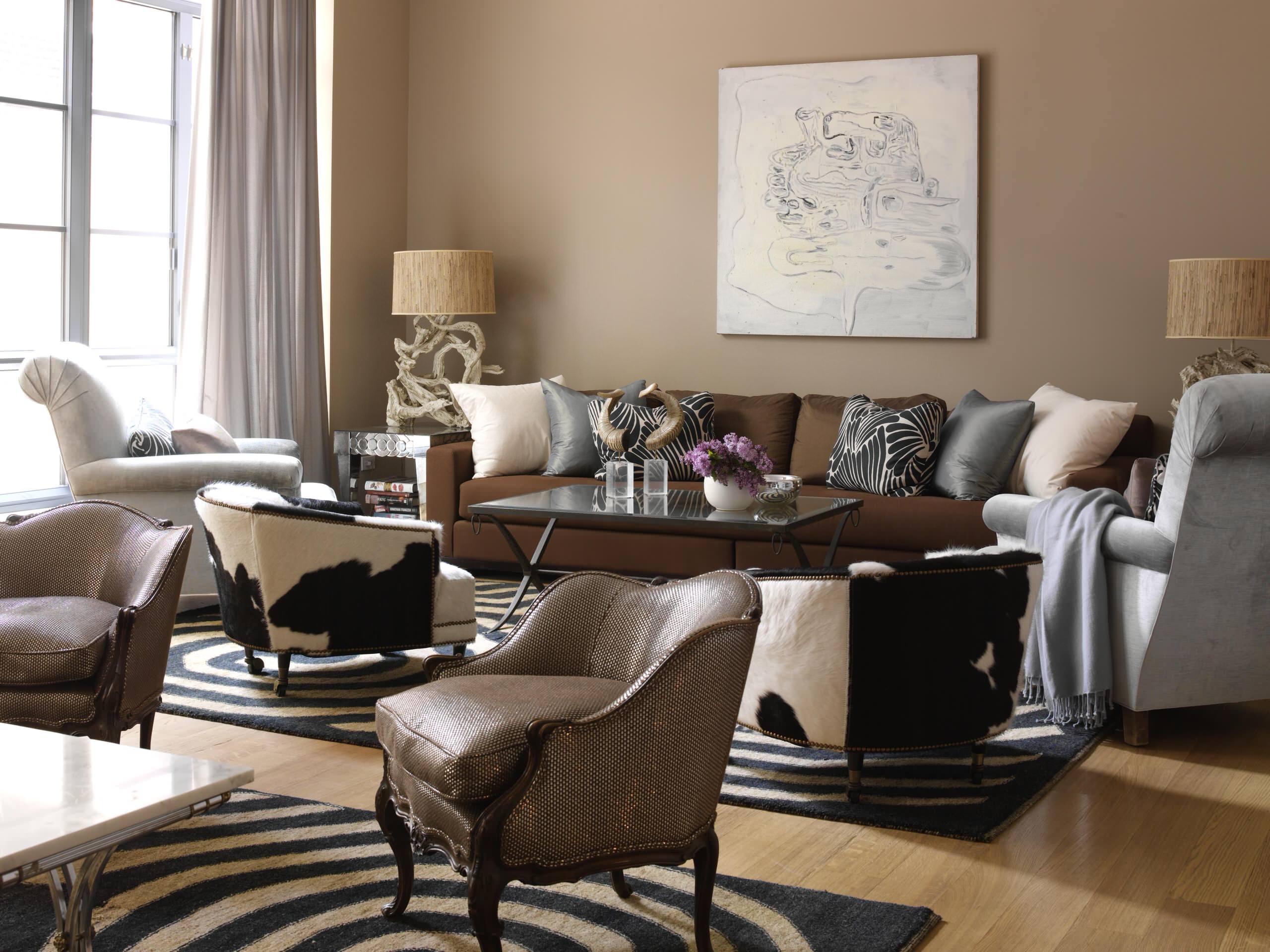
Artwork is a fantastic way to introduce your chosen wall color into the room or to provide a contrasting focal point. Choose pieces that incorporate colors from your palette, or opt for art that introduces a bold, unexpected hue to truly make a statement. Metallics (gold, brass, copper for warm browns; silver, chrome for cool browns) also pair beautifully, adding sparkle and dimension.
Don’t Forget the Samples! Testing is Crucial
Why Samples Are Non-Negotiable
I cannot stress this enough: NEVER buy gallons of paint without testing samples first. The small paint chip in the store will look different on your wall due to your home’s unique lighting (both natural and artificial), shadows, and surrounding colors. What looks perfect online or in a magazine might be a total flop in your living room.
How to Test Paint Samples Effectively
- Buy several sample pots of your top contenders (at least 3-4).
- Paint large swatches (at least 1 foot by 1 foot) on different walls in your living room. Do NOT paint directly on your existing wall color; use large white poster boards or foam core to get a true color representation.
- Observe the colors at different times of day (morning, noon, evening, natural light, artificial light).
- See how the colors interact with your brown furniture, flooring, and any other existing elements you plan to keep.
- Live with the samples for a few days before making your final decision. You’ll be surprised how your perception changes.
Embrace Your Brown, Elevate Your Space
Brown furniture is a gift, a foundation of warmth and tradition that provides endless design possibilities. With the right paint color, you’re not just covering walls; you’re transforming your living room into a space that truly reflects your style, feels inviting, and showcases your beautiful brown pieces in their best light.
By understanding your furniture’s undertones, assessing your light, defining your desired mood, and then strategically selecting from this curated palette, you’re well on your way to a living room you’ll absolutely adore. Go forth, sample those colors, and create a space that feels uniquely, beautifully YOU!
Frequently Asked Questions
What is the best overall paint color for a living room with brown furniture?
While ‘best’ is subjective, warm whites and soft greiges are consistently top performers. They offer a bright, fresh backdrop that complements the warmth of brown furniture without making the room feel heavy. Shades like Benjamin Moore’s ‘White Dove’ or Sherwin-Williams’ ‘Accessible Beige’ are incredibly versatile and allow brown furniture to truly shine.
How do I choose between warm and cool paint colors with brown furniture?
First, identify the undertones of your brown furniture (red/orange/yellow for warm, gray/green/purple for cool). For harmony, pair warm brown with warm paint colors (e.g., creamy whites, golden yellows). For contrast, pair warm brown with cool paint colors (e.g., dusty blues, sage greens). For cool brown furniture, you can either enhance its coolness with cool grays or warm it up with subtle greiges or blush tones.
Can I use dark paint colors with brown furniture?
Absolutely! Deep, saturated colors like navy blue, forest green, or even charcoal gray can create a sophisticated, dramatic, and luxurious living room. When using dark paint, ensure the room has adequate natural light or balanced artificial lighting to prevent it from feeling too enclosed. Pair with lighter accents and textiles to provide visual breaks.
Does brown furniture make a living room look dated?
Brown furniture itself is timeless, but outdated wall colors or decor can make it *feel* dated. To keep it fresh, pair brown furniture with modern paint colors (like crisp whites, greiges, or contemporary blues/greens), update accessories (pillows, throws, artwork), and ensure your lighting is modern and effective. Focus on creating a cohesive style rather than just ‘matching’ colors.
What colors should I avoid with brown furniture?
Avoid paint colors that too closely match your brown furniture, as this can make the room feel monochromatic and bland without any visual interest. Also, be cautious with overly bright, saturated primary colors (like a harsh red or electric blue) unless you’re intentionally aiming for a very bold, eclectic look, as they can clash with the natural richness of brown. Generally, muted and sophisticated versions of colors work best.
How does room lighting affect my paint color choice with brown furniture?
Lighting is crucial! In north-facing rooms with cool light, opt for warmer paint colors (creams, warm greiges, muted yellows) to add warmth. South-facing rooms with abundant warm light can handle cooler shades (blues, grays, greens) to balance the brightness. East-facing rooms with morning light benefit from colors that look good in both warm and cool light, while west-facing rooms with intense afternoon sun can handle stronger, more saturated hues.
Should my trim be white if I have brown furniture?
White trim is a classic and highly recommended choice when you have brown furniture. It provides a crisp, clean frame for your wall color and helps to visually lift and brighten the room, especially when paired with darker brown pieces. However, for a more traditional or enveloping look, you could choose trim in a slightly darker shade of your wall color or a complementary deep neutral, but white remains the most versatile and refreshing option.