Bedroom Paint Ideas: Mastering the Art of Pairing with Wood Floors
Dreaming of a bedroom refresh? You’ve got beautiful wood floors, a timeless foundation that brings warmth and character to any space. But when it comes to choosing the perfect wall paint, it can feel like a high-stakes decision. Will that gorgeous blue clash with your cherry oak? Will a soft white feel too stark against dark walnut? You’re not alone in these dilemmas.
The truth is, your wood floors aren’t just a surface; they’re a crucial design element, often the largest natural component in your room. Getting the paint color right means creating a harmonious sanctuary, a place where you truly unwind and feel at home. Get it wrong, and the space can feel disjointed or even stressful. This guide is your definitive resource, cutting through the noise to help you confidently select bedroom paint colors that sing in harmony with your wood floors, no matter their shade or style.
Why Wood Floors are a Bedroom Design Powerhouse
There’s a reason wood floors have graced bedrooms for centuries: they’re simply unmatched. They offer a unique blend of benefits that synthetic options can’t quite replicate:
- Timeless Appeal: Wood floors never go out of style. They adapt to changing decor trends with ease, offering a classic backdrop.
- Natural Warmth & Texture: The organic grains and varied hues of wood add an inherent warmth and tactile beauty that hard surfaces often lack.
- Durability & Longevity: With proper care, wood floors can last for decades, often outliving other flooring choices.
- Versatility: From rustic farmhouse to sleek modern, wood floors can anchor almost any aesthetic.
- Healthy Home: Unlike carpets, wood floors don’t trap dust, allergens, or pet dander, making them a healthier choice for your sleeping environment.
Embracing your wood floors means recognizing their power to influence the entire room’s atmosphere. Your paint choice is the next critical step in harnessing that power.
Understanding Your Wood Floor: The Foundation of Your Paint Choice
Before you even think about paint chips, you need to truly see your wood floor. It’s more than just “light” or “dark.” Every wood has an inherent personality, driven by its unique undertones.
Identifying Undertones: The Key to Cohesion
This is the most crucial step. Undertones are the subtle colors that lie beneath the dominant hue. They are often what makes two seemingly similar colors clash or blend beautifully.

- Warm Undertones: Does your wood lean towards red, orange, or yellow? Think cherry, red oak, Brazilian cherry, or honey-stained maple. These floors bring inherent warmth to a room.
- Cool Undertones: Does your wood have hints of gray, ash, or even a subtle blue/green? White oak with certain finishes, ash, or gray-washed woods often fall into this category. They create a cooler, more contemporary feel.
- Neutral Undertones: These floors are typically true browns, beiges, or balanced grays without strong red, orange, or yellow casts. Natural white oak or certain walnuts can be quite neutral, offering immense versatility.
Pro Tip: Place a white piece of paper next to your wood floor. This helps isolate the floor’s color and makes its undertones more apparent.
Wood Types & Their Natural Hues
Different wood species naturally lean towards certain undertones:
- Oak (Red & White): Red oak has noticeable red/pink undertones. White oak is more neutral, often with subtle gray or beige undertones.
- Maple: Tends to be light with creamy, yellow, or sometimes orange undertones.
- Cherry: Known for its rich red and reddish-brown hues, which deepen over time.
- Walnut: Dark and luxurious, ranging from deep brown to purplish-brown, often with neutral to slightly warm undertones.
- Ash: Lighter wood, often with distinct grain patterns and neutral to slightly cool, grayish undertones.
Condition & Finish: Stains and Patina Matter
Is your floor a natural, unstained wood that has developed a beautiful patina over time? Or is it stained? A dark espresso stain on oak will present differently than natural oak. If your floor is *painted wood, then you’re essentially working with a solid color floor, which simplifies things considerably – focus on the paint color of the floor itself.
The Core Principle: Harmony, Contrast, and Mood
Once you understand your wood floor’s personality, you can apply one of three core design principles to choose your wall paint:
Harmony: A Serene & Cohesive Look
This approach involves selecting paint colors that share similar undertones to your wood floor. For instance, pairing a warm wood floor with a warm paint color (like a creamy off-white or a soft sage green with yellow undertones). The goal is a seamless, flowing feel that promotes calm and relaxation. It’s about blending, not clashing.
Contrast: Drama, Interest, & Balance
Contrast means choosing paint colors that either have opposing undertones or a different value (lightness/darkness) to your wood floor. A cool-toned paint (like a crisp blue) against a warm-toned wood floor can create beautiful tension and interest. A very light paint against a very dark wood floor creates drama and defines the space. This approach can make a room feel more dynamic and sophisticated.

Mood Setting: Crafting Your Bedroom’s Vibe
Ultimately, your bedroom should feel like your* sanctuary. Paint color is a powerful tool for mood:
- Calm & Relaxing: Soft blues, greens, cool grays, muted lavenders.
- Cozy & Inviting: Warm whites, greiges, earthy browns, deep terracotta.
- Bright & Airy: Crisp whites, pale pastels, light neutrals.
- Sophisticated & Luxurious: Deep jewel tones, charcoal grays, rich navy.
- Energetic & Uplifting: Soft yellows, blush pinks (use sparingly in bedrooms).
Paint Color Ideas by Wood Floor Undertone
Let’s dive into specific pairings based on your floor’s undertone, offering both harmonious and contrasting options to achieve your desired mood.
Warm Wood Floors (e.g., Red Oak, Cherry, Honey Maple)
These floors radiate warmth, often with reds, oranges, or yellows. Your goal is to either lean into that warmth or balance it with cooler tones.
- To Enhance Warmth & Coziness:
- Creamy Off-Whites: Instead of stark white, choose whites with subtle yellow, beige, or even pink undertones. They create a soft, inviting envelope. Think a rich vanilla or a linen white.
- Soft Sage Greens: A muted, earthy green can feel incredibly harmonious with warm wood, bringing the outdoors in and promoting tranquility.
- Muted Terracotta or Rust: For a bolder, earthy statement, these colors can create a wonderfully cozy, sophisticated, and slightly bohemian vibe, especially effective with medium to dark warm woods.
- To Balance Warmth & Add Sophistication:
- Cool Grays with Blue/Green Undertones: A light to medium gray with a hint of blue or green can beautifully neutralize the warmth of the wood, creating a refined and balanced space.
- Crisp Whites (with Caution): A very clean, cool white can offer stark contrast, making the wood stand out. Use this if you want a modern, gallery-like feel, but be careful it doesn’t feel too stark or cold without other warm elements.
- Powder or Dusty Blues: Soft, cool blues are fantastic for creating a serene, balanced bedroom, providing a gentle contrast to the warm wood.
Cool Wood Floors (e.g., Ash, Gray-Washed Oak, Bleached Wood)
These floors lean towards grays, whites, and sometimes subtle blues/greens, giving a modern, airy, or Scandinavian feel.
- To Embrace Coolness & Modernity:
- Crisp Whites: Clean, true whites or whites with very subtle cool undertones (blue, gray) will amplify the modern, airy feel.
- Deep Blues & Navy: A strong navy or a deep slate blue provides a striking, sophisticated contrast that complements cool wood beautifully, especially in a larger bedroom.
- Charcoal Grays: For a dramatic, cozy, yet contemporary look, charcoal walls can feel incredibly enveloping and luxurious, allowing the cool wood to pop.
- To Add Warmth & Softness:
- Warm Off-Whites & Greiges: Whites with creamy or beige undertones, or a true greige (gray-beige), can introduce a subtle warmth without clashing, softening the cool edge of the floor.
- Blush Pinks or Soft Corals: Unexpected but lovely, these colors add a gentle, romantic warmth that contrasts beautifully with cool, airy floors.
- Muted Greens: Certain muted greens (think moss or olive) can bridge the gap, offering a natural warmth that doesn’t fight the cool tones.
Neutral Wood Floors (e.g., Natural White Oak, True Browns, some Ash)
Consider yourself lucky! These floors lack strong undertones, making them incredibly versatile. Your paint choice here will primarily be driven by the mood you want to create.
- Versatility is Key: Almost any color can work with a truly neutral wood floor.
- For Bright & Airy: Crisp whites, pale blues, light grays.
- For Cozy & Sophisticated: Deep greens, warm grays, rich beige, navy.
- For Modern & Minimalist: Charcoal, stark white, muted black, soft plaster tones.
- For Earthy & Organic: Sage green, terracotta, warm ochre.
Dark Wood Floors (e.g., Ebony, Dark Walnut, Espresso Stain)
Dark floors are inherently dramatic and luxurious. They anchor a room with a strong statement.
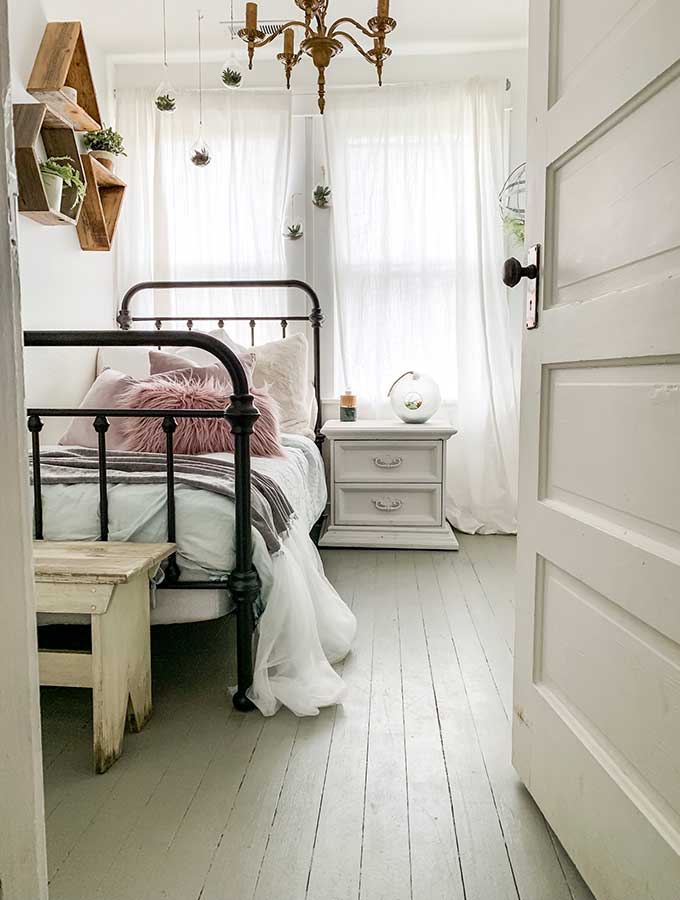
- To Brighten & Contrast:
- Crisp Whites: The classic pairing. White walls against dark floors create a stunning, high-contrast look that feels fresh and expansive.
- Light Grays: A soft, light gray offers a gentler contrast than pure white, maintaining brightness while adding a touch of modern sophistication.
- Pale Pastels: Light blues, mint greens, or blush pinks can feel ethereal and serene against dark floors, especially in a feminine or whimsical space.
- For Deep & Moody Luxury:
- Rich Jewel Tones: Deep emerald green, sapphire blue, or even a rich plum can create an incredibly luxurious, enveloping bedroom that feels intimate and dramatic. This works best in rooms with ample natural light or if you desire a truly cocoon-like feel.
- Charcoal or Deep Greige: For a sophisticated, less intense moody look, deep grays or greiges can complement dark wood floors beautifully, especially when layered with textured fabrics.
Light Wood Floors (e.g., Natural Maple, Birch, Scandi-Style)
Light floors bring an airy, expansive, and often Scandinavian-inspired feel to a room. They are excellent for making spaces feel larger and brighter.
- To Enhance Airiness & Serenity:
- Soft Pastels: Pale blues, mint greens, and blush pinks amplify the light, airy feel, creating a serene and gentle atmosphere.
- True Whites: A clean, bright white will enhance the natural lightness of the floors, creating a minimalist and fresh look.
- Light Greiges: A subtle greige can add a touch more depth than pure white while maintaining an airy feel, perfect for a cozy-minimalist aesthetic.
- To Add Depth & Modernity:
- Navy or Deep Forest Green: A darker, rich color on the walls can create a striking contrast, making the light floors pop and adding a modern, grounded feel.
- Earthy Tones (Soft Terracotta, Warm Taupe): These colors can add a lovely organic warmth and depth, preventing the room from feeling too stark or cold.
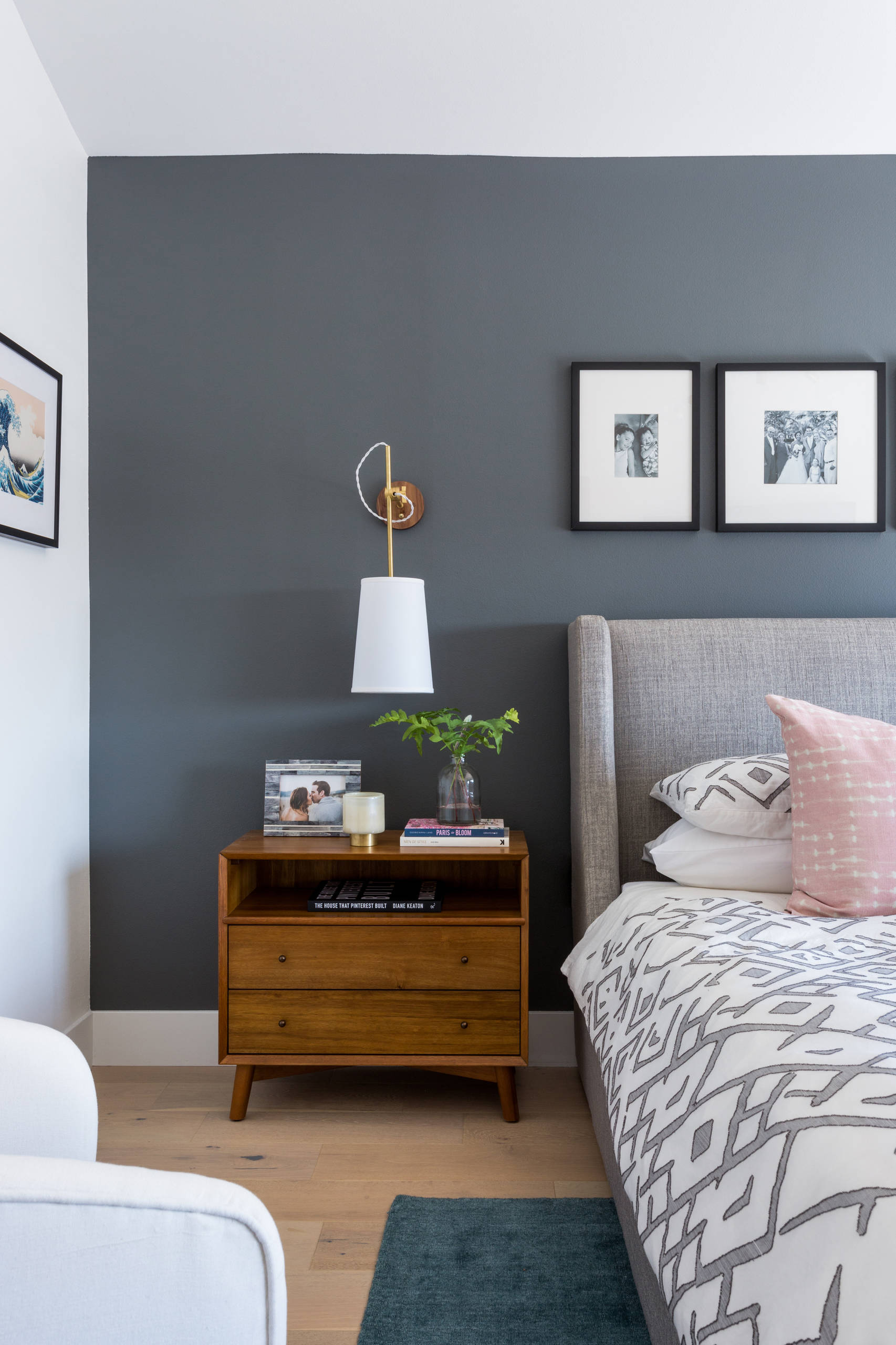
- Muted Black or Dark Charcoal (Accent Wall): For the truly bold, a dark accent wall can create incredible drama and sophistication against light wood floors.
Beyond Color: Considering Light, Room Size, and Paint Finish
Color isn’t the only factor. How light interacts with your chosen paint and floor, the size of your room, and even the paint’s sheen play critical roles.
Natural Light: The Ultimate Color Shifter
Light changes paint color dramatically throughout the day. What looks perfect at noon might look entirely different at sunset. Always consider:
- North-Facing Rooms: Receive cooler, indirect light. Warm paint colors (creamy whites, soft yellows) can counteract this coolness.
- South-Facing Rooms: Bathed in warm, bright light all day. Most colors work well, but cooler tones can help balance the intensity.
- East-Facing Rooms: Get bright, warm morning light, which turns cooler in the afternoon. Choose colors that look good in both warm and cool light (greiges, balanced blues).
- West-Facing Rooms: Receive warm afternoon and evening light. Cool colors can feel refreshing, while warm colors can become quite intense.
Room Size: Expanding or Enveloping Your Space
- Small Bedrooms: Generally, lighter paint colors on the walls and ceiling will make a small room feel more expansive and open. Use light colors to reflect light.
- Large Bedrooms: You have more freedom! Deeper, richer tones can create a cozy, luxurious, and enveloping feel, preventing the room from feeling cavernous.
Paint Finishes (Sheens): More Than Just a Look
The sheen affects durability, cleanability, and how light reflects off the wall.
- Matte/Flat: Absorbs light, creating a sophisticated, soft, non-reflective finish. Hides imperfections well. Less durable, harder to clean. Ideal for low-traffic bedroom walls.
- Eggshell/Satin: Most popular for bedrooms. Offers a subtle sheen, making it more durable and easier to clean than matte, but still soft.
- Semi-Gloss/Gloss: Highly reflective and very durable. Best for trim, doors, and high-traffic areas, not typically for bedroom walls as it can be too shiny.
Consider an eggshell or satin finish for your bedroom walls for a balance of beauty and practicality, especially with wood floors that might have their own subtle sheen.
Expert Tips for Nailing Your Bedroom Paint Choice
Ready to make a decision? Here are some final pointers to ensure you love your new bedroom scheme:
The Power of Swatches: Test, Test, Test!
Never skip this step. Paint large swatches (at least 2’x2′) on poster board and tape them to different walls in your bedroom. Observe them throughout the day and night. See how they interact with your wood floors under various lighting conditions. This is the single most important step to avoid disappointment.
Consider Existing Elements: Furniture, Bedding, Decor
Your paint color shouldn’t exist in a vacuum. Take into account your existing furniture (especially large pieces like your bed frame), bedding, curtains, and any artwork or decor you plan to keep. Gather samples of these items (fabric swatches, photos) when you’re looking at paint colors.
Architectural Features: Trim, Molding, Built-ins
If you have beautiful crown molding, baseboards, or built-in shelving, consider how your wall color will interact with them. Often, painting trim a crisp white or a slightly lighter/darker shade of the wall color can enhance these features.
Theme & Style: What’s Your Vibe?
Are you going for a Modern Farmhouse, Coastal Retreat, Bohemian Haven, or Sleek Contemporary look? Your paint color should reinforce your chosen style. For example, a crisp white might suit a minimalist modern room, while a rich sage green could be perfect for a nature-inspired retreat.
Don’t Forget the Ceiling!
While often overlooked, the ceiling is your fifth wall. Painting it a classic white is always safe, but consider a lighter shade of your wall color for a seamless, cozy feel. For a dramatic statement, a darker color on the ceiling can create a luxurious, enveloping effect, especially with high ceilings.
Your Ultimate Guide: Wood Floor & Paint Pairing Table
This table summarizes common wood floor types and suggests paint palettes to achieve different moods.

| Wood Floor Type/Undertone | Desired Mood/Style | Recommended Paint Colors (General) | Why it Works |
|---|---|---|---|
| Warm Wood (Red Oak, Cherry, Honey Maple) | Cozy & Inviting | Creamy off-whites, soft sage green, muted beige, warm greiges. | Harmonizes with warm undertones; creates a soft, embracing feel. |
| Warm Wood (Red Oak, Cherry, Honey Maple) | Balanced & Refined | Light cool gray (with blue/green hint), powder blue, crisp white. | Provides gentle contrast; balances warmth for a sophisticated, calm space. |
| Cool Wood (Ash, Gray-Washed Oak, Bleached) | Modern & Airy | Crisp white, light cool gray, deep charcoal, navy blue. | Accentuates coolness; creates a sleek, contemporary, or serene contrast. |
| Cool Wood (Ash, Gray-Washed Oak, Bleached) | Soft & Welcoming | Warm off-white, greige, blush pink, soft rose, muted green. | Introduces warmth; softens edges for a more inviting, less stark feel. |
| Neutral Wood (White Oak, Walnut, Medium Browns) | Versatile (Any Mood) | Virtually any color: bright white, deep teal, olive green, warm beige, soft blue. | Lack of strong undertones allows for maximum flexibility; mood is dictated by paint. |
| Dark Wood (Ebony, Dark Walnut, Espresso Stain) | Bright & Expansive | Crisp white, very light gray, pale pastel (blue, mint, blush). | Creates strong contrast; lifts the space and makes it feel airy. |
| Dark Wood (Ebony, Dark Walnut, Espresso Stain) | Luxurious & Moody | Rich jewel tones (emerald, sapphire), deep charcoal, forest green. | Enhances drama; creates a deeply sophisticated and cocoon-like atmosphere. |
| Light Wood (Maple, Birch, Scandi-Style Pine) | Airy & Serene | True white, light cool gray, pastel blue, mint green, blush. | Reinforces lightness; creates a calm, minimalist, and expansive feel. |
| Light Wood (Maple, Birch, Scandi-Style Pine) | Grounded & Modern | Navy, deep forest green, warm taupe, soft terracotta. | Adds depth and contrast; prevents room from feeling too stark, adds character. |
Common Pitfalls to Avoid
Even with the best intentions, it’s easy to make mistakes. Steer clear of these common paint pairing blunders:
- Ignoring Undertones: This is the biggest culprit for a disjointed room. A cool gray paint against a strongly red-orange wood floor will almost always clash.
- Not Testing Paint Colors: Relying solely on a tiny paint chip is a recipe for regret. Colors look drastically different on a large wall under real-world lighting.
- Overlooking Lighting: What looks perfect in the store or online might be entirely different in your north-facing bedroom at dusk.
- Matching Wood Exactly: Trying to match your wall color precisely to your wood floor rarely works. It often makes the room feel bland and lacks definition. Instead, aim for harmony or contrast.
- Too Many Competing Elements: If your wood floors are very busy or have a strong pattern, keep your wall color simpler and more subdued to avoid visual overload.
Choosing the perfect paint for your bedroom with wood floors doesn’t have to be overwhelming. By understanding your floor’s unique characteristics, applying core design principles, and meticulously testing your choices, you can create a bedroom that not only looks stunning but also feels deeply personal and perfectly balanced. Your wood floors are a gift – let your paint selection highlight their beauty and transform your bedroom into the sanctuary you deserve.
Frequently Asked Questions
How do I choose paint colors for a bedroom with dark wood floors?
For dark wood floors, you have two main approaches: either go for high contrast with crisp whites, light grays, or pale pastels to make the room feel bright and expansive, or embrace a luxurious, moody vibe with rich jewel tones like deep emerald green, sapphire blue, or charcoal. Always consider the amount of natural light the room receives when choosing darker wall colors.
What paint colors work best with light wood floors in a bedroom?
Light wood floors offer versatility. For an airy and serene feel, opt for true whites, light cool grays, pastel blues, or blush pinks. If you want to add depth and a modern touch, consider contrasting with navy, deep forest green, warm taupe, or soft terracotta. These darker tones will make the light floors pop and add character.
Should my bedroom paint color match the undertone of my wood floor?
Not necessarily! You can either choose paint colors that share similar undertones (harmony) for a cohesive and serene look, or you can select colors with opposing undertones or different values (contrast) to create visual interest and balance. For example, a warm wood floor can be harmonized with creamy whites or contrasted with cool grays or blues.
How does natural light affect my paint choice in a bedroom with wood floors?
Natural light dramatically alters how paint colors appear. North-facing rooms, with their cooler light, benefit from warm paint colors to avoid feeling stark. South-facing rooms, with abundant warm light, can handle a wider range but might benefit from cooler tones to balance intensity. East and west-facing rooms have fluctuating light, so it’s crucial to test swatches throughout the day to see how they interact with your wood floors under different conditions.
What paint finish is best for bedroom walls with wood floors?
For bedroom walls, an eggshell or satin finish is generally recommended. They offer a beautiful, soft sheen that’s not too reflective, making them durable and easier to clean than a matte finish, while still maintaining a sophisticated look. Matte paint can also work well for a very soft, velvety appearance, but it’s less resistant to scuffs and cleaning.
Can I use bold colors in a bedroom with wood floors?
Absolutely! Bold colors can create a dramatic, sophisticated, or energetic statement in a bedroom with wood floors. The key is to consider the wood’s undertones and the overall mood you want to achieve. For instance, rich jewel tones pair beautifully with dark wood floors for a luxurious feel, while a vibrant accent wall can pop against neutral or light wood. Always test bold colors extensively with large swatches.