Breathe New Life into Your Bedroom: The Definitive Guide to Painting Old Furniture
Got an old, forgotten dresser or a nightstand that’s seen better decades? Don’t even think about tossing it! That tired piece isn’t just taking up space; it’s a blank canvas, a diamond in the rough, an opportunity waiting for a splash of paint to become the star of your bedroom.
Painting old bedroom furniture isn’t just a DIY project; it’s a creative rescue mission. It’s about transforming something drab into something fabulous, all while saving money and expressing your unique style. I’ve been there, staring at a chipped, dark wood dresser, wondering if it was worth the effort. Trust me, it absolutely is. And I’m here to show you exactly how to do it, step-by-step, making sure your painted piece looks professionally done, not just ‘DIY-ed’.
Why Bother Painting Old Bedroom Furniture? The Perks of a DIY Refresh
Before we dive into the nitty-gritty, let’s talk about why this is such a fantastic project. It’s more than just a fresh coat of color; it’s a total vibe shift.
Cost-Effective Transformation
Let’s be real, new furniture can be incredibly expensive. Opting to paint an existing piece saves you a significant chunk of change. You’re leveraging what you already have, turning an eyesore into an accent piece without breaking the bank. Think of the money you’ll save for other bedroom upgrades, like luxurious bedding or stylish lighting!
Personal Style & Customization
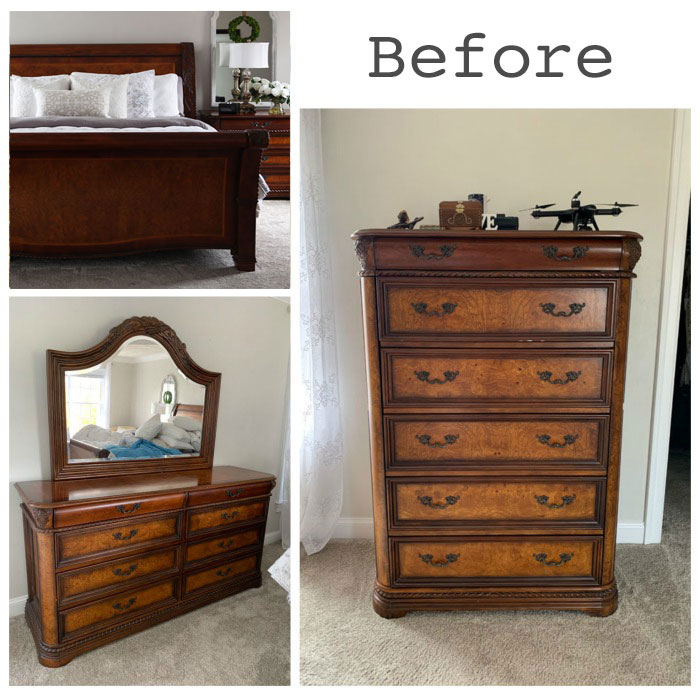
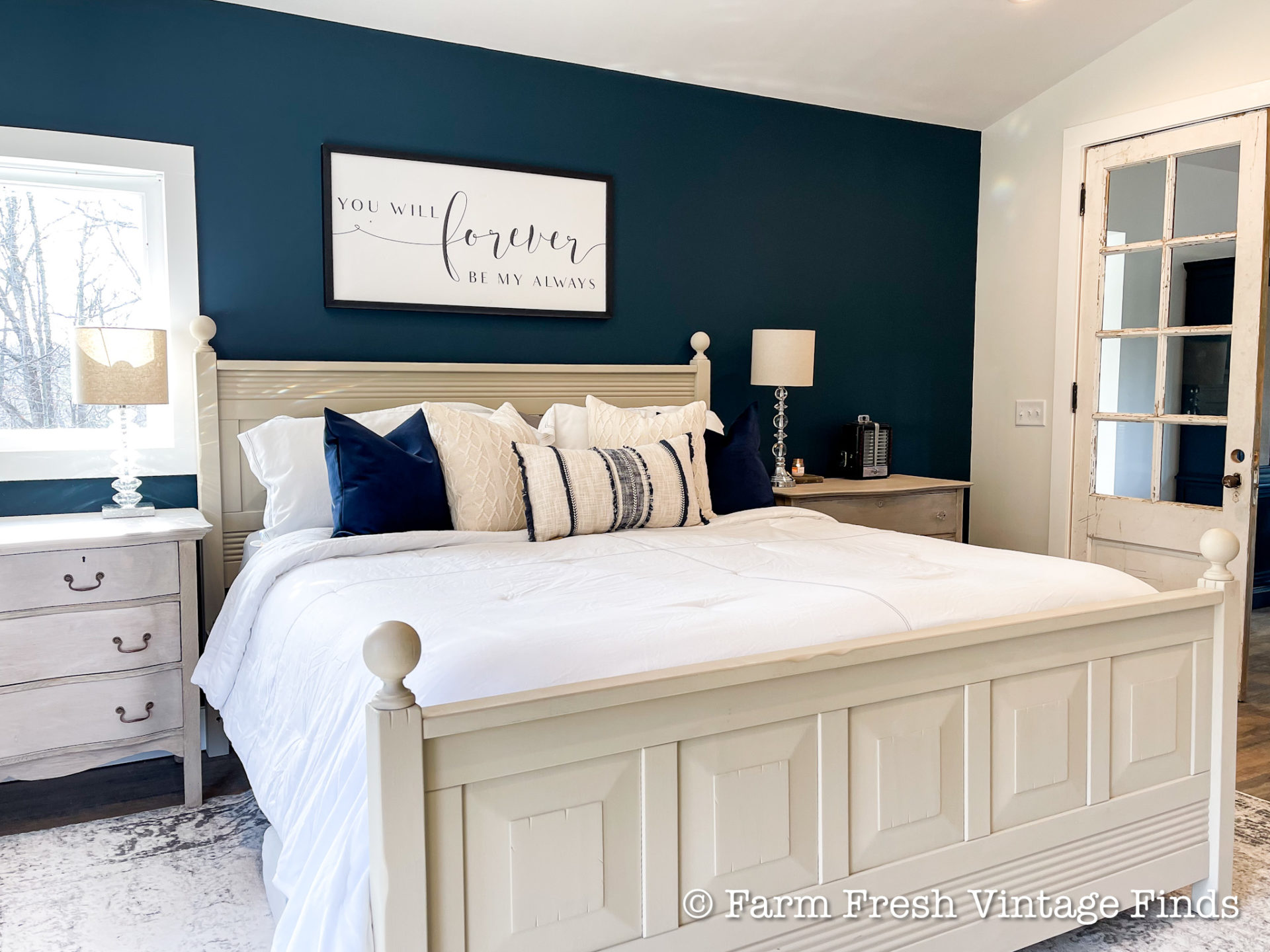
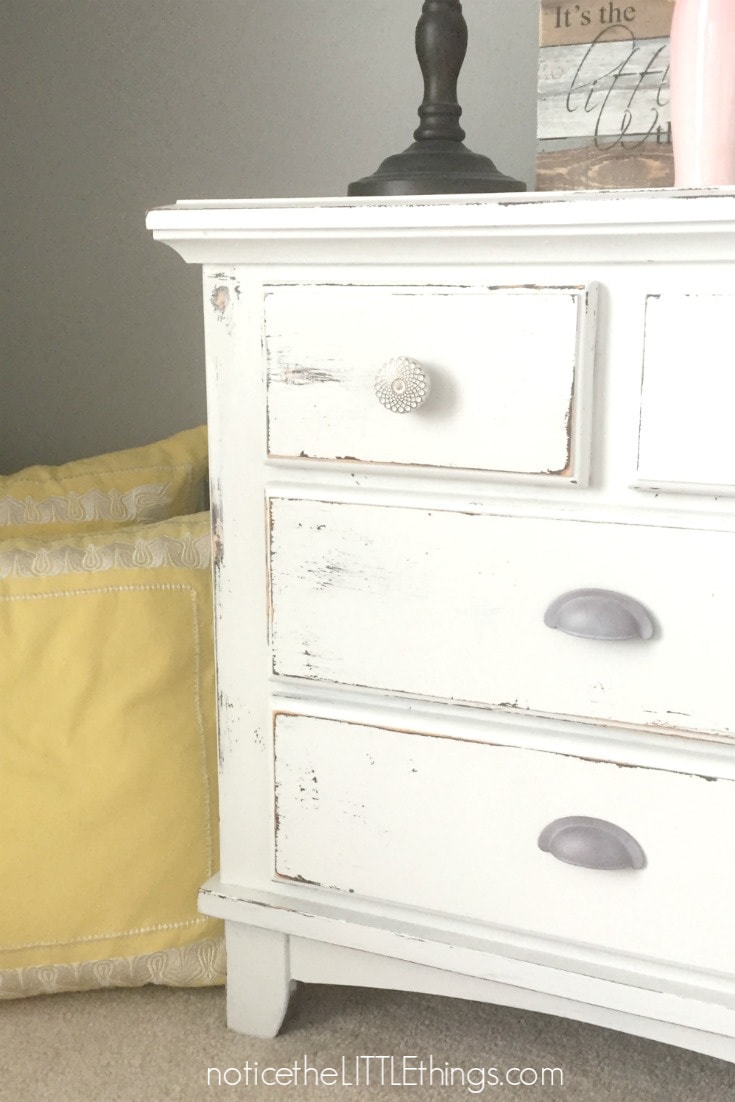
The beauty of DIY is that you’re not confined to mass-produced designs. You get to choose the exact color, finish, and hardware that reflects your personal aesthetic. Want a moody deep blue dresser? Done. A distressed farmhouse-style nightstand? Absolutely. Your bedroom furniture becomes a true extension of you.
Sustainability & Upcycling
In a world increasingly aware of its environmental footprint, upcycling old furniture is a win-win. You’re keeping a perfectly functional piece out of a landfill and reducing demand for new manufacturing. It feels good to know you’re contributing to a more sustainable lifestyle while creating something beautiful.
A Rewarding DIY Project
There’s immense satisfaction in looking at a finished piece and knowing you did it yourself. From the initial sanding to the final brushstroke, every effort culminates in a tangible, beautiful result. It’s a project that builds skills, confidence, and a stunning addition to your home.
Before You Start: Essential Planning for Success
Painting old furniture isn’t just about grabbing a brush and a can of paint. The secret to a lasting, professional-looking finish lies in the planning and preparation. Skimp here, and you’ll regret it. Trust me on this one.
Assess Your Furniture’s Condition
First, give your furniture a good once-over. Is it solid? Any wobbly legs or broken drawers? Address structural issues before painting. Look at the existing finish: is it veneer, solid wood, laminate? Is there peeling paint or deep scratches? This assessment will guide your preparation steps.
Choose Your Paint Wisely: Decoding the Options
This is where many DIYers get stuck. The sheer variety of paints can be overwhelming. Each type has its pros, cons, and specific application methods. For old bedroom furniture, you want something durable and easy to work with. Here’s a breakdown:
| Paint Type | Key Features | Pros | Cons | Best For |
|---|---|---|---|---|
| Chalk Paint | Matte, velvety finish; minimal prep (often no sanding/priming). | Easy to distress, excellent adhesion, quick drying, low VOC. | Requires a topcoat (wax or poly) for durability; not inherently super durable without topcoat. | Rustic, vintage, distressed looks; beginners looking for easy prep. |
| Milk Paint | Matte, sometimes chippy finish; comes as a powder. | Natural, non-toxic, creates an authentic aged look, can achieve a chippy finish with a bonding agent. | Must mix yourself; inconsistent chippy effect can be tricky; requires topcoat. | Authentic antique, farmhouse style; for those who like a naturally distressed look. |
| Latex/Acrylic Enamel | Water-based; variety of sheens (satin, semi-gloss, gloss). | Durable, easy cleanup with water, widely available, good color selection, often self-leveling. | Requires thorough prep (sanding & priming) for best adhesion and durability. | Modern, smooth finishes; high-traffic pieces; good general-purpose furniture paint. |
| Oil-Based Paint | Very hard, durable finish; slower drying time. | Extremely durable, smooth finish, excellent adhesion, resists chipping. | Strong fumes, mineral spirits for cleanup, long drying times, can yellow over time (especially whites). | Heavily used pieces; for a super durable, professional-grade finish; experienced DIYers. |
| All-in-One Paint | Claims to combine primer, paint, and topcoat in one. | Minimal prep, time-saving, good adhesion, often durable. | Can be more expensive, performance varies between brands, may still benefit from light sanding or topcoat for heavy use. | Quick makeovers, beginners, when you want to minimize steps. |
Gathering Your Arsenal: Tools & Supplies Checklist
Before you even think about opening a paint can, make sure you have everything you need. A quick trip to the hardware store now will save you countless headaches later.
- Safety Gear: Nitrile gloves, safety glasses, respirator mask (especially for sanding or oil-based paints).
- Cleaning Supplies: Degreaser (like TSP substitute or Krud Kutter), rags, bucket of warm water.
- Sanding Essentials: Sandpaper (120-220 grit for initial sanding, 320-400 grit for between coats), sanding blocks, orbital sander (optional, but a time-saver).
- Prep Materials: Painter’s tape, drop cloths or old sheets, wood filler, spackle knife.
- Primer: Stain-blocking primer (shellac-based is excellent for old, unknown finishes or bleed-through).
- Paint: Your chosen paint type and color.
- Applicators: High-quality brushes (angled for corners, flat for larger areas), foam rollers (for smooth finish on flat surfaces), paint trays.
- Topcoat/Sealer: Polyurethane (water-based is preferred for light colors to prevent yellowing), wax, or clear acrylic topcoat, appropriate applicator for the chosen sealer.
- Hardware: Screwdriver or drill for removing/reattaching knobs and pulls.
The Step-by-Step Transformation: How to Paint Old Bedroom Furniture Like a Pro
Alright, supplies are gathered, and you’re ready! Let’s get this transformation underway. Follow these steps for a result you’ll be proud of.
Step 1: Prep is Key! Clean & Disassemble
This is arguably the most important step, especially for old furniture. Don’t rush it.
- Disassemble: Remove all hardware (knobs, pulls, hinges), drawers, and doors. Label hardware and put it in a baggie so you don’t lose anything.
- Clean Thoroughly: Old furniture often has years of grime, wax, and grease buildup. Use a good degreaser (like TSP substitute) and warm water to scrub every surface you plan to paint. Rinse well with clean water and let it dry completely. Any residue left behind will prevent your paint from adhering properly.
- Minor Repairs: Fill any small dings, scratches, or old hardware holes with wood filler. Let it dry, then sand smooth. For larger repairs or wobbly joints, fix those now.
Step 2: Sanding – The Foundation of a Flawless Finish
Sanding creates a surface that paint can grip onto. It’s not about stripping all the old finish unless it’s in terrible condition. It’s about creating a “tooth.”
- Light Scuff Sanding: For most old furniture with a reasonably intact finish, a light scuff sand with 180-220 grit sandpaper is enough. You’re just roughing up the surface, not removing all the old stain or paint. This helps your primer and paint adhere better.
- Heavier Sanding: If the existing finish is chipping, peeling, or very glossy, you might need to start with a coarser grit (100-120) to remove the loose material, then follow up with 180-220 grit for smoothness.
- Bare Wood: If you sand down to bare wood, ensure it’s smooth with 220-grit.
- Clean Dust: After sanding, thoroughly wipe down all surfaces with a tack cloth or a damp cloth to remove all dust. This is critical for a smooth finish.
Step 3: Prime Time! Don’t Skip This Step (Especially for Old Pieces)
Primer is your insurance policy. It blocks stains, promotes adhesion, and creates a uniform base for your paint.
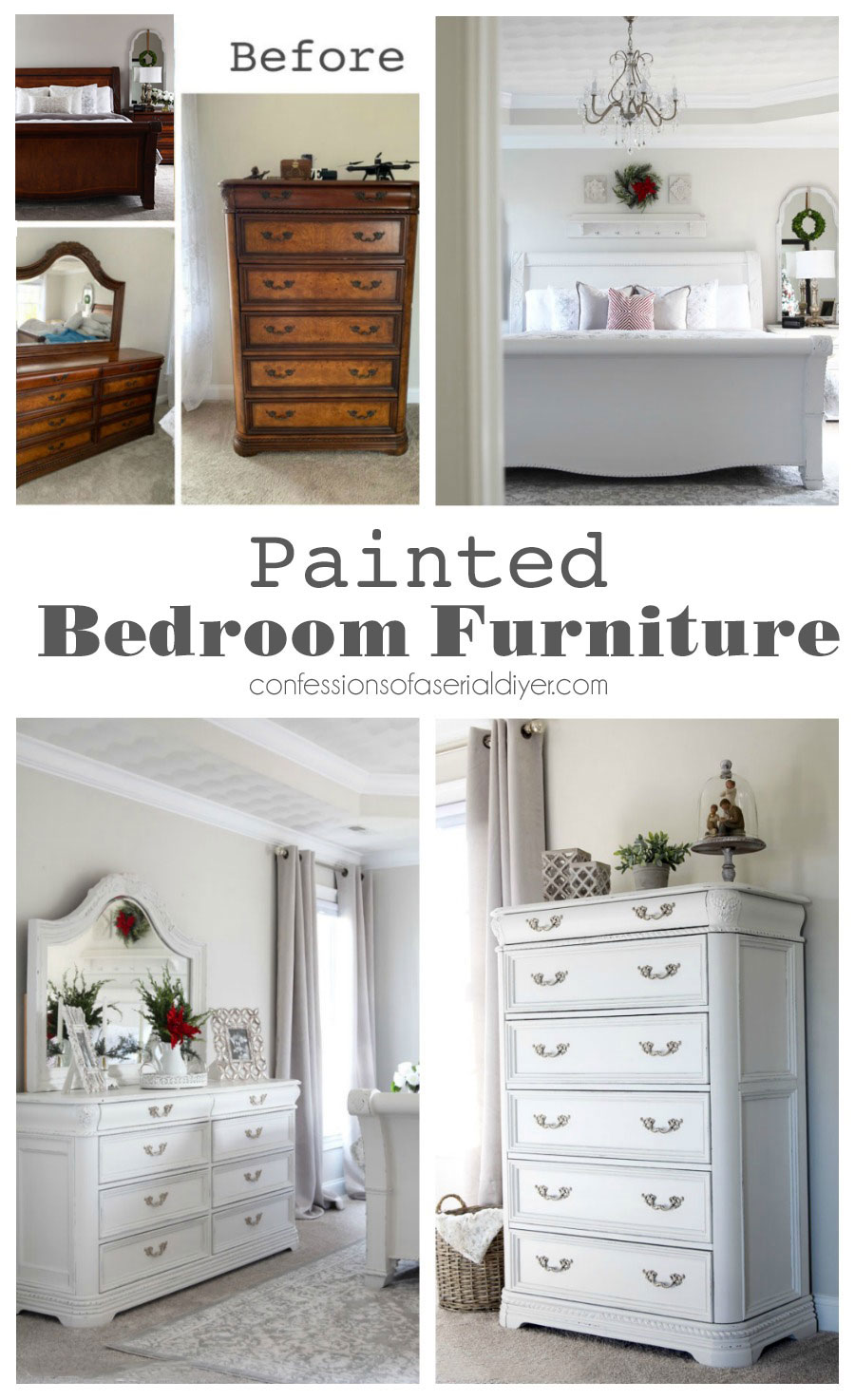
- Why Prime?: For old furniture, primer is non-negotiable. It seals in old odors, blocks wood tannins (which can bleed through light paint colors and cause yellowing/discoloration, especially on mahogany or cherry), and provides a consistent surface for your chosen paint.
- Types of Primer:
- Water-Based Primer: Good for general adhesion and mild stain blocking. Easy cleanup.
- Oil-Based Primer: Excellent adhesion, great stain blocking, but has strong fumes and requires mineral spirits for cleanup.
- Shellac-Based Primer (e.g., Zinsser B-I-N): My personal favorite for old furniture. It’s the king of stain blocking and odor sealing, dries incredibly fast, and adheres to almost anything. It’s alcohol-based, so it has strong fumes, but the quick dry time is a huge advantage.
- Application: Apply a thin, even coat of primer. Allow it to dry completely according to the manufacturer’s instructions. If you’re dealing with very dark wood or potential bleed-through, a second coat of primer is a smart move. Lightly sand with 320-400 grit sandpaper between primer coats for an ultra-smooth finish, then wipe away dust.
Step 4: Time to Paint! Layers of Love
The exciting part! Applying your chosen color.
- Thin Coats are Key: Resist the urge to slap on a thick coat. Multiple thin coats are always better than one thick one. Thin coats dry faster, are less prone to drips and brushstrokes, and cure harder.
- Application: Use a high-quality brush for edges and details, and a small foam roller for large, flat surfaces to achieve a super smooth finish. Work in small sections, maintaining a wet edge to avoid lap marks.
- Drying Time: Allow each coat to dry completely according to the paint manufacturer’s recommendations. Rushing this step can lead to peeling or an uneven finish.
- Light Sanding (Optional but Recommended): For an ultra-smooth, professional finish, lightly sand between paint coats with 320-400 grit sandpaper. This knocks down any tiny imperfections or dust nibs. Always wipe clean with a tack cloth afterward.
- Number of Coats: Most projects will require two to three thin coats of paint for full, even coverage, especially if you’re going from dark to light.
Step 5: Seal the Deal: Protecting Your Masterpiece
Don’t skip the topcoat! It’s what protects your hard work and makes your furniture durable for everyday use. Chalk paint and milk paint absolutely require a topcoat.
- Polyurethane (Water-Based): This is a very durable option. Water-based polyurethanes are clear and won’t yellow over time, making them ideal for white or light-colored furniture. Apply 2-3 thin coats with a foam applicator or brush, allowing adequate dry time between coats. Lightly sand with 400+ grit between coats if desired.
- Wax: Often used with chalk or milk paint for a soft, natural finish. Apply with a wax brush or lint-free cloth, working it into the paint. Buff to a desired sheen. Wax needs reapplication over time, especially on high-traffic surfaces.
- Clear Acrylic Topcoat: Similar to water-based poly, these offer good protection and come in various sheens.
- Curing Time: Topcoats need time to fully cure (harden), which can take anywhere from a few days to a few weeks, even if it feels dry to the touch. Be gentle with your furniture during this period.
Step 6: Reassemble & Admire
Once your topcoat is fully cured (or at least dry enough to handle gently), carefully reattach your hardware. Step back and admire your handiwork! It’s incredible what a little vision and effort can achieve.
Pro Tips & Troubleshooting Common Old Furniture Painting Problems
Even the most seasoned DIYers encounter hiccups. Here’s how to tackle some common issues when painting old furniture.
Dealing with Bleed-Through (Tannins)
You’ve painted a beautiful white, and suddenly, yellow or pinkish stains appear. These are tannins from the wood bleeding through the paint. The solution? More primer! A good shellac-based primer (like Zinsser B-I-N) is your best friend here. Apply an extra coat or two over the affected areas, let it dry, then repaint.

Achieving a Smooth, Brushstroke-Free Finish
Nobody wants visible brushstrokes! Here’s how to avoid them:
- High-Quality Brushes: Invest in good synthetic brushes for water-based paints.
- Foam Rollers: Use a dense foam roller on flat surfaces.
- Thin Coats: As mentioned, thin coats are less likely to show brush marks.
- Flow Extender: For latex/acrylic paints, add a paint conditioner/flow extender (like Floetrol) to slow drying time, allowing the paint to self-level.
- Light Sanding: A very light sand with 320-400 grit sandpaper between coats (paint and primer) will smooth out any minor imperfections.
Fixing Drips and Sags
If you catch a drip or sag while the paint is still wet, gently smooth it out with your brush or roller. If it has dried, wait until the paint is fully cured, then carefully sand down the drip with fine-grit sandpaper (400+) until it’s flush with the surface. Clean the dust and apply another thin coat of paint.
When to Strip vs. Sand
Most of the time, a good cleaning and scuff sanding are enough. However, you might need to strip the old finish if:
- The existing finish is severely chipped, peeling, or cracking.
- You want to achieve a perfectly smooth, factory-like finish that requires a completely bare, pristine wood surface.
- The old finish is lead-based paint (if suspected, consult professionals or take extreme safety precautions – test kits are available).
Stripping is a messy, time-consuming process involving chemical strippers. Only undertake it if necessary, and always follow safety guidelines.
Reviving Hardware or Replacing It
New hardware can dramatically change the look of a piece! If your existing hardware is dated but in good condition, consider cleaning it thoroughly or spray painting it a new metallic finish (e.g., gold, matte black). If it’s beyond repair or just not your style, replacing hardware is an easy and impactful upgrade.
Maintenance for Long-Lasting Beauty
You’ve put in the work, now make sure your beautiful new furniture lasts!
Gentle Cleaning
Avoid harsh chemical cleaners. For painted furniture, a soft, damp cloth with a mild soap (like dish soap) is usually sufficient for cleaning. Wipe spills immediately.
Avoiding Scratches and Dings
Use coasters under drinks, felt pads under lamps or decor, and be mindful when moving heavy objects across the surface. While a good topcoat protects, extreme abuse can still damage the finish.
Reapplying Topcoats
If you used wax, you’ll likely need to reapply it every 6-12 months, especially on high-traffic areas. Polyurethane and clear acrylic topcoats are more durable but can be lightly scuff-sanded and reapplied if they start to show wear and tear after many years.
Your Transformed Bedroom: Enjoy the New Vibe!
There you have it – the ultimate guide to painting old bedroom furniture. It’s a journey from outdated to outstanding, a testament to the power of a little paint and a lot of heart. Your old furniture isn’t just painted; it’s renewed, reimagined, and ready to bring a fresh, personalized vibe to your bedroom. Grab your supplies, put on some music, and get ready to create something truly special. You got this!
”