The Definitive Guide to Choosing the BEST Paint Color for Your Accent Wall (No More Guesswork!)
Staring at a blank wall, scrolling through endless Pinterest boards, and feeling utterly overwhelmed by accent wall ideas? You’re not alone. Choosing the perfect paint color for an accent wall can feel like a high-stakes decision, especially when you want to make a statement without making a mistake.
But what if I told you there’s a method to the madness? A way to cut through the noise and confidently select a color that truly transforms your space, reflects your personality, and looks absolutely stunning?
This isn’t just another list of pretty colors. This is your comprehensive, human-first guide to becoming your own accent wall guru. We’ll demystify color psychology, break down room-specific strategies, and arm you with the insider tips pro designers use. Let’s make your accent wall a masterpiece, not a regret.
Are Accent Walls Still In Style? The Resounding YES!
Before we dive into color specifics, let’s address the elephant in the room. Some trends come and go, but the accent wall has proven its staying power. Why? Because it’s not just a trend; it’s a powerful design tool.
The Evolution of the Accent Wall: From Fad to Timeless Design Tool
Gone are the days of painting a random wall a jarringly bright color just for the sake of it. Today’s accent walls are sophisticated, intentional, and integrated into the overall design narrative of a room. They’ve evolved from a standalone ‘pop of color’ to a thoughtful element that enhances architectural features, creates zones, and injects personality with purpose.
Why a Well-Chosen Accent Wall Transforms Your Space
A strategic accent wall can achieve several things simultaneously:
- Creates a Focal Point: Instantly draws the eye, highlighting a key feature like a fireplace, a bed, or a piece of art.
- Adds Depth and Dimension: Breaks up monotonous spaces, making a room feel larger or more intimate, depending on the color and placement.
- Injects Personality: A vibrant color speaks volumes about your style, while a moody hue creates instant drama.
- Defines Zones: In open-concept living, an accent wall can subtly delineate areas like a dining nook or a reading corner.
- Enhances Existing Decor: The right color can make your furniture, artwork, or textiles truly sing.
Your Accent Wall Strategy: The Foundation of Flawless Color
The secret to a successful accent wall isn’t just picking a color you like. It’s about understanding how that color interacts with everything else in the room. Here’s your step-by-step strategy:
Step 1: Define Your Goal & The Room’s Function (Mood Boarding)
What do you want your accent wall to achieve? Are you aiming for:
- Drama and Sophistication? Think deep jewel tones or rich charcoals.
- Calm and Serenity? Consider muted blues, greens, or warm grays.
- Energy and Playfulness? Bold yellows, vibrant turquoises, or bright pinks might be your answer.
- A Cozy, Enveloping Feel? Earthy tones, deep reds, or dark chocolate browns work wonders.
Consider the primary function of the room. A bedroom often benefits from calming hues, while a living room might welcome more energetic shades. Start collecting inspiration – photos, fabric swatches, furniture pieces – to build a cohesive mood board.
:max_bytes(150000):strip_icc()/DesignbyEmilyHendersonDesignPhotographerbyZekeRuelas_30-505526a0c8b64765a16e3533b2cdadd3-18358daf0ffb4d09a7149c52dbe7c01a-0e87588bdda94d6d868a335ba583c2fb.jpeg "37 Best Accent Wall Colors for an Instant Room Makeover")
Step 2: Analyze Your Existing Decor & Color Palette (Undertones are Key!)
This is where many go wrong. Your accent wall must harmonize with what’s already there. Look at your:
- Furniture: Wood tones (warm cherry vs. cool grey wash), upholstery colors, metal finishes.
- Flooring: Carpet, hardwood, tile – note their dominant colors and undertones.
- Artwork & Textiles: Pillows, rugs, curtains – identify their core color schemes.
A note on undertones: Every color has a subtle underlying hue – warm (red, orange, yellow) or cool (blue, green, purple). If your existing decor leans warm, a cool-toned accent wall might clash unless handled expertly. For instance, a warm beige sofa would look better with a warm-leaning greige or a deep forest green with warm undertones, rather than a stark cool gray.
Step 3: Assess Natural & Artificial Light Sources
Light changes everything! A color can look entirely different from morning to night, or from one room to another.
- Natural Light:
- North-facing rooms: Receive cooler, softer light. Warm colors can help counteract this; cool colors might feel too stark.
- South-facing rooms: Bathed in warm, bright light. Almost any color will look good, but be mindful that warm colors might appear even warmer.
- East-facing rooms: Get bright, warm morning light, then cooler light later.
- West-facing rooms: Enjoy warm, intense afternoon light.
- Artificial Light:
- LEDs: Can be warm (yellowish) or cool (bluish).
- Incandescent: Generally warm, making colors appear softer.
- Fluorescent: Can be harsh and cool, potentially distorting colors.
Always test paint samples on your wall and observe them throughout the day and night. More on this crucial step later!
Step 4: Identify Your Accent Wall – Where Does it Make Sense?
Not every wall is a good candidate. Choose a wall that:
- Has a Natural Breakpoint: This could be a wall with a fireplace, a built-in bookshelf, or simply the wall behind your bed.
- Is the Focal Point: It should be the first wall you see when you enter the room, or the wall that draws attention to a specific feature.
- Doesn’t Have Too Many Openings: Too many windows or doors can chop up the visual impact of an accent color.
- Complements the Room’s Layout: An accent wall can visually widen a narrow room (paint the shortest wall) or deepen a shallow one (paint the longest wall).
Decoding Color Psychology: What Message Do You Want Your Wall to Send?
Colors aren’t just pretty; they evoke feelings and influence moods. Understanding color psychology is fundamental to choosing the best accent wall color.
Warm Colors: Energy, Comfort, Intimacy
Reds, Oranges, Yellows, Warm Browns: These colors are vibrant and stimulating. They can make a room feel cozier and more inviting, but too much can be overwhelming. They tend to visually advance, making a wall feel closer.
Cool Colors: Calm, Serenity, Sophistication
Blues, Greens, Purples: These hues are known for their calming and soothing effects. They can make a room feel more spacious and serene. Cool colors tend to recede, making a wall feel further away.
Neutrals: Understated Elegance, Versatility
Grays, Beiges, Whites, Off-Whites, Taupes: While often seen as ‘safe,’ neutrals are incredibly versatile. They provide a sophisticated backdrop, allowing other elements in the room to shine. A neutral accent wall can add subtle depth without dominating the space.
:strip_icc()/BEHR_23.04_COTY_BEDROOM_KM_004_CrackedPepper_WeatheredWhite-f83b17e33ae240cb8224c63d7f3b5d3b.jpg "10 Accent Wall Colors that Pop With a Coat of Paint")
Dark & Moody: Drama, Depth, Coziness
Deep Charcoals, Navy Blues, Forest Greens, Rich Plums: These colors create a sense of drama, luxury, and intimacy. They can make a large room feel cozier and smaller, or add surprising depth to a modest space. They’re excellent for grounding a room.
Bright & Bold: Playfulness, Vibrancy, Statement
Emerald Greens, Cobalt Blues, Bright Pinks, Sunny Yellows: These are for the brave and the bold! They inject immediate energy and personality, perfect for making a strong statement or creating a playful atmosphere.
Best Accent Wall Paint Colors by Category (With Specific Examples!)
Now that we understand the strategy and psychology, let’s explore some winning color categories and when to use them.
The Power of Dark Hues: Deep Blues, Forest Greens, Charcoals
Dark colors are perhaps the most popular choice for modern accent walls, and for good reason. They add incredible depth and sophistication without being overly dramatic. Think deep jewel tones or rich earth-inspired shades.
- Deep Blues (e.g., Navy, Indigo): Evoke trust, stability, and calm. Perfect for bedrooms, living rooms, or even home offices where focus is key.
- Forest Greens (e.g., Emerald, Hunter): Connect us to nature, promoting balance and rejuvenation. Great for creating a serene bedroom retreat or a sophisticated living area.
- Charcoals & Deep Grays: Offer a modern, elegant, and grounding presence. Extremely versatile, working well in almost any room, from contemporary living spaces to cozy dining rooms.
Soothing Neutrals with a Twist: Greiges, Warm Whites, Muted Earth Tones
If you prefer subtlety but still want impact, a thoughtfully chosen neutral can be incredibly effective. It adds dimension without shouting.
- Greiges (Gray + Beige): The perfect blend of warm and cool, offering sophistication and versatility. Excellent for almost any room, especially if your existing decor has both warm and cool elements.
- Warm Whites & Off-Whites: These aren’t just for walls! A warm white accent wall can provide a subtle, textural backdrop, making a room feel bright and airy while still having a defined focal point.
- Muted Earth Tones (e.g., Terracotta, Dusty Rose, Sage Green): Connect to the natural world, offering warmth, comfort, and organic appeal. Ideal for boho, rustic, or minimalist aesthetics.
Vibrant & Energetic: Terracottas, Emeralds, Ochres
For those who aren’t afraid of color, vibrant hues can inject incredible personality and zest into a room. These are often best in spaces where energy is desired.
- Terracotta: Warm, earthy, and inviting. Adds a touch of Mediterranean or desert charm.
- Emerald Green: Luxurious, invigorating, and opulent. A bold statement for living rooms or even a glamorous bedroom.
- Ochre/Mustard Yellow: Sunny, optimistic, and playful. Great for adding a cheerful pop, perhaps in a creative space or a living room.
Light & Bright: Pastels, Soft Blues, Pale Pinks
Don’t underestimate the power of lighter, softer shades. They can create a dreamy, airy, or subtly charming accent without overpowering the room.
- Soft Blues (e.g., Sky Blue, Powder Blue): Calming, serene, and expansive. Perfect for bedrooms, nurseries, or bathrooms.
- Pale Pinks (e.g., Blush, Rose Quartz): Gentle, soothing, and romantic. Adds a touch of softness and warmth, ideal for bedrooms or sophisticated living spaces.
- Mint Green: Refreshing, cool, and clean. Great for bathrooms, kitchens, or children’s rooms.
| Color Category | Mood/Impact | Ideal Rooms | Key Considerations |
|---|---|---|---|
| Dark Hues (Navy, Forest Green, Charcoal) | Dramatic, Sophisticated, Cozy, Grounding | Bedrooms, Living Rooms, Dining Rooms, Home Offices | Requires good lighting; balances well with lighter surrounding walls and decor. |
| Soothing Neutrals (Greige, Warm White, Muted Earth Tones) | Subtle Depth, Serene, Versatile, Elegant | Any room, especially small spaces, bedrooms, minimalist designs | Focus on undertones to ensure harmony with existing decor. |
| Vibrant & Energetic (Terracotta, Emerald, Ochre) | Lively, Expressive, Invigorating, Statement-making | Living Rooms, Dining Rooms, Creative Spaces, Kids’ Rooms | Best in moderation; ensure it doesn’t overwhelm the space; balance with calmer elements. |
| Light & Bright (Pastel Blue, Pale Pink, Mint Green) | Airy, Dreamy, Calming, Gentle, Expansive | Bedrooms, Nurseries, Bathrooms, Small Rooms | Choose colors with enough saturation to still provide an accent without blending too much. |
Room-by-Room Breakdown: Perfect Accent Walls for Every Space
Context is everything. The ‘best’ color depends heavily on the room’s function and the mood you want to evoke.
Living Room: Creating a Focal Point
Your living room is often the hub of your home, a space for relaxation and entertaining. An accent wall here can define the room’s personality.
- Behind the Sofa: A classic choice, grounding the main seating area.
- Fireplace Wall: Highlights an architectural feature, drawing the eye.
- Media Wall: Can make a large TV feel more integrated into the design.
Color Ideas: Deep blues (like Benjamin Moore’s Hale Navy), rich greens (Sherwin Williams’ Evergreen Fog), sophisticated charcoals (Farrow & Ball’s Down Pipe), or even a warm terracotta for an earthy vibe.
Bedroom: Cultivating Calm & Serenity (or Passion!)
The bedroom is your sanctuary. Accent walls here should promote relaxation, but can also inject romance or sophistication.
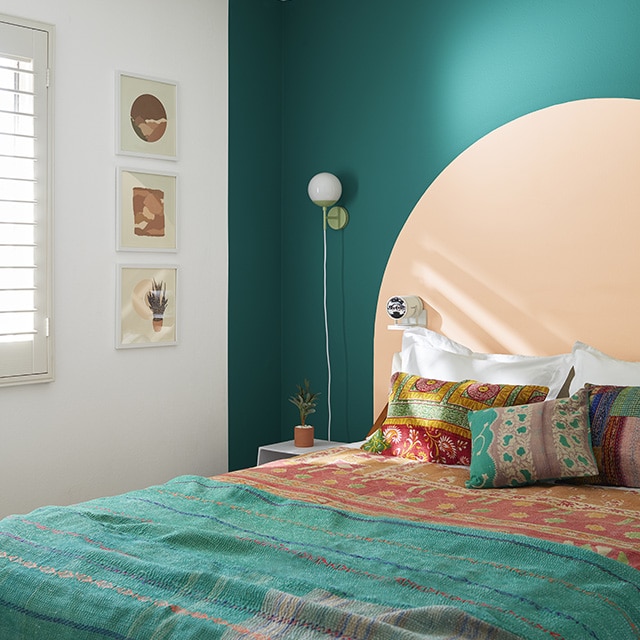
- Behind the Bed: The most common and effective placement, creating a dramatic backdrop for your headboard and bedding.
Color Ideas: Soft, muted tones are often best for sleep – dusty blues, sage greens, warm grays (Sherwin Williams’ Agreeable Gray, Benjamin Moore’s Revere Pewter). For a touch of romance or drama, consider deep plums, rich forest greens, or a sophisticated warm black.
Dining Room: Setting the Scene for Gatherings
The dining room is where memories are made over meals. An accent wall can enhance the dining experience, making it feel more formal, intimate, or vibrant.
- Longest Wall: Can make the room feel more expansive and impactful.
- Wall with a Sideboard/Buffet: Highlights a key piece of furniture.
Color Ideas: Rich jewel tones (emerald, sapphire), deep reds (Behr’s Red Pepper for an inviting feel), or elegant charcoals. If you prefer brightness, a vibrant coral or a striking botanical wallpaper can also be stunning.
Kitchen: Adding Zest & Personality
Kitchens are often dominated by cabinetry and appliances. An accent wall can provide a much-needed splash of color and personality.
- Breakfast Nook Wall: Defines a casual eating area.
- Wall Without Cabinetry: A perfect opportunity for color without disruption.
Color Ideas: Fresh blues, lively greens (mint, lime), or even a bold yellow for energy. Consider a deep, earthy green or blue to ground a white kitchen, or a cheerful coral to complement natural wood tones.
Home Office: Boosting Focus & Creativity
Your home office needs to inspire productivity and focus. An accent wall can help create the right atmosphere.
- Behind Your Desk: Creates a professional backdrop for video calls and grounds your workspace.
Color Ideas: Calming blues (Benjamin Moore’s Van Deusen Blue), focused greens, or sophisticated grays. If you need a creative boost, a vibrant but not overwhelming orange or yellow can work in a smaller dose.
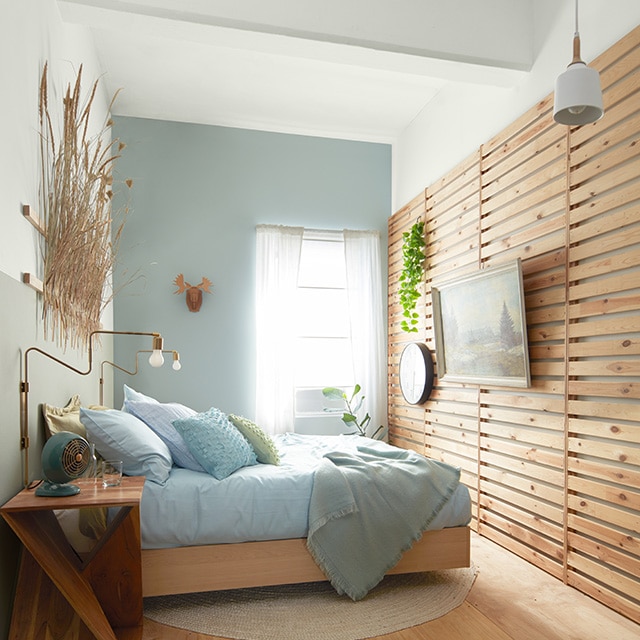
Kids’ Rooms: Infusing Fun & Imagination
Kids’ rooms are perfect for playful and imaginative accent walls. Let their personality shine!
- Any Wall: Often, the wall behind the bed or a play area.
Color Ideas: Bright pastels, primary colors, or even whimsical patterns. Think soft blues, sunny yellows, cheerful pinks, or a cool mint green. Consider geometric patterns or stenciling for added fun.
Top Paint Brand Picks: Specific Colors We Love for Accent Walls
Sometimes you just want concrete recommendations. Here are some tried-and-true accent wall colors from popular brands that consistently deliver stunning results.
| Color Name | Brand | Color Family | Ideal Mood | Best Paired With |
|---|---|---|---|---|
| Hale Navy HC-154 | Benjamin Moore | Deep Blue | Sophisticated, Grounding, Classic | Crisp whites, light grays, warm wood tones, brass accents |
| Iron Ore SW 7069 | Sherwin Williams | Deep Charcoal/Black | Dramatic, Modern, Elegant, Cozy | Warm off-whites, light creams, natural textures, green plants |
| Evergreen Fog SW 9130 | Sherwin Williams | Muted Sage Green | Calming, Organic, Refreshing, Earthy | Light wood, whites, creams, soft grays, natural materials |
| Peppercorn SW 7674 | Sherwin Williams | Dark Gray | Elegant, Bold, Contemporary, Grounding | Cool whites, silvers, vivid pops of color (e.g., yellow, teal) |
| Van Deusen Blue HC-156 | Benjamin Moore | Rich Blue (with gray undertones) | Classic, Inviting, Sophisticated, Serene | Off-whites, warm creams, bronze, light grays |
| Red Pepper PPU2-02 | Behr | Smoky Red | Energetic, Engaging, Warm, Inviting | Deep tans, creams, dark wood tones, gold accents |
| Dovetail SW 7018 | Sherwin Williams | Warm Gray/Greige | Understated, Modern, Versatile, Welcoming | Cool whites, natural wood, black accents, muted colors |
| Tarrytown Green HC-134 | Benjamin Moore | Deep Forest Green | Luxurious, Earthy, Timeless, Bold | Golds, browns, creamy whites, rich leathers |
Beyond Paint: Creative Accent Wall Ideas (Texture & Pattern)
While paint is the most common approach, don’t limit your accent wall possibilities. Sometimes the ‘best’ accent isn’t just a solid color, but a play on texture or pattern.
Wallpaper & Murals
For instant impact, intricate patterns, or stunning scenic views, wallpaper and murals are fantastic options. From subtle geometrics to bold florals or abstract art, they offer a level of detail paint alone cannot.
Wood Paneling & Board and Batten
Adding architectural interest with wood elements creates a tactile and visually rich accent. Shiplap, board and batten, or even intricate carved panels can transform a flat wall into a feature, which you can then paint in your chosen accent color or leave as natural wood.
Stencils & Geometric Designs
If you’re feeling creative and want a custom look, stencils can add subtle or bold patterns. Geometric paint designs, using painter’s tape to create shapes and color blocks, are also incredibly popular for modern and playful spaces.
Essential Pro Tips for Painting Your Accent Wall Flawlessly
You’ve done the hard work of choosing. Now, let’s make sure the execution is perfect.
Testing, Testing, 1, 2, 3: Large Samples Are Non-Negotiable
I cannot stress this enough: DO NOT choose a color from a tiny swatch. Buy sample pots and paint large swatches (at least 2×2 feet) directly on your accent wall. Observe them at different times of day and night, with varying natural and artificial light. See how they interact with your furniture and flooring. This single step will save you from costly repainting regrets.
:strip_icc()/HomebyPolly-1fa3ff02b9ef43aaaa5a92971d86e156.jpg "12 Best Accent Wall Colors")
Prep Work Pays Off: Clean, Prime, Tape
A flawless finish starts with thorough prep. Clean your wall to remove dust and grime. If you’re painting over a dark color with a lighter one, or if the wall is uneven, a good primer is essential for true color and better adhesion. Use high-quality painter’s tape to create crisp, clean lines around edges, baseboards, and ceilings.
Consider Your Sheen: Matte, Eggshell, Satin, Semi-Gloss
The paint sheen (or finish) significantly impacts how a color looks and performs:
- Matte/Flat: Hides imperfections well, creates a soft, sophisticated look. Less durable, harder to clean.
- Eggshell: A popular choice for walls. Slightly more durable than flat, with a subtle sheen. Easy to clean.
- Satin: More reflective, very durable, and easy to clean. Great for high-traffic areas.
- Semi-Gloss: Highly durable and shiny, often used for trim, doors, and cabinets. Can highlight wall imperfections.
For accent walls, eggshell or matte are often preferred for their rich, deep appearance, especially with darker colors. If you want a subtle sheen or need more durability, satin is a good compromise.
The Power of the Right Tools
Don’t skimp on brushes and rollers. High-quality tools make a huge difference in application and finish. A good angled brush for cutting in, and a roller with the appropriate nap for your wall texture, will ensure an even, professional-looking coat.
You’re now armed with the knowledge and strategy to choose the best paint color for your accent wall. Go forth, experiment with samples, and create a space that truly feels like YOU. Happy painting!
Frequently Asked Questions
What’s the best wall to choose for an accent wall?
The best wall for an accent is typically the one that naturally draws the eye or serves as a focal point. This is often the wall behind the main furniture piece (like a bed or sofa), a wall with architectural interest (like a fireplace), or the first wall you see when entering the room. Avoid walls with too many windows or doors, as these can visually chop up the accent color.
Should an accent wall be darker or lighter than the other walls?
An accent wall typically works best when it’s a few shades darker or significantly bolder than the surrounding walls to create contrast and visual interest. However, a lighter, vibrant pastel or even a warm off-white can also work as an accent in a room dominated by deeper neutrals, offering a refreshing pop without being dark. The key is contrast and intention.
How do I make sure my accent wall doesn’t clash with my furniture?
To prevent clashing, consider the undertones of your existing furniture and decor. If your furniture has warm undertones (yellow, red, orange), choose an accent color with complementary warm undertones, or a cool color that provides a pleasing contrast (like a deep blue against warm wood). Always test large paint samples on the wall next to your furniture to see how they interact in your specific lighting conditions.
Can I have an accent wall in a small room?
Absolutely! An accent wall can actually enhance a small room. Painting the shortest wall a darker, receding color can make the room appear wider, while painting a longer wall a deep color can add depth. Avoid overly busy patterns or extremely bright, advancing colors that might make the space feel even smaller. Dark, moody colors can create a surprisingly cozy and intimate feel in a small room.
Are black accent walls a good idea?
Yes, black accent walls are a fantastic idea for creating drama, sophistication, and a modern edge. They provide a striking contrast and make other elements, like artwork or lighter furniture, pop. To succeed with a black accent wall, ensure the room has adequate natural light, balance it with lighter surrounding walls and decor, and consider a matte or eggshell finish for a softer, more luxurious look.
How many accent walls can a room have?
Generally, one accent wall per room is ideal to maintain its ‘accent’ status and prevent the space from feeling overwhelmed or disjointed. In very large, open-concept spaces, you might strategically use a second accent wall to define a distinct zone (e.g., a dining nook within a large living area), but this requires careful planning to ensure cohesion.
What paint finish is best for an accent wall?
For most accent walls, a matte or eggshell finish is highly recommended. These lower-sheen options absorb light, which allows the depth and richness of the color to truly shine, giving a sophisticated and luxurious feel. They also tend to hide minor wall imperfections better. Satin can be a good choice for durability in high-traffic areas, but it will have a slightly more reflective sheen.