The Definitive Guide to the Best Accent Wall Colors For Your Bedroom
Ever walked into your bedroom and felt… underwhelmed? Like it’s missing that one special touch that truly makes it *yours*? You’re not alone. For many of us, the bedroom is more than just a place to sleep; it’s a personal sanctuary, a quiet retreat from the world. And if it’s not inspiring that feeling of calm, comfort, or personality you crave, it’s time for a change.
Enter the accent wall: a powerful, yet often misunderstood, design tool. A well-chosen accent wall color can transform a bland bedroom into a designer haven, making it feel larger, cozier, or infinitely more stylish. But with a rainbow of options, how do you pick the absolute best accent wall colors for a bedroom that perfectly reflects your taste and creates the ideal atmosphere?
Forget the guesswork. I’m here to guide you through the psychology of color, the practicalities of design, and the most stunning shades that will elevate your sleep space from basic to breathtaking. Let’s make your bedroom the sanctuary you deserve.
Why an Accent Wall is Your Bedroom’s Secret Weapon
Think of an accent wall as the focal point of your bedroom, the star of the show. It’s not just about slapping a different color on one wall; it’s about intentional design. Here’s why it’s such a game-changer:
- Instant Visual Interest: It breaks up monotony, adding depth and dimension to an otherwise plain room.
- Creates a Focal Point: It draws the eye, highlighting a specific area like your bed or a piece of art.
- Defines the Space: In open-concept living or even just a large bedroom, an accent wall can define a sleeping zone.
- Expresses Personality: It’s a low-commitment way to infuse bold color or texture without overwhelming the entire room.
- Influences Mood: Color psychology plays a huge role here, helping you create a calming, romantic, or energizing atmosphere.
Choosing Your Perfect Bedroom Accent Wall: The Foundation
Before you even think about specific colors, let’s lay some groundwork. The success of your accent wall isn’t just the color; it’s also where you put it and how it interacts with the rest of the room.
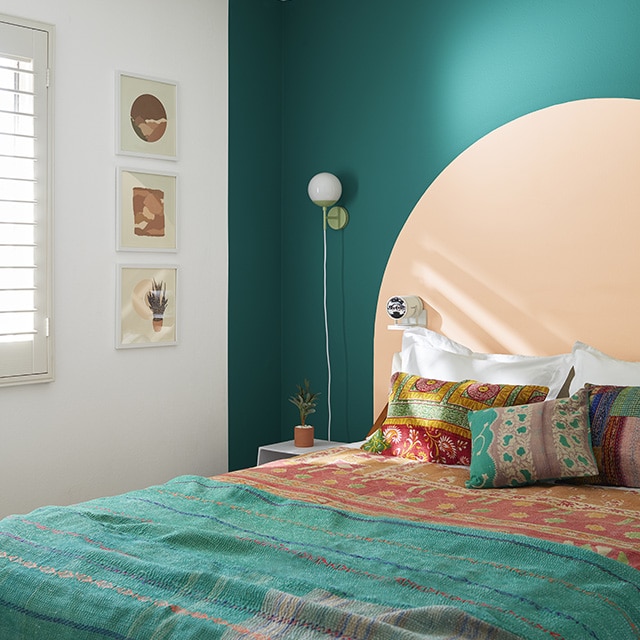
Which Wall Should Be Your Star? (Practical Considerations)
This is crucial. The ‘best’ wall is almost always the one that naturally draws the eye or anchors the room. Here are the top contenders:
- The Headboard Wall: This is the most popular choice for a reason. It immediately frames your bed, making it the undeniable focal point and creating a sense of grandeur.
- The Wall Opposite the Entrance: If your bed is on a side wall, the wall you see immediately upon entering can be a powerful statement.
- A Wall with Architectural Features: Does your room have a fireplace, a built-in bookshelf, or unique trim? An accent color can highlight these features beautifully.
- Avoid Walls with Too Many Windows or Doors: These breaks interrupt the visual flow of the accent color, diminishing its impact.
Beyond Color: Considering Light, Room Size, and Existing Decor
Think of your bedroom as a symphony; every element needs to play in harmony.
- Natural Light:
- North-facing rooms: Tend to have cooler, dimmer light. Warm accent colors (e.g., earthy greens, muted terracotta) can bring warmth.
- South-facing rooms: Receive bright, warm light. You can go bolder with cool tones (e.g., deep blues, teals) or embrace the warmth with rich, saturated colors.
- East-facing rooms: Get morning light. Cooler colors can be refreshing.
- West-facing rooms: Get afternoon and evening light. Warm colors will glow beautifully.
- Room Size:
- Small bedrooms: Lighter, cooler tones (e.g., soft blues, sage greens, warm grays) on the accent wall can make the room feel more expansive. If you want drama, a deep, rich color can create a cozy, jewel-box effect, but ensure the other walls are very light to balance it.
- Large bedrooms: You have more freedom! Deeper, more saturated colors or even bolder patterns work wonderfully without making the room feel claustrophobic.
- Existing Decor: Your furniture, bedding, flooring, and existing wall colors should inform your accent choice. Are they warm or cool? Modern or traditional? Your accent wall should complement, not clash.
The Psychology of Sleep & Style: Best Accent Wall Colors for Every Bedroom Mood
Color is more than just aesthetics; it’s emotion. Especially in the bedroom, where relaxation is paramount, choosing the right hue is critical. Let’s dive into colors that work for bedrooms, focusing on creating sanctuaries of style and serenity.
The Tranquil & Timeless Tones: For Serenity Seekers
These colors are universally lauded for their calming properties, making them ideal for a restful sleep environment.
Deep Blues (Navy, Teal, Dusty Blue):
:strip_icc()/BEHR_23.04_COTY_BEDROOM_KM_004_CrackedPepper_WeatheredWhite-f83b17e33ae240cb8224c63d7f3b5d3b.jpg "10 Accent Wall Colors that Pop With a Coat of Paint")
- Mood: Calming, serene, sophisticated, reliable. Blue is often associated with the sky and sea, promoting a sense of peace and stability.
- Why it works for bedrooms: It’s profoundly relaxing and can lower heart rate and blood pressure. A deep navy accent wall creates a sophisticated, cocoon-like feel, while a dusty blue is airy and soft.
- Pairs well with: Crisp whites, warm grays, natural wood tones, gold accents.
Soft Greens (Sage, Olive, Forest):
- Mood: Restorative, natural, balanced, refreshing. Green connects us to nature, promoting harmony and renewal.
- Why it works for bedrooms: It’s incredibly soothing and creates a sense of well-being. A sage green accent wall is perfect for a spa-like retreat, while deep forest green feels luxurious and grounding.
- Pairs well with: Cream, warm grays, light woods, terracotta, black accents.
Warm Grays & Greige:
- Mood: Elegant, sophisticated, versatile, subtle. These are neutrals that offer more depth than pure white.
- Why it works for bedrooms: They provide a sophisticated backdrop without overwhelming the senses. A warm gray accent wall allows other elements (bedding, art) to shine, while greige adds a subtle warmth.
- Pairs well with: Almost anything! Especially jewel tones, pastels, whites, and natural textures.
Muted Purples (Lavender, Plum):
- Mood: Romantic, luxurious, spiritual, calming. Purple combines the stability of blue with the energy of red.
- Why it works for bedrooms: Muted shades like lavender accent walls are incredibly relaxing and create a dreamy, feminine vibe. Deeper plum tones add drama and richness without being overly stimulating.
- Pairs well with: Silvery grays, creams, white, deep greens, metallics.
The Cozy & Inviting Hues: For Warmth & Comfort
These colors infuse your bedroom with a comforting embrace, perfect for those who crave a warm and inviting atmosphere.
Terracotta & Earthy Browns:
:strip_icc()/dazeydenandwww.dazeyden.com-a766d5000d7b43a089ee6fa2b8a19a6c.jpg "12 Best Accent Wall Colors")
- Mood: Grounding, rustic, warm, comforting. These colors bring the raw beauty of the earth indoors.
- Why it works for bedrooms: An earthy terracotta accent wall provides a sense of warmth and rootedness, perfect for a cozy, bohemian, or Mediterranean-inspired space. Deep chocolate browns are enveloping and luxurious.
- Pairs well with: Cream, sage green, natural linen, burnt orange, black.
Deep Reds (Burgundy, Rust):
- Mood: Passionate, rich, sensual, energetic. While often seen as too stimulating for bedrooms, deeper, muted reds can be surprisingly sophisticated.
- Why it works for bedrooms: Use with caution! A deep burgundy accent wall can create a luxurious, intimate, and warm cocoon, but it’s best reserved for large rooms or paired with very neutral bedding to prevent overstimulation. Rust offers a softer, more modern take.
- Pairs well with: Cream, dark wood, gold, deep green, charcoal gray.
Warm Whites/Off-Whites:
- Mood: Clean, airy, peaceful, timeless. Not every accent needs to be bold.
- Why it works for bedrooms: A warm white accent wall can add subtle dimension and brightness, especially if your other walls are a darker neutral. It’s perfect for creating a serene, minimalist, or Scandinavian aesthetic.
- Pairs well with: Light woods, soft grays, linen, pastel colors.
The Bold & Energetic Statements: For Modern Flair (Use with Caution in Bedrooms)
While some colors are generally advised against for bedrooms due to their stimulating nature, selective use of bold hues can create striking, modern spaces. The key is balance.
Charcoal/Black:
- Mood: Dramatic, sophisticated, modern, protective.
- Why it works for bedrooms: A charcoal or black accent wall can be incredibly chic and create a sense of deep calm, much like a dark night sky. It adds depth and can make light elements (like white bedding or metallic lamps) pop. Best in well-lit rooms.
- Pairs well with: White, light wood, emerald green, gold, blush pink.
Emerald Green:
:max_bytes(150000):strip_icc()/SPR-bedroom-accent-wall-ideas-7099564-6d9b6deeb2bd466cbb965459bf99ad5c.jpg "25 Bedroom Accent Wall Ideas to Try at Home")
- Mood: Luxurious, vibrant, refreshing, prosperous.
- Why it works for bedrooms: A rich emerald green accent wall makes a bold, opulent statement. It brings an undeniable touch of nature-inspired luxury and depth, evoking a sense of calm glamour.
- Pairs well with: Gold, cream, black, navy, dark wood.
Deep Teal:
- Mood: Sophisticated, creative, calming with a hint of energy. Teal blends the tranquility of blue with the renewal of green.
- Why it works for bedrooms: A deep teal accent wall offers a rich, jewel-toned depth that is both soothing and captivating. It’s a versatile color that feels both modern and timeless.
- Pairs well with: Coral, gold, black, warm white, light wood.
Accent Wall Color Quick Guide: Mood, Match, and Masterpiece
To help you visualize and choose, here’s a comprehensive table summarizing the top bedroom accent wall colors, their psychological impact, and best applications.
| Color Family | Mood Evoked | Best Complementary Colors | Ideal Bedroom Style | HEX/RGB Example | Key Considerations |
|---|---|---|---|---|---|
| Navy Blue | Calm, Sophisticated, Restful | White, Gray, Gold, Coral, Light Wood | Coastal, Modern, Traditional, Glam | / (0,0,128) | Excellent for creating a cozy, enveloping feel. Works in most light conditions. |
| Sage Green | Peaceful, Natural, Restorative | Cream, Warm White, Terracotta, Light Wood, Blush | Bohemian, Scandinavian, Farmhouse, Organic Modern | / (157,193,131) | Very soothing, promotes relaxation. Great for smaller rooms as it feels expansive. |
| Charcoal Gray | Dramatic, Modern, Grounding | White, Bright Yellow, Blush Pink, Emerald Green, Metallics | Industrial, Minimalist, Modern Luxury | / (54,69,79) | Best in well-lit rooms. Creates a sophisticated, cocoon-like ambiance. |
| Dusty Rose/Blush | Soft, Romantic, Calming | Warm Gray, Gold, Sage Green, Cream, Dark Wood | Feminine, Romantic, Boho-Chic, Modern | / (220,174,150) | Adds warmth and softness without being overly sweet. Very versatile. |
| Terracotta | Warm, Earthy, Grounding, Bohemian | Cream, Olive Green, Black, Natural Linen, Mustard | Bohemian, Mediterranean, Southwestern, Rustic | / (204,126,96) | Creates a cozy, welcoming atmosphere. Works well with natural textures. |
| Deep Teal | Luxurious, Creative, Sophisticated | Gold, Copper, Mustard Yellow, Cream, Navy | Eclectic, Art Deco, Modern Glam | / (0,79,98) | Offers both calming blue and refreshing green properties. Rich and jewel-toned. |
| Greige | Understated, Versatile, Modern Neutral | White, Blush, Navy, Soft Green, Wood Tones | Minimalist, Transitional, Contemporary, Farmhouse | / (136,132,124) | Offers more warmth than gray, more sophistication than beige. Flexible. |
Don’t Just Paint: Elevate Your Accent Wall with Finish & Texture
The color is just one piece of the puzzle. The finish and even texture you choose can dramatically alter the impact of your bedroom accent wall.
Choosing the Right Paint Sheen (Matte, Eggshell, Satin)
- Matte/Flat: This finish absorbs light, giving colors a rich, velvety depth. It hides imperfections well and is excellent for creating a sophisticated, non-reflective look, ideal for bedrooms. However, it’s less durable and harder to clean.
- Eggshell: My personal favorite for bedrooms. It has a slight sheen, making it more durable and washable than matte, but still soft enough to maintain a calming atmosphere. It’s a great balance.
- Satin: Offers a more noticeable sheen, reflecting more light. While very durable and easy to clean, it can sometimes be too reflective for a truly serene bedroom accent wall, though it works well for bold, dramatic colors that you want to pop.
Beyond Paint: Wallpaper, Wood Paneling, and Other Textural Elements
If you’re feeling adventurous, an accent wall doesn’t have to be just paint:
- Textured Wallpaper: Think grasscloth, subtle geometrics, or even murals for a truly unique statement.
- Wood Paneling: Shiplap, board and batten, or even reclaimed wood can add incredible warmth, character, and texture.
- Fabric Panels: Upholstered panels can create a luxurious, soft accent wall, especially behind the bed.
Common Accent Wall Mistakes to Avoid
Even the best intentions can go awry. Steer clear of these pitfalls to ensure your bedroom accent wall is a success:
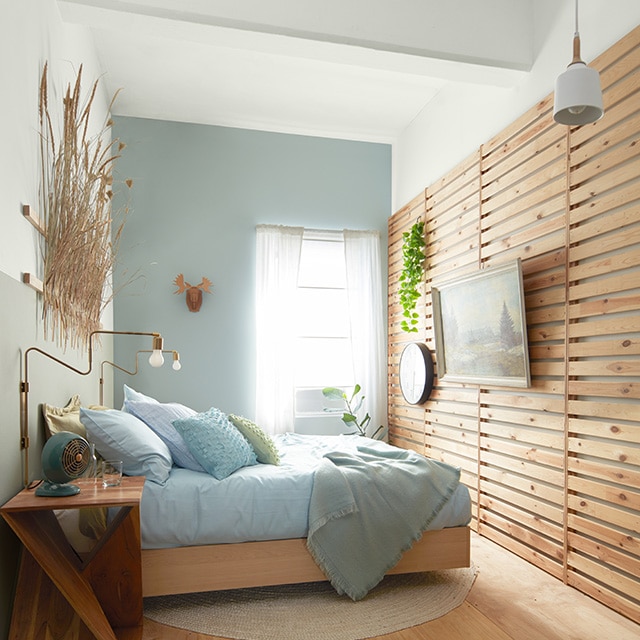
- Picking the Wrong Wall: As discussed, not every wall is a good candidate. Avoid walls with too many doors or windows that break up the color.
- Too Many Accent Walls: One is usually enough. More than one can make the room feel disjointed or busy, losing the ‘accent’ effect.
- Ignoring Existing Decor: Your accent wall should complement, not fight with, your furniture, bedding, and artwork.
- Overlooking Lighting: A color chosen in a bright store can look drastically different in your bedroom’s unique lighting conditions. Always, always, always test swatches.
- Choosing Too Stimulating a Color: Bright reds, oranges, or neon colors are generally too energetic for a space meant for rest. Stick to muted, deeper, or more soothing versions of these if you must.
Your Bedroom, Your Sanctuary: Final Tips for a Stunning Accent Wall
Creating an incredible accent wall in your bedroom is an exciting journey of transformation. Here are my final words of wisdom to ensure you love the result:
- Swatch, Swatch, Swatch: Buy sample pots and paint large swatches on your chosen accent wall. Live with them for a few days, observing how they look in different light (morning, afternoon, evening, with lights on). This is the single most important step.
- Consider the Fifth Wall: While typically not an accent wall, remember how your ceiling color interacts with your chosen accent. A crisp white or a very subtle tint can provide a clean transition.
- Harmony is Key: Your accent wall should feel like an integrated part of your bedroom’s design, not an afterthought. Pull colors from your bedding, artwork, or throw pillows into the accent wall, or vice-versa.
- Have Fun: This is your space! An accent wall is a relatively easy way to make a big impact. Don’t be afraid to try something that genuinely speaks to you.
With these insights and strategies, you’re now equipped to choose the perfect accent wall color that will turn your bedroom into the beautiful, calming, and personal sanctuary you’ve been dreaming of. Happy painting!
Frequently Asked Questions
What is the most popular color for a bedroom accent wall?
While trends evolve, deep blues (like navy or dusty blue) and soft greens (like sage or olive) consistently rank as the most popular choices for bedroom accent walls. They are known for their calming, serene, and restorative qualities, making them ideal for a sleep environment.
Which wall should be the accent wall in a bedroom?
Typically, the best wall for an accent color is the one that naturally draws the eye or anchors the room. This is most often the wall behind the headboard, as it immediately frames the bed and makes it the focal point. Other good options include the wall opposite the entrance or a wall with a prominent architectural feature.
Can I use a dark color for a small bedroom accent wall?
Yes, you can! While light colors generally make a small room feel larger, a deep, saturated color on an accent wall can create a dramatic, cozy, and luxurious ‘jewel box’ effect in a small bedroom. To balance it, ensure the other three walls are a very light, complementary neutral.
How do I choose an accent wall color that matches my existing decor?
Look for colors already present in your room in smaller doses – perhaps in your bedding, artwork, throw pillows, or even a rug. Your accent wall color should complement the undertones (warm or cool) of your furniture and flooring. Always test large swatches on the wall and observe them in different lighting conditions with your existing decor.
What paint finish is best for a bedroom accent wall?
For bedrooms, a matte or eggshell finish is generally recommended. Matte absorbs light, providing a rich, velvety depth and hiding imperfections well. Eggshell offers a slight sheen, making it more durable and washable while still maintaining a soft, calming aesthetic. Avoid high-gloss finishes, which can be too reflective and stimulating for a restful space.
Are there any colors I should avoid for a bedroom accent wall?
While personal preference plays a role, highly stimulating and vibrant colors like bright reds, oranges, or neon shades are generally advised against for bedrooms. These colors can increase heart rate and alertness, making it harder to relax and fall asleep. If you love these hues, opt for muted, deeper, or more subdued versions, or use them sparingly in decor.
Does an accent wall make a room look bigger or smaller?
It depends on the color and how it’s used. Lighter, cooler accent colors can make a room feel more expansive. However, a deep, rich accent color can create depth and draw the eye, making the room feel more intentional and sometimes even cozier, which can be desirable for a bedroom. The key is balance with the surrounding wall colors.