The Definitive Guide to Choosing the Best White Paint Color for Your Bedroom Furniture
Your bedroom should be a sanctuary, a place of peace and rest. But if your furniture is looking a little tired, drab, or just plain *dark*, it can disrupt that calm. What if I told you there’s a secret weapon to instantly brighten your space, make it feel larger, and infuse it with timeless elegance? That weapon, my friend, is white paint.
Painting your bedroom furniture white isn’t just a trend; it’s a transformative design choice. But here’s the kicker: not all whites are created equal. Choose the wrong one, and your beautiful dresser could end up looking sterile, dingy, or just… off. That’s why I’m here. This definitive guide will cut through the confusion, helping you pick the absolute best white paint color for your bedroom furniture, transforming your space into the serene haven you deserve.
Why White? The Undeniable Appeal of White Bedroom Furniture
Before we dive into specific shades, let’s talk about why white is such a powerhouse choice for bedroom furniture. It’s more than just a color; it’s a design strategy.
Instant Brightness & Expansion
This is probably the most obvious benefit, but it’s worth highlighting. White has an incredible ability to reflect light, making any piece of furniture, and by extension, any room, feel brighter and more open. If you have a small bedroom or one that doesn’t get a lot of natural light, white furniture acts like a visual expansion, pushing the walls out and illuminating corners.
Unmatched Versatility & Timeless Style
White is the ultimate chameleon. Whether your style leans farmhouse, Scandinavian, coastal, traditional, or ultra-modern, white furniture fits right in. It provides a clean canvas that allows other elements – your bedding, artwork, rugs, and wall colors – to truly shine. Plus, white never goes out of style. You can change your decor around it for years without needing to repaint your furniture, making it a future-proof investment.
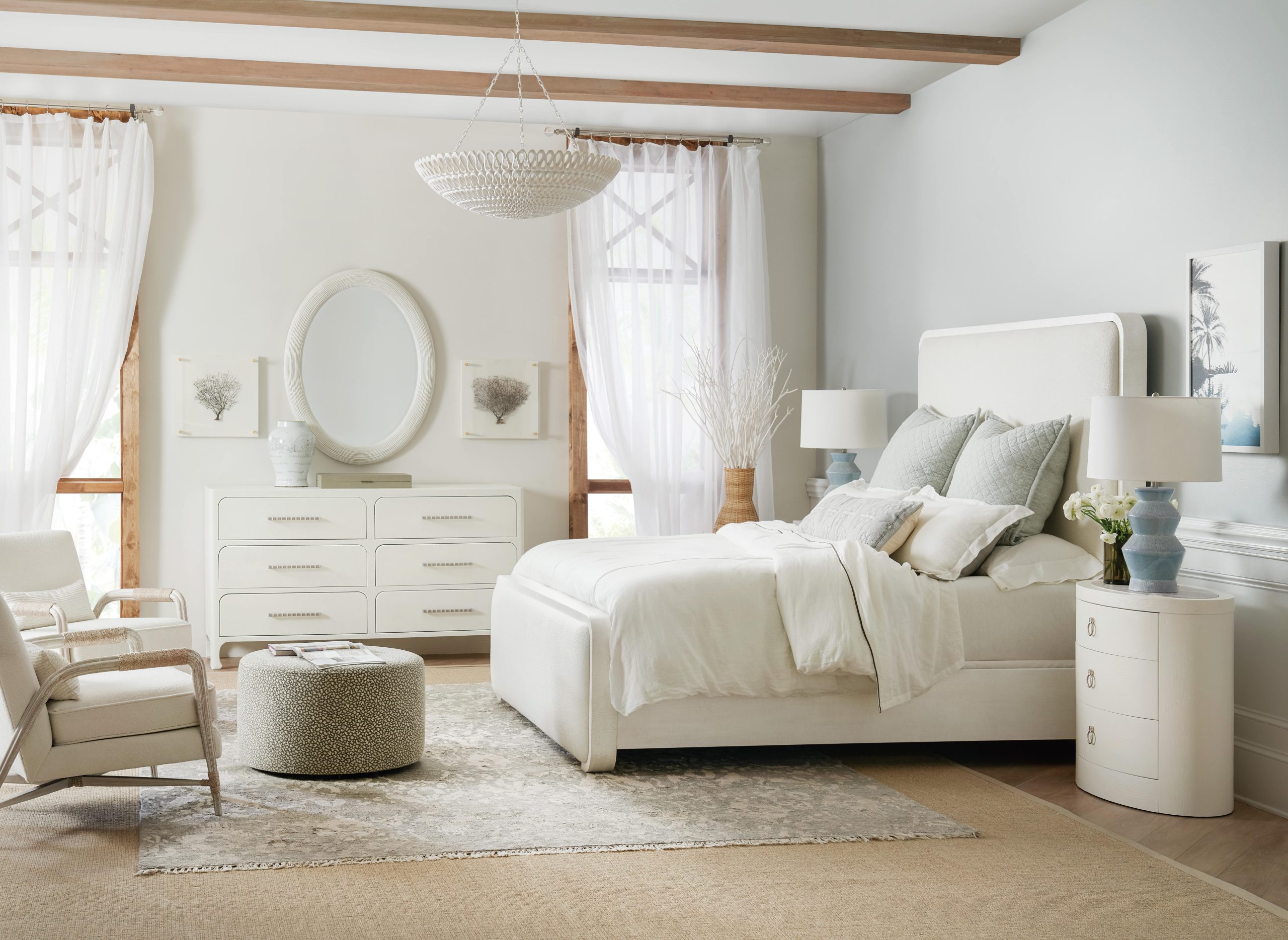
Creating a Serene & Calming Sanctuary
The bedroom is for rest, and white inherently promotes a sense of calm and cleanliness. White furniture contributes to a tranquil atmosphere, reducing visual clutter and fostering a peaceful environment conducive to sleep and relaxation. It’s like a fresh breath for your room.
Understanding White: It’s Not Just One Color
Here’s where many people stumble. The biggest mistake you can make is thinking “white is white.” Oh, how wrong that is! White paints are complex, each carrying subtle undertones that drastically change their appearance under different lighting conditions and next to other colors.
The two main characteristics to understand are:
- Undertones: These are the subtle hues that peek through the white. They can be warm (yellow, red, beige), cool (blue, gray, green), or truly neutral. An icy blue undertone might look stark in a north-facing room, while a creamy yellow undertone could make your furniture look dingy next to bright white trim.
- LRV (Light Reflectance Value): This is a numerical scale (0 to 100) that indicates how much light a color reflects. 0 is absolute black, 100 is pure white. Higher LRV means more light reflection, making a color feel brighter. For bedroom furniture, you generally want a higher LRV (above 80) to maximize that brightening effect.
The Best White Paint Colors for Bedroom Furniture: Our Top Picks & Expert Insights
Based on extensive testing, designer recommendations, and popularity for furniture applications, here are my top white paint color recommendations. I’ve included their LRV, primary undertones, and specific reasons why they excel for bedroom furniture. Remember, these are jumping-off points – always test!
| Paint Color | Brand | LRV | Primary Undertone | Best For Bedroom Furniture (Why) | Designer Note |
|---|---|---|---|---|---|
| White Dove OC-17 | Benjamin Moore | 85.38 | Soft Gray/Greige | Creates an inviting, warm, and creamy look without being too yellow. Perfect for traditional, farmhouse, or shabby chic styles. Extremely versatile. | “A true ‘greige’ white, it provides warmth and depth without reading as stark or cold. It’s often the safest bet for a cozy bedroom feel.” |
| Alabaster SW 7008 | Sherwin Williams | 82 | Creamy Beige/Yellow | A gorgeously soft, warm white that feels incredibly comforting. Ideal for bedrooms aiming for a tranquil, relaxed, or bohemian vibe. Never feels stark. | “Alabaster is beautifully livable. It holds its own without needing a lot of natural light and avoids that ‘hospital white’ feel completely.” |
| Simply White OC-117 | Benjamin Moore | 89.52 | Hint of Yellow/Green | A clean, bright white that still carries a touch of warmth. Fantastic for a fresh, contemporary, or minimalist bedroom. Highly reflective, makes rooms feel larger. | “It’s almost a perfect balance. Bright enough to feel crisp, but just enough warmth to keep it inviting. A designer favorite for a reason.” |
| Pure White SW 7005 | Sherwin Williams | 84 | True Neutral/Slight Gray | A very true, balanced white that leans neither overtly warm nor cool. A safe and popular choice for a crisp, clean look without being sterile. Works well with most existing decor. | “If you’re worried about yellows or blues, Pure White is your hero. It’s an honest, dependable white that will perform consistently.” |
| Chantilly Lace OC-65 | Benjamin Moore | 92.2 | Clean/Cool Gray | The crispest, cleanest white on this list. For bedrooms seeking a gallery-like, ultra-modern, or truly minimalist aesthetic. Pairs beautifully with cool tones. | “This is my go-to when a client wants the brightest, freshest white possible. It has virtually no discernible undertone unless placed next to another stark white.” |
| Wimborne White No. 239 | Farrow & Ball | 89 (Approx.) | Subtle Yellow/Cream | A very soft, elegant white with a hint of warmth that prevents it from feeling cold. Creates a classic, sophisticated, and slightly historic feel. Perfect for antique pieces. | “Farrow & Ball whites have an incredible depth. Wimborne White is sophisticated; it breathes life into older pieces, giving them a gentle, timeless elegance.” |
Benjamin Moore White Dove OC-17
Ah, White Dove. It’s a favorite for a reason. This is a wonderfully soft, warm white that manages to feel incredibly inviting without ever veering into yellow or dingy territory. It has a slight grey or ‘greige’ undertone that gives it depth and prevents it from feeling stark. For bedroom furniture, this means you get brightness and freshness, but with a comforting, lived-in quality.
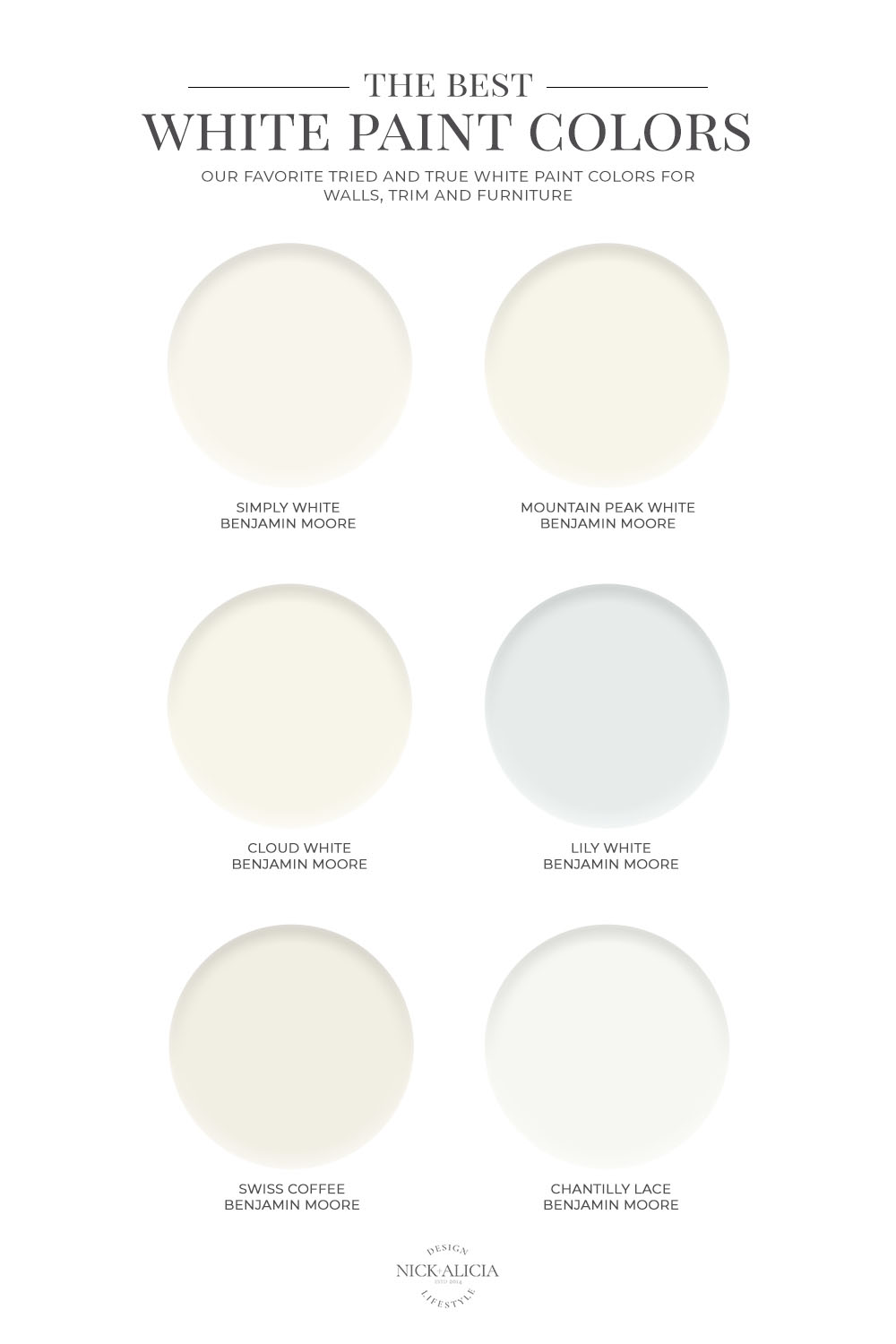
- LRV: 85.38
- Undertones: Soft Gray/Greige
- Best For: Traditional, farmhouse, coastal, or shabby chic bedrooms. It pairs beautifully with both warm and cool wall colors. Think dressers, nightstands, headboards that you want to feel substantial yet gentle.
Sherwin Williams Alabaster SW 7008
Named their Color of the Year in 2016, Alabaster remains a perennial favorite. It’s a beautifully creamy, off-white that brings immense warmth and coziness to any space. Its subtle beige-yellow undertone makes it feel incredibly natural and organic. If your goal is to create a truly tranquil and relaxed bedroom that feels like a soft hug, Alabaster is your answer.
- LRV: 82
- Undertones: Creamy Beige/Yellow
- Best For: Boho, rustic, Mediterranean, or incredibly cozy traditional bedrooms. It’s fantastic in rooms with natural wood elements or warmer wall tones. It’s forgiving and never feels cold.
Benjamin Moore Simply White OC-117
Another Benjamin Moore superstar, Simply White was their Color of the Year in 2016. Don’t confuse it with Alabaster’s deeper creaminess. Simply White is a brighter, cleaner white, but it still carries a subtle yellow undertone that prevents it from feeling stark or cold. It’s incredibly luminous and makes furniture pop with a fresh, airy feel.
- LRV: 89.52
- Undertones: Hint of Yellow/Green
- Best For: Modern, contemporary, or even transitional bedrooms where you want a clean, bright look without sacrificing warmth. It’s excellent for making a room feel expansive and airy.
Sherwin Williams Pure White SW 7005
If you’re looking for a reliably neutral white that isn’t too warm and isn’t too cool, Pure White is an excellent choice. It has the slightest touch of gray that keeps it from veering yellow, but it’s not so strong that it looks stark. It’s incredibly versatile and pairs well with almost any existing color palette in your bedroom.
- LRV: 84
- Undertones: True Neutral/Slight Gray
- Best For: Any bedroom where you want a crisp, clean foundation that won’t compete with other decor elements. It’s a safe, no-fuss white that provides a reliably fresh backdrop. Great for a classic look.
Benjamin Moore Chantilly Lace OC-65
Considered one of the purest, brightest whites available, Chantilly Lace has minimal discernible undertones, though some designers detect a tiny hint of gray or cool blue. It’s incredibly crisp and clean, making it perfect for achieving that ultra-modern, gallery-like aesthetic. If you want your furniture to be dazzlingly white and create strong contrast, this is your pick.
- LRV: 92.2
- Undertones: Clean/Cool Gray
- Best For: Ultra-modern, minimalist, Scandinavian, or very clean contemporary bedrooms. Ideal for highlighting sleek lines and pairing with cooler color palettes or bold accent colors.
Farrow & Ball Wimborne White No. 239
For those who appreciate the depth and heritage of traditional paints, Farrow & Ball offers truly exquisite whites. Wimborne White is a beautifully soft white with a subtle, warm yellow undertone that gives it a wonderfully traditional and elegant feel. It’s never stark and possesses a unique chalky depth that other brands often struggle to replicate. It brings a gentle sophistication to any piece.
- LRV: Approx. 89
- Undertones: Subtle Yellow/Cream
- Best For: Classic, elegant, sophisticated, or heritage-style bedrooms. Perfect for enhancing antique or vintage furniture pieces, giving them a timeless appeal.
Choosing YOUR Perfect White: Factors to Consider
Your bedroom is unique. What works for one person might not work for another. Here’s how to tailor your white paint choice to your specific space:
Room Lighting (Natural vs. Artificial)
This is perhaps the single most crucial factor. Light dramatically alters how a white paint appears:
- North-Facing Rooms: Tend to have cooler, blue-gray light. Warm whites (Alabaster, White Dove) can counteract this chill, preventing the room from feeling too cold. Cool whites (Chantilly Lace) might appear even icier.
- South-Facing Rooms: Bathed in warm, bright light all day. Most whites will look good here. Cooler whites can help balance the warmth, while warmer whites will feel even cozier.
- East-Facing Rooms: Get warm, bright light in the morning, then cooler light in the afternoon. Consider balanced whites like Simply White or Pure White that can adapt.
- West-Facing Rooms: Receive warm, intense afternoon light. A slightly cooler or neutral white can look stunning as the sun sets, preventing the room from feeling overly yellow or orange.
- Artificial Lighting: Pay attention to your light bulbs! Warm white LEDs can make cool whites appear dingy, while daylight bulbs can make warm whites look too yellow.
Existing Wall Colors & Decor
Your white furniture needs to play nice with its surroundings:
- Cool Walls (Blues, Grays, Greens): A slightly warmer white (White Dove, Simply White) on your furniture can provide a gentle contrast and prevent the room from feeling too cold. A crisp white (Chantilly Lace) will enhance the cool tones.
- Warm Walls (Beiges, Creams, Earth Tones): A neutral or slightly cooler white (Pure White, Chantilly Lace) can provide a refreshing contrast. A very warm white on furniture might blend in too much or look yellow next to a different warm wall color.
- Bold/Dark Walls: White furniture against a dark accent wall creates stunning contrast and brightens the overall feel. Any of our recommended whites will work beautifully here.
- Bedroom Textiles & Rugs: Consider the undertones of your bedding, curtains, and rugs. Does your existing decor lean warm or cool? Choose a white that harmonizes with it.
Your Desired Mood & Style
- Bright & Modern: Chantilly Lace, Simply White
- Soft & Traditional: White Dove, Wimborne White
- Cozy & Relaxed: Alabaster, White Dove
- Clean & Versatile: Pure White, Simply White
The Furniture Itself (Wood Type, Grain)
Are you painting an old heirloom piece or a new, simple dresser? White paint can either hide or highlight imperfections. A pristine white like Chantilly Lace will show every bump, while a softer white like Alabaster can be more forgiving. If you have significant wood grain you want to minimize, multiple coats of a good primer and a slightly thicker paint might be needed.
Beyond Color: The Right Sheen for Bedroom Furniture
The finish (sheen) you choose is just as important as the color. It impacts durability, cleanability, and the overall look.

Satin/Semi-Gloss: The Go-To for Durability and Ease
For bedroom furniture, I almost always recommend a satin or semi-gloss finish. Here’s why:
- Durability: These sheens are much more durable and resistant to chips, scuffs, and dings than flatter finishes. This is crucial for furniture that gets daily use.
- Cleanability: They are incredibly easy to wipe clean, which is a lifesaver for nightstands, dressers, and headboards that can accumulate dust, fingerprints, or spills.
- Appearance: Satin provides a subtle, soft sheen that looks elegant without being overly reflective. Semi-gloss is a bit shinier and very reflective, giving a more contemporary or lacquered look.
Eggshell/Matte: For a Softer, More Primitive Look
While less common for high-traffic furniture, eggshell or matte finishes can be used for a specific aesthetic:
- Appearance: They offer a very soft, velvety, and often primitive look, perfect for a distressed farmhouse or shabby chic style where durability isn’t the absolute top priority.
- Downsides: They are harder to clean, show imperfections more easily, and are less durable. They also don’t reflect as much light, so the brightening effect won’t be as pronounced.
Prepping Your Furniture for a Flawless White Finish
I cannot stress this enough: preparation is 90% of a successful paint job. Especially with white, where every imperfection and stain can show through.
Cleaning & Degreasing
Start by thoroughly cleaning your furniture. Use a good degreaser (like TSP substitute or a mild detergent) to remove all dirt, grime, and oils. Rinse well and let it dry completely.
Sanding (Light Scuff)
A light sanding with 180-220 grit sandpaper is essential. You don’t need to strip to bare wood, but you need to create a “tooth” for the primer and paint to adhere to. Sanding also smooths out minor imperfections. Wipe away all sanding dust with a tack cloth.

Priming (Crucial for White!)
Do NOT skip primer, especially when going white, and especially if you’re painting over dark wood or wood with tannins (like oak or mahogany). Wood tannins can bleed through white paint, causing yellow or pinkish stains over time. I highly recommend a shellac-based primer (like Zinsser B-I-N) or a high-quality stain-blocking oil-based primer. Apply 1-2 thin coats, sanding lightly between coats if needed.
Testing is Key: Don’t Skip This Step!
I know, you’re excited to start painting. But please, get samples of your top 2-3 white contenders. Paint large swatches directly onto your furniture (or large white poster boards taped to the furniture) in the actual bedroom.
- Observe them at different times of day – morning, afternoon, evening.
- See how they look under natural light and artificial light.
- Compare them against your existing wall color, flooring, and bedding.
You’ll be amazed at how different they can look! This step will save you from costly and time-consuming repainting.
Common Pitfalls to Avoid When Painting White Furniture
- Not Priming Properly: Leads to bleed-through (yellow/pink stains) and poor adhesion.
- Skipping Sanding: Paint won’t stick well, leading to chipping and an uneven finish.
- Underestimating Undertones: Choosing a white that clashes with your room’s lighting or existing colors, leading to a sterile or dingy look.
- Choosing the Wrong Sheen: Matte finishes on high-use furniture will quickly look worn and dirty.
- Applying Too Thickly: Multiple thin coats are always better than one thick, drippy coat.
Final Touches: Making Your White Furniture Shine
Once your white paint job is dry and cured, take a moment to admire the transformation. To truly elevate your newly painted furniture:
- Update Hardware: New knobs or pulls can drastically change the look of a dresser or nightstand. Consider brushed brass, matte black, or clear acrylic for a modern touch, or ornate bronze for a classic feel.
- Style with Intention: Accessorize with thoughtful pieces – a beautiful lamp, a stack of books, a small plant, or a scented candle. Let the clean lines of your white furniture be the backdrop.
- Add Textiles: Soften the look with throws, pillows, or even a runner on top of a dresser.
Painting your bedroom furniture white is more than just a DIY project; it’s an opportunity to inject fresh life and serenity into your most personal space. By understanding the nuances of white, choosing the right undertone and sheen, and dedicating time to proper preparation, you’re not just painting furniture – you’re crafting the bedroom sanctuary of your dreams. So, pick up that brush with confidence, and let your creativity shine!