The Ultimate Guide to Green Paint Colors for Your Living Room: Bringing Nature Home
Feeling overwhelmed by the sheer number of green paint chips? You’re not alone. Choosing the perfect green for your living room can feel like a quest, but it’s a journey worth taking. Why? Because green isn’t just a color; it’s an emotion, a connection to the natural world, and a powerful tool for transforming your most central living space.
Think about it: the living room is where life happens. It’s where you unwind, entertain, and make memories. And the right green can infuse it with everything from serene calm to vibrant energy, sophisticated drama to earthy warmth. But with endless shades – from crisp sage to deep forest, muted olive to vibrant emerald – how do you pick *the one* that sings in your space?
This guide isn’t just about listing pretty greens. It’s about giving you the insights, the practical tips, and the confidence to choose a green living room paint color that truly elevates your home. We’ll demystify undertones, tackle lighting challenges, and arm you with everything you need to know before you even pick up a brush.
Why Green is the Perfect Choice for Your Living Room (Beyond Just Pretty)
Let’s cut to the chase: green is having a moment, but it’s far from a fleeting trend. It’s a timeless hue with a deep-rooted appeal, especially for a space as vital as your living room.
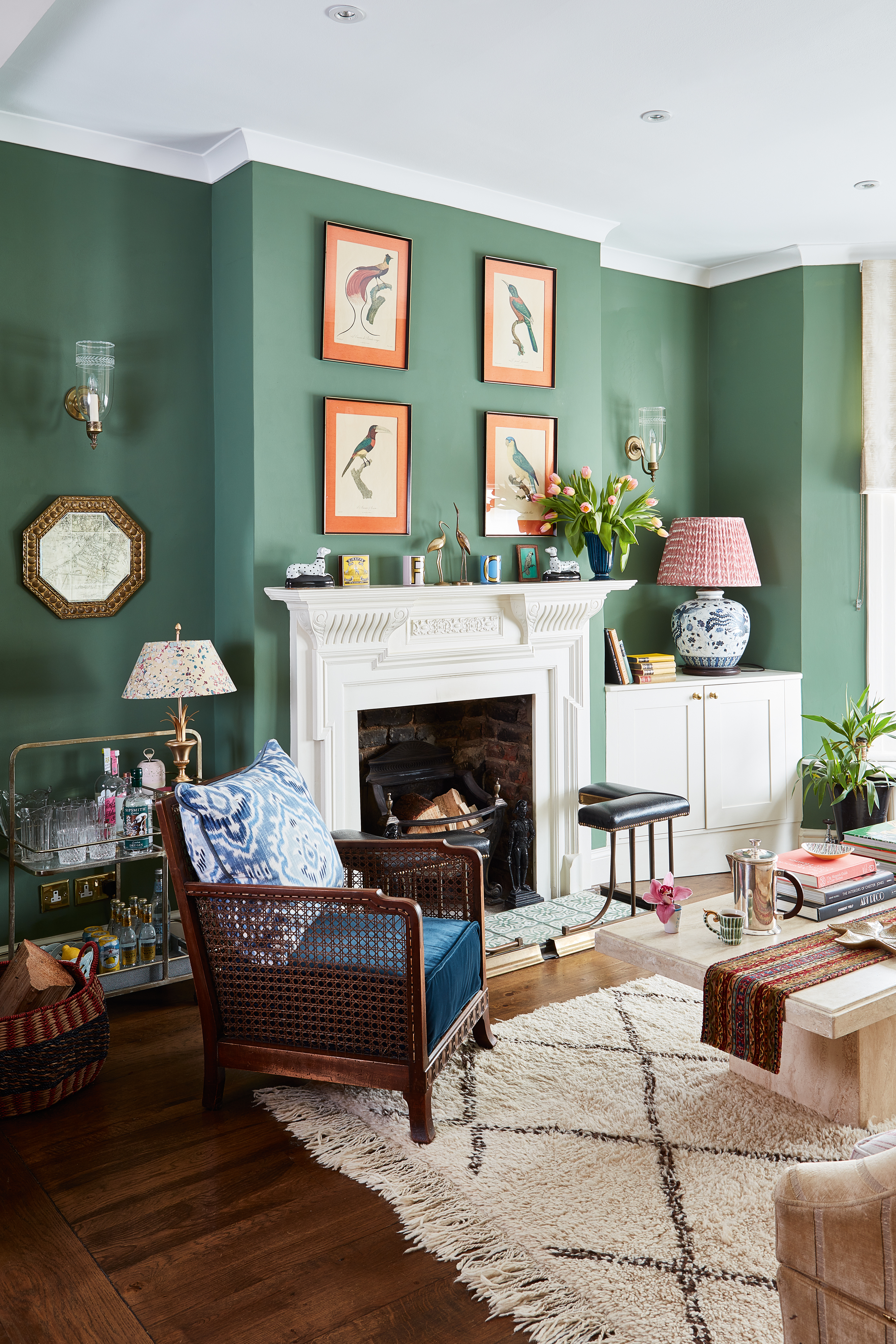
Psychological Benefits: Your Instant Mood Booster
Ever notice how a walk in nature instantly calms you? Green brings that feeling indoors. It’s universally associated with:
- Calm & Serenity: Reducing stress and promoting relaxation.
- Balance & Harmony: Creating a sense of equilibrium within the room.
- Renewal & Growth: A subtle nod to vitality and freshness.
- Connection to Nature: Bridging the gap between your indoor sanctuary and the natural world outside.
In a living room, these benefits translate to a space where you genuinely feel at ease, whether you’re curled up with a book or hosting friends.
Design Versatility: A Chameleon for Any Style
From a minimalist loft to a cozy farmhouse, a mid-century modern gem to a classic traditional home, there’s a green for every aesthetic. It plays well with:
- Modern: Crisp, cool greens or deep, saturated shades.
- Farmhouse/Rustic: Earthy olives, muted sages, and mossy tones.
- Bohemian: Rich jewel-toned greens or eclectic mixes.
- Traditional: Deep hunter greens, elegant emeralds, or sophisticated grey-greens.
This adaptability means your green living room won’t feel dated next year. It’s a foundation you can build on, changing accessories and furniture as your style evolves.

Decoding Green: Understanding Undertones is Key
This is where many people get tripped up. You see a beautiful green online, paint a swatch on your wall, and suddenly it looks… different. The secret? Undertones. These subtle hints of other colors within the green itself are what dictate its overall feel and how it interacts with light and other decor.
- Blue Undertones: These greens often feel cool, crisp, and sophisticated. Think deeper emeralds, jades, or even some teal-leaning greens. They can evoke a sense of calm and clarity, often pairing beautifully with cool whites, grays, and silver accents.
- Yellow/Gold Undertones: Warm, inviting, and often more energetic, these greens can range from bright lime to classic olive or moss. They feel very organic and pair wonderfully with warm woods, creams, and earthy tones like terracotta.
- Gray Undertones: The masters of versatility, grey-greens are muted, sophisticated, and often act as a neutral. Sage green is a prime example. They create a serene, understated backdrop and are incredibly forgiving with different lighting and decor styles.
- Brown/Earth Undertones: These greens are deeply grounding and organic, often reminiscent of forest floors or rich potting soil. Think deep olives or certain moss greens. They bring a sense of natural warmth and a rustic touch to a space.
Pro Tip for Testing Undertones: Hold your green paint chip next to a pure white piece of paper. You’ll often see the underlying blue, yellow, or gray notes become much more apparent. Also, compare it against other green chips – the contrast helps reveal its true character.
Our Top Picks: The Best Green Paint Colors for Living Rooms (By Mood & Style)
Ready for some specific recommendations? I’ve handpicked some of the most beloved and versatile green shades that consistently perform beautifully in living rooms. Remember, always sample!
For a Calming, Serene Space (Sage, Muted Greens)
If your goal is tranquility and a gentle connection to nature, these soft, muted greens are your best friends. They’re airy, blend seamlessly, and offer a quiet sophistication.
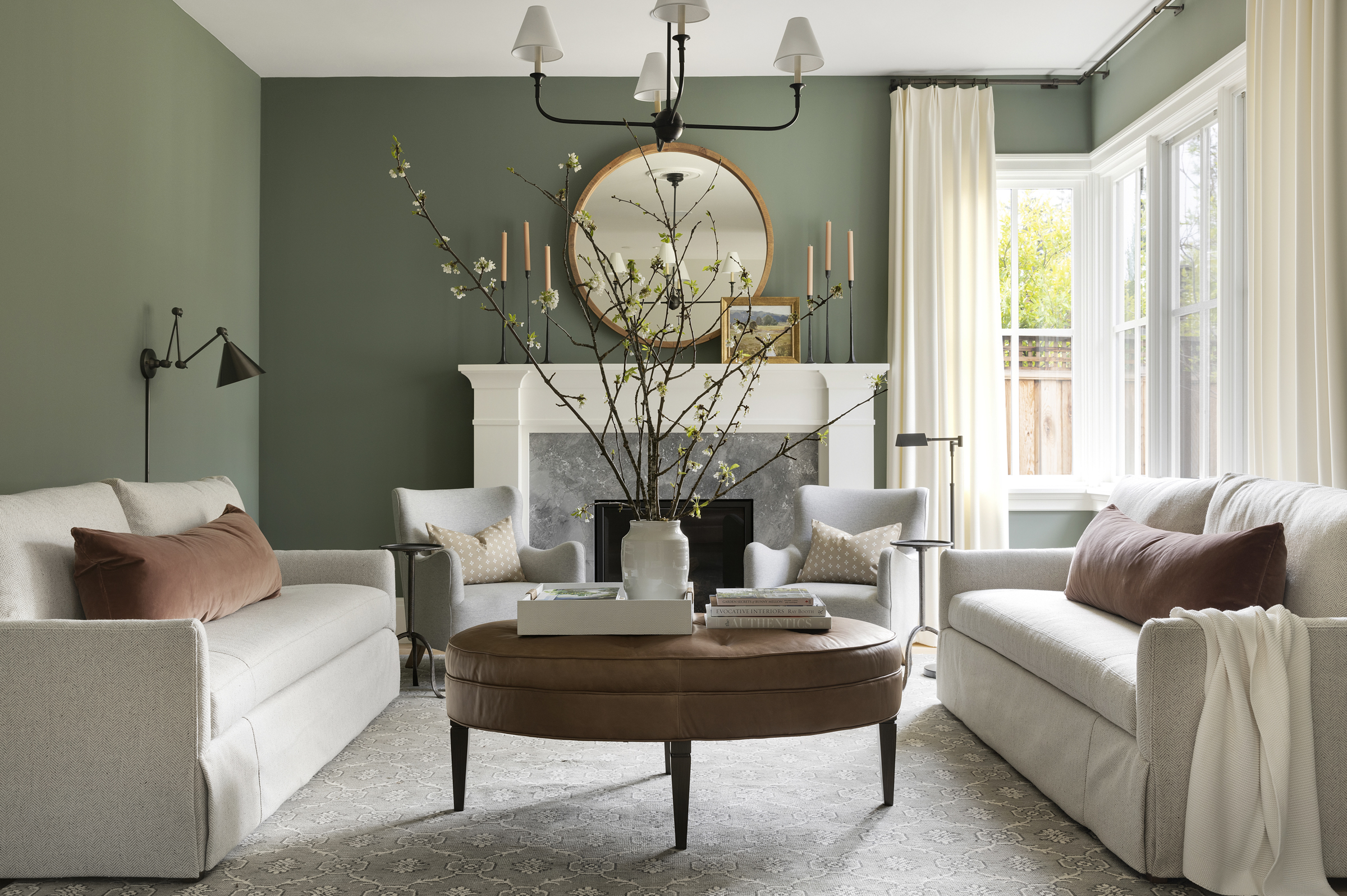
- Sherwin-Williams Evergreen Fog (SW 9130): A chameleon of a color, this beloved grey-green leans heavily into soft gray undertones with a hint of blue. It’s incredibly serene, sophisticated, and acts as a beautiful neutral. Perfect for a light-filled living room that craves calm.
- Benjamin Moore October Mist (1495): Benjamin Moore’s 2022 Color of the Year, October Mist is a gentle sage with subtle gray and yellow undertones. It’s comforting, warm, and highly adaptable, pairing well with earthy tones and natural textures.
- Farrow & Ball Mizzle (266): A truly sophisticated grey-green that shifts beautifully with the light. Mizzle has a strong gray base with a touch of blue, making it feel incredibly chic and understated. It’s perfect for creating a relaxed, yet elegant atmosphere.
For a Bold, Sophisticated Statement (Deep, Emerald, Forest Greens)
Want to make a statement? Deep greens are luxurious, dramatic, and incredibly cozy. They can transform a living room into a sophisticated retreat or a moody, intimate gathering space.
- Sherwin-Williams Pewter Green (SW 6208): Don’t let the name fool you – this is a stunning deep green with strong gray undertones and a hint of blue. It’s rich, calming, and exceptionally elegant, often appearing more green in natural light and deeper in artificial light.
- Benjamin Moore Backwoods (2135-10): A dark, forest-like green with deep brown undertones. Backwoods is incredibly grounding and enveloping, perfect for creating a cozy, den-like living room. Pair it with warm wood tones and rich fabrics for a truly luxurious feel.
- Farrow & Ball Studio Green (48): An intensely dark green that appears almost black in dim light, revealing its true deep green character in brighter conditions. Studio Green is wonderfully dramatic and sophisticated, ideal for a bold statement wall or an entire room with high ceilings.
For a Warm, Earthy Vibe (Olive, Moss Greens)
If you crave an organic, grounded, and inviting atmosphere, lean into the greens with prominent yellow, gold, or brown undertones. These feel wonderfully natural and effortlessly chic.
- Benjamin Moore Saybrook Sage (HC-114): A timeless, muted olive-green with pronounced gray and beige undertones. Saybrook Sage is wonderfully versatile, offering an earthy warmth without being too dark. It feels lived-in and comfortable, perfect for a relaxed living room.
- Sherwin-Williams Clary Sage (SW 6178): A soft, warm sage that has more yellow and beige in its undertone than Evergreen Fog. It’s light, airy, and very inviting, creating a pleasant, natural backdrop that works well with creams, whites, and natural wood.
- Farrow & Ball Lichen (19): A beautiful, gentle olive-green that evokes the feeling of a damp woodland. Lichen has distinct yellow and gray undertones, making it very organic and muted. It brings a subtle warmth and sophistication, great for creating a serene, earthy space.
For a Fresh, Energetic Feel (Lighter, Brighter Greens)
While often used with caution in living rooms to avoid feeling too “neon,” specific lighter, more muted bright greens can bring an uplifting, fresh energy. Think spring leaves, not highlighter pens.
- Benjamin Moore Pale Celery (2029-60): A delicate, soft green with undeniable yellow undertones. It’s light, cheerful, and brings a subtle botanical freshness without being overwhelming. Best in rooms with ample natural light to keep it from looking dull.
- Sherwin-Williams Romance (SW 6271): Despite its name, this is a very light, almost pastel green with a touch of gray. It’s incredibly fresh, airy, and can make a room feel larger and brighter. It pairs well with crisp whites and light woods for a clean, modern look.
Popular Green Living Room Paint Colors: A Quick Comparison
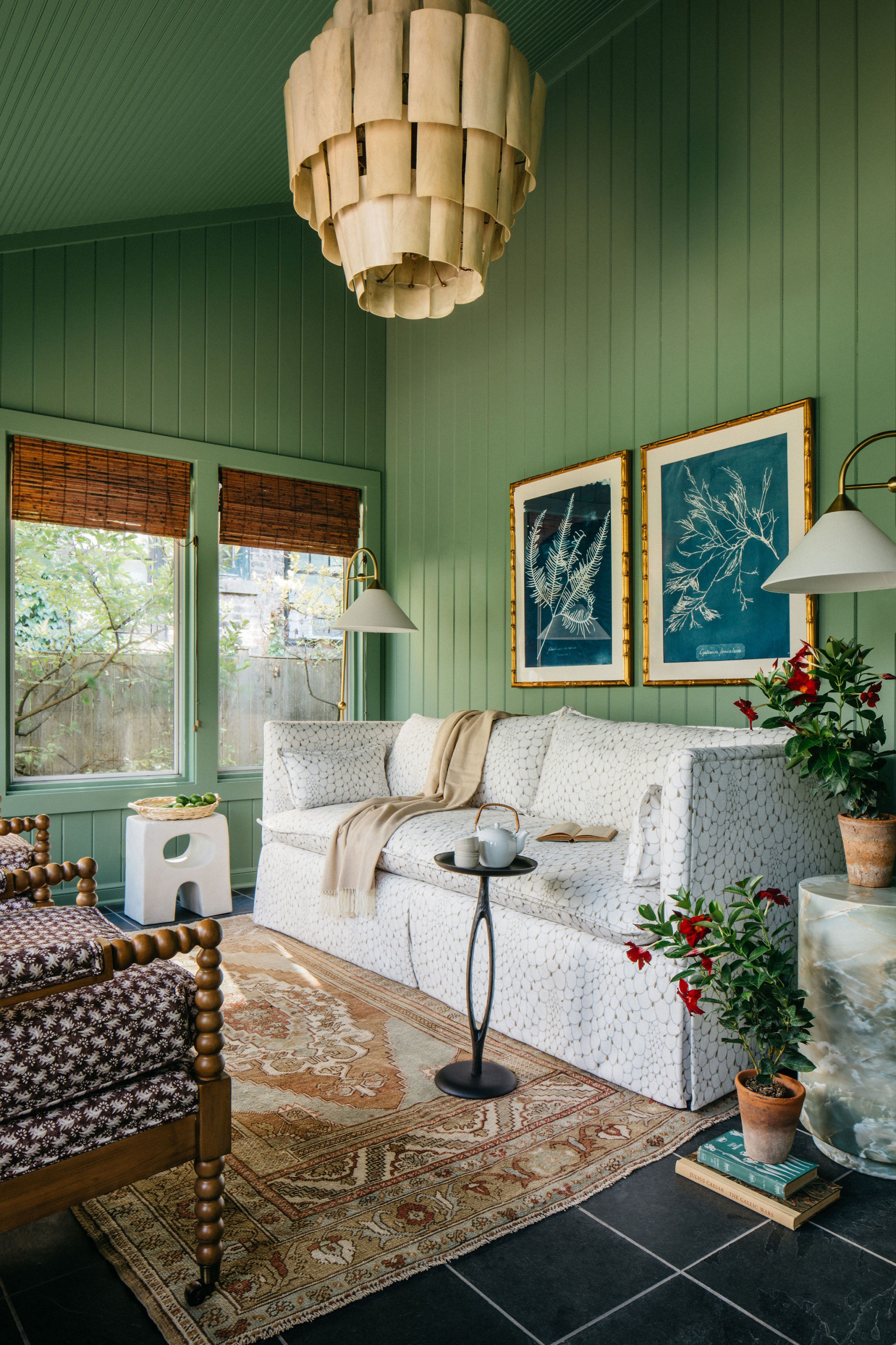
Here’s a snapshot of some top green picks and their key characteristics to help you narrow down your choices:
| Color Name | Brand | Primary Undertones | Mood Created | Best For | Complementary Colors |
|---|---|---|---|---|---|
| Evergreen Fog (SW 9130) | Sherwin-Williams | Gray, Blue | Serene, Sophisticated, Calm | Versatile, all light types | Cream, White, Light Wood, Gold |
| October Mist (1495) | Benjamin Moore | Gray, Yellow | Comforting, Warm, Balanced | Earthy, natural light rooms | Terracotta, Off-White, Dark Wood |
| Pewter Green (SW 6208) | Sherwin-Williams | Gray, Blue | Rich, Elegant, Cozy, Dramatic | Larger rooms, cozy nooks | Gold, Brass, Cream, Deep Blue |
| Saybrook Sage (HC-114) | Benjamin Moore | Gray, Beige, Olive | Organic, Grounding, Inviting | Farmhouse, traditional spaces | Natural Wood, Linen, Cream, Rust |
| Studio Green (48) | Farrow & Ball | Black, Blue | Intense, Luxurious, Dramatic | Statement walls, large rooms | Crisp White, Gold, Velvet, Blush |
| Clary Sage (SW 6178) | Sherwin-Williams | Yellow, Beige | Warm, Airy, Fresh, Relaxed | Bright rooms, casual decor | White, Cream, Light Wood, Pastel Pink |
Beyond the Color: Practical Considerations for Your Green Living Room
Choosing the shade is just one piece of the puzzle. How that shade interacts with its environment is crucial. Let’s dive into the practicalities.
Lighting Matters: The Ultimate Game Changer
Light has the power to completely transform a paint color. What looks perfect in a store might look entirely different in your living room.
How Light Affects Green Paint Colors
- North-Facing Rooms: Receive cool, indirect light. Greens here can appear cooler, perhaps even a bit muted or grayed out. Opt for greens with warmer (yellow/gold) undertones to prevent the room from feeling too cold, or embrace the coolness with bluesy greens.
- South-Facing Rooms: Bathed in warm, bright light throughout the day. Almost any green will look good here. Cooler greens can be balanced, while warmer greens will really glow.
- East-Facing Rooms: Get bright, warm morning light, which turns cooler in the afternoon. A versatile green with balanced undertones (like a gray-green) works well, looking crisp in the morning and softer later.
- West-Facing Rooms: Receive warm, intense afternoon light. This can make greens with yellow undertones appear very vibrant, sometimes even too bright. Cooler greens or those with more gray undertones can temper the afternoon sun.
- Artificial Light: The type of light bulb (warm white vs. cool white LED) also plays a huge role. Warm white bulbs enhance yellow and red undertones, while cool white bulbs emphasize blues and grays. Test your samples with your actual light bulbs!
Room Size & Lightness/Darkness: Creating Illusion
Yes, paint can manipulate perception! The general rule:
- Dark Greens: Deep forest, emerald, or hunter greens are fantastic for creating a cozy, intimate, and sophisticated atmosphere, especially in larger living rooms with ample natural light. They can also work wonders in smaller rooms, making them feel like jewel boxes rather than cramped spaces, but balance is key.
- Light Greens: Sage, pale celery, or minty greens can make a living room feel more open, airy, and expansive. They reflect more light, making them a great choice for smaller spaces or rooms with limited natural light, helping them feel larger and brighter.
Don’t be afraid to break the rules, but do so intentionally. A small room with dark green can be incredibly chic and inviting if designed well.

Paint Finishes: The Sheen Factor
The finish (or sheen) of your paint affects durability, light reflection, and the overall look. For a living room, you generally want something that’s both aesthetically pleasing and practical.
Choosing the Right Sheen for Your Living Room
- Matte/Flat: Offers a sophisticated, velvety look that absorbs light. It hides imperfections beautifully but is less durable and harder to clean. Best for low-traffic areas or ceilings, but can be stunning on walls for a designer look.
- Eggshell/Satin: The most popular choice for living room walls. It offers a subtle sheen, making it more durable and washable than matte, while still providing a soft, elegant appearance. It reflects a bit of light, adding depth to your chosen green.
- Semi-Gloss/Gloss: Highly durable and very reflective, making colors appear richer. It’s typically used for trim, doors, and accent furniture, not usually for entire walls in a living room due to its high sheen, which can highlight wall imperfections.
Complementary Colors & Decor: The Harmony Makers
Your green walls are the backdrop; the furniture and decor are the stars. Think about how your chosen green will interact with other elements:
- Neutrals: Creams, warm whites, soft grays, and beiges are always safe and elegant pairings for any shade of green. They allow the green to truly shine.
- Warm Metallics: Gold, brass, and copper accents pop beautifully against most greens, especially deeper or earthier shades, adding a touch of glamour and warmth.
- Wood Tones: Light oak, walnut, or dark mahogany all complement green walls. Match the warmth of the wood to the undertones of your green (warm woods with yellow/brown greens, cooler woods with blue/gray greens).
- Contrasting Pops: For a bolder look, introduce colors like blush pink, terracotta, deep navy, or mustard yellow in smaller doses through pillows, throws, or artwork.
- Natural Textures: Woven rugs, linen fabrics, jute, rattan, and houseplants enhance green’s organic appeal, creating a rich, layered look.
Common Mistakes to Avoid When Painting Your Living Room Green
Even the pros make mistakes! But with a little foresight, you can avoid the common pitfalls of choosing and applying green paint.
- Not Testing Samples (Seriously!): This is the cardinal rule. A 2″ x 2″ chip isn’t enough. Invest in large peel-and-stick samples or paint actual swatches (at least 1′ x 1′) on different walls. Observe them throughout the day and evening. This is the single most important step.
- Ignoring Undertones: Choosing a green based solely on its main hue without considering its underlying blue, yellow, or gray can lead to clashes with existing furniture or an unexpected shift in mood. Your warm-toned couch might look sickly next to a cool green with strong blue undertones.
- Forgetting About Lighting Changes: As discussed, light is everything. What looks vibrant at noon might look muddy at dusk. Always evaluate your samples in both natural and artificial light.
- Overlooking Room Size and Function: A very dark green can overpower a tiny room if not balanced, while a too-pale green can feel washed out in a grand, airy space. Think about the overall scale and how you use the room.
- Too Much Green: While we love green, too much of a good thing can be, well, too much. Ensure you have other colors and textures in the room to provide visual breaks and prevent the space from feeling monotonous. Green pairs best when it has friends!
Your Green Living Room Checklist: Before You Buy
Before you commit to gallons of paint, run through this quick checklist to ensure you’ve covered all your bases:
- Determine Your Desired Mood: Do you want serene, dramatic, earthy, or fresh?
- Consider Existing Furniture & Decor: What colors and finishes are already in the room that your green needs to complement?
- Analyze Your Room’s Lighting: How much natural light? What direction does the room face? What kind of artificial light do you use?
- Gather Samples: Get large peel-and-stick samples or small paint pots of your top 2-3 choices.
- Observe Colors Throughout the Day: Stick samples on different walls and watch how they change in morning, afternoon, and evening light.
- Choose the Right Finish: Eggshell or satin are usually best for living room walls.
- Plan Your Complementary Palette: Think about textiles, artwork, and accent pieces that will enhance your chosen green.
Embrace the Green: Your Perfect Living Room Awaits
Choosing green paint for your living room is an exciting decision, one that promises to infuse your home with beauty, calm, and a touch of the natural world. By understanding undertones, considering light, and testing thoroughly, you’re not just picking a color – you’re crafting an atmosphere. So, take a deep breath, trust your instincts, and get ready to transform your living room into a verdant oasis you’ll love for years to come.