The Definitive Guide to the Best Interior Paint Colors for Florida Homes: Brightening Your Space, Enhancing Your Lifestyle
Ah, Florida. The Sunshine State. A place where the sun shines a little brighter, the air feels a little different, and life moves at a delightfully relaxed pace. But when it comes to painting your home’s interior, Florida’s unique charm presents a distinct set of considerations. You’re not just picking a pretty hue; you’re choosing colors that will stand up to intense sunlight, embrace the coastal or tropical aesthetic, and create an oasis of calm that truly feels like home.
Forget generic paint guides. This is your insider’s look into the best interior paint colors specifically tailored for Florida homes, blending style with practicality to help you make informed choices that look stunning and last.
Why Florida Homes Demand a Unique Approach to Interior Paint Colors
Living in Florida isn’t just about the weather; it’s a lifestyle. And that lifestyle, combined with the environment, dramatically influences how paint colors perform and how they should be chosen.
The Power of the Florida Sun: Light & Brightness
Florida’s sunlight is incredibly strong and abundant. What might look like a subtle greige in a cooler, cloudier climate can appear stark white or reveal unexpected undertones under the intense Florida sun. This powerful light can:
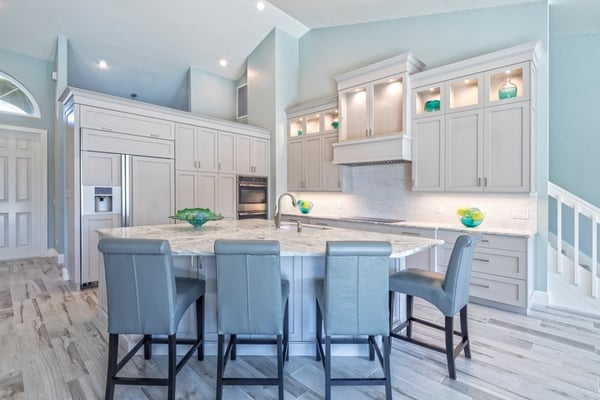
- Wash Out Colors: Overly pale or desaturated colors might disappear against bright windows.
- Intensify Hues: What seems like a soft blue on a swatch can become a vibrant robin’s egg blue in direct sunlight.
- Reveal Undertones: Pink, yellow, or green undertones in seemingly neutral colors become much more apparent.
Understanding this is key to selecting colors that retain their intended character and create the desired mood, rather than being overpowered by the natural light.
Embracing the Coastal & Tropical Aesthetic
Whether you’re right on the beach or nestled inland, the Florida landscape subtly (or overtly) influences design preferences. We’re often drawn to palettes that reflect our surroundings: the blues of the ocean, the greens of lush vegetation, the whites of sandy beaches, and the warm neutrals of shells and driftwood.
This natural inspiration often leads to a desire for colors that evoke a sense of:
- Airiness and Openness: To maximize the feeling of space and light.
- Freshness and Cleanliness: Reflecting the desire for a pristine environment.
- Connection to Nature: Bringing the outdoors in with organic hues.
Humidity, Heat, and Durability: Practical Paint Considerations
Florida’s high humidity and heat aren’t just uncomfortable; they can impact your paint. You need paints that are:
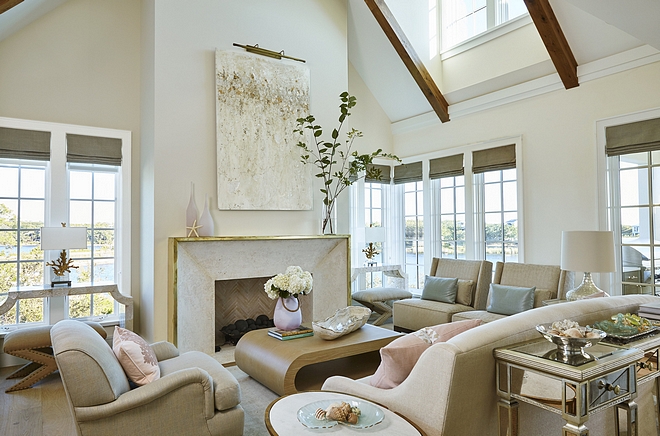
- Mildew-Resistant: Crucial in damp environments to prevent unsightly growth, especially in bathrooms, kitchens, and laundry rooms.
- Durable and Washable: Active Florida lifestyles, often involving sandy feet and open doors, mean higher traffic and a need for easily cleaned surfaces.
- Low VOC: For better indoor air quality, especially important in homes where windows are often closed to keep the AC in.
Choosing the right paint type and finish is just as important as choosing the right color.
Designing for Relaxation: The Florida Lifestyle
The Florida lifestyle often revolves around relaxation, comfort, and an indoor-outdoor connection. Your interior paint colors should support this by creating spaces that feel:
- Calm and Serene: A retreat from the vibrant outdoor world.
- Spacious and Uncluttered: Maximizing the feeling of openness.
- Inviting and Comfortable: Fostering a welcoming atmosphere for both residents and guests.
Neutrals, soft blues, and greens often excel at achieving this coveted blend of tranquility and style.
The Timeless & Trending Interior Paint Colors Florida Homeowners Adore
Now that we understand the unique demands of Florida homes, let’s dive into the colors that consistently shine. These aren’t just pretty colors; they’re strategic choices for the Sunshine State.

The Reign of Radiant Whites & Creams
It’s no surprise that white reigns supreme in Florida. But not all whites are created equal. The right white can make your home feel expansive, clean, and incredibly bright without feeling stark. Whites are perfect for reflecting light, making spaces feel larger and airier – a huge plus in smaller homes or condos.
- Why they work: Maximize light, provide a crisp backdrop, versatile for any decor style, combat heat perception.
- Specific Examples:
- Sherwin-Williams Pure White (SW 7005): A true, balanced white with minimal undertones, making it incredibly versatile. It’s clean without being cold.
- Benjamin Moore Chantilly Lace (OC-65): Often called the perfect clean white, it has very little discernible undertone, offering a bright, crisp look.
- Behr Ultra Pure White (PR-W15): A classic, bright white that provides an excellent foundation.
- Sherwin-Williams Alabaster (SW 7008): A slightly warmer, creamy white that offers softness without leaning too yellow, perfect for a cozy feel.
- Undertone Importance: Be wary of whites with strong yellow undertones, which can look dated, or very cool blue undertones, which can feel icy in Florida’s bright light.
Serene Blues & Greens: Capturing the Coastal Vibe
Nothing says Florida quite like blues and greens. These colors are inherently calming and connect us to the natural beauty just outside our doors. They excel at creating a tranquil, refreshing atmosphere, perfect for bedrooms, bathrooms, and living areas.
- Why they work: Evoke nature, create a cool and refreshing feel, promote relaxation, complement natural light.
- Specific Examples:
- Sherwin-Williams Sea Salt (SW 6204): A perennial favorite, this muted, greenish-gray-blue shifts beautifully with the light, offering a spa-like tranquility.
- Benjamin Moore Palladian Blue (HC-144): A soft, calming blend of blue and green that feels sophisticated and airy.
- Behr Breezeway (MQ3-21): Often selected as a color of the year, it’s a silvery green-blue that feels fresh and uplifting.
- Sherwin-Williams Rainwashed (SW 6211): A slightly more saturated version of Sea Salt, offering a bit more color while maintaining that soothing quality.
- Benjamin Moore Beach Glass (1564): A gentle, muted blue-green that truly captures the essence of sea glass.
- Variation: Experiment with pale, muted shades for overall serenity or slightly deeper tones as accent walls to add a pop without overwhelming the space.
Sophisticated Grays & Greiges: The New Neutrals for Florida
Gray has been hailed as “the new beige” for years, and for good reason. Grays and greiges (a blend of gray and beige) offer a modern, versatile neutral backdrop that feels fresh and sophisticated without being cold. They provide a beautiful foundation for virtually any decor style, from minimalist to coastal chic.
- Why they work: Modern appeal, highly versatile, provide a subtle contrast to white trim, less stark than pure white but still bright.
- Specific Examples:
- Sherwin-Williams Agreeable Gray (SW 7029): Consistently one of the most popular paint colors in the entire country, and a top choice in Florida. It’s a true greige, balancing warm and cool undertones perfectly.
- Benjamin Moore Revere Pewter (HC-172): A classic, warmer greige that adds depth and sophistication.
- Sherwin-Williams Repose Gray (SW 7015): A slightly cooler gray with subtle beige undertones, offering a lighter, airier feel than Agreeable Gray.
- Benjamin Moore Gray Owl (OC-52): A light, crisp gray with a touch of blue/green undertone, making it feel fresh and bright.
- Balancing Undertones: In Florida’s bright light, a gray with a slight warm (beige) undertone often performs better than a purely cool gray, preventing the space from feeling too cold or stark.
Warm Neutrals: Sand, Taupe, & Soft Beiges
While cool tones dominate many Florida palettes, warm neutrals offer a grounding, inviting feel. These sandy, taupe, and soft beige hues bring warmth without being heavy or traditional. They evoke the natural colors of Florida’s beaches and give a cozy, welcoming atmosphere, especially in homes that might receive less direct sunlight.
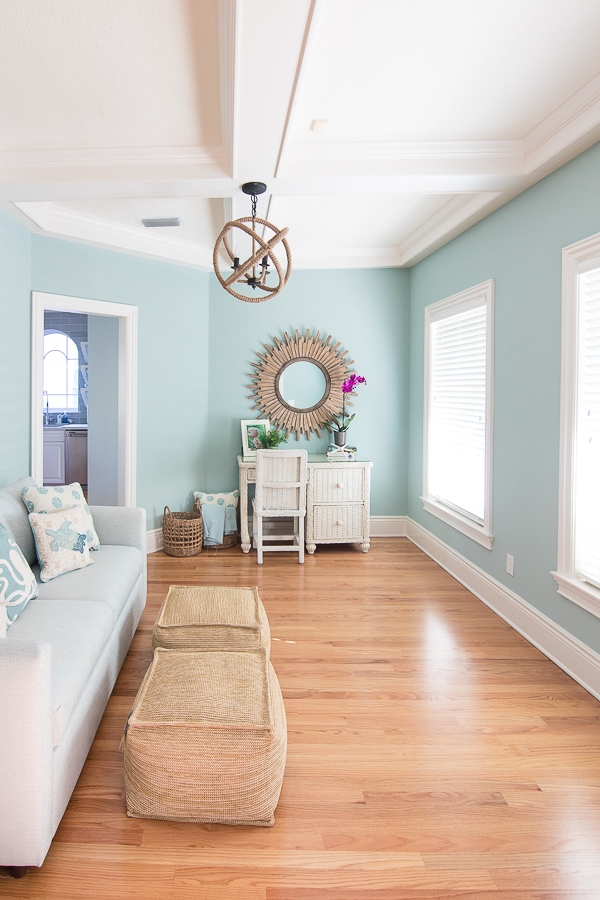
- Why they work: Create warmth and coziness, natural and earthy feel, excellent for traditional or transitional styles, prevent a sterile look.
- Specific Examples:
- Sherwin-Williams Accessible Beige (SW 7036): A fantastic soft, warm greige that leans more beige than gray, providing warmth and light without being yellow.
- Benjamin Moore Soft Sand (OC-90): A delicate, pale beige that offers a gentle warmth and feels incredibly inviting.
- Sherwin-Williams Kilim Beige (SW 6106): A slightly deeper, traditional beige that still feels airy enough for Florida when paired with crisp white trim.
- Avoiding “Dated” Undertones: The trick with warm neutrals in Florida is to avoid heavily saturated yellow or orange undertones, which can make a space feel dated or too dark. Opt for cleaner, muted versions.
Subtle Earth Tones & Muted Terracottas: A Touch of Local Charm
For those looking to venture slightly beyond the core neutrals and blues, subtle earth tones and muted terracottas can add a sophisticated, natural touch. These colors connect to Florida’s land-based nature – the clay, the subtle red tones in sunsets, or the rich greens of tropical foliage. They work beautifully as accents or in specific rooms where you want a richer, more grounded feel.
- Why they work: Add depth and character, connect to the natural environment, provide warmth, less common but elegant choices.
- Specific Examples:
- Benjamin Moore Coastal Clay (1059): A muted, earthy terracotta that offers warmth and a subtle pop of color without being overwhelming.
- Sherwin-Williams Evergreen Fog (SW 9130): A beautiful gray-green that feels grounded, organic, and sophisticated.
- Behr Barnwood Gray (PPU24-07): A deep, muted brown-gray that can act as a rich neutral, reminiscent of weathered wood.
Beyond Color: Crucial Considerations for Florida Interior Paint
Choosing the right hue is just one piece of the puzzle. To truly nail your Florida interior paint project, you need to think about the practicalities.
Understanding Undertones: The Secret to Color Success
This cannot be stressed enough, especially in Florida. Every color, even white, gray, or beige, has an underlying hint of another color. These are its undertones (red, blue, green, yellow, purple).
- Warm Undertones: Yellow, orange, red. These make a color feel cozy and inviting.
- Cool Undertones: Blue, green, purple. These make a color feel crisp, fresh, and expansive.
- Neutral Undertones: A balanced mix, often found in true greiges.
In Florida’s bright light, undertones are amplified. A seemingly neutral gray can suddenly appear blue or purple. A creamy white can look yellow. Always consider the undertones of your chosen color and how they interact with your flooring, furnishings, and the natural light in your home.
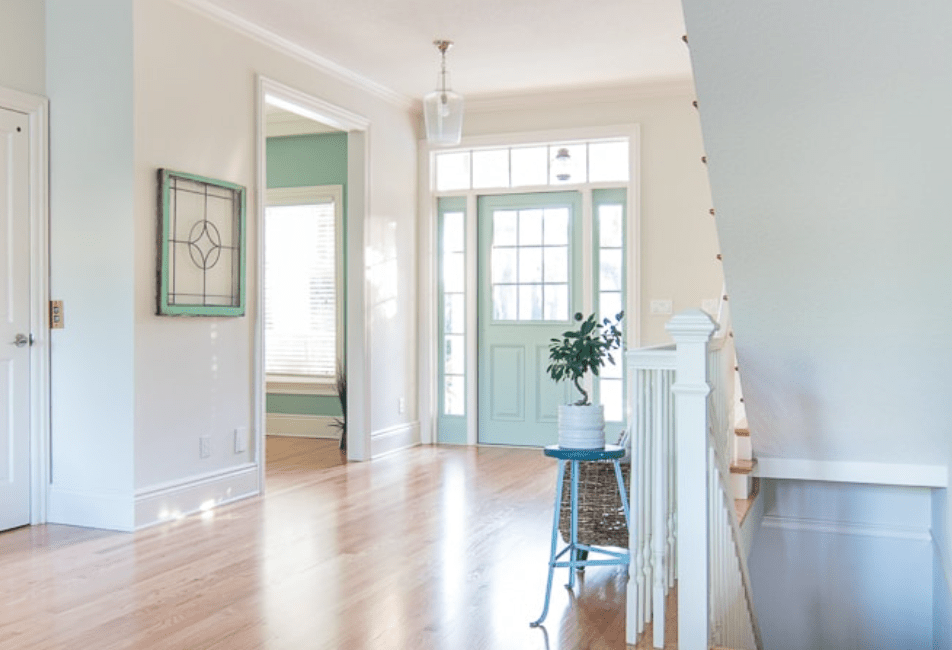
The Impact of Paint Sheen (Finish)
The sheen of your paint affects durability, washability, and how light reflects off the surface. For Florida homes, specific sheens are often recommended:
- Flat/Matte: Offers a sophisticated, non-reflective look, excellent for hiding imperfections. Best for low-traffic areas like formal dining rooms or ceilings. Less durable for washing.
- Eggshell/Satin: The most popular choice for interior walls. Offers a soft, subtle sheen that’s more durable and washable than flat, ideal for living rooms, bedrooms, and hallways.
- Semi-Gloss/Gloss: Highly durable and easy to clean, making them perfect for high-moisture areas (kitchens, bathrooms, laundry rooms) and trim, doors, and cabinets. Their reflectivity can highlight imperfections, so prep is key.
For most Florida interiors, a combination of eggshell/satin on walls and semi-gloss on trim offers the best balance of aesthetics and practicality.
Testing Colors Like a Pro: Sample, Observe, Decide
Never, ever skip this step. Swatches on a tiny card are not enough, especially with Florida’s unique lighting.
- Get Large Samples: Purchase sample pots and paint large swatches (at least 2×2 feet) directly onto your walls or onto large poster boards.
- Observe in Different Lights: Watch the color throughout the day – morning, noon, evening, and under artificial lighting. Florida’s sunlight changes dramatically.
- Live with It: Leave the samples up for a few days. See how they interact with your furniture, flooring, and natural views.
- Consider Adjacent Rooms: How does the color flow from one space to another?
Low VOC & Mildew-Resistant Paints: Healthier Homes in Humid Climates
In Florida’s humid climate, choosing paints with added benefits is a smart move. Look for:
- Low or Zero VOC (Volatile Organic Compounds): These paints emit fewer harmful chemicals into your indoor air, promoting a healthier living environment. Many major brands offer excellent low-VOC options.
- Mildew-Resistant Formulations: Especially crucial for bathrooms, kitchens, and other areas prone to moisture. These paints contain additives that inhibit mold and mildew growth, helping to keep your walls pristine.
Enhancing Home Value with Smart Color Choices
If resale value is on your mind, certain paint color strategies can help your home appeal to a wider range of potential buyers:
- Stick to Neutrals: While personal expression is great, light, versatile neutrals (whites, grays, greiges, soft blues/greens) appeal to the broadest audience. They allow buyers to envision their own style in the home.
- Consistency is Key: A cohesive color palette throughout the main living areas creates a sense of flow and spaciousness.
- Freshly Painted Always Wins: Regardless of color, a freshly painted interior signals a well-maintained home, which instantly boosts perceived value.
The Ultimate Florida Interior Paint Color Comparison Table
To help you visualize and compare the most popular color families for Florida homes, here’s a quick reference guide:
| Color Family | Example Shades | Florida Suitability | Light Reflection | Mood | Common Undertones | Resale Value Impact |
|---|---|---|---|---|---|---|
| Radiant Whites & Creams | SW Pure White, BM Chantilly Lace, SW Alabaster | Excellent – bright, airy, timeless, reflects heat. | Very High | Clean, crisp, expansive, fresh. | Minimal, slight cool/warm hints. | High – universally appealing. |
| Serene Blues & Greens | SW Sea Salt, BM Palladian Blue, Behr Breezeway | Excellent – coastal connection, cooling effect, calming. | Medium to High | Calm, tranquil, refreshing, spa-like. | Gray, green, blue. | High – popular coastal palette. |
| Sophisticated Grays & Greiges | SW Agreeable Gray, BM Revere Pewter, SW Repose Gray | Excellent – modern neutral, versatile, less stark than white. | Medium to High | Modern, sophisticated, versatile, calming. | Blue, green, beige (greige). | Very High – broad appeal, current trend. |
| Warm Neutrals (Sand, Taupe) | SW Accessible Beige, BM Soft Sand, SW Kilim Beige | Good – adds warmth, prevents starkness, inviting. | Medium | Cozy, inviting, earthy, grounding. | Yellow, orange (avoid strong ones). | Medium to High – when chosen carefully. |
| Subtle Earth Tones & Muted Terracottas | BM Coastal Clay, SW Evergreen Fog | Good (as accents/specific rooms) – adds depth, unique. | Low to Medium | Grounded, sophisticated, organic, warm. | Brown, red, green. | Medium – more niche, but can be elegant. |
Choosing the best interior paint colors for your Florida home is an exciting journey. By understanding the unique interplay of sunlight, climate, and lifestyle, you can select a palette that not only looks beautiful but also enhances your daily living and potentially increases your home’s appeal. Take your time, sample generously, and trust your instincts. Your Florida oasis awaits!