How Much Does It Cost to Paint a House Interior Yourself? Your Ultimate DIY Budget Guide
Dreaming of a fresh new look for your home? You’ve pictured the perfect color, the crisp lines, the feeling of a brand-new space. And you’ve thought, “I can do this myself. It’ll save a ton!” You’re right – tackling your interior painting project solo can slash labor costs significantly, but it’s not entirely free. So, what’s the real financial investment when you decide to pick up the brush yourself?
Forget the vague estimates or guides focused on hiring pros. This is your definitive, human-first guide to understanding the true cost of painting your house interior yourself. We’re going to dive deep into every expense, from paint gallons to painter’s tape, so you can budget accurately and achieve that professional-looking finish without blowing your savings.
The Short Answer: Average DIY Interior Painting Costs
Let’s get straight to it. For an average American home, expect to spend anywhere from $1 to $2.50 per square foot for materials alone when painting the interior yourself. This means for a typical 2,000 square foot house, your material costs could range from $1,000 to $5,000. This range isn’t just about house size; it heavily depends on:
- The quality and type of paint you choose.
- The number of rooms and their complexity (high ceilings, intricate trim).
- The condition of your walls (how much prep work is needed).
- The specific tools and supplies you need to purchase versus what you already own.
Here’s a quick overview of estimated material costs for different house sizes:
| House Size (Sq Ft) | Number of Rooms (Avg.) | Estimated DIY Material Cost Range | Notes |
|---|---|---|---|
| 1,000 – 1,500 | 3 – 5 | $500 – $2,500 | Ideal for a weekend project or smaller homes/apartments. |
| 1,501 – 2,500 | 5 – 8 | $1,000 – $4,000 | Most common home size, requiring more time & supplies. |
| 2,501 – 3,500 | 8 – 10+ | $2,000 – $5,000+ | Larger homes may justify specialized tools or extra help. |
Breaking Down the DIY Budget: What You’ll Actually Pay For
When you paint your interior yourself, you’re essentially becoming the project manager, labor force, and procurement specialist. Your costs will be purely material-driven, but don’t underestimate the sheer number of materials involved beyond just the paint can!

1. The Paint Itself (The Big Ticket Item)
This is where a significant chunk of your budget will go, and for good reason. The right paint makes all the difference in look, durability, and ease of application.
How to Calculate How Much Paint You Need
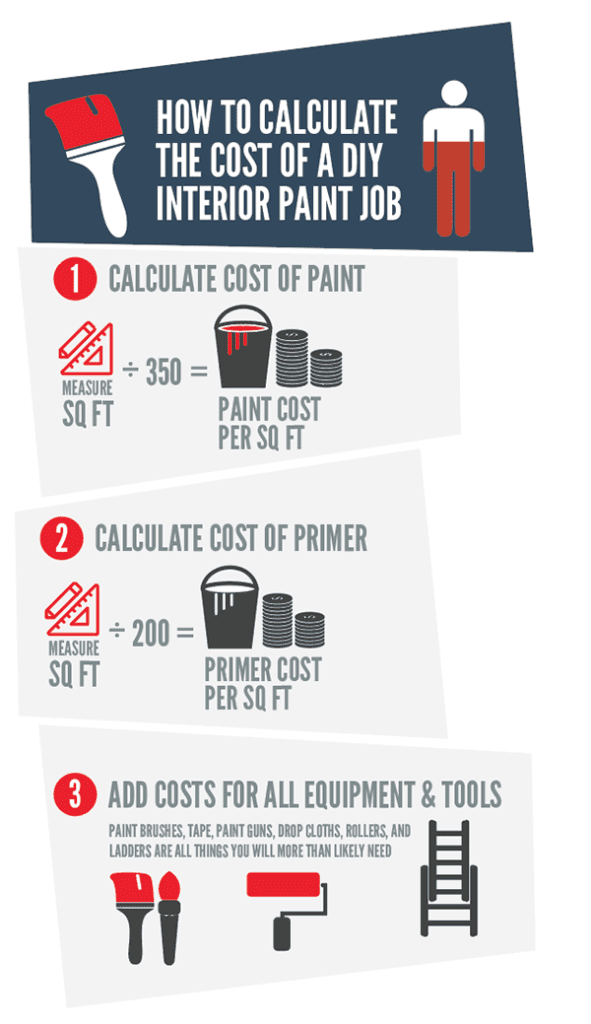
A good rule of thumb is that one gallon of paint covers approximately 350-400 square feet per coat. Most interior projects require at least two coats for full coverage, especially when changing colors significantly. Don’t forget primer, if needed!
- Measure Your Walls: For each room, measure the length of each wall and multiply by the height. Add these figures together to get the total square footage of your walls.
- Subtract Openings: Deduct the square footage of windows and doors (approx. 20 sq ft for a standard door, 15 sq ft for a standard window).
- Calculate Ceiling (if painting): Measure length x width of the room.
- Factor in Coats: Multiply your total paintable area by two (for two coats).
- Divide by Coverage: Divide that number by 350-400 (the paint’s coverage per gallon).
Example: A 10×12 foot room with 8-foot ceilings (walls: (10+12+10+12) * 8 = 352 sq ft; ceiling: 1012 = 120 sq ft). Total 472 sq ft. With two coats, you need to cover 944 sq ft. At 350 sq ft/gallon, you’d need about 2.7 gallons. Round up to 3 gallons to be safe.
Different Types of Paint, Sheens & Costs
The type and sheen of paint you select directly impact both the aesthetic and the cost.
- Latex/Acrylic Paint: The most common choice for interiors. Water-based, easy to clean up, and dries quickly.
- Oil-Based Paint: More durable, often used for trim or high-traffic areas, but harder to clean up and takes longer to dry.
- Primer: Essential for covering dark colors, new drywall, or surfaces with stains.
- Specialty Paints: Low-VOC (Volatile Organic Compounds) for better air quality, anti-microbial paints for bathrooms, or textured paints. These generally cost more.
Paint Sheen & Durability: This refers to how shiny the paint looks once dry, and directly correlates with durability and washability:

- Flat/Matte: No shine, hides imperfections well, but least durable. Best for low-traffic areas like formal dining rooms or ceilings.
- Eggshell/Satin: Slight sheen, good durability, easy to clean. Most popular for living rooms, bedrooms, and hallways. A great all-rounder.
- Semi-Gloss/Gloss: High shine, very durable, and highly washable. Perfect for kitchens, bathrooms, doors, and trim.
Here’s how paint quality and type can affect your per-gallon cost:
| Paint Quality/Type | Estimated Cost Per Gallon | Best Use Case for DIY |
|---|---|---|
| Builder-Grade/Economy Latex | $20 – $35 | Rental properties, temporary spaces, closets, or if you plan to repaint frequently. Requires more coats. |
| Mid-Range Latex (Good Quality) | $35 – $60 | Most common choice for homeowners. Good coverage, durability, and color selection. Recommended for most living areas. |
| Premium/High-End Latex (Paint+Primer) | $60 – $85+ | High-traffic areas, kitchens, bathrooms, kids’ rooms. Excellent durability, scrubbability, and fewer coats needed. |
| Specialty Primers (Oil-Based, Stain-Blocking) | $30 – $70 | Essential for covering water stains, smoke damage, or transitioning from very dark to light colors. |
| Oil-Based Paint (for Trim/Doors) | $45 – $80 | For ultra-durable trim and doors, but requires mineral spirits for cleanup and emits stronger fumes. |
2. Essential Painting Supplies & Tools
Don’t just think about the paint; think about everything that touches it or protects your home from it. Skimping here can lead to a messy, frustrating, and ultimately more expensive job (due to re-dos or damage).
| Item | Estimated Cost Range | Notes for DIYer |
|---|---|---|
| Paint Brushes (Angled sash, trim brush) | $5 – $25 each | Buy a couple of good quality ones (2-3.5 inches). Clean them well, and they’ll last. |
| Paint Rollers (Frame & Covers) | Frame: $8 – $20; Covers: $3 – $10 each | Get a sturdy frame. Buy multiple covers; don’t skimp on quality (e.g., microfleece for smooth finish). Match nap to surface. |
| Paint Trays & Liners | Tray: $5 – $15; Liners: $0.50 – $2 each | Liners are a must for easy cleanup. Get a few. |
| Painter’s Tape (Blue, Frog Tape) | $7 – $15 per roll | Crucial for clean lines. Frog Tape for delicate surfaces. Budget for several rolls. |
| Drop Cloths/Plastic Sheeting | Plastic: $10 – $30 (pack); Canvas: $20 – $60 each | Invest in good canvas drop cloths for floors; they won’t slip and are reusable. Plastic for furniture. |
| Extension Pole for Rollers | $15 – $40 | Save your back and reach high spots easily. A worthy investment. |
| Step Ladder / Stepladder | $40 – $150 (if buying) | Essential for cutting in and reaching higher areas. Borrow or rent if you don’t own one. |
| 5-Gallon Buckets & Grids | $5 – $15 (for bucket & grid) | Great for pouring larger quantities of paint and keeping rollers loaded. |
| Stir Sticks | Free – $2 each | Often free at paint stores. Get several. |
| Gloves | $5 – $15 (pack) | Disposable gloves keep your hands clean. |
| Respirator/Dust Mask | $5 – $30 | Protect your lungs, especially when sanding or using oil-based paints. |
| Paint Can Opener | $1 – $5 | Simple tool, but makes life easier. |
| Rags/Wipes | $5 – $20 (pack) | For quick cleanups and drips. Keep plenty on hand. |
3. Surface Preparation Materials (Crucial for a Pro Finish)
This is where many DIYers cut corners, only to regret it later. Proper preparation isn’t just about making the paint stick; it’s about making it look fantastic and last longer. Neglecting prep can double your painting time or force a re-do, costing you more in the long run.
- Spackle/Joint Compound & Putty Knife: For filling nail holes and small dents. Cost: $5 – $20.
- Sandpaper/Sanding Blocks: To smooth patched areas and lightly scuff glossy surfaces for better adhesion. Cost: $5 – $15.
- Caulk & Caulk Gun: To seal gaps around trim, windows, and doorframes. Ensures a seamless, professional look. Cost: $5 – $20.
- Cleaning Agents (TSP, Sugar Soap, Mild Detergent): To clean walls of grease, grime, and dust. Don’t skip this! Cost: $5 – $15.
- Masking Paper/Film: For larger areas you want to protect quickly, like windows or built-ins. Cost: $10 – $30.
4. Unexpected or ‘Hidden’ DIY Costs
Even the most meticulously planned DIY project can encounter unforeseen expenses. Be prepared for these potential budget eaters:
- Drywall/Trim Repair: Discovering larger holes, cracks, or rotted trim during prep. This might require additional materials (drywall mud, new trim pieces, wood filler) and tools.
- Specialty Tools: While you save on labor, certain tools might be necessary for a truly professional job (e.g., a power sander for extensive patching, a paint sprayer for large, open areas). You might rent these ($40 – $100 per day) or buy them.
- Over-Purchasing Materials: It’s easy to miscalculate and buy too much paint or tape. While leftover paint can be useful for touch-ups, too much waste means wasted money.
- Disposal Costs: While most paint cans can be disposed of in regular trash once dry, some areas have specific hazardous waste disposal requirements or fees for liquid paint.
- The ‘Time Cost’: Your time is valuable. While not a direct monetary cost, remember that DIY painting can be a significant time commitment, often spanning several days or even weeks of evenings and weekends. Factor in what that time is worth to you.
- Refreshments for Helpers: If you rope in friends or family, be prepared to provide snacks, drinks, or a celebratory meal.
Calculating Your Specific DIY Interior Painting Budget: A Step-by-Step Guide
Ready to get granular? Follow these steps to create a precise budget for your unique project.

Step 1: Measure Your Space Accurately
Grab a measuring tape, notepad, and calculator. This is the foundation of your material estimates.
- Walls: Measure the length of each wall and the height from floor to ceiling. Multiply length x height for each wall. Add these figures together.
- Subtract Non-Paintable Areas: Measure any windows, doors, or built-in shelving that won’t be painted. Calculate their square footage and subtract them from your total wall area.
- Ceilings: If painting, measure the length and width of each room and multiply them together.
- Trim: Measure the linear feet of baseboards, crown molding, and door/window casings.
Step 2: Determine Paint Quantity
Using your measurements, calculate the paint needed:
- Walls/Ceilings: Take your total square footage (walls + ceilings) and divide by the paint’s estimated coverage (usually 350-400 sq ft per gallon). Then, multiply by the number of coats you plan (minimum two). Always round up to the nearest whole gallon.
- Primer: If needed, calculate primer quantity the same way as paint.
- Trim: Generally, one gallon of trim paint can cover a lot of linear feet (often 1,500 linear feet or more with two coats). For an average home, 1-2 gallons is usually sufficient.
Step 3: List All Supplies
Go through the detailed supply list provided above. Check off what you already own and what you need to buy. Be honest about the condition of your existing tools – a worn-out roller frame or brush will hinder your results.
Step 4: Get Quotes for Materials (Don’t Guess!)
Before buying, visit or check prices online at your local paint stores (Sherwin-Williams, Benjamin Moore), hardware stores (Home Depot, Lowe’s), and even general retailers. Prices can vary significantly. Look for sales or contractor discounts if you’re buying in bulk.
Step 5: Add a Contingency Fund
Seriously, do this. No DIY project is without its surprises. Allocate an additional 10-15% of your total estimated budget for unforeseen costs, extra supplies, or that ‘just in case’ gallon of paint you might need.

Cost Comparison: DIY vs. Hiring a Professional
While this guide focuses on DIY, it’s worth a brief moment to understand the financial difference. Hiring professionals typically costs $2 to $6 per square foot, including labor, paint, and all supplies. This means for a 2,000 sq ft house, you’re looking at $4,000 to $12,000+.
As you can see, the DIY route offers significant cash savings (often 50-75% less in direct spend). However, this saving comes at the ‘cost’ of your time, effort, and the potential for a less-than-perfect finish if you lack experience. When does DIY make sense? When you have time, patience, and a desire to learn. When does hiring make sense? When your time is precious, you lack confidence, or the project is extremely large or complex (e.g., very high ceilings, intricate historical details).
| Category | DIY (Materials Only) | Professional (Labor & Materials) |
|---|---|---|
| Cost Per Square Foot | $1.00 – $2.50 | $2.00 – $6.00 |
| Total for 2,000 Sq Ft Home (Approx.) | $1,000 – $5,000 | $4,000 – $12,000+ |
| Included in Cost | Paint, primer, brushes, rollers, tape, drop cloths, prep materials. | Labor, paint, primer, all tools & supplies, surface prep, cleanup, warranty/insurance. |
| Time Commitment | Significant (days to weeks of your personal time). | Minimal (home accessible for a few days). |
Smart Strategies to Save Money on Your DIY Interior Paint Job
You’ve committed to DIY, now let’s make sure you do it smart and keep those costs down!
- Buy Paint During Sales: Major holidays (Memorial Day, Labor Day, Black Friday) are prime times for paint sales. Sign up for loyalty programs at paint stores for coupons and discounts.
- Choose the Right Paint Quality: Don’t always go for the cheapest, but don’t overspend on premium for a low-traffic closet. Match paint quality to the room’s usage. Mid-range is often the best value.
- Rent Specialty Equipment: If you only need a paint sprayer for one project, rent it from a home improvement store instead of buying.
- Reuse & Recycle: Clean your brushes, rollers, and trays thoroughly. With proper care, good quality brushes can last for years.
- Don’t Skimp on Prep (Seriously!): A clean, smooth, properly prepped surface means less paint needed and a better, longer-lasting finish. This saves* you money by avoiding re-dos.
- Buy in Bulk: If you’re using the same color for multiple rooms, buy 5-gallon buckets of paint. It’s often cheaper per gallon.
- Check for Mis-Tints/Clearance: Many paint stores have a ‘oops’ section with discounted mis-tinted or returned paints. If you’re flexible with color, you can snag incredible deals.
- Proper Storage: Seal paint cans tightly and store them in a temperature-controlled area to prolong their life for future touch-ups, preventing wasted paint.
Common DIY Painting Mistakes That Cost You More
Learning from others’ mistakes is always cheaper than making your own. Avoid these common pitfalls:
- Not Prepping Surfaces Properly: Dirt, grease, and uneven surfaces lead to poor adhesion, blotchy finishes, and premature chipping – meaning you’ll have to repaint sooner.
- Buying the Absolute Cheapest Paint: While tempting, cheap paint often has poor coverage, requiring more coats and thus more gallons of paint. It also tends to be less durable and washable.
- Skipping Primer When Needed: Changing a dark color to a light one, painting over stains, or working on new drywall absolutely requires primer. Skipping it means countless extra coats of expensive paint to achieve coverage.
- Not Using Painter’s Tape (or Using It Incorrectly): Trying to freehand edges saves a few dollars on tape but can lead to messy lines, paint on trim, and hours of tedious scraping or touch-ups. Apply tape correctly and remove it when the paint is still slightly wet for the cleanest lines.
- Underestimating Paint Quantity: Running out of paint halfway through a wall, especially a custom-mixed color, is a nightmare. Always round up and have a little extra for touch-ups.
- Rushing the Job: Impatience leads to sloppy work, drips, uneven coats, and missed spots. Take your time, allow proper drying between coats, and you’ll be happier with the results (and avoid costly fixes).
The Ultimate Payoff: A Beautiful Home, Your Way
Painting your house interior yourself is a significant undertaking, but the rewards are huge. Not only can you save thousands of dollars, but you also gain the immense satisfaction of transforming your home with your own two hands. By understanding the true costs involved, planning meticulously, and avoiding common pitfalls, you can ensure your DIY painting project is a successful, budget-friendly, and truly rewarding experience. Now, grab that brush and get started – your fresh new interior awaits!
Frequently Asked Questions
How much does it cost to paint an interior yourself per square foot?
When painting your interior yourself, expect material costs to range from $1 to $2.50 per square foot. This includes paint, primer, and all necessary supplies, but does not account for your time.
What’s the biggest cost component when painting a house interior DIY?
The paint itself is typically the biggest cost component, often accounting for 50-70% of your total material budget. The cost varies significantly based on paint quality, type, and sheen.
How much paint do I need for an average room?
For an average 10×12 foot room with 8-foot ceilings, you’ll generally need about 2-3 gallons of paint for two coats on the walls. Always measure your specific room and factor in two coats for accurate calculation.
Can I save money by skipping primer?
Skipping primer can actually cost you more in the long run. Primer is essential for covering dark colors, new drywall, or stains. Without it, you’ll likely need many more coats of expensive paint to achieve proper coverage and a consistent finish, ultimately increasing your paint expenditure.
What ‘hidden costs’ should I budget for in a DIY painting project?
Beyond paint and basic tools, hidden costs can include unexpected drywall or trim repairs, renting specialized equipment like a paint sprayer, over-purchasing materials due to miscalculation, and potential disposal fees for paint. Always add a 10-15% contingency fund to your budget.
Is it worth it to buy expensive paint for a DIY project?
Investing in mid-range or premium paint often pays off for DIYers. Higher-quality paints typically offer better coverage, meaning fewer coats, and are more durable and washable. This can save you time, effort, and prevent the need for frequent repainting, making the initial higher cost a worthwhile investment.
How can I estimate the time commitment for DIY interior painting?
The time commitment varies greatly by house size and complexity. For a single room, plan for a weekend (1-2 days). For an entire average-sized home (2,000 sq ft), expect anywhere from 3-7 full days of work, or several weeks if you’re only working evenings and weekends. Factor in time for moving furniture, cleaning, patching, taping, multiple coats, and cleanup.