Unlock Your Dream Bedroom: The Ultimate Guide to Colors with Grey Furniture
You’ve got a beautiful foundation: elegant, versatile grey furniture. Maybe it’s a sleek modern bed frame, a cozy upholstered headboard, or a classic dresser. Grey is an interior design superstar for a reason – it’s sophisticated, timeless, and provides a neutral canvas for countless styles. But here’s where the fun (and sometimes the frustration) begins: choosing the perfect wall colors and accents to make your grey furniture truly sing.
If you’ve ever found yourself staring at paint swatches, wondering if that “greige” is too yellow or that “dusty blue” will clash, you’re not alone. The goal isn’t just to pick a color; it’s to choose the right color that complements your specific grey, sets the mood you desire, and transforms your bedroom into a sanctuary. This isn’t just about painting walls; it’s about crafting an experience. And I’m here to guide you through every step, turning potential overwhelm into confident design choices.
Why Grey Furniture is a Design Powerhouse (And Your New Best Friend)
Let’s be real: grey furniture is incredibly popular for a reason. It offers a level of flexibility few other colors can match. Unlike stark black or demanding white, grey manages to be both contemporary and classic, allowing you to easily update your aesthetic with simple changes to wall color, bedding, and accessories. It’s the ultimate chameleon, adapting to almost any style – from minimalist modern to rustic farmhouse, chic industrial to serene Scandinavian.
However, this versatility comes with a crucial caveat: not all greys are created equal. Just like humans, greys have personalities. Some are warm and inviting, others cool and crisp. Understanding your specific grey is the first, most critical step in unlocking its full design potential. Think of your grey furniture not just as a piece, but as the anchor that will influence every other color decision you make in the room.
Decoding Grey: Understanding Undertones is Your Secret Weapon
Before you even glance at a paint swatch, you need to identify your grey’s secret weapon: its undertone. This is the subtle hint of color within the grey that dictates which other colors will harmonize beautifully and which will clash. Ignore undertones, and your perfectly chosen wall color might suddenly look off, making your furniture appear dull or out of place. Here’s how to spot them:
:strip_icc()/bhg-gray-bed-printed-rug-red-1900_BHG_Johnson_702-da0b6abcc6ec41ffadec0c6773b9bf0b.jpg "37 Gray Bedroom Ideas for a Relaxing Retreat")
- Cool Greys: These often have visible hints of blue, green, or purple. Think of stormy skies, slate, or silver. They evoke a calming, sophisticated, and sometimes crisp feeling. They pair beautifully with other cool tones or can be contrasted with specific warm accents.
- Warm Greys: These carry undertones of beige, yellow, or brown, often referred to as “greige” (grey + beige). They feel inviting, cozy, and earthy. They’re excellent for creating a softer, more traditional, or rustic feel.
- True Greys (Neutral Greys): These are rare and have very little discernible color bias, usually just black and white mixed together. They are the most flexible but can sometimes feel a bit flat if not paired with textures and varied tones.
How to Identify Your Grey’s Undertone:
- Hold a pure white piece of paper next to your furniture. This helps isolate the undertone.
- Compare it to known colors. Does it lean slightly blue, green, or purple? That’s cool. Does it have a hint of brown or yellow? That’s warm.
- Look at it in different lights – natural daylight, warm artificial light, cool artificial light. Undertones can appear more pronounced.
The Best Wall Colors to Harmonize with Your Grey Furniture
Now that you’re an undertone expert, let’s explore the palettes that will truly make your grey furniture shine. We’ll break these down by desired mood, giving you specific color families and why they work.
For a Serene & Tranquil Retreat: Cool & Calming Palettes
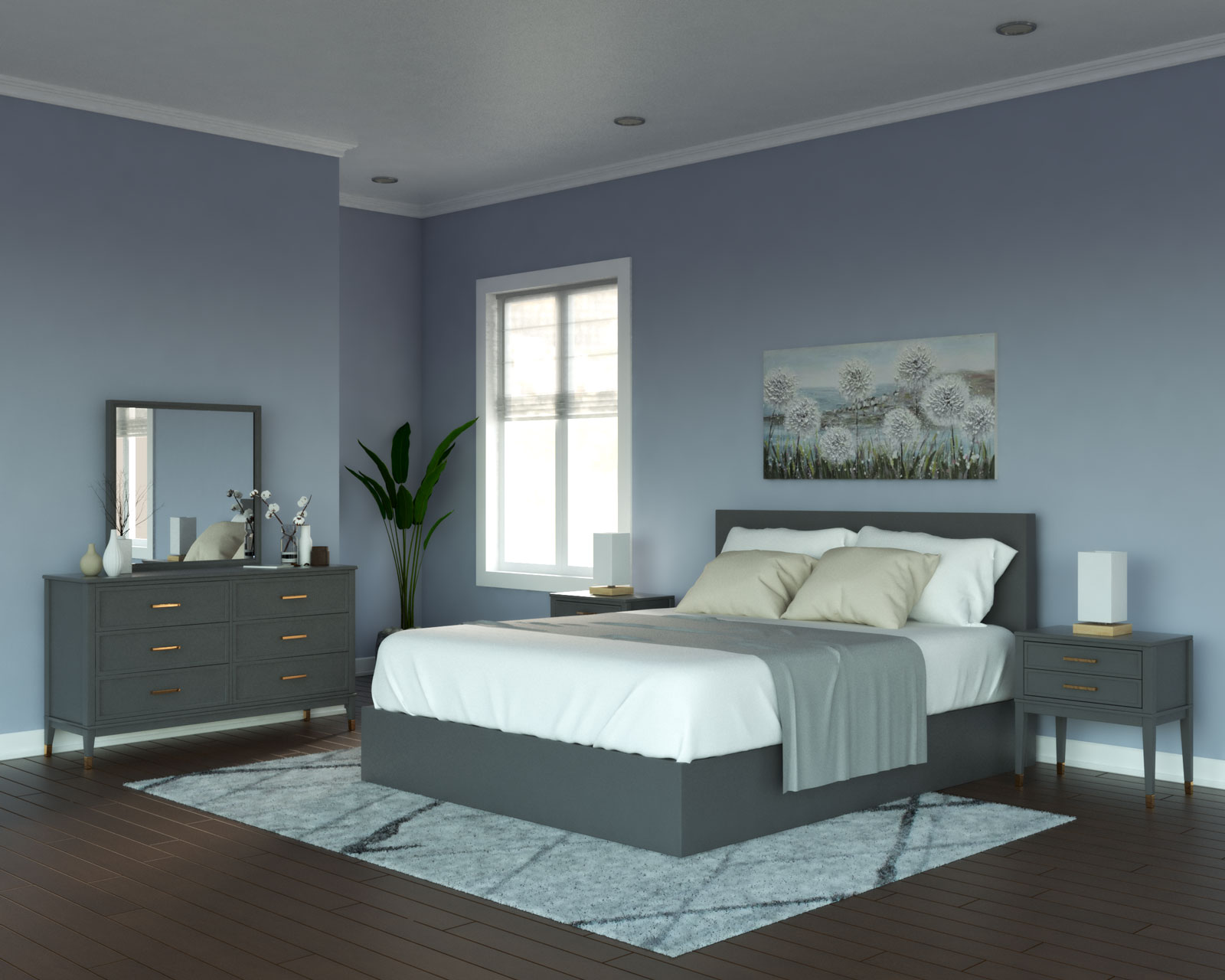
If your goal is a bedroom that feels like a peaceful escape, cool tones are your best friend. They naturally create a sense of calm and openness, making them ideal for unwinding. These palettes work especially well with cool-toned grey furniture, creating a monochromatic yet sophisticated look, but can also balance warm greys for a more eclectic feel.
| Color Family | Mood & Vibe | Best Grey Undertone Pairings | Design Tips |
|---|---|---|---|
| Blues (Navy, Dusty Blue, Teal) | Peaceful, Sophisticated, Restful, Expansive | Cool Greys (blue/purple undertones); can contrast Warm Greys | Deep blues add drama; dusty blues offer softness. Use white or cream accents to brighten. |
| Greens (Sage, Mint, Forest, Olive) | Natural, Refreshing, Grounding, Harmonious | Cool Greys (green/blue undertones); also lovely with Warm Greys for an earthy feel | Sage for subtle elegance, emerald for richness. Add natural wood or plants. |
| Purples (Lavender, Dusty Lilac, Mauve) | Dreamy, Romantic, Luxurious, Creative | Cool Greys (purple undertones); can soften True Greys | Opt for muted, desaturated purples to avoid overwhelming. Metallic accents add glam. |
My personal tip? For ultimate serenity, pair a light, cool grey furniture piece with a soft, muted blue-grey wall color. The slight variation in tone will add depth without sacrificing the calming atmosphere. Don’t be afraid to pull in textures like linen bedding or a chunky knit throw to further enhance the cozy factor.
For a Warm & Inviting Sanctuary: Cozy & Earthy Palettes
If you want your bedroom to feel like a comforting hug, radiating warmth and welcome, then warm color palettes are your answer. These shades are excellent for creating an intimate, cozy atmosphere, especially when paired with warm-toned grey furniture (think greige). They can also soften the edge of a cool-toned grey, adding much-needed warmth and balance.
:max_bytes(150000):strip_icc()/MaryPatton_Lupton-16-4552f4762d9e43fe9868882545f655d6.jpeg "15 Best Gray Bedroom Color Schemes and Design Ideas")
| Color Family | Mood & Vibe | Best Grey Undertone Pairings | Design Tips |
|---|---|---|---|
| Beiges & Creams (Greige, Ivory, Sand) | Sophisticated, Organic, Timeless, Soft | Warm Greys (beige/yellow undertones); excellent for True Greys | Layer various shades of cream and beige for depth. Incorporate natural wood. |
| Warm Whites (Off-White, Creamy White) | Bright, Airy, Clean, Modern Farmhouse | All grey undertones benefit; provides a crisp contrast or a soft blend | Use with texture (shiplap, chunky knits) to prevent flatness. Warm lighting. |
| Terracotta & Rust (Subtle Accents) | Earthy, Bohemian, Mediterranean, Grounding | Warm Greys; creates a lovely contrast with Cool Greys | Best used as an accent wall or through textiles/decor. Avoid overpowering. |
For a super cozy vibe, consider pairing your warm grey furniture with a rich, creamy off-white on the walls. Add some natural textures like rattan or jute, and layer with soft, chunky knit throws. It’s a classic combo that always feels welcoming.
For a Modern & Sophisticated Edge: Bold & Dramatic Palettes
Ready to make a statement? Grey furniture provides the perfect anchor for deeper, more dramatic wall colors. These choices create a sense of intimacy, luxury, and contemporary flair. They work exceptionally well with true or cool-toned greys for a sleek, monochromatic effect, but can also be used as a striking contrast with warm greys.
| Color Family | Mood & Vibe | Best Grey Undertone Pairings | Design Tips |
|---|---|---|---|
| Charcoal & Deep Greys | Sleek, Modern, Intimate, Luxurious, Monochromatic | All grey undertones, especially True and Cool Greys | Adds depth and sophistication. Balance with lighter bedding/accents. |
| Deep Teal & Emerald Green | Glamorous, Rich, Opulent, Jewel-toned | Cool Greys (blue/green undertones); striking contrast with Warm Greys | Pair with brass or gold accents. Velvet textures elevate the look. |
| Navy Blue (as a dramatic option) | Classic, Masculine, Elegant, grounding | Cool Greys; provides a strong anchor for True Greys | Excellent for accent walls. Use crisp whites for contrast. |
Want true drama? A deep charcoal grey wall behind a medium grey upholstered bed creates incredible depth and intimacy. Just remember to introduce plenty of contrasting textures and strategic lighting to keep the space from feeling too heavy.
For a Pop of Personality: Vibrant Accents & Unexpected Choices
Grey is the ultimate backdrop for injecting personality and fun. While you might not paint all your walls in these vibrant hues, they make incredible accent walls or can be woven in through textiles and decor to add a playful or energizing touch. These can work with any grey, depending on the intensity and undertone match.
- Yellows (Soft Lemon, Mustard, Gold): Brighten up any grey. Soft yellows add cheer, while mustard or gold tones bring sophistication, especially with warmer greys.
- Pinks (Blush, Rose, Terracotta Pink): Introduce a touch of softness, romance, or feminine charm. Blush pinks are especially popular with cool greys for a gentle contrast.
- Corals/Oranges (Peach, Tangerine): These are bold and energetic. Use sparingly as an accent to add warmth and a surprising pop, particularly effective with cooler greys.
- Reds (Burgundy, Deep Berry): For intense passion and luxury. Best used in small doses, perhaps as a velvet headboard or a statement armchair, against a neutral or warm grey.
Beyond Wall Color: Layering for a Complete Look
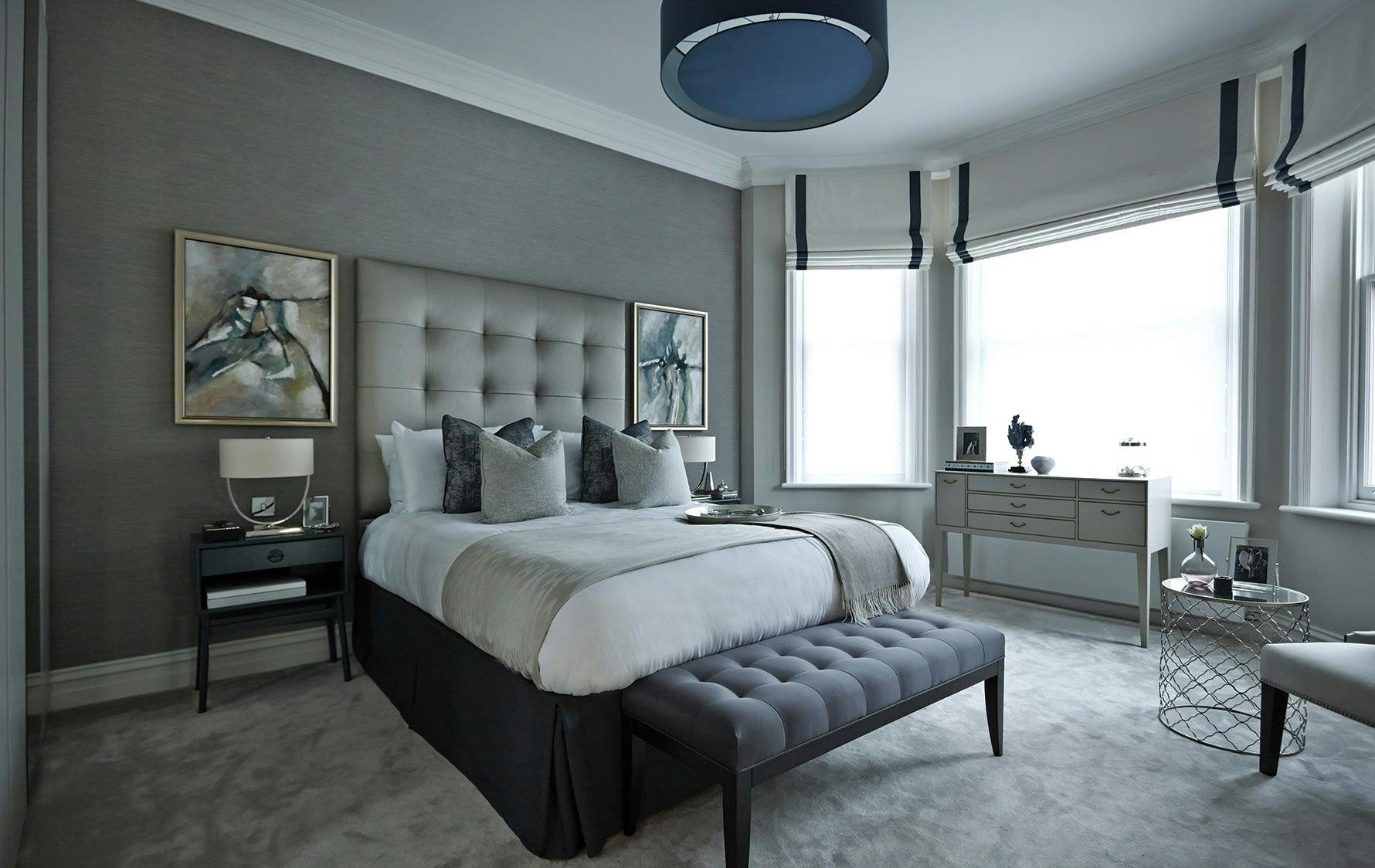
A truly stunning bedroom isn’t just about wall color and furniture. It’s about the entire sensory experience. Once you’ve chosen your main color palette, it’s time to layer in texture, pattern, and light to bring the room to life and make it feel cohesive and inviting.
The Power of Textiles: Rugs, Curtains, Bedding
This is where you can really play with your chosen color palette and add depth. Don’t underestimate the impact of:
- Rugs: Anchor the room. A large rug can introduce a contrasting color, a subtle pattern, or simply add warmth and softness underfoot. Think muted blues, soft creams, or even a geometric pattern that ties into your accent colors.
- Curtains: Frame your windows and add softness. Sheer curtains can let light in while adding privacy, while heavier drapes can introduce color or a luxurious texture like velvet.
- Bedding: This is your biggest textile opportunity. Mix and match solids, patterns, and textures. Use your chosen accent colors here, or stick to neutrals for a calm base, adding interest with throws and decorative pillows.
Accent Decor: Artwork, Lamps, Accessories
These smaller pieces are the finishing touches that pull your design together. They are perfect for introducing those vibrant pops of personality we discussed earlier.
- Artwork: Choose pieces that resonate with your chosen color scheme. A large piece can serve as a focal point, drawing colors from its palette into the room.
- Lamps & Lighting Fixtures: Beyond illumination, they are decor. Consider finishes like brass, matte black, or brushed nickel to complement your grey furniture and overall style.
- Decorative Objects: Vases, candles, books, small sculptures – these add character. Group them in odd numbers for visual interest and consider materials like ceramics, glass, or metallics.
Flooring: The Groundwork of Your Design
While often a more permanent decision, your flooring choice significantly impacts the overall feel. If you have existing flooring, factor it into your color decisions.
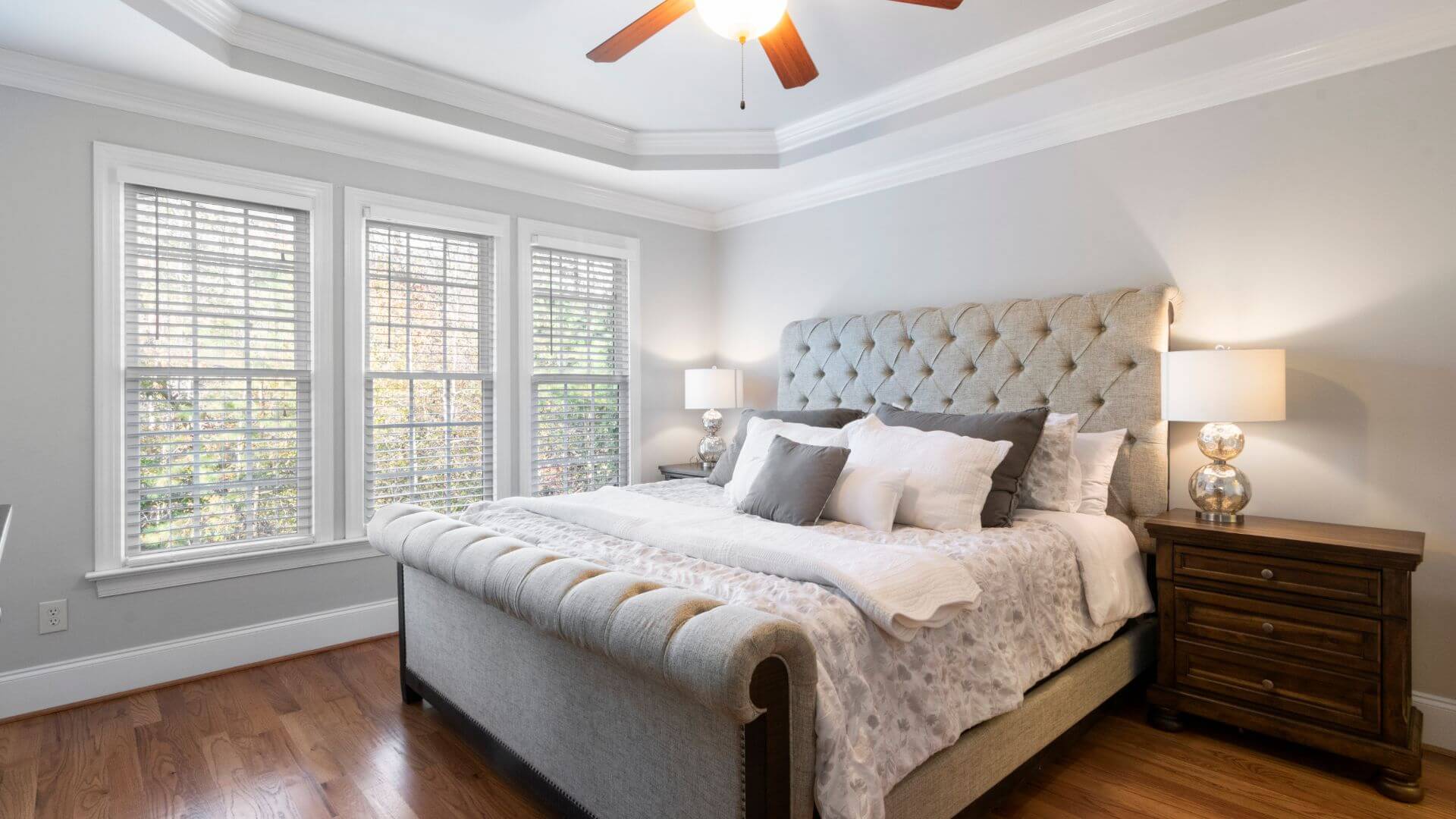
- Hardwood: Warm wood tones (oak, maple) naturally complement warm greys. Lighter, cooler woods (ash, light grey wash) work well with cool greys.
- Carpet: A neutral carpet (cream, beige, or even a lighter grey) provides a soft base. If you have grey carpet, consider how its undertone interacts with your furniture and wall color.
Lighting Magic: How Different Light Temperatures Affect Colors
Lighting is a game-changer. The same paint color can look drastically different under various light sources:
- Warm Lighting (2700K-3000K): Enhances warm tones, making beiges richer and blues slightly greener. Ideal for creating a cozy, inviting atmosphere.
- Cool Lighting (4000K-5000K): Emphasizes cool tones, making blues crisper and greys more silvery. Great for a clean, modern look, but can sometimes feel stark in a bedroom.
- Natural Daylight: The truest representation of color. North-facing rooms tend to have cooler, bluer light, while south-facing rooms have warmer, brighter light.
Always test paint swatches in your room at different times of day to see how the natural and artificial light plays with the color.
Practical Considerations for Your Grey Bedroom
Beyond aesthetics, some practical elements will guide your choices and ensure your bedroom not only looks good but feels good too.
Room Size: Maximizing Your Space
- Small Bedrooms: Generally, lighter wall colors are preferred to make the space feel larger and airier. Light blues, soft greens, creamy whites, or pale greys (matching your furniture’s undertone) are excellent choices.
- Large Bedrooms: You have more freedom to experiment with darker, more saturated colors without making the room feel cramped. Deep teals, charcoals, or even a rich navy can create a luxurious, intimate feel.
Natural Light: Understanding Its Influence
- North-Facing Rooms: Tend to receive cooler, indirect light. Warm wall colors (creams, yellows, warm greiges) can help balance this coolness and make the room feel brighter and more inviting.
- South-Facing Rooms: Bathed in warm, abundant light throughout the day. Almost any color works here, but cool tones (blues, greens) can feel especially refreshing and vibrant, while warm tones will glow.
- East-Facing Rooms: Get bright morning light, which turns cooler in the afternoon. Consider colors that look good in both lights, perhaps a balanced neutral or a soft color that isn’t too overpowering in the morning sun.
- West-Facing Rooms: Receive warm, intense light in the afternoon and evening. Cool colors can provide a soothing counterpoint to this intense warmth, or lean into it with rich, earthy tones.
Existing Elements: What If You Have Grey Carpet or Built-Ins?
Don’t forget to consider any unchangeable elements in your room, like fixed carpeting, trim, or built-in shelving. Identify their undertones just as you did with your furniture. If you have cool grey carpet, leaning into a cool wall color (or a warm color with a strong contrast) will be more successful than fighting it with a competing warm tone.
Testing, Testing, 1, 2, 3: The Importance of Samples
I cannot stress this enough: NEVER commit to a paint color without testing it first! Paint swatches look entirely different on a wall than they do in a store. Buy sample pots of your top 2-3 choices and paint large squares (at least 2’x2′) on different walls in your bedroom.
- Observe them throughout the day and night.
- See how they look next to your grey furniture.
- Consider how they interact with your textiles and decor.
This small investment of time and money can save you a huge headache (and repainting costs!) down the line.
Your Grey Bedroom, Your Masterpiece: Final Tips
Decorating a bedroom with grey furniture is an exciting journey of discovery. You’ve got a fantastic foundation, and with the right color choices, you can create a space that feels uniquely yours and perfectly suited for relaxation and rejuvenation.
- Trust Your Instincts: While color theory provides excellent guidelines, ultimately, your bedroom should make YOU feel good. If a color speaks to you, explore it!
- Don’t Be Afraid to Experiment: Start small with accent pillows or a throw, then gradually introduce more color with artwork or an accent wall.
- Balance is Key: If you go bold on the walls, keep bedding and accessories slightly more subdued, or vice-versa.
- Embrace Texture: With grey’s neutrality, texture becomes even more important for adding interest and warmth.
Grey furniture is anything but boring. It’s a sophisticated starting point for endless design possibilities. By understanding its undertones and strategically layering colors and textures, you can transform your bedroom into the ultimate personal retreat. So go ahead, pick up those swatches, and start creating the bedroom of your dreams!
Frequently Asked Questions
What colors make a grey bedroom feel warm and inviting?
To make a grey bedroom feel warm and inviting, focus on wall colors with warm undertones like creamy whites, soft beiges, greiges (grey-beige), or even subtle terracotta accents. Incorporate natural wood tones in furniture or flooring, and layer with plush textiles in warm hues like ivory, blush pink, or soft gold. Strategic use of warm lighting (around 2700K-3000K) also significantly enhances coziness.
What colors should I avoid with grey furniture?
Generally, it’s best to avoid colors that clash with your grey furniture’s undertone. If your grey is cool (blue/green undertone), extremely warm and saturated colors like bright oranges or true reds might clash without careful balancing. Similarly, if your grey is warm (beige/yellow undertone), very stark, cool blues or purples could feel discordant. Also, avoid using too many competing shades of grey that are very close but not quite matching, as this can make the room feel muddled rather not monochromatic.
How do I choose the right shade of grey for my walls if I have grey furniture?
When choosing a grey wall color to go with grey furniture, it’s crucial to consider the furniture’s undertone. For a cohesive, monochromatic look, pick a wall grey with the same undertone (cool, warm, or true) as your furniture, but aim for a noticeable difference in shade – either lighter or darker. Alternatively, for subtle contrast, you could pair a cool grey furniture piece with a slightly warmer greige wall, ensuring the tones still complement rather than fight.
Can I use bold colors with grey furniture?
Absolutely! Grey furniture is an excellent neutral base for bold colors. Deep jewel tones like emerald green, sapphire blue, or even a rich plum can create a luxurious and dramatic look. Vibrant accents like mustard yellow, blush pink, or coral can add a pop of personality. The key is balance: if your walls are bold, keep bedding and decor slightly more subdued, or use bold colors as an accent wall or through strategic decor pieces rather than painting the entire room.
How does room size and natural light affect my color choice with grey furniture?
Room size and natural light are critical factors. For small bedrooms, lighter wall colors (e.g., pale blues, creamy whites) paired with grey furniture make the space feel larger and airier. In large rooms, darker, more saturated colors can create intimacy. North-facing rooms, which receive cooler light, benefit from warm wall colors (greiges, soft yellows) to counteract the coolness. South-facing rooms, with abundant warm light, can handle almost any color, with cool tones feeling particularly refreshing.
What colors pair well with light grey furniture for a bright bedroom?
For a bright bedroom with light grey furniture, consider crisp whites (ensure they have a slight warmth to avoid feeling stark), soft pale blues, mint green, or even a very light, almost imperceptible blush pink. These colors enhance the feeling of spaciousness and light. Introduce reflective surfaces like mirrors or metallic accents to amplify brightness, and choose lightweight, sheer curtains to maximize natural light.
Should my bedding match my wall color or my grey furniture?
Your bedding doesn’t need to perfectly match either your wall color or your grey furniture, but it should harmonize with your overall color scheme. Consider using bedding to either create a subtle contrast with the walls, tie in an accent color, or lean into a monochromatic look by choosing shades of grey that differ from your furniture. Layering different textures and shades within your bedding (e.g., a crisp white duvet, a grey throw, and a patterned accent pillow) adds depth and interest.