Tired of that dated dresser? Looking to refresh your nightstands without buying new? If you’re eyeing a bedroom makeover, painting your furniture is a game-changer. And when it comes to color, nothing quite offers the versatility, sophistication, and enduring appeal of grey. But choosing the perfect grey paint for your bedroom furniture can feel like navigating a minefield of undertones, finishes, and endless options. Don’t worry, you’re in the right place.
This isn’t just another product list. This is your definitive guide to transforming your bedroom furniture with grey paint, from selecting the ideal shade to mastering the application and protecting your masterpiece. We’ll dive deep into why grey works, how to pick the right one for your space, and every step you need to achieve a professional, lasting finish.
Grey Paint for Bedroom Furniture: Your Ultimate Guide to Timeless Transformations
Why Grey? The Enduring Allure of a Neutral Powerhouse for Your Bedroom
Before we even dip a brush, let’s talk about why grey is more than just a trend; it’s a strategic choice for bedroom furniture. It’s the ultimate chameleon, capable of adapting to almost any style and creating a mood that supports rest and relaxation.
The Psychology of Grey in the Bedroom
In interior design, color psychology plays a huge role in how a room feels. Grey is often associated with peace, balance, and sophistication. It’s a calming, understated hue that doesn’t demand attention but instead creates a serene backdrop. For a bedroom, where tranquility is paramount, grey furniture actively contributes to a restful environment. It’s less stark than pure white and less heavy than black, striking a perfect equilibrium.
Versatility: A Chameleon for Every Style
This is where grey truly shines. Whether your bedroom aesthetic leans towards:
- Modern Minimalist: A sleek, dark charcoal or cool light grey.
- Rustic Farmhouse: A weathered, warm grey or a chalky, distressed finish.
- Elegant Traditional: A sophisticated mid-tone grey with subtle blue undertones.
- Bohemian Chic: A muted, earthy grey allowing other vibrant elements to pop.
- Coastal Retreat: A soft, sandy grey paired with whites and blues.
Grey furniture integrates seamlessly. It allows you to update your decor around it without constantly repainting, giving you incredible design flexibility.
Timelessness vs. Trends
While specific shades of grey might trend, the color itself is inherently timeless. Unlike some bolder colors that can quickly feel dated, grey has a classic quality that ensures your painted furniture will look fresh and relevant for years to come. It’s an investment in enduring style, not just a fleeting fad.

Choosing Your Perfect Grey: Navigating Undertones, Shades, and Finishes
This is the trickiest part, but with a little guidance, you’ll nail it. Not all greys are created equal, and understanding their nuances is key to a successful bedroom transformation.
Understanding Grey Undertones: Warm vs. Cool
Every grey has an undertone, and this is critical. It’s what makes a grey feel ‘warm’ or ‘cool’ and dictates how it interacts with other colors in your room.
- Warm Greys: These have beige, brown, or even purple undertones. They feel cozier, softer, and more inviting. Think ‘greige’ (grey + beige) or greys that lean slightly towards taupe. They pair beautifully with natural woods, creams, and earthy tones. If your bedroom feels a bit cold, a warm grey can instantly add comfort.
- Cool Greys: These contain blue, green, or even violet undertones. They evoke a sense of calm, crispness, and modernity. They work well in contemporary spaces, often paired with whites, blues, silvers, and even vibrant accent colors. If your room gets a lot of natural light or you want a more spa-like feel, cool greys are an excellent choice.
How to identify undertones: Hold a paint swatch against a pure white background. The subtle color peeking through is its undertone. Also, consider the existing colors in your bedroom – your walls, bedding, and carpet. Does a warm grey complement them, or does a cool grey provide a refreshing contrast?
Light Greys: Airy, Serene, and Expansive
Perfect for smaller bedrooms or those lacking abundant natural light, light greys (think ‘off-white’ grey or very pale silver) can make furniture feel less bulky and the room appear larger and more open. They offer a soft, subtle backdrop that’s incredibly versatile.
Mid-Tone Greys: Balanced, Sophisticated, and Grounding
These are your workhorse greys – the classic charcoal, slate, or stone greys. They provide more visual weight than light greys, offering a grounded and sophisticated feel without being too dark. They’re excellent for making a statement without overwhelming the space and pair well with a wide range of accent colors.
Dark Greys: Dramatic, Cozy, and Modern
For a bold, modern, or incredibly cozy bedroom, dark greys (like deep charcoal, nearly black grey, or even a deep forest grey) can be stunning. They add drama and depth, especially on larger pieces like dressers or headboards. Pair them with light walls and bedding to prevent the room from feeling too enclosed.
The Right Sheen: Matte, Satin, Semi-Gloss, or High-Gloss?
The paint finish profoundly impacts the final look and durability of your furniture.
:max_bytes(150000):strip_icc()/MaryPatton_Lupton-16-4552f4762d9e43fe9868882545f655d6.jpeg "15 Best Gray Bedroom Color Schemes and Design Ideas")
- Matte/Flat: Offers a velvety, non-reflective finish that hides imperfections beautifully. It’s often associated with a chalky, vintage, or modern minimalist look. However, it’s generally less durable and harder to clean, making it better for low-traffic pieces.
- Eggshell/Satin: These are slightly more reflective than matte but still soft. Satin offers a subtle sheen, making it more durable and easier to wipe clean than matte, making it a popular choice for furniture. It balances elegance with practicality.
- Semi-Gloss: Provides a noticeable sheen and is very durable and washable. Great for pieces that see a lot of use or for a more contemporary, polished look. It does show imperfections more readily, so meticulous prep is key.
- High-Gloss: The most reflective and durable finish, creating a sleek, contemporary, and often luxurious look. It’s very easy to clean but highlights every single imperfection, demanding absolutely flawless prep and application. Usually reserved for very modern or accent pieces.
For bedroom furniture, satin or semi-gloss often hits the sweet spot for durability, cleanability, and aesthetic appeal. Matte finishes can look beautiful, especially with chalk paint, but require a robust topcoat for protection.
Top Grey Paint Recommendations for Bedroom Furniture
Now for the exciting part! While specific brand availability varies, certain paint types and renowned brands consistently deliver excellent results for furniture. Here’s a breakdown and some popular grey options to get you started. Remember to always swatch paint in your home lighting before committing!
Different types of paint are suitable for furniture:
- Chalk Paint: Known for its matte, velvety finish and minimal prep (often no sanding or priming needed). Great for distressed or vintage looks. Requires a wax or poly topcoat.
- Mineral Paint: Similar to chalk paint in ease of use, but often has a built-in topcoat, offering a more durable, low-sheen finish without extra sealing.
- Acrylic Enamel: A durable, water-based paint that cures to a very hard, often satin or semi-gloss finish. Good for higher-traffic pieces.
- Latex Paint (with proper primer): While not specifically for furniture, good quality latex house paint can work with the right primer and topcoat, offering a wide color range.
| Paint Type/Brand Category | Key Features for Furniture | Typical Sheen | Grey Examples (Undertone) | Ideal Application |
|---|---|---|---|---|
| Chalk-Style Paint (e.g., Annie Sloan, Dixie Belle, Rust-Oleum Chalked) | Minimal prep (often no sanding/priming), excellent adhesion, matte finish, easy to distress. Requires sealing. | Ultra Matte | French Linen (Warm/Brown), Parisian Grey (Cool/Blue), Gravel Road (Dark/Cool) | Vintage, shabby chic, farmhouse, quick makeovers. |
| Mineral Paint (e.g., Fusion Mineral Paint, MudPaint) | Built-in topcoat for durability, low-VOC, excellent coverage, smooth self-leveling finish. Less prep than latex. | Low Sheen/Eggshell | Sterling (Cool/Blue), Putty (Warm/Greige), Ash (Dark/Charcoal) | Modern, contemporary, mid-century, durable finishes. |
| Acrylic Enamel Paint (e.g., Sherwin-Williams Emerald Urethane Trim Enamel, Behr Cabinet & Trim Enamel) | Extremely durable, hard finish, excellent chip resistance, easy to clean. Requires thorough prep and priming. | Satin, Semi-Gloss, Gloss | Repose Gray (Warm/Greige), Agreeable Gray (Warm/Greige), Mindful Gray (Warm/Greige), Passive Gray (Cool/Blue-Green) | High-traffic pieces, modern/sleek look, long-lasting durability. |
| All-in-One Furniture Paint (e.g., General Finishes Milk Paint, Retique It) | Often requires minimal to no prep, good adhesion, very durable, wide color selection. Can be distressed. | Satin, Semi-Gloss | Driftwood (Mid-tone/Neutral), Lamp Black (Dark/Charcoal), Coastal Blue (Dark/Blue-Grey) | Versatile for various styles, good for beginners, strong finish. |
Our Favorite Light Grey Picks
- Benjamin Moore’s Grey Owl OC-52: A highly popular light grey with subtle blue-green undertones, making it a very versatile cool grey that feels fresh and airy.
- Sherwin-Williams’ Light French Gray SW 0055: A beautiful, true light grey that leans slightly cool but remains largely neutral, offering a sophisticated and clean look.
- Faded Gray (MudPaint): A sweet, subtle vintage grey, one of the lightest greys from this brand, perfect for a soft, aged look.
Our Go-To Mid-Tone Greys
- Benjamin Moore’s Revere Pewter HC-172: A classic, very warm ‘greige’ that works with almost everything. It can look more grey or more beige depending on the light.
- Sherwin-Williams’ Agreeable Gray SW 7029: Another fan-favorite greige, slightly lighter than Revere Pewter, offering warmth and flexibility.
- Driftwood (General Finishes Milk Paint): A balanced, medium grey that can read slightly warm or cool, making it incredibly adaptable for various styles.
Dramatic Dark Grey Selections
- Benjamin Moore’s Chelsea Gray HC-168: A rich, sophisticated dark grey with slight warm undertones, making it feel cozy and luxurious.
- Sherwin-Williams’ Peppercorn SW 7674: A deep, bold charcoal grey with cool, almost black undertones, perfect for a modern and dramatic statement.
- Rust-Oleum Charcoal Chalked Ultra Matte Paint: A deep, dark grey that offers a trendy, ultra-matte finish, great for a strong, contemporary statement.
Prepping Your Furniture for a Flawless Grey Finish: Don’t Skip These Steps!
I cannot stress this enough: preparation is 90% of a successful paint job. Skimping on prep will lead to a finish that chips, peels, or looks unprofessional. Even with ‘no-prep’ paints, a basic clean is essential.
Cleaning is Crucial
Start by thoroughly cleaning your furniture. Use a degreaser like TSP (trisodium phosphate) substitute or a good quality furniture cleaner. Remove all dirt, grime, grease, and old polish. Rinse well with clean water and allow it to dry completely. Any residual oils will prevent paint from adhering properly.
Sanding for Adhesion (or When to Skip It)
For most paints (especially acrylic enamels or latex), light sanding is critical. Use 120-180 grit sandpaper to scuff up the existing finish. This creates a ‘tooth’ for the new paint to grip onto, preventing peeling. You don’t need to sand down to bare wood, just de-gloss the surface. For chalk-style or mineral paints, sanding may be optional, but I always recommend at least a light scuff for better durability, especially on high-use surfaces.
Repairing Imperfections
Now’s the time to fix any dings, scratches, or gouges. Use wood filler for larger holes or Bondo for significant repairs. Sand smooth once dry. If you have loose veneer, glue it down securely. Remember, grey paint, particularly in semi-gloss or high-gloss, will highlight every imperfection, so be thorough.
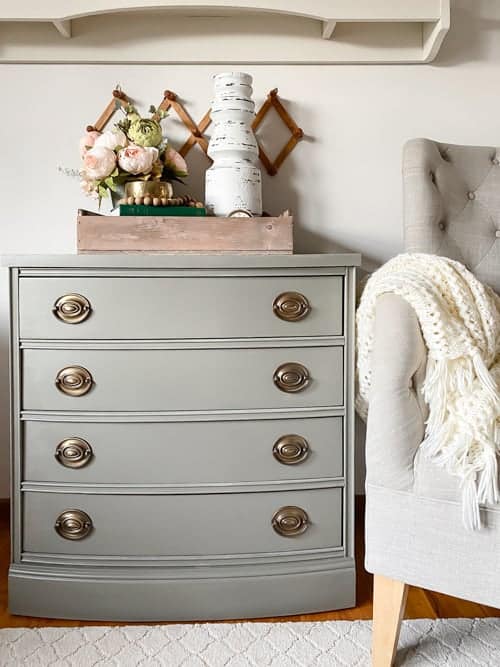
Priming: Your Secret Weapon
Unless you’re using an ‘all-in-one’ paint designed to eliminate primer (like many mineral paints or some chalk paints), priming is non-negotiable.
- When to prime: Always, if you’re painting over a dark finish with a light grey, going from glossy to matte, or working with laminate/melamine. Also essential for woods that bleed tannins (like oak, mahogany, cherry, pine knots) – these will cause yellow or pink stains to bleed through your grey paint if not properly sealed.
- What primer to use: A good quality bonding primer (for tricky surfaces like laminate) or a stain-blocking primer (like Zinsser B-I-N Shellac-Base Primer or Kilz Original) for bleed-through issues. Tinting your primer grey can also help reduce the number of paint coats needed, especially when using a dark grey topcoat.
Taping and Protecting Your Space
Remove all hardware (knobs, pulls, hinges). Tape off any areas you don’t want painted. Lay down drop cloths to protect your floor and surrounding items. Ensure good ventilation in your workspace.
The Art of Painting: Achieving a Professional Grey Look
With your prep done, you’re ready to paint! Patience and proper technique are key here.
Choosing Your Tools: Brushes, Rollers, or Sprayers?
- Brushes: High-quality synthetic brushes (for water-based paints) are excellent for detailed areas, edges, and creating a hand-painted look. Choose a brush size appropriate for the area you’re painting.
- Rollers: Small foam rollers or flock rollers are ideal for large, flat surfaces to achieve a smooth, even finish with minimal brush strokes.
- Sprayers: For the absolute smoothest, factory-like finish, a paint sprayer is unmatched. It requires a learning curve, practice, and proper thinning of paint, but the results are stunning.
Application Techniques for Smooth, Even Coats
- Stir Thoroughly: Paint separates. Stir your paint well before and during use.
- Thin Coats: Resist the urge to apply one thick coat. Multiple thin coats are always better. They dry faster, adhere better, and are less likely to drip or show brush marks.
- Paint with the Grain: When using a brush, always paint in the direction of the wood grain for a more natural look.
- Even Pressure: Apply consistent, light pressure. Don’t overload your brush or roller.
- Work in Sections: For larger pieces, work in manageable sections, maintaining a wet edge to avoid lap marks.
Drying Times and Recoating
Always follow the manufacturer’s recommendations for drying times between coats. Rushing this step can lead to tacky paint, brush marks, or poor adhesion. Typically, this is 2-4 hours for most water-based paints, but can vary. Most furniture pieces will require 2-3 coats of grey paint for full, even coverage, especially if you’re going from dark to light.
Dealing with Drips and Imperfections
If you get a drip, wipe it immediately with a damp cloth if the paint is still wet. If it’s dry, gently sand it smooth with fine-grit sandpaper (220-320 grit) before applying the next coat. Lightly sand between coats if you notice any texture or dust particles, then wipe clean with a tack cloth.
Protecting Your Masterpiece: Topcoats and Sealants
Painting furniture, especially for a bedroom, means it will get some use. A durable topcoat is essential to protect your grey finish from scratches, chips, and daily wear and tear.
The Importance of a Durable Finish
Unless your paint has a built-in topcoat (like many mineral paints), you need to seal it. This adds a layer of protection, making your furniture more resistant to moisture, stains, and abrasion. It significantly extends the life of your paint job.
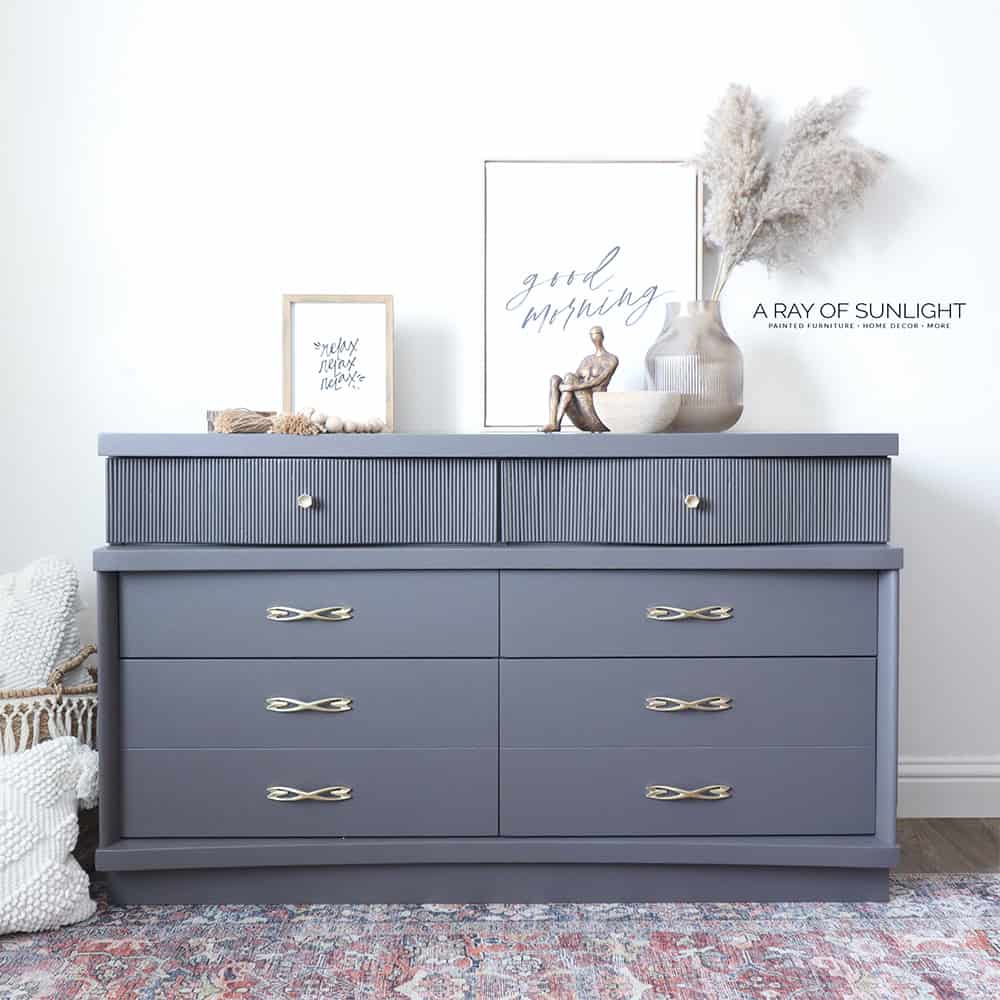
Types of Topcoats: Polyurethane, Polycrylic, Wax, Lacquer
- Polycrylic: A water-based protective finish that is durable, non-yellowing, and dries clear. It’s my go-to for grey furniture as it won’t alter the color. Available in various sheens.
- Polyurethane: Can be water-based or oil-based. Oil-based polyurethane is extremely durable but can yellow over time, making it less ideal for light greys. Water-based polyurethane is a good option but often not as widely available as polycrylic.
- Furniture Wax: Often used with chalk-style paints, wax creates a soft, hand-rubbed finish. It needs to be buffed and reapplied periodically, offering less protection than polycrylic for high-use surfaces, but excellent for a matte, vintage look.
- Lacquers: Provide a very hard, durable, and smooth finish, often used in professional settings. Can be tricky to apply without specialized equipment.
Application Tips for Longevity
Apply 2-3 thin coats of your chosen topcoat, following drying times. Sand lightly with 400-grit sandpaper between coats for a super smooth finish, especially if using polycrylic. Allow the topcoat to fully cure (which can take several days to a few weeks, depending on the product) before heavy use to ensure maximum durability.
Styling Your Grey Painted Bedroom Furniture
Now that your furniture is beautifully grey, let’s make it shine in your bedroom!
Complementary Color Palettes for Walls and Linens
- Crisp & Clean: Pair light to mid-tone grey furniture with white or off-white walls, crisp white linens, and metallic accents (silver, chrome) for a fresh, modern look.
- Warm & Inviting: Combine warm grey furniture with soft beige, cream, or even a very pale sage green on the walls. Add linen bedding, chunky knits, and brass or gold hardware for a cozy, earthy vibe.
- Dramatic & Moody: Dark grey furniture looks incredible against deep jewel tones (emerald, sapphire), dark blues, or even a soft black wall. Opt for velvet textures and dark wood accents.
- Soft & Serene: Light cool grey furniture with pale blues, soft greens, or lavender walls, and delicate patterns in your linens creates a tranquil, spa-like sanctuary.
Hardware Choices: Gold, Silver, Black, or Wood?
Hardware is like jewelry for your furniture, and it can dramatically shift the style.
- Gold/Brass: Adds warmth, luxury, and a touch of vintage glamour. Perfect for warm greys or to add sophistication to cool greys.
- Silver/Chrome/Nickel: Enhances cool undertones, offering a modern, sleek, and often minimalist feel.
- Matte Black: Provides striking contrast, a contemporary edge, and can anchor both warm and cool greys. Ideal for industrial, modern farmhouse, or minimalist styles.
- Wood Knobs/Pulls: For a natural, rustic, or Scandinvavian-inspired look, especially beautiful with warm greys.
Incorporating Texture and Accessories
Grey is a fantastic base for layering textures. Think plush rugs, velvet pillows, linen throws, woven baskets, and metallic accents. Don’t forget greenery – plants add life and a pop of natural color against grey.
Integrating with Existing Decor Styles
- Modern: Opt for sleek lines, minimal hardware, and a cool, dark grey.
- Farmhouse: Distressed warm grey with cup pulls or vintage knobs.
- Traditional: Mid-tone grey with classic brass hardware, perhaps a subtle glaze.
- Eclectic: Mix different shades of grey, and don’t be afraid to combine different hardware styles on various pieces.
Common Mistakes to Avoid When Painting Furniture Grey
Even with the best intentions, it’s easy to make errors. Here are the most common pitfalls and how to steer clear of them:
Skipping Prep
I know, I said it before, but it bears repeating. Not cleaning, sanding, or priming properly is the reason for a failed paint job. Your grey will chip, scratch, or peel off, and you’ll be back at square one, frustrated.
Overloading Your Brush
Too much paint leads to drips, uneven coverage, and a thick, gloppy finish. Always use thin coats. If you see a drip forming, lighten your pressure or remove some paint from your brush/roller.
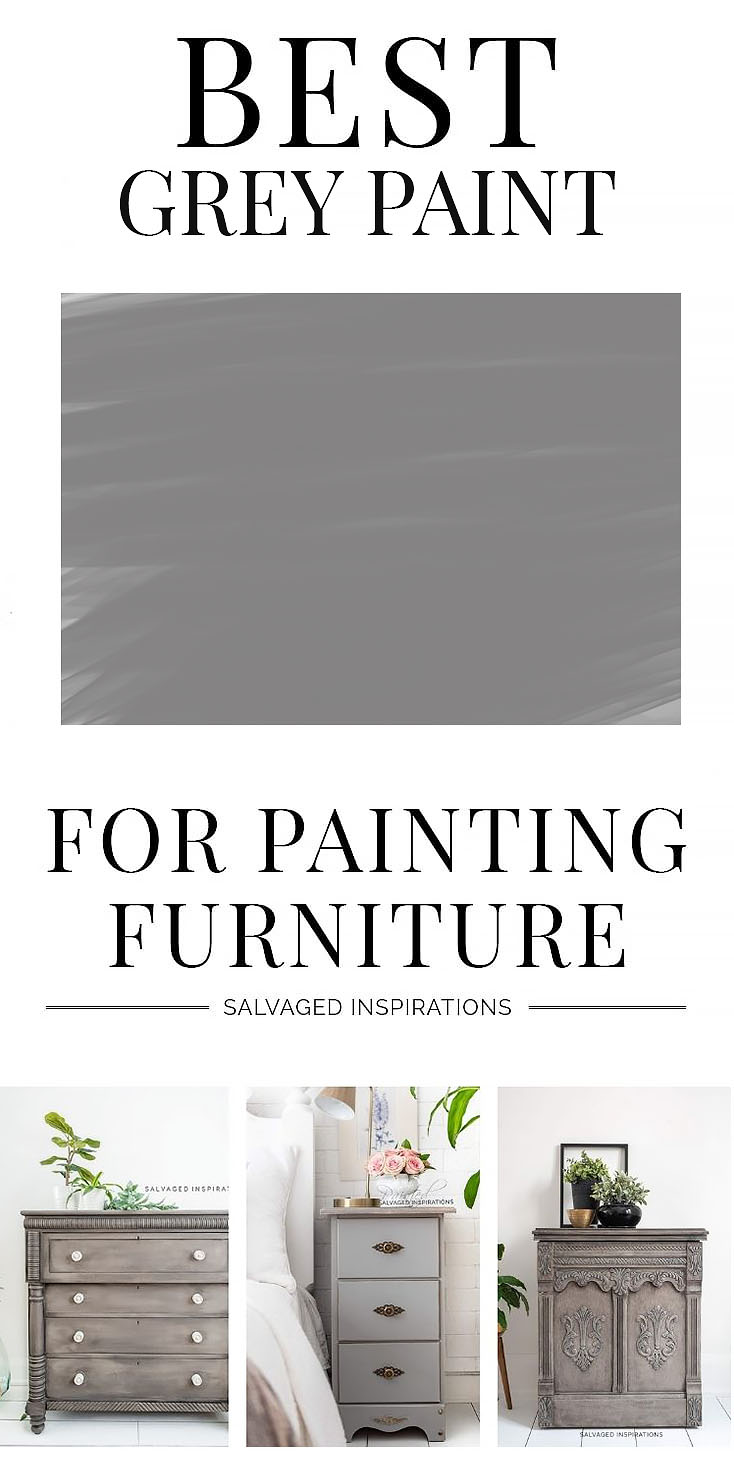
Not Considering Undertones
Choosing a cool grey for a warm-toned room (or vice versa) can create an unsettling visual conflict. Always swatch your grey choices on the actual furniture in your room and observe them throughout the day in different lighting conditions.
Neglecting a Topcoat
Unless your chosen paint specifically states it doesn’t need a topcoat for durability, skipping this step leaves your beautiful grey finish vulnerable. Bedroom furniture sees daily use; protect your hard work!
Final Thoughts: Embrace the Grey Revolution
Painting your bedroom furniture grey is more than just a DIY project; it’s an investment in a timeless, versatile, and elegant aesthetic that will elevate your entire room. From the serene calm of a light cool grey to the dramatic sophistication of a deep charcoal, there’s a perfect grey waiting to transform your space.
By understanding undertones, choosing the right paint and finish, diligently prepping, and applying with care, you can achieve a professional-looking result that you’ll love for years. So, gather your supplies, pick your perfect grey, and get ready to create the bedroom of your dreams. Your furniture, and your sleep, will thank you for it!
Frequently Asked Questions
What kind of grey paint is best for bedroom furniture?
The best grey paint depends on your desired look and durability needs. Chalk-style paints offer a matte, vintage look with minimal prep (but require sealing). Mineral paints provide a durable, low-sheen finish with built-in topcoats. Acrylic enamels (like urethane enamels) are highly durable, chip-resistant, and great for high-traffic pieces, offering satin to semi-gloss finishes. Always consider a paint specifically formulated for furniture for best results.
Do I need to sand furniture before painting it grey?
For most paints, light sanding (scuff sanding with 120-180 grit sandpaper) is highly recommended. It creates a ‘tooth’ for the paint to adhere to, ensuring a longer-lasting finish. While some ‘no-prep’ paints like chalk paint advertise no sanding, even a light scuff and thorough cleaning can significantly improve adhesion and durability, especially on high-use surfaces.
What is the difference between warm grey and cool grey?
Warm greys have undertones of beige, brown, or purple, making them feel cozier and more inviting. They pair well with natural woods and earthy tones. Cool greys have undertones of blue, green, or violet, giving them a crisp, modern, and calming feel. They often work well with whites, blues, and metallics. Always test swatches in your room’s lighting to see how the undertone appears.
How do I choose the right grey shade for my bedroom?
Consider the existing elements in your bedroom: wall color, flooring, and natural light. For smaller rooms or those with less light, lighter greys can make the space feel larger. Mid-tone greys offer sophistication, while dark greys add drama. Pay close attention to undertones – match warm greys with warm existing colors and cool greys with cool colors, or use contrasting undertones strategically for visual interest. Always swatch!.
How many coats of grey paint do I need for furniture?
Typically, 2-3 thin coats of grey paint are required for full, even coverage, especially if you’re painting over a darker existing finish or using a lighter grey. Always allow adequate drying time between coats according to the paint manufacturer’s instructions. Applying multiple thin coats is far better than one thick coat, as it reduces drips and improves durability.
Should I use a primer when painting furniture grey?
Yes, priming is generally essential unless you’re using an ‘all-in-one’ furniture paint with built-in primer/topcoat. A good quality bonding primer is crucial for tricky surfaces like laminate. A stain-blocking primer (e.g., shellac-based) is vital for raw wood or woods prone to tannin bleed (like oak, mahogany) to prevent yellow or pink stains from seeping through your grey paint.
How do I protect my newly painted grey furniture?
After painting, apply 2-3 thin coats of a protective topcoat. Polycrylic is a popular choice for grey furniture as it’s water-based, durable, and won’t yellow. Furniture wax can be used for a soft, matte finish, especially over chalk paint, but may require reapplication and offers less protection. Allow the topcoat to fully cure for maximum durability (which can take several weeks).