The Definitive Guide to Choosing the Best Shade of Blue Paint for Your Bedroom
Staring at a wall of blue paint swatches, are you? Trust me, I’ve been there. The promise of a serene, sleep-inducing bedroom often starts with blue, but finding *the blue? That’s where the overwhelm kicks in. From serene sky blues to dramatic navies, the options are endless, and each one whispers a different story. Your bedroom is your sanctuary, your escape, and the right blue can transform it into the ultimate retreat. But how do you navigate the subtle nuances, the tricky undertones, and the sheer volume of choices?
This isn’t just a list of pretty blues. This is your expert guide to understanding blue paint for bedrooms, helping you cut through the noise and confidently pick the shade that’s perfect for you and your space. We’ll dive deep into the psychology, the practical considerations, and my top designer-approved picks to ensure your blue bedroom dream becomes a vibrant, calming reality.
Why Blue Reigns Supreme in the Bedroom (Beyond Just “Calming”)
It’s no secret that blue is a perennial favorite for bedrooms, and for good reason. But its appeal goes far beyond a simple sense of calm. There’s a profound connection between the color blue and our well-being.
The Psychology of Blue: More Than Just Serene
Blue is consistently associated with feelings of tranquility, peace, and stability. Think of the vastness of the sky or the depth of the ocean – these are images of natural serenity. In a bedroom, this translates directly to a more restful environment.

- Relaxation & Sleep Quality: Studies have shown that exposure to blue light (in moderation, especially not from screens before bed!) can actually lower heart rate and blood pressure, promoting a state of relaxation conducive to sleep. The color blue in decor mimics this calming effect, helping you unwind.
- Stress Reduction: Our brains process blue as non-threatening and harmonious. This can significantly reduce feelings of anxiety and stress, making your bedroom a true haven from the daily grind.
- Fostering Focus & Clarity: While primarily a calming color, certain shades of blue can also evoke a sense of clarity and order. This isn’t about productivity in the bedroom, but rather mental calm – a clear mind before sleep.
- Sense of Space: Lighter blues, in particular, have a remarkable ability to recede visually, making a room feel more expansive and open. This can be a game-changer for smaller bedrooms, creating an airy, unconfined feeling.
Decoding Blue: Understanding Undertones, Lightness, and Saturation
Before we jump into specific shades, let’s break down what makes one blue different from another. It’s not just “light” or “dark.” Understanding undertones, LRV, and saturation is crucial for making an informed choice.
The Crucial Role of Undertones: Green, Purple, Gray
This is where many people get tripped up. A blue paint color is rarely just blue. It almost always has a subtle underlying hue – an undertone – that dictates whether it feels warm or cool, fresh or sophisticated. Identifying these is key.
- Green Undertones: Blues with a hint of green (think teal, aqua, or some dusty blues) tend to feel more organic, natural, and often softer. They can prevent a blue from feeling too cold and add a touch of earthy warmth.
- Purple Undertones: Blues with purple undertones (like periwinkle, some indigos, or certain muted purplish-grays) can feel more elegant, luxurious, and even a bit whimsical. They often appear richer and deeper.
- Gray Undertones: These are incredibly popular for bedrooms because they mute the intensity of the blue, making it feel sophisticated, calm, and incredibly versatile. “Greige-blues” or “dusty blues” often fall into this category. They act as a neutral that adds color without overwhelming.
How to Identify Them: Look at the paint chip in different lights, and compare it to other colors. Place it next to a pure white, a pure green, and a pure purple. The undertone will become more apparent as your eye contrasts it. Pay attention to the darkest shade on the paint strip – sometimes the undertone is more obvious there.
Light Reflectance Value (LRV) and Saturation: Your Secret Weapons
Beyond undertones, LRV and saturation are powerful tools for predicting how a blue will behave in your bedroom.
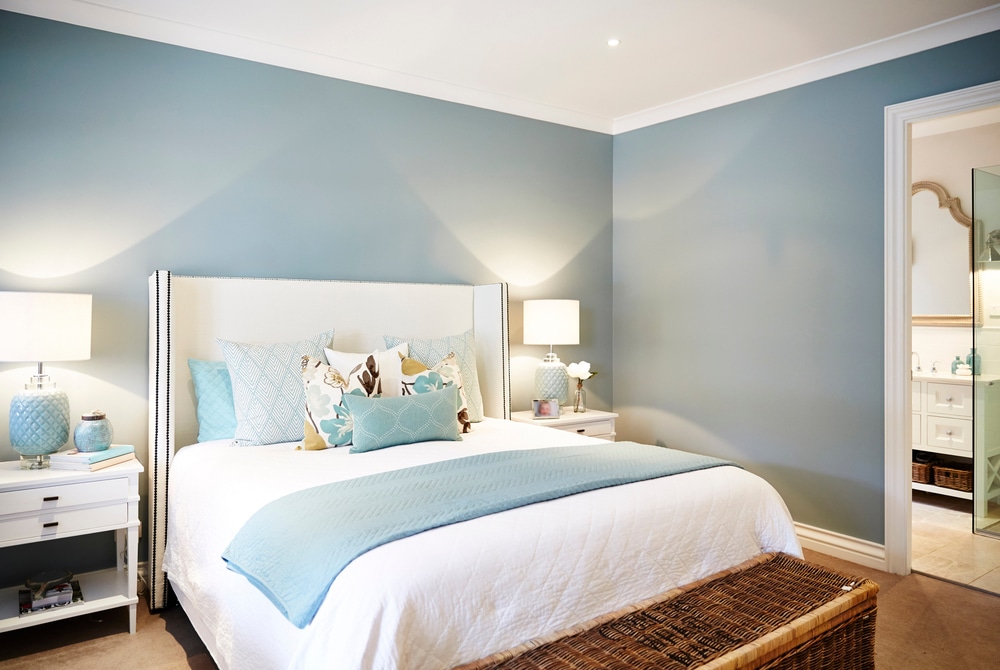
- Light Reflectance Value (LRV): This is a percentage that indicates how much light a color reflects. A higher LRV (closer to 100%) means the color is lighter and reflects more light, making a room feel brighter and more spacious. A lower LRV (closer to 0%) means the color is darker and absorbs more light, creating a cozier, more intimate feel. For bedrooms, you’ll often see a range of LRVs depending on the desired mood.
- Saturation: This refers to the intensity or purity of the color. A highly saturated blue is vibrant and bold (think royal blue), while a less saturated blue is muted, dusty, or desaturated (think steel blue or slate). In bedrooms, highly saturated blues can be energetic, so many prefer blues with lower to medium saturation for a more restful atmosphere.
The Best Blue Paint Shades for Bedrooms: Our Expert Picks & Why
Alright, let’s get to the good stuff! Based on years of design experience, understanding of color psychology, and popularity among top designers, here are my go-to blue paint colors for bedrooms. I’ll break them down by their general vibe, so you can easily find your fit.
| Shade Name | Brand | Vibe/Mood | Key Undertones | Ideal Room/Light | Popular Pairings |
|---|---|---|---|---|---|
| Palladian Blue | Benjamin Moore | Light, airy, spa-like, tranquil | Green, Gray | South-facing, bright rooms, smaller spaces | Crisp white, light wood, creams, silver accents |
| Woodlawn Blue | Benjamin Moore | Classic, fresh, inviting, coastal | Green, Gray | East/West-facing, medium to large rooms | Dark wood, linen, warm whites, brass |
| Breath of Fresh Air | Benjamin Moore | Soft, gentle, ethereal, serene | Slightly Purple, Gray | Any room, especially those needing a subtle lift | Warm neutrals, cool grays, natural textures |
| Niebla Azul | Sherwin-Williams | Dusty, serene, sophisticated, modern | Gray, Hint of Green | North-facing, contemporary spaces | Greiges, crisp white, black accents, rattan |
| Sleepy Blue | Sherwin-Williams | Soft, comforting, classic nursery/bedroom | Slightly Gray | Children’s rooms, bright bedrooms, traditional decor | Light wood, creams, pastel accents |
| Borrowed Light | Farrow & Ball | Ethereal, delicate, optimistic | Gray, Hint of Purple | Any room needing a gentle touch, especially with natural light | Off-whites, muted pinks, brushed metals |
| Hale Navy | Benjamin Moore | Sophisticated, dramatic, cozy, nautical | Gray, Hint of Green | Larger rooms, rooms with abundant natural light | Crisp white, natural wood, gold accents, deep reds |
| Van Courtland Blue | Benjamin Moore | Historic, elegant, comforting, muted | Gray, Subtle Green | Traditional spaces, cozy nooks, any light exposure | Creamy whites, antique brass, rich wood tones |
| Naval | Sherwin-Williams | Rich, bold, luxurious, classic navy | Neutral, Deep Blue | Statement walls, larger rooms, modern traditional | Gold, silver, bright whites, vibrant coral |
| Waterloo | Sherwin-Williams | Deep, earthy, sophisticated, moody | Green, Gray | Cozy dens, bedrooms with warm lighting, natural accents | Wood tones, cream, copper, charcoal gray |
| Hague Blue | Farrow & Ball | Intense, chic, timeless, enveloping | Green, Black | Dramatic spaces, cozy hideaways, with period features | Dark wood, blush pink, rich textiles, antique gold |
| Good Jeans | Clare Paint | Classic, casual, versatile, inviting | Gray, Subtle Green | Modern, casual, any light | Beiges, light wood, white, terracotta |
| Aegean Teal | Benjamin Moore | Rich, vibrant, bohemian, comforting | Green, Gray | Rooms needing depth, creative spaces, warm accents | Mustard yellow, rust, natural wood, deep brown |
| Wythe Blue | Benjamin Moore | Coastal, fresh, serene, sophisticated | Green, Gray | Coastal homes, airy spaces, rooms with natural elements | White, sand tones, driftwood, light linen |
Light & Airy Blues: For Serenity and Spaciousness
These blues are your go-to for creating a bedroom that feels expansive, clean, and utterly tranquil. They often have higher LRVs, making them excellent choices for smaller rooms or spaces that don’t get a ton of natural light.
- Benjamin Moore Palladian Blue (HC-144): A perennial favorite, Palladian Blue is a soft, muted blue-green that shifts beautifully with the light. Its gray and green undertones give it an ethereal, spa-like quality. It’s incredibly versatile and pairs well with crisp whites and warm wood tones. It never feels cold, only refreshing.
- Benjamin Moore Woodlawn Blue (HC-147): A slightly deeper cousin to Palladian Blue, Woodlawn Blue offers a similar calming blue-green hue but with a bit more depth. It’s historic, classic, and feels incredibly inviting. Perfect for a traditional or transitional bedroom.
- Benjamin Moore Breath of Fresh Air (806): Just as its name suggests, this is a delicate, true sky blue. It has very subtle purple-gray undertones, making it feel gentle and optimistic. If you want a blue that truly feels like floating on clouds, this is it.
- Sherwin-Williams Niebla Azul (SW 9137): This is a fantastic dusty blue with strong gray undertones and a hint of green. It’s sophisticated and modern, providing a serene backdrop without being overtly “baby blue.” It works beautifully in contemporary spaces.
- Sherwin-Williams Sleepy Blue (SW 6227): A gentle, slightly grayed-out powder blue. It’s comforting and classic, making it a perfect choice for children’s bedrooms or any space where you want a traditional, soft blue that feels familiar and welcoming.
- Farrow & Ball Borrowed Light (No. 235): Farrow & Ball is known for its sophisticated, nuanced colors, and Borrowed Light is no exception. It’s a pale, delicate blue that reflects light beautifully, making rooms feel larger and brighter. It has a slight gray-purple undertone that adds to its ethereal quality.
Deep & Dramatic Blues: For Cozy Intimacy and Sophistication
If you crave a cocoon-like, luxurious retreat, these deeper blues are your answer. They lower the LRV, absorbing more light to create a wonderfully intimate and sophisticated atmosphere. Don’t shy away from these in smaller rooms – a dark color can actually blur the edges and make a room feel endless, rather than confined.
- Benjamin Moore Hale Navy (HC-154): A timeless classic, Hale Navy is a perfectly balanced deep navy with subtle gray and green undertones. It’s incredibly versatile – modern, traditional, coastal – it works everywhere. It provides a grounded, sophisticated feel and pairs beautifully with crisp whites or warm neutrals.
- Benjamin Moore Van Courtland Blue (HC-145): This is a muted, historic mid-tone blue that often reads as a “gray-blue” or a “denim blue.” It has soft green and gray undertones, making it rich and comforting without being too dark. It’s highly adaptable and feels lived-in and elegant.
- Benjamin Moore Newburyport Blue (HC-155): A slightly more vibrant navy than Hale Navy, Newburyport Blue has a clear, strong blue presence with a hint of gray to keep it refined. It’s confident and classic, evoking a nautical or stately library feel.
- Sherwin-Williams Naval (SW 6244): Sherwin-Williams’ answer to the perfect navy, Naval is a rich, true navy without strong distracting undertones. It’s bold, luxurious, and creates a dramatic backdrop that feels both modern and traditional.
- Sherwin-Williams Waterloo (SW 9141): A deep, earthy blue-green, Waterloo is for those who want a rich, moody blue that feels connected to nature. Its prominent green-gray undertones give it an organic, almost jewel-toned quality. It’s excellent for creating a cozy, enveloping space.
- Farrow & Ball Hague Blue (No. 30): A designer favorite, Hague Blue is a dark, inky blue with strong green and black undertones. It’s incredibly chic and dramatic, perfect for creating a truly intimate and sophisticated bedroom. It looks particularly stunning with warm lighting and antique furnishings.
- Clare Paint Good Jeans: This shade is a modern, mid-tone blue with muted gray-green undertones, reminiscent of your favorite pair of jeans – comfortable, versatile, and always stylish. It’s a perfect choice for a relaxed, contemporary bedroom that feels effortlessly cool.
Muted & Dusty Blues: For Effortless Elegance and Understated Charm
These are the chameleon blues, often containing significant gray or green undertones that soften their impact. They offer color without being overly bold, providing a sophisticated, calm backdrop that’s incredibly easy to live with.
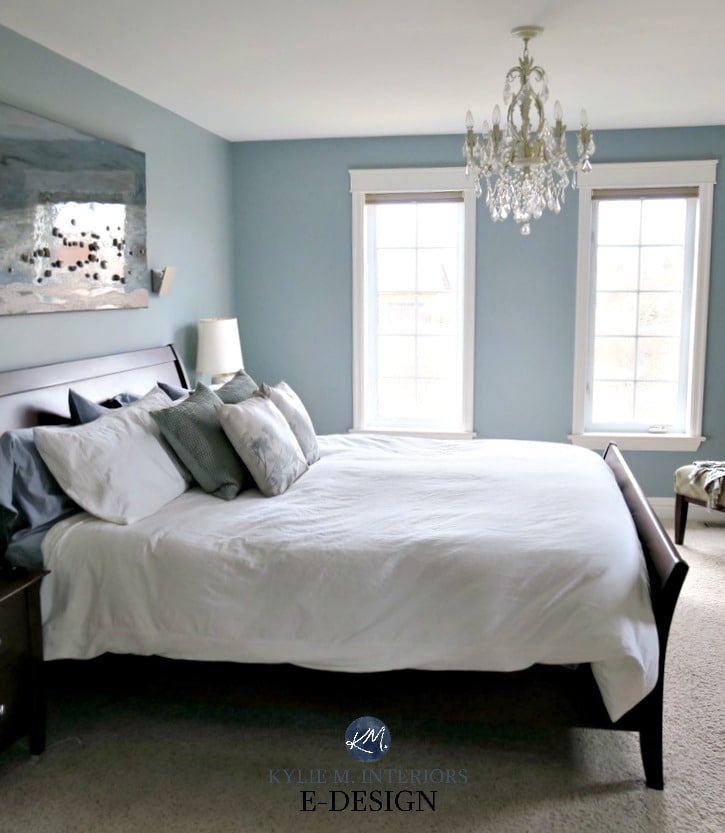
- Benjamin Moore Smoke (2122-40): A truly beautiful, ethereal blue-gray that can lean more blue or more gray depending on the light. It’s serene, sophisticated, and incredibly versatile. It creates an almost misty, calming effect.
- Benjamin Moore Atmospheric (1664): A mid-tone blue with significant gray undertones, creating a sophisticated and calming presence. It’s less overtly blue than some, acting almost as a neutral, making it perfect for blending with various decor styles.
- Farrow & Ball Blue Gray (No. 91): Don’t let the name fool you – this shade is a gentle blue with strong green and gray undertones. It’s wonderfully soft and muted, creating a tranquil atmosphere that feels historic yet fresh.
- Farrow & Ball Cromarty (No. 285): A gentle, subtle blue that often appears more green in certain lights. It’s incredibly soft and calming, perfect for a bedroom where you want a hint of color that doesn’t demand attention.
Teal & Green-Tinged Blues: For a Touch of Nature’s Calm
For those who love the calming properties of blue but want a connection to nature, or a slightly richer, more complex color, teal and green-tinged blues are fantastic. They bridge the gap between blue and green, offering a unique depth.
- Benjamin Moore Aegean Teal (2136-40): Named their Color of the Year in 2021, Aegean Teal is a deep, rich blend of blue, green, and gray. It’s comforting, grounded, and has a bohemian sophistication. It’s perfect for creating a cozy yet vibrant space.
- Benjamin Moore Wythe Blue (HC-143): A classic coastal blue-green with prominent gray undertones, Wythe Blue is a fantastic mid-tone that feels fresh and sophisticated. It’s reminiscent of clear ocean waters and works beautifully in bright, airy bedrooms.
- Sherwin-Williams Riverway (SW 6222): A deep, muted teal with significant gray and green undertones. It evokes the feeling of a tranquil forest or a deep, still river. It’s grounding and works well with natural wood tones and earthy accents.
How to Choose YOUR Perfect Blue: Beyond the Swatch
Looking at tiny swatches online or in a store is only the first step. To truly find the best shade of blue for your bedroom, you need to consider the unique characteristics of your space.
Considering Your Room’s Natural Light (and Lack Thereof)
Light is the ultimate dictator of how a color appears. A blue that looks perfect in a south-facing showroom might look entirely different in your north-facing bedroom.
- North-Facing Rooms: These rooms get cool, indirect light throughout the day. Blues can look colder here. Consider warmer blues (with green or slight yellow undertones) or muted, grayish blues to prevent the room from feeling too icy.
- South-Facing Rooms: Bathed in warm, abundant light, these rooms can handle almost any blue. Even cool blues will feel brighter and less stark. Deep navies can feel rich and luxurious without becoming cavernous.
- East-Facing Rooms: Get bright, warm morning light that turns cooler in the afternoon. A balanced blue (with some gray or green undertones) can work well, appearing fresh in the morning and serene later in the day.
- West-Facing Rooms: Experience intense, warm afternoon light and then cool light in the morning. A slightly warmer blue can balance the morning coolness, while a muted blue can soften the strong afternoon glare.
- Artificial Lighting: Pay attention to your light bulbs. Warm LED bulbs (2700K-3000K) can make blues appear slightly greener or more muted, while cooler bulbs (4000K+) can make them appear truer or even a bit colder.
Room Size and Ceiling Height: Expanding or Enveloping?
Blue has a unique ability to manipulate perception of space.
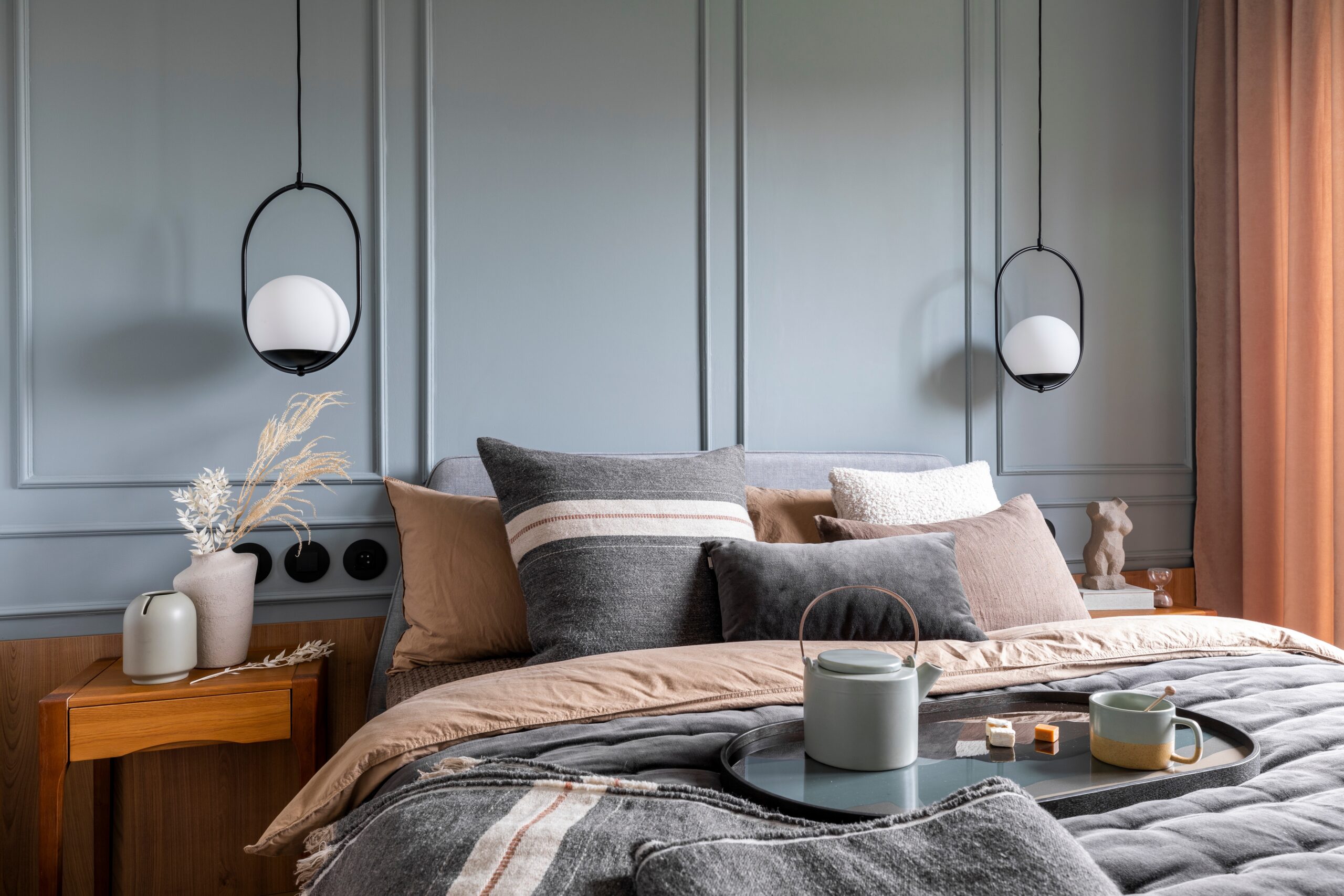
- Small Rooms: Light blues with higher LRV values can make a small bedroom feel larger, more open, and airy. However, don’t be afraid to go dark! A deep, enveloping blue on all walls can blur the boundaries of a small room, creating a cozy, intimate den-like feeling. This works best when paired with ample artificial lighting and reflective surfaces.
- Large Rooms: You have more freedom here. Deep, saturated blues can create a sense of grandeur and intimacy. Mid-tone blues can maintain a balanced, classic feel. Consider an accent wall with a dramatic blue to add focal interest.
- Low Ceilings: To make ceilings feel higher, paint them a lighter shade of your wall color, or a crisp white. A light blue on the walls can also contribute to an expansive feel.
Existing Decor & Furniture: Creating a Harmonious Palette
Your blue choice needs to play nice with what you already have or plan to bring in. Think about your bedding, furniture, artwork, and flooring.
- Wood Tones: Warm wood tones (oak, cherry) pair beautifully with blues that have green or gray undertones. Cooler woods (ash, light maple) can contrast nicely with warmer blues or blend seamlessly with cooler, purplish blues.
- Metals: Brass and gold accents bring warmth and luxury to blues, especially deeper ones. Silver and chrome offer a sleek, modern contrast.
- Fabrics & Textiles: Consider the colors and textures of your bedding, curtains, and rugs. White linens will always pop against blue. Warm creams, natural fibers like linen and jute, and even soft pinks or terracottas can create stunning complementary palettes with various blue shades.
Your Personal Style & Desired Mood: What do you want to feel?
Ultimately, your bedroom should reflect your taste and make you* feel good. What aesthetic are you aiming for?
- Modern & Minimalist: Look for muted, grayed-out blues or crisp, light blues.
- Coastal & Beachy: Embrace blues with prominent green undertones, light sky blues, or classic navies.
- Traditional & Classic: Historic blues like Van Courtland Blue or deep, rich navies like Hale Navy work wonderfully.
- Bohemian & Eclectic: Consider richer, more saturated teals or blues with a touch of purple, paired with warm, earthy tones.
- Cozy & Intimate: Darker, more saturated blues like Hague Blue or Naval will create that enveloping cocoon feeling.
Practical Tips for Painting Your Bedroom Blue
You’ve done the hard work of choosing! Now, let’s ensure the execution is flawless.
The Indispensable Power of Samples (and Why You Need Them)
I cannot stress this enough: always buy samples. Paint a large swatch (at least 2×2 feet) on several walls in your bedroom, not just one. Observe it throughout the day and night, under natural and artificial light. Watch how it changes. What looks perfect at noon might be all wrong under your bedside lamp. Paint directly onto the wall, or onto large poster boards you can move around. This is the single most important step to avoid paint regret.
Selecting the Right Paint Sheen for Bedrooms
The finish of your paint also impacts how the color looks and performs.
- Matte/Flat: This finish has the lowest sheen, absorbing light rather than reflecting it. It offers a rich, velvety look, hides imperfections beautifully, and creates a soft, sophisticated feel. It’s perfect for low-traffic bedrooms but can be harder to clean.
- Eggshell: My personal favorite for bedrooms. It has a very subtle, soft sheen (like an eggshell) and is more durable and washable than flat paint. It still provides a rich color depth but offers practical benefits.
- Satin: Slightly more sheen than eggshell, satin is durable and easy to clean, making it a good choice for children’s bedrooms or high-traffic areas. However, the higher sheen can sometimes make deep colors appear less soft.
Coordinating Colors: Trims, Ceilings, and Accents
Don’t forget the supporting cast! The colors you pair with your blue walls will define the overall feel of the room.
- Trim: Crisp white trim is a classic pairing with almost any blue, providing a clean frame. Consider a warmer off-white or cream for softer, more traditional blues. For a bolder, monochromatic look, you could even paint the trim the same color as the walls (in a different sheen, often semi-gloss).
- Ceiling: A clean white ceiling is standard. For a truly enveloping effect, consider painting the ceiling the same blue as your walls, or a lighter tint of the wall color to raise the perceived height.
- Accents: White, cream, gray, and natural wood tones are always safe bets. For a pop of contrast, consider incorporating warm tones like coral, terracotta, mustard yellow, or even a deep jewel tone like emerald green, depending on your chosen blue and desired mood.
Ready to Embrace Your Blue Dream?
Choosing the best shade of blue paint for your bedroom is a journey, not a sprint. It involves understanding the nuances of color, the unique characteristics of your space, and most importantly, your personal vision for tranquility. By considering undertones, light, room size, and your desired mood, you can move beyond mere swatches to create a truly harmonious and restful sanctuary. So, go ahead, grab those samples, experiment, and prepare to drift off into your perfect blue dreamland. Your ideal bedroom awaits!