The Definitive Guide to Choosing the Best Paint Colors for North-Facing Rooms with Low Light
You know the struggle. That one room in your home, often north-facing, that always feels a little… cold. A little dim. It’s the room where colors seem to fall flat, where even bright decor struggles to pop, and where the light never quite feels right. If you’ve painted it before and ended up with a color that feels dingy, washed out, or unexpectedly blue, you’re not alone.
Painting a north-facing room, especially one with limited natural light, isn’t just about picking a color you like from a tiny swatch. It’s a strategic battle against cool undertones and subdued illumination. This isn’t a problem that a generic light gray or a stark white can solve. In fact, those choices often make the problem worse, turning your space into a dreary cave.
But here’s the good news: you absolutely can transform that challenging space into a warm, inviting, and beautifully balanced room. As an interior color strategist, I’m here to tell you the secret isn’t just about paint color; it’s about understanding light, undertones, and how to harness them. This guide will arm you with the knowledge and specific color recommendations to turn your north-facing, low-light room into a sanctuary you’ll love.
Understanding Your Nemesis: North-Facing Light & Low Light
Before we dive into color, let’s understand precisely what we’re up against. You can’t fight a battle if you don’t know your opponent.
The Science of North-Facing Light: Cool, Consistent, & Unforgiving
North-facing rooms receive indirect, diffused light throughout the day. Unlike south-facing rooms that bask in warm, direct sunlight, or east/west rooms that get shifting dramatic light, north light is constant, even, and crucially, cool-toned. Think of it as a soft, bluish-gray light, almost like an artist’s studio light. This consistency can be a blessing for some things, but for paint colors, it’s a challenge.
- Blue Bias: North light emphasizes blue, gray, and purple undertones in paint colors.
- Low Saturation: Colors can appear less vibrant, almost desaturated.
- Shadow Play: Shadows tend to be sharper and cooler, making rooms feel less welcoming.
How Low Light Amplifies the Problem
Now, add “low light” into the equation. This means your north-facing room isn’t just getting cool light; it’s getting *very little* of it. This intensifies all the issues:

- Deeper Cool Tones: The blue bias of northern light becomes even more pronounced. A subtle gray could turn into a stark, almost icy blue.
- Lack of Depth: Colors lose their richness and depth without sufficient light to illuminate them.
- Shadows Reign: Lack of direct light means shadows dominate, making the room feel enclosed and heavy.
- Dingy Perception: Many lighter colors that work beautifully in brighter rooms can look dirty or dingy in a low-light, north-facing space.
This is why you can’t just pick a “light and airy” color. You need colors that are specifically formulated to counteract these conditions, to bring warmth and life where natural light cannot.
Your Winning Strategy: Warmth, Reflection, and Nuance
Overcoming the challenges of a north-facing, low-light room requires a multi-pronged approach. It’s about selecting colors that contain inherent warmth, understanding how sheen impacts light, and being acutely aware of undertones.
The Core Principle: Inject Warmth
Since north light is inherently cool, your primary goal is to introduce warmth. This means choosing paint colors that have discernible warm undertones. Think of colors with hints of yellow, red, orange, or brown. These warm pigments will actively counteract the cool blue light, creating a more balanced and inviting atmosphere.
- Yellow Undertones: Can make a room feel sunny and bright.
- Red/Orange Undertones: Provide a cozy, enveloping warmth, often found in blush or terracotta hues.
- Brown/Beige Undertones: Offer grounded, natural warmth, often seen in greiges or creamy neutrals.
The trick is to find colors where these warm undertones are present but not overwhelming. You’re looking for a sophisticated warmth, not a jarringly bright or overly saturated one.
Maximizing Light Reflection with Sheen
The finish of your paint plays a crucial role, especially in low-light conditions. While matte finishes are popular for their velvety, contemporary look, they absorb light. In a dim, north-facing room, this can make the space feel even darker.
- Eggshell or Satin: These are your best friends. They offer a subtle luminosity that helps bounce what little light there is around the room without being overly shiny. They’re also more durable and easier to clean than matte.
- Semi-Gloss: Best reserved for trim and doors. Its high reflectivity would be too much on all walls in a low-light setting, creating glare rather than warmth.
- Flat/Matte: Avoid for main walls in low-light rooms unless you are intentionally going for a super dark, enveloping, dramatic aesthetic (which usually requires significant artificial lighting).
A slight sheen can make a significant difference in how bright and spacious your room feels, enhancing the color’s vibrancy under limited light.

The Power of Undertones: Your Secret Weapon
This is where most people go wrong. They pick a white, a gray, or a beige, thinking it’s neutral, only to find it looks completely different on their walls. Why? Undertones. An undertone is the subtle color you see beyond the main shade.
- A “white” can have blue, pink, yellow, or green undertones.
- A “gray” can have blue, green, purple, or brown undertones.
- A “beige” can have yellow, pink, or orange undertones.
In a north-facing, low-light room, those cool northern rays will pull out any cool undertones in your paint. A gray with a blue undertone will look intensely blue. A white with a cool gray undertone will look stark and icy. You need to consciously select colors with warm undertones to counteract this effect. Look for colors that feel slightly creamy, sandy, earthy, or rosy when you hold the swatch next to a pure white.
The Best Paint Color Families for North-Facing Rooms with Low Light
Now that we understand the principles, let’s talk about specific color families and examples that truly shine in these challenging conditions. Remember, samples are vital, but these will give you a fantastic starting point.
Creamy Whites: The Gentle Brighteners
Forget stark, gallery-white. In a low-light, north-facing room, pure white will look drab and cold. Instead, opt for whites that have a discernible warm undertone – typically yellow, beige, or a hint of pink. These ‘off-whites’ will feel brighter and more inviting.
- Benjamin Moore White Dove OC-17: A perennial favorite for a reason. It’s a soft, warm white with a touch of gray and yellow, giving it an incredibly gentle, livable quality. It never feels stark and offers a beautiful creaminess in cooler light.
- Sherwin Williams Greek Villa SW 7551: A gorgeous, creamy white with warm, almost beige-yellow undertones. It reflects light beautifully and never feels cold, even in the dimmest north-facing rooms.
- Benjamin Moore Simply White OC-117: While slightly cleaner than White Dove, Simply White still carries enough warmth (a hint of yellow) to prevent it from going cold in a north-facing room. It’s a crisp, yet inviting, white that brightens without starkness.
- Sherwin Williams Alabaster SW 7008: A very popular soft, off-white that has a subtle warmth, leaning slightly towards beige. It’s comforting and gentle, perfect for creating a cozy, light-filled atmosphere in a challenging room.
Warm Greiges & Greys: Sophisticated & Grounding
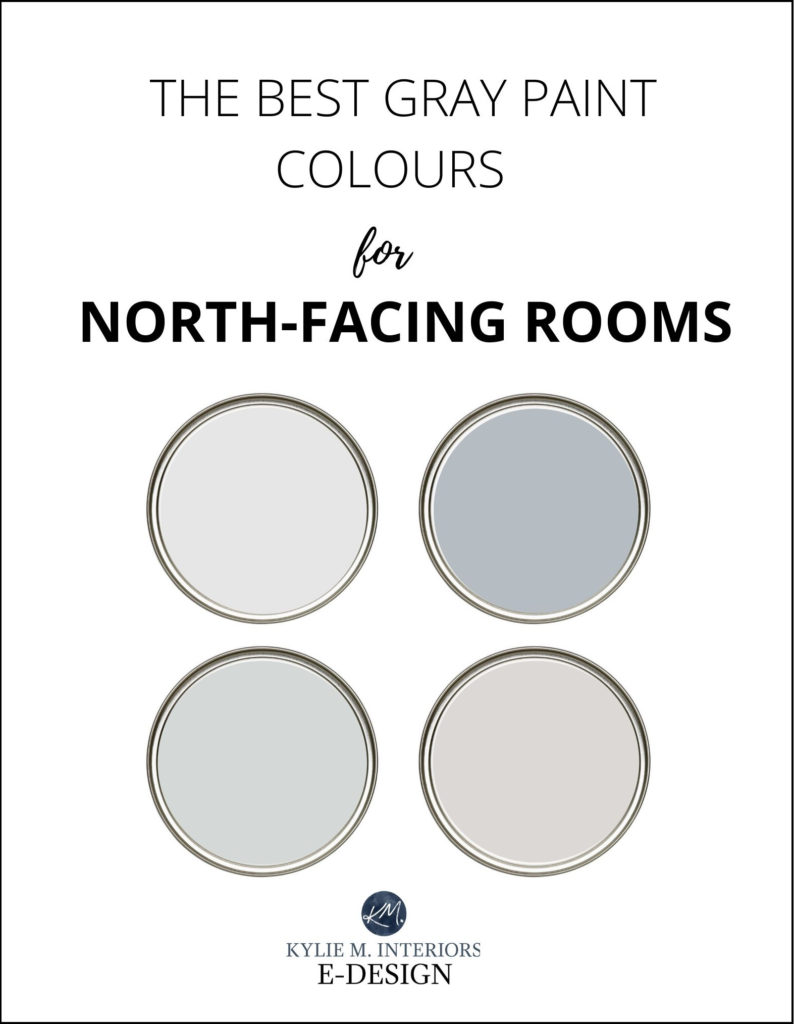
Yes, you can use gray! But you must be incredibly selective. Steer clear of any grays with blue or purple undertones. Instead, embrace ‘greige’ (gray + beige) or grays with strong, warm undertones like green, brown, or taupe. These will provide sophistication without feeling icy.
- Sherwin Williams Accessible Beige SW 7036: This is a true chameleon and one of the best greiges out there. It has strong beige undertones that keep it warm and grounded, but enough gray to make it feel modern. It truly “accesses” beige and gray equally, making it wonderfully versatile for north-facing light.
- Benjamin Moore Revere Pewter HC-172: A classic greige that often leans slightly green-gray in certain lights, but it always maintains its warm, earthy core. It’s substantial enough to hold its own in low light without feeling heavy.
- Sherwin Williams Worldly Gray SW 7043: A beautiful, light, warm gray with a touch of beige/green. It’s lighter than Accessible Beige but still carries enough warmth to prevent it from turning cold in northern light. It’s elegant and soft.
- Benjamin Moore Edgecomb Gray HC-173 (also known as Manchester Tan): A warm, soft greige that leans slightly more beige than gray, ensuring it stays warm and inviting. It’s a comforting neutral that works well with a variety of decor styles.
Soft Yellows: The Sunbeam in a Can
A carefully chosen yellow can genuinely mimic natural sunlight. The key is to avoid bright, primary yellows or anything too intense, which can look sickly in low light. Instead, aim for muted, creamy, or buttery yellows that have a lot of white or beige in them.
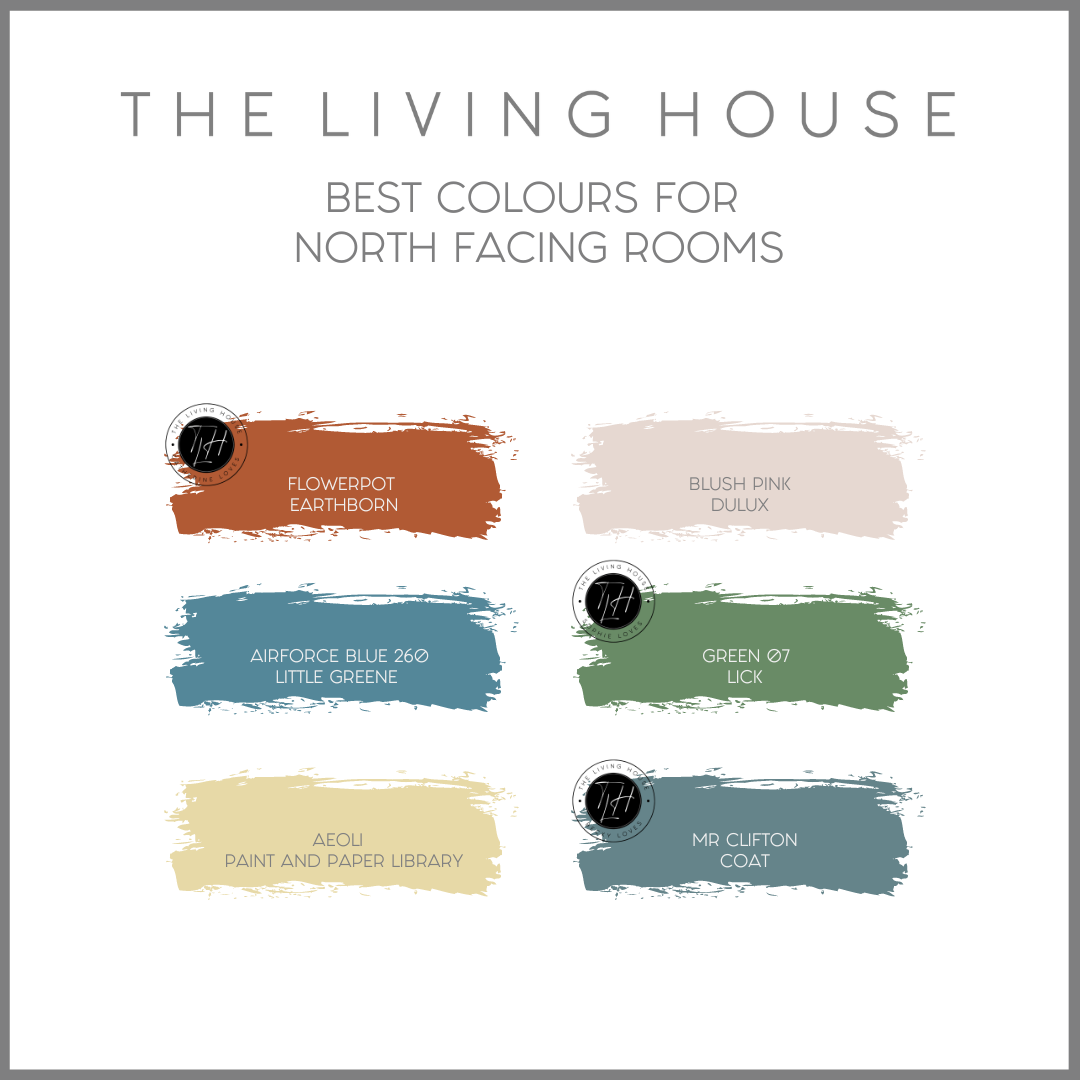
- Benjamin Moore Gentle Cream OC-96: A beautiful, soft yellow that’s tempered with beige, preventing it from being too stark. It brings a subtle, sunny warmth without being overwhelming, making it feel cozy and bright.
- Sherwin Williams Roman Column SW 7564: A muted, creamy yellow with a significant amount of white, making it feel soft and elegant rather than childish. It’s like a perpetual gentle morning glow.
- Benjamin Moore Wind’s Breath OC-24: A very light, almost off-white, with a soft yellow-beige undertone. It’s incredibly subtle, offering just enough warmth to take the edge off the cool northern light without overtly looking yellow.
Earthy Greens: Nature’s Embrace
Greens with warm, earthy, or yellow undertones can bring a refreshing, organic feel to a north-facing room. Avoid cool, blue-greens. Instead, look for sage, olive, or mossy greens that feel grounded and natural.
- Sherwin Williams Evergreen Fog SW 9130: While often described as a gray-green, its underlying warmth (a touch of beige/yellow) makes it incredibly grounding and sophisticated. It’s a fantastic choice for creating a calm, collected atmosphere.
- Benjamin Moore Sage Mountain 1488: A muted, natural sage green that has a substantial amount of gray and yellow in it. It feels very organic and provides a comforting warmth without being overwhelming.
- Farrow & Ball Mizzle No.266: A gentle, earthy green-gray that draws inspiration from the natural world. It has a softness that prevents it from feeling cold and can bring a subtle, comforting depth to a low-light room.
Blush Pinks & Terracottas: Unexpected Warmth
Don’t dismiss pink! Soft, desaturated pinks with a hint of beige or brown can be incredibly sophisticated and surprisingly warm. They mimic the warmth of skin tones and can make a room feel comforting and enveloping.
- Sherwin Williams Romance SW 6323: A delicate, warm blush pink that’s soft and inviting. It has enough red/orange undertone to counteract the cool light without feeling overly feminine.
- Farrow & Ball Setting Plaster No.231: A muted, historic pink with a chalky, earthy feel. It has a warm, beige-pink undertone that makes it incredibly soft and provides a gentle glow in low light.
- Benjamin Moore Pink Bliss 2096-70: A very light, delicate pink with just enough warmth to prevent it from looking cold. It’s subtle and airy, great for a bedroom or nursery needing a soft touch.
Rich & Deep Tones (Yes, Really!): Creating Coziness
Sometimes, instead of fighting the low light, you embrace it. A deep, warm, saturated color can turn a perpetually dim room into a cozy, dramatic, and incredibly intimate space. The key is to ensure the color has strong warm undertones.
- Deep Teal with Green Undertones: A rich teal that leans more green than blue will offer a sophisticated depth. The green will keep it from going cold. (e.g., Benjamin Moore Aegean Teal 2136-40, though lighter, or a custom mix).
- Warm Charcoal or Deep Brown: A charcoal gray with a strong brown or green undertone, or a deep, rich chocolate brown, can create a cocoon-like effect. Think library or den. (e.g., Benjamin Moore Kendall Charcoal HC-166, which has green undertones, or Sherwin Williams Urbane Bronze SW 7048).
When using deep colors, artificial lighting becomes even more critical to ensure the room feels atmospheric rather than cavernous.
How to Test Paint Colors in Your Low-Light, North-Facing Room (The Smart Way)
This step is non-negotiable. What looks perfect online or on a tiny swatch will almost certainly look different on your wall. Here’s how to test like a pro:
Don’t Judge a Swatch by its Card: Why Large Samples are Essential
Those small paper swatches from the store are for initial elimination only. Invest in large paint samples (peel-and-stick samples or actual pint-sized paint pots). Paint at least a 2×2 foot square (or larger) on multiple walls in the room. This allows you to see the color without interference from the original wall color and observe it in different lighting conditions.

The Light Dance: Observe Throughout the Day
North-facing light is consistent, but it still changes subtly from morning to evening. Observe your samples at different times:
- Morning: Is it too cool?
- Midday: How does it reflect the maximum (though still indirect) light?
- Late Afternoon/Evening: How does it look as natural light fades and artificial light takes over?
Pay close attention to how the undertones reveal themselves.
The Furniture Factor: How Existing Decor Influences Color
Your furniture, flooring, and textiles all have their own colors and undertones. Place your samples next to existing elements in the room. Does the paint color harmonize, or does it clash? Does it make your sofa look dull, or does it make the wood tones sing? Color is relative, and everything in the room will influence how the paint appears.
Sheen Matters: Test Different Finishes
If you’re torn between an eggshell and a satin, try to get samples in both finishes. The slight difference in reflectivity can drastically alter how the color appears, especially in a low-light environment.
Beyond Paint: Complementary Design Strategies for North-Facing Rooms
Paint is powerful, but it’s part of a bigger picture. To truly transform your low-light, north-facing room, integrate these additional design elements:
Artificial Lighting: Your Best Friend
Since natural light is limited, strategic artificial lighting is paramount. Don’t rely on a single overhead light. Instead, layer your lighting:
- Ambient Lighting: General illumination (ceiling fixtures with dimmers).
- Task Lighting: For specific activities (table lamps, floor lamps for reading).
- Accent Lighting: To highlight features or create mood (picture lights, wall sconces).
Choose bulbs with a warm color temperature (around 2700K-3000K). This ‘soft white’ or ‘warm white’ glow will complement your warm paint colors and counteract the cool natural light, making the room feel inviting and cozy in the evenings.
Reflective Surfaces: Mirrors & Metallics
Strategically placed mirrors can work wonders by bouncing light deeper into the room. Position a large mirror opposite a window or near a light source to amplify its effect. Accents like metallic frames, polished silver or brass objects, and even glass tabletops can also subtly reflect light and add sparkle.
Warm Textiles & Wood Tones
Integrate warmth through your decor. Choose textiles like rugs, throws, and curtains in rich, warm hues or natural fibers. Opt for furniture with warm wood tones (cherry, walnut, oak) rather than cool, gray-washed woods. These elements will reinforce the cozy, inviting atmosphere you’re creating with your paint color.
Paint Color Recommendation Quick Guide
Here’s a quick reference to help you narrow down your choices for that tricky north-facing, low-light room:
| Color Family | Primary Undertone for Success | Best Use Case | Why it Works in Low North Light | Key Consideration |
|---|---|---|---|---|
| Creamy Whites | Yellow, Beige, or Pale Pink | Living rooms, bedrooms, hallways where brightness is key. | Reflects light without going stark; adds subtle warmth. | Avoid anything with blue or gray undertones. |
| Warm Greiges | Brown, Taupe, or Green | Sophisticated living spaces, offices, dining rooms. | Provides a modern neutral while maintaining warmth and depth. | Must have strong warm undertones; test carefully. |
| Soft Yellows | Cream, Butter, or Pale Gold | Any room needing a cheerful, sunny disposition. | Directly counteracts cool light by mimicking sunlight. | Avoid bright, saturated yellows; opt for muted versions. |
| Earthy Greens | Yellow-Green, Olive, or Sage | Bedrooms, studies, spaces where tranquility is desired. | Brings an organic, grounded warmth, connects to nature. | Ensure green has clear yellow/brown undertones, not blue. |
| Blush Pinks / Terracottas | Beige-Pink, Rose, or Muted Clay | Bedrooms, powder rooms, cozy nooks. | Creates a soft, intimate, and surprisingly warm embrace. | Choose desaturated, earthy tones, not candy pinks. |
| Rich Deep Tones | Deep Green, Brown, or Warm Charcoal | Dens, libraries, dramatic dining rooms, accent walls. | Embraces low light to create a luxurious, cocoon-like feel. | Requires significant artificial lighting to balance. |
Conclusion: Embrace the Challenge, Create Your Sanctuary
A north-facing room with low light doesn’t have to be your home’s forgotten, chilly corner. By understanding the unique qualities of its light and employing strategic color choices, you can completely transform its mood and functionality. The key is to prioritize warmth, embrace smart testing, and think holistically about your design.
Armed with this guide, you now have the tools to select paint colors that will not only counteract the cool, dim light but will also make your space feel intentional, inviting, and utterly beautiful. Go forth, sample those colors, and watch your challenging room bloom into a favorite sanctuary.
n