Best Bedroom Colors For Sleep 2026: Your Definitive Guide to Restful Hues
Tossing and turning? Staring at the ceiling as the minutes tick by? You’re not alone. In our increasingly connected and often chaotic world, truly restorative sleep feels like a superpower. And while you might focus on mattresses, pillows, or nightly routines, there’s an unsung hero hiding in plain sight: your bedroom walls.
The colors surrounding you in your sanctuary play a profound role in how quickly you drift off, how deeply you sleep, and how refreshed you wake up. It’s not just about aesthetics; it’s about psychology, physiology, and creating an environment that whispers, “It’s time to rest.”
For 2026, the trend forecasts align beautifully with sleep science, moving towards softer, more atmospheric tones that nurture tranquility. Forget harsh, stimulating shades. We’re talking about muted blues, serene greens, warm earthy neutrals, and gentle blushes – a palette designed to calm your nervous system and invite deep slumber.
Ready to transform your bedroom into a sleep haven? Let’s dive into the definitive guide for the best bedroom colors for sleep in 2026.
The Science of Sleep and Color: Why Your Walls Matter
It might sound a little ‘woo-woo’ to say colors affect your sleep, but it’s rooted in solid science. Our eyes are constantly taking in information, even when we’re subconsciously winding down. Different colors, with their unique wavelengths, trigger various responses in our brains and bodies:
- Light Perception: Our retinas contain specialized cells that detect light and send signals to the suprachiasmatic nucleus (SCN) in the brain – our internal clock. This clock regulates our circadian rhythm, influencing melatonin production, the hormone that makes us sleepy.
- Psychological Associations: We associate colors with experiences and emotions. Blue often signifies sky or water, evoking calmness. Red can mean danger or passion, revving up our system.
- Physiological Impact: Studies suggest certain colors can influence heart rate, blood pressure, and even muscle tension. A soothing color might lower these, preparing your body for rest.
By understanding this powerful connection, we can strategically choose hues that actively support, rather than hinder, our quest for better sleep.
The Top Sleep-Inducing Bedroom Colors for 2026 (Backed by Science & Trends)
While design trends evolve, the core principles of sleep-promoting colors remain. The good news for 2026 is that the trending palettes are perfectly aligned with optimal rest.
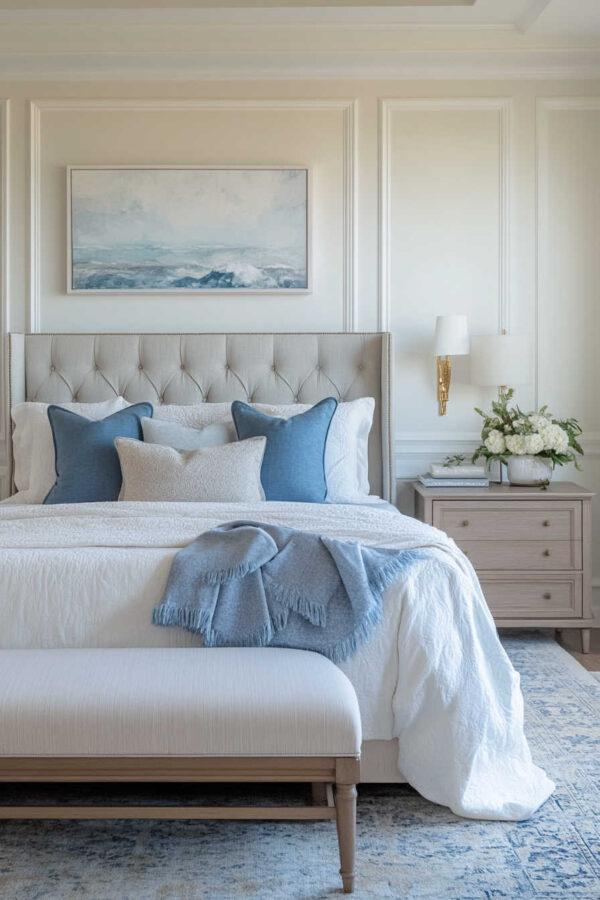
1. Muted Blues: The Tranquil Dream Weaver
If there’s one color universally lauded by sleep experts, it’s blue. And for 2026, we’re seeing a beautiful emphasis on its softer, more atmospheric variations. Why is blue so effective?
- Physiological Calm: Blue light receptors in the retina are highly sensitive to blue wavelengths. Paradoxically, while bright blue light at night from screens can disrupt sleep, the ambient, muted blue of a wall color is associated with reducing heart rate and blood pressure, promoting a sense of calm.
- Nature’s Serenity: We subconsciously link blue to expansive skies and tranquil waters – symbols of peace and openness.
2026 Nuances: Think dusky blues, grey-blues, denim shades, and soft, almost powdery blues. These aren’t vibrant or energetic; they’re understated and deeply soothing. Avoid anything too saturated or bright, which can have the opposite effect.
Pro-tip: Pair muted blues with soft whites for a crisp feel, or with warm wooden furniture and natural fibers to add coziness and prevent the room from feeling too cool.
2. Soft Greens: Nature’s Lullaby
Bringing the outdoors in is a timeless design principle, and for sleep, it’s a stroke of genius. Green, especially its softer variants, is inherently restorative.
- Stress Reduction: Studies have shown that spending time in nature, or even just looking at natural scenes, reduces stress. Green walls create a similar, albeit subtle, effect, connecting us to growth and vitality in a calming way.
- Harmony and Balance: Green sits in the middle of the color spectrum, representing balance and stability, which can promote a sense of security and ease.
2026 Nuances: Embrace sage green, mint green, muted olive, or a gentle moss green. These aren’t artificial or vibrant; they’re the colors you’d find in a serene forest or a peaceful meadow. They provide a quiet backdrop for rest.

Pro-tip: Complement soft greens with natural textures like linen, wool, and rattan. Add some actual greenery (live plants) for an even deeper connection to nature.
3. Warm, Earthy Neutrals: Grounding Your Gaze
Neutrals are never truly out of style, but for 2026 and beyond, we’re seeing a shift from cold, stark grays to much warmer, more inviting tones. These aren’t just beige; they have depth and character.
- Feeling of Security: Earth tones connect us to the ground, to stability, and to natural shelters. This can evoke a primal sense of safety and coziness, perfect for winding down.
- Gentle Warmth: Unlike stimulating warm colors, these neutrals offer a soft, enveloping warmth without being energizing.
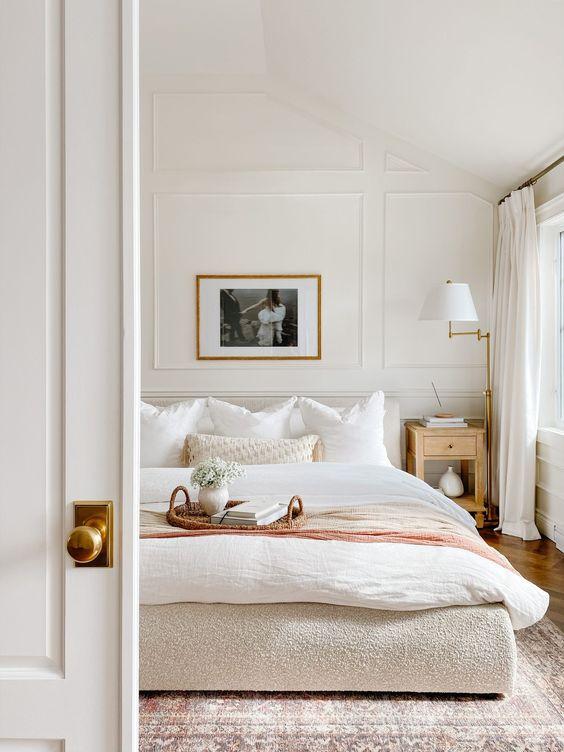
2026 Nuances: Look for greige (a blend of grey and beige), soft taupe, oat milk tones, muted beige, or even a gentle, desaturated terracotta. These colors create a cocooning effect, making your room feel like a comforting hug.
Pro-tip: Layering is key with warm neutrals. Use varied textures – chunky knits, smooth linens, rustic woods – to add depth and interest without introducing jarring colors.
4. Gentle Pinks & Blushes: Subtle Serenity
Forget Barbie pink or saccharine sweet shades. The pinks trending for sleep in 2026 are sophisticated, soft, and utterly serene.
- Comfort and Warmth: Pale pinks are often associated with comfort, tenderness, and a sense of warmth, reminiscent of a comforting embrace.
- Non-Threatening Hue: Unlike vibrant reds, blush tones are desaturated enough to avoid stimulation, instead promoting a delicate, calming presence.
2026 Nuances: Seek out dusty rose, pale blush, or a barely-there peach. These shades are subtle enough to act like a warm neutral, casting a soft, flattering glow that feels incredibly peaceful.

Pro-tip: Pair gentle pinks with cream, white, or light grey. Metallic accents in rose gold or brushed brass can add a touch of understated luxury.
5. Deep, Rich Neutrals (When Used Thoughtfully): The Cave Effect
While lighter colors often dominate sleep discussions, there’s a compelling argument for deeper, richer neutrals, especially for those who crave a true blackout effect.
- Cocooning Effect: Dark colors can create a sense of being enveloped and protected, much like a cozy cave. This feeling of security can be highly conducive to sleep.
- Light Absorption: Darker walls naturally absorb more light, making the room feel dimmer and helping your body produce melatonin more effectively.
2026 Nuances: Consider charcoal grey, deep slate, or even a very soft, desaturated black for an accent wall. The key is that these are not stark or harsh; they have soft undertones and a velvety appearance when painted with a matte finish.
Pro-tip: If you opt for deep neutrals, balance them with ample, thoughtful lighting for waking hours and lighter elements like bedding, rugs, or artwork to prevent the room from feeling too oppressive. Natural textures are essential here.
6. Soft Lavenders: The Dreamy Soother
Lavender is a classic for relaxation, and its gentler, more sophisticated versions are making a quiet comeback for 2026 bedroom palettes.
- Reduces Anxiety: Lavender is widely associated with calmness and aromatherapy benefits, and even its color can subtly tap into these associations, helping to reduce anxiety.
- Dreamy & Soothing: This hue can evoke a sense of peacefulness and introspection, ideal for unwinding before sleep.
2026 Nuances: Look for muted lilac, grey-lavender, or shades with subtle amethyst undertones. These are not bright purples but rather soft, dusty versions that feel incredibly calming.
Pro-tip: Pair soft lavenders with white, silver, or light grey for an ethereal feel. Introduce greenery to add a natural touch.
Expert Insights: Beyond Paint – Crafting Your Sleep Sanctuary
While color is powerful, it’s just one piece of the sleep puzzle. To truly maximize your room’s sleep potential, consider these additional expert tips:
Lighting is Key
No matter your wall color, harsh overhead lighting can undo all your efforts. Invest in dimmable lights and lamps with warm-toned bulbs (around 2700K). In the evenings, switch to soft, ambient lighting to signal to your body it’s time to wind down. And, crucially, minimize exposure to blue light from screens at least an hour before bed.
Textile Power
Your bedding, curtains, and rugs are not just decorative; they contribute to the sensory experience of your bedroom. Choose soft, breathable fabrics like linen, organic cotton, or bamboo. Opt for textiles in colors that complement your walls, reinforcing the calming palette. Blackout curtains are a non-negotiable for blocking unwanted light.
Declutter & Simplify
A cluttered room often leads to a cluttered mind. Make your bedroom a sanctuary free from work, electronics, and excessive “stuff.” A calm, organized space promotes mental tranquility, which is essential for initiating sleep.
The Role of Accents
If you’re using a sleep-promoting wall color, keep accent colors subtle and complementary. A pop of warm metallic (like brushed brass or copper), natural wood tones, or a deeper, muted version of your wall color can add interest without disrupting the serene atmosphere. Avoid bright, jarring accent colors.
Best Colors for Sleep 2026: Quick Reference Guide
Here’s a handy overview of the top sleep-inducing colors for your bedroom, incorporating 2026 trends and their scientific benefits:
| Color Family | Key Shades for 2026 | Psychological Benefit | Mood Evoked | Best Paired With |
|---|---|---|---|---|
| Muted Blues | Dusty Blue, Grey-Blue, Denim Blue, Robin’s Egg | Reduced Heart Rate, Calming | Tranquil, Serene | Soft Whites, Light Woods, Warm Metals |
| Soft Greens | Sage Green, Mint Green, Muted Olive, Moss Green | Stress Reduction, Connection to Nature | Harmonious, Restorative | Natural Textures, Cream, Grey, Gold Accents |
| Warm, Earthy Neutrals | Greige, Soft Taupe, Oat Milk, Gentle Terracotta | Security, Grounding, Coziness | Comforting, Stable | Layered Textures, Dark Wood, Black Accents |
| Gentle Pinks & Blushes | Dusty Rose, Pale Blush, Barely-There Peach | Comfort, Tenderness, Non-Threatening | Soft, Romantic | Cream, White, Light Grey, Gold Accents |
| Deep, Rich Neutrals | Charcoal Grey, Deep Slate, Soft Black | Cocooning, Light Absorption, Security | Sophisticated, Intimate | Lighter Linens, Contrasting Textures, Rich Wood |
| Soft Lavenders | Muted Lilac, Grey-Lavender, Amethyst undertones | Relaxation, Reduces Anxiety | Dreamy, Soothing | White, Silver, Light Grey, Greenery |
Colors to Avoid in Your Bedroom for Optimal Sleep (And Why)
Just as some colors invite sleep, others actively deter it. Steer clear of these stimulating shades in your main bedroom palette:
Bright Reds & Oranges: The Energy Boosters
Red is associated with passion, energy, and danger. It’s a stimulating color that can increase heart rate and adrenaline production, making it difficult for your body to relax. Vibrant oranges have a similar stimulating effect, promoting enthusiasm and alertness rather than rest.
Vivid Yellows: The Anxiety Inducers
While cheerful, bright yellows can sometimes evoke feelings of anxiety or agitation, and are strongly associated with alertness. They can also be quite reflective, bouncing light around the room and making it feel less serene.
Bright Whites: Too Stark for Slumber
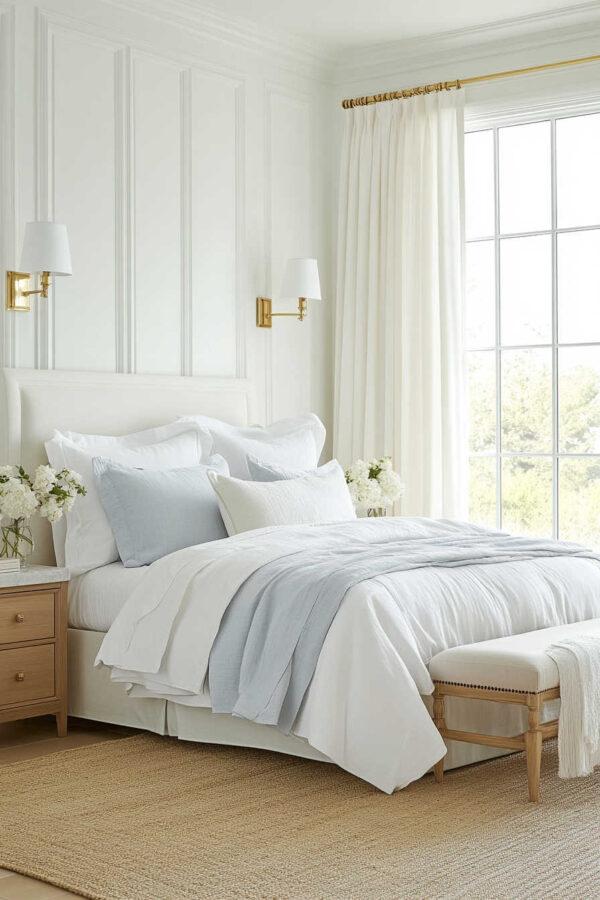
Pure, brilliant white might seem clean and fresh, but it can often feel sterile and cold in a bedroom. It also reflects light intensely, making a room feel too bright and less conducive to creating a cozy, dark sleep environment. Opt for a warm white with subtle undertones if you love the brightness.
High-Contrast Colors: The Visual Jolt
While an accent wall can work, using high-contrast combinations (like stark black and white) throughout the bedroom can be visually jarring. Your eyes are constantly working to distinguish between the two, which isn’t ideal when you’re trying to achieve a state of mental rest.
Choosing Your Perfect Shade: A Step-by-Step Approach
Finding your ideal sleep-promoting color is a personal journey. Here’s how to approach it:
- Consider Your Natural Light: Does your room get abundant morning light, or is it naturally dim? Lighter rooms can handle slightly deeper sleep colors, while darker rooms might benefit from lighter, warm-toned options to prevent them from feeling too enclosed.
- Think About Existing Furniture & Decor: Take stock of what you already have. Your paint color should harmonize with your bed frame, dresser, and major textiles.
- Test Samples (Crucial!): Don’t skip this step. Buy large paint swatches or sample pots. Paint sizable squares (at least 2×2 feet) on different walls in your room. Observe them throughout the day and night. Light changes dramatically, and colors appear different in various conditions.
- Don’t Rush the Decision: Live with your samples for a few days. See how they make you feel. Ask yourself: Does this color make me feel calm? Does it invite relaxation?
- Consider Your Personal Preference: Ultimately, the best color for *you is one that you* find inherently soothing. Use the scientific principles as a guide, but trust your gut feeling for your personal sanctuary.
Conclusion: Invest in Your Sleep, One Color at a Time
The connection between your bedroom color and the quality of your sleep is undeniable. As we look to 2026, the convergence of design trends and sleep science offers a beautiful opportunity to transform your most personal space into a true haven for rest.
By choosing muted blues, soft greens, warm earthy neutrals, gentle blushes, or thoughtfully applied deep rich tones, you’re not just redecorating; you’re investing in your health, your well-being, and your daily productivity. So, take a deep breath, pick your perfect shade, and prepare to welcome the deep, restorative sleep you deserve.