The Ultimate Guide to Choosing the Best Grey Paint for Your Bedroom Furniture
Staring at that tired dresser or nightstand, dreaming of a refresh? You’ve landed on the perfect color: grey. It’s not just a trend; grey is a timeless, versatile chameleon that can transform any piece of bedroom furniture into a sophisticated statement. But with a universe of greys out there – from warm greiges to cool charcoals – how do you pick ‘the one’ for your sanctuary?
Trust me, I get it. The sheer number of choices can be overwhelming. That’s why I’ve distilled years of painting experience and design insights into this definitive guide. We’re not just picking a color; we’re crafting an ambiance, ensuring durability, and giving your bedroom furniture a new lease on life. Ready to dive into the wonderful world of grey?
Why Grey is Your Bedroom’s Best Friend (and Your Furniture’s New Look)
Think about your bedroom. It’s your retreat, your quiet corner. Grey paint, when applied to furniture, inherently promotes a sense of calm and sophistication that’s ideal for this space. It’s the ultimate neutral, meaning it plays well with almost every other color you can imagine.
The Power of Neutrality: Creating a Serene Backdrop
Unlike bolder colors that demand attention, grey recedes, allowing other elements in your room – your bedding, artwork, or even personal treasures – to shine. When used on furniture, it grounds the space without overpowering it, making the room feel larger, cleaner, and undeniably chic. It’s the visual equivalent of a deep, relaxing breath.
Versatility Unmatched: Pairing with Different Styles
Grey isn’t just one note. It effortlessly adapts to a multitude of design aesthetics:
- Modern & Minimalist: Crisp, cool greys enhance clean lines and sleek forms.
- Farmhouse & Rustic: Warm greys and greiges provide that comforting, weathered look.
- Traditional & Classic: Deep, saturated greys add an air of stately elegance.
- Bohemian & Eclectic: It acts as a grounding force for vibrant textiles and global finds.
Setting the Mood: How Different Grey Tones Influence Bedroom Ambiance
The beauty of grey lies in its subtle variations, each capable of setting a distinct mood:
- Light Greys: Expand a room, making it feel airy and bright. Perfect for smaller bedrooms or those lacking natural light.
- Mid-Tone Greys: Offer balance and stability. They provide enough depth to define furniture without making the space feel heavy.
- Dark Greys (Charcoal): Create drama, sophistication, and a cozy, cocoon-like feeling. Ideal for larger rooms or accent pieces you want to highlight.
Decoding Grey: Understanding Undertones is Key
Here’s the secret weapon designers use: undertones. If you’ve ever painted a swatch on your wall and thought, “That looks purple!” or “Why is it so green?”, you’ve experienced the power of an undertone. Grey isn’t just grey; it’s a mix of colors, and the subtle leanings towards blue, green, purple, or even beige can drastically change how it appears in your bedroom.
Understanding undertones is crucial for choosing a grey that complements your existing decor, lighting, and overall vision. Let’s break them down:
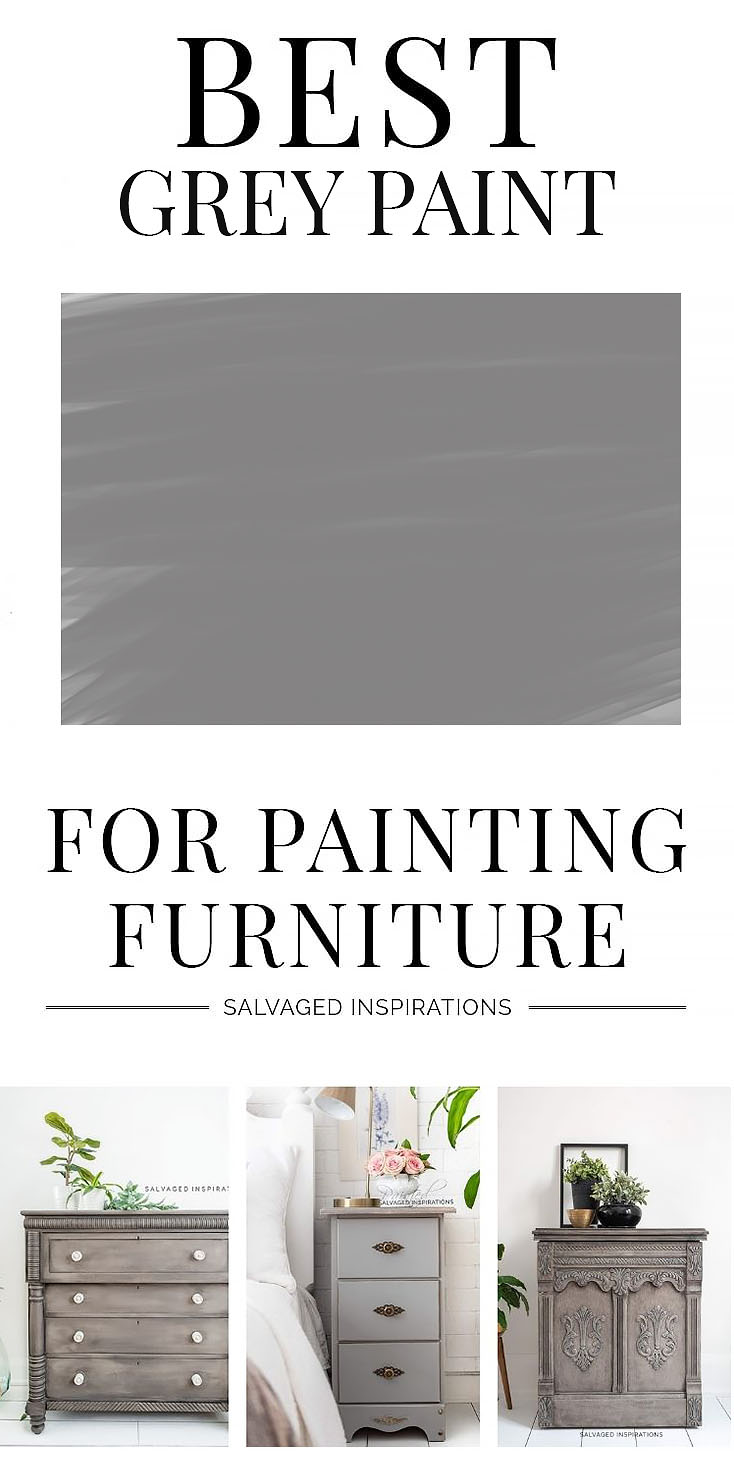
Warm Greys (Greige): Cozy, Inviting Vibes
These greys have noticeable beige, brown, or yellow undertones. They often feel softer and more organic than their cool counterparts. Think of them as a gentle hug for your furniture. Warm greys are fantastic if your bedroom already has warm wood tones, creams, or earthy accents. They prevent a room from feeling sterile and bring a comforting warmth.
Cool Greys: Crisp, Modern, Serene
Cool greys lean into blue, green, or even subtle purple undertones. They evoke a sense of calm, freshness, and modernity. If your bedroom features cooler colors like whites, blues, or greens, or if you want to create a crisp, spa-like atmosphere, a cool grey will be your ally. They can sometimes feel more formal or traditional, depending on the depth.
True Greys: Balanced, Sophisticated Neutrality
These are the chameleons of the grey world, with minimal discernable undertones. They tend to look like a pure mix of black and white. True greys are excellent if you want a sophisticated, balanced look that won’t compete with other colors in your room. They’re straightforward and dependable, perfect for creating a classic foundation.
To help visualize, here’s a quick guide:
| Undertone Category | Characteristics | Best For | Bedroom Vibe |
|---|---|---|---|
| Warm Greys (Greige) | Beige, brown, yellow leanings. Soft, earthy. | Rooms with warm wood, creams, natural textures. | Cozy, inviting, comforting. |
| Cool Greys | Blue, green, purple leanings. Crisp, clean. | Rooms with whites, blues, metallics. | Serene, modern, spa-like. |
| True Greys | Minimal undertones, pure grey. Balanced. | Any style where a straightforward neutral is desired. | Sophisticated, timeless, grounded. |
Top Picks: Our Curated List of Best Grey Paint Colors for Bedroom Furniture
Now that you’re an undertone expert, let’s talk about specific grey paint colors that shine on bedroom furniture. Remember, always test a swatch on your actual furniture piece and observe it in your bedroom’s lighting throughout the day before committing.
Light & Airy Greys: For Bright, Open Spaces
These shades are perfect for making furniture feel less imposing, brightening up a space, or creating a subtle, elegant look. They work beautifully in smaller bedrooms or those that receive abundant natural light, reflecting it beautifully.
- Benjamin Moore Classic Gray (OC-23): A soft, warm greige that’s incredibly versatile. It has a slight hint of green/beige, making it feel welcoming and never cold. It’s often described as a true ‘off-white’ with character.
- Sherwin-Williams On the Rocks (SW 7671): A light, crisp grey with a very subtle green-blue undertone. It’s refined and clean, perfect for modern or transitional styles without feeling overly cool.
- Farrow & Ball Ammonite (No. 274): A understated, light grey with a gentle, earthy feel. It’s a natural fit for classic, serene bedrooms and pairs beautifully with other soft neutrals.
Mid-Tone Sophistication Greys: Balanced & Versatile
These are your workhorses – rich enough to make a statement but not so dark they weigh down a room. Mid-tones are incredibly adaptable and can bridge the gap between light and dark elements in your bedroom decor.
- Farrow & Ball Elephant’s Breath (No. 229): A beautiful, warm mid-grey with a touch of magenta. It shifts beautifully with the light, sometimes looking warmer, sometimes cooler, always sophisticated. A truly unique greige.
- Valspar Churchill Stone (CI97): A popular, balanced greige that leans slightly warm. It provides depth without being dark and pairs well with both light and dark wood tones.
- Behr Grey Mist (N500-3): A fantastic all-rounder. This light-to-mid grey has subtle blue-green undertones but often reads as a clean, neutral grey, making it highly adaptable for many styles.
Deep & Dramatic Greys (Charcoal): Bold & Grounding Statements
If you’re looking to make a substantial impact, charcoal greys are your go-to. They add depth, drama, and a touch of luxurious elegance. Use them on larger pieces like a dresser or headboard to create a focal point, or on smaller items for a sophisticated accent.
:max_bytes(150000):strip_icc()/MaryPatton_Lupton-16-4552f4762d9e43fe9868882545f655d6.jpeg "15 Best Gray Bedroom Color Schemes and Design Ideas")
- Benjamin Moore Kendall Charcoal (HC-166): A truly iconic, deep, warm charcoal. It has a slight green undertone that prevents it from feeling stark, making it rich and grounding. Excellent for a moody, sophisticated bedroom.
- Sherwin-Williams Peppercorn (SW 7674): A dark, cool charcoal with a strong blue undertone. It’s dramatic and impactful, leaning towards black in certain lights, creating a very modern and sleek look.
- Behr Anonymous (N340-4): A rich, deep greige that borders on charcoal. It has strong brown undertones, making it incredibly warm and inviting for a dark shade. Perfect for a cozy, masculine, or rustic-inspired bedroom.
| Paint Color | Brand | Undertone | Vibe / Best For | Sheen Suggestion |
|---|---|---|---|---|
| Classic Gray (OC-23) | Benjamin Moore | Warm (Greige/Green) | Light, airy, subtle elegance. | Satin or Eggshell |
| On the Rocks (SW 7671) | Sherwin-Williams | Cool (Green-Blue) | Crisp, modern, clean. | Satin |
| Ammonite (No. 274) | Farrow & Ball | True/Slightly Warm | Understated, natural, serene. | Eggshell or Modern Eggshell |
| Elephant’s Breath (No. 229) | Farrow & Ball | Warm (Magenta) | Sophisticated, chameleon-like, adaptable. | Eggshell or Modern Eggshell |
| Churchill Stone (CI97) | Valspar | Warm (Greige) | Balanced, adaptable, comforting. | Satin or Semi-Gloss |
| Grey Mist (N500-3) | Behr | Cool (Blue-Green) | Clean, neutral, highly versatile. | Satin |
| Kendall Charcoal (HC-166) | Benjamin Moore | Warm (Green) | Deep, sophisticated, grounding. | Satin or Semi-Gloss |
| Peppercorn (SW 7674) | Sherwin-Williams | Cool (Blue) | Dramatic, modern, sleek. | Satin or Semi-Gloss |
| Anonymous (N340-4) | Behr | Warm (Brown) | Rich, inviting, cozy charcoal. | Satin or Semi-Gloss |
Choosing the Right Paint Type for Your Furniture Project
It’s not just about the color; the type of paint you choose for your bedroom furniture is equally important for durability, finish, and ease of application. Each has its pros and cons, and understanding them will save you headaches down the line.
Chalk Paint: The Vintage Darling
Chalk paint is known for its matte, velvety finish and the ability to adhere to almost any surface with minimal prep. It’s excellent for achieving distressed, shabby chic, or vintage looks. While easy to apply, it requires a wax or polycrylic topcoat for durability, especially on bedroom furniture that sees daily use.
Pros: Minimal prep, great adhesion, distressed look, low VOC options.
Cons: Requires a topcoat, less durable without it, can be pricey.
Best For: Vintage dressers, nightstands, decorative pieces.
Mineral Paint: The Modern Workhorse
Often considered the evolution of chalk paint, mineral paints (like Fusion Mineral Paint, a favorite among furniture flippers) offer a built-in topcoat and a more durable, smooth finish. They require slightly more prep than chalk paint but provide excellent adhesion and a professional look that stands up to wear and tear.
Pros: Highly durable, smooth finish, often built-in topcoat, low VOC.
Cons: Slightly more prep than chalk paint, less suitable for heavy distressing.
Best For: High-traffic furniture, modern aesthetics, a durable, lasting finish.
Alkyd Enamel Paint (Oil-Modified Waterborne): The Durability Champion
These paints offer the best of both worlds: the easy cleanup of water-based paints with the hard, durable finish of traditional oil-based enamels. Brands like Benjamin Moore Advance and General Finishes Milk Paint (which is an acrylic blend, not traditional milk paint) fall into this category. They self-level beautifully, providing an incredibly smooth, factory-like finish.
Pros: Extremely durable, excellent self-leveling, smooth finish, easy cleanup.
Cons: Longer dry/cure times, can be more expensive.
Best For: High-use items (dressers, nightstands), achieving a professional, resilient finish.
Latex (Acrylic) Paint: The Everyday Option
Common interior wall paint can be used on furniture, but it needs good prep (sanding, priming) and a strong topcoat for durability. Acrylic latex paints are water-based, easy to clean up, and come in an endless array of colors. However, without proper prep and sealing, they are more prone to chipping and scratching on furniture.

Pros: Wide color selection, easy cleanup, readily available.
Cons: Less durable for furniture, requires extensive prep and topcoat.
Best For: Low-use decorative pieces, budget-friendly projects, experienced DIYers willing to put in the prep work.
| Paint Type | Key Pros | Key Cons | Best For | Durability Rating |
|---|---|---|---|---|
| Chalk Paint | Minimal prep, matte finish, easy distressing. | Requires topcoat, less durable without it. | Vintage, distressed, decorative pieces. | 2/5 (without topcoat) to 3/5 (with wax) |
| Mineral Paint | High durability, smooth finish, often built-in topcoat. | Less suitable for heavy distressing. | Modern aesthetics, high-use furniture. | 4/5 |
| Alkyd Enamel | Extreme durability, self-leveling, smooth finish. | Longer cure times, can be harder to clean brushes. | Professional finish, high-wear furniture. | 5/5 |
| Latex (Acrylic) | Wide color range, easy cleanup, budget-friendly. | Requires extensive prep and topcoat for durability. | Low-use decorative items, budget projects. | 2/5 (without topcoat) to 3.5/5 (with topcoat) |
Prepping Your Furniture for a Flawless Grey Finish
I cannot stress this enough: preparation is 80% of a successful paint job. Skimping here will lead to peeling, chipping, and a finish that just doesn’t last. Don’t rush this step – it’s the foundation of your furniture’s new look.
Cleaning: Degreasing is Crucial
Even if your furniture looks clean, it’s likely covered in years of grime, dust, and body oils. Use a good degreaser like TSP (trisodium phosphate) substitute or a strong cleaner like Krud Kutter. Wipe thoroughly, rinse with clean water, and let it dry completely. This removes contaminants that can prevent paint from adhering.
Sanding (or Not): When to Scuff, When to Strip
- Light Scuff Sanding: For most furniture, a light scuff sand with 180-220 grit sandpaper is enough. The goal isn’t to remove the old finish, but to create a ‘tooth’ for the new paint to grip onto. This is usually sufficient for mineral paints and often recommended even for chalk paint for best adhesion.
- Heavy Sanding/Stripping: If your furniture has a thick, peeling, or damaged finish, or if you’re dealing with veneer issues, you may need to sand down to bare wood or use a chemical stripper.
Repairing Imperfections: Wood Filler Tips
Before sanding, inspect your furniture for any dings, dents, or scratches. Use wood filler for larger imperfections and sand it smooth once dry. For small nicks, sometimes a dab of spackle can work. A smooth surface ensures a smooth paint finish.
Priming: When It’s Non-Negotiable
Priming isn’t always glamorous, but it’s often the most critical step, especially when painting furniture grey:
- Dark Wood: If you’re going from a dark cherry or mahogany to a light grey, a stain-blocking primer is essential to prevent bleed-through (when the old finish’s color seeps through your new paint).
- Shiny Surfaces: Laminate or very glossy finishes need a bonding primer to help the paint stick.
- Bare Wood: Primer seals the wood and ensures even paint absorption.
- Color Change: A grey-tinted primer can help you achieve full coverage with fewer coats of your final grey paint, especially lighter shades.
I recommend a good quality, water-based primer like Zinsser B-I-N Shellac-Base Primer (for heavy stain-blocking) or Kilz Adhesion for challenging surfaces.
Application Techniques for a Professional Look
You’ve prepped, you’ve primed – now for the fun part! The right application method can make all the difference in achieving a smooth, professional-looking grey finish.
Brushes: For Precision and Texture
A high-quality synthetic brush (like a Purdy or Wooster) is your best friend for cutting in corners, intricate details, and creating a smooth, brush-stroke-free finish. Load your brush with a moderate amount of paint and apply in long, even strokes. Don’t overwork the paint; let it self-level.
Rollers: For Smooth, Even Coverage
For flat surfaces like dresser tops or drawer fronts, a high-density foam roller or a very short nap microfiber roller will give you the smoothest finish with minimal texture. Roll in one direction, overlapping slightly. Be careful not to press too hard, as this can create lines.
Sprayers: The Ultimate Smooth Finish
If you have access to a paint sprayer, this is the way to achieve a truly factory-smooth finish, especially with alkyd enamels or thinned mineral paints. There’s a learning curve, but the results are worth it for large projects or multiple pieces. Always practice on scrap wood first!
Thin Coats Are Your Friend: Avoiding Drips and Streaks
No matter your application method, thin, even coats are key. Two or three thin coats will always look better and be more durable than one thick, gloopy coat. Allow adequate dry time between coats – check your paint manufacturer’s instructions. Patience here pays off!
Topcoats and Sealers: Protecting Your Masterpiece
Unless you’re using a mineral paint with a built-in topcoat, you’ll need to seal your grey furniture, especially for bedroom pieces that get regular use. This protects against scratches, water rings, and general wear.
- Polycrylic: My go-to for most furniture. It’s water-based, non-yellowing, and comes in various sheens (matte, satin, gloss). Apply 2-3 thin coats for best protection.
- Wax: Primarily for chalk paint. Provides a soft, velvety finish. Buffs to a beautiful sheen. Less durable than polycrylic, requiring reapplication over time.
- Varnish: Oil-based options offer extreme durability but can amber over time, which might affect lighter greys. Use with caution on cool greys.
Styling Your Grey Furniture: Beyond the Paint Can
Your grey furniture is painted and sealed – now let’s make it sing! The beauty of grey is how well it integrates and elevates other design elements in your bedroom.
Hardware Upgrades: The Jewelry of Your Furniture
New hardware is like instant jewelry for your newly painted piece. Consider:
- Matte Black: Creates a modern, crisp contrast with any grey.
- Brass or Gold: Adds warmth and a touch of luxury, especially beautiful with warm greys or charcoal.
- Chrome or Brushed Nickel: Enhances cool greys for a sleek, contemporary feel.
- Leather Pulls: For a rustic, bohemian, or mid-century modern vibe.
Textile Play: Softening the Edges
Balance the solid structure of your furniture with soft textures. Think:
- Bedding: Crisp white, soft linen, or patterns with complementary colors (blush, navy, emerald green).
- Throws & Pillows: Chunky knits, faux fur, velvet, or patterned fabrics add comfort and visual interest.
- Rugs: Anchor the room and introduce more texture and color.
Lighting & Accessories: The Finishing Touches
Lamps, mirrors, and decorative objects bring personality to your space. Consider:

- Lamps: A statement lamp on a grey nightstand adds height and task lighting.
- Mirrors: Reflect light and make the room feel larger.
- Greenery: Plants (real or faux) add life and a pop of natural color.
- Books & Art: Personalize your space and tell your story.
Wall Color Pairings: Creating Harmony
Your grey furniture will beautifully complement a range of wall colors:
- Crisp Whites: For a clean, airy, and modern look.
- Soft Blues or Greens: Enhance the serenity of the room, especially with cool greys.
- Blush Pink or Mauve: Adds a touch of romantic softness, beautiful with warm greys.
- Deep Teal or Navy: Creates a sophisticated, moody backdrop that allows light grey furniture to pop.
Your Dream Grey Bedroom Awaits
Choosing the best grey paint for your bedroom furniture is more than just picking a color chip; it’s about understanding undertones, selecting the right paint type for durability, mastering preparation, and applying it with care. With the right grey, your bedroom furniture will not only look stunning but also contribute to the serene, stylish sanctuary you deserve.
So go forth, armed with this guide, and transform those forgotten pieces into cherished elements of your dream bedroom. Happy painting!
Frequently Asked Questions
Do I need to sand bedroom furniture before painting it grey?
For most furniture, a light ‘scuff sand’ with 180-220 grit sandpaper is highly recommended to create a surface for the paint to adhere to, even if using chalk paint. For glossy finishes or damaged surfaces, more thorough sanding or priming might be necessary.
What’s the best sheen for grey bedroom furniture?
Satin or semi-gloss are generally preferred for bedroom furniture. Satin offers a soft, subtle glow that’s easy to clean, while semi-gloss provides more durability and a higher shine. Matte or eggshell finishes are beautiful but can be harder to clean and may show scuffs more easily without a strong topcoat.
How do I prevent paint from chipping on my bedroom furniture?
Proper preparation (cleaning, light sanding, priming if needed), applying thin, even coats of high-quality furniture paint, and using a durable topcoat (like polycrylic or an alkyd enamel paint with built-in durability) are crucial steps to prevent chipping.
Can I mix different grey paints to get a custom shade?
Yes, you absolutely can! Mixing different shades of grey (ideally from the same brand and paint line for consistency) allows you to create a unique custom color. Always mix enough for your entire project, as it’s hard to replicate a custom blend exactly.
How long does grey furniture paint typically last?
The longevity depends heavily on the paint type and whether a topcoat was applied. A high-quality alkyd enamel or mineral paint with proper prep can last 5-10 years or even longer. Chalk paint without a durable topcoat might show wear within a few years, but with wax or polycrylic, it can also last a long time.
What kind of topcoat should I use on grey bedroom furniture?
For most grey furniture projects, a water-based polycrylic is an excellent choice. It’s clear, non-yellowing, and comes in various sheens, offering great durability. If using chalk paint, a furniture wax is traditional, but polycrylic provides superior protection for high-use pieces.
Is grey paint suitable for all bedroom styles?
Yes, grey is incredibly versatile! From modern and minimalist to rustic farmhouse or traditional, there’s a shade of grey that can complement virtually any bedroom style. The key is to choose the right undertone and depth of grey to match your existing decor and desired aesthetic.