How to Paint a Bedroom Wall Properly: Your Definitive Guide to a Flawless Finish
Dreaming of a bedroom refresh? Painting a wall might seem straightforward, but if you’ve ever ended up with streaks, uneven patches, or paint on your ceiling, you know it’s tougher than it looks. The difference between a decent paint job and a truly professional, lasting finish lies in doing it properly. And trust me, for a space as personal as your bedroom, ‘properly’ isn’t just a suggestion; it’s the key to waking up in a room you truly love.
This isn’t just about slapping on a new color. It’s about creating a serene, inviting atmosphere that reflects your style and stands the test of time. By following this guide, you’ll learn the secrets to achieving a smooth, flawless bedroom wall, avoiding common beginner mistakes, and ensuring your hard work pays off with stunning results. Let’s get started!
Why “Properly” Matters: More Than Just a New Coat of Paint
You might be thinking, “It’s just paint!” But a properly painted bedroom wall does so much more than change a color. It transforms the entire mood and feel of your sanctuary. When done right, your walls will:
- Look Professional and Flawless: No streaks, no drips, no uneven lines. Just smooth, consistent color that looks like a pro did it.
- Last Longer: Proper prep and application mean your paint job will withstand daily wear and tear for years, saving you time and money in the long run.
- Enhance Your Sleep Environment: Especially in a bedroom, choosing the right paint (low-VOC) and applying it correctly contributes to better indoor air quality, which can subtly impact your health and sleep.
- Boost Your Home’s Value: A well-maintained and beautifully painted interior is a major plus, whether you’re living in it or planning to sell.
Skimp on the “properly” part, and you risk a finish that’s messy, chips prematurely, or even off-gasses harmful fumes. For your bedroom, where you spend a significant portion of your life, investing in the right approach is non-negotiable.
Phase 1: The Art of Preparation (Don’t Skip This!)
This is where most DIY painters go wrong. You’re eager to get to the fun part – the color! – but trust me, 80% of a great paint job is in the preparation. Think of it like building a house: a strong foundation is everything.
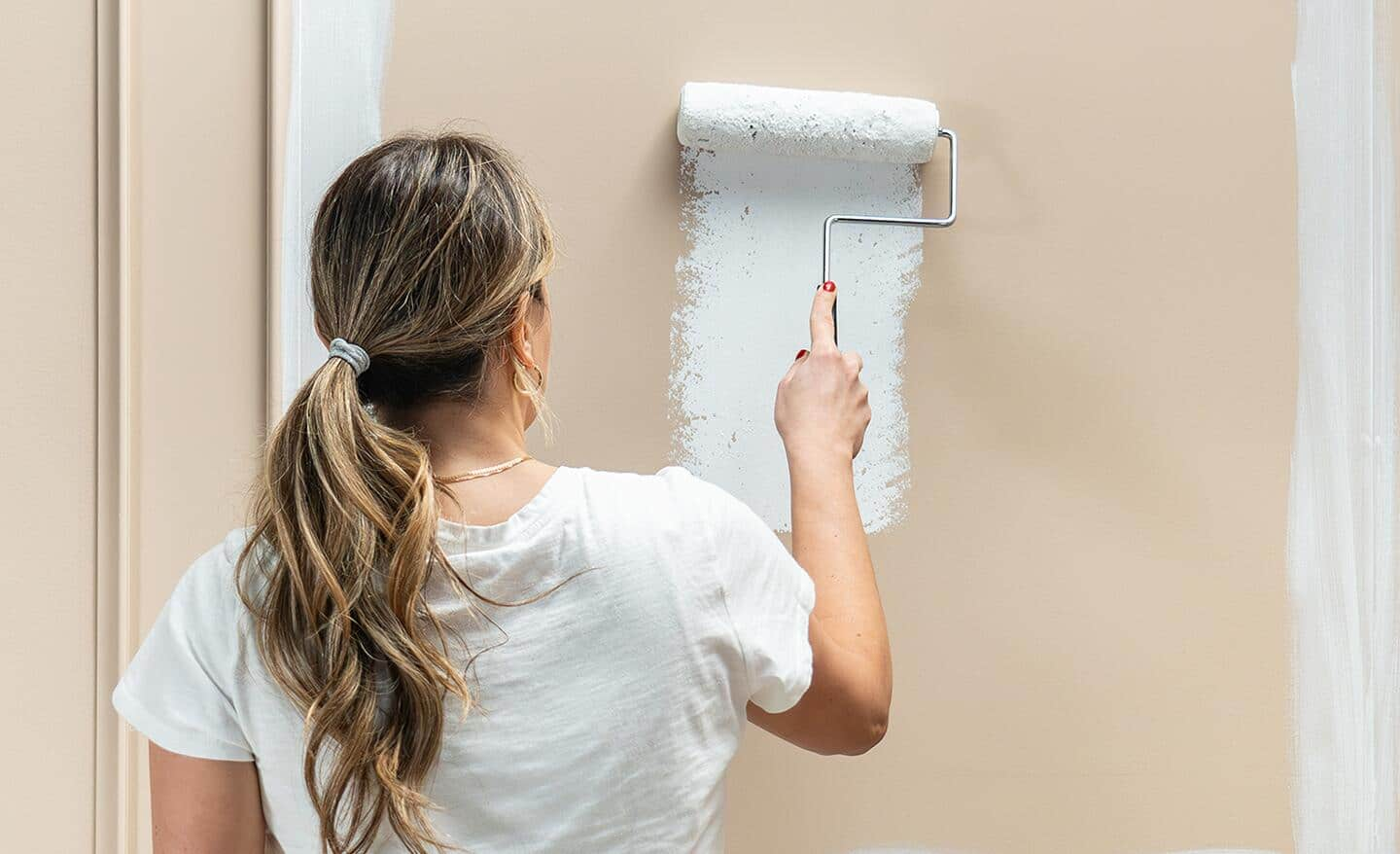
Choosing Your Canvas: Selecting the Right Bedroom Paint
Before you even think about a brush, let’s talk about the star of the show: the paint. This isn’t just about picking a pretty color; it’s about understanding paint types, finishes, and what’s best for a bedroom.
- Paint Types: For interior walls, you’ll almost always be using latex (water-based) paint. It’s easy to clean up, dries quickly, and offers excellent durability. Oil-based paints are generally reserved for trim or high-traffic areas due to their stronger fumes and longer drying times, making them less ideal for bedrooms.
- VOCs and Bedroom Health: VOCs (Volatile Organic Compounds) are chemicals released into the air from many paints. In a bedroom, where you breathe deeply for hours, low-VOC or zero-VOC paints are a smart choice. They minimize odors and improve indoor air quality, contributing to a healthier sleep environment. Look for certifications on the paint can.
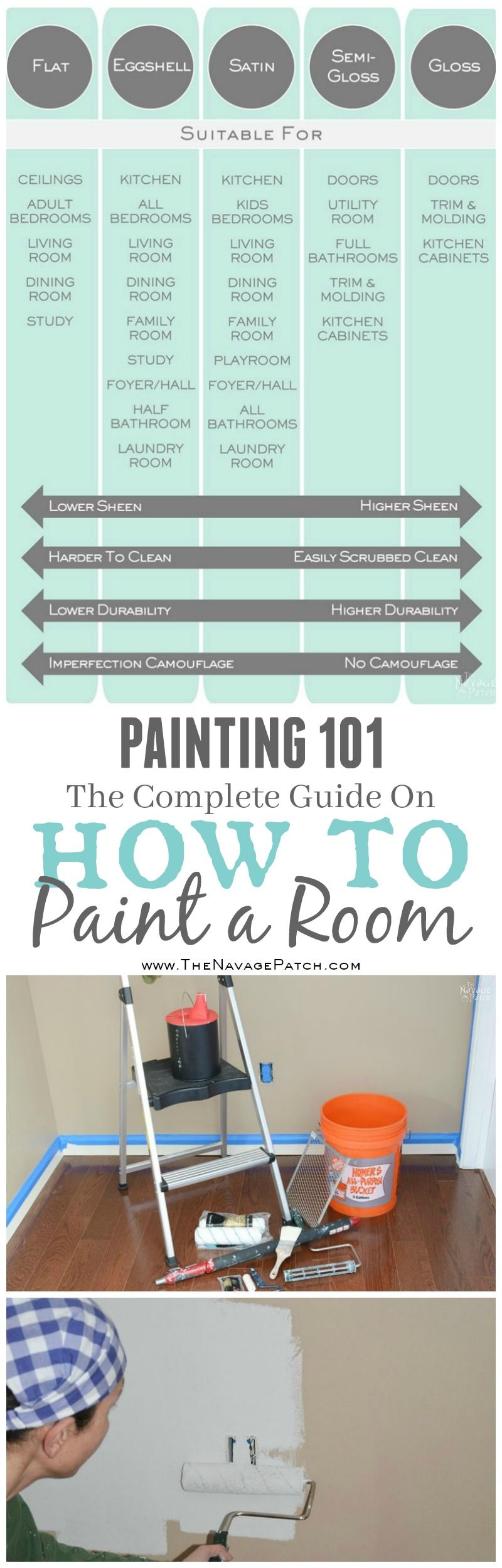
Now, let’s talk about sheen. This dictates how shiny your paint finish will be, and it plays a huge role in how your bedroom wall looks and performs.
| Paint Sheen | Description | Best For Bedrooms | Durability & Cleanability |
|---|---|---|---|
| Flat/Matte | No shine, absorbs light, hides imperfections well. | Excellent – Creates a soft, elegant, and sophisticated look. Ideal for a serene bedroom. | Low durability, difficult to clean. Prone to scuffs. |
| Eggshell | Subtle, soft sheen, like an eggshell. Slightly more durable than flat. | Very Good – A popular choice, offering a nice balance between aesthetics and practicality. | Moderate durability, fairly easy to clean. |
| Satin | Smooth, velvety finish with a noticeable sheen. | Good (for accent walls) – More reflective than ideal for all bedroom walls, but great for trim or high-traffic areas. | Good durability, easy to clean. |
| Semi-Gloss | High sheen, very reflective. | Not Recommended for Walls – Too reflective for a restful bedroom, best for trim, doors, or bathrooms. | Very high durability, very easy to clean. |
For most bedroom walls, egg-shell or flat/matte finishes are ideal. They create a soft, inviting look that minimizes light reflection and hides minor wall imperfections.
- Color Psychology for Bedrooms: Don’t underestimate the power of color! Soft blues and greens promote tranquility. Warm neutrals (greiges, creamy whites) offer comfort. Avoid overly stimulating reds or bright yellows on all walls, as they can interfere with relaxation. Test swatches on your wall to see how the color appears in different lighting throughout the day.
Tools of the Trade: What You’ll Actually Need
Having the right tools is like having the right ingredients for a recipe. Don’t skimp here; quality tools make a huge difference in the ease and quality of your paint job.
Here’s your essential shopping list:

- High-Quality Paint: As discussed above, choose a good brand, low-VOC, and the right sheen.
- Primer: Especially crucial if you’re changing colors dramatically, painting over new drywall, or covering stains.
- Painter’s Tape: Opt for high-quality, medium-adhesion painter’s tape (like FrogTape or 3M ScotchBlue).
- Drop Cloths: Canvas is best as it’s less slippery and reusable. Plastic works but can be slick.
- Angled Sash Brush (2-2.5 inches): Essential for ‘cutting in‘ around trim, ceilings, and corners. A good quality brush will hold more paint and create sharper lines.
- Paint Roller Frame & Covers: Get a sturdy roller frame. Choose roller covers (naps) based on your wall texture:
- 1/4-inch nap: Very smooth surfaces (new drywall, plaster).
- 3/8-inch nap: Most common, good for lightly textured walls.
- 1/2-inch nap: More textured surfaces.
- Extension Pole: A must-have for rollers to save your back and reach high spots evenly.
- Paint Tray & Liners: Make cleanup a breeze.
- Sanding Sponge/Fine-Grit Sandpaper: For smoothing patched areas.
- Spackle/Patching Compound & Putty Knife: For repairs.
- Cleaning Supplies: Sponges, buckets, mild detergent (like TSP substitute), clean cloths.
- Screwdriver/Drill: For removing outlet covers and switch plates.
- Utility Knife: For scoring tape edges.
- Safety Glasses & Gloves: Protect your eyes and hands.
Clearing the Deck: Prepping Your Bedroom Space
Your bedroom is likely full of furniture, decor, and personal items. Get them out of the way!
- Remove Everything: Take down all wall hangings, curtains, blinds, outlet covers, and switch plates. Label screws and hardware if necessary.
- Move Furniture: If possible, remove all furniture from the room. If not, push everything to the center of the room and cover it completely with plastic sheeting or drop cloths.
- Protect Floors: Lay down canvas drop cloths over your entire floor area. Ensure they overlap slightly and are secured to prevent tripping hazards. Don’t rely on old sheets; paint can bleed through.
The Wall Itself: Cleaning, Repairing, and Priming
This is the most crucial part of prep work. Neglect it, and your beautiful new paint will quickly look terrible.
- Clean the Walls: Dust, grime, and oils can prevent paint from adhering properly. Mix a small amount of mild detergent (or a TSP substitute, following package directions) with warm water. Use a clean sponge or cloth to wipe down all surfaces. Start from the bottom and work your way up to avoid streaking. Rinse thoroughly with clean water and let the walls dry completely.
- Patch Holes and Cracks: Inspect your walls for any nail holes, dings, or cracks. Use spackle or patching compound and a putty knife to fill them. Apply in thin layers, slightly overfilling the hole.
- Sand for Smoothness: Once the spackle is dry (check package directions for drying times), lightly sand the patched areas with a fine-grit sanding sponge or sandpaper (e.g., 180-220 grit) until perfectly smooth and flush with the wall. Lightly sand any glossy areas of existing paint to create a ‘tooth’ for the new paint to adhere to.
- Wipe Away Dust: After sanding, wipe down the walls again with a damp cloth to remove all sanding dust. Let dry completely. Any dust left behind will mix with your paint and create a gritty finish.
- Prime the Walls: This step is often skipped, but it’s vital for a professional finish, especially in a bedroom where you want consistent color and durability.
- When to prime:
- Painting over new drywall or repairs.
- Changing a dark color to a lighter one (primer blocks the old color).
- Painting over glossy surfaces.
- Covering stains (water, smoke, grease – use a stain-blocking primer).
- Painting over unpainted wood trim.
- Why prime: Primer creates a uniform, even surface for the paint, helps it adhere better, enhances color vibrancy, and increases durability.
- How to prime: Apply primer just like paint, cutting in and rolling. Let it dry completely according to manufacturer instructions.
Phase 2: The Painting Process (Step-by-Step Perfection)
With your walls prepped and primed, it’s finally time for the fun part: adding color! This stage requires patience and technique, but it’s incredibly rewarding.
Taping Off: Achieving Razor-Sharp Lines
Even the steadiest hand can benefit from painter’s tape. It’s your secret weapon for crisp, clean lines.
- Apply Tape to Trim and Ceiling: Carefully apply painter’s tape along the edges of your baseboards, door and window frames, and where the wall meets the ceiling. Press down firmly with your fingers or a putty knife to ensure a tight seal.
- Overlap Corners: When taping corners, slightly overlap the tape and then use a utility knife to cut a clean, straight line right into the corner.
- Secure Outlets/Switches: Although you’ve removed the plates, you can tape off the actual electrical boxes for extra protection.
Cutting In: Edges That Pop
“Cutting in” is painting the areas where your roller can’t reach – along the ceiling, baseboards, corners, and around windows/doors. This is where your angled brush shines.
- Load the Brush Properly: Dip about a third of the bristles into the paint. Tap off excess paint on the side of the can; don’t wipe it against the rim, as this pushes paint into the ferrule (metal part) and makes it harder to clean.
- Start with the Ceiling Line: Holding the brush like a pencil, gently press the bristles against the ceiling line, allowing the paint to flow. Use long, smooth strokes. The trick is to paint a strip about 2-3 inches wide from the edge.
- Corners and Trim: Repeat this process for all interior corners, baseboards, and around door/window frames. Maintain a consistent width for your cut-in strip.
- Feather the Edge: As you finish a section of cutting in, slightly feather the inner edge of the paint (the side that will meet the roller) with lighter brush strokes. This helps prevent a noticeable line where the brush paint meets the rolled paint.
Rolling the Walls: Smooth, Even Coverage
This is where you cover the large surface areas. Technique is key to avoid roller marks and achieve uniform coverage.
- Prepare Your Roller: Attach a clean roller cover to your extension pole. Pour a moderate amount of paint into your paint tray. Roll the roller back and forth in the tray’s textured area to evenly load it with paint. It should be saturated but not dripping.
- Start in a Corner: Begin rolling about 6 inches away from a corner (that you’ve already cut in).
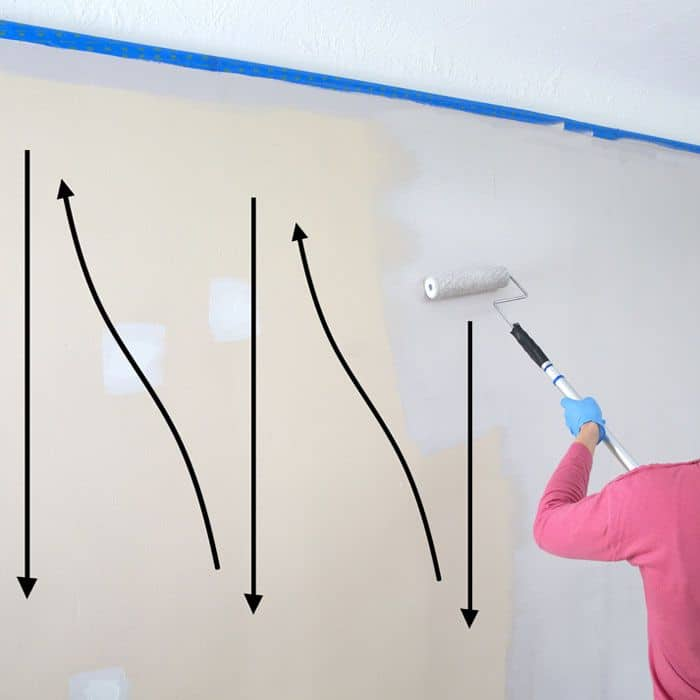
- Use a “W” or “M” Pattern: Instead of straight up-and-down strokes, apply the paint in a large “W” or “M” pattern. This helps distribute paint evenly and prevents hard lines. Fill in the “W” or “M” with overlapping vertical strokes.
- Work in Sections: Paint one wall at a time, working in sections about 3-4 feet wide. Maintain a wet edge, meaning you always overlap your new paint into the previously painted, still-wet section. This prevents lap marks.
- Consistent Pressure: Apply consistent, medium pressure. Don’t press too hard, or you’ll squeeze paint out the sides of the roller, creating drips and uneven texture.
- Don’t Overwork the Paint: Once the paint starts to dry (you’ll notice it getting tacky), stop rolling that section. Rolling over semi-dry paint will create undesirable texture.
The Second Coat (and Beyond): The Secret to Depth
Most walls will require at least two coats of paint for full color saturation and durability. Some dramatic color changes or vibrant hues might even need a third.
- Allow Proper Drying Time: Check your paint can for recommended recoat times (usually 2-4 hours). Applying a second coat too soon can pull up the first coat, create streaks, or lead to an uneven finish.
- Repeat the Process: Once the first coat is completely dry, repeat the cutting-in and rolling process exactly as you did for the first coat.
- Inspect Thoroughly: After the second coat dries, inspect your walls closely in different lighting conditions. Look for any thin spots, streaks, or missed areas. Touch up as needed.
The Final Touches: Removing Tape & Dealing with Drips
You’re almost there! These last steps ensure a clean, professional reveal.
- Remove Painter’s Tape at the Right Time: This is critical for crisp lines. For most paints, it’s best to remove the tape when the paint is dry to the touch but not fully cured. This is typically within an hour or two of your final coat. If the paint is too wet, it might bleed. If it’s too dry, it can crack and pull off with the tape.
- Pull the tape at a 45-degree angle, slowly and steadily, away from the freshly painted wall.
- If you notice any paint pulling up, score the edge of the tape with a utility knife before pulling.
- Handle Drips and Smudges:
- While wet: Immediately wipe off drips or smudges on trim with a damp cloth.
- When dry: For minor drips or errors, you can often gently scrape them off with a putty knife or carefully sand them down and touch up with a small artist’s brush.
Troubleshooting Common Bedroom Painting Pitfalls
Even with careful planning, things can sometimes go wrong. Here’s how to fix common issues:
| Problem | Cause | Solution |
|---|---|---|
| Roller Marks/Streaks | Overworking paint, insufficient paint on roller, not maintaining a wet edge, incorrect nap size. | Sand lightly, then reapply paint evenly using proper rolling technique and a consistent wet edge. Use enough paint. |
| Paint Drips/Runs | Too much paint on brush/roller, applying too thick of a coat. | Wipe wet drips immediately. For dry drips, carefully scrape off with a putty knife, sand smooth, and touch up. |
| Uneven Color/Patchiness | Skipped priming, not enough coats, inconsistent application, old paint showing through. | Apply an additional, even coat of paint. Ensure proper priming, especially for drastic color changes. |
| Paint Peeling/Flaking | Poor surface prep (dirty, glossy, wet walls), painting over incompatible finishes. | Scrape off peeling paint, clean, sand, prime, and repaint. This requires more extensive re-prep. |
| Bleeding Under Tape | Tape not pressed down firmly, poor quality tape, paint too thin. | Carefully touch up with a small artist’s brush and the trim color. Press tape firmly next time. |
Post-Paint Care & Enjoyment
You’ve done it! Now, let’s talk about the final few steps and how to keep your tools in shape.
- Curing Time: While your paint might be dry to the touch in a few hours, it takes several days (sometimes weeks, depending on the paint and conditions) to fully cure and harden. During this time, be gentle with your newly painted walls. Avoid heavy scrubbing or leaning furniture against them.
- Ventilation: Keep windows open for at least 24-48 hours after painting, especially if you didn’t use zero-VOC paint, to allow any remaining fumes to dissipate.
- Cleaning Tools:
- Brushes: Rinse thoroughly under warm water, working soap into the bristles until the water runs clear. Shape the bristles and hang to dry.
- Rollers: Scrape off excess paint, then rinse under warm water until clean. Squeeze out water and stand upright to dry. Consider roller cleaners that attach to a hose for easier cleaning.
- Paint Trays: If you used liners, simply discard them. Otherwise, scrape out excess paint and rinse the tray.
- Storing Leftover Paint: Seal paint cans tightly. If the lid doesn’t seal well, you can put a layer of plastic wrap over the opening before putting the lid on. Store cans upside down in a cool, dry place to create an airtight seal and prevent skinning.
Pro Tips for an Expert Finish
Want to elevate your DIY job to near-professional status? These extra tips can make a big difference:
- Pour a Paint Grid: Instead of dipping your roller directly into the paint can, pour paint into a paint grid that hangs inside a 5-gallon bucket. This allows for more even loading of the roller and prevents splashing.
- Work in Sections, Not Just Walls: For very large walls, mentally divide them into smaller sections. Complete a section (cut in and roll) before moving to the next to maintain a wet edge.
- Mind the Temperature and Humidity: Paint dries best in moderate temperatures (65-75°F or 18-24°C) and moderate humidity. Extreme heat or low humidity can cause paint to dry too fast, leading to lap marks. High humidity can slow drying significantly.
- Use a Headlamp: A headlamp can illuminate imperfections and missed spots as you paint, especially in corners or poorly lit areas.
- Don’t Forget the Ceiling (if applicable): If you’re painting the ceiling too, always paint it first. That way, any drips or splatters on the walls will be covered by the wall paint.
- Take Breaks: Painting can be physically demanding. Take regular breaks to avoid fatigue, which can lead to sloppiness.
Painting your bedroom wall properly is a labor of love, but the results are incredibly rewarding. By dedicating time to thorough preparation, using the right tools, and applying proven techniques, you’ll achieve a stunning, durable finish that transforms your bedroom into the peaceful retreat you deserve. Happy painting!
Frequently Asked Questions
What’s the best paint sheen for a bedroom?
For most bedroom walls, an eggshell or flat/matte finish is highly recommended. These sheens create a soft, elegant look, minimize light reflection for a restful atmosphere, and help hide minor wall imperfections. Satin can be used for accent walls, but is generally too reflective for all walls in a bedroom.
Do I really need to prime my bedroom walls?
Yes, priming is a crucial step for a professional and durable finish. You absolutely need to prime if you’re painting over new drywall, making a drastic color change (especially dark to light), covering stains, or painting over a glossy surface. Primer helps paint adhere better, provides a uniform base, and ensures true color vibrancy.
How long does it take to paint a bedroom wall properly?
Painting a bedroom wall properly isn’t a race. Depending on the size of the wall, the amount of prep work needed, and drying times between coats, it can take anywhere from a full day to a weekend. Allow ample time for cleaning, patching, sanding, priming (if needed), and two coats of paint with sufficient drying time in between.

How do I avoid roller marks on my bedroom walls?
To avoid roller marks, ensure your roller is evenly loaded with paint (not too much, not too little), maintain a wet edge by overlapping each pass into the still-wet section, and use consistent, medium pressure. Avoid overworking the paint once it starts to dry. Using a proper roller nap size for your wall texture also helps.
What’s the difference between cutting in and rolling?
Cutting in refers to using a brush to paint precise lines along edges where the wall meets the ceiling, baseboards, corners, and around doors/windows. Rolling refers to using a paint roller with an extension pole to cover the large, flat surface areas of the wall quickly and efficiently, aiming for even coverage.
Can I paint over wallpaper in a bedroom?
While technically possible, it’s generally not recommended. Painting over wallpaper can lead to bubbling, peeling, or visible seams as the moisture from the paint can reactivate the wallpaper adhesive. For a proper, lasting finish, it’s best to remove the wallpaper entirely, prep the wall, and then paint.
How much paint do I need for a bedroom wall?
As a general rule, one gallon of paint covers approximately 350-400 square feet per coat. To calculate, multiply the height of your wall by its width to get the square footage. Then, multiply that by the number of coats (usually two) and divide by the coverage per gallon. Always buy slightly more than you think you’ll need to account for touch-ups.