The Definitive Guide to Choosing the Best Pale Blue Paint Color for Your Bedroom
Dreaming of a bedroom that feels like a serene escape? Imagine waking up enveloped in the gentle calm of a soft, ethereal blue. If you’ve been searching for the perfect pale blue paint color for your bedroom, you’re not alone. It’s a popular choice for good reason, promising tranquility and timeless elegance.
But here’s the kicker: not all pale blues are created equal. Some can feel too cold, some too green, some too gray. The secret lies in understanding undertones, lighting, and how a color interacts with your unique space. Forget endless swatching guesswork. This guide is your shortcut to finding that magical, perfect pale blue that transforms your bedroom into your ultimate sanctuary.
Why Pale Blue is Your Bedroom’s Secret Weapon for Serenity
There’s a reason designers and homeowners consistently turn to pale blue for bedrooms. It’s more than just a pretty color; it’s a mood-setter, a stress-reducer, and a sleep-inducer. Let’s dive into why this understated hue is the ultimate choice for your personal retreat.
The Psychology of Pale Blue: More Than Just a Pretty Face
Think about the most calming images you can conjure: a clear sky on a summer day, the gentle lapping of ocean waves, a quiet, peaceful dawn. What color dominates these scenes? Blue. Our brains are hardwired to associate blue with tranquility, openness, and relaxation.
Specifically, pale blue, with its muted intensity, signals peace and stability without being overwhelming. It’s known to lower blood pressure, slow heart rate, and even reduce anxiety, making it an ideal backdrop for a restful night’s sleep. In a world that often feels chaotic, bringing a sense of calm into your bedroom is not just a luxury—it’s a necessity for your well-being.
Setting the Mood: What Pale Blue Does for a Bedroom
Beyond its psychological benefits, pale blue is a powerhouse for creating specific aesthetic moods in a bedroom:
- Expansive and Airy: Light colors recede, making rooms feel larger and more open. Pale blue excels at this, creating a sense of boundless space, even in smaller bedrooms.
- Bright and Fresh: It reflects natural light beautifully, brightening up rooms that might otherwise feel dim. It gives a clean, crisp feel without being stark.
- Versatile & Timeless: Unlike trend-driven colors, pale blue possesses a timeless quality that adapts to various design styles, from coastal to Scandinavian, modern to traditional. It provides a quiet sophistication that never goes out of style.
- A Canvas for Creativity: Its subtle nature makes it an excellent backdrop for layering textures, patterns, and accent colors without competing for attention.
Understanding Pale Blue: It’s All About the Undertones
Here’s where many people stumble. You pick up a pale blue swatch, love it, paint it, and suddenly it looks… different. Too gray, too green, or even a bit purple. The culprit? Undertones. Every pale blue carries a subtle hint of another color, and understanding these nuances is crucial for choosing the right shade for your bedroom.
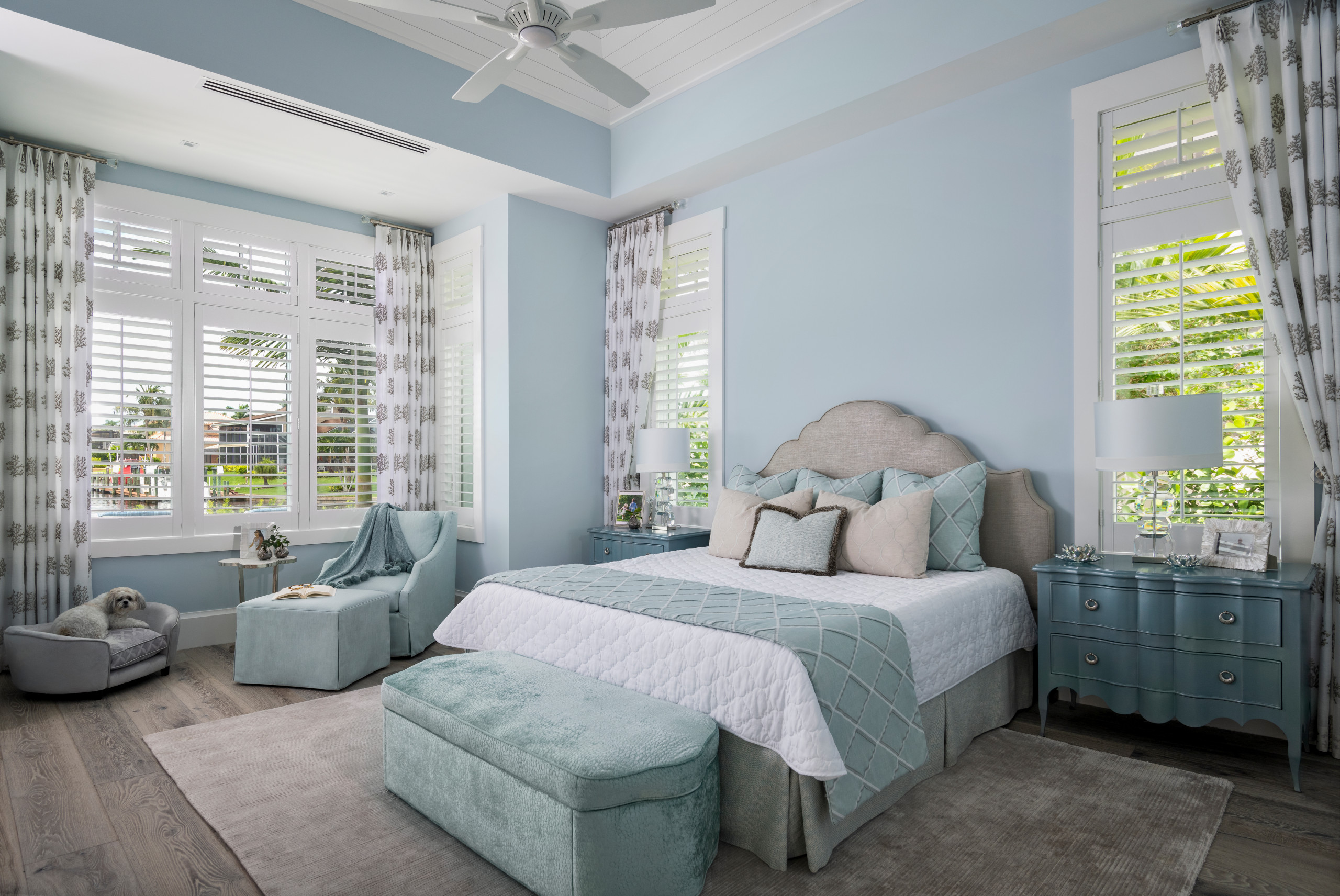
Pale Blue-Grays: The Sophisticated Soothers
These are the chameleons of the blue world, offering a sophisticated, muted elegance. When blue meets gray, you get a color that is wonderfully complex and incredibly versatile. The gray undertone grounds the blue, preventing it from feeling overly saccharine or too cold. They often appear more blue in brightly lit rooms and lean into their gray side in softer light.
Mood: Understated, calming, refined, modern, comforting.nIdeal For: Bedrooms seeking a sophisticated, grown-up tranquility. Pairs beautifully with natural wood tones, crisp whites, and warm grays.
Pale Blue-Greens: Nature’s Gentle Embrace
These hues are inspired by elements like sea glass, misty mornings, or the underside of a cool leaf. The touch of green introduces an organic, refreshing quality that feels incredibly natural and soothing. They often read as distinctly blue in some lights and reveal their subtle green side in others.
Mood: Serene, organic, spa-like, refreshing, tranquil.nIdeal For: Creating a coastal, cottage, or nature-inspired bedroom. Excellent for those who want a touch of color without it feeling too ‘blue’.
Pure, Icy Pale Blues: Crisp & Clean
These are the blues that lean most directly towards the color of a clear winter sky or the pristine surface of a glacier. They are crisp, clean, and often have a slightly cool undertone without much gray or green interference. They can be incredibly refreshing and brightening.
Mood: Clean, refreshing, airy, invigorating, spacious.nIdeal For: Modern, minimalist bedrooms, or rooms that need a boost of light and clarity. Be mindful of making the room feel too cold if it lacks warmth from other elements.
Pale Blue-Violets: A Touch of Whimsy
While less common in the ‘pale blue for bedroom’ category, some pale blues can carry a very subtle hint of violet or purple. This undertone adds a touch of softness, femininity, and sometimes a whimsical or dreamy quality. They can be beautiful but require careful consideration to ensure they don’t lean too purple for your desired look.
:max_bytes(150000):strip_icc()/AJ_1150_0298copy-91ea6327686844c0a0261f46697d42e5.jpg "30 Light Blue Paint Colors")
Mood: Dreamy, soft, ethereal, romantic.nIdeal For: Bedrooms seeking a unique, gentle ambiance, often paired with creamy whites or soft pinks.
Our Top Picks: Best Pale Blue Paint Colors for Bedrooms (With Data & Designer Notes)
Now that you understand the nuances, let’s dive into some of the most beloved and highly recommended pale blue paint colors that are perfect for a bedroom. We’ve handpicked a range of shades from leading brands, considering their undertones, Light Reflectance Value (LRV), and overall mood.
Understanding LRV: Light Reflectance Value (LRV) measures the percentage of light a color reflects. A higher LRV (closer to 100) means more light is reflected, making a room feel brighter and more expansive. A lower LRV (closer to 0) means less light is reflected, resulting in a darker, cozier feel. For pale blues, you’ll typically see LRVs in the 60s to high 70s, indicating their brightening quality.
| Brand | Color Name | Undertone Focus | Approx. LRV | Why It’s Great for Bedrooms | Designer Tip/Best Use |
|---|---|---|---|---|---|
| Benjamin Moore | Palladian Blue HC-144 | Blue-Green-Gray | 60.35 | A truly balanced, spa-like blue that never feels too cold. Utterly tranquil and versatile. | Pairs beautifully with dark woods and crisp white trim for a sophisticated coastal or traditional look. |
| Sherwin-Williams | Sea Salt SW 6204 | Green-Blue-Gray | 64 | One of the most popular muted colors; it shifts between blue, green, and gray, offering incredible depth and softness. | Fantastic in rooms with good natural light. Combines well with natural textures like linen and jute for a relaxed vibe. |
| Benjamin Moore | Gray Cashmere 2138-60 | Gray-Green-Blue | 65.73 | A sophisticated, subtle color that truly captures the ‘pale’ essence. More gray than Palladian, but undeniably blue. | Use in rooms with strong natural light to bring out its blue tones. Excellent with modern or minimalist decor. |
| Sherwin-Williams | Niebla Azul SW 9137 | Dusky Blue-Gray | 66 | A serene, dusty blue that is incredibly calming without being stark. Perfect for creating a cozy, enveloping atmosphere. | Pairs wonderfully with warm wood furniture and brass accents. Great for a bedroom where you want a hint of moodiness. |
| Benjamin Moore | Ocean Air 2123-50 | Pure, Icy Pale Blue | 70.5 | As its name suggests, this is a breath of fresh air. A clean, crisp pale blue that feels truly expansive. | Best in bright, well-lit rooms. Pair with very warm whites or creams to prevent it from feeling too cold. |
| Sherwin-Williams | Tradewind SW 6218 | Mid-Tone Blue-Green | 62 | A slightly more saturated pale blue-green that still maintains a soft, airy feel. Very livable and inviting. | Excellent in south-facing rooms to temper the strong warm light. Perfect for a classic coastal bedroom. |
| Benjamin Moore | Woodlawn Blue HC-147 | Classic Blue-Green | 60.67 | A classic historic color that is firmly blue with a strong hint of green, giving it a comforting, enduring quality. | Harmonizes beautifully with traditional furnishings and intricate trim work. A sophisticated choice for master bedrooms. |
| Sherwin-Williams | Rainwashed SW 6211 | Muted Green-Blue | 59 | A chameleon color similar to Sea Salt, but often appearing slightly more green. Very relaxing and organic. | Fantastic alternative to Sea Salt if you want a slightly more pronounced green undertone. Ideal for creating a restful, natural retreat. |
Benjamin Moore Palladian Blue HC-144
Ah, Palladian Blue. It’s often cited as the perfect blue-green-gray, and for good reason. It has an uncanny ability to read as distinctly blue, yet simultaneously deliver the soothing qualities of green and the grounded sophistication of gray. This balance makes it incredibly versatile, working well in both traditional and contemporary settings. It brings an unparalleled sense of calm and is truly a ‘spa-like’ color, making it a perennial favorite for bedrooms where relaxation is paramount. It feels fresh without being chilly, and elegant without being stuffy. If you’re looking for a tried-and-true, designer-approved pale blue that leans slightly towards green without overwhelming, Palladian Blue is a stellar choice.
Sherwin-Williams Sea Salt SW 6204
If you’ve spent any time looking at popular paint colors, you’ve undoubtedly come across Sea Salt. This is another master of the blue-green-gray blend, often appearing more green in certain lights and more blue in others. Its muted, slightly desaturated quality is what makes it so ‘pale’ and universally beloved for bedrooms. It evokes the feeling of a tranquil beach house or a serene coastal escape. Sea Salt is incredibly adaptable and pairs beautifully with almost any wood tone or accent color, allowing your decor to shine while the walls provide a gentle, calming backdrop. It’s perfect for creating a truly restful and organic feel.
Benjamin Moore Gray Cashmere 2138-60
Don’t let the ‘gray’ in the name fool you entirely; Gray Cashmere is a truly beautiful pale blue, expertly balanced with sophisticated gray and a whisper of green. This color is for those who want a pale blue that feels refined and modern, less overtly ‘blue,’ and more subtly serene. Its high LRV helps it to brighten spaces, while its complex undertones give it an intriguing depth. In a bright room, the blue will come forward, while in a softer light, the gray provides an elegant backdrop. It’s a fantastic choice for a contemporary bedroom or one that uses a lot of clean lines and minimalist decor, offering a sophisticated tranquility.
Sherwin-Williams Niebla Azul SW 9137
Niebla Azul translates to ‘Blue Fog,’ and that perfectly captures its essence. This is a muted, dusky pale blue with noticeable gray undertones, making it feel incredibly soft and enveloping rather than stark or cold. It has a slightly more saturated presence than Sea Salt or Gray Cashmere, but its dusty quality ensures it remains firmly in the ‘pale’ category. Niebla Azul is fantastic for creating a cozy, serene retreat, especially in bedrooms that might have less natural light. It offers a sense of intimate calm and pairs wonderfully with darker wood furniture and warmer metallic accents.
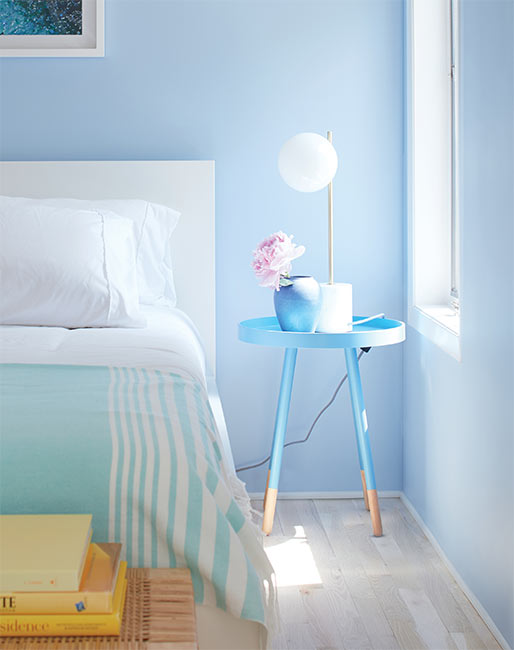
Benjamin Moore Ocean Air 2123-50
For those who love a clean, crisp, and truly light blue without significant green or strong gray interference, Ocean Air is a dream. As its name suggests, it feels like a breath of fresh, cool air. It’s a pure, pale blue with a slightly icy quality that brightens and expands a space beautifully. Its high LRV makes it an excellent choice for bedrooms where you want to maximize light and create an uplifting, airy atmosphere. While it leans cool, pairing it with warm white trim, soft textures, and natural wood elements can balance it out perfectly, preventing it from feeling sterile. It’s a classic choice for a truly pristine pale blue bedroom.
Sherwin-Williams Tradewind SW 6218
Tradewind offers a slightly richer take on the pale blue-green spectrum, but still maintains a wonderful softness that makes it perfect for bedrooms. It’s vibrant enough to feel fresh and inviting, but muted enough to remain calming and not overpowering. You’ll notice its blue more strongly, but the green undertone ensures it has that organic, natural appeal. It’s a fantastic middle-ground color – not too light, not too dark – that works exceptionally well in rooms that receive a lot of natural light, where it can truly sing. If you’re looking for a pale blue that has a bit more presence while retaining tranquility, Tradewind is a superb option.
Benjamin Moore Woodlawn Blue HC-147
Part of Benjamin Moore‘s Historic Colors collection, Woodlawn Blue is a timeless and enduring pale blue-green. It feels classic and comforting, with a slightly deeper saturation than some of the other ‘pale’ options, yet it absolutely retains its gentle, soothing character. Its strong blue identity is complemented by a clear green undertone, giving it a wholesome, familiar feel. Woodlawn Blue is an excellent choice for master bedrooms where you want a sense of established elegance and deep relaxation. It harmonizes beautifully with traditional furnishings, creating a bedroom that feels both grand and incredibly serene.
Sherwin-Williams Rainwashed SW 6211
Similar to its cousin Sea Salt, Rainwashed leans slightly more into the green side of the blue-green-gray spectrum. It’s a wonderfully muted and soft color that evokes the peacefulness of a misty morning or a gentle, rain-kissed landscape. Its high LRV ensures it keeps rooms feeling light and open, while its complex undertones provide constant visual interest without being distracting. Rainwashed is incredibly versatile and creates a tranquil, spa-like atmosphere perfect for unwinding. It’s an ideal choice if you want a pale blue with a stronger organic, earthy connection.
How to Choose YOUR Perfect Pale Blue: Beyond the Swatch
You’ve got some fantastic pale blue candidates in mind. Now, let’s talk strategy. Choosing the right shade for *your bedroom isn’t just about liking a color on a tiny card; it’s about understanding how that color will behave in your unique environment. This is where many DIY painters make mistakes, leading to disappointment. Don’t be one of them!
The Light Factor: Natural vs. Artificial Illumination
Light is the single most influential factor in how a paint color appears. A color you love in one room can look entirely different in another due to the quality and direction of light.
- North-Facing Rooms: Receive cooler, softer light throughout the day. Pale blues here can appear cooler and bring out gray or purple undertones. Consider warmer pale blues (more green/yellow undertones) to balance the cool light.
- South-Facing Rooms: Bathed in warm, bright light all day. Almost any pale blue will look beautiful here, but cooler pale blues can help temper the warmth and keep the room feeling fresh.
- East-Facing Rooms: Get bright, warm light in the morning, then cooler light in the afternoon. A balanced pale blue-gray or blue-green can look stunning as it adapts throughout the day.
- West-Facing Rooms: Receive warm, intense light in the afternoon and evening. This can make pale blues appear more vibrant or even slightly greener.
- Artificial Light: Incandescent bulbs cast a yellow glow, which can make pale blues appear greener or duller. LED bulbs offer various color temperatures (warm white, cool white, daylight). Test your chosen pale blue under the specific lighting you’ll be using in your bedroom.
Room Size & Ceiling Height: Maximizing Your Space
Pale blue is a friend to spaces of all sizes, but it truly shines in making rooms feel larger and airier. Its reflective quality helps bounce light around, pushing walls visually outwards and lifting ceilings. If your bedroom is on the smaller side, a high-LRV pale blue can be a game-changer, transforming a cramped space into an expansive haven. For rooms with low ceilings, painting the ceiling a slightly lighter shade of your wall color (or even a crisp white) can enhance the upward visual flow, making the room feel taller.
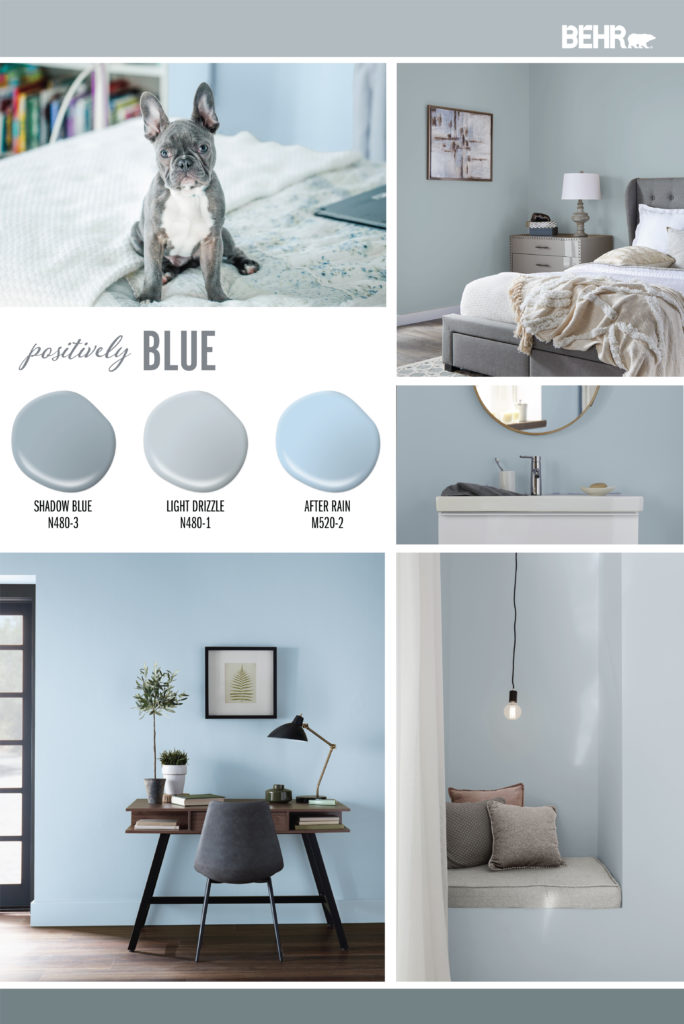
Considering Your Existing Decor & Furniture
Your bedroom walls aren’t a blank slate in isolation. They need to harmonize with your existing elements. Before committing to a pale blue, take stock of:
- Flooring: Are your floors warm-toned wood, cool-toned gray carpet, or a neutral?
- Furniture: Do you have dark wood, light wood, painted pieces, or upholstered items?
- Bedding & Textiles: These are often the largest blocks of color after your walls. Do they lean warm or cool?
- Art & Accessories: Will your cherished pieces pop or recede against your chosen pale blue?
Hold your paint swatches next to these elements. The goal is cohesion. A pale blue with a green undertone might sing next to warm wood, while an icy pale blue could highlight cool-toned metal accents.
Paint Sheen Matters: Flat, Eggshell, or Satin?
The finish you choose affects both the look and durability of your paint. For bedrooms, where wear and tear are generally low, you have a few excellent options:
- Flat/Matte: Offers a sophisticated, velvety look that absorbs light. It hides imperfections well but is less washable. Ideal for ceilings and walls where minimal contact occurs.
- Eggshell: The most popular choice for bedrooms. It has a slight sheen (like an eggshell), making it more durable and washable than flat, while still offering a soft, desirable look.
- Satin: Has a noticeable sheen and is even more durable and washable. Sometimes chosen for trim, doors, or children’s bedrooms where higher durability is needed. Can highlight wall imperfections more than eggshell or flat.
For a truly serene, luxurious bedroom feel, an eggshell finish is usually the sweet spot for pale blue walls.
Testing Like a Pro: Don’t Skip This Step!
This is arguably the most crucial step and one that many people rush. You absolutely must* test your selected pale blue candidates in your actual bedroom. A tiny chip on a card is simply not enough.
Large Swatches Are Your Best Friend
Buy sample pots of your top 2-3 pale blue contenders. Instead of painting directly on your wall (which can create color memory issues if you decide against it), paint large (at least 2’x2′) poster boards or pieces of drywall. Paint two coats to get the true color.
Observe Throughout the Day
Hang these large swatches on different walls in your bedroom, moving them around throughout the day. Observe how the color changes from morning light, through midday, into the evening, and under artificial lighting. You’ll be amazed at the transformation.
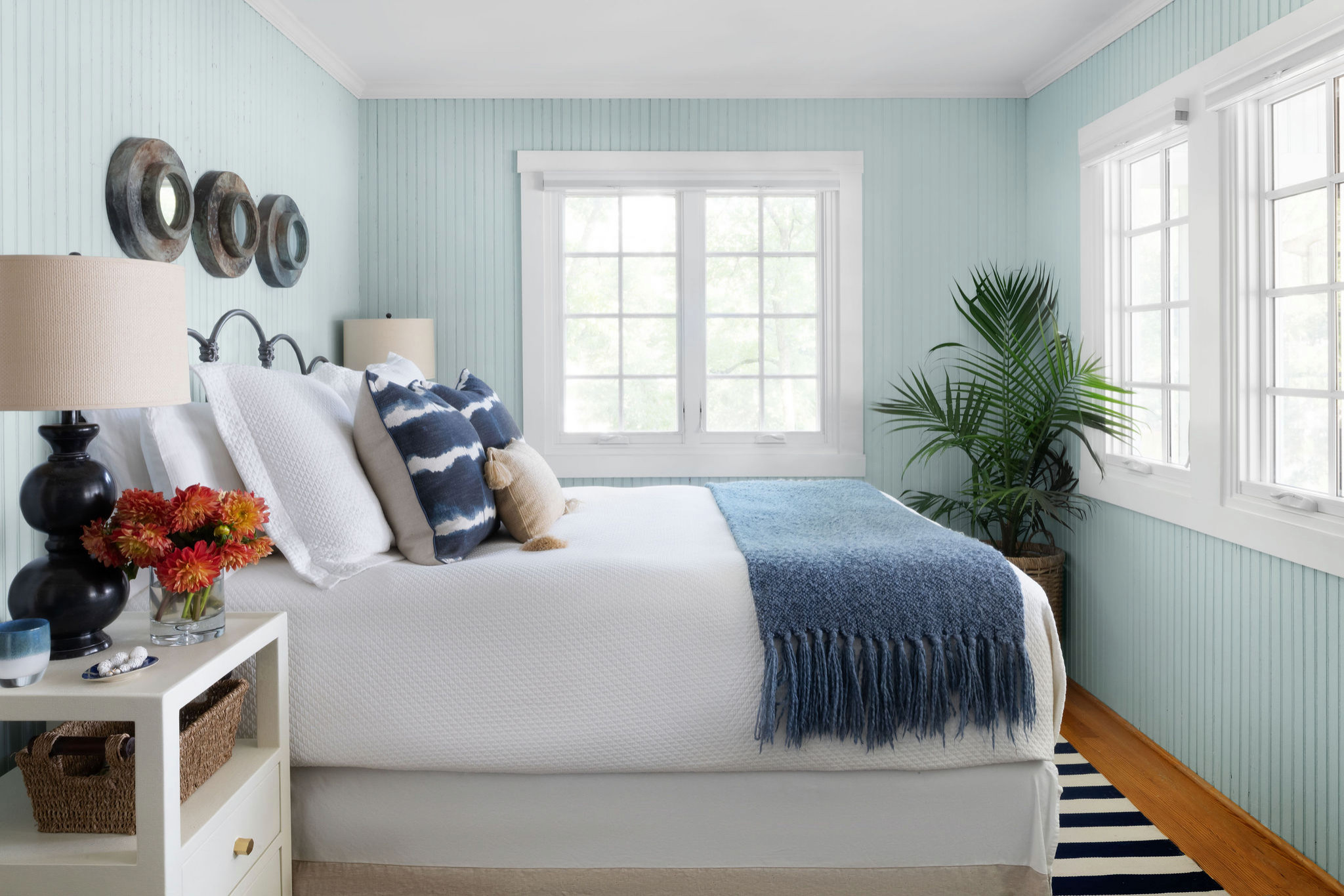
Compare Against White & Existing Elements
Always have a piece of crisp white paper or a fresh white swatch next to your pale blue samples. This helps your eye truly discern the undertones. Also, place them next to your headboard, bedding, and any other fixed elements in your room to ensure they harmonize.
Complementary Colors & Styling for a Pale Blue Bedroom
Once your perfect pale blue is on the walls, it’s time to bring the room to life! The beauty of pale blue is its versatility, allowing you to create a myriad of looks. Here’s how to style it beautifully:
Neutrals That Sing: Whites, Grays, & Creams
- Crisp White Trim: A classic pairing that makes pale blue pop and feel incredibly fresh. Think Benjamin Moore ‘Chantilly Lace’ or Sherwin-Williams ‘Pure White’.
- Warm Off-Whites & Creams: If your pale blue leans cool, introducing warm off-whites (like Benjamin Moore ‘Swiss Coffee’ or Sherwin-Williams ‘Alabaster’) can add softness and prevent the room from feeling too icy.
- Soft Grays & Greiges: These complement pale blue beautifully, especially those with gray undertones. They create a sophisticated, layered neutral palette.
Adding Depth with Contrasting Accents
While pale blue is serene, you can introduce pops of other colors to add personality and depth:
- Navy or Charcoal: For a bolder, more dramatic contrast. Think throws, pillows, or an accent chair.
- Warm Terracotta or Rust: Unexpected but stunning! These earthy tones bring warmth and a natural feel against cool pale blue.
- Soft Blush or Peach: Creates a delicate, romantic, and inviting atmosphere.
- Natural Wood Tones: Whether it’s light oak, rich walnut, or rattan, wood brings essential warmth and texture.
- Metallics: Brass and gold add a touch of glamour and warmth, while chrome or brushed nickel can enhance a cool, modern look.
Textures & Materials: Cozying Up Your Space
A serene bedroom is also about tactile comfort. Layering different textures prevents a pale blue room from feeling flat:
- Linen: Drapes, bedding, and throw pillows in linen add an effortless, relaxed elegance.
- Wool & Knits: Chunky knit blankets or a plush wool rug instantly create warmth and coziness.
- Rattan & Wicker: Introduce these natural materials through furniture or decorative baskets for an organic, coastal, or bohemian touch.
- Ceramics & Pottery: Matte finishes in off-whites or earthy tones add handcrafted appeal.
- Velvet: A few velvet cushions or a headboard can inject a touch of luxury and softness.
Common Pale Blue Pitfalls & How to Avoid Them
Even with the best intentions, it’s easy to make a misstep when choosing paint. Here are a few common pitfalls to watch out for when selecting your pale blue:
- Too Icy or Cold: If your room lacks natural warmth or you pick a pale blue with very strong cool undertones (without balancing elements), it can feel stark. Always add warm lighting, wood tones, and soft textiles to counteract this.
- Too Childish: Some very light, pure blues can lean towards a ‘nursery’ feel. To avoid this, opt for pale blues with sophisticated gray or green undertones, and pair them with more mature decor.
- Underestimating Undertones: This is the biggest culprit! A pale blue might have a sneaky purple or green undertone that only appears once it’s on a large wall. Thorough testing (as discussed above) is your defense.
- Ignoring the LRV: If your room is naturally dim, a pale blue with a lower LRV (even if beautiful) might make it feel darker than intended. Consider higher LRV options for brightening power.
- Not Testing Enough: We’ll say it again: test, test, test! Natural light, artificial light, time of day – these all matter.
Final Thoughts: Your Dream Pale Blue Bedroom Awaits
Choosing the best pale blue paint color for your bedroom doesn’t have to be overwhelming. By understanding the psychology of blue, appreciating the role of undertones, considering your room’s unique characteristics, and diligently testing your options, you’re well on your way to creating a truly breathtaking and serene sanctuary.
A perfectly chosen pale blue can transform your bedroom into a peaceful haven, a place where you can unwind, recharge, and dream. Trust your instincts, but empower them with knowledge. Go forth, swatch with confidence, and prepare to fall in love with your new, beautifully blue bedroom!