You’ve got a vision, a fresh coat of paint in mind, and… well, not a lot of time. The question on your lips is probably: “Can I really paint a room in ONE day?”
Let’s cut straight to it: Yes, you absolutely can paint a room in one day. But here’s the kicker – it’s going to be a sprint, not a leisurely stroll. It demands meticulous planning, high-quality materials, efficient techniques, and a dash of elbow grease. Think of it as a carefully orchestrated mission, not a spontaneous whim.
This isn’t about rushing and cutting corners, though. It’s about smart strategy. You want a beautifully refreshed room, not a splotchy, streaky mess that screams “I was done in a hurry!” If you’re ready to tackle this challenge head-on, I’m going to walk you through the definitive playbook for achieving a fast, flawless finish.
Can You REALLY Paint a Room in One Day? The Definitive Guide to a Fast & Flawless Finish
The Truth About Painting a Room in 24 Hours: Myth vs. Reality
Before we dive into the nitty-gritty, let’s clear up some common misconceptions. Getting a room painted in a single day is a popular goal, but it often comes with unrealistic expectations.
Myth: It’s always easy and stress-free.
Reality: Painting a room in a day is a high-energy endeavor. It requires unwavering focus and a disciplined approach. You’ll be moving quickly, often against the clock, and there’s little room for error if you want a professional-looking result. Expect to be tired but incredibly satisfied!
Myth: You can skip prep work to save time.
Reality: This is the biggest rookie mistake. Skipping prep doesn’t save time; it creates more work and leads to a terrible finish. A poorly prepped wall means paint won’t adhere properly, existing imperfections will be magnified, and you’ll likely face touch-ups or even repainting down the line. Proper prep is the foundation of speed painting – it ensures the actual painting goes smoothly and quickly.
Myth: Any paint will do for a quick job.
Reality: Not all paints are created equal, especially when you’re racing the clock. High-quality, fast-drying paints with excellent coverage are your absolute best friends for a one-day project. They typically offer better hide in fewer coats and have quicker re-coat times, which is non-negotiable for speed.
The “One-Day Sprint” Checklist: Your Step-by-Step Game Plan
Ready to get started? This isn’t just a list of tasks; it’s a timed strategy designed to keep you moving efficiently through each phase of your one-day painting project. Time estimates are for an average 10×12 ft room with standard ceiling height and moderate wall condition.
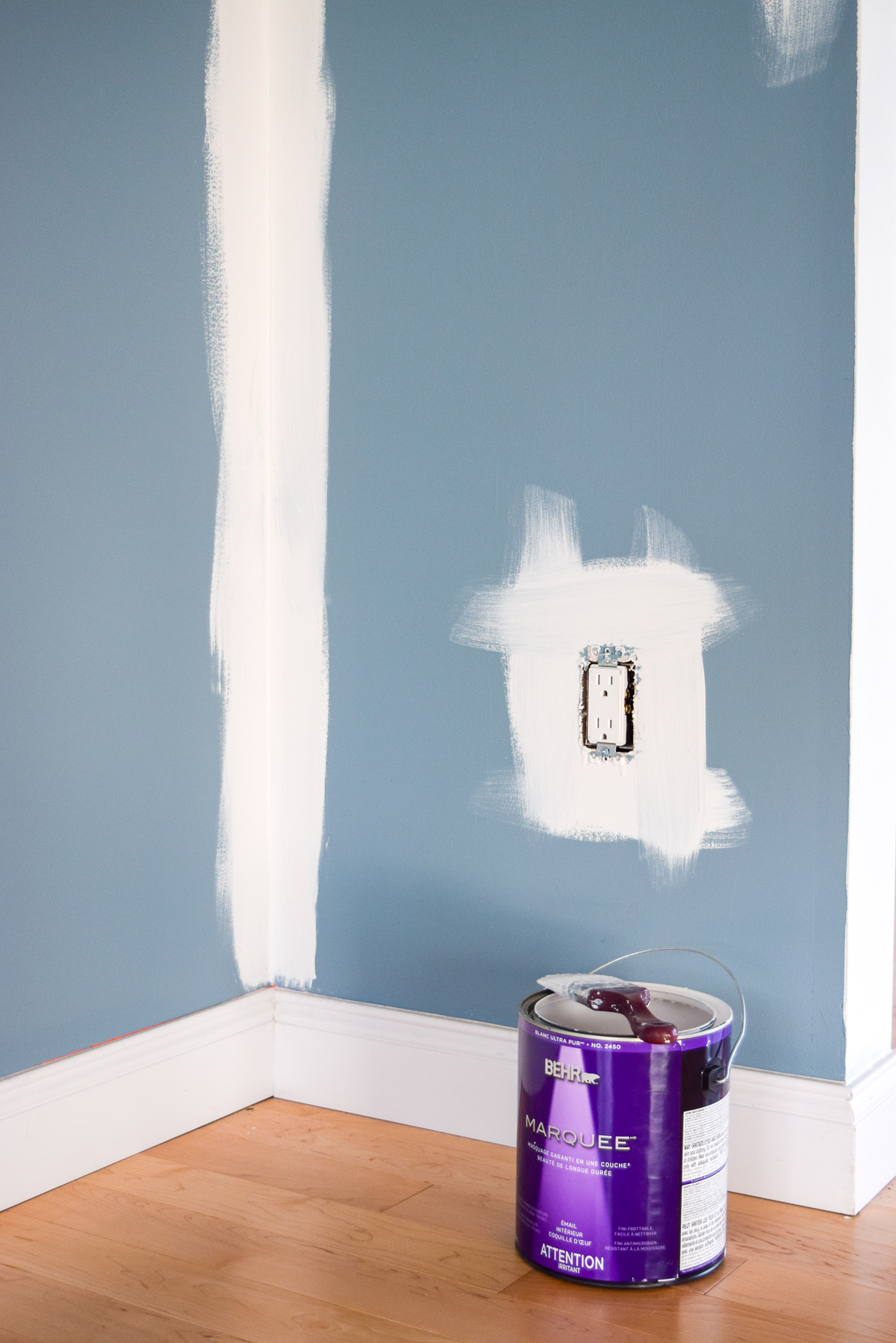
Phase 1: Pre-Game Prep (2-4 Hours)
This is where champions are made. Don’t skimp here!
- Clear the Room (30-60 min): Move all furniture to the center of the room or, ideally, out of the room entirely. Remove all wall hangings, outlet covers, switch plates, curtains, and light fixtures. The less you have to work around, the faster you’ll paint.
- Clean the Walls (30-60 min): Dust, grime, and grease are paint’s worst enemies. Wipe down walls and trim with a damp cloth or a mild cleaner (like TSP substitute for heavily soiled areas), then rinse with clean water. Let them dry completely.
- Repair & Patch (30-90 min): Fill small nail holes and minor cracks with spackle. Sand smooth once dry. For a one-day job, you need fast-drying spackle. If there are significant repairs, this might push you beyond the one-day window, as larger patches need longer to cure.
- Tape & Protect (60-120 min): Lay down canvas drop cloths (they’re less slippery and more absorbent than plastic) to protect floors and furniture. Use high-quality painter’s tape along baseboards, door frames, window casings, and any other areas you don’t want painted. Press the tape firmly to create a good seal.
- Gather Your Arsenal (15-30 min): Make sure every single tool, brush, roller, tray, can of paint, and cleaning supply is within easy reach. The last thing you need is to stop mid-paint to hunt for a screwdriver.
Phase 2: The Painting Blitz (4-8 Hours)
This is where the magic happens. Speed and technique are paramount.
- Prime Smartly (If Needed, 60-120 min): If you’re making a drastic color change, painting over dark colors, or dealing with stained walls, a quick-drying primer is essential. It provides a uniform base, improves paint adhesion, and often means fewer coats of your final color. Opt for a fast-drying primer.
- Cut In Like a Pro (60-120 min): Using a high-quality angled brush, carefully paint a strip along the edges of ceilings, corners, baseboards, and around doors and windows. This is called “cutting in.” Do the first coat of all your cutting in now. Precision here saves time later.
- Roll the Walls (60-180 min): With an extension pole attached to your roller, apply the first coat of paint to the large wall surfaces. Work in small sections, using a “W” or “M” pattern, then fill it in without lifting the roller. Keep a “wet edge” by working quickly and overlapping your strokes slightly to avoid harsh lines.
- Drying Time Strategy (1-3 Hours per coat): This is the critical waiting period. High-quality, fast-drying interior paints typically allow recoating in 1-2 hours. Read your paint can! Ensure good ventilation by opening windows and using fans to accelerate drying, but avoid direct strong drafts that could cause paint to dry too quickly and crack.
- Second Coat (60-240 min): Once the first coat is dry to the touch (usually 1-2 hours with good quality paint), repeat the cutting-in process, followed by rolling the walls again. Two thin coats are always better than one thick, gloppy coat for durability and a smooth finish.
Phase 3: The Rapid Retreat (1-2 Hours)
You’re almost there! Don’t trip at the finish line.
- Peel Tape While Wet (15-30 min): This is crucial! As soon as your second coat is applied and still wet (or at least soft), carefully pull off all painter’s tape at a 45-degree angle. Waiting for paint to fully dry can cause it to peel along with the tape, ruining your crisp lines.
- Initial Cleanup (30-60 min): Clean your brushes and rollers immediately with warm, soapy water. Scrape excess paint back into the can from your tray. Gather drop cloths carefully to avoid spreading wet paint.
- Reassemble (30-60 min): Once the walls are dry to the touch (again, read your paint can – some paints are dry to touch but need more time to fully cure before heavy use), you can carefully move furniture back into place and rehang your lighter items. Be gentle!
What Influences Your One-Day Success? Key Factors at Play
Not all rooms, conditions, or painters are created equal. These factors will significantly impact your ability to finish within 24 hours.
Room Size & Complexity:
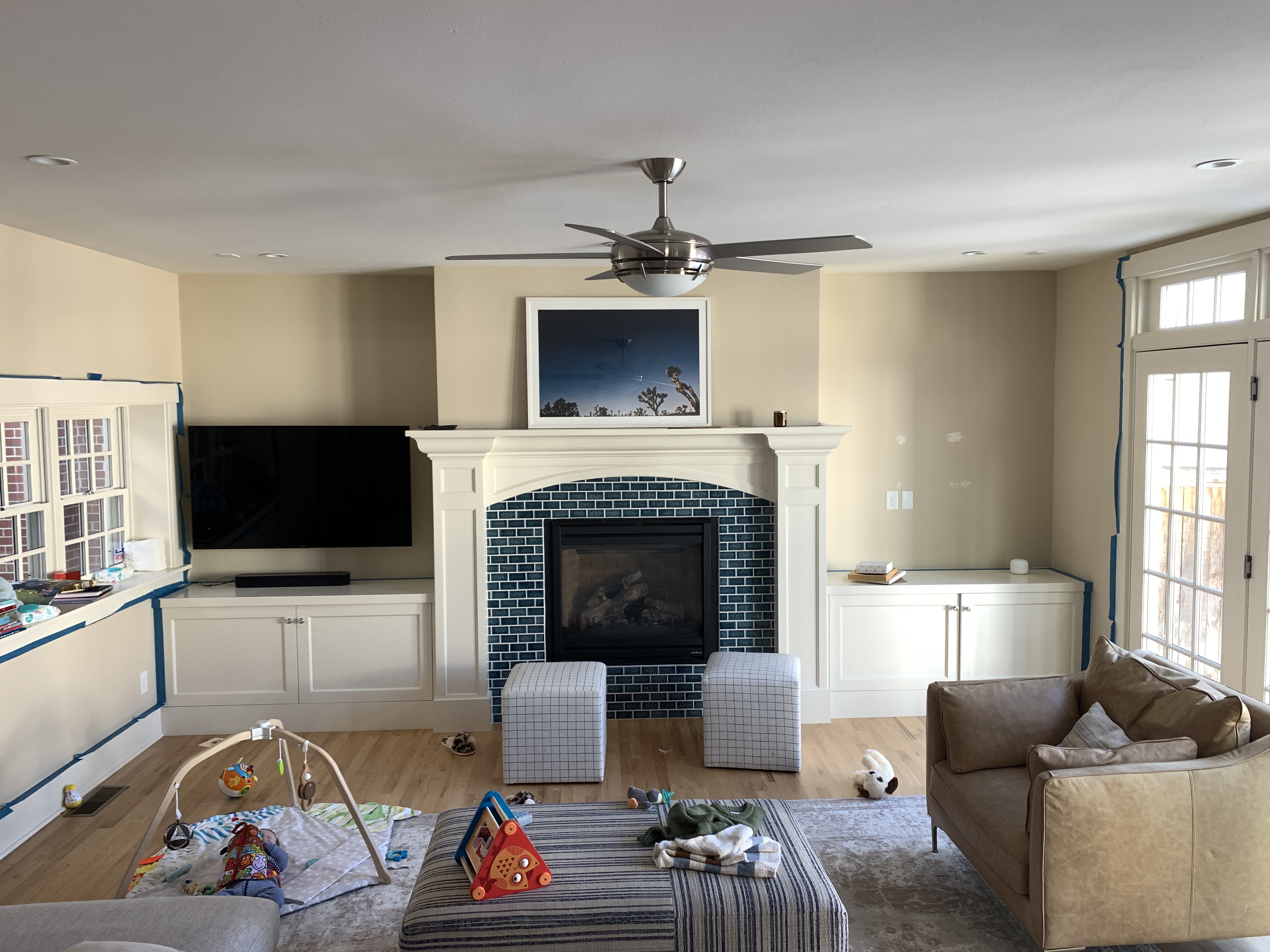
A small, empty bedroom (10×12 ft) is far more achievable than a large, furniture-filled living room with high ceilings, crown molding, and intricate trim work. The more square footage and architectural details, the longer it will take.
Wall Condition:
Walls that are already clean, smooth, and in good repair will shave hours off your prep time. Extensive patching, sanding, or heavy cleaning will significantly extend the project.
Paint & Primer Quality:
This is a game-changer. Premium paints with good hide and fast-drying properties are essential. They cover better in fewer coats and allow quicker recoating, which is paramount for speed. Don’t cheap out on paint if you’re aiming for one-day completion.
Your Experience Level:
An experienced painter can prep, cut in, and roll much faster and more efficiently than a novice. If you’re new to painting, build in extra time for learning curve mistakes.
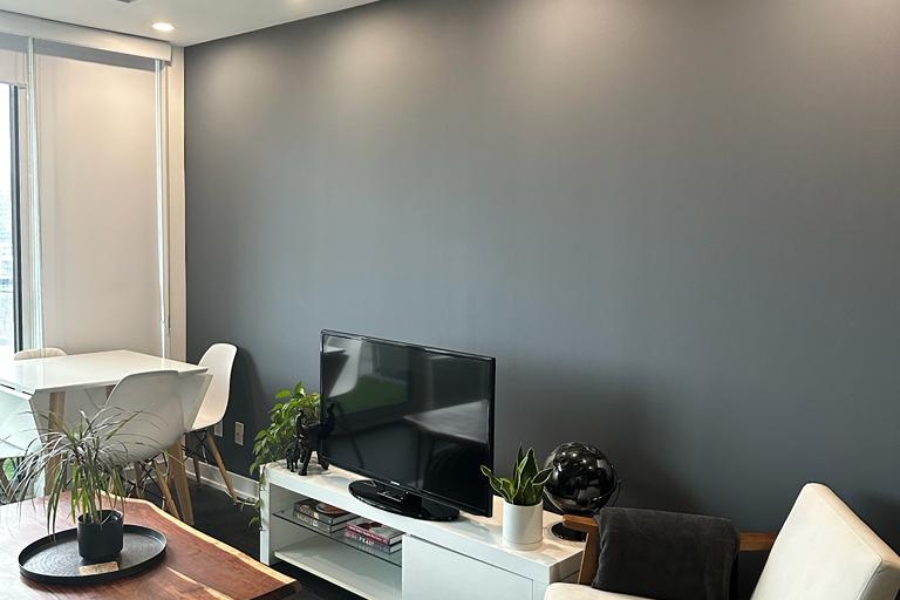
Number of Coats:
Most painting projects require two coats for optimal coverage and durability, especially when changing colors. If you only need one coat (e.g., refreshing an already similar color), your job will be significantly faster.
Ventilation & Climate:
Good airflow is crucial for accelerating drying times. Open windows and use fans. However, avoid extreme humidity, which can slow drying to a crawl, and direct, powerful airflow that could cause uneven drying or paint skinning.
Essential Tools & Materials for a Speed Paint Job
Having the right gear is half the battle. Don’t start without these!
High-Quality Paint:
Look for paints labeled “fast-drying,” “one-coat coverage” (though two is usually better), and low/zero-VOC for quicker air clearance. Brands often specify recoat times on the can. Eggshell or satin finishes are common and durable.
Premium Brushes & Rollers:
A good 2-3 inch angled brush for cutting in is essential. For rollers, use a microfiber roller cover for smooth walls (3/8″ nap) for excellent paint pickup and release, which means fewer trips to the paint tray. Choose a roller frame that’s sturdy and comfortable.
Painter’s Tape:
Invest in high-quality painter’s tape designed for clean lines and easy removal. Blue tape is standard, but specialized tapes for delicate surfaces or extended stay are available if needed.
Drop Cloths:
Canvas drop cloths are durable, slip-resistant, and reusable. They absorb paint drips rather than letting them puddle. Get enough to cover all floor areas and any furniture remaining in the room.
Extension Pole, Paint Tray, Cleaning Supplies:
An extension pole saves your back and speeds up rolling large areas. A sturdy paint tray with liners makes cleanup easier. Have rags, soap, and water ready for immediate cleanups.
| Item | Why It’s Critical for Speed | Pro Tip |
|---|---|---|
| High-Quality, Fast-Drying Paint | Better coverage, quicker recoat times. Essential for two coats in one day. | Read label for ‘recoat time.’ Look for 1-2 hour dry times. |
| Premium Angled Brush (2-3 inch) | Allows for precise, clean cut-in without streaks, saving time on touch-ups. | Don’t overload; use just the tip for sharp lines. |
| Microfiber Roller Cover (3/8″ nap) | Excellent paint absorption and smooth, even release, reducing roller marks. | Pre-wet new roller covers with water, then spin dry for better paint pickup. |
| Extension Pole for Roller | Reduces strain and significantly speeds up painting large wall sections. | Practice rolling technique to maintain even pressure. |
| Painter’s Tape (High Quality) | Ensures crisp, clean lines and prevents bleed-through, minimizing cleanup. | Remove while paint is still wet/soft for cleanest edges. |
| Canvas Drop Cloths | More durable and absorbent than plastic, prevents slips and large messes. | Overlap slightly to cover all exposed floor space. |
| Fast-Drying Spackle/Patching Compound | Allows for quick repairs and sanding, minimizing downtime between prep and paint. | Apply thinly; multiple thin layers dry faster than one thick layer. |
The Ultimate Time-Saving Hacks & Pro Tips
Beyond the basics, these insider tricks will help you conquer the clock.
Enlist Help:
Painting is one of those tasks where two (or even three!) sets of hands are exponentially faster than one. One person can cut in while another rolls, or one preps while another paints the first coat. Divide and conquer!
Master Your Technique:
Practice makes perfect. If you’re new, watch some quick tutorials on cutting in and rolling techniques. Smooth, consistent strokes prevent drips, lap marks, and uneven coverage, all of which slow you down.
Work Systematically:
Establish a logical flow. Paint the ceiling first (if applicable), then cut in all walls, then roll all walls. Work from top to bottom, one wall at a time, to avoid drips and ensure a consistent wet edge.
Don’t Overload Brushes/Rollers:
While it seems like you’re going faster, too much paint on your tools leads to drips, splatters, and uneven application, requiring more cleanup and touch-ups. Load just enough for controlled coverage.
Read Paint Can Instructions:
Seriously, read them! Drying times, ideal temperatures, and specific application tips are unique to each paint. Ignoring them can cost you precious time (and a good finish).
Keep a “Wet Edge”:
When rolling, always overlap your previous stroke slightly while the paint is still wet. This prevents noticeable lines or “lap marks” where wet paint meets dried paint. Work quickly and efficiently across each wall.
When NOT to Attempt a One-Day Paint Job
As much as I advocate for efficient painting, there are times when trying to force a one-day completion is a recipe for disaster. Be honest with yourself about your project’s scope.
Extensive Wall Damage:
Large holes, cracks, water stains, or peeling paint require significant prep that includes filling, sanding, priming, and sufficient drying/curing time. Rushing this will compromise the final finish.
Very Large or Complex Rooms:
A grand living room with vaulted ceilings, elaborate crown molding, wainscoting, and numerous windows or doors simply has too many variables and too much surface area to realistically tackle in a single day, especially if you’re working solo.
Multi-Color Schemes:
If you’re painting different walls different colors, or adding accent stripes, the additional taping, drying, and untaping required for each color will almost certainly push you beyond a single day.
First-Time Painters:
If you’ve never painted before, or only have minimal experience, your pace will naturally be slower. Allow yourself the grace of taking an extra day to learn and perfect your technique without the immense pressure of a deadline.
Extreme Humidity:
Humidity is paint’s enemy when it comes to drying. If it’s a very humid day, even fast-drying paints will take significantly longer to cure between coats, potentially making a one-day job impossible.
One-Day Sprint vs. Two-Day Pace: Which is Right for You?
Sometimes, the smart move is to acknowledge that a little more time will yield a much better experience and result. Here’s a quick comparison:
| Feature | The One-Day Sprint | The Two-Day Pace |
|---|---|---|
| Time Commitment | ~8-12+ intense hours | ~4-6 hours per day, spread out |
| Prep Work | Crucial, efficient, no shortcuts | Can be done meticulously with less rush |
| Drying Time | Strict adherence to minimum recoat times, highly reliant on paint/ventilation | Ample drying time between coats (e.g., paint first coat Day 1 evening, second coat Day 2 morning) |
| Stress Level | High pressure, requires sustained energy | Lower, more relaxed, fewer rushed decisions |
| Ideal For | Small to medium rooms, experienced painters, simple color changes | Larger/complex rooms, beginners, extensive prep needed, multiple colors |
| Potential Finish Quality | Excellent if executed perfectly; higher risk of minor imperfections if rushed | Consistently high-quality with less risk of rush-induced flaws |
The Final Verdict: Speed vs. Perfection
So, can you paint a room in one day? Absolutely. Is it for everyone or every room? Perhaps not. The key is to be realistic about your room’s condition, your experience level, and the time commitment required.
If you approach it with a clear strategy, prioritize meticulous preparation, arm yourself with the right fast-acting tools and materials, and maintain a steady, efficient pace, you can absolutely achieve a stunning, fresh room in a single day. You’ll feel accomplished, exhilarated, and maybe a little tired – but you’ll have a beautifully transformed space to show for it.

Remember, it’s not about cutting corners, it’s about painting smart. Good luck, and happy painting!
Frequently Asked Questions
What’s the best type of paint for a one-day job?
For a one-day paint job, choose a high-quality, fast-drying interior paint, preferably with a paint-and-primer-in-one formula for better coverage. Look for labels that specify a recoat time of 1-2 hours. Zero-VOC or Low-VOC options also contribute to faster air clearance, allowing you to reoccupy the room sooner.
Do I really need to prime if I’m painting in one day?
Priming is crucial for several situations, even on a tight schedule: if you’re making a drastic color change (especially from dark to light), covering stains, painting over repairs, or dealing with bare drywall. Use a fast-drying primer that can be recoated quickly to maintain your one-day timeline.
How soon can I put furniture back after painting?
Most high-quality paints are ‘dry to the touch’ in 1-2 hours and ‘ready for light use’ (like moving furniture carefully) in 2-4 hours after the final coat. However, paint typically takes 7-14 days to fully cure and achieve its maximum durability. For heavy items or placing things against walls, it’s best to wait at least 24 hours, or ideally, a few days if possible, to avoid scuffs and damage.
What happens if I don’t let the first coat dry completely?
Applying a second coat over wet or tacky paint can lead to several problems: it can pull up the first coat, create uneven textures or ‘streaking,’ cause bubbling or blistering, and significantly prolong the overall drying and curing time. Always follow the manufacturer’s recoat time recommendations for the best results.
Can I paint over wallpaper in one day?
Painting over wallpaper in one day is generally not recommended. Wallpaper often requires extensive prep work (cleaning, sanding seams, potentially sealing with a specific primer) to ensure the paint adheres properly and doesn’t cause the wallpaper to bubble or peel. This process typically extends beyond a single day for proper drying and adhesion. Removing the wallpaper first is almost always the better, albeit longer, solution.
Is it better to hire a professional if I need it done in one day?
If you need a room painted flawlessly in a single day, especially if it’s a larger or more complex space, hiring a professional painter is often the most reliable option. Pros have the experience, specialized tools, and often work in teams, allowing them to complete projects efficiently with high-quality results that would be challenging for a DIYer to achieve on a tight deadline.
How do I avoid lap marks when painting quickly?
To avoid lap marks (visible lines where wet paint meets dried paint), maintain a ‘wet edge’ at all times. This means working systematically in small sections, overlapping your roller strokes slightly into the previously painted, still-wet area. Work quickly and consistently across an entire wall without stopping until the whole surface is covered from top to bottom.